

Citrus Fruit
Lemon
A highly acidic, low-calorie citrus fruit rich in vitamin C and plant compounds.
A sour, yellow citrus fruit prized for its tart juice, aromatic zest, and high vitamin C content, widely used for culinary flavoring and health remedies.
high-volume low-calorie flavoring fruit
Typical serving · 58g
Common varieties · Eureka, Lisbon, Meyer, Bearss
Overall context score across nutrition, safety, and diet fit
At a glance
Quick facts
Simple indicators based on nutrition, processing, and diet fit.
The story
What makes it unique
Lemons are slowly digested due to their fiber and citric acid content, providing high satiety relative to their minimal caloric load. Their macronutrient profile is dominated by carbohydrates in the form of soluble fiber and simple sugars, though they are typically consumed in small quantities. As a raw whole food, they are completely unprocessed.
Varieties: Eureka · Lisbon · Meyer · Bearss
Per 100g
Nutrition breakdown
Macro balance and key metrics at a glance.
Energy
Density 0.29 kcal/g
Protein
Carbs
Fat
Fiber
Sugar
2.5 g
Sodium
2 mg
Potassium
138 mg
Glycemic index
20
Glycemic load
2
Water content
89%
Standout compounds
Nutrient highlights
Vitamin C
highSupports immune function and collagen synthesis
Citric Acid
highEnhances mineral absorption and prevents kidney stones
Pectin
moderateSoluble fiber that feeds gut bacteria and slows digestion
Hesperidin
moderateFlavonoid with antioxidant and anti-inflammatory properties
Wellness map
Health scores & processing
NOVA processing scale
Minimally processed · Whole food
Whole lemons are raw, unprocessed foods. Processed forms like bottled lemon juice or lemonade may contain preservatives, added sugars, or sulfites.
Diet compatibility
- Weight loss
- Muscle gain
- Diabetes
- Gut health
- Low carb
- High protein
- Heart health
Relative standing
Food rankings
Qualitative ranks compared to similar whole foods.
- Satietygood
- Blood sugarexcellent
- Nutrient densitygood
- Fitness fuelmoderate
- Processing qualityexcellent
Eat with confidence
Food safety profile
Lemon flesh is very safe, but the peel can harbor pesticide residues and synthetic wax. Washing is important if consuming the zest.
Evidence confidence 90%
- Pesticidesmoderate
- Antibioticslow
- Heavy metalslow
- Contaminationlow
Watch for
- pesticide residues on peel
- food-grade wax coating
- microbial contamination on rind
Safer choices
Organic lemons for zesting or making infused waters
Prep tips
Wash thoroughly under warm water and scrub the peel with a produce brush if using the zest to remove wax and potential pesticide residue.
Peel pesticide residues are a concern for those using zest in cooking and baking.
Deep dive
Health analysis
How this food may fit different goals and preparation choices.
Weight loss
Extremely low energy density makes it an excellent flavor enhancer for weight loss diets, adding taste without calories.
Blood sugar
Very low glycemic index and load. The fiber and citric acid slow glucose absorption, causing virtually no blood sugar spike.
Fitness & energy
Not a significant source of metabolic energy, but citric acid may help reduce physical fatigue and vitamin C supports oxidative stress reduction during exercise.
Gut health
Pectin fiber acts as a prebiotic, promoting healthy gut bacteria. High acidity may aggravate acid reflux in sensitive individuals.
Processing quality
Whole lemons are completely unprocessed. Commercial lemon juices often contain preservatives like sulfites and lack the fiber of whole fruit.
Food safety
Flesh is highly safe. Peel poses a moderate pesticide risk, mitigated by buying organic or washing thoroughly before zesting.
Common mistakes
Discarding the peel wastes concentrated flavonoids and essential oils. Assuming lemon water alone causes significant fat loss.
Best preparation
Juicing for flavor, zesting for nutrients, or slicing into water for hydration.
Practical guide
Best use cases
When and how this food fits real eating patterns.
Zero-calorie flavor enhancer
Squeeze over salads, fish, or vegetables to add robust flavor without the calories of heavy dressings or sauces.
Hydration booster
Adding lemon to water makes it more palatable, encouraging higher fluid intake throughout the day.
Kidney stone prevention
The high citric acid content binds with calcium in the urine, reducing the formation of calcium oxalate stones.
Balance sheet
Pros & cons
Upsides
- Very low in calories and sugar
- High in immune-boosting vitamin C
- Contains citric acid which prevents kidney stones
- Versatile flavor enhancer for savory and sweet dishes
- Provides prebiotic fiber for gut health
Trade-offs
- High acidity can erode tooth enamel over time
- Can trigger heartburn or acid reflux in sensitive individuals
- Pesticide residues are common on the peel
- Not a significant source of macronutrients
Fit check
Who is it for?
Great match
- flavoring low-calorie meals
- hydration encouragement
- kidney stone prevention
- vitamin C supplementation
Consider alternatives
- people with severe acid reflux or GERD
- those with weakened tooth enamel
- strict macro-tracking if consumed in large volumes
Side by side
How it compares
Open the full head-to-head analysis for nutrition, safety, and practical tradeoffs.
This food
Lemon
VS95% alike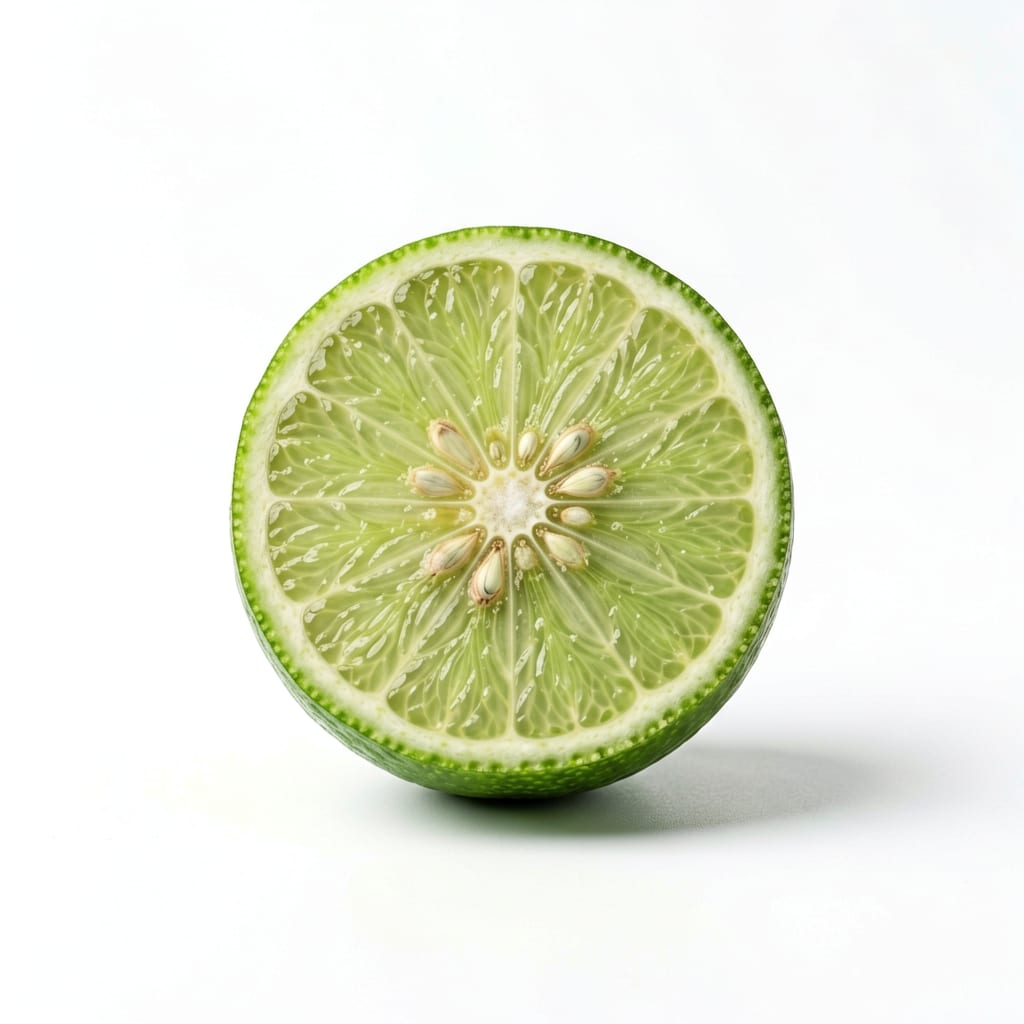
Compare with
Lime
Limes and lemons are nutritionally almost identical, both offering high vitamin C and low calories. Lemons have slightly more vitamin C, while limes are slightly more common in savory dishes.
Lemons and limes are nutritionally identical, though lemons offer slightly more vitamin C per gram.
This food
Lemon
VS80% alike
Compare with
Orange
Oranges are sweeter and higher in sugar and calories than lemons. Lemons are better for blood sugar control, while oranges are better for a quick energy snack.
Lemons are lower in sugar and better for blood sugar control, while oranges provide more energy and fiber per serving.
This food
Lemon
VS75% alike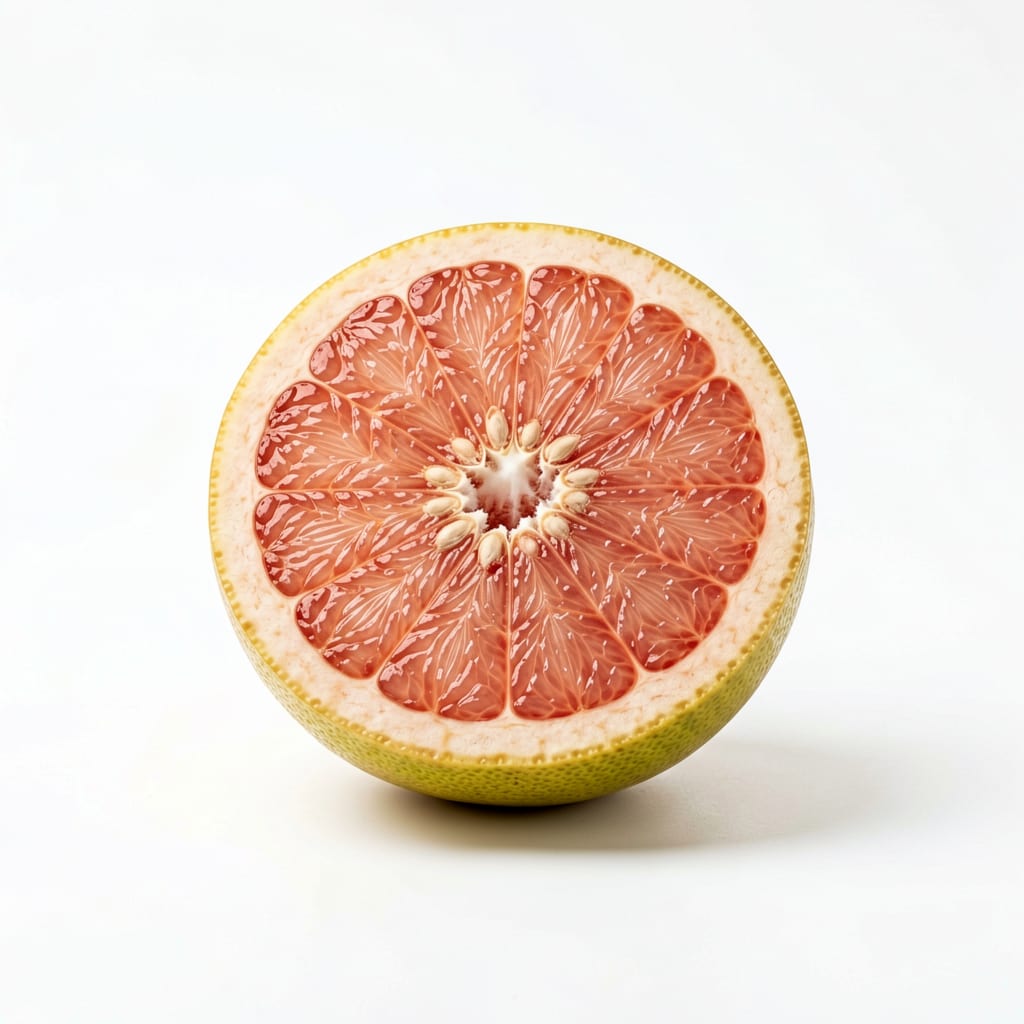
Compare with
Grapefruit
Grapefruit is lower in sugar than oranges but higher than lemons. Lemons are more versatile as a flavoring, while grapefruit is eaten as a standalone breakfast fruit.
Lemons are lower in calories and sugar, but grapefruit provides more volume and fiber for satiety.
This food
Lemon
VS70% alike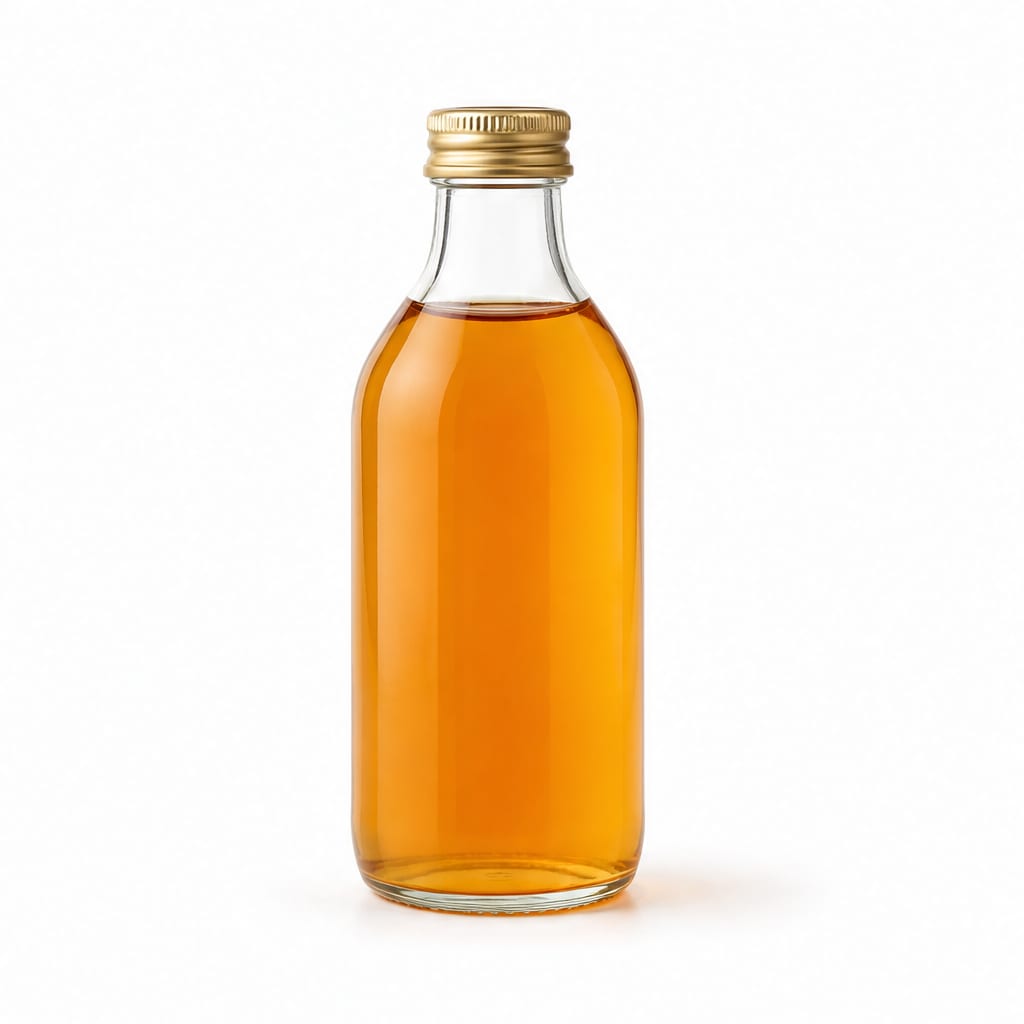
Compare with
Apple Cider Vinegar
Both are used as low-calorie flavor enhancers and digestive aids. Lemon provides vitamin C and tastes better in water, while ACV contains acetic acid which may aid blood sugar control.
Lemon provides vitamin C and tastes milder in water, while apple cider vinegar may have a stronger direct effect on lowering blood sugar.
This food
Lemon
VS85% alike
Compare with
Bottled Lemon Juice
Fresh lemons provide more vitamin C and lack the preservatives found in bottled lemon juice. Fresh is always the healthier choice.
Fresh lemons retain their vitamin C and lack preservatives, making them nutritionally superior to bottled lemon juice.
This food
Lemon
VS60% alike
Compare with
Strawberry
Strawberries are sweeter and eaten in larger quantities, providing more fiber per serving. Lemons are primarily used for flavor and offer far fewer calories.
Lemons are lower in sugar and calories, but strawberries provide more fiber and are better as a filling snack.
This food
Lemon
VS55% alike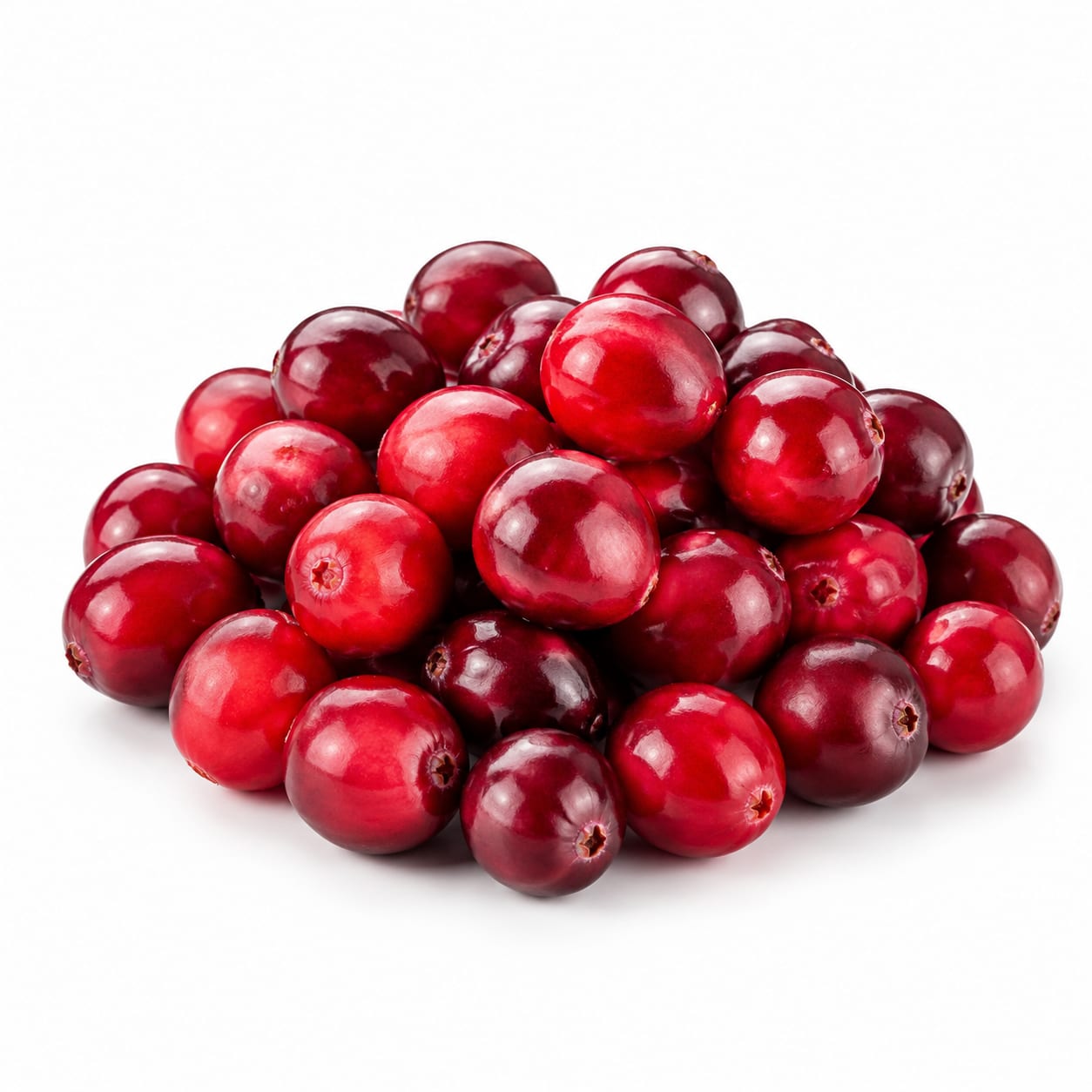
Compare with
Cranberry
Both are highly tart fruits. Unsweetened cranberries are extremely sour and often sweetened, whereas lemons are naturally low in sugar and used in small amounts.
Lemons are naturally low in sugar, whereas cranberries are often consumed as sweetened juices or dried fruits, increasing calories.
This food
Lemon
VS40% alike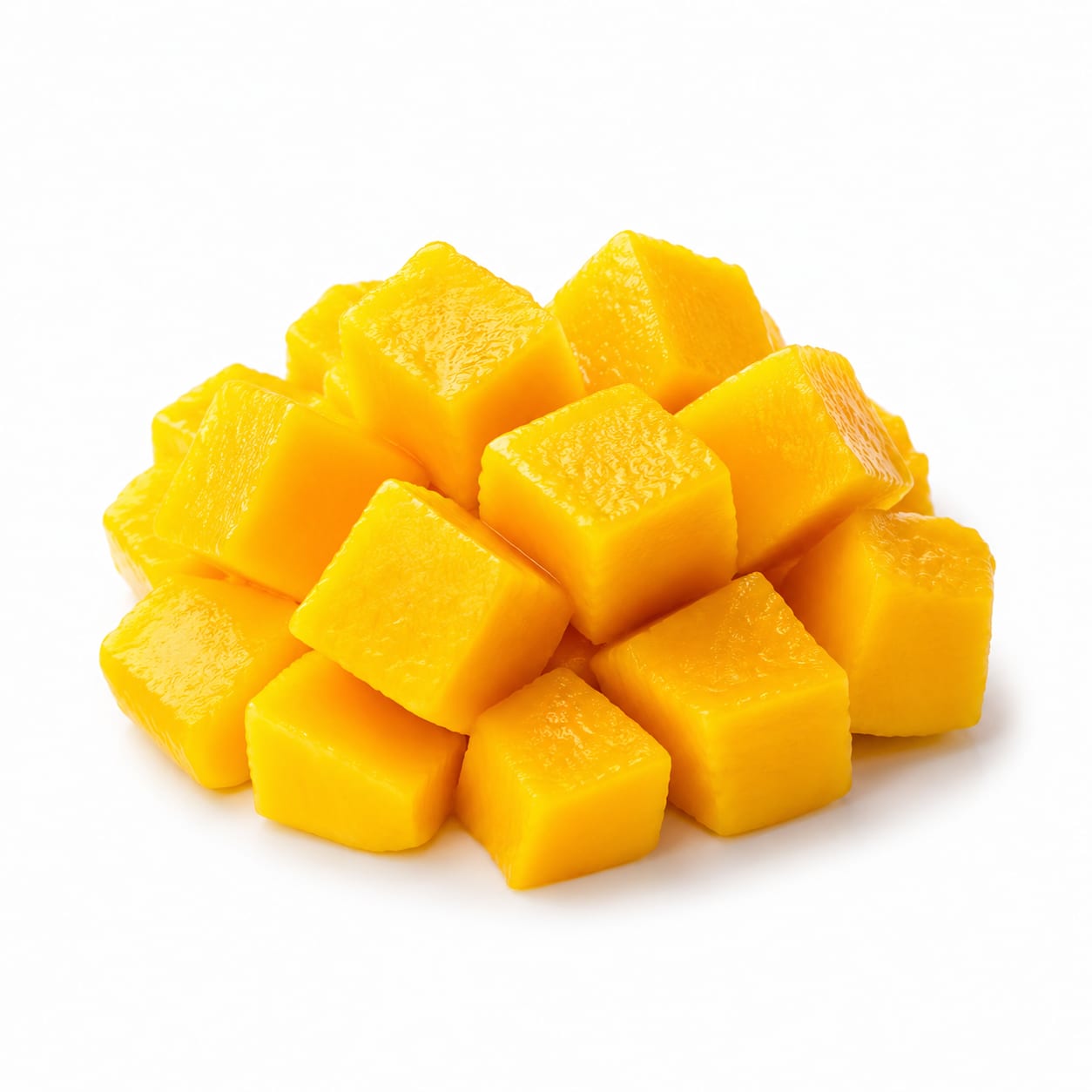
Compare with
Mango
Mangoes are high in sugar and calories, serving as a dense energy source. Lemons are the opposite, providing minimal energy and maximum flavor.
Mangoes provide quick energy and fiber, while lemons are a zero-calorie flavor enhancer better suited for weight loss.
This food
Lemon
VS45% alike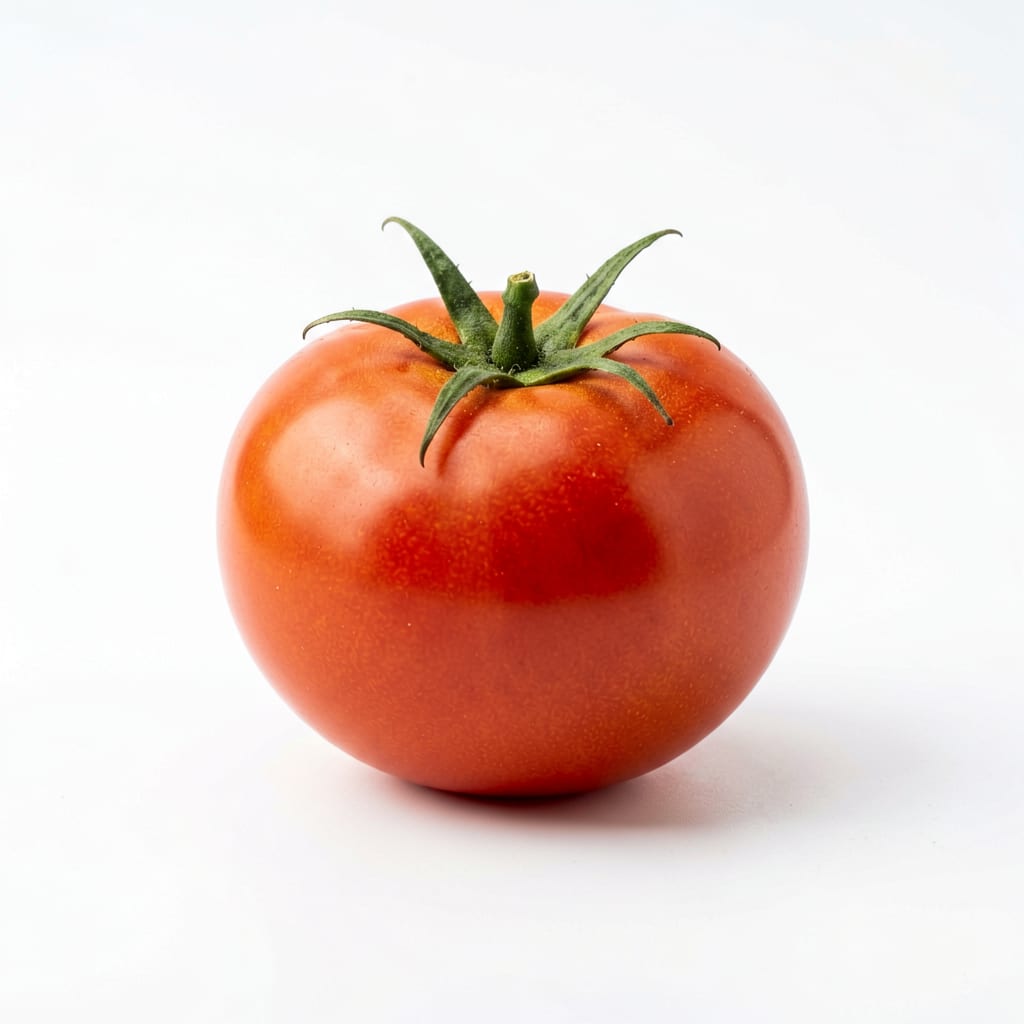
Compare with
Tomato
Both are acidic fruits used in cooking. Tomatoes provide more potassium and lycopene, while lemons provide more vitamin C and citric acid.
Tomatoes offer more potassium and lycopene for heart health, while lemons provide more vitamin C and are lower in calories.
This food
Lemon
VS50% alike
Compare with
Pineapple
Pineapple is high in sugar and bromelain, making it a good digestive and energy fruit. Lemons are low-sugar and better for strict low-carb diets.
Pineapple provides natural sugars for energy and bromelain for digestion, while lemons are virtually calorie-free and better for blood sugar.
Common questions
FAQ
Answers aligned with how people search for this food.
Are lemons good for weight loss?
Yes, lemons are very low in calories and can add flavor to meals and water without increasing energy intake, which helps with adherence to a calorie deficit.
Does lemon water burn belly fat?
No, lemon water does not directly burn fat. However, it can promote hydration and replace high-calorie beverages, indirectly supporting weight loss.
Can diabetics eat lemons?
Yes, lemons have an extremely low glycemic index and glycemic load, causing virtually no spike in blood sugar levels.
Is lemon acidic or alkaline?
Lemons are chemically acidic outside the body, but their mineral content results in an alkaline metabolic byproduct, though this has minimal impact on overall body pH.
Are lemon peels safe to eat?
Yes, lemon peels are edible and rich in flavonoids and vitamin C, but they should be washed thoroughly to remove pesticide residues and wax.
Does lemon juice help with digestion?
The citric acid in lemon juice can stimulate stomach acid production, which may aid digestion for some people, though it can worsen symptoms for those with acid reflux.
How much vitamin C is in a lemon?
One medium lemon provides about 30-40 mg of vitamin C, which is roughly 50% of the daily recommended intake.
Is bottled lemon juice as healthy as fresh?
No, bottled lemon juice loses much of its vitamin C content during pasteurization and storage. Fresh lemon juice is nutritionally superior.
Transparency
Data confidence
Estimated confidence for nutrition data, interpretation, safety notes, and comparisons.
Nutrition data
Health analysis
Food safety
Comparisons