
Nutrition comparison
Lemon vs Mango: Which Is Healthier for Your Goals?
Compare lemon and mango nutrition — sugar content, vitamin C, weight loss impact, and daily usability. Find out which fruit fits your health goals better.

Lemon
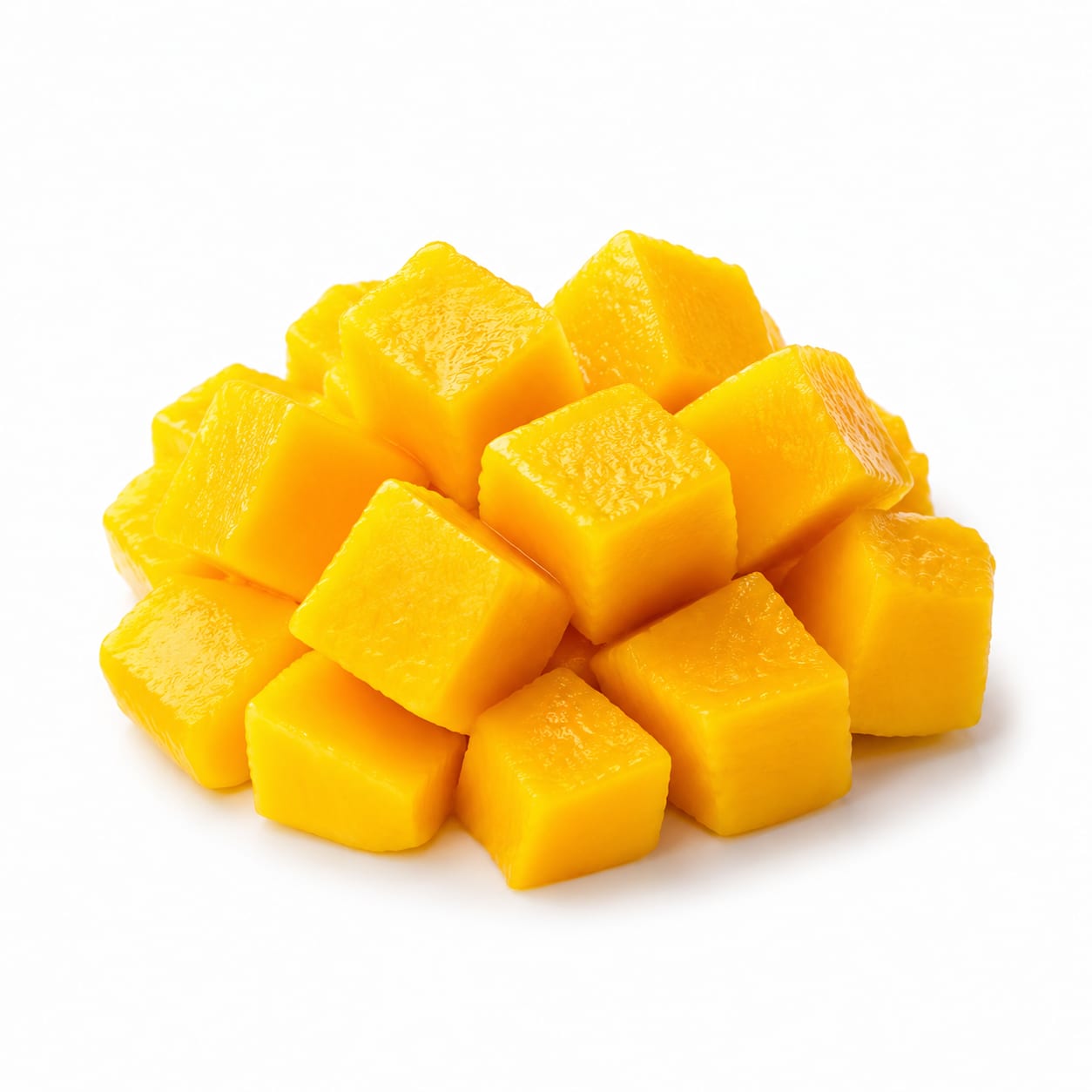
Mango
Lemon and mango serve entirely different purposes — lemon is a zero-calorie flavor enhancer, mango is a satisfying nutrient-dense snack. Comparing them is like comparing seasoning to a meal.
Scores are nearly tied because these foods fill different niches. Mango scores slightly higher for being a complete, satisfying food you can actually eat as a snack. Lemon scores well for being virtually calorie-free with concentrated benefits, but loses points because you can only consume it in small quantities.
Mango gives you a filling, sweet, vitamin-rich eating experience but comes with significant sugar. Lemon gives you intense flavor and vitamin C with almost no calories but you can only consume it in tiny amounts.
At a glance
Executive summary
Overall
It depends
Healthier
It depends
More practical
Mango
Daily use
Lemon
Key comparison lenses
sugar and glycemic impact
Mango is notably high in natural sugars while lemon is almost sugar-free, making this the most consequential difference for most users
vitamin C and antioxidant strategy
Both are celebrated for vitamin C but deliver it differently — lemon through intense acidity in small amounts, mango through larger satisfying portions
weight management and calorie density
Lemon is virtually calorie-free while mango provides meaningful calories from carbs, creating a clear tradeoff for weight-conscious users
daily eating practicality
Lemon is a condiment you squeeze; mango is a fruit you eat — they serve completely different roles in real meals
digestive tolerance
Lemon's acidity can irritate sensitive stomachs while mango is generally gentle and soothing
Best choice for
Lemon
- People strictly limiting sugar intake
- Those wanting flavor without calories
- Anyone managing blood sugar closely
- People who drink lemon water for hydration habits
Mango
- Active people needing natural carb energy
- Kids who reject sour flavors
- Anyone wanting a satisfying fruit snack
- People needing gentle, easy-to-digest food
Least suitable for
Lemon
- People with acid reflux or GERD
- Anyone with enamel erosion concerns
- Those wanting a filling snack
- Children sensitive to sour tastes
Mango
- People on strict low-carb or keto diets
- Those monitoring blood sugar closely
- Anyone trying to reduce overall sugar intake
- People with fructose intolerance
Deep comparison
Dimension by dimension
Each lens scores both foods and breaks down who each option suits.
- Dimension 1 · Priority 92Lemon
sugar_and_blood sugar_impact
Lemon · 95Mango · 45Lemon has negligible sugar and almost no glycemic impact. Mango contains about 46g of sugar per fruit, which raises blood sugar noticeably.
Tradeoff
Lemon wins for metabolic control but provides no satisfying sweetness. Mango offers natural sweetness that feels rewarding but requires portion awareness.
Why it matters
If you're managing diabetes, prediabetes, or trying to reduce sugar cravings, this difference is decisive.
Real-world impact
A whole mango can spike blood sugar similarly to a candy bar in terms of total sugar load, while lemon in water has zero measurable glycemic effect.
Lemon
- Diabetics and prediabetics
- Keto and low-carb dieters
- Anyone breaking sugar addiction
Better for
- Anyone wanting a sweet satisfying treat
Worse for
Mango
- Athletes needing quick carb fuel
- Healthy people wanting natural sweetness
Better for
- Insulin-resistant individuals
- Anyone tracking daily sugar grams carefully
Worse for
- Dimension 2 · Priority 85It depends
vitamin_C_and_antioxidants
Lemon · 88Mango · 78Lemon delivers more vitamin C per ounce, but mango provides a broader antioxidant spectrum including beta-carotene and mangiferin.
Tradeoff
Lemon gives concentrated vitamin C in tiny doses. Mango gives good vitamin C plus unique antioxidants but you need to eat more calories to get it.
Why it matters
Both support immunity, but mango's diverse antioxidants may offer broader long-term protection against cellular damage.
Real-world impact
Squeezing half a lemon in water covers most of your vitamin C needs with zero calories. Getting equivalent vitamin C from mango means eating about a third of a mango — which also gives you vitamin A and anti-inflammatory compounds.
Lemon
- Maximum vitamin C per calorie
- Convenient daily immune support in drinks
Better for
- Anyone wanting diverse antioxidant coverage
Worse for
Mango
- Broader antioxidant protection
- Anti-inflammatory benefits from mangiferin
Better for
- Those wanting vitamin C without sugar calories
Worse for
- Dimension 3 · Priority 80Mango
satiety_and_eating_experience
Lemon · 20Mango · 82Mango is a real food you eat and feel satisfied from. Lemon is a flavoring agent — nobody eats a lemon and feels full.
Tradeoff
Mango satisfies hunger and sweet cravings but comes with caloric cost. Lemon adds zero calories but contributes nothing to fullness.
Why it matters
If you're hungry between meals, lemon water won't help. Mango can bridge the gap but may trigger wanting more sweet food.
Real-world impact
A cup of mango chunks as an afternoon snack feels like a real treat and curbs hunger. Lemon water might temporarily suppress appetite through acidity but won't nourish you.
Lemon
- Flavor enhancement without adding calories
Better for
- Anyone genuinely hungry
Worse for
Mango
- Actual hunger satisfaction
- Replacing less healthy sweet snacks
- Post-meal satisfaction
Better for
- Emotional eaters who can't stop at one serving
Worse for
- Dimension 4 · Priority 70Mango
digestive_tolerance
Lemon · 40Mango · 80Mango is gentle on the digestive tract and contains enzymes that aid digestion. Lemon's high acidity can irritate sensitive stomachs and damage tooth enamel.
Tradeoff
Lemon stimulates digestion and may help with bloating, but its acidity is harsh on enamel and GERD. Mango is soothing but its sugar can ferment in sensitive guts.
Why it matters
If you have acid reflux, lemon can be a trigger. If you have IBS, mango's sugar might cause bloating. Neither is perfect for sensitive digestion.
Real-world impact
Drinking lemon water daily can erode enamel over time without proper rinsing. Eating mango after a meal feels gentle and can help settle the stomach.
Lemon
- Stimulating digestion before meals
- Reducing bloating in non-sensitive individuals
Better for
- GERD and acid reflux sufferers
- People with thin tooth enamel
Worse for
Mango
- Soothing the digestive tract
- Post-meal digestive comfort
- People with GERD who need low-acid options
Better for
- Fructose malabsorbers
- FODMAP-sensitive individuals
Worse for
- Dimension 5 · Priority 78Lemon
calorie_efficiency
Lemon · 98Mango · 50Lemon provides intense flavor and health benefits with virtually zero calories. Mango costs about 100 calories per cup — not excessive but not negligible.
Tradeoff
Lemon is the ultimate low-calorie flavor booster. Mango offers more nutrition per calorie than most foods but still adds up if you eat freely.
Why it matters
For strict calorie counters, lemon is a free food. Mango requires portion tracking, especially since it's easy to overeat.
Real-world impact
You can use lemon juice freely on salads, in water, and on fish without thinking about calories. A large mango can easily contribute 200+ calories if you eat the whole thing.
Lemon
- Strict calorie restriction phases
- Flavor without caloric cost
Better for
- Anyone needing actual energy from food
Worse for
Mango
- Active people needing calorie fuel
- Healthy weight maintenance
Better for
- Careful calorie counters
- Late-night snacking when calories matter
Worse for
- Dimension 6 · Priority 72It depends
versatility_and_convenience
Lemon · 82Mango · 65Lemon enhances almost any savory dish, drink, or dressing. Mango is more limited — great on its own or in smoothies but doesn't pair as widely.
Tradeoff
Lemon is a kitchen staple you use daily in small amounts. Mango is a seasonal treat that's harder to store and prep.
Why it matters
Lemon stays fresh for weeks and improves countless meals. Mango ripens quickly, gets messy, and has a short window of perfect eating.
Real-world impact
A single lemon lasts in the fridge for weeks and seasons fish, salads, water, and tea. A mango demands attention — eat it within days or it goes bad.
Lemon
- Cooking and meal prep versatility
- Long shelf life
- Zero prep time for juice
Better for
- Anyone wanting a grab-and-go snack
Worse for
Mango
- Standalone snacking
- Smoothie and dessert applications
Better for
- Meal prep and cooking integration
- Storage and ripeness management
Worse for
Timeline
Health impact over time
Short-term
Hours to days
Lemon
- Immediate hydration boost when added to water
- Can trigger heartburn in susceptible people within minutes
- Freshens breath temporarily
- Slight appetite suppression from acidity
Mango
- Quick natural energy from easily digested sugars
- Satisfies sweet cravings without processed alternatives
- Can cause blood sugar rise within 30 minutes
- Mild digestive comfort from enzymes
Long-term
Months to years
Lemon
- Consistent vitamin C intake supporting immune resilience
- Potential enamel erosion if consumed undiluted daily
- May support kidney health by increasing citrate levels
- Habitual lemon water can improve hydration consistency
Mango
- Broad antioxidant intake reducing oxidative stress over time
- Regular consumption may support eye health through vitamin A
- Excessive intake could contribute to sugar-related metabolic strain
- Mangiferin may offer anti-inflammatory benefits with regular consumption
Risk profile
Safety & processing
Both lemon and mango are whole, natural foods when purchased fresh. Neither raises processing concerns. The main difference is that lemon is often consumed as juice while mango is eaten whole, which affects fiber intake but not processing level.
Lemon
Tooth enamel erosion
mediumRegular exposure to citric acid, especially undiluted, can thin enamel over time. Always rinse with water after consuming lemon juice.
Contaminated rind
lowLemon peels can carry pesticide residue or bacteria. Wash thoroughly before using the zest or dropping slices into drinks.
Mango
Pesticide residue
mediumMangoes are on the moderate pesticide list. Peeling removes most residue since the thick skin takes the brunt of spraying.
Allergic cross-reaction
lowMango skin contains urushiol, the same compound as poison ivy. Peeling with bare hands can cause contact dermatitis in sensitive people.
Who wins for whom
Audience fit
Same foods, different winners depending on your goal.
children
MangoMost children enjoy mango's sweet taste and soft texture. Lemon is too sour for most kids and offers no satisfying eating experience.
daily consumption
LemonLemon can be used daily in water and cooking without sugar concerns or calorie accumulation. Daily mango consumption adds significant sugar and calories that require monitoring.
diabetes
LemonLemon has essentially zero sugar and zero glycemic impact. Mango's 46g of sugar per fruit requires careful portioning for blood sugar management.
elderly
MangoMango is easy to chew, gentle on the stomach, and provides concentrated nutrition in an accessible form. Lemon's acidity can aggravate common elderly digestive issues.
muscle gain
MangoMango provides usable carbohydrate energy around workouts and some recovery-supporting vitamins, while lemon offers negligible fuel.
weight loss
LemonLemon adds flavor to meals and drinks with virtually zero calories, making it easier to maintain a calorie deficit without feeling deprived.
Your move
Decision guide
Choose Lemon
- You're cutting sugar or managing blood sugar
- You want flavor without calories
- You drink lemon water as a daily habit
- You need a versatile kitchen staple
- You have acid reflux under control and want metabolic benefits
Choose Mango
- You want a satisfying, nutrient-dense snack
- You're active and need natural carb energy
- You're feeding kids who need appealing fruit options
- You want broad antioxidant coverage in one food
- You're at a healthy weight and can enjoy sugar moderately
Either works if
- You want immune-supporting vitamin C
- You're looking for whole-food antioxidant sources
- You want natural flavor without artificial additives
Avoid both if
- You have citrus allergies (lemon) or urushiol sensitivity (mango skin)
- You're on an extremely restricted diet that limits all fruit
- You have severe fructose intolerance
Final recommendation
Keep both in your life — they serve different purposes. Use lemon daily as a zero-calorie flavor and hydration enhancer. Enjoy mango as an occasional nutrient-packed treat when you want something sweet and satisfying. If you must pick one for daily health benefits without downsides, lemon wins for consistency and metabolic safety.
Practical
Consumer tips
- 1
Always dilute lemon juice — never drink it straight to protect your enamel
- 2
Rinse your mouth with plain water after consuming lemon before brushing teeth
- 3
Peel mangoes with a knife rather than your teeth to avoid urushiol contact dermatitis
- 4
Freeze mango chunks for a naturally sweet, long-lasting snack that's harder to overeat
- 5
Use lemon juice on salads and proteins instead of high-calorie dressings to save hundreds of weekly calories
- 6
Choose firmer mangoes for longer ripening windows at home
- 7
A whole mango is roughly 200 calories — consider eating half if you're watching intake
- 8
Wax on lemon skins can trap pesticides — buy organic if you use the zest