
Nutrition comparison
Lemon vs Tomato: Which Is Healthier for Daily Use?
Compare lemon and tomato nutrition, antioxidants, and health benefits. Discover when lemon's vitamin C edge beats tomato's lycopene, and which food fits your goals better.
Overall winner · Tomato
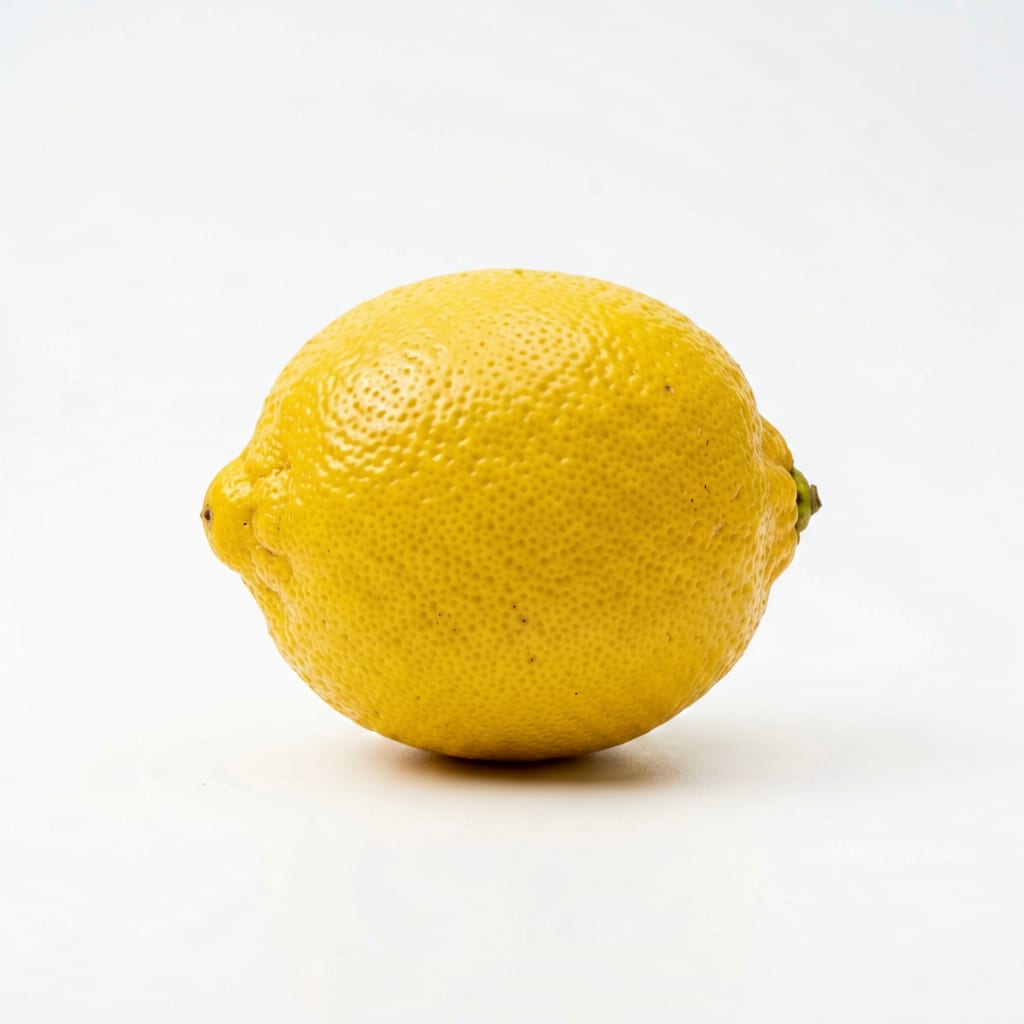
Lemon
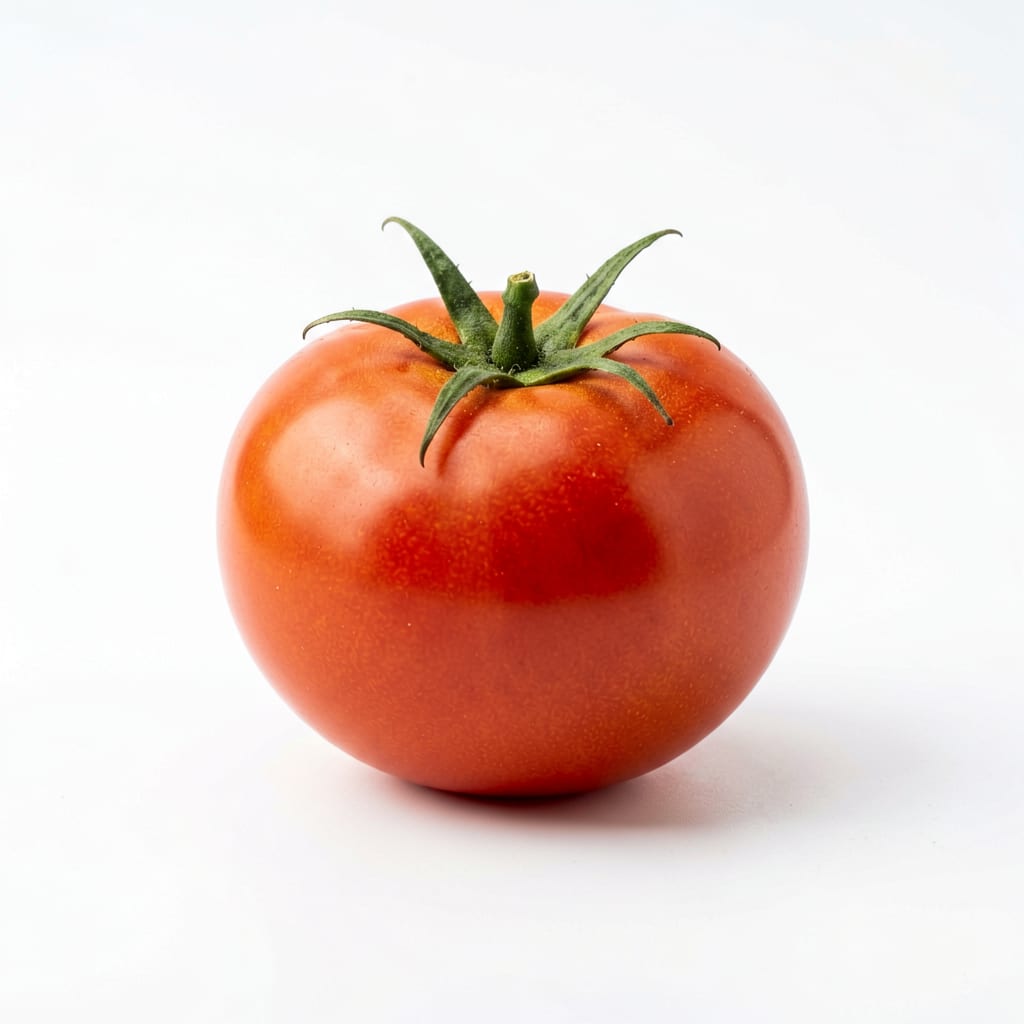
Tomato
Tomatoes win as a daily food you can actually eat in quantity, while lemons are a powerful but small-dose supplement you squeeze over things.
Tomatoes score higher because they function as a complete food you can build meals around, delivering lycopene, potassium, and folate in meaningful quantities. Lemons are potent but limited by their role as a condiment — you rarely eat enough to get substantial nutrition beyond vitamin C.
Lemons deliver concentrated vitamin C and detoxifying compounds in tiny amounts, but tomatoes provide sustained nutrition including lycopene, potassium, and folate in meal-sized portions.
At a glance
Executive summary
Overall
Tomato
Healthier
Tomato
More practical
Tomato
Daily use
Tomato
Key comparison lenses
Vitamin C and immune support comparison
Both foods are known for vitamin C but in very different amounts, making this the most obvious comparison point
Antioxidant profile tradeoffs
Lycopene in tomatoes versus citrus flavonoids in lemons represents two fundamentally different antioxidant strategies
Culinary role and daily practicality
Tomatoes are a staple food eaten in large quantities while lemons are a seasoning used in small amounts, making direct nutritional comparison tricky
Heart health and cancer prevention
Lycopene gives tomatoes a strong cardiovascular and anticancer edge that lemons cannot match
Digestive and acidity tolerance
Both are acidic but affect the body differently, and some people struggle with one or both
Best choice for
Lemon
- Immune system boosts during cold season
- Flavoring water to increase hydration
- Alkalizing effects after digestion
- Quick vitamin C top-ups in small doses
Tomato
- Heart health and cardiovascular protection
- Meal-sized nutrition with real satiety
- Prostate cancer risk reduction
- Cooking base for sauces, soups, and stews
Least suitable for
Lemon
- People with acid reflux or GERD
- Anyone with citrus allergies
- Those with enamel erosion concerns
- People wanting meal-sized calories
Tomato
- People with nightshade sensitivities
- Those with histamine intolerance
- Anyone avoiding high-potassium foods due to kidney issues
- People with confirmed tomato allergies
Deep comparison
Dimension by dimension
Each lens scores both foods and breaks down who each option suits.
- Dimension 1 · Priority 90Lemon
Vitamin C and Immune Support
Lemon · 92Tomato · 64Lemons deliver roughly 50% more vitamin C per 100g than tomatoes, and you often consume lemon juice in concentrated form.
Tradeoff
Tomatoes still provide decent vitamin C alongside other nutrients, while lemons offer vitamin C with almost nothing else calorically.
Why it matters
If immune support is your top priority, lemon juice gives you a faster, more concentrated hit of vitamin C.
Real-world impact
Squeezing half a lemon into water gives you about 30% of your daily vitamin C in seconds — you would need to eat a whole medium tomato to get similar amounts.
Lemon
- Quick immune boosts
- Cold season prevention
- Adding vitamin C without calories
Better for
- People who cannot tolerate high acidity
- Anyone wanting a filling food
Worse for
Tomato
- Sustained vitamin C intake across meals
- Getting vitamin C alongside other nutrients
Better for
- Those needing maximum vitamin C per bite
Worse for
- Dimension 2 · Priority 88Tomato
Antioxidant Power and Disease Prevention
Lemon · 68Tomato · 91Tomatoes dominate here thanks to lycopene, one of the most researched antioxidants for cancer and heart disease prevention.
Tradeoff
Lemons offer unique flavonoids like hesperidin and diosmin, but the evidence base and effect size are smaller than for lycopene.
Why it matters
Lycopene from cooked tomatoes is strongly linked to lower prostate cancer risk and better heart health — this is a rare case where the science is quite robust.
Real-world impact
Eating tomato sauce twice a week is associated with measurable reductions in cardiovascular risk. No equivalent strong finding exists for lemons.
Lemon
- Anti-inflammatory flavonoid intake
- Blood vessel support from citrus compounds
Better for
- Anyone prioritizing cancer prevention evidence
Worse for
Tomato
- Prostate cancer risk reduction
- Heart disease prevention
- Skin protection against UV damage
- Cooked antioxidant availability
Better for
- People who only eat raw tomatoes and never cook them
Worse for
- Dimension 3 · Priority 85Tomato
Daily Nutritional Breadth
Lemon · 45Tomato · 82Tomatoes provide meaningful amounts of potassium, folate, vitamin K, and vitamin A — lemons offer vitamin C and not much else in usable quantities.
Tradeoff
Lemons are nutritionally narrow but extremely efficient at delivering their one standout nutrient. Tomatoes are nutritionally broad but less intense in any single category.
Why it matters
Your body needs multiple nutrients daily, and tomatoes contribute to more of them in realistic serving sizes.
Real-world impact
A cup of chopped tomatoes gives you potassium, folate, and vitamin A alongside vitamin C. A tablespoon of lemon juice gives you vitamin C and almost nothing else.
Lemon
- Targeted vitamin C supplementation
Better for
- Anyone relying on it as a significant nutrient source beyond vitamin C
Worse for
Tomato
- Covering multiple nutrient bases at once
- Replacing processed side dishes with whole food
- Getting potassium without supplements
Better for
- Those who need maximum vitamin C per calorie
Worse for
- Dimension 4 · Priority 82Tomato
Culinary Versatility and Practicality
Lemon · 70Tomato · 88Tomatoes are a foundational ingredient in cuisines worldwide — sauces, salads, soups, sandwiches. Lemons are essential but as a seasoning, not a base.
Tradeoff
Lemons enhance almost any dish but never become the dish itself. Tomatoes can be the star or the foundation of an entire meal.
Why it matters
The more ways you can use a food, the more likely you are to eat it regularly and consistently.
Real-world impact
You can build dinner around tomatoes — pasta sauce, curry, salad. Lemon is always the supporting actor, never the main event.
Lemon
- Flavoring water and drinks
- Finishing dishes with brightness
- Marinades and dressings
Better for
- Anyone wanting a standalone snack
Worse for
Tomato
- Building entire meals
- Batch cooking sauces and soups
- Raw snacking
- Grain bowl and salad bases
Better for
- Quick drink flavoring
Worse for
- Dimension 5 · Priority 70It depends
Digestive Tolerance and Acidity
Lemon · 55Tomato · 65Both are acidic, but lemons are significantly more acidic and more likely to trigger reflux or enamel erosion.
Tradeoff
Tomatoes are milder on teeth and stomach but still bother some people with GERD. Lemons have an alkalizing effect after digestion but cause more immediate irritation.
Why it matters
If you have acid reflux, citrus allergies, or dental concerns, the delivery method matters as much as the nutrients.
Real-world impact
Drinking straight lemon juice can damage enamel and trigger heartburn. Tomatoes are gentler but still cause issues for some when eaten in large amounts or as sauce.
Lemon
- People wanting alkalizing effects post-digestion
- Those who dilute in water and sip slowly
Better for
- GERD and acid reflux sufferers
- People with thin tooth enamel
Worse for
Tomato
- People with mild acid sensitivity
- Those concerned about dental enamel
- Easier to eat in larger quantities without irritation
Better for
- Nightshade-sensitive individuals
- Histamine intolerance sufferers
Worse for
Timeline
Health impact over time
Short-term
Hours to days
Lemon
- Quick vitamin C boost supporting immune function within hours
- Can trigger heartburn or acid reflux in sensitive people
- May temporarily irritate mouth sores or sensitive teeth
- Helps with hydration when added to water
Tomato
- Provides steady energy without blood sugar spikes
- Mildly filling due to water and fiber content
- Can trigger heartburn when eaten as sauce or paste
- Supports immediate hydration as a high-water food
Long-term
Months to years
Lemon
- Consistent vitamin C intake supports collagen and skin health over years
- Citrus flavonoids may improve blood vessel function with regular consumption
- Risk of dental enamel erosion if consumed undiluted frequently
- May reduce kidney stone risk due to citric acid content
Tomato
- Lycopene intake strongly associated with lower prostate cancer risk over decades
- Regular consumption linked to reduced cardiovascular disease risk
- Potassium contributes to long-term blood pressure management
- Cooked tomato products may improve skin protection against sun damage
Risk profile
Safety & processing
Both lemons and tomatoes are whole, minimally processed foods in their natural state. However, tomato products like canned sauce and paste often contain added sodium and preservatives, while lemon juice bottles may contain sulfites. Fresh is best for both.
Lemon
Dental enamel erosion
mediumRegular exposure to undiluted lemon juice can wear down tooth enamel over time. Always dilute and rinse mouth afterward.
Citrus allergy
lowTrue citrus allergy is uncommon but can cause mouth swelling, hives, or digestive distress.
Pesticide residue on peel
mediumLemon peels often carry pesticide residues. Choose organic if using the zest or peel.
Tomato
Nightshade sensitivity
mediumTomatoes contain solanine and other alkaloids that can trigger joint pain or inflammation in sensitive individuals.
Histamine intolerance
mediumTomatoes are high in histamine and can cause headaches, flushing, or digestive issues in histamine-intolerant people.
BPA in canned tomato products
mediumCanned tomatoes are acidic enough to leach BPA from can linings. Choose glass jars or Tetra Pak when possible.
Salmonella and foodborne illness
lowRaw tomatoes have been linked to occasional salmonella outbreaks. Wash thoroughly before eating.
Who wins for whom
Audience fit
Same foods, different winners depending on your goal.
children
TomatoChildren are more likely to eat tomatoes in pasta sauce or as snacks. Raw lemon is too intense for most kids, though diluted lemonade works.
daily consumption
TomatoTomatoes can be eaten in larger quantities across multiple meals without irritation. Lemons are best in small daily doses to protect teeth and stomach.
diabetes
TomatoTomatoes have a lower glycemic impact in realistic serving sizes and provide more fiber. Both are excellent choices for blood sugar management.
elderly
TomatoLycopene and potassium in tomatoes support heart and bone health in aging populations. The broader nutrient profile is more protective.
muscle gain
TomatoNeither is a protein source, but tomatoes provide more potassium which supports muscle function and recovery. Both are essentially neutral here.
weight loss
TomatoTomatoes are more filling per calorie and can replace higher-calorie foods in meals. Lemons are too small in serving size to meaningfully affect satiety.
Your move
Decision guide
Choose Lemon
- You want maximum vitamin C in the smallest dose
- You are trying to drink more water and need flavor
- You are prone to kidney stones and need citric acid
- You want an alkalizing food after digestion
- You need a quick flavor boost for cooking without adding calories
Choose Tomato
- You want heart-protective and cancer-fighting antioxidants
- You need a versatile food you can build meals around
- You want broader daily nutrition beyond just vitamin C
- You are cooking for a family and need a crowd-pleasing ingredient
- You want something you can actually eat a full serving of
Either works if
- You want more antioxidants in your diet overall
- You are looking for low-calorie flavor enhancers
- You want to reduce sodium in cooking by using acidic flavors instead
Avoid both if
- You have severe GERD that reacts to all acidic foods
- You are on a low-acid diet for dental or digestive reasons
Final recommendation
Use both, but in different roles. Squeeze lemon into water and over dishes for a vitamin C boost, and eat tomatoes regularly as a meal foundation for lycopene and broader nutrition. If you must pick one for daily eating, tomatoes give you more of what your body needs in quantities that actually matter.
Practical
Consumer tips
- 1
Dilute lemon juice in water and use a straw to protect tooth enamel
- 2
Choose organic lemons if you plan to use the zest or peel
- 3
Cook tomatoes with olive oil to dramatically increase lycopene absorption
- 4
Buy canned tomatoes in glass jars instead of metal cans to avoid BPA exposure
- 5
Freeze lemon juice in ice cube trays for easy portioned use
- 6
Cherry tomatoes make the easiest snack — no cutting required
- 7
Add lemon to green tea to boost antioxidant absorption by up to 6 times
- 8
Avoid storing cut tomatoes at room temperature for more than 2 hours