
Nutrition comparison
Lemon vs Bottled Lemon Juice: Nutrition, Flavor, and Health Comparison
Fresh lemon delivers more vitamin C, zero preservatives, and better flavor than bottled lemon juice. See the full nutritional tradeoff and find out which to use daily.
Overall winner · Lemon

Lemon
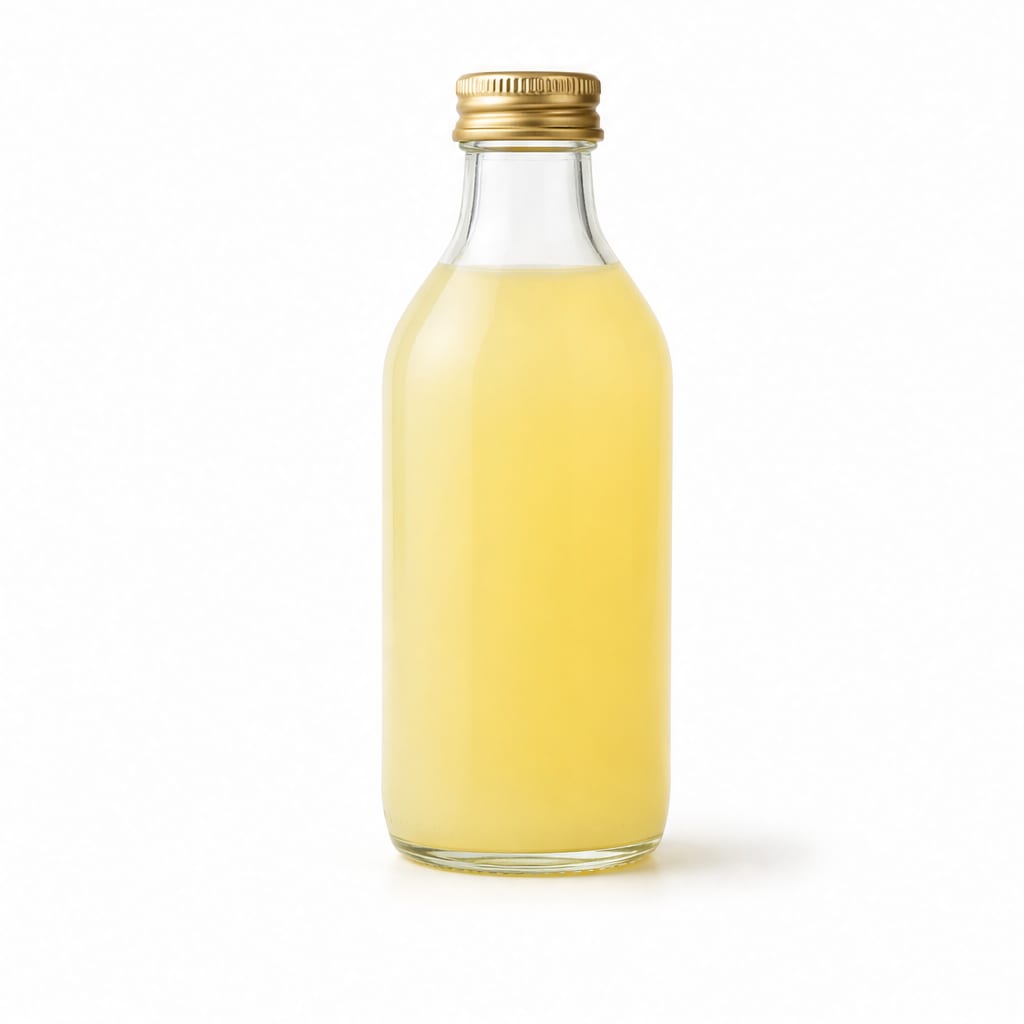
Bottled Lemon Juice
Fresh lemons deliver superior nutrition, cleaner ingredients, and better flavor, while bottled lemon juice trades quality for convenience and shelf stability.
Fresh lemons score significantly higher due to superior vitamin C retention, zero additives, and richer flavor. Bottled lemon juice loses points for preservative content, nutrient degradation, and flavor flatness, but retains some score for convenience and shelf stability.
You gain time and convenience with bottled lemon juice but lose significant vitamin C, natural enzymes, aromatic complexity, and additive-free purity.
At a glance
Executive summary
Overall
Lemon
Healthier
Lemon
More practical
Bottled Lemon Juice
Daily use
Lemon
Key comparison lenses
nutritional freshness comparison
Vitamin C and volatile antioxidants degrade rapidly after juicing, making freshness the single most important differentiator
additive and preservative exposure
Bottled lemon juice commonly contains sulfites, sodium benzoate, or sodium metabisulfite, which fresh lemons entirely avoid
convenience vs quality tradeoff
Users typically choose bottled for convenience but sacrifice flavor complexity and nutritional potency
culinary performance
Fresh lemon juice delivers brighter acidity and aromatic oils that bottled versions cannot replicate in cooking and beverages
cost and shelf stability
Bottled lemon juice offers longer shelf life and lower cost per ounce, relevant for bulk or infrequent users
Best choice for
Lemon
- Daily warm lemon water rituals
- Cooking where flavor matters
- Vitamin C optimization
- Avoiding preservatives and sulfites
- Cocktails and garnishing
Bottled Lemon Juice
- Bulk lemonade or large-batch cooking
- Infrequent users who cannot use whole lemons before spoiling
- Travel or workplace convenience
- Situations where squeezing is impractical
Least suitable for
Lemon
- People with hand mobility issues who struggle with squeezing
- High-volume commercial kitchens needing rapid prep
- Situations requiring long unrefrigerated storage
Bottled Lemon Juice
- Sulfite-sensitive individuals
- Those seeking maximum vitamin C intake
- Gourmet cooking where flavor nuance matters
- Clean-eating or whole-food advocates
Deep comparison
Dimension by dimension
Each lens scores both foods and breaks down who each option suits.
- Dimension 1 · Priority 95Lemon
Vitamin C and Antioxidant Potency
Lemon · 92Bottled Lemon Juice · 38Fresh lemon juice contains roughly double the vitamin C of bottled versions, which degrade during pasteurization and storage.
Tradeoff
Bottled lemon juice provides some vitamin C but loses a substantial portion to heat processing and time on the shelf.
Why it matters
Vitamin C is the primary health reason people consume lemon juice, so degradation directly undermines the core benefit.
Real-world impact
A morning glass of fresh lemon juice delivers a meaningful vitamin C boost; the same ritual with bottled juice provides only a fraction of that benefit.
Lemon
- Immune support routines
- Skin health through dietary vitamin C
- Iron absorption enhancement when paired with plant-based meals
Better for
- Requires immediate use after cutting to preserve vitamin C content
Worse for
Bottled Lemon Juice
- Minimal vitamin C is still present, better than no citrus at all
Better for
- Reliance on bottled juice for vitamin C may create a false sense of nutritional adequacy
Worse for
- Dimension 2 · Priority 88Lemon
Additives and Preservative Load
Lemon · 100Bottled Lemon Juice · 30Fresh lemons contain exactly zero additives. Bottled lemon juice almost always contains preservatives like sodium metabisulfite, sodium benzoate, or sulfites.
Tradeoff
The convenience of a shelf-stable bottle comes at the cost of chemical preservatives your body does not need.
Why it matters
Sulfites can trigger allergic reactions and asthma in sensitive individuals. Sodium benzoate may form benzene under certain conditions.
Real-world impact
Someone drinking bottled lemon water daily is consuming small but consistent doses of preservatives that fresh lemons would entirely eliminate.
Lemon
- Sulfite-sensitive individuals
- Asthma sufferers
- Clean-label and whole-food diets
Better for
- No preservative downside exists
Worse for
Bottled Lemon Juice
- People with zero sensitivity to common preservatives
Better for
- Daily consumers accumulate consistent low-level preservative exposure
- Sulfite-sensitive people may experience headaches or breathing issues
Worse for
- Dimension 3 · Priority 80Lemon
Flavor and Culinary Versatility
Lemon · 95Bottled Lemon Juice · 40Fresh lemon juice has bright, complex acidity with floral and volatile aromatic compounds that bottled juice loses during processing.
Tradeoff
Bottled juice tastes flat and one-dimensional by comparison, but it saves time when flavor nuance is not critical.
Why it matters
In cooking and beverages, lemon is often a finishing touch where aromatic quality makes or breaks the dish.
Real-world impact
A vinaigrette made with fresh lemon juice tastes vibrant and layered; the same recipe with bottled juice tastes dull and slightly metallic.
Lemon
- Finishing dishes where lemon is a star flavor
- Cocktails and mocktails
- Dressings, marinades, and desserts
Better for
- Requires juicing effort and immediate use
Worse for
Bottled Lemon Juice
- Recipes where lemon is a background acid among many strong flavors
- Large-batch cooking where nuance is lost anyway
Better for
- Can introduce off-flavors that subtly degrade dish quality
Worse for
- Dimension 4 · Priority 78Bottled Lemon Juice
Convenience and Shelf Stability
Lemon · 35Bottled Lemon Juice · 90Bottled lemon juice is ready instantly and lasts months in the fridge. Fresh lemons require cutting, squeezing, and spoil within weeks.
Tradeoff
You trade flavor and nutrition for the ability to grab and pour without any prep or waste.
Why it matters
For many people, friction is the biggest barrier to healthy habits. If bottled juice means you actually use it, that counts for something.
Real-world impact
A busy parent making lemon water at 6 AM is more likely to actually do it with a bottle in the fridge door than by hunting for a lemon and a juicer.
Lemon
- People who enjoy kitchen rituals and prep time
- Those who use lemons frequently enough that spoilage is not an issue
Better for
- Lemons spoil, creating food waste if not used promptly
- Requires tools like a juicer or reamer for efficiency
Worse for
Bottled Lemon Juice
- Quick morning routines
- Office or travel use
- People who only need small amounts occasionally
Better for
- Convenience may encourage habitual use despite inferior nutrition
Worse for
- Dimension 5 · Priority 55Bottled Lemon Juice
Cost Efficiency
Lemon · 50Bottled Lemon Juice · 78Bottled lemon juice is cheaper per fluid ounce and eliminates waste from unused lemons spoiling.
Tradeoff
You save money but get a product with degraded nutrition and added preservatives.
Why it matters
For budget-conscious households, the cost difference can be meaningful over time, especially if fresh lemons frequently go bad.
Real-world impact
A bottle of lemon juice costing three dollars may yield the equivalent of ten lemons at a lower total price and zero waste.
Lemon
- Those who use whole lemons efficiently including zest and peel
- People who value quality over per-ounce cost
Better for
- Wasted lemons from spoilage erase the cost advantage quickly
Worse for
Bottled Lemon Juice
- Budget-focused households
- Infrequent users who would waste fresh lemons
Better for
- Cheaper per ounce but nutritionally inferior, making it a false economy for health-focused users
Worse for
- Dimension 6 · Priority 72Lemon
Enzyme and Phytonutrient Integrity
Lemon · 88Bottled Lemon Juice · 25Fresh lemons retain natural enzymes and beneficial phytonutrients that heat processing and pasteurization destroy in bottled versions.
Tradeoff
These compounds are not essential nutrients but may contribute to digestion and anti-inflammatory benefits that bottled juice cannot match.
Why it matters
Emerging research suggests citrus enzymes and flavonoids play supporting roles in gut health and inflammation reduction.
Real-world impact
Someone drinking fresh lemon water before meals may experience better digestion support than someone using the bottled equivalent.
Lemon
- Digestive health routines
- Anti-inflammatory dietary patterns
- Whole-food nutrition philosophies
Better for
- Enzymes degrade quickly after juicing, so fresh must truly mean fresh
Worse for
Bottled Lemon Juice
- Minimal phytonutrient content still present but significantly reduced
Better for
- Pasteurization destroys most heat-sensitive beneficial compounds
Worse for
Timeline
Health impact over time
Short-term
Hours to days
Lemon
- Immediate vitamin C boost supporting immune function
- Mild digestive stimulation from natural enzymes
- Fresh aromatic compounds may improve alertness and mood
Bottled Lemon Juice
- Some vitamin C remains but noticeably less than fresh
- Preservatives like sulfites may cause headaches or mild reactions in sensitive people
- Convenience may increase overall lemon juice consumption frequency
Long-term
Months to years
Lemon
- Consistent vitamin C intake supports skin health and immune resilience
- Zero preservative exposure reduces cumulative chemical burden
- Natural citrus flavonoids may contribute to cardiovascular health over time
Bottled Lemon Juice
- Chronic low-level preservative exposure from daily use is a concern
- Reduced antioxidant intake compared to fresh may diminish long-term benefits
- Sulfite accumulation could worsen asthma or sensitivity conditions with repeated exposure
Risk profile
Safety & processing
Fresh lemons are a whole food with no processing beyond what you do in your kitchen. Bottled lemon juice undergoes industrial extraction, pasteurization, and preservation, resulting in a product that is technically lemon juice but nutritionally and flavor-wise a diminished version of the original.
Lemon
Pesticide residue on peel
lowIf you zest or use the peel, conventionally grown lemons may carry pesticide residue. Choose organic when using the peel, or wash thoroughly.
Microbial contamination on surface
lowLemon skins can harbor surface bacteria from handling. A quick rinse before cutting eliminates most risk.
Bottled Lemon Juice
Sulfite sensitivity reactions
mediumMany bottled lemon juices contain sodium metabisulfite or other sulfites, which can trigger asthma attacks, headaches, or allergic responses in sensitive individuals.
Sodium benzoate concerns
lowSome brands use sodium benzoate as a preservative, which may form trace amounts of benzene when combined with ascorbic acid under certain storage conditions.
Oxidized flavor compounds
lowWhile not a safety issue, oxidized compounds in old bottled juice may taste off or metallic, indicating diminished quality.
Who wins for whom
Audience fit
Same foods, different winners depending on your goal.
children
LemonChildren are more susceptible to sulfite sensitivity and preservative exposure. Fresh lemons eliminate this concern entirely.
daily consumption
LemonDaily use amplifies the difference in preservative exposure and nutrient quality, making fresh lemons the clearly superior choice for a daily habit like morning lemon water.
diabetes
LemonBoth have negligible sugar content, but fresh lemon juice avoids preservatives that may have subtle metabolic effects, making it the cleaner choice for daily use.
elderly
LemonOlder adults benefit more from the higher vitamin C content for immune support and collagen maintenance, and should avoid unnecessary preservative exposure.
muscle gain
It dependsNeither food is relevant for muscle gain in meaningful quantities. Both serve only as flavor enhancers in a muscle-building diet.
weight loss
LemonBoth are virtually calorie-free, but fresh lemon juice provides more vitamin C to support exercise recovery and metabolic function during caloric deficit.
Your move
Decision guide
Choose Lemon
- You drink lemon water daily as a health ritual
- You cook regularly and value bright, nuanced flavor
- You are sensitive to sulfites or avoiding preservatives
- You want maximum vitamin C and antioxidant benefit
- You enjoy the ritual of preparing fresh ingredients
Choose Bottled Lemon Juice
- You use lemon juice only occasionally and waste fresh lemons
- You need shelf-stable convenience at work or while traveling
- You are making large batches where flavor subtlety is lost anyway
- You have hand mobility issues that make juicing difficult
- You prioritize speed over quality in your kitchen routine
Either works if
- You only need a small splash of acid in a recipe with many strong flavors
- Cost is your primary concern and you use lemon juice infrequently
Avoid both if
- You have citrus allergies or oral allergy syndrome triggered by lemon
- You have active acid reflux or erosive tooth enamel and need to limit all citrus
Final recommendation
For most people, fresh lemons are the clear winner for daily use. The vitamin C advantage, zero-additive purity, and superior flavor make them worth the small extra effort. Keep bottled lemon juice as a backup for convenience, but do not let it replace the real thing in your daily routine. If you drink lemon water every morning, fresh is the only choice that delivers what you are actually hoping to get from the habit.
Practical
Consumer tips
- 1
Roll lemons firmly on the counter before cutting to release more juice with less effort
- 2
Freeze fresh lemon juice in ice cube trays to get convenience without preservatives
- 3
If buying bottled, read the label and choose brands with only lemon juice and no sulfites or sodium benzoate
- 4
Store whole lemons in the fridge to extend shelf life to three to four weeks
- 5
Use the zest before juicing to capture the most flavorful and nutrient-dense part of the lemon
- 6
Avoid bottled lemon juice in glass bottles that have been sitting in bright store lighting, as light accelerates vitamin C degradation