
Nutrition comparison
Lemon vs Cranberry: Which Is Healthier for Daily Use?
Compare lemon and cranberry nutrition, sugar content, UTI benefits, and daily practicality. Find out which tart fruit is better for your health goals.
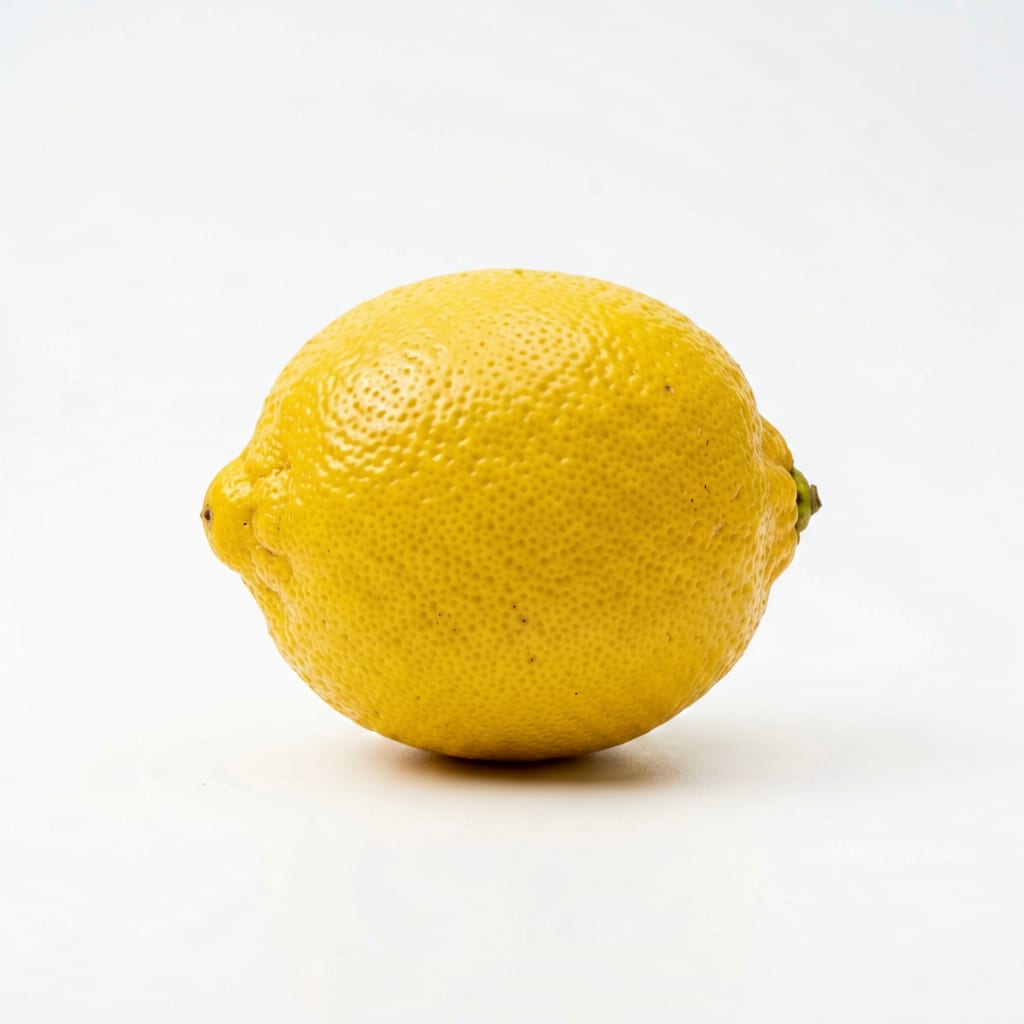
Lemon
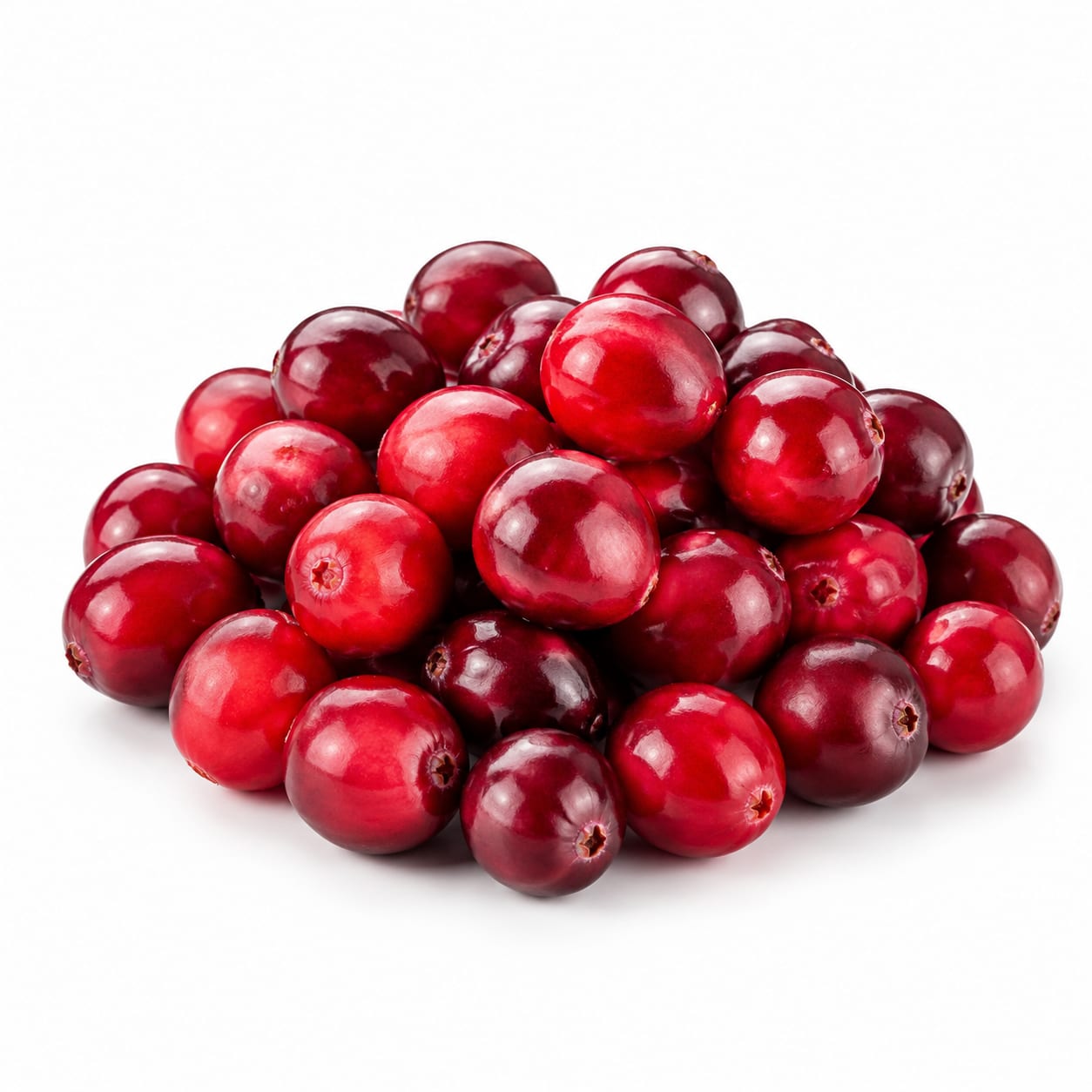
Cranberry
Lemons win for daily low-sugar flavoring and vitamin C, while cranberries offer unique urinary tract benefits that lemons cannot match.
Lemons score higher due to near-zero sugar, consistent freshness, and daily versatility. Cranberries lose ground because their most accessible forms are heavily sweetened, though their unique UTI benefits are genuinely valuable.
Lemons give you near-zero sugar versatility, but cranberries deliver specialized UTI-fighting compounds you simply cannot get from lemons.
At a glance
Executive summary
Overall
It depends
Healthier
Lemon
More practical
Lemon
Daily use
Lemon
Key comparison lenses
sugar and calorie comparison
Lemons are extremely low in sugar while cranberries, especially in common forms like juice or dried, often come with significant added sugars
specific health benefits
Cranberries are uniquely known for UTI prevention while lemons are prized for vitamin C and digestive support, making this a key differentiator
processing and form concerns
Fresh cranberries are very tart and rarely eaten raw, so most cranberry products are processed with added sugar, whereas lemons are typically used fresh
antioxidant profile
Both offer distinct antioxidant compounds worth comparing for long-term health decisions
daily hydration and flavor use
Both are commonly used to flavor water and beverages, making practical daily use a real decision point
Best choice for
Lemon
- Daily hydration flavoring without sugar
- Vitamin C boost with minimal calories
- Digestive support and liver health
- Alkalizing dietary support
- Those strictly limiting sugar intake
Cranberry
- Recurrent UTI prevention
- Antioxidant diversity beyond vitamin C
- Those who can find unsweetened forms
- Kidney health support
Least suitable for
Lemon
- People with acid reflux or GERD
- Those with enamel erosion concerns
- Anyone seeking UTI-specific benefits
Cranberry
- People avoiding added sugars unless using fresh berries
- Those on blood thinners like warfarin
- Strict low-calorie dieters if consuming sweetened forms
Deep comparison
Dimension by dimension
Each lens scores both foods and breaks down who each option suits.
- Dimension 1 · Priority 92Lemon
sugar_and_calorie_impact
Lemon · 95Cranberry · 45Lemons contain roughly 1.5g of sugar per fruit, while a cup of fresh cranberries has about 4g, and sweetened dried cranberries can pack 25g+ per serving.
Tradeoff
Cranberries offer more substance and fiber per serving, but you pay for it with significantly more sugar unless you tolerate their intense tartness raw.
Why it matters
If you flavor your water or snacks daily, sugar adds up fast. Lemons keep that number near zero effortlessly.
Real-world impact
A daily lemon water habit adds negligible calories. A daily sweetened dried cranberry habit could add 100+ calories and 25g of sugar before you notice.
Lemon
- Weight management
- Blood sugar stability
- Low-calorie flavoring
Better for
- Not a standalone snack food
Worse for
Cranberry
- More satiating as a whole food snack
- Fiber intake if eating fresh berries
Better for
- Hidden sugar in most commercial forms
- Easy to overconsume sweetened versions
Worse for
- Dimension 2 · Priority 90Cranberry
unique_health_benefits
Lemon · 65Cranberry · 88Cranberries contain proanthocyanidins that prevent bacteria from adhering to urinary tract walls, a benefit no other common fruit replicates. Lemons offer citric acid and vitamin C but lack this specific action.
Tradeoff
Cranberries give you a pharmacologically unique benefit for UTI prevention, but you need consistent intake and unsweetened forms to actually get it.
Why it matters
For anyone prone to UTIs, cranberry is one of the few evidence-backed dietary interventions available without a prescription.
Real-world impact
Women with recurrent UTIs may notice fewer infections with daily unsweetened cranberry intake. Lemons will not provide this effect regardless of quantity.
Lemon
- General immune support
- Liver and digestive health
- Kidney stone prevention via citrate
Better for
- No UTI-specific protection
Worse for
Cranberry
- UTI prevention
- Oral bacteria reduction
- Gut microbiome support from polyphenols
Better for
- Benefits often canceled out by added sugar in commercial products
Worse for
- Dimension 3 · Priority 78Lemon
vitamin_c_and_antioxidants
Lemon · 85Cranberry · 72Lemons deliver about 53mg of vitamin C per 100g compared to cranberries at roughly 13mg. However, cranberries offer a broader polyphenol profile including anthocyanins and quercetin.
Tradeoff
Lemons give you more vitamin C per bite, but cranberries provide a wider range of antioxidant compounds that support different pathways.
Why it matters
If your diet is already low in vitamin C, lemons are the more efficient fix. If you eat other vitamin C sources, cranberries add antioxidant diversity.
Real-world impact
Squeezing half a lemon into water covers about 25% of daily vitamin C needs. A handful of cranberries adds more diverse antioxidants but less total vitamin C.
Lemon
- Efficient vitamin C delivery
- Convenient daily antioxidant boost
Better for
- Narrower antioxidant variety beyond vitamin C and flavonoids
Worse for
Cranberry
- Broader polyphenol spectrum
- Anthocyanin-specific benefits
Better for
- Lower total vitamin C per serving
Worse for
- Dimension 4 · Priority 85Lemon
processing_and_form_realities
Lemon · 90Cranberry · 40Lemons are almost always consumed fresh and unprocessed. Cranberries are rarely eaten raw due to extreme tartness, so most people consume them as sweetened dried fruit, juice, or sauce.
Tradeoff
Lemons deliver their benefits in their natural form. Cranberries often require processing that adds sugar, undermining their health value.
Why it matters
The healthiest cranberry is fresh or unsweetened, but those forms are hard to find and harder to enjoy. Lemons are effortlessly healthy by default.
Real-world impact
Grabbing a lemon requires no label reading. Buying cranberry products means checking sugar content carefully, and most options in stores are heavily sweetened.
Lemon
- No added sugar by default
- No label reading required
- Consistent nutritional profile
Better for
- Limited to flavoring use rather than standalone eating
Worse for
Cranberry
- More culinary versatility in cooked forms
Better for
- Most accessible forms are ultra-processed with added sugar
- Fresh cranberries are seasonal and very tart
Worse for
- Dimension 5 · Priority 70It depends
digestive_tolerance
Lemon · 60Cranberry · 65Lemon acidity can trigger heartburn and reflux in sensitive people. Cranberries are gentler on the esophagus but their fiber can cause bloating in large amounts.
Tradeoff
Lemons may aggravate upper GI issues while cranberries may aggravate lower GI issues depending on the person and form consumed.
Why it matters
If you have GERD or acid sensitivity, lemon water can be surprisingly uncomfortable. Cranberry juice is less acidic but often loaded with sugar.
Real-world impact
A morning lemon water habit that causes heartburn defeats its purpose. Unsweetened cranberry in moderation is gentler on the stomach for most people.
Lemon
- Stimulates digestive enzymes
- Supports liver bile production
Better for
- Common GERD trigger
- Can erode tooth enamel over time
Worse for
Cranberry
- Less likely to trigger acid reflux
- Fiber supports gut motility when eaten whole
Better for
- Cranberry juice can cause diarrhea in large amounts
- Dried forms may cause bloating
Worse for
- Dimension 6 · Priority 75Lemon
daily_convenience_and_versatility
Lemon · 88Cranberry · 55Lemons are available year-round, store well, and instantly upgrade water, tea, salads, and fish. Cranberries have a short fresh season and their most convenient forms are heavily sweetened.
Tradeoff
Lemons are the more practical daily tool with zero downside. Cranberries require more effort to consume in a healthy form.
Why it matters
Consistency drives health outcomes. The food that fits easily into your routine will always beat the food that requires special preparation.
Real-world impact
Keeping lemons on the counter means you always have a healthy flavor enhancer. Keeping cranberries healthy means seeking out unsweetened options and tolerating tartness.
Lemon
- Year-round availability
- Zero-prep flavor enhancement
- Long shelf life at room temperature
Better for
- Not a satisfying snack on its own
Worse for
Cranberry
- Good for batch cooking like sauces and baked goods
Better for
- Seasonal availability for fresh berries
- Healthy forms require more effort to source
Worse for
Timeline
Health impact over time
Short-term
Hours to days
Lemon
- Quick vitamin C boost supporting immune function
- Mild diuretic effect supporting hydration
- Potential heartburn or acid reflux in sensitive individuals
- Immediate breath freshening and palate cleansing
Cranberry
- UTI symptom support within days of consistent intake
- Blood sugar spike if consuming sweetened juice or dried forms
- Mild digestive adjustment from fiber and polyphenols
- Oral bacteria reduction supporting gum health
Long-term
Months to years
Lemon
- Reduced kidney stone risk through urinary citrate increase
- Consistent low-calorie flavoring supporting weight maintenance
- Potential enamel erosion with excessive direct juice exposure
- Sustained vitamin C intake supporting skin and immune health
Cranberry
- Significantly reduced UTI recurrence with regular unsweetened intake
- Broader cardiovascular support from anthocyanins
- Risk of added sugar overconsumption if using processed forms
- Potential interaction with blood thinners requiring medical monitoring
Risk profile
Safety & processing
Fresh lemons are essentially unprocessed by default. Cranberries in their fresh state are also minimally processed, but the vast majority of cranberry products in stores contain added sugars, oils, and preservatives. If you choose cranberries, seeking out fresh or unsweetened frozen forms is critical to matching the naturalness of lemons.
Lemon
Tooth enamel erosion
mediumRegular direct exposure to lemon acid weakens enamel over time. Rinsing with plain water after lemon water significantly reduces this risk.
GERD and acid reflux aggravation
mediumCitrus acid relaxes the lower esophageal sphincter in some people, worsening heartburn symptoms.
Pesticide residue on peel
lowConventional lemon peels can carry pesticide residue. Choose organic if using the zest or peel.
Cranberry
Added sugar in processed forms
highSweetened dried cranberries and cranberry juice cocktails often contain 25-30g of added sugar per serving, effectively turning a health food into candy.
Blood thinner interaction
highCranberries contain compounds that can increase the effect of warfarin and other anticoagulants, potentially leading to bleeding risk. Anyone on blood thinners should consult their doctor.
Oxalate content
lowCranberries contain moderate oxalates which could contribute to kidney stone formation in susceptible individuals, though this is less concern than with some other foods.
Who wins for whom
Audience fit
Same foods, different winners depending on your goal.
children
CranberryChildren are more likely to accept the sweeter taste of cranberry products, and the UTI prevention benefit is relevant for young girls prone to infections.
daily consumption
LemonLemons integrate effortlessly into daily routines with no sugar penalty and no medication interactions for most people.
diabetes
LemonLemons have negligible impact on blood sugar. Even unsweetened cranberries have more natural sugar, and sweetened forms are actively harmful for blood sugar control.
elderly
It dependsCranberries offer UTI prevention valuable for older adults, but many elderly people take blood thinners, creating a dangerous interaction. Lemons support hydration safely.
muscle gain
It dependsNeither food is relevant for muscle gain directly. Both are neutral flavoring agents that do not contribute meaningful protein.
weight loss
LemonNear-zero calories and sugar make lemons a free addition to any weight loss plan, while cranberry products often add hidden calories.
Your move
Decision guide
Choose Lemon
- You want a zero-sugar way to flavor water and food daily
- You are prone to kidney stones and need urinary citrate
- You have acid reflux only occasionally and can tolerate moderate citrus
- You want a simple, affordable health habit with no label reading
- You are strictly managing blood sugar or calorie intake
Choose Cranberry
- You experience recurrent UTIs and want dietary prevention
- You can reliably source unsweetened fresh or frozen cranberries
- You are not on blood thinners and have no oxalate concerns
- You want broader polyphenol diversity beyond vitamin C
- You enjoy tart flavors and do not need added sugar to eat them
Either works if
- You are simply looking for more flavor in your hydration routine
- You already eat a varied diet rich in fruits and vegetables
- You want mild antioxidant support without specific medical goals
Avoid both if
- You have severe GERD and cannot tolerate any acidic foods
- You are on warfarin and have not consulted your doctor about cranberry
- You have active kidney stones and need to limit both oxalates and citrate depending on stone type
Final recommendation
Keep lemons as your daily default for flavoring and vitamin C with zero sugar cost. Add unsweetened cranberries specifically if UTI prevention is a personal health priority. The best approach for most people is lemons daily and cranberries strategically, not the other way around.
Practical
Consumer tips
- 1
Always dilute lemon juice in water rather than drinking it straight to protect your tooth enamel
- 2
Rinse your mouth with plain water after consuming lemon water before brushing to avoid enamel damage
- 3
If buying cranberries, choose fresh or frozen unsweetened over dried or juiced forms whenever possible
- 4
Check cranberry product labels carefully as many popular brands contain more added sugar than cranberry content
- 5
If you take warfarin or other blood thinners, talk to your doctor before making cranberries a regular part of your diet
- 6
Freeze fresh cranberries when in season during fall months so you have unsweetened options year-round
- 7
A single lemon slice in water gives you flavor and vitamin C without any downside for most people