
Nutrition comparison
Lemon vs Strawberry: Nutrition, Pesticides, and Which to Choose Daily
Compare lemon and strawberry on vitamin C, sugar, fiber, pesticide risk, and daily usability. Find out which fruit fits your health goals and when to choose each.
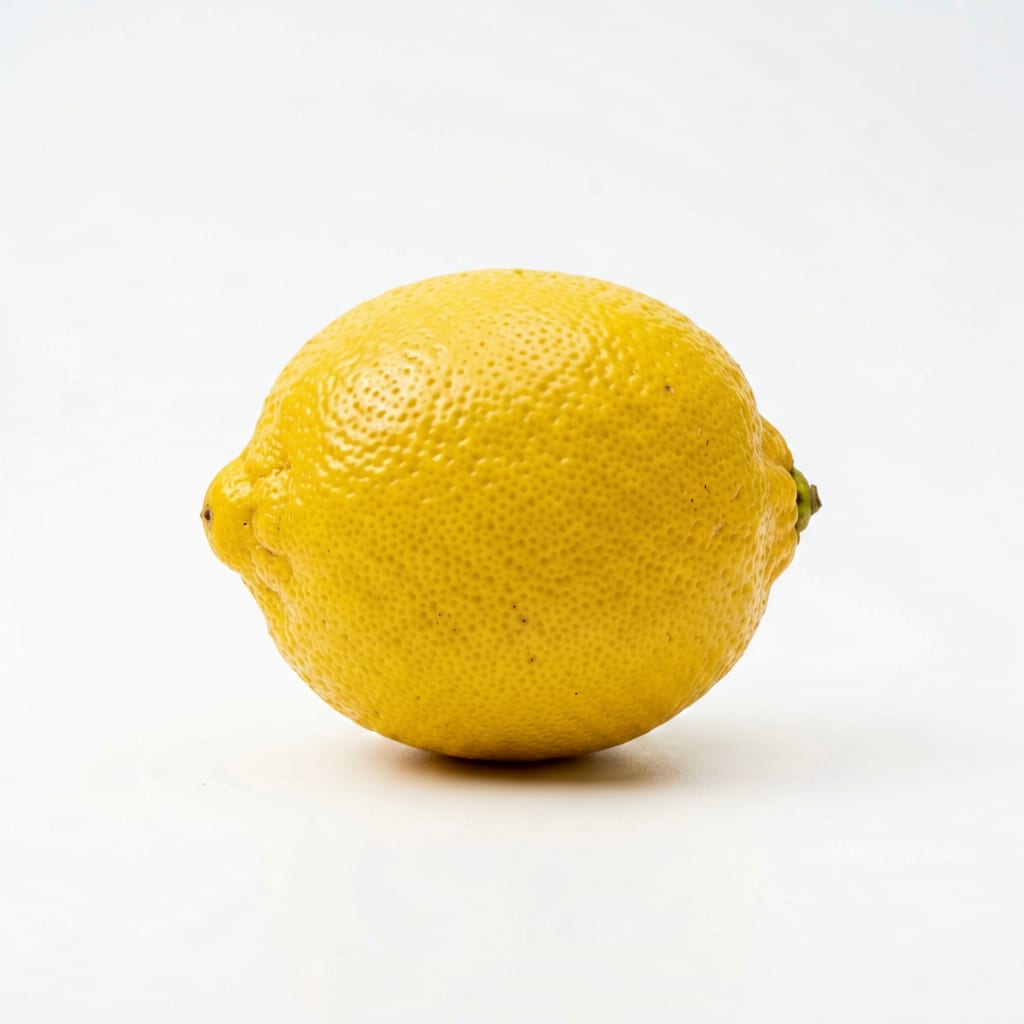
Lemon
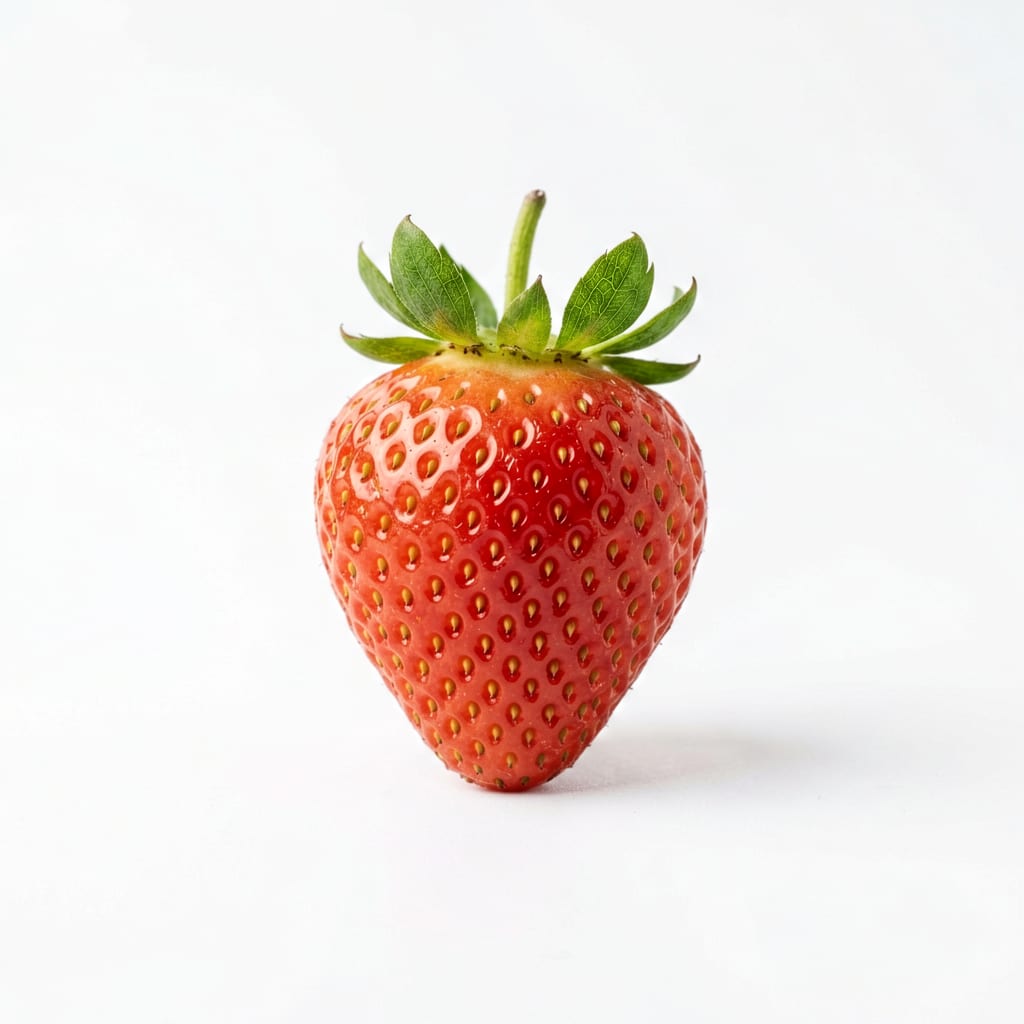
Strawberry
Strawberries win as a food you actually eat; lemons win as a zero-sugar flavor enhancer with unmatched vitamin C density.
Strawberries score higher mainly because they function as a complete food you can eat and enjoy in meaningful quantities. Lemons are nutritionally potent but limited by how little you can realistically consume.
Strawberries offer a satisfying eating experience with fiber and antioxidants, but carry significant pesticide risk unless organic. Lemons deliver intense nutrition in tiny amounts but are too harsh to consume in quantity.
At a glance
Executive summary
Overall
It depends
Healthier
It depends
More practical
Strawberry
Daily use
Strawberry
Key comparison lenses
Vitamin C and antioxidant comparison
Both are prized for vitamin C but deliver it in very different ways and amounts
Everyday eating practicality
Lemon is a condiment while strawberry is a snack — this shapes how people actually use them
Pesticide and contamination safety
Strawberries consistently rank #1 on the Dirty Dozen list, a major consumer concern
Sugar and blood sugar impact
Strawberries contain natural sugars while lemons are virtually sugar-free
Dental and digestive tolerance
Lemon acidity raises real concerns about enamel erosion and stomach irritation
Best choice for
Lemon
- People minimizing sugar intake
- Those needing low-calorie flavor for water and meals
- Anyone seeking concentrated vitamin C without calories
- Keto and very-low-carb dieters
Strawberry
- Kids who need appealing fruit snacks
- Anyone wanting a filling, fiber-rich treat
- People seeking anthocyanin antioxidants for heart health
- Smoothie and breakfast bowl enthusiasts
Least suitable for
Lemon
- People with acid reflux or GERD
- Anyone with sensitive tooth enamel
- Children who find the taste unappealing
- Those wanting a satisfying stand-alone snack
Strawberry
- People strictly limiting fructose or carbs
- Anyone avoiding conventional produce with pesticide residues
- Those with strawberry allergies (relatively common fruit allergy)
Deep comparison
Dimension by dimension
Each lens scores both foods and breaks down who each option suits.
- Dimension 1 · Priority 92Lemon
Vitamin C Potency
Lemon · 94Strawberry · 72Lemons deliver roughly 53mg of vitamin C per 100g compared to strawberries at 59mg per 100g — but since you eat far more strawberry volume, strawberries often provide more total vitamin C per sitting.
Tradeoff
Lemon has higher concentration per gram, but strawberries win on total vitamin C actually consumed because portion sizes are dramatically larger.
Why it matters
A single lemon wedge in water gives a small boost; a cup of strawberries delivers nearly your entire daily vitamin C need in one enjoyable snack.
Real-world impact
If you squeeze half a lemon into water, you get about 15mg of vitamin C. A cup of strawberries gives you roughly 85mg — well above the daily requirement.
Lemon
- Zero-calorie vitamin C supplementation
- Adding to dishes without adding sugar
Better for
- Unlikely to eat enough to hit daily targets alone
Worse for
Strawberry
- Meeting full daily vitamin C needs in one serving
- Getting vitamin C alongside fiber for slower absorption
Better for
- Comes with sugar calories you may not want
Worse for
- Dimension 2 · Priority 86Strawberry
Antioxidant Diversity
Lemon · 70Strawberry · 88Strawberries offer anthocyanins, ellagic acid, and quercetin — a broader antioxidant profile linked to heart and brain health. Lemons provide hesperidin and diosmin, which support vascular health but with less research breadth.
Tradeoff
Lemon antioxidants are well-studied for circulation and vein health. Strawberry antioxidants have stronger evidence for anti-inflammatory and anti-cancer benefits.
Why it matters
Anthocyanins give strawberries their red color and their most compelling health benefits. You would need to consume large amounts of lemon to match the antioxidant volume from a normal strawberry serving.
Real-world impact
Regular strawberry consumption is associated with lower heart disease risk and reduced inflammation markers in studies — benefits that are harder to achieve with the small amounts of lemon people typically consume.
Lemon
- Vascular and vein health support from hesperidin
Better for
- Limited antioxidant intake due to small consumption volumes
Worse for
Strawberry
- Broader anti-inflammatory protection
- Cellular defense against oxidative stress
- Heart health benefits from anthocyanins
Better for
- Anthocyanins degrade with prolonged storage
Worse for
- Dimension 3 · Priority 78Lemon
Sugar and Blood Sugar Impact
Lemon · 95Strawberry · 68Lemons contain roughly 2.5g of sugar per 100g while strawberries have about 4.9g. Both are low, but lemons are essentially sugar-free in the amounts people actually eat.
Tradeoff
Strawberries are still very blood-sugar-friendly with a glycemic index around 40, but lemons are virtually zero impact — ideal for strict low-carb contexts.
Why it matters
For keto dieters or people managing insulin resistance, every gram of sugar counts. Lemons let you add bright flavor without any metabolic cost.
Real-world impact
Squeezing lemon on a salad or into water adds zero meaningful sugar. A cup of strawberries adds about 7g of sugar — still modest but not nothing for very strict diets.
Lemon
- Keto and very-low-carb diets
- Blood sugar management without compromise
- Flavor without metabolic cost
Better for
- Not relevant as an energy source
Worse for
Strawberry
- Post-workout when some carbs are beneficial
- Active individuals who tolerate natural sugars well
Better for
- Requires portion awareness for strict low-carb diets
Worse for
- Dimension 4 · Priority 80Strawberry
Fiber and Satiety
Lemon · 35Strawberry · 82Strawberries provide about 2g of fiber per 100g and feel genuinely filling. Lemons offer similar fiber density but nobody eats enough lemon to get a meaningful amount.
Tradeoff
Lemon fiber is theoretically decent, but the practical reality is that you consume lemon juice or small wedges — almost zero fiber. Strawberries deliver real satiety.
Why it matters
Fiber slows sugar absorption, feeds gut bacteria, and helps you feel full. A cup of strawberries is a satisfying snack; lemon juice is not.
Real-world impact
Eating a bowl of strawberries curbs afternoon hunger. Adding lemon to water barely moves the satiety needle.
Lemon
- Theoretical fiber if you consume the whole fruit including peel and pulp
Better for
- Almost zero fiber consumed in practice
Worse for
Strawberry
- Actual satiety from realistic portions
- Gut health support from meaningful fiber intake
- Slower sugar absorption during digestion
Better for
- Still modest fiber compared to higher-fiber fruits like raspberries
Worse for
- Dimension 5 · Priority 85Lemon
Pesticide and Contamination Safety
Lemon · 88Strawberry · 42Strawberries consistently rank as the #1 most pesticide-contaminated fruit on the EWG Dirty Dozen list. Lemons have a thick rind that protects the edible flesh and test with far fewer residues.
Tradeoff
Organic strawberries eliminate most pesticide concerns but cost significantly more. Conventional lemons are relatively safe even non-organic because you discard the peel or wash it easily.
Why it matters
A typical conventional strawberry can carry residues of 10+ pesticides. This is a real concern for children, pregnant women, and anyone reducing chemical exposure.
Real-world impact
If budget forces a choice, buying organic strawberries matters far more than buying organic lemons. The thick lemon rind is a natural barrier.
Lemon
- Lower pesticide exposure with conventional produce
- Thick rind protects edible flesh
- Safe to buy non-organic without much worry
Better for
- Conventional lemon peels can still carry pesticide residue if used in cooking or zest
Worse for
Strawberry
- Organic options widely available
Better for
- High pesticide load in conventional farming
- Difficult to wash off due to soft, porous skin
- Major concern for children and pregnant women
Worse for
- Dimension 6 · Priority 70Strawberry
Dental and Digestive Tolerance
Lemon · 40Strawberry · 80Lemon acidity erodes tooth enamel and triggers reflux in sensitive people. Strawberries are gentle on most stomachs, though their seeds bother some with diverticulitis.
Tradeoff
Lemon's health benefits come with a real dental cost if consumed frequently. Strawberries are easier on the body but contain tiny seeds that affect a small minority.
Why it matters
Frequent lemon water is a common habit that silently damages enamel over years. Strawberries rarely cause this kind of slow-accumulating harm.
Real-world impact
Dentists report rising enamel erosion from daily lemon water. Rinsing with plain water after helps, but the risk remains. Strawberries do not pose this problem.
Lemon
- Short-term digestive aid when used in small amounts
Better for
- Enamel erosion with frequent exposure
- Acid reflux and GERD trigger
- Can irritate mouth sores
Worse for
Strawberry
- Safe for tooth enamel
- Gentle on the stomach for most people
- No acid erosion risk with regular consumption
Better for
- Seeds may irritate diverticulitis in rare cases
- Tiny seeds can get stuck in dental work
Worse for
Timeline
Health impact over time
Short-term
Hours to days
Lemon
- Immediate hydration boost when added to water
- Can trigger heartburn in prone individuals within minutes
- Freshens breath temporarily
- May cause mouth irritation if consumed undiluted
Strawberry
- Quick natural energy from easily digested sugars
- Satisfies sweet cravings without a crash
- Mild anti-inflammatory effect after consumption
- Can trigger mild allergic reactions in sensitive individuals
Long-term
Months to years
Lemon
- Consistent vitamin C intake supports immune resilience
- Daily lemon water may gradually erode tooth enamel
- Hesperidin intake supports vascular health over years
- Very low calorie contribution aids weight maintenance
Strawberry
- Anthocyanin intake linked to lower cardiovascular disease risk
- Regular consumption associated with reduced inflammatory markers
- Fiber supports healthy gut microbiome diversity
- Pesticide exposure risk accumulates if always consuming conventional
Risk profile
Safety & processing
Both are whole, unprocessed fruits in their natural state. Concerns arise not from processing but from agricultural chemicals — especially on conventional strawberries — and from lemon juice concentrates that may contain preservatives.
Lemon
Tooth enamel erosion
mediumRegular exposure to citric acid weakens enamel over time, especially from daily lemon water habits. Drinking through a straw and rinsing afterward reduces risk.
Pesticide residue on peel
lowIf using lemon zest or peel, conventional lemons may carry pesticide residues on the surface. Choose organic when using the peel, or wash thoroughly.
GERD and acid reflux aggravation
mediumLemon relaxes the lower esophageal sphincter in some people, worsening reflux symptoms within minutes of consumption.
Strawberry
Pesticide contamination
highStrawberries top the EWG Dirty Dozen list year after year, routinely testing positive for 10+ pesticide residues. Organic is strongly recommended, especially for children.
Allergic reactions
mediumStrawberry allergy is one of the more common fruit allergies, causing oral allergy syndrome or hives. Related to birch pollen sensitivity.
Mold and spoilage
mediumStrawberries spoil rapidly and can grow mold within days. Mold on one berry spreads quickly to the entire container. Inspect carefully before eating.
Who wins for whom
Audience fit
Same foods, different winners depending on your goal.
children
StrawberryKids actually enjoy eating strawberries, which makes them a practical way to deliver fruit nutrition. Lemons are too sour for most children and offer no meaningful calories or satiety.
daily consumption
StrawberryA daily cup of strawberries is realistic, enjoyable, and nutritionally meaningful. Daily lemon consumption is fine in small amounts but carries dental risks if overdone.
diabetes
LemonLemon has near-zero impact on blood sugar. Strawberries are still very diabetes-friendly with a low glycemic index, but lemon is the safer strict choice.
elderly
StrawberryStrawberries provide fiber, natural hydration, and are easy to chew. Lemons can aggravate acid reflux and medication interactions that are more common in older adults.
muscle gain
StrawberryNeither fruit is a muscle-building food, but strawberries offer slightly more carbohydrate energy around workouts and pair better with protein-rich meals and smoothies.
weight loss
LemonLemons add flavor to meals and water with virtually zero calories and zero sugar, making them the ultimate weight-loss flavor tool. Strawberries are still excellent but contribute more calories per serving.
Your move
Decision guide
Choose Lemon
- You want zero-calorie flavor for water, tea, or cooking
- You are on a strict keto or very-low-carb diet
- You need to limit sugar for diabetes management
- You want concentrated vitamin C without calories
- You are concerned about pesticide exposure on conventional produce
Choose Strawberry
- You want a satisfying, filling fruit snack
- You are seeking heart-protective anthocyanin antioxidants
- You need fiber to support digestion and gut health
- You are feeding children who need appealing fruit options
- You can afford or access organic strawberries
Either works if
- You want immune-supporting vitamin C from whole foods
- You are looking for natural hydration options
- You want anti-inflammatory benefits from fruit
- You enjoy both and can rotate them across different meals
Avoid both if
- You have citrus allergies affecting both fruits
- You are on a very restricted low-acid diet for GERD management
- You have severe oral allergy syndrome triggered by multiple fruits
Final recommendation
Use both for different purposes. Squeeze lemon into water and over savory dishes for zero-cost flavor and vitamin C. Eat strawberries as a daily snack for fiber, antioxidants, and genuine satisfaction. If you must pick one for overall health value, strawberries win — but buy organic to avoid the pesticide problem that otherwise undermines their benefits.
Practical
Consumer tips
- 1
If buying conventional strawberries, soak them in a baking soda solution for 12-15 minutes to reduce surface pesticide residues more effectively than water alone.
- 2
When drinking lemon water, use a straw and rinse with plain water afterward to protect tooth enamel from chronic acid exposure.
- 3
Freeze strawberries at peak ripeness to preserve anthocyanin content — they lose antioxidant power over time in the fridge.
- 4
If using lemon peel for zest, choose organic lemons to avoid concentrating pesticide residues into your food.
- 5
Pair strawberries with a handful of nuts or Greek yogurt to slow sugar absorption and extend satiety.
- 6
Avoid bottled lemon juice — it often contains preservatives like sodium benzoate and sulfites, and loses vitamin C rapidly after opening.