
Seafood
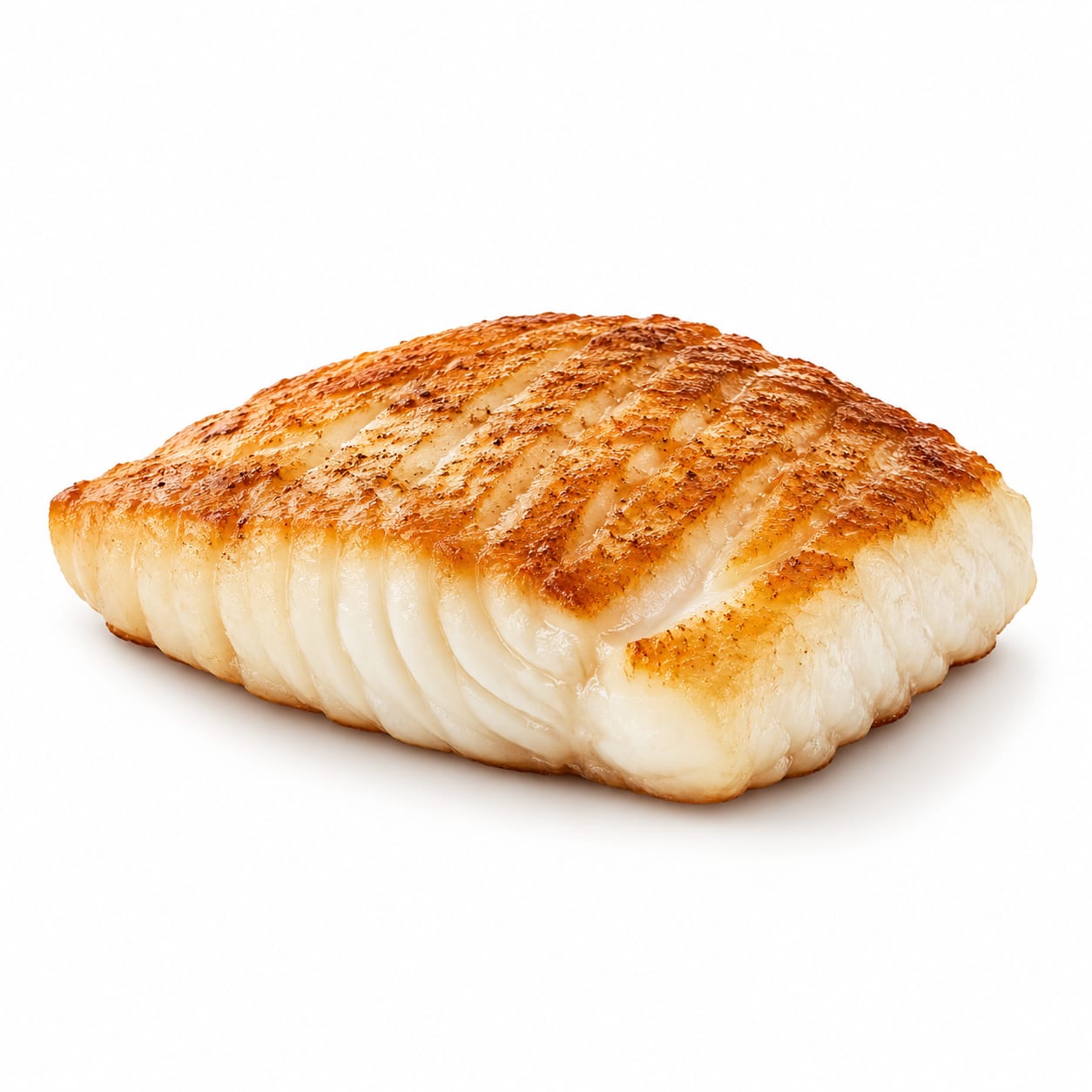
Grouper
Grouper is a lean, firm white fish known for its high protein content and mild flavor.
Grouper is a firm-textured, lean white saltwater fish popular in coastal and tropical cuisines, known for its mild flavor and substantial flaky meat.
lean protein-dense seafood
Typical serving · 85g
Common varieties · red grouper, black grouper, gag grouper, scamp grouper, warsaw grouper
Overall context score across nutrition, safety, and diet fit
At a glance
Quick facts
Simple indicators based on nutrition, processing, and diet fit.
The story
What makes it unique
Grouper is a fast-digesting, high-protein, zero-carbohydrate marine fish with very low fat content. It provides strong satiety due to its protein density but lacks the omega-3 fatty acids found in fattier fish. As a minimally processed whole food, it retains its native micronutrient profile.
Varieties: red grouper · black grouper · gag grouper · scamp grouper · warsaw grouper
Per 100g
Nutrition breakdown
Macro balance and key metrics at a glance.
Energy
Density 0.92 kcal/g
Protein
Carbs
Fat
Fiber
Sugar
0 g
Sodium
53 mg
Potassium
370 mg
Glycemic index
0
Glycemic load
0
Water content
79%
Standout compounds
Nutrient highlights
Protein
highSupports muscle growth, repair, and satiety
Selenium
highEssential for thyroid function and antioxidant defense
Vitamin D
moderateSupports bone health and immune function
Potassium
moderateHelps regulate fluid balance and blood pressure
Wellness map
Health scores & processing
NOVA processing scale
minimally processed · Whole food
Fresh or frozen grouper fillets are whole, unmodified animal tissue with no added ingredients.
Diet compatibility
- Weight loss
- Muscle gain
- Diabetes
- Gut health
- Low carb
- High protein
- Heart health
Relative standing
Food rankings
Qualitative ranks compared to similar whole foods.
- Satietygood
- Blood sugarexcellent
- Nutrient densitygood
- Fitness fuelexcellent
- Processing qualityexcellent
Eat with confidence
Food safety profile
Grouper is a larger reef fish that accumulates moderate levels of mercury and can carry ciguatera toxin in specific tropical regions. Sourcing from reputable suppliers and avoiding excessive consumption minimizes risk.
Evidence confidence 85%
- Pesticideslow
- Antibioticslow
- Heavy metalsmoderate
- Contaminationmoderate
Watch for
- mercury
- ciguatera toxin
- parasites
Safer choices
Smaller, shorter-lived fish like cod, sardines, or trout for lower mercury and toxin risk.
Prep tips
Cook thoroughly to an internal temperature of 145°F (63°C) to eliminate parasites and bacteria; avoid consuming raw unless previously flash-frozen.
Mercury levels are monitored by the FDA; some large grouper species are flagged for moderate mercury. Ciguatera toxin is a risk in certain reef environments.
Deep dive
Health analysis
How this food may fit different goals and preparation choices.
Weight loss
High protein and low calorie density promote fullness and support caloric deficits effectively.
Blood sugar
Zero carbohydrates mean no glycemic impact, making it highly blood sugar friendly.
Fitness & energy
Fast-digesting lean protein aids muscle repair without causing digestive sluggishness.
Gut health
Easily digested due to low fat and connective tissue, but lacks dietary fiber for microbiome support.
Processing quality
Typically sold as fresh or frozen whole fillets, representing a completely unprocessed food source.
Food safety
Moderate mercury levels and potential ciguatera toxin risk in reef-caught varieties require mindful sourcing, especially for pregnant women.
Common mistakes
Overcooking grouper dries it out quickly due to its low fat content; also, assuming all white fish are equally low in mercury.
Best preparation
Baking, grilling, or steaming to retain moisture without adding excess fat.
Practical guide
Best use cases
When and how this food fits real eating patterns.
Post-workout lean protein
Provides fast-digesting protein to support muscle repair without excess calories or fat.
Low-carb dinner centerpiece
Zero carbs and high satiety make it an ideal main course for ketogenic or diabetic meal plans.
Weight loss meal prep
Low energy density allows for generous portion sizes that keep you full while maintaining a caloric deficit.
Balance sheet
Pros & cons
Upsides
- Very high protein-to-calorie ratio
- Zero carbohydrates
- Rich in selenium and vitamin D
- Firm texture holds up well to various cooking methods
- Mild flavor appeals to picky eaters
Trade-offs
- Moderate mercury content limits frequent consumption
- Lower in heart-healthy omega-3s compared to fatty fish
- Risk of ciguatera toxin in certain tropical reef catches
- Prone to drying out if overcooked
- Some species are overfished or vulnerable
Fit check
Who is it for?
Great match
- lean muscle gain
- low-carb diets
- blood sugar management
- weight loss
Consider alternatives
- omega-3 supplementation
- heavy metal detox diets
- budget-friendly meal prep
Side by side
How it compares
Open the full head-to-head analysis for nutrition, safety, and practical tradeoffs.
This food
Grouper
VS70% alike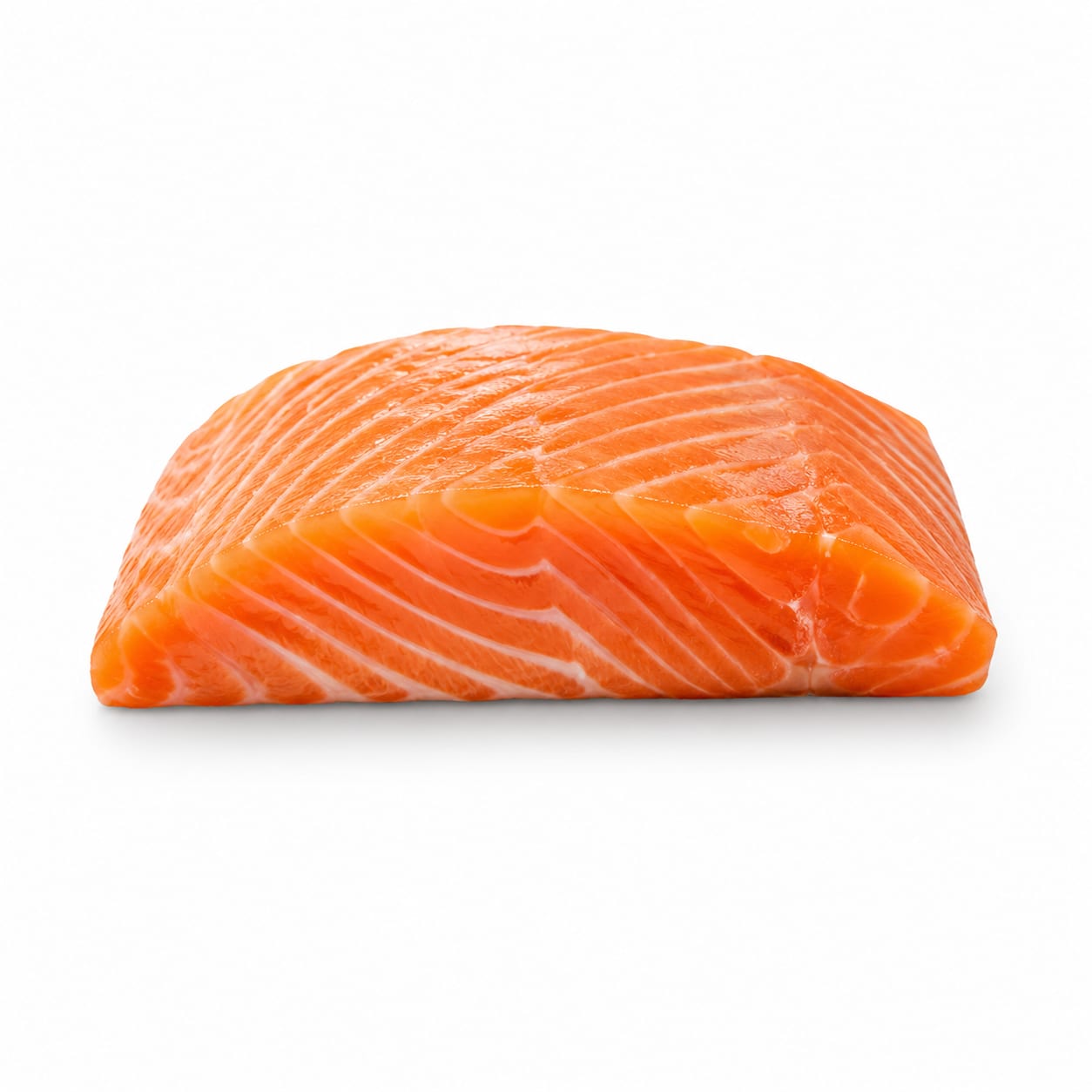
Compare with
Salmon
Salmon is a fatty fish rich in omega-3s, while grouper is a lean fish focused on pure protein.
Grouper is lower in calories and better for strict lean diets, while salmon provides more omega-3s and healthy fats for heart health and satiety.
This food
Grouper
VS90% alike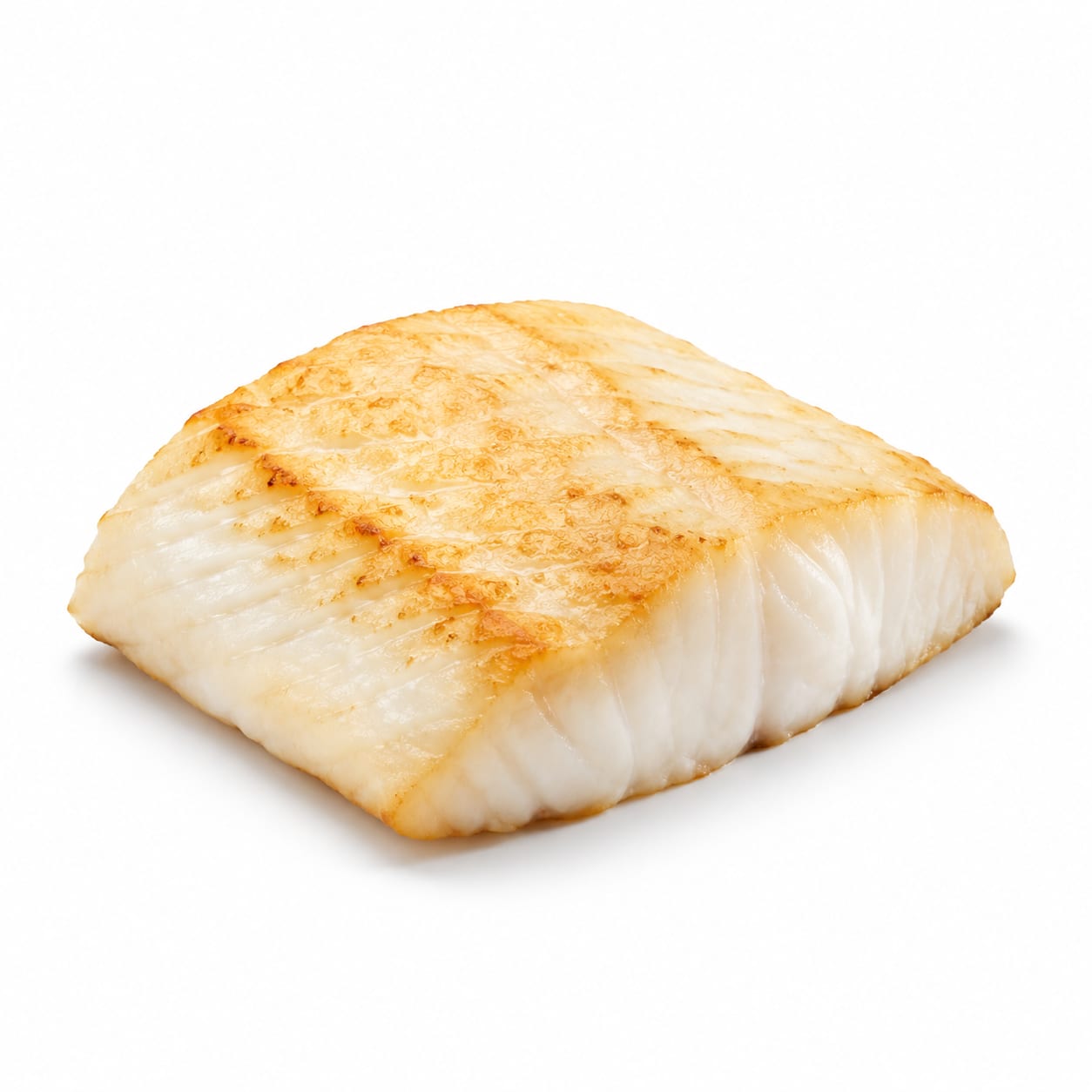
Compare with
Cod
Cod is slightly lower in calories and mercury, while grouper offers a firmer texture and slightly more protein.
Cod is lower in mercury and calories, making it safer for frequent consumption, while grouper provides a meatier bite and slightly more protein per serving.
This food
Grouper
VS85% alike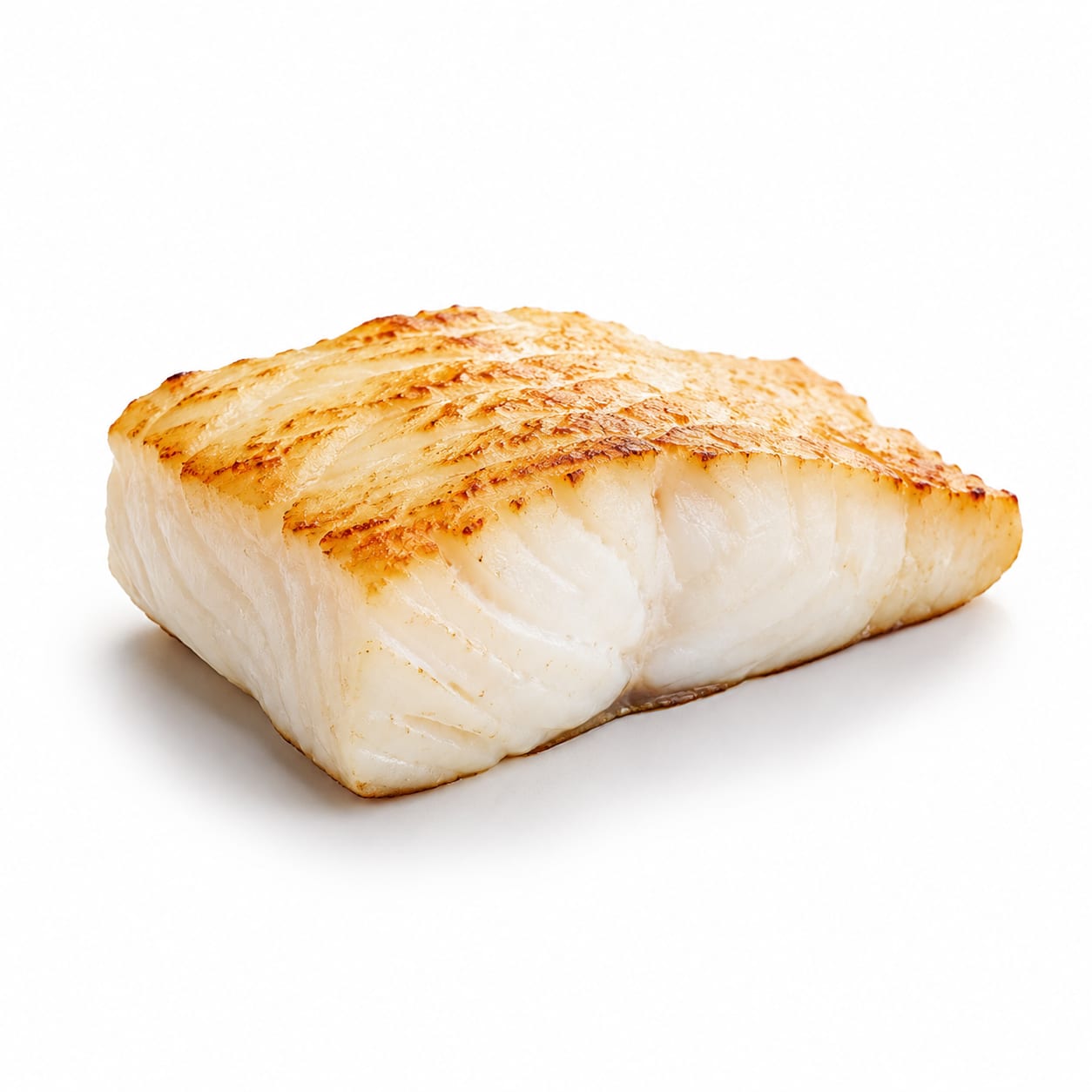
Compare with
Halibut
Halibut and grouper are nutritionally similar, but halibut generally has slightly lower mercury levels.
Halibut and grouper are nearly identical in macros, but halibut is often the safer choice for regular consumption due to lower mercury.
This food
Grouper
VS85% alike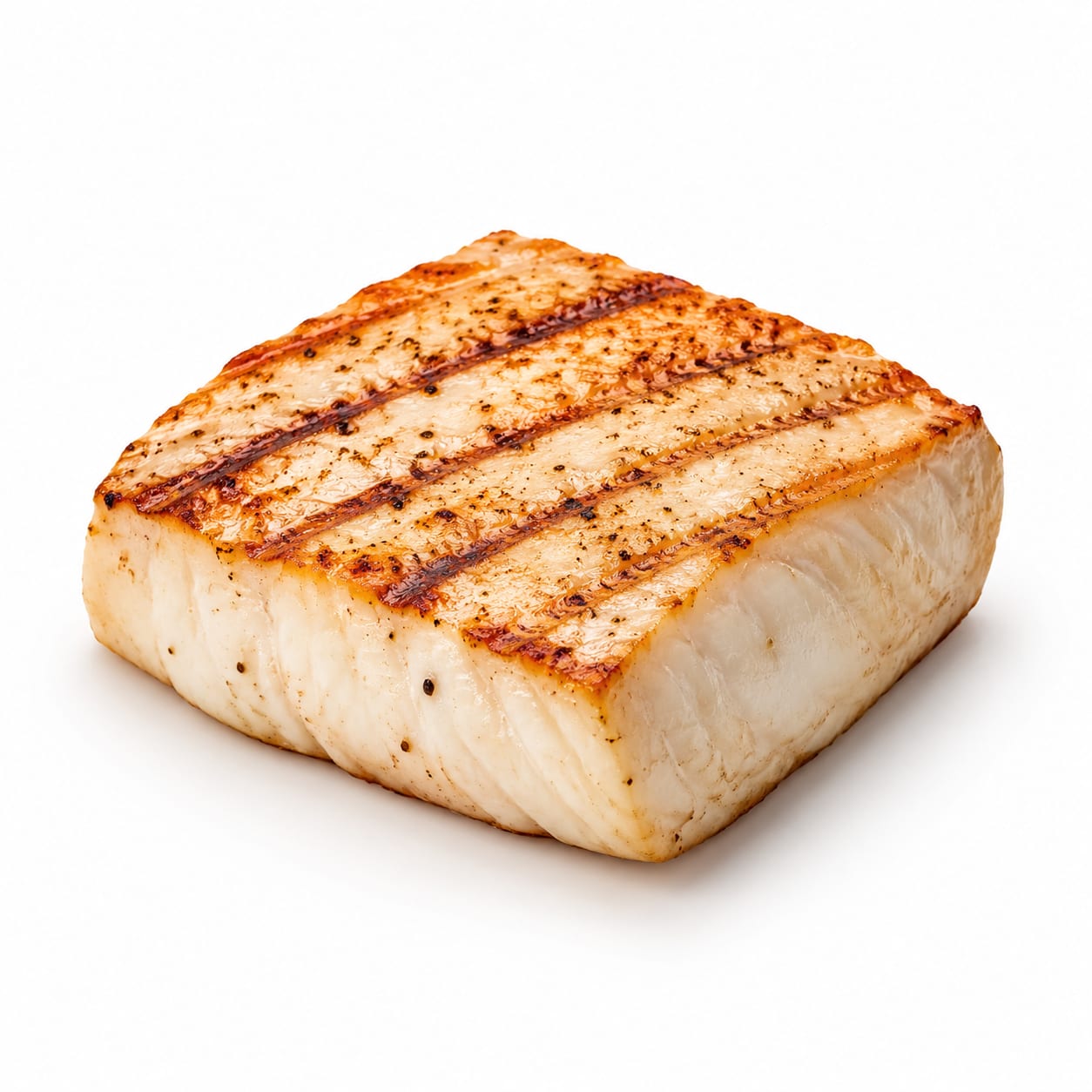
Compare with
Mahi Mahi
Mahi mahi is slightly lower in calories and mercury, while grouper has a denser texture.
Mahi mahi is lower in mercury and calories, while grouper offers a slightly thicker, meatier fillet for hearty meals.
This food
Grouper
VS80% alike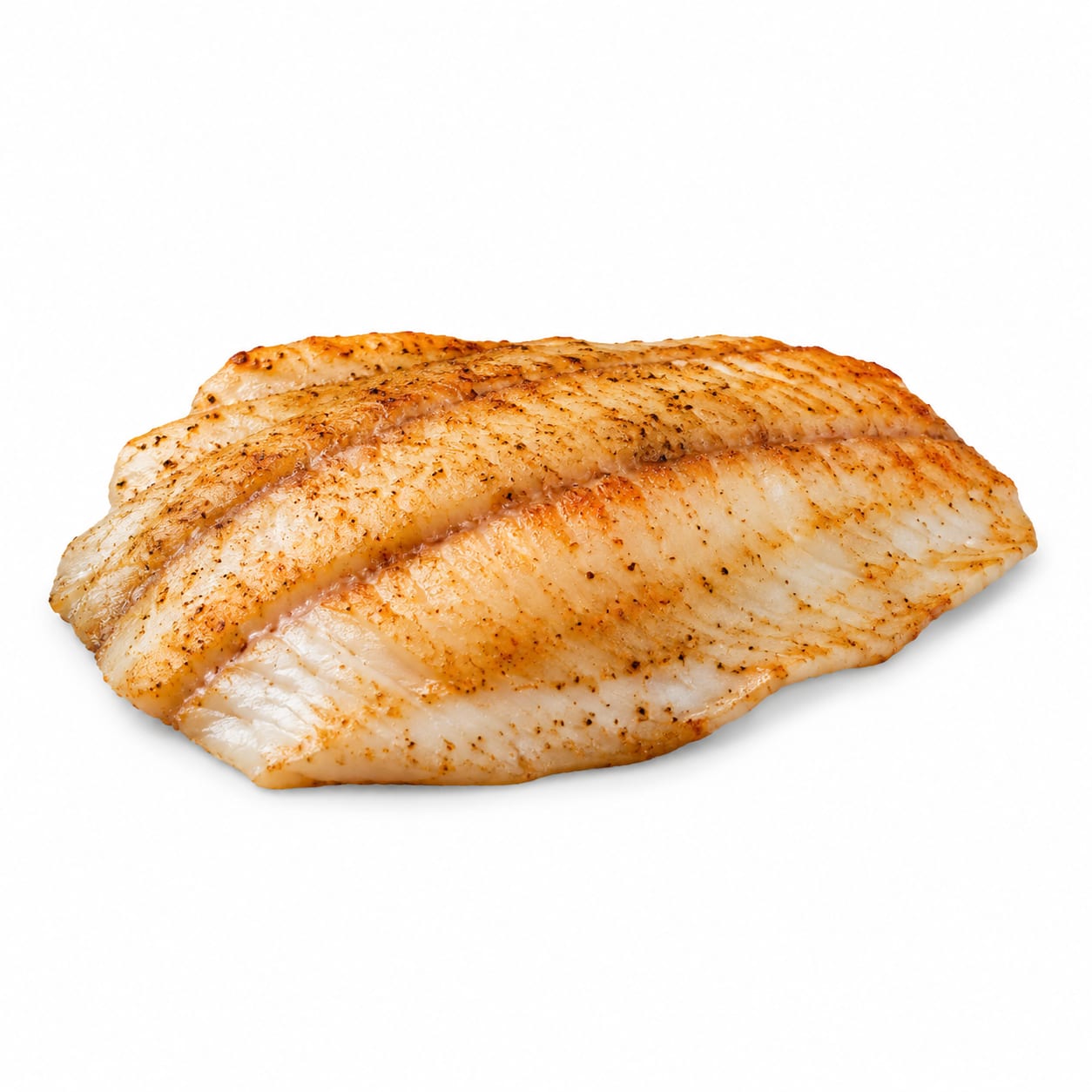
Compare with
Tilapia
Tilapia is much lower in mercury and cheaper, but grouper offers superior texture and micronutrients.
Tilapia is a budget-friendly, low-mercury lean fish, whereas grouper provides a premium texture and more selenium but at a higher cost and mercury level.
This food
Grouper
VS75% alike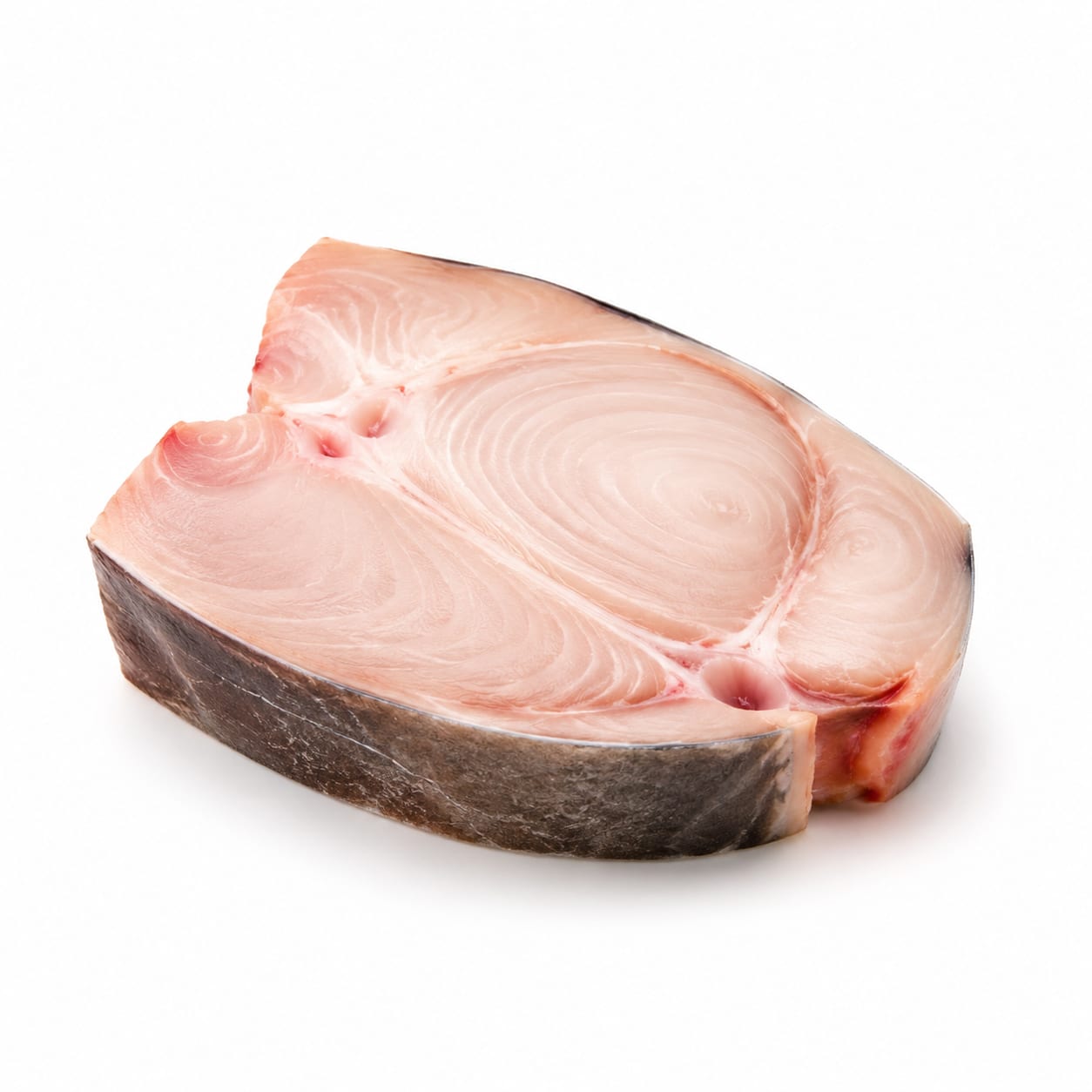
Compare with
Swordfish
Swordfish is much higher in mercury and fat than grouper, making grouper the safer lean choice.
Grouper is significantly lower in mercury and fat than swordfish, making it a much safer and leaner option for regular meals.
This food
Grouper
VS90% alike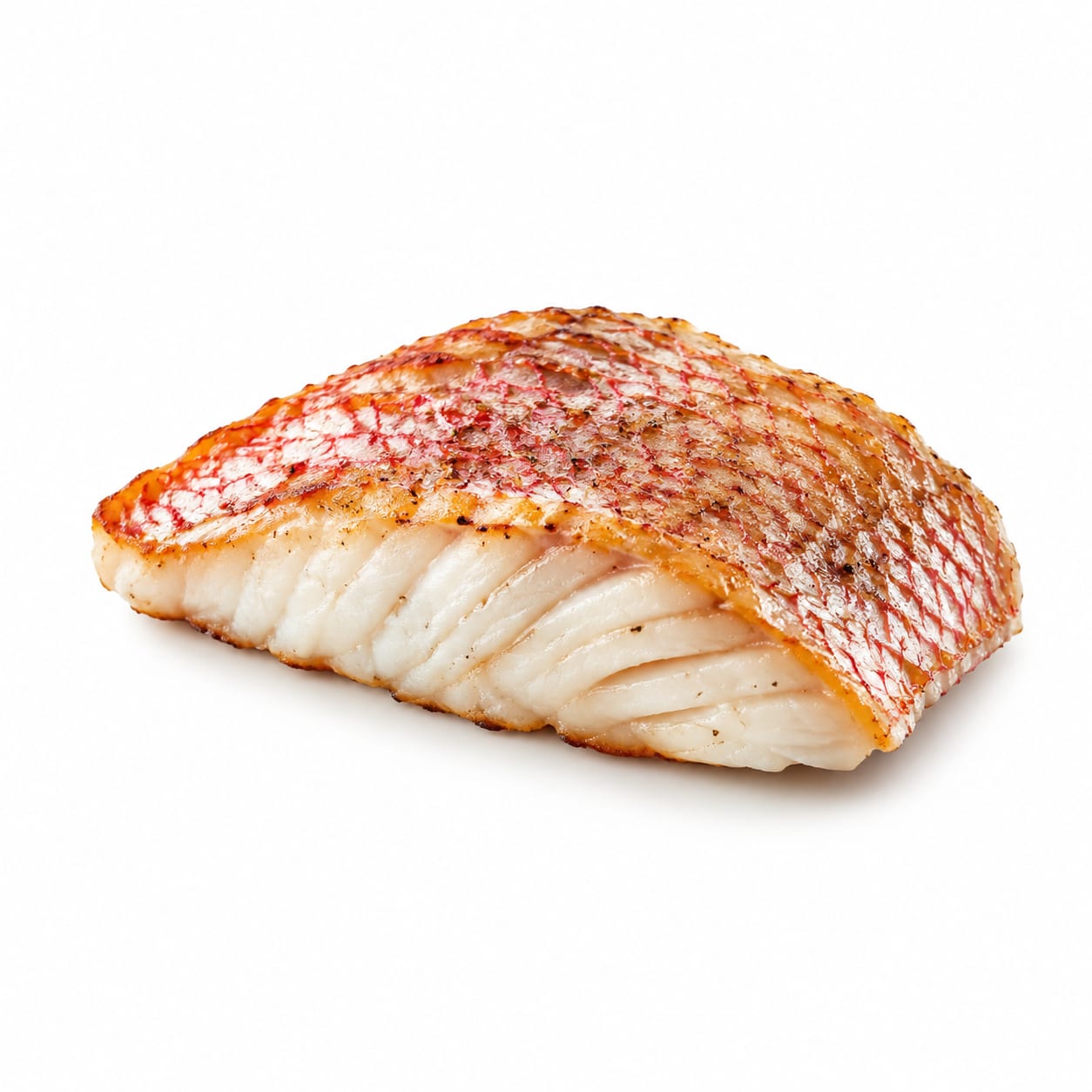
Compare with
Snapper
Snapper and grouper are very similar nutritionally, but snapper usually has slightly lower mercury.
Snapper and grouper are nutritionally comparable lean fish, but snapper is generally a safer bet for mercury concerns.
This food
Grouper
VS85% alike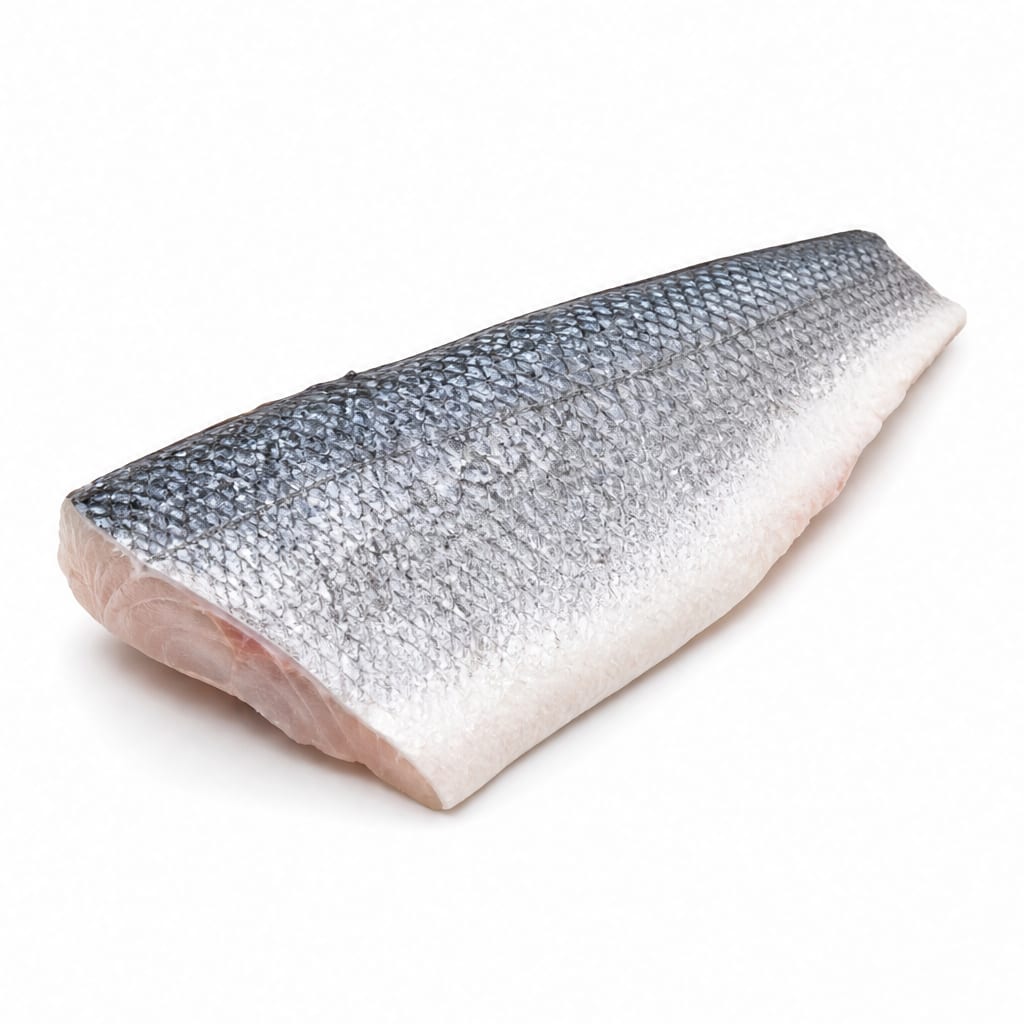
Compare with
Sea Bass
Chilean sea bass is much higher in fat and mercury than grouper, making grouper the leaner choice.
Grouper is a lean, low-calorie protein, whereas sea bass provides more fat and flavor but significantly more mercury.
This food
Grouper
VS70% alike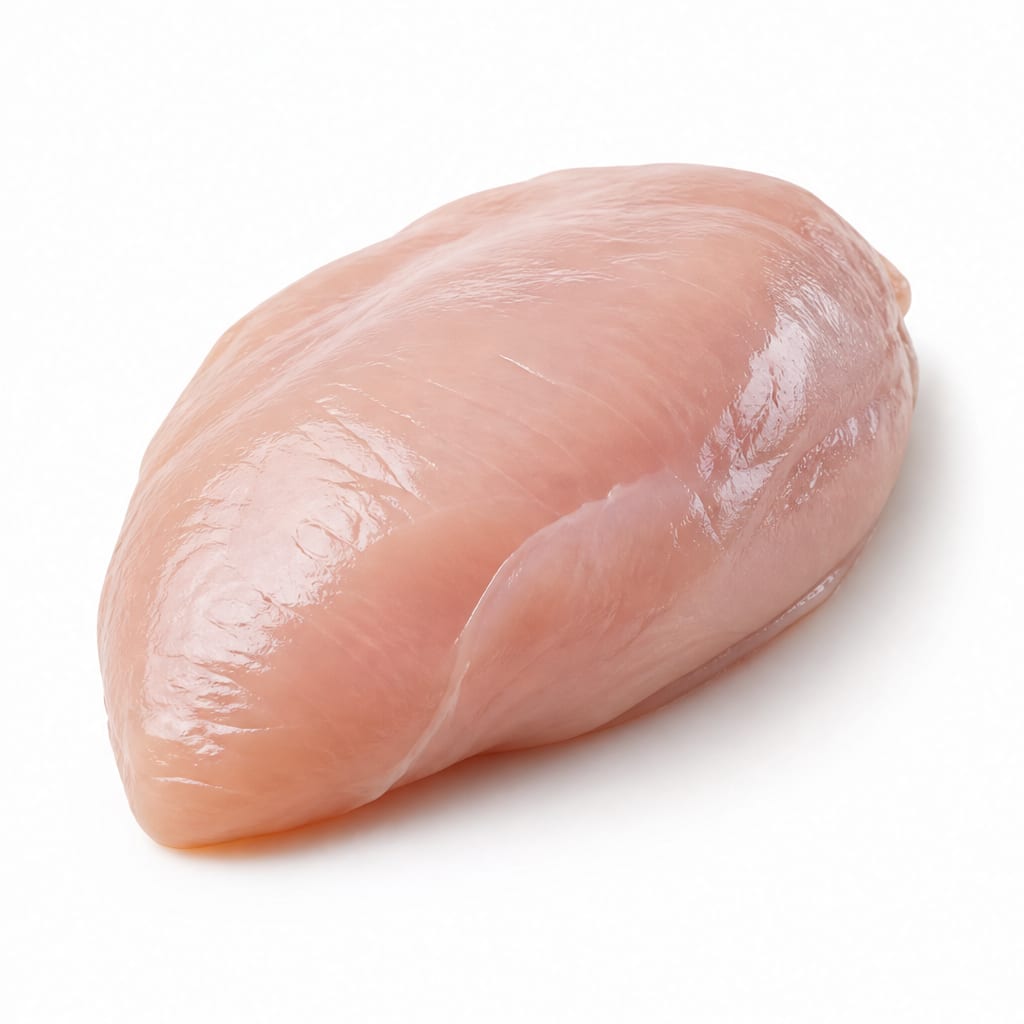
Compare with
Chicken Breast
Chicken breast is slightly higher in protein and lower in mercury, while grouper offers more selenium and omega-3s.
Chicken breast provides slightly more protein with zero mercury risk, while grouper offers marine micronutrients like selenium and vitamin D.
This food
Grouper
VS75% alike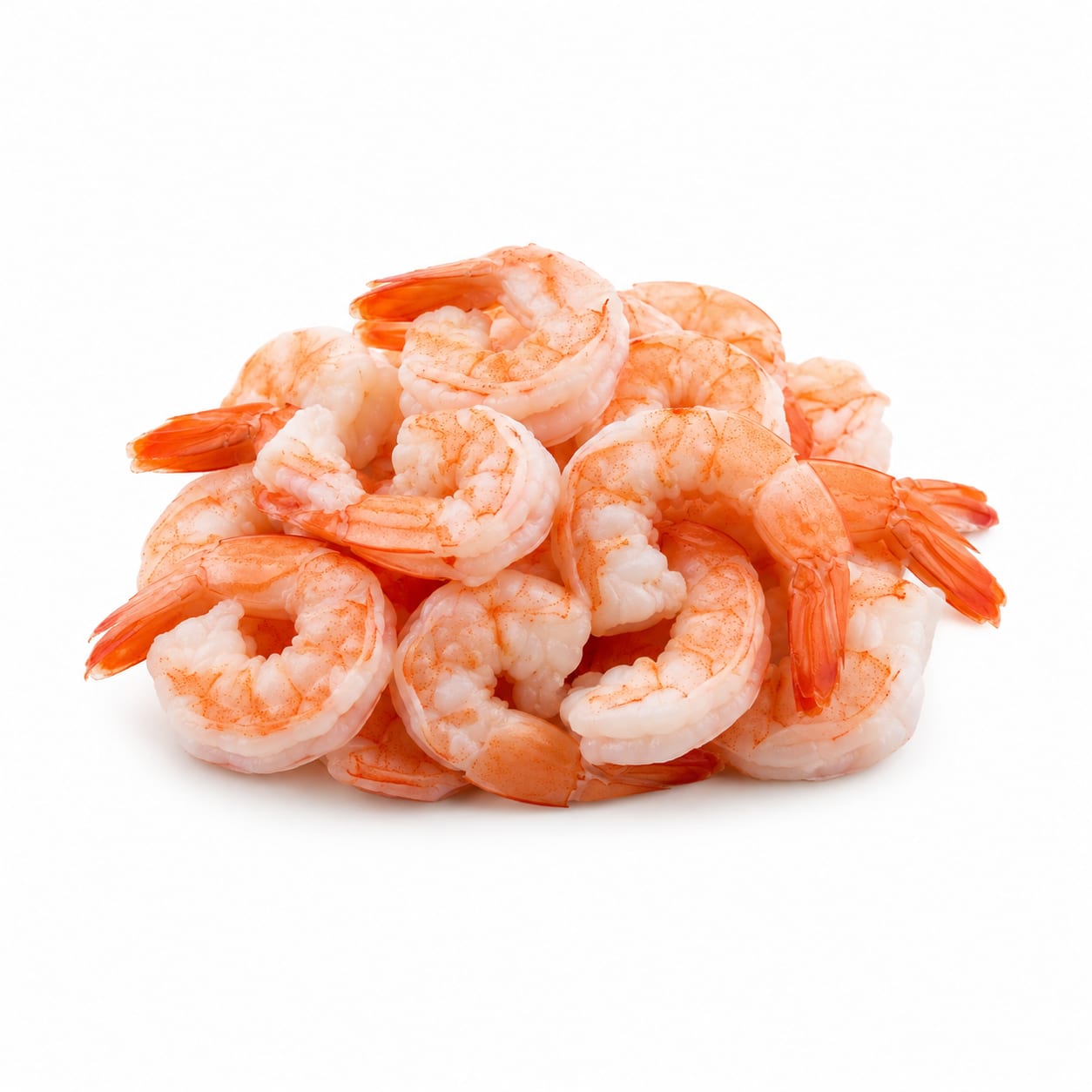
Compare with
Shrimp
Shrimp is lower in calories and mercury, while grouper provides a denser, more filling portion of protein.
Shrimp is lower in calories and mercury for frequent snacking, while grouper offers a heartier, more satiating fillet for main dishes.
Common questions
FAQ
Answers aligned with how people search for this food.
Is grouper high in mercury?
Grouper contains moderate levels of mercury. It is safe for most adults in moderation, but pregnant women and children should limit consumption to a few servings per month.
Is grouper good for weight loss?
Yes, grouper is excellent for weight loss. It is very low in calories and fat while providing high protein, which increases satiety and helps maintain muscle mass.
How many calories are in a grouper fillet?
A standard 6-ounce grouper fillet contains approximately 155 calories, almost entirely from lean protein with very little fat.
Does grouper have omega-3 fatty acids?
Grouper contains some omega-3s, but it is a lean fish, so the levels are much lower than in fatty fish like salmon, mackerel, or sardines.
Can you eat grouper on a keto diet?
Absolutely. Grouper has zero carbohydrates and is a great source of protein, making it perfectly suited for ketogenic and low-carb diets.
What is the best way to cook grouper without drying it out?
Because grouper is so lean, it cooks quickly. Baking, steaming, or grilling in foil or with a light marinade helps retain its moisture.
Is grouper safe to eat raw?
Eating raw grouper is not recommended unless it has been specifically treated and flash-frozen for sushi purposes, as it can carry parasites.
What does grouper taste like?
Grouper has a mild, sweet flavor with a firm, chunky texture that holds up well to grilling and baking without falling apart.
Transparency
Data confidence
Estimated confidence for nutrition data, interpretation, safety notes, and comparisons.
Nutrition data
Health analysis
Food safety
Comparisons