
Nutrition comparison
Grouper vs Chicken Breast: Which Lean Protein Is Better for You?
Compare grouper and chicken breast on protein, mercury safety, omega-3s, cost, and taste. Find out which lean protein fits your health goals and how often you should eat each.
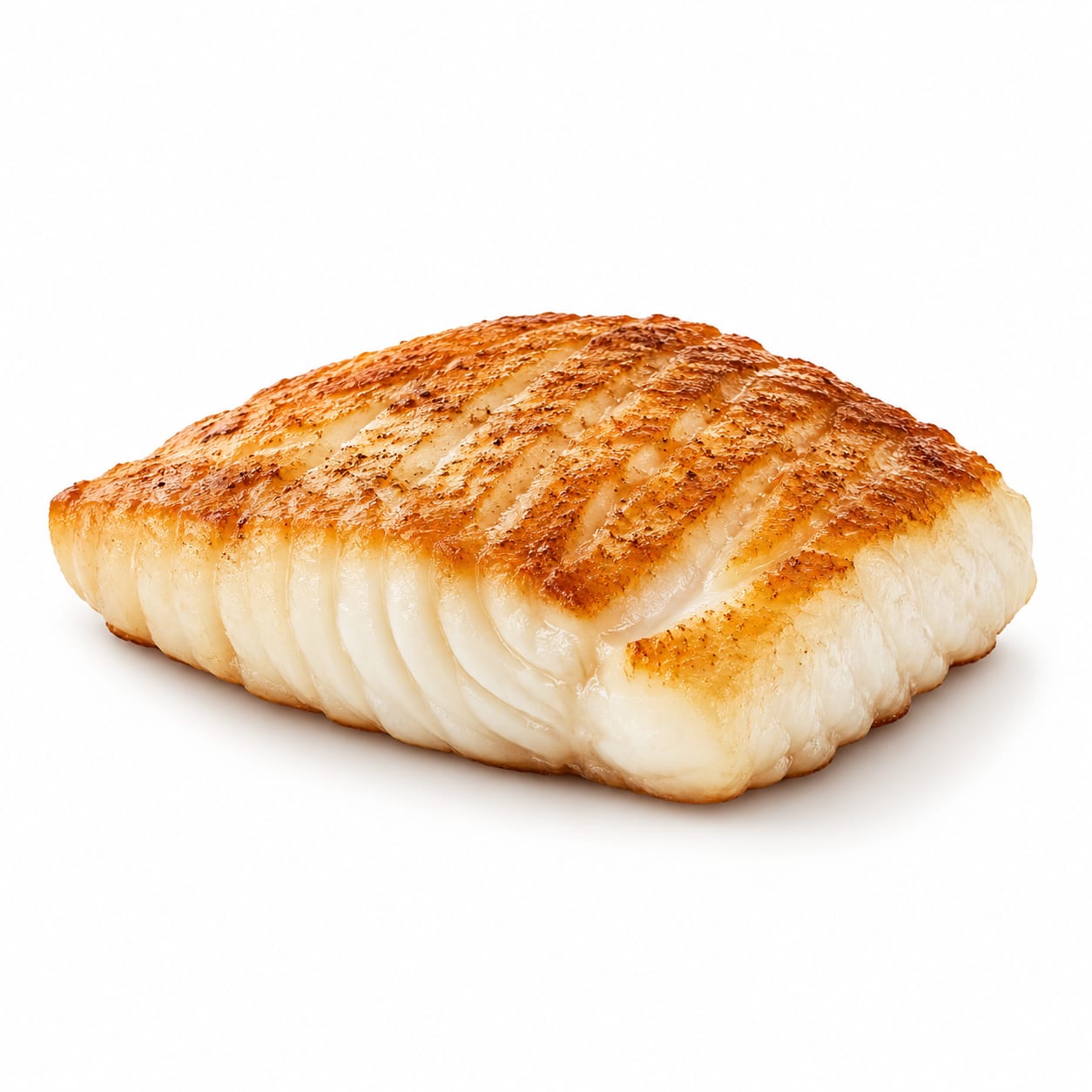
Grouper

Chicken Breast
Chicken breast wins for safe daily eating, but grouper delivers omega-3s and a richer dining experience when enjoyed occasionally.
Chicken breast scores higher primarily due to safety for frequent consumption, affordability, and versatility. Grouper remains an excellent occasional protein with unique omega-3 benefits, but mercury concerns meaningfully limit its regular use.
Grouper gives you heart-healthy omega-3s and a satisfying seafood meal, but mercury limits how often you should eat it. Chicken breast is the reliable everyday protein with no contamination concerns.
At a glance
Executive summary
Overall
It depends
Healthier
Chicken Breast
More practical
Chicken Breast
Daily use
Chicken Breast
Key comparison lenses
lean protein source selection
Both are premier lean protein options, so users are likely deciding which protein staple to build meals around
mercury and heavy metal safety
Grouper is a larger reef fish with meaningful mercury accumulation, a critical factor for frequent consumption decisions
everyday practicality and cost
Chicken breast is ubiquitous and affordable while grouper is seasonal, expensive, and harder to source fresh
omega-3 and anti-inflammatory benefits
Grouper provides marine omega-3s that chicken breast essentially lacks, creating a meaningful nutritional tradeoff
meal variety and culinary experience
Grouper offers a distinct seafood experience while chicken breast risks meal fatigue from repetition
Best choice for
Grouper
- People wanting omega-3s without supplements
- Seafood lovers seeking a lean but flavorful fish
- Those eating protein 3-4 times per week who rotate sources
- Diners wanting a restaurant-quality meal at home
Chicken Breast
- Daily meal preppers needing a reliable protein staple
- Pregnant women or those planning pregnancy
- Families feeding children who need safe, consistent protein
- Budget-conscious shoppers maximizing protein per dollar
Least suitable for
Grouper
- Pregnant or nursing women due to mercury risk
- Children under 6 with developing nervous systems
- Anyone eating fish more than twice per week already
- People on tight grocery budgets
Chicken Breast
- Those with poultry allergies or sensitivities
- People bored with lean protein needing culinary excitement
- Anyone specifically seeking marine omega-3 intake
- Pescatarian diets
Deep comparison
Dimension by dimension
Each lens scores both foods and breaks down who each option suits.
- Dimension 1 · Priority 95Chicken Breast
protein quality and content
Grouper · 82Chicken Breast · 92Chicken breast delivers more protein per calorie and per dollar, making it the more efficient muscle-building choice.
Tradeoff
Grouper offers slightly more complete amino acid diversity from marine sources, but the total protein amount per serving is lower.
Why it matters
If you are tracking macros or building meals around a protein target, chicken breast gets you there faster and cheaper.
Real-world impact
A 6oz chicken breast hits roughly 52g of protein versus about 40g for the same portion of grouper. That gap adds up over a week of meals.
Grouper
- Adding marine amino acid diversity to a varied diet
Better for
- Meeting high protein goals on a calorie budget
Worse for
Chicken Breast
- Hitting daily protein targets efficiently
- Post-workout recovery meals
- Body recomposition phases
Better for
- Providing omega-3 amino acid synergy
Worse for
- Dimension 2 · Priority 90Chicken Breast
mercury and contamination safety
Grouper · 45Chicken Breast · 92Grouper carries moderate mercury risk that limits safe consumption frequency, while chicken breast poses minimal heavy metal concern.
Tradeoff
You gain omega-3s from grouper but accept mercury exposure that restricts you to roughly 1-2 servings per week.
Why it matters
Mercury accumulates in your body over time and affects neurological health, especially for vulnerable populations.
Real-world impact
Eating grouper multiple times per week could push mercury intake above EPA recommendations. Chicken breast can be eaten daily without this worry.
Grouper
- Occasional meals where mercury exposure stays minimal
Better for
- Frequent fish eaters already near mercury limits
- Anyone pregnant, nursing, or feeding small children
Worse for
Chicken Breast
- Daily protein consumption without cumulative risk
- Households with pregnant women or young children
- Long-term health optimization
Better for
- Situations where contamination is not a relevant concern
Worse for
- Dimension 3 · Priority 80Grouper
omega-3 and anti-inflammatory value
Grouper · 78Chicken Breast · 15Grouper provides meaningful marine omega-3s while chicken breast is essentially devoid of them.
Tradeoff
You would need to eat chicken breast plus an omega-3 supplement or separate fatty fish to match what grouper provides in one serving.
Why it matters
Marine omega-3s support heart health, reduce inflammation, and benefit brain function in ways that plant proteins cannot replicate.
Real-world impact
A grouper dinner contributes toward your weekly omega-3 target. A chicken breast dinner contributes nothing toward that goal.
Grouper
- Reducing reliance on fish oil supplements
- Supporting cardiovascular health through diet
- Anti-inflammatory eating patterns
Better for
- People already meeting omega-3 needs through salmon or sardines
Worse for
Chicken Breast
- Situations where omega-3s come from other dietary sources
Better for
- Diets lacking other omega-3 sources
- People who dislike or cannot afford supplements
Worse for
- Dimension 4 · Priority 78Chicken Breast
cost and accessibility
Grouper · 30Chicken Breast · 90Chicken breast is one of the most affordable and available proteins worldwide. Grouper is a premium fish with limited availability.
Tradeoff
Grouper costs 3-5 times more per pound and requires a quality seafood counter, while chicken breast is available at any grocery store.
Why it matters
Sustainability of your eating pattern depends heavily on whether you can afford and find your protein source consistently.
Real-world impact
A week of chicken breast dinners might cost $15-20. The same week of grouper dinners could easily exceed $60-80.
Grouper
- Special occasion meals where cost is secondary
- Coastal areas with fresh affordable local catch
Better for
- Students or anyone on tight food budgets
- Inland residents without reliable fresh seafood access
Worse for
Chicken Breast
- Weekly meal prep on a budget
- Consistent access regardless of season or location
- Families feeding multiple people affordably
Better for
- Special dinners where impression matters more than cost
Worse for
- Dimension 5 · Priority 72Grouper
culinary satisfaction and variety
Grouper · 85Chicken Breast · 60Grouper offers a moist, firm, sweet flavor that feels like a treat. Chicken breast can become dry and repetitive with frequent use.
Tradeoff
Chicken breast absorbs seasoning well but lacks the inherent satisfaction of fresh fish. Grouper needs less dressing up to taste great.
Why it matters
Enjoyment drives long-term dietary adherence. Boring meals lead to takeout orders and off-plan eating.
Real-world impact
A well-cooked grouper fillet feels like a restaurant meal at home. Chicken breast often requires sauces or marinades to avoid feeling like a chore.
Grouper
- Breaking protein monotony with a special meal
- Date nights or dinner parties
- Minimal-preparation cooking where the fish shines alone
Better for
- Quick weeknight cooking where fish preparation feels fussy
Worse for
Chicken Breast
- Meal prep where neutral flavor adapts to many cuisines
- Batch cooking with different sauces and seasonings
Better for
- People experiencing meal fatigue from eating chicken daily
Worse for
- Dimension 6 · Priority 65It depends
sustainability and environmental impact
Grouper · 40Chicken Breast · 55Both have environmental concerns, but grouper faces overfishing pressure while chicken production has well-documented welfare and emissions issues.
Tradeoff
Choosing sustainably caught grouper helps ocean health but is hard to verify. Chicken has larger carbon footprint but more transparent supply chains.
Why it matters
Your food choices affect ecosystems beyond your personal health.
Real-world impact
Look for Gulf or red grouper with sustainability certifications. For chicken, organic or free-range labels indicate better practices.
Grouper
- Sustainably certified grouper from well-managed fisheries
Better for
- Unverified grouper from potentially overfished populations
- Imported grouper with unknown catch methods
Worse for
Chicken Breast
- Organic or pasture-raised chicken with transparent sourcing
Better for
- Conventional factory-farmed chicken with high environmental toll
Worse for
Timeline
Health impact over time
Short-term
Hours to days
Grouper
- Provides satisfying, high-quality protein that keeps you full for hours
- Omega-3s may mildly improve post-meal blood flow and reduce inflammatory response
- Risk of mild digestive discomfort if fish is not perfectly fresh
Chicken Breast
- Delivers fast-digesting lean protein ideal for post-workout recovery
- Very gentle on the stomach when baked or grilled
- Can feel unsatisfying without added fats or carbohydrates, leading to snacking later
Long-term
Months to years
Grouper
- Regular omega-3 intake supports cardiovascular and cognitive health
- Cumulative mercury exposure is a real concern if eaten more than once or twice per week
- Marine protein diversity may reduce reliance on land-animal protein and associated health risks
Chicken Breast
- Consistent lean protein intake supports muscle maintenance and metabolic health over decades
- No meaningful heavy metal accumulation risk regardless of frequency
- Potential for dietary boredom that leads to less healthy food swaps if not managed with variety
Risk profile
Safety & processing
Both grouper and chicken breast are whole, minimally processed foods when purchased fresh. The main concern is what happens during preparation: breading, frying, or heavy sauces diminish the natural health advantages of both. Plumped chicken breasts with added sodium solutions are a hidden processing concern to watch for.
Grouper
Mercury accumulation
mediumGrouper is a mid-to-large reef fish that accumulates moderate mercury levels. Limit to 1-2 servings per week, especially for women of childbearing age and children.
Ciguatera toxin
lowReef fish like grouper can carry ciguatera toxin from their diet. Cannot be destroyed by cooking. More common in Caribbean and tropical harvest areas.
Seafood spoilage
mediumFish spoils faster than poultry. Grouper should be cooked within 1-2 days of purchase and kept consistently cold.
Chicken Breast
Salmonella contamination
mediumRaw chicken commonly carries salmonella. Proper handling and cooking to 165°F eliminates risk, but cross-contamination in the kitchen is a real concern.
Antibiotic residues
lowConventional chicken may contain trace antibiotic residues. Choosing organic or antibiotic-free chicken eliminates this concern.
Sodium plumping solutions
lowSome chicken breasts are injected with sodium solutions. Check labels for anything above 5% sodium content to avoid this hidden salt.
Who wins for whom
Audience fit
Same foods, different winners depending on your goal.
children
Chicken BreastChildren are more vulnerable to mercury exposure, making grouper a poor choice for regular consumption. Chicken breast provides safe, consistent protein for growing bodies.
daily consumption
Chicken BreastNo mercury accumulation risk, affordable, easy to prepare, and widely available. Chicken breast is the definition of a daily driver protein.
diabetes
Chicken BreastBoth are zero-carb proteins that stabilize blood sugar, but chicken breast can be eaten daily without mercury concerns, making it safer for consistent long-term use in diabetic meal plans.
elderly
It dependsChicken breast is easier to chew and safer for daily consumption, but grouper's omega-3s offer cognitive and cardiovascular benefits particularly valuable for older adults. Rotate both, limiting grouper to once weekly.
muscle gain
Chicken BreastHigher protein density per serving and per dollar makes chicken breast the more practical choice for hitting the elevated protein targets needed for muscle growth.
weight loss
Chicken BreastChicken breast provides more protein per calorie, keeping you fuller on fewer calories. Grouper is also lean but offers less protein per serving, making it slightly less effective for appetite control.
Your move
Decision guide
Choose Grouper
- You want omega-3s from whole food rather than supplements
- You eat fish no more than once or twice per week and want it to count
- You are cooking a special meal and want something that feels premium
- You live near a coast with access to fresh, reasonably priced grouper
Choose Chicken Breast
- You need a reliable daily protein source with no safety concerns
- You are pregnant, nursing, or feeding young children
- You are meal prepping on a budget for the week
- You want maximum protein per calorie and per dollar
Either works if
- You already eat a varied protein rotation including both land and sea sources
- You are simply looking for a lean protein to pair with vegetables and grains
- Neither food is a staple and you just want a healthy dinner tonight
Avoid both if
- You have specific allergies to fish or poultry
- You only eat plant-based proteins
- You are deep-frying either one and calling it healthy
Final recommendation
Make chicken breast your everyday protein foundation and treat grouper as your once-weekly upgrade. This gives you the safety and practicality of chicken with the omega-3 benefits and culinary excitement of grouper, while keeping mercury exposure well within safe limits.
Practical
Consumer tips
- 1
Ask your fish counter where the grouper was caught. Gulf grouper tends to have lower mercury than Caribbean or Atlantic varieties.
- 2
If chicken breast tastes dry, try brining it for 30 minutes in salted water before cooking. It makes a surprising difference.
- 3
Limit grouper to one serving per week if you also eat other moderate-mercury fish like tuna or halibut.
- 4
Check chicken labels for 'enhanced with up to 15% chicken broth' — this adds sodium you probably do not want.
- 5
Freeze grouper portions immediately if you cannot cook within a day. Fish quality degrades faster than most people realize.
- 6
For the best of both worlds, pair chicken breast most days with a separate omega-3 source like sardines or mackerel on days you skip grouper.