
Nutrition comparison
Grouper vs Tilapia: Mercury, Omega-3s, and Which Fish Is Safer to Eat Regularly
Compare Grouper and Tilapia on mercury levels, omega-3 content, safety, and cost. Find out which fish is better for daily eating, pregnancy, and your budget.
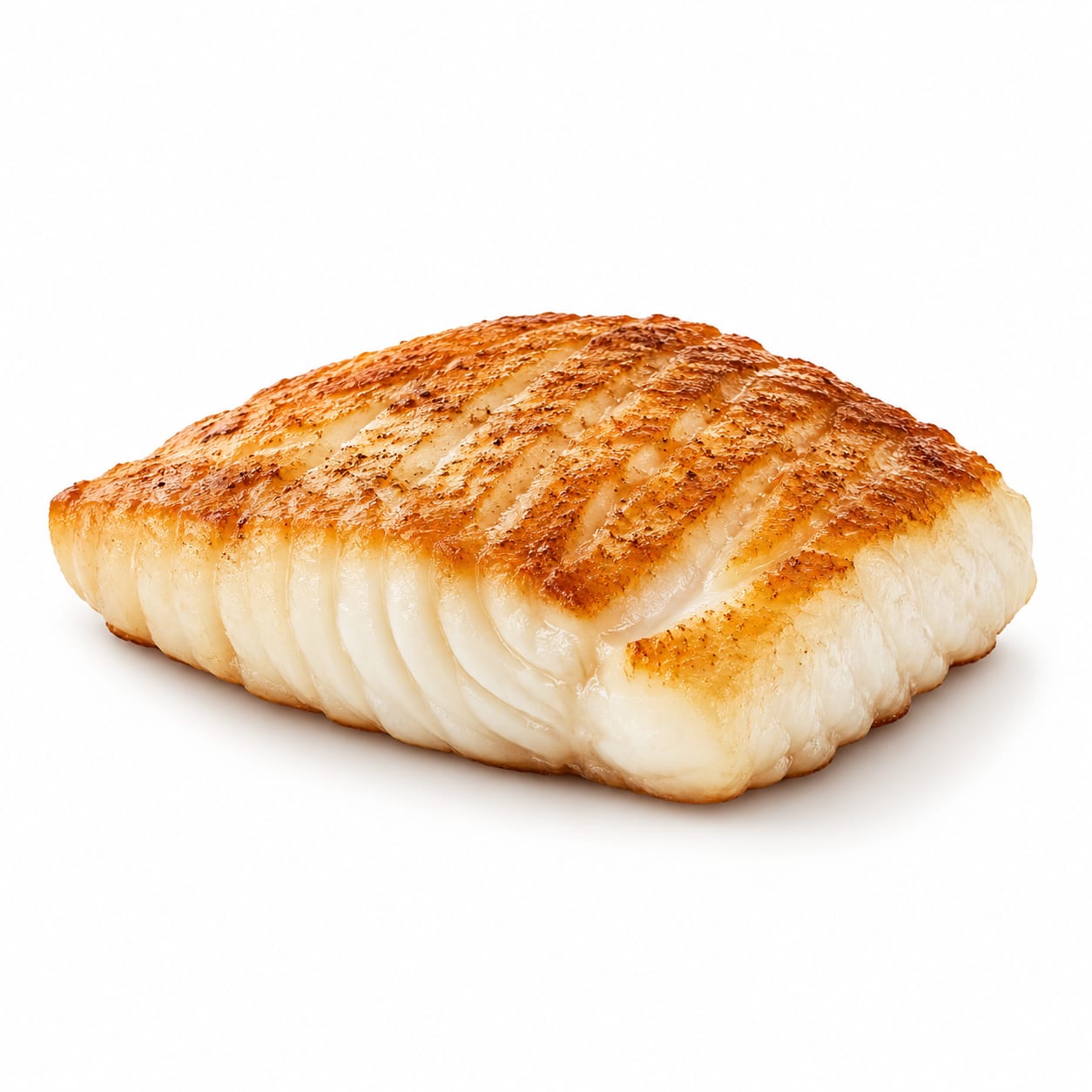
Grouper
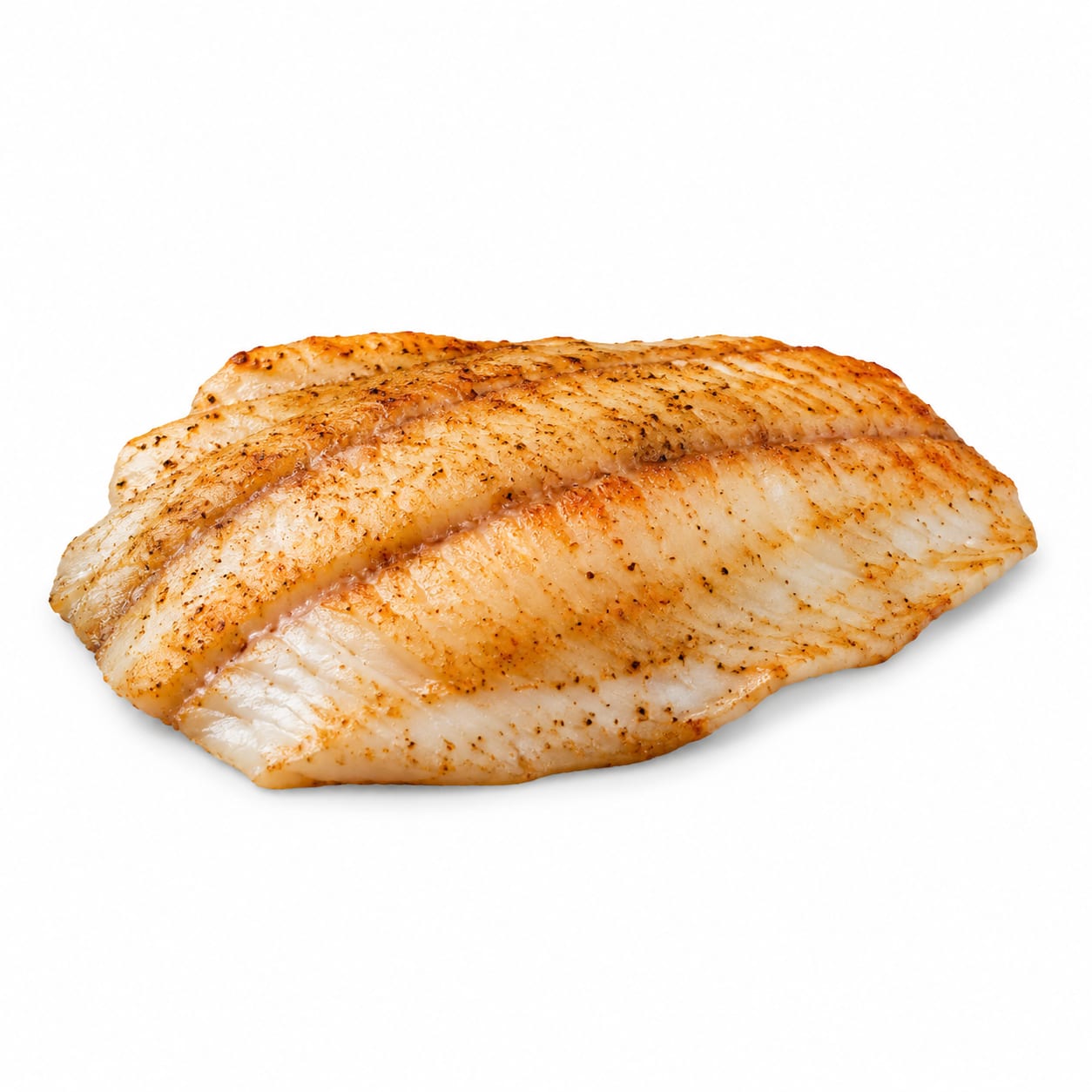
Tilapia
Grouper delivers superior nutrition but carries real mercury risk, while Tilapia is safer for frequent eating but nutritionally underwhelming as a fish choice.
Grouper scores higher nutritionally but loses ground on safety and practicality. Tilapia is more accessible and safer for regular use but offers weaker nutritional payoff. The gap is modest because neither fish dominates across all dimensions.
Better omega-3s and richer protein in Grouper versus safer daily consumption and lower cost in Tilapia.
At a glance
Executive summary
Overall
It depends
Healthier
It depends
More practical
Tilapia
Daily use
Tilapia
Key comparison lenses
mercury and heavy metal safety
Grouper is a larger predatory fish with notably higher mercury levels, while Tilapia is among the lowest-mercury fish available
omega-3 nutritional value
Tilapia is infamous for its poor omega-3 to omega-6 ratio, while Grouper offers better healthy fat content
everyday affordability and accessibility
Tilapia is one of the most budget-friendly fish options; Grouper is premium-priced and often restaurant-only
farming and sourcing concerns
Tilapia is almost entirely farm-raised with antibiotic and water quality concerns; Grouper faces overfishing and sustainability issues
safe frequency of consumption
Mercury levels directly determine how often each fish can safely be eaten, especially for vulnerable populations
Best choice for
Grouper
- People eating fish 1-2 times per week who want maximum nutritional benefit
- Those prioritizing omega-3 intake from whole food sources
- Restaurant diners seeking a satisfying, meaty fish option
- Active individuals needing high-quality protein with healthy fats
Tilapia
- Families needing an affordable fish they can eat multiple times weekly
- Pregnant women or those planning pregnancy requiring low-mercury seafood
- Budget-conscious meal preppers wanting lean protein
- Anyone following a frequent seafood rotation safely
Least suitable for
Grouper
- Pregnant or breastfeeding women due to mercury content
- Children under 12 with developing nervous systems
- Anyone eating fish more than twice per week
- People on tight grocery budgets
Tilapia
- Those specifically seeking omega-3 benefits from fish
- People avoiding farm-raised seafood over sustainability or antibiotic concerns
- Diners wanting a rich, distinctive fish flavor and texture
- Anyone expecting premium nutritional value from their seafood dollar
Deep comparison
Dimension by dimension
Each lens scores both foods and breaks down who each option suits.
- Dimension 1 · Priority 95Tilapia
Mercury and Heavy Metal Safety
Grouper · 35Tilapia · 92Grouper accumulates significant mercury as a long-lived predator; Tilapia is among the safest fish for mercury exposure.
Tradeoff
You gain better nutrition with Grouper but must strictly limit how often you eat it. Tilapia you can eat freely but with less nutritional reward.
Why it matters
Mercury affects brain development in children and cognitive function in adults. Frequent high-mercury fish consumption creates cumulative risk.
Real-world impact
Eating Grouper weekly could push mercury intake into concerning territory. Tilapia can be eaten 4-5 times per week without mercury worry.
Grouper
- Occasional indulgence meals where mercury frequency is controlled
Better for
- Anyone who already eats tuna, swordfish, or other high-mercury fish
- Households with young kids sharing meals
Worse for
Tilapia
- Pregnant women, children, and anyone eating fish regularly
- Meal plans requiring multiple seafood servings per week
Better for
- Situations where mercury is not the primary concern and nutrition is prioritized
Worse for
- Dimension 2 · Priority 88Grouper
Omega-3 and Healthy Fat Content
Grouper · 72Tilapia · 28Grouper provides meaningful omega-3 fatty acids; Tilapia has surprisingly low omega-3s and an unfavorable omega-6 ratio.
Tradeoff
Grouper actually delivers on the reason people eat fish — anti-inflammatory fats. Tilapia barely qualifies as an omega-3 source.
Why it matters
Omega-3s from fish are the most bioavailable form and support heart, brain, and joint health. A fish that lacks them misses the primary health argument for eating seafood.
Real-world impact
If you're eating Tilapia expecting the heart benefits of fish, you're mostly getting lean protein. Grouper actually moves the needle on omega-3 intake.
Grouper
- Cardiovascular health optimization
- Anti-inflammatory eating patterns
- Getting the most from limited fish servings
Better for
- Portion control situations where omega-3s come with higher calorie load
Worse for
Tilapia
- Low-fat diets where minimal fat intake is the goal
Better for
- Anyone counting on fish for omega-3 benefits
- Anti-inflammatory protocols requiring EPA and DHA
Worse for
- Dimension 3 · Priority 75Grouper
Protein Quality and Satiety
Grouper · 80Tilapia · 68Both are solid protein sources, but Grouper offers slightly more protein per serving with better amino acid diversity and more satisfying texture.
Tradeoff
Grouper fills you up more effectively per serving; Tilapia still delivers adequate protein at a fraction of the cost.
Why it matters
Protein quality affects how long you stay full and how well your body rebuilds tissue. Texture and satisfaction also influence whether a meal actually holds you over.
Real-world impact
A Grouper dinner feels like a real meal. Tilapia can feel light to the point of leaving you hungry again sooner.
Grouper
- Post-workout recovery meals
- Dinners where lasting fullness matters
- Higher protein dietary needs
Better for
- Small appetite situations where dense protein feels like too much
Worse for
Tilapia
- Light lunches where you want protein without heaviness
- Calorie-controlled meal plans
Better for
- Athletes or active people needing substantial protein per meal
Worse for
- Dimension 4 · Priority 82Tilapia
Affordability and Accessibility
Grouper · 25Tilapia · 90Tilapia is one of the cheapest fish available in any grocery store; Grouper is premium-priced and often limited to specialty fish counters or restaurants.
Tradeoff
Tilapia makes fish accessible to almost any budget. Grouper is a luxury protein that many people rarely encounter outside dining out.
Why it matters
The best nutritional choice only matters if you can actually afford and find it regularly. Consistency beats perfection for health outcomes.
Real-world impact
A family of four can eat Tilapia twice a week for under $15. The same Grouper meal could cost $40-60.
Grouper
- Special occasion meals where cost is secondary
- Restaurant dining where Grouper is already on the menu
Better for
- Students, large families, or anyone watching grocery spending
- Rural areas without specialty fish markets
Worse for
Tilapia
- Weekly meal prep on a budget
- Families needing affordable protein options
- Grocery stores with limited fish counter selection
Better for
- Occasions where serving a premium fish matters socially or culturally
Worse for
- Dimension 5 · Priority 72It depends
Farming Practices and Sustainability
Grouper · 45Tilapia · 42Both fish have serious sourcing concerns — Grouper from overfishing and Tilapia from intensive aquaculture practices.
Tradeoff
Wild Grouper faces depletion and bycatch issues; farmed Tilapia faces antibiotic use, water pollution, and lower welfare standards. Neither is a clear ethical winner.
Why it matters
Sustainability affects long-term availability and environmental health. Farming practices also influence what ends up in the fish you eat.
Real-world impact
Choosing either fish requires asking where it came from. Blindly buying either supports problematic practices.
Grouper
- US-caught or well-regulated Grouper fisheries
- Situations where wild-caught is strongly preferred
Better for
- Imported Grouper from unregulated fisheries
- Red grouper from depleted stocks
Worse for
Tilapia
- ASC or BAP-certified Tilapia farms
- Regions with strong aquaculture regulation
Better for
- Uncertified international Tilapia farms with poor oversight
- Farms known for antibiotic overuse
Worse for
Timeline
Health impact over time
Short-term
Hours to days
Grouper
- High-quality protein supports muscle repair after exercise
- Omega-3s may reduce post-meal inflammation markers
- Heavier, denser meal provides lasting satiety
Tilapia
- Very light digestion — easy on the stomach
- Low fat content makes it suitable for gallbladder-sensitive individuals
- Mild flavor rarely triggers aversion or nausea
Long-term
Months to years
Grouper
- Accumulated mercury exposure if consumed too frequently, potentially affecting memory and focus
- Consistent omega-3 intake supports cardiovascular and cognitive health when portions are managed
- Higher selenium content provides antioxidant protection
Tilapia
- Minimal mercury risk even with frequent consumption
- Weak omega-3 contribution means less cardiovascular protection than most other fish
- Poor omega-6 to omega-3 ratio may contribute to low-grade inflammation if Tilapia is the primary fish source
Risk profile
Safety & processing
Both are whole fish typically sold fresh or frozen without additives. However, farmed Tilapia may contain antibiotic residues and is more likely to be treated with preservatives during processing and shipping. Wild-caught Grouper is generally cleaner from a chemical additive standpoint.
Grouper
Mercury accumulation
highGrouper is a long-lived predatory reef fish that accumulates mercury at levels often exceeding 0.4 ppm. FDA advises vulnerable populations to avoid it entirely.
Ciguatera toxin
mediumReef fish like Grouper can carry ciguatera toxin from algae blooms, causing serious foodborne illness that cannot be destroyed by cooking.
Overfishing and mislabeling
mediumSome Grouper sold in restaurants is actually a cheaper substitute fish, meaning you may not know what you're truly eating or its safety profile.
Tilapia
Antibiotic residues from farming
mediumIntensive Tilapia farming, especially in some international operations, uses antibiotics that can remain in fillets and contribute to antibiotic resistance.
Water quality and contaminant exposure
mediumCrowded farm conditions can lead to higher bacterial counts and exposure to agricultural runoff including pesticides and industrial chemicals.
Lower food safety regulation in some exporting countries
lowWhile US-imported Tilapia is inspected, oversight gaps exist, and not all shipments are thoroughly tested for residues.
Who wins for whom
Audience fit
Same foods, different winners depending on your goal.
children
TilapiaChildren's developing nervous systems are far more vulnerable to mercury. Tilapia's low mercury makes it one of the safer fish options for kids.
daily consumption
TilapiaTilapia's low mercury and affordable price make it realistic for daily or near-daily eating. Grouper should be limited to 1-2 servings per week maximum.
diabetes
TilapiaBoth are low-carb, but Tilapia's lower mercury allows more frequent consumption, which helps maintain consistent protein intake without cumulative heavy metal risk.
elderly
It dependsElderly individuals benefit from Grouper's omega-3s for cognitive and joint health, but mercury sensitivity increases with age. Occasional Grouper with mostly Tilapia is the balanced approach.
muscle gain
GrouperGrouper provides more protein per serving with a richer amino acid profile and healthy fats that support hormone production and recovery.
weight loss
TilapiaTilapia is lower in calories and fat while still providing solid protein, making it easier to fit into a calorie deficit on a regular basis.
Your move
Decision guide
Choose Grouper
- You eat fish only 1-2 times per week and want maximum nutritional impact per serving
- Heart and brain health are top priorities and you can limit frequency
- You're dining out and want a satisfying, premium fish experience
- You have access to well-sourced, locally caught Grouper from trusted fisheries
Choose Tilapia
- You need a fish you can eat 3-5 times per week without mercury worry
- Budget is a primary concern and you still want lean animal protein
- You're pregnant, breastfeeding, or feeding young children
- You want a neutral-tasting fish that works in many recipes without overpowering them
Either works if
- You're simply looking for a low-carb protein source and rotate between multiple fish types
- Both are available fresh and you're cooking for a group with mixed preferences
Avoid both if
- You have a seafood allergy
- You're seeking the highest omega-3 fish — choose salmon, sardines, or mackerel instead
- Sustainability is your top priority and you can't verify responsible sourcing for either
Final recommendation
Eat Grouper occasionally for its nutritional richness and enjoy Tilapia more frequently for safety and affordability. If you can only pick one for regular use, Tilapia is the pragmatic choice — but supplement its weak omega-3s by adding a richer fish like salmon to your rotation weekly.
Practical
Consumer tips
- 1
Ask your fish counter where the Grouper was caught — US and Gulf sources tend to have better regulation than imported
- 2
Look for ASC or BAP certification on Tilapia packaging to ensure responsible farming practices
- 3
If eating Grouper, avoid having other high-mercury fish like tuna or swordfish the same week
- 4
Tilapia benefits from bold seasoning — its mild flavor absorbs marinades and spices well, making it versatile for many cuisines
- 5
Consider replacing some Tilapia servings with sardines or mackerel to close the omega-3 gap affordably
- 6
Freeze Grouper portions individually so you can pace consumption and avoid accidental overeating of high-mercury fish