
Nutrition comparison
Grouper vs Sea Bass: Nutrition, Mercury, and Which is Healthier
Compare Grouper vs Sea Bass to discover which fish is lower in mercury, higher in omega-3s, and better for your health goals.
Overall winner · Grouper
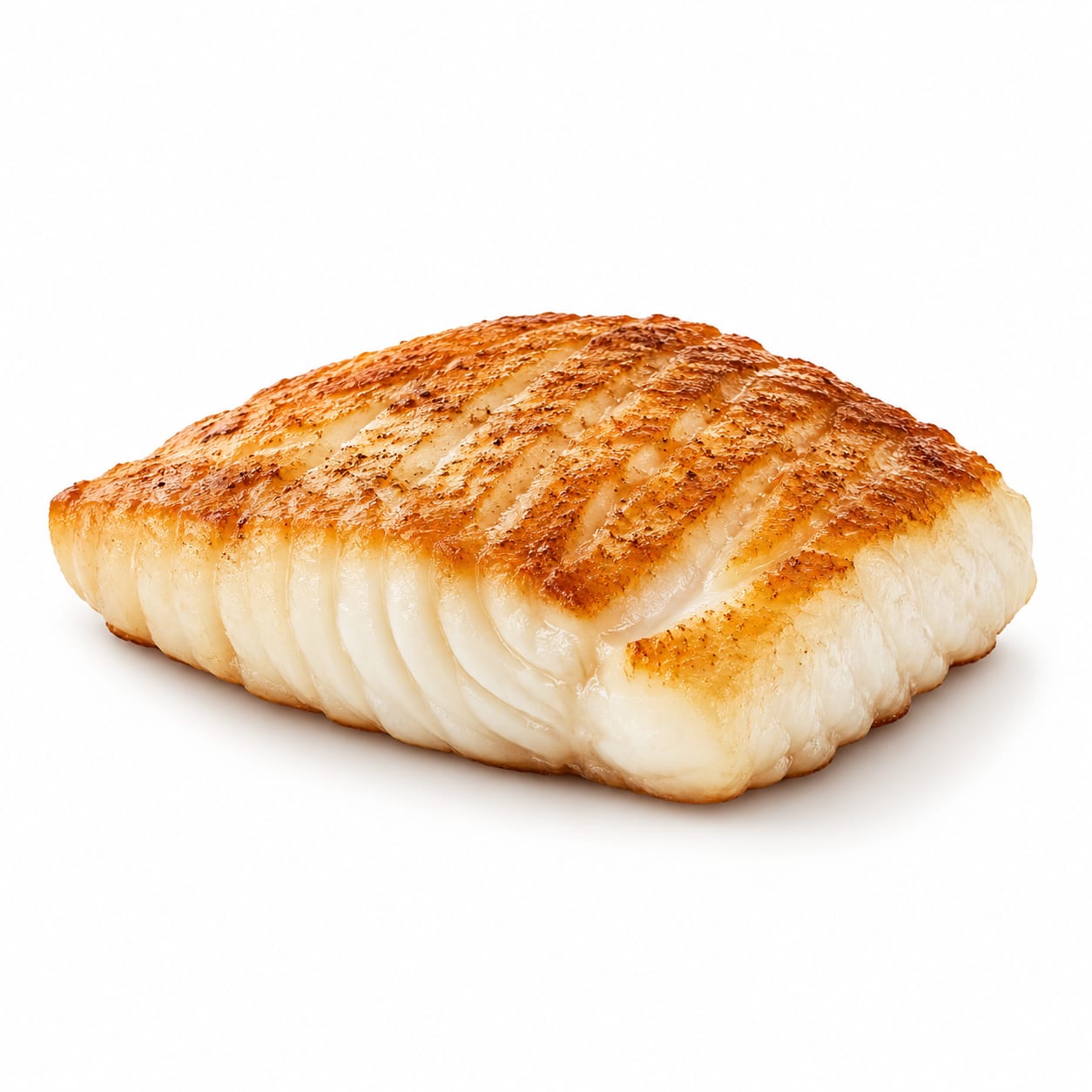
Grouper
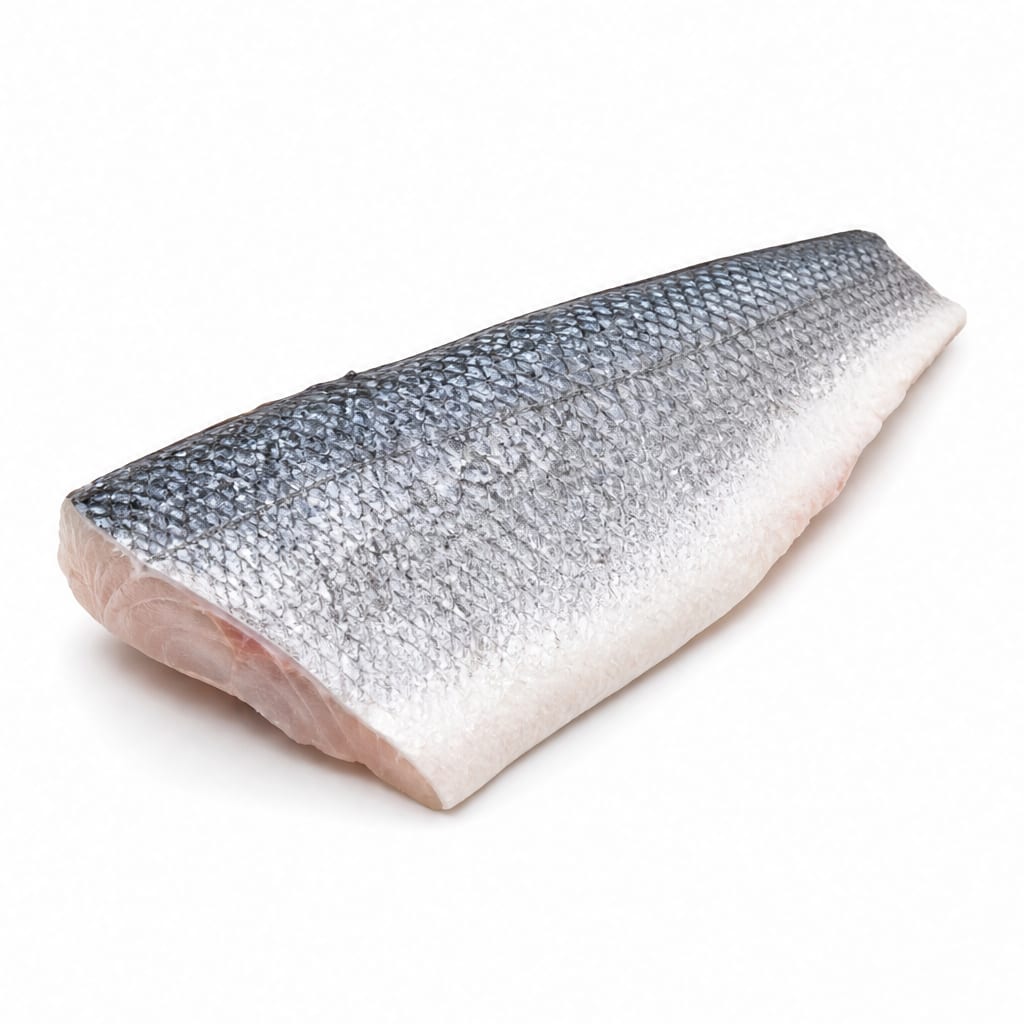
Sea Bass
Grouper is the leaner, safer choice for regular consumption, while Sea Bass offers a richer, buttery experience but carries higher mercury and sustainability concerns.
Grouper scores higher due to lower mercury levels and better sustainability, making it safer for regular eating. Sea Bass loses points because the popular Chilean variety is high in mercury and often poorly sourced, despite its excellent fat profile.
Leanness and lower mercury versus richer omega-3 fats and a more luxurious texture.
At a glance
Executive summary
Overall
Grouper
Healthier
Grouper
More practical
Grouper
Daily use
Grouper
Key comparison lenses
Mercury and heavy metal exposure
Chilean Sea Bass is notoriously high in mercury, while Grouper carries moderate levels, making safety a primary decision factor.
Fat content and omega-3 benefits
Sea Bass is a significantly fattier fish, offering more omega-3s but at the cost of higher calories and stored toxins.
Calorie density and leanness
Grouper provides a lean protein source, whereas Sea Bass offers a richer, more calorie-dense meal.
Sustainability and ocean health
Chilean Sea Bass has a troubled history with overfishing and illegal catch, making sourcing a critical concern.
Best choice for
Grouper
- Lean protein diets
- Frequent fish eaters
- Pregnant women looking for safer fish
Sea Bass
- Keto or low-carb diets needing fats
- Special occasion dining
- Boosting omega-3 intake occasionally
Least suitable for
Grouper
- Those wanting high omega-3s from a single serving
Sea Bass
- Pregnant women
- Children
- Frequent weekly consumption
Deep comparison
Dimension by dimension
Each lens scores both foods and breaks down who each option suits.
- Dimension 1 · Priority 95Grouper
Mercury & Contaminant Load
Grouper · 75Sea Bass · 40Grouper has moderate mercury levels, while Chilean Sea Bass is high in mercury, strictly limiting how often you can safely eat it.
Tradeoff
You get more omega-3s with Sea Bass, but at the cost of significantly higher heavy metal exposure.
Why it matters
High mercury consumption impacts neurological health and is especially risky for pregnant women and children.
Real-world impact
Eating Chilean Sea Bass regularly can push you over safe mercury limits, whereas Grouper can be enjoyed a couple of times a week more safely.
Grouper
- Frequent fish diners
- Pregnant women (in moderation)
Better for
Sea Bass
- Those eating fish rarely who want maximum nutrients per serving
Better for
- Pregnant women
- Young children
- People with heavy metal sensitivity
Worse for
- Dimension 2 · Priority 85Sea Bass
Fat Content & Omega-3s
Grouper · 50Sea Bass · 90Sea Bass is a much fattier fish, delivering significantly more omega-3 fatty acids per serving than lean Grouper.
Tradeoff
The extra fat brings heart-healthy benefits but also more calories and higher toxin storage.
Why it matters
Omega-3s are crucial for heart and brain health, and fatty fish are the best dietary source.
Real-world impact
A serving of Sea Bass feels richer and more satisfying, while Grouper feels lighter and requires added healthy fats like olive oil to match the benefits.
Grouper
- Calorie counters
- Low-fat dieters
Better for
- Those relying on fish for omega-3s
Worse for
Sea Bass
- Heart health focus
- Keto dieters
- Brain health optimization
Better for
- Strict low-fat diets
Worse for
- Dimension 3 · Priority 80Grouper
Calorie Density & Leanness
Grouper · 90Sea Bass · 60Grouper is a very lean protein, making it lower in calories per serving than the fattier Sea Bass.
Tradeoff
Grouper keeps calories low but can dry out if overcooked, whereas Sea Bass stays moist due to its fat content.
Why it matters
Lean protein supports muscle maintenance and weight management without excess calories.
Real-world impact
Grouper is a better base for a light, veggie-packed dinner, while Sea Bass is a heavier, more indulgent meal.
Grouper
- Weight loss
- Body recomposition
- Lighter meals
Better for
- Those needing calorie-dense meals
Worse for
Sea Bass
- High-calorie needs
- Cold weather comfort meals
Better for
- Strict calorie restrictors
Worse for
- Dimension 4 · Priority 75Grouper
Sustainability & Sourcing
Grouper · 70Sea Bass · 45Grouper is generally better managed in US waters, while Chilean Sea Bass has a history of overfishing and pirate fishing.
Tradeoff
Choosing well-sourced Sea Bass requires effort and expense, whereas Grouper is easier to find sustainably.
Why it matters
Overfishing threatens ocean ecosystems, making seafood choices an environmental decision.
Real-world impact
Ordering Sea Bass at a restaurant often means supporting unsustainable practices unless the menu explicitly states MSC certification.
Grouper
- Eco-conscious diners
- Easy sustainable choices
Better for
Sea Bass
- Environmentally conscious consumers (unless MSC certified)
Worse for
Timeline
Health impact over time
Short-term
Hours to days
Grouper
- Provides high-quality lean protein for muscle repair
- Light on the stomach, won't cause sluggishness
Sea Bass
- High fat content provides lasting satiety
- Rich mouthfeel makes for a highly satisfying meal
Long-term
Months to years
Grouper
- Lower mercury load supports neurological health over time
- Consistent lean protein aids weight management
Sea Bass
- High omega-3s reduce inflammation and support heart health
- Risk of mercury accumulation if consumed too frequently
Risk profile
Safety & processing
Both Grouper and Sea Bass are whole, minimally processed fish. The concerns lie in environmental contaminants rather than artificial additives.
Grouper
Mercury exposure
mediumGrouper has moderate mercury levels; safe to eat once a week, but should be limited by pregnant women.
Ciguatera toxin
lowTropical Grouper can occasionally carry ciguatera toxin from reef algae, causing food poisoning.
Sea Bass
High mercury exposure
highChilean Sea Bass is a large, long-lived predatory fish with high mercury levels, strictly limiting safe intake.
Overfishing and illegal catch
mediumWithout MSC certification, Sea Bass may come from depleted stocks or illegal, unreported fishing.
Who wins for whom
Audience fit
Same foods, different winners depending on your goal.
children
GrouperGrouper's lower mercury profile makes it a safer option for children's developing nervous systems, though both should be limited.
daily consumption
GrouperNeither should be eaten daily due to mercury, but Grouper is safer for more frequent weekly consumption (1-2 times) compared to Sea Bass.
diabetes
GrouperGrouper has zero carbs and fewer calories, making blood sugar management easier, though both are safe choices.
elderly
Sea BassThe high omega-3 content in Sea Bass is highly protective against cognitive decline and joint inflammation, provided it's eaten rarely enough to avoid mercury issues.
muscle gain
It dependsBoth offer excellent protein, but Grouper provides more protein per calorie, while Sea Bass offers more calories for bulking.
weight loss
GrouperGrouper is much lower in calories and fat, making it easier to fit into a calorie-controlled diet.
Your move
Decision guide
Choose Grouper
- You want a lean, low-calorie protein source
- You eat fish multiple times a week and need to watch mercury
- You prefer a firmer, meatier texture that holds up to grilling
- Sustainable sourcing is a priority
Choose Sea Bass
- You want a luxurious, buttery fish for a special occasion
- You need a boost in omega-3 fats and aren't worried about calories
- You follow a keto diet and welcome higher fat content
- You only eat fish occasionally and want the richest experience
Either works if
- You want a high-quality, zero-carb protein for dinner
- You are looking for a restaurant-quality seafood dish
Avoid both if
- You are strictly avoiding mercury due to pregnancy or breastfeeding (opt for salmon or sardines instead)
- You have a severe fish or shellfish allergy
Final recommendation
Make Grouper your go-to for regular, lean seafood meals, and save Sea Bass for rare indulgences where its rich texture shines, keeping mercury limits in check.
Practical
Consumer tips
- 1
Ask your restaurant or fishmonger if the Sea Bass is Chilean or Striped; Striped Sea Bass has far lower mercury.
- 2
Look for the MSC blue checkmark when buying Sea Bass to ensure sustainable sourcing.
- 3
Cook Grouper quickly over high heat or bake it with moisture to prevent it from drying out.
- 4
Limit Grouper to once a week and Chilean Sea Bass to once a month to stay within safe mercury guidelines.