
Nutrition comparison
Grouper vs Halibut: Which Fish Is Healthier and Safer to Eat?
Compare Grouper and Halibut on mercury levels, nutrition, sustainability, and taste. Learn which lean white fish is safer for regular consumption and which to choose for your health goals.
Overall winner · Halibut
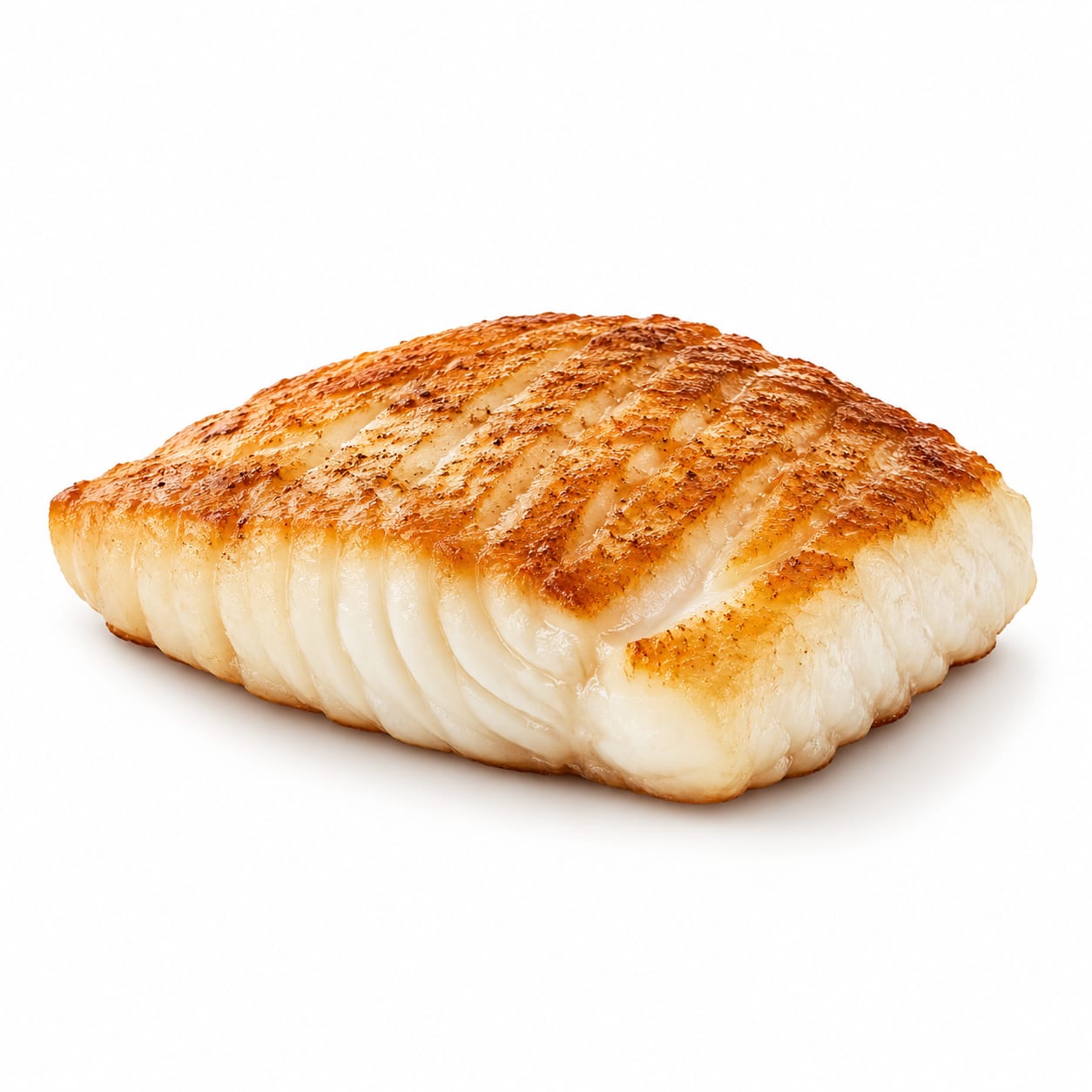
Grouper
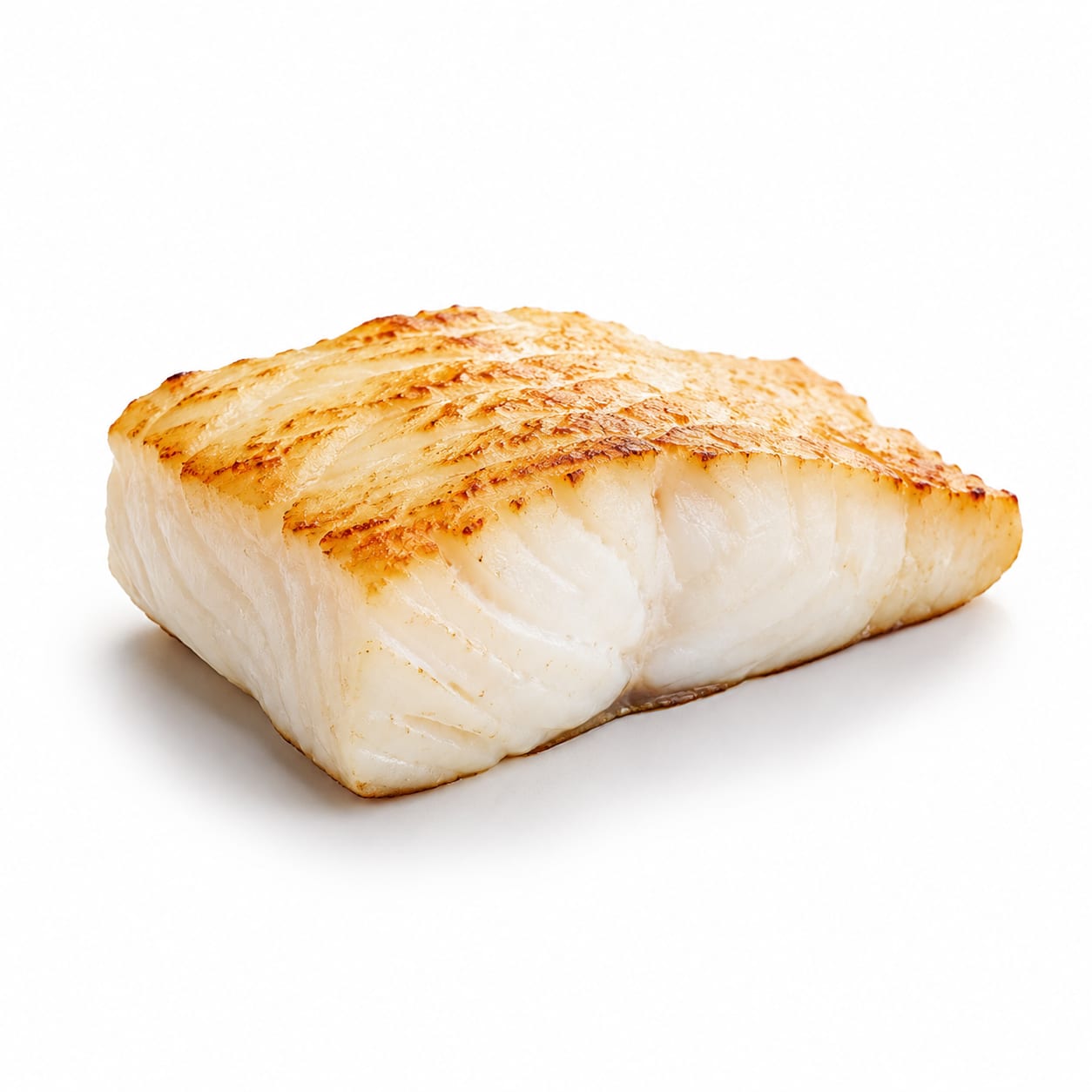
Halibut
Halibut edges out Grouper thanks to lower mercury, better sustainability, and slightly superior micronutrient density — though both are excellent lean protein sources.
Halibut scores higher primarily due to lower mercury, better sustainability credentials, and richer selenium and vitamin D content. Grouper remains a strong choice but its safety profile and overfishing concerns create meaningful downsides for regular consumption.
Grouper offers a richer, moister bite and slightly more protein per serving, but carries higher mercury risk and worse sustainability outlook than Halibut.
At a glance
Executive summary
Overall
Halibut
Healthier
Halibut
More practical
Halibut
Daily use
Halibut
Key comparison lenses
mercury and safety comparison
Both are large predatory fish with meaningful mercury differences that affect weekly consumption limits
protein quality and leanness
Both are prized lean white fish, so subtle nutritional differences drive the choice
sustainability and sourcing
Grouper faces overfishing concerns while Pacific Halibut is well-managed
omega3 fatty acid content
Neither is a fatty fish but consumers often assume all fish are high in omega-3s
cooking versatility and taste
Both are premium fish with different texture profiles that suit different preparations
Best choice for
Grouper
- People who prioritize richer flavor and juicier texture in their fish
- Those eating fish only occasionally where mercury accumulation is less concerning
- Diners at restaurants where Grouper is the fresh local catch
Halibut
- Families eating fish multiple times per week who need lower mercury options
- Anyone concerned about long-term heavy metal exposure
- Sustainability-conscious consumers who want well-managed seafood
Least suitable for
Grouper
- Pregnant women and young children due to higher mercury levels
- Those tracking seafood sustainability ratings
- People who eat fish 3+ times weekly
Halibut
- Budget-conscious shoppers as Halibut is often very expensive
- Those who prefer a richer, more buttery fish flavor
Deep comparison
Dimension by dimension
Each lens scores both foods and breaks down who each option suits.
- Dimension 1 · Priority 95Halibut
Mercury and Heavy Metal Exposure
Grouper · 55Halibut · 78Grouper consistently tests higher for mercury than Halibut, especially Pacific Halibut which is among the cleaner large fish options.
Tradeoff
Grouper's position as a larger, longer-lived reef predator means more bioaccumulation, while Halibut — particularly Pacific — has notably lower mercury levels for its size.
Why it matters
Mercury affects neurological health and is especially risky for pregnant women, children, and frequent fish eaters. Even moderate exposure can impact cognitive function over time.
Real-world impact
If you eat fish twice a week, choosing Halibut over Grouper meaningfully reduces your cumulative mercury load over months and years.
Grouper
- Occasional diners who rarely eat high-mercury fish
Better for
- Frequent fish consumers accumulating mercury over time
Worse for
Halibut
- Pregnant or nursing women
- Children under 12
- Anyone eating fish 3+ times per week
- People concerned about long-term cognitive health
Better for
- Those who assume all large fish are equally high in mercury and avoid it unnecessarily
Worse for
- Dimension 2 · Priority 85Grouper
Protein Quality and Content
Grouper · 88Halibut · 84Grouper delivers slightly more protein per serving with a marginally higher calorie count, while Halibut is leaner but still protein-dense.
Tradeoff
Grouper gives you about 2-3g more protein per 6oz serving, but the difference is small enough that both are excellent protein sources.
Why it matters
For muscle maintenance, satiety, and blood sugar stability, both fish perform well. The protein gap rarely changes real outcomes.
Real-world impact
After a workout, either fish provides high-quality complete protein. The 2-3g difference won't noticeably affect recovery or fullness.
Grouper
- Bodybuilders tracking every gram of protein
- Those wanting slightly more calories with their protein
Better for
- Anyone assuming the protein difference is large enough to matter practically
Worse for
Halibut
- People wanting maximum protein with minimum calories
- Those on strict calorie-controlled diets
Better for
- Very active people who need higher calorie intake alongside protein
Worse for
- Dimension 3 · Priority 80Halibut
Micronutrient Density
Grouper · 72Halibut · 83Halibut is notably richer in selenium, vitamin D, and B vitamins, while Grouper offers decent but lower micronutrient levels.
Tradeoff
A single serving of Halibut provides over 100% of daily selenium needs and significant vitamin D, making it a quiet nutritional powerhouse beyond just protein.
Why it matters
Selenium supports thyroid and immune function. Vitamin D is widely deficient. Getting these from food is more effective than supplements for most people.
Real-world impact
Eating Halibut twice a week can meaningfully move the needle on your selenium and vitamin D status, especially in winter months.
Grouper
- Those getting adequate selenium and vitamin D from other sources
Better for
- Those relying on fish as a primary micronutrient source
Worse for
Halibut
- People with low vitamin D levels
- Anyone who rarely takes supplements
- Older adults needing immune and thyroid support
Better for
- People already meeting selenium needs who don't need the extra
Worse for
- Dimension 4 · Priority 80Halibut
Sustainability and Sourcing
Grouper · 45Halibut · 80Pacific Halibut is one of the best-managed fisheries in the world. Grouper populations vary widely but many species are overfished or poorly managed.
Tradeoff
Choosing Halibut — specifically Pacific — supports sustainable fishing practices. Grouper sourcing is often opaque, with reef damage and bycatch concerns.
Why it matters
Overfished populations collapse. Your purchasing choices directly influence which fisheries thrive and which practices continue.
Real-world impact
Asking for Pacific Halibut at the fish counter sends a market signal that rewards responsible management. Grouper often cannot offer the same assurance.
Grouper
- Regions with well-managed local Grouper fisheries (rare but existing)
Better for
- Anyone who cares about ocean health but doesn't verify sourcing
Worse for
Halibut
- Eco-conscious consumers
- Those who want confidence their seafood choice is sustainable
- People who follow Seafood Watch guidelines
Better for
- Those who buy Atlantic Halibut assuming all Halibut is sustainable
Worse for
- Dimension 5 · Priority 70It depends
Omega-3 Fatty Acid Content
Grouper · 58Halibut · 55Neither fish is a significant omega-3 source. Both are lean white fish with modest amounts compared to salmon, sardines, or mackerel.
Tradeoff
Grouper has marginally more total fat and slightly more omega-3s, but the difference is negligible. Neither should be your primary omega-3 strategy.
Why it matters
Many people assume all fish are high in omega-3s. Lean white fish like these provide excellent protein but won't meet your EPA/DHA needs alone.
Real-world impact
If you're eating Grouper or Halibut for heart-healthy omega-3s, you'll still need fatty fish or a supplement to hit meaningful intake levels.
Grouper
- Those who want every small omega-3 advantage
Better for
- People who think Grouper provides substantial omega-3s
Worse for
Halibut
- No meaningful advantage here — essentially tied
Better for
- Anyone relying on Halibut alone for anti-inflammatory fats
Worse for
- Dimension 6 · Priority 65It depends
Taste, Texture, and Cooking Versatility
Grouper · 82Halibut · 80Grouper is moister with a sweeter, richer flavor. Halibut is leaner with a cleaner, flakier texture that some prefer for delicate preparations.
Tradeoff
Grouper holds moisture better during cooking and is more forgiving for home cooks. Halibut can dry out if overcooked but shines with precise preparation.
Why it matters
Enjoyment drives sustainable eating habits. A fish you cook well and love eating will always beat a theoretically superior choice that sits in your freezer.
Real-world impact
For a casual weeknight grill, Grouper is more forgiving. For an elegant plated dinner, Halibut's clean flake and mild sweetness often wins.
Grouper
- Home cooks worried about overcooking fish
- Grilling and blackening preparations
- Those who prefer a richer, more satisfying fish flavor
Better for
- Preparations requiring a very lean, clean-flavored fish
Worse for
Halibut
- Cooks who enjoy precise temperature control
- Poaching, steaming, and delicate sauce pairings
- Those who prefer a lighter, cleaner fish taste
Better for
- High-heat cooking methods that risk drying it out
Worse for
Timeline
Health impact over time
Short-term
Hours to days
Grouper
- High-quality protein provides steady satiety without blood sugar spikes
- Rich flavor feels more satisfying and meal-like than leaner white fish
- Easy to digest with minimal gastrointestinal burden for most people
Halibut
- Excellent lean protein that feels light yet filling
- Low calorie density supports portion control without hunger
- Gentle on digestion and well-tolerated even with sensitive stomachs
Long-term
Months to years
Grouper
- Higher mercury accumulation risk with regular consumption, potentially affecting cognitive health
- Moderate omega-3 intake offers some cardiovascular benefit but less than fatty fish
- Consistent high-quality protein supports muscle maintenance and metabolic health
Halibut
- Lower mercury burden makes it safer for long-term regular consumption
- Superior selenium intake supports thyroid function and antioxidant defenses over decades
- Vitamin D contribution helps maintain bone density and immune resilience with regular intake
Risk profile
Safety & processing
Both Grouper and Halibut are whole, minimally processed foods when purchased fresh or frozen. Additive concerns are minimal unless buying pre-marinated or breaded preparations, which should be checked for sodium and preservatives.
Grouper
Mercury contamination
highGrouper consistently ranks moderate-to-high in mercury testing. FDA data places several Grouper species above the recommended weekly limit for pregnant women. Frequent consumption accelerates accumulation.
Ciguatera toxin
mediumReef-dwelling Grouper can carry ciguatera toxin from their diet, causing foodborne illness that cannot be destroyed by cooking. More common in Caribbean and tropical Pacific catches.
Mislabeling and species substitution
mediumGrouper is one of the most commonly mislabeled fish in restaurants. You may receive a different, potentially less safe species without knowing.
Halibut
Mercury contamination
lowPacific Halibut is notably low in mercury for a large fish. Atlantic Halibut is moderately higher but still generally below Grouper levels. Safe for more frequent consumption.
Parasitic worms
lowLike most wild fish, Halibut can carry parasites. Proper freezing or cooking eliminates this risk entirely. Sushi-grade handling required for raw preparation.
Atlantic Halibut sustainability and contaminant concerns
mediumAtlantic Halibut is less sustainable and may carry more contaminants than Pacific. Always verify the source species when purchasing.
Who wins for whom
Audience fit
Same foods, different winners depending on your goal.
children
HalibutLower mercury levels make Halibut the clearly safer choice for developing nervous systems. Children should limit Grouper intake due to mercury concerns.
daily consumption
HalibutNeither fish should be eaten daily due to mercury accumulation, but Halibut's lower mercury levels allow more frequent consumption — roughly 2-3 times per week versus 1-2 for Grouper.
diabetes
HalibutBoth fish have zero carbohydrates and minimal impact on blood sugar. Halibut's lower mercury makes it safer for long-term regular consumption, which matters more for chronic condition management.
elderly
HalibutHalibut's superior selenium and vitamin D content supports bone density, immune function, and thyroid health — all critical concerns for older adults. Lower mercury also matters more with age.
muscle gain
GrouperGrouper's marginally higher protein content per serving gives it a slight edge, but the difference is small enough that either fish works well for muscle building.
weight loss
HalibutHalibut's slightly lower calorie density with equally high protein makes it marginally better for calorie-controlled diets, though both are excellent choices.
Your move
Decision guide
Choose Grouper
- You're eating fish occasionally and want the richest, most satisfying flavor
- You have access to well-sourced Grouper from reputable, sustainable fisheries
- You're grilling or blackening and want a fish that stays moist under high heat
- You're not pregnant, nursing, or feeding young children
Choose Halibut
- You eat fish multiple times per week and want to minimize mercury exposure
- You're pregnant, nursing, or cooking for children
- Sustainability matters to you and you want confidence in your seafood choice
- You want maximum micronutrient bang for your calorie buck
- You prefer a lighter, cleaner-flavored fish for delicate preparations
Either works if
- You're eating fish once a week or less and mercury is less concerning
- You want a lean, high-protein dinner that won't spike blood sugar
- You're bored with salmon and want a premium white fish experience
- Both are available fresh and you want to rotate for variety
Avoid both if
- You have a severe fish allergy
- You're looking for significant omega-3 intake — choose salmon, sardines, or mackerel instead
- You need a budget-friendly protein source — both are premium-priced fish
Final recommendation
For most people, Halibut is the smarter default. It delivers slightly better nutrition with meaningfully lower mercury and stronger sustainability credentials. Save Grouper for occasional restaurant meals where the richer flavor shines, and make Pacific Halibut your go-to for home cooking. Either way, both fish remind us that lean white fish is excellent protein — but not a substitute for the omega-3s found in fattier seafood.
Practical
Consumer tips
- 1
Always ask whether Halibut is Pacific or Atlantic — Pacific is both more sustainable and lower in mercury
- 2
If buying Grouper, ask about the specific species and origin — some are better managed than others
- 3
Both fish freeze well when vacuum-sealed, so buy in bulk when prices are good
- 4
Avoid pre-marinated versions which often contain excessive sodium and preservatives
- 5
For the safest Grouper experience, limit to once per week and avoid if pregnant
- 6
Check Seafood Watch or similar guides before purchasing — sustainability ratings change as fisheries improve or decline
- 7
When dining out, Grouper is among the most commonly mislabeled fish — consider the restaurant's reputation and sourcing transparency