
Nutrition comparison
Grouper vs Salmon: Which Fish Is Healthier and Safer to Eat?
Compare grouper and salmon on omega-3s, mercury levels, protein, and safety. Learn which fish is better for heart health, weight loss, and regular consumption.
Overall winner · Salmon
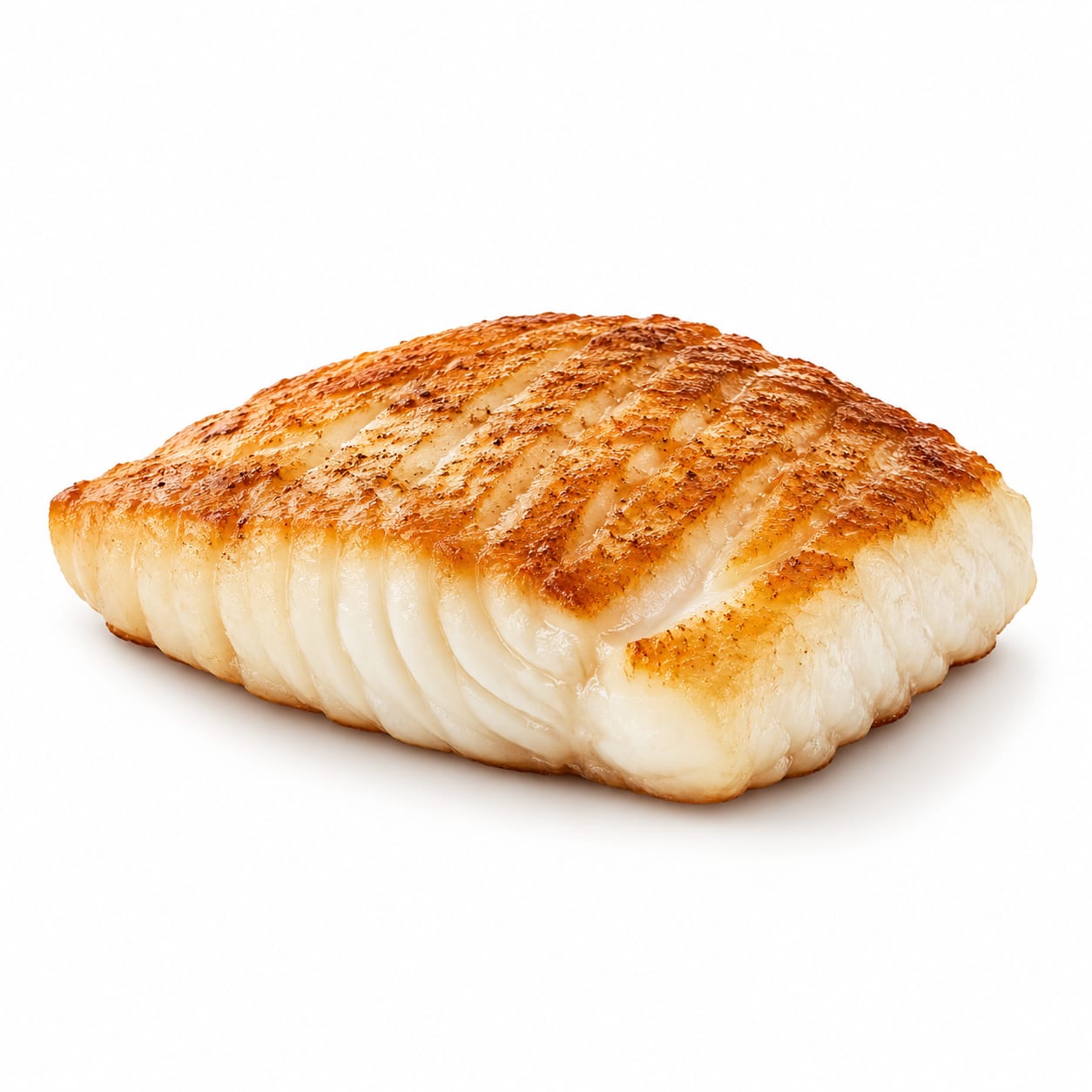
Grouper
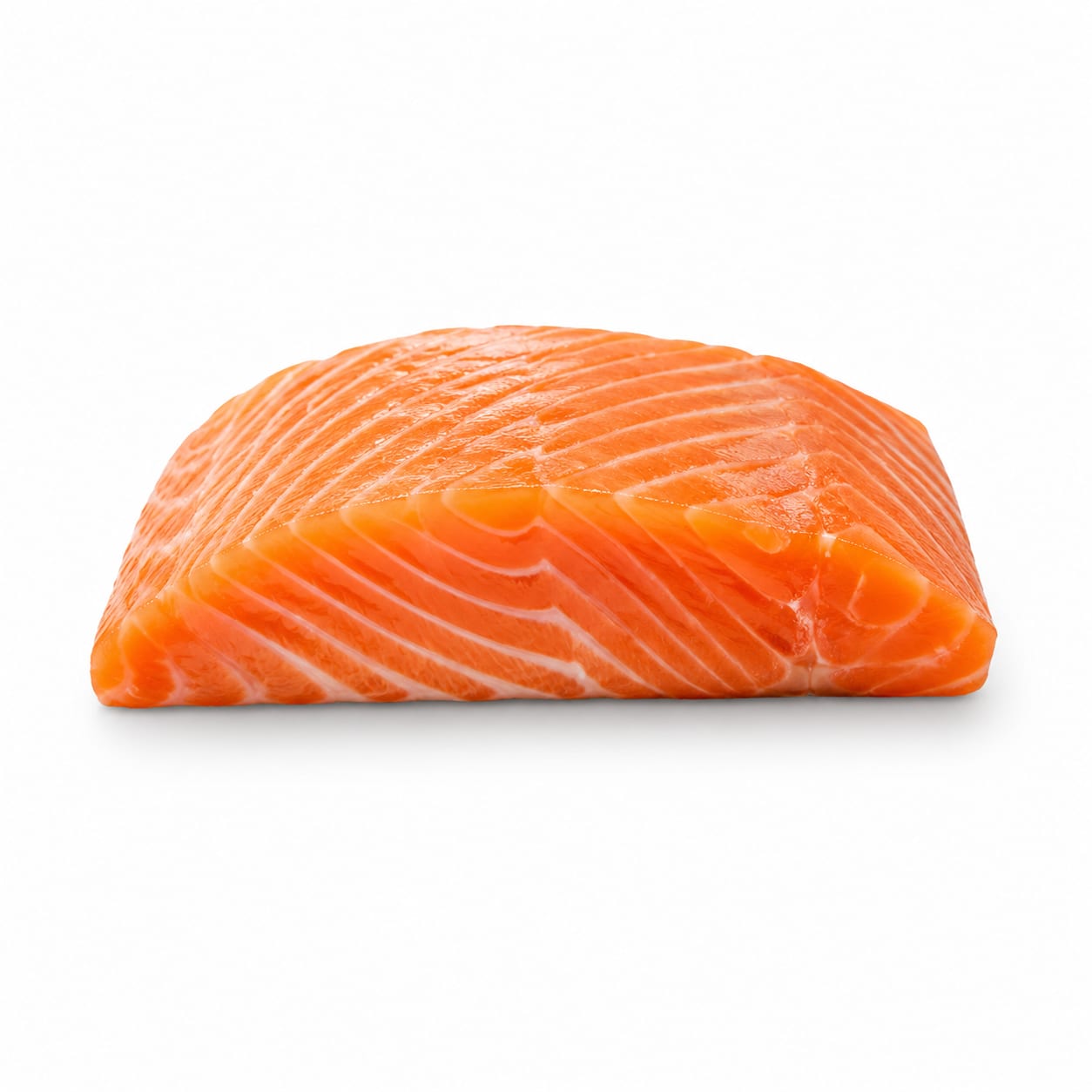
Salmon
Salmon wins convincingly for most people thanks to its omega-3 richness and lower mercury, though grouper is the better pick if you want lean protein with a milder flavor.
Salmon scores significantly higher due to its omega-3 content, vitamin D richness, and lower mercury. Grouper remains a solid lean protein but its mercury profile and minimal omega-3s limit its regular-use score.
You choose between salmon's heart-healthy fats and grouper's lean profile — but salmon's safety advantage with mercury makes it the smarter regular choice.
At a glance
Executive summary
Overall
Salmon
Healthier
Salmon
More practical
Salmon
Daily use
Salmon
Key comparison lenses
omega-3 and heart health comparison
Salmon is one of the richest omega-3 sources available while grouper is relatively low in omega-3s, making this the most consequential nutritional difference
mercury and contamination safety
Grouper is a larger predatory reef fish with notably higher mercury levels than salmon, which is a critical safety concern for regular consumption
lean vs fatty fish tradeoff for different diets
Grouper offers a lean protein option while salmon delivers substantial healthy fats, serving very different dietary needs
sustainability and sourcing concerns
Both fish have sustainability issues but of different types — grouper faces overfishing while salmon faces farmed vs wild tradeoffs
Best choice for
Grouper
- People tracking calories who want lean protein
- Those who find salmon too rich or fishy
- Anyone limiting dietary fat intake for medical reasons
- Diners wanting a mild, steak-like fish texture
Salmon
- Heart health and cardiovascular protection
- Brain health and cognitive function support
- Reducing inflammation throughout the body
- Pregnant women needing low-mercury omega-3 sources
- Anyone eating fish 2+ times per week
Least suitable for
Grouper
- Pregnant women and young children due to mercury
- People seeking omega-3 benefits from fish
- Regular daily or near-daily fish eaters
Salmon
- Those on strict low-fat diets
- People who dislike rich or strong-flavored fish
- Budget-conscious shoppers (wild salmon is expensive)
Deep comparison
Dimension by dimension
Each lens scores both foods and breaks down who each option suits.
- Dimension 1 · Priority 95Salmon
Omega-3 and Anti-Inflammatory Power
Grouper · 20Salmon · 95Salmon delivers roughly 8-12 times more omega-3s than grouper, making it one of the best dietary sources for reducing inflammation.
Tradeoff
Grouper's leanness means almost no omega-3 benefit, but also far fewer calories from fat if that matters for your goals.
Why it matters
Omega-3s from fish are the most bioavailable form and directly support heart, brain, and joint health in ways plant sources cannot match.
Real-world impact
Eating salmon twice a week can meaningfully lower triglycerides and improve mood stability. Grouper simply cannot deliver this effect.
Grouper
- Low-fat diet followers
Better for
- Anyone counting on fish for omega-3s
Worse for
Salmon
- Heart health
- Brain function
- Joint inflammation
- Mood regulation
- Skin health
Better for
- Strict low-fat diets
Worse for
- Dimension 2 · Priority 90Salmon
Mercury and Contamination Safety
Grouper · 35Salmon · 80Grouper accumulates notably more mercury than salmon, making it riskier for frequent consumption, especially for vulnerable groups.
Tradeoff
Wild salmon is low in mercury and high in nutrients, but farmed salmon carries different concerns like PCB exposure and antibiotic residues.
Why it matters
Mercury builds up over time and affects neurological health. Frequent fish eaters need to choose low-mercury options to avoid cumulative exposure.
Real-world impact
A pregnant woman can safely eat salmon twice weekly. Grouper should be limited to once a week or avoided entirely during pregnancy.
Grouper
- Occasional diners who eat fish rarely
Better for
- Pregnant and nursing women
- Young children
- People who eat fish multiple times weekly
Worse for
Salmon
- Pregnant women
- Children
- Frequent fish eaters
- Anyone concerned about heavy metals
Better for
- Those worried about farmed salmon contaminants (if not wild)
Worse for
- Dimension 3 · Priority 80It depends
Protein Quality and Satiety
Grouper · 78Salmon · 82Both are excellent protein sources. Grouper is slightly leaner per calorie while salmon's fat content keeps you fuller longer.
Tradeoff
Grouper gives more protein per calorie, but salmon's combination of protein and fat creates better lasting fullness.
Why it matters
Satiety determines whether you stay satisfied after a meal or start snacking an hour later.
Real-world impact
A salmon dinner tends to carry you through the evening without cravings. Grouper works well if you prefer adding your own healthy fats on the side.
Grouper
- Calorie-conscious meal prep
- High-protein low-fat diets
Better for
- Those who find lean fish unsatisfying alone
Worse for
Salmon
- Staying full between meals
- Post-workout recovery with anti-inflammatory benefits
Better for
- Very low-calorie diet phases
Worse for
- Dimension 4 · Priority 75Salmon
Vitamin and Mineral Density
Grouper · 50Salmon · 88Salmon is rich in vitamin D, B12, selenium, and astaxanthin. Grouper provides decent protein nutrition but lacks the micronutrient punch.
Tradeoff
Salmon functions almost like a multivitamin from the sea. Grouper is more of a straightforward protein source.
Why it matters
Vitamin D deficiency is widespread and salmon is one of the few natural food sources. This alone makes it nutritionally superior for most people.
Real-world impact
Regular salmon eaters often improve vitamin D levels without supplements. Grouper eaters get good protein but need other sources for these micronutrients.
Grouper
- Those already supplementing vitamin D adequately
Better for
- Anyone relying on fish as a key micronutrient source
Worse for
Salmon
- Vitamin D deficiency concerns
- B12 support for energy
- Antioxidant benefits from astaxanthin
Better for
- Dimension 5 · Priority 65It depends
Flavor Versatility and Enjoyment
Grouper · 72Salmon · 78Grouper has a mild, steak-like texture that appeals to fish skeptics. Salmon has a richer flavor that pairs beautifully with many cuisines but can overpower delicate dishes.
Tradeoff
Grouper is the safe crowd-pleaser at restaurants. Salmon rewards bolder cooking but is less forgiving when overcooked.
Why it matters
The best fish nutritionally is the one you actually enjoy eating consistently.
Real-world impact
Grouper is perfect for fish tacos or blackened preparations. Salmon shines grilled, baked, or raw in sushi — but some people never acquire the taste.
Grouper
- Picky eaters new to fish
- Fish tacos and sandwiches
- Blackened or fried preparations
Better for
- Sushi and raw applications
Worse for
Salmon
- Grilled and baked dishes
- Sushi and raw preparations
- Mediterranean and Asian cuisines
Better for
- Diners who find salmon too strong
Worse for
- Dimension 6 · Priority 70It depends
Sustainability and Sourcing
Grouper · 40Salmon · 60Both have sustainability challenges. Many grouper species are overfished or caught destructively. Salmon sustainability depends heavily on wild vs farmed sourcing.
Tradeoff
Well-sourced wild salmon is sustainable but expensive. Grouper sustainability varies wildly by species and region, making it harder to choose confidently.
Why it matters
Consistent demand for unsustainably caught fish directly damages ocean ecosystems and future availability.
Real-world impact
Look for MSC-certified salmon or US-farmed salmon. For grouper, seek Gulf or red grouper from well-managed fisheries and avoid imported species of unknown origin.
Grouper
- Well-sourced Gulf grouper from managed fisheries
Better for
- Imported grouper with unknown sourcing
- Species at risk of overfishing
Worse for
Salmon
- MSC-certified wild Alaskan salmon
- Responsible land-based farmed salmon
Better for
- Conventionally farmed salmon with high environmental impact
Worse for
Timeline
Health impact over time
Short-term
Hours to days
Grouper
- Lean protein keeps meals light and digestible
- Low fat content means less post-meal heaviness
- Minimal omega-3 contribution to immediate anti-inflammatory needs
Salmon
- Rich omega-3s support steady energy and reduced brain fog
- Higher fat content promotes lasting fullness after meals
- Vitamin B12 boost can improve same-day energy perception
Long-term
Months to years
Grouper
- Mercury accumulation risk with frequent consumption
- Missing out on cardiovascular protection that omega-3s provide
- Adequate protein for muscle maintenance but without anti-inflammatory benefits
Salmon
- Consistent omega-3 intake reduces heart disease risk meaningfully
- Vitamin D from salmon supports bone health and immune function long-term
- Lower mercury allows safe regular consumption for most people
- Farmed salmon consumed regularly may increase PCB exposure if not carefully sourced
Risk profile
Safety & processing
Both grouper and salmon are whole, minimally processed foods when purchased fresh or frozen. The main concern is farmed salmon potentially containing antibiotic residues or color additives in feed, which wild salmon avoids entirely.
Grouper
Mercury exposure
highGrouper is a large predatory reef fish that accumulates significant mercury. FDA data places it among moderate-to-high mercury fish, warranting consumption limits especially for pregnant women and children.
Ciguatera toxin
mediumReef fish like grouper can carry ciguatera toxin from their diet, causing foodborne illness that cannot be destroyed by cooking. More common in Caribbean and tropical sourcing.
Overfishing and mislabeling
mediumGrouper is frequently mislabeled in restaurants, meaning you may get a completely different fish with its own safety profile.
Salmon
Farmed salmon contaminants
mediumFarmed salmon can contain higher levels of PCBs, dioxins, and antibiotic residues compared to wild. Choosing wild or responsibly farmed mitigates this significantly.
Parasites in raw preparation
lowRaw salmon for sushi requires proper freezing to eliminate parasite risk. Commercially sold sushi-grade salmon is handled correctly, but home preparation needs caution.
Mercury exposure
lowSalmon is consistently classified as a low-mercury fish, making it one of the safest fish options for regular consumption.
Who wins for whom
Audience fit
Same foods, different winners depending on your goal.
children
SalmonSalmon's low mercury and high omega-3s support brain development. Grouper's higher mercury makes it less suitable for growing children.
daily consumption
SalmonSalmon's low mercury profile and high nutrient density make it safe and beneficial for regular eating. Grouper should be limited due to mercury accumulation risk.
diabetes
SalmonSalmon's omega-3s improve insulin sensitivity and its healthy fats slow digestion, stabilizing blood sugar more effectively than lean grouper alone.
elderly
SalmonSalmon's omega-3s protect against cognitive decline, joint inflammation, and heart disease — all key concerns for older adults.
muscle gain
SalmonSalmon provides high-quality protein plus anti-inflammatory omega-3s that support recovery and reduce exercise-induced inflammation.
weight loss
GrouperGrouper's lower calorie and fat content per serving makes it easier to fit into a calorie deficit while still providing satisfying protein.
Your move
Decision guide
Choose Grouper
- You want lean protein with fewer calories from fat
- You find salmon too rich or strongly flavored
- You eat fish only occasionally and mercury accumulation is less concerning
- You prefer a firm, steak-like texture that holds up to bold seasoning
Choose Salmon
- Heart health and omega-3 intake are priorities
- You eat fish multiple times per week
- You are pregnant, nursing, or feeding young children
- You want the most nutritional value per serving
- You are concerned about mercury and want a safer regular option
- You want anti-inflammatory benefits for joints or recovery
Either works if
- You simply want high-quality protein from a whole food source
- You are mixing up your fish choices for variety
- You pair fish with vegetables and healthy sides for balanced meals
Avoid both if
- You have a fish or seafood allergy
- You are vegan or vegetarian
- You cannot verify sourcing and have high contamination concerns in your area
Final recommendation
Make salmon your default fish choice for regular meals. Its omega-3 content, low mercury, and micronutrient density make it one of the healthiest proteins you can eat. Enjoy grouper occasionally as a treat when dining out, but limit it to once a week due to mercury. If you choose grouper, pair it with omega-3-rich sides like walnuts or a side salad with olive oil dressing to compensate for what the fish itself lacks.
Practical
Consumer tips
- 1
Choose wild Alaskan salmon when possible — it has the best omega-3 to contaminant ratio of any salmon option
- 2
If buying farmed salmon, look for ASC-certified or land-farmed varieties to reduce contaminant exposure
- 3
Limit grouper to once per week and avoid it entirely during pregnancy
- 4
When ordering grouper at restaurants, ask about sourcing — Gulf red grouper is generally a better choice than imported species
- 5
Frozen salmon is often flash-frozen at peak freshness and can be more nutritious than stale 'fresh' fish at the counter
- 6
Pair grouper with avocado or olive oil to add the healthy fats the fish itself lacks
- 7
Check Seafood Watch by Monterey Bay Aquarium for current sustainability ratings before purchasing either fish