
Nutrition comparison
Grouper vs Shrimp: Nutrition, Mercury, and Health Comparison
Comparing Grouper vs Shrimp? Discover which seafood is safer for daily use, lower in mercury, and better for weight loss or muscle gain.
Overall winner · Shrimp
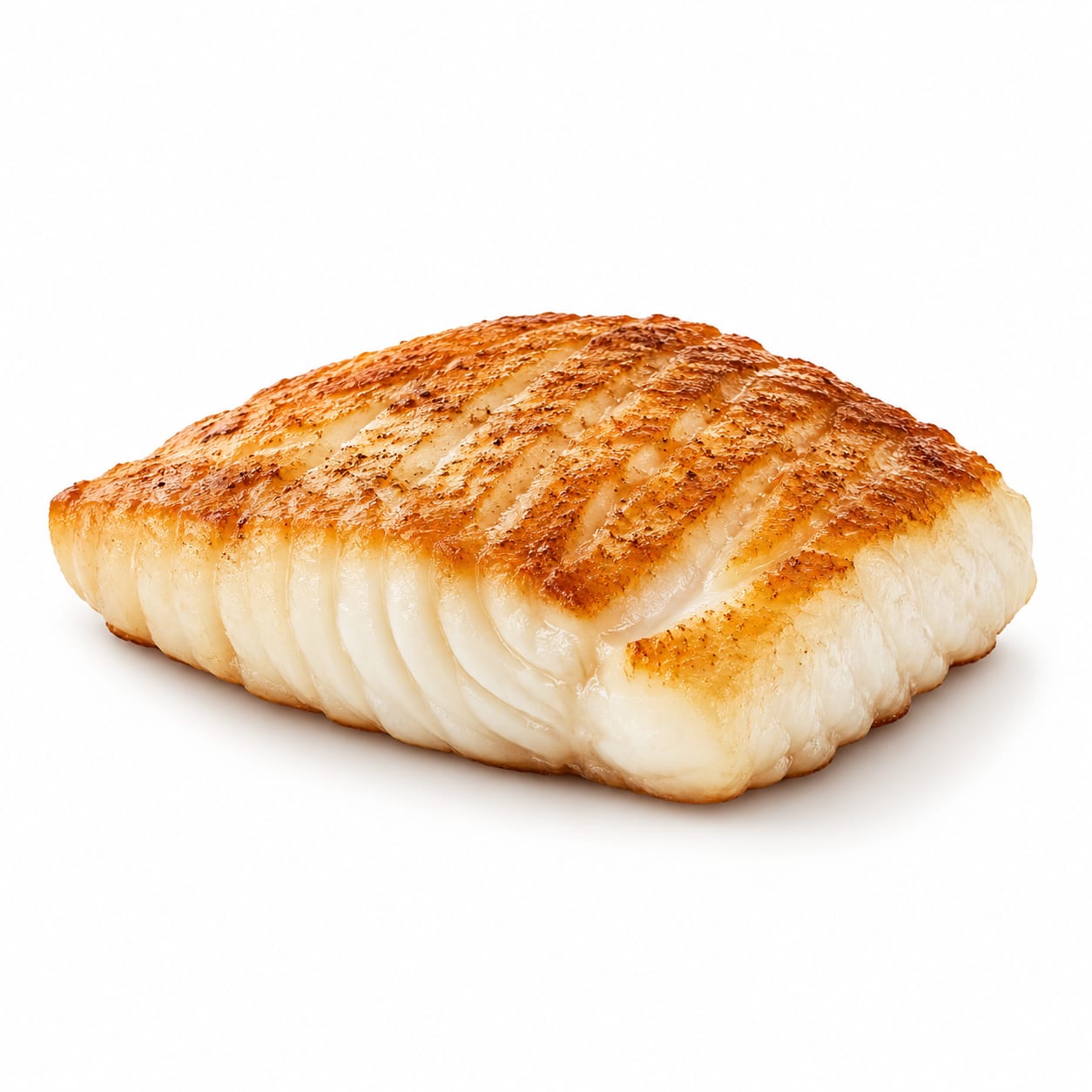
Grouper
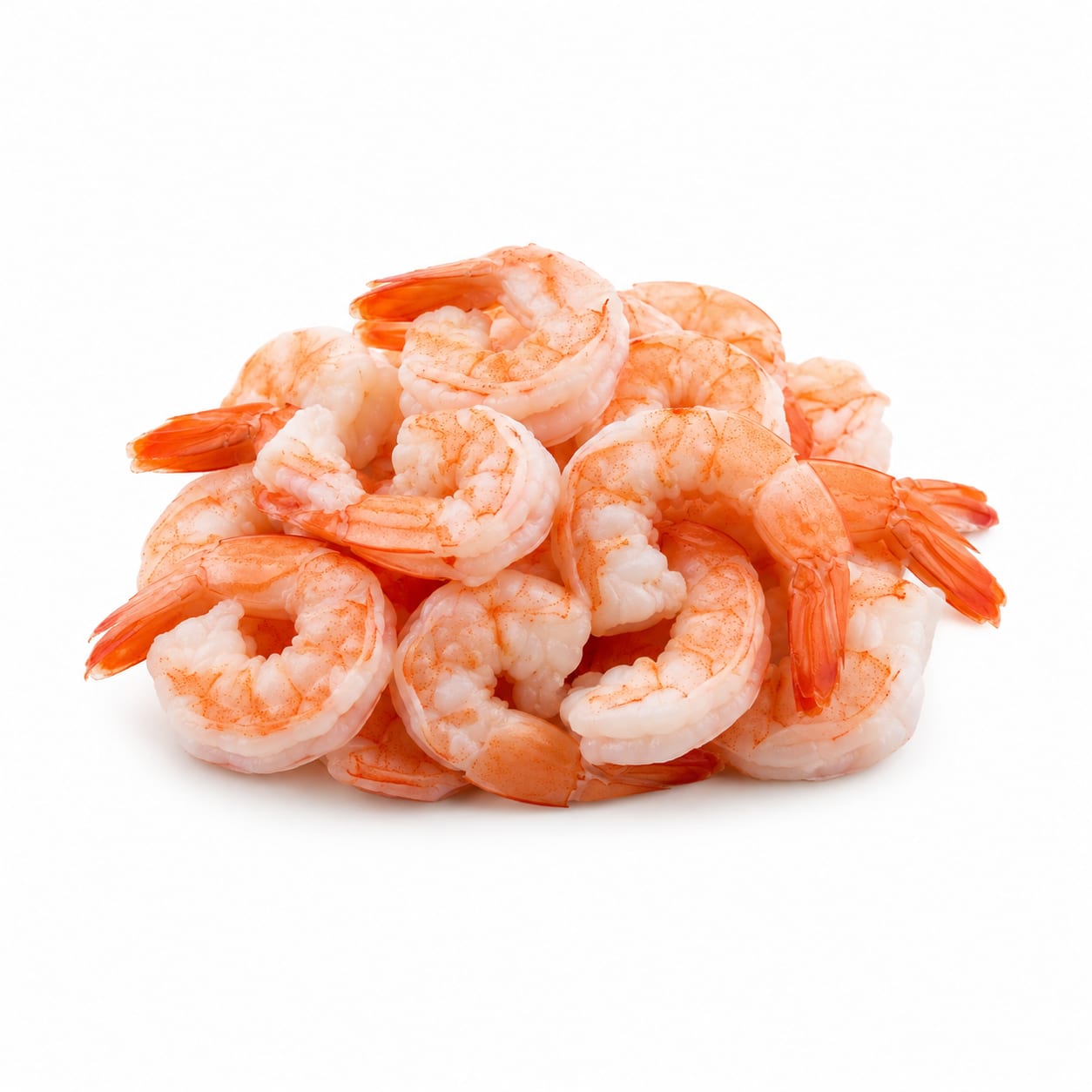
Shrimp
Shrimp wins for everyday eating due to its low mercury and ultra-lean protein, while Grouper is better reserved for an occasional hearty, meaty meal.
Shrimp scores higher overall because its low mercury content and exceptional protein-to-calorie ratio make it safer and more practical for regular use. Grouper scores lower primarily due to mercury accumulation risks that limit how often you can safely eat it.
Grouper offers a more satisfying, steak-like bite but carries significantly higher mercury, whereas Shrimp is a lighter, low-mercury protein you can eat more often.
At a glance
Executive summary
Overall
Shrimp
Healthier
Shrimp
More practical
Shrimp
Daily use
Shrimp
Key comparison lenses
Mercury and heavy metal exposure
Grouper is a large predatory reef fish with moderate-to-high mercury, while Shrimp is very low on the food chain and safe for frequent consumption.
Calorie-to-protein ratio and weight management
Shrimp provides an exceptionally lean protein source, whereas Grouper is slightly denser but offers a more substantial meal feel.
Allergen and dietary restriction considerations
Shellfish allergy is one of the most common and severe food allergies, making Shrimp a non-starter for many, while finfish allergies are less prevalent.
Heart health and cholesterol impact
Shrimp is high in dietary cholesterol, which concerns some consumers, while Grouper offers a balanced fat profile without the cholesterol spike.
Best choice for
Grouper
- People wanting a thick, meaty fish fillet for dinner
- Those seeking a heavy, satisfying meal
- Diners with shellfish allergies
Shrimp
- Frequent seafood eaters
- Low-calorie dieters
- People needing fast-cooking weeknight protein
Least suitable for
Grouper
- Pregnant women and children
- Daily consumption
- Those strictly limiting heavy metals
Shrimp
- People with shellfish allergies
- Hyper-responders to dietary cholesterol
Deep comparison
Dimension by dimension
Each lens scores both foods and breaks down who each option suits.
- Dimension 1 · Priority 95Shrimp
Mercury & Heavy Metal Exposure
Grouper · 40Shrimp · 90Shrimp is very low in mercury, while Grouper carries a moderate to high mercury load.
Tradeoff
Choosing Grouper gives you a meaty texture but strictly limits how often you can safely eat it due to mercury buildup.
Why it matters
Mercury accumulates over time and affects brain and nervous system health, especially in vulnerable populations.
Real-world impact
You can eat Shrimp multiple times a week without worry, but Grouper should be limited to once or twice a week max.
Grouper
- Occasional seafood diners
Better for
- Pregnant women
- Children
- Daily consumers
Worse for
Shrimp
- Frequent seafood eaters
- Pregnant women (if no allergy)
- Children
Better for
- Dimension 2 · Priority 85Shrimp
Calorie & Protein Efficiency
Grouper · 75Shrimp · 92Shrimp delivers more protein per calorie than almost any other food, while Grouper is still lean but slightly denser.
Tradeoff
Shrimp keeps calories extremely low, but you may need to eat a larger portion to feel as full as you would from Grouper.
Why it matters
High protein-to-calorie ratios make it easier to lose weight or maintain muscle without tracking every bite.
Real-world impact
A shrimp stir-fry feels light and won't weigh you down, whereas a Grouper fillet feels like a proper, heavy dinner.
Grouper
- Those wanting a heavy, satisfying meal
- People who eat larger portions
Better for
- Strict calorie counters
Worse for
Shrimp
- Calorie counters
- Lean dieters
- People wanting a light lunch
Better for
- Those needing a very filling single-dish meal
Worse for
- Dimension 3 · Priority 80Grouper
Satiety & Meal Substance
Grouper · 88Shrimp · 65Grouper provides a thick, steak-like fillet that is physically and mentally more satisfying than small shrimp.
Tradeoff
Grouper's density keeps you full longer, but it takes more time to cook and digest than a quick shrimp dish.
Why it matters
Feeling satisfied after a meal prevents snacking and overeating later in the day.
Real-world impact
A Grouper dinner keeps you full until breakfast; a Shrimp salad might leave you reaching for a snack by 9 PM.
Grouper
- Big appetites
- Dinner-focused eaters
- Those who hate feeling hungry after meals
Better for
- People wanting a light meal before bed
Worse for
Shrimp
- Light snackers
- People who prefer small frequent meals
Better for
- Very active people needing high volume
Worse for
- Dimension 4 · Priority 75Grouper
Allergen & Sensitivity Risk
Grouper · 80Shrimp · 45Shellfish allergy is one of the most common and severe food allergies, making Shrimp a non-starter for many, while fish allergy is less prevalent.
Tradeoff
Grouper is safer from an allergy perspective, but still poses a risk for those with specific finfish allergies.
Why it matters
Food allergies can range from uncomfortable to life-threatening, heavily restricting menu options.
Real-world impact
Serving Shrimp at a dinner party requires careful allergy screening, while Grouper is less likely to cause severe reactions.
Grouper
- People with shellfish allergies
- Dinner hosts unsure of guest allergies
Better for
- People with finfish allergies
Worse for
Shrimp
- People with shellfish allergies
- Diners at high-risk for anaphylaxis
Worse for
- Dimension 5 · Priority 70It depends
Heart Health & Cholesterol
Grouper · 78Shrimp · 75Shrimp is high in dietary cholesterol but low in saturated fat, while Grouper has a balanced fat profile without the cholesterol spike.
Tradeoff
Shrimp's cholesterol doesn't affect blood cholesterol for most people, but it can be a concern for hyper-responders.
Why it matters
Managing saturated fat and cholesterol is key for long-term cardiovascular health.
Real-world impact
If your doctor told you to watch dietary cholesterol, Grouper might be the safer bet for a seafood dinner.
Grouper
- People with high blood cholesterol
- Hyper-responders to dietary cholesterol
Better for
Shrimp
- Healthy individuals with normal cholesterol levels
Better for
- Hyper-responders to dietary cholesterol
Worse for
Timeline
Health impact over time
Short-term
Hours to days
Grouper
- Provides long-lasting satiety
- Feels heavy and comforting in the stomach
Shrimp
- Digests quickly and easily
- Leaves you feeling light and energized
Long-term
Months to years
Grouper
- Mercury accumulation if consumed too frequently
- Good sustained protein intake for muscle maintenance
Shrimp
- Supports heart health with omega-3s and astaxanthin
- Very safe for frequent, long-term consumption regarding heavy metals
Risk profile
Safety & processing
Both Grouper and Shrimp are whole, natural foods when bought fresh or frozen. However, commercially frozen Shrimp is often treated with sodium tripolyphosphate (STPP) to retain moisture, which adds unnecessary sodium and chemicals. Grouper is typically sold without such additives.
Grouper
Mercury Accumulation
highGrouper is a large predatory reef fish with moderate to high mercury levels. Frequent consumption can lead to toxic buildup.
Ciguatera Poisoning
mediumReef fish like Grouper can carry ciguatera toxin, which causes gastrointestinal and neurological symptoms and cannot be cooked out.
Shrimp
Shellfish Allergy
highShrimp is a top allergen that can trigger severe, life-threatening anaphylactic reactions in sensitive individuals.
Antibiotic Residue
mediumFarmed Shrimp, especially imported, often carries antibiotic residues due to farming practices. Opt for wild-caught to avoid this.
Who wins for whom
Audience fit
Same foods, different winners depending on your goal.
children
ShrimpShrimp's extremely low mercury levels make it much safer for kids, provided they do not have a shellfish allergy.
daily consumption
ShrimpYou can safely eat Shrimp almost every day due to low mercury, whereas Grouper should be strictly limited to occasional meals.
diabetes
ShrimpBoth have zero carbs, but Shrimp's lower calorie density helps with weight management, which is crucial for diabetes control.
elderly
ShrimpShrimp is easier to chew and digest, and its low mercury content is safer for aging immune and nervous systems.
muscle gain
It dependsBoth provide excellent lean protein. Shrimp is faster to digest post-workout, while Grouper offers a more sustained amino acid release.
weight loss
ShrimpShrimp has significantly fewer calories per gram of protein, making it easier to stay in a calorie deficit while staying full.
Your move
Decision guide
Choose Grouper
- You want a thick, steak-like fish fillet for a hearty dinner
- You only eat seafood occasionally and want something substantial
- You are sensitive to dietary cholesterol
- You or your guests have a shellfish allergy
Choose Shrimp
- You eat seafood multiple times a week
- You want a low-calorie, high-protein option for weight loss
- You need a fast-cooking protein for busy weeknights
- You are pregnant or feeding children (and have no shellfish allergy)
Either works if
- You want high-quality lean protein and rotate your seafood sources
- You are meal-prepping healthy lunches for the week
Avoid both if
- You have a seafood or fish allergy
- You are strictly following a plant-based diet
Final recommendation
Make Shrimp your go-to everyday seafood for its low mercury and lean protein, and save Grouper for an occasional treat when you crave a thick, satisfying fillet.
Practical
Consumer tips
- 1
Limit Grouper to 1-2 servings per week to keep mercury exposure safe.
- 2
Buy wild-caught Shrimp whenever possible to avoid antibiotics and chemical additives.
- 3
Avoid Shrimp that looks overly plump or slimy—it may be treated with sodium tripolyphosphate (STPP).
- 4
Marinate Grouper in acidic citrus juices to help break down the dense proteins and enhance flavor.
- 5
Keep Shrimp shells on when boiling or making stock for an extra boost of flavor and nutrients.