
Nutrition comparison
Grouper vs Mahi Mahi: Which Fish Is Healthier and Safer to Eat?
Compare Grouper and Mahi Mahi on mercury levels, protein, sustainability, and taste. Find out which fish is safer for regular consumption and which to eat only occasionally.
Overall winner · Mahi Mahi
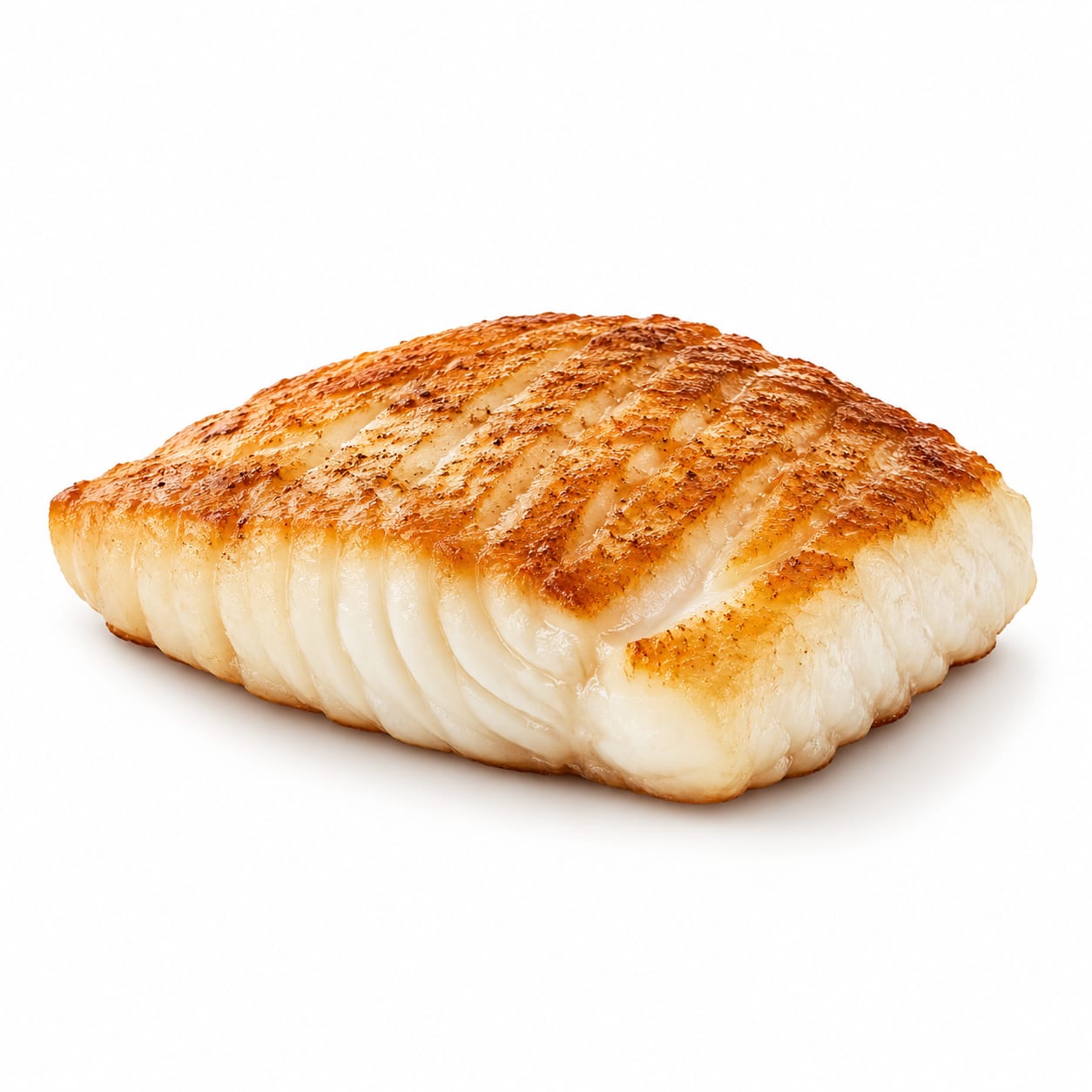
Grouper
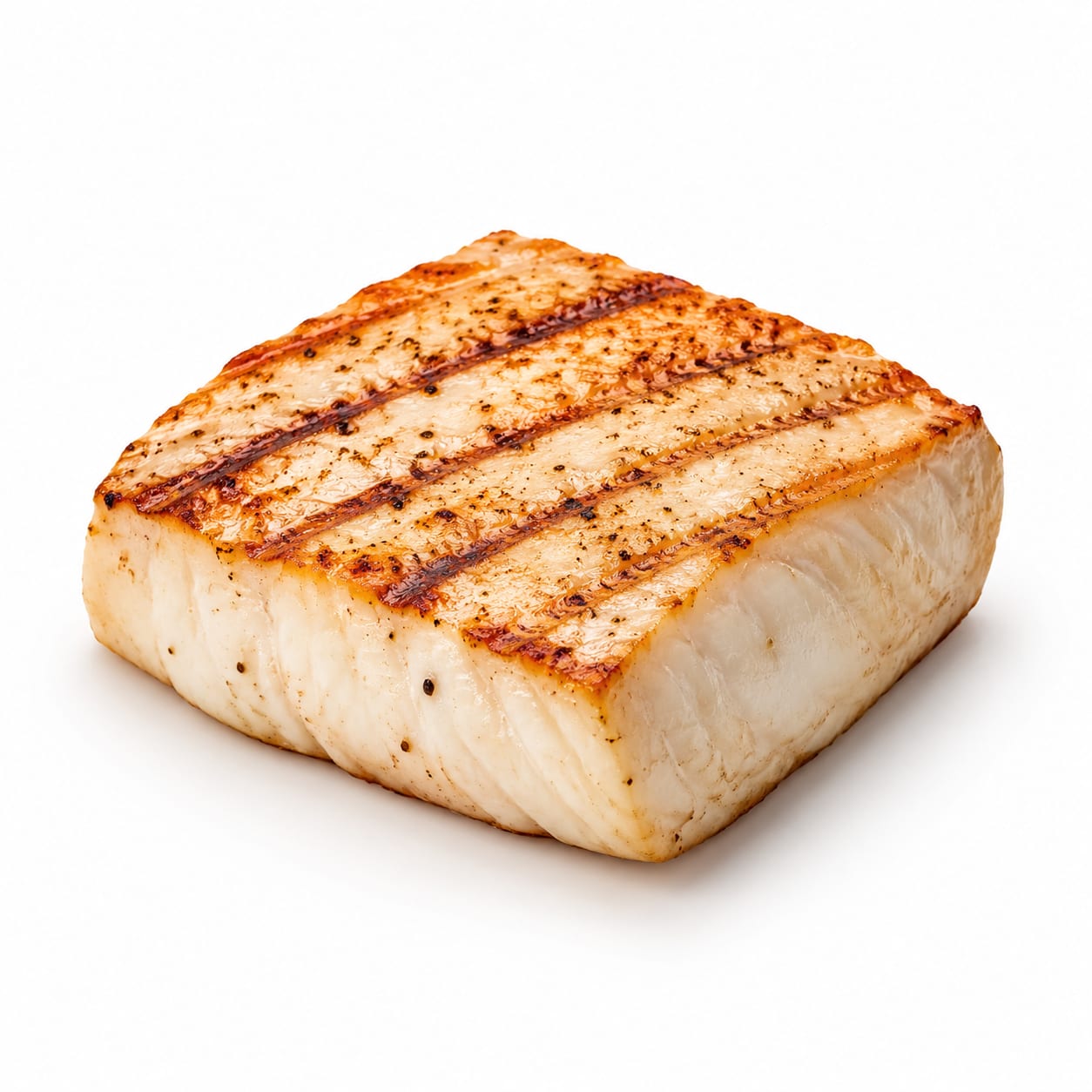
Mahi Mahi
Mahi Mahi wins on safety and sustainability, while Grouper offers a slightly richer, meatier eating experience at the cost of higher mercury exposure.
Mahi Mahi scores notably higher due to its lower mercury, better sustainability profile, and suitability for frequent consumption. Grouper remains a quality protein but its mercury load and overfishing concerns meaningfully reduce its score for regular use.
Grouper gives you a denser, more indulgent fillet with more protein per bite, but Mahi Mahi gives you peace of mind on mercury and a cleaner environmental footprint.
At a glance
Executive summary
Overall
Mahi Mahi
Healthier
Mahi Mahi
More practical
Mahi Mahi
Daily use
Mahi Mahi
Key comparison lenses
mercury and heavy metal safety
Grouper is a larger reef fish with significantly higher mercury accumulation than Mahi Mahi, making this the single most important differentiator for regular consumers
sustainability and sourcing
Grouper populations face overfishing pressure in many regions while Mahi Mahi is faster-growing and generally more sustainable
lean protein for fitness and weight management
Both are popular lean protein choices, so subtle differences in protein density and calorie content matter to health-conscious eaters
meal versatility and cooking practicality
Texture and flavor differences affect how each fish performs in grilling, tacos, and weeknight meals
omega-3 and heart health benefits
Both are moderate omega-3 sources, but consumers often choose fish specifically for heart health impact
Best choice for
Grouper
- Occidental dining experiences where richness and texture matter most
- Higher protein needs in a single serving without adding fat
- People who eat fish only occasionally and want maximum flavor impact
Mahi Mahi
- Frequent fish eaters who need a safer regular option
- Families including children who need lower mercury choices
- Sustainability-conscious consumers who track seafood sourcing
- Meal preppers who want a versatile, lean protein for multiple recipes
Least suitable for
Grouper
- Pregnant women and children due to mercury concerns
- Anyone eating fish more than twice per week
- Budget-conscious shoppers as Grouper is often pricier
Mahi Mahi
- Those seeking the most indulgent, steak-like fish experience
- Diners who find leaner fish too mild or dry
Deep comparison
Dimension by dimension
Each lens scores both foods and breaks down who each option suits.
- Dimension 1 · Priority 95Mahi Mahi
mercury and contaminant safety
Grouper · 45Mahi Mahi · 85Grouper accumulates substantially more mercury as a large, long-lived reef predator. Mahi Mahi is a smaller, faster-growing pelagic fish with notably lower mercury levels.
Tradeoff
Grouper's position higher on the food chain gives it a richer flavor profile but also a heavier toxic burden.
Why it matters
Regular mercury exposure affects neurological health, cognitive function, and is especially risky during pregnancy and childhood development.
Real-world impact
Eating Grouper weekly could push mercury intake into caution territory, while Mahi Mahi can safely be eaten 2-3 times per week for most adults.
Grouper
- Occasional indulgence meals where mercury frequency is not a concern
Better for
- Frequent meal planners who rotate fish into dinner regularly
- Households with young kids
Worse for
Mahi Mahi
- Pregnant and nursing women
- Children under 12
- Anyone eating fish multiple times weekly
- Long-term heavy fish consumers
Better for
- Dimension 2 · Priority 80Grouper
protein density and satiety
Grouper · 88Mahi Mahi · 82Grouper delivers slightly more protein per serving with a denser, meatier texture that feels more filling. Mahi Mahi is still an excellent lean protein source, just a touch lighter.
Tradeoff
Grouper's extra protein comes packaged with more mercury, so the satiety advantage is only worthwhile if you are not eating it frequently.
Why it matters
Higher protein density helps with fullness, muscle maintenance, and reducing between-meal snacking.
Real-world impact
A Grouper fillet feels more like a steak substitute and keeps you fuller longer, while Mahi Mahi feels lighter and works better in tacos or bowls.
Grouper
- Post-workout meals where maximizing protein intake matters
- Larger appetites that need a more substantial fillet
Better for
- Small portions or light meal preferences
Worse for
Mahi Mahi
- Lighter lunches where you want protein without heaviness
- Hot weather meals where a dense fillet feels like too much
Better for
- Big eaters who find lean fish unsatisfying alone
Worse for
- Dimension 3 · Priority 85Mahi Mahi
sustainability and environmental impact
Grouper · 40Mahi Mahi · 78Mahi Mahi grows fast and reproduces quickly, making it inherently more resilient to fishing pressure. Grouper is slower-growing, longer-lived, and many populations are overfished or subject to strict quotas.
Tradeoff
Choosing Grouper often means accepting a larger environmental toll or paying a premium for well-managed sources.
Why it matters
Overfished species collapse affects ocean ecosystems and future seafood availability. Consumer choices drive market demand.
Real-world impact
Mahi Mahi is easier to find with credible sustainability certifications. Grouper requires more careful sourcing research to avoid contributing to depletion.
Grouper
- Instances where you can verify well-managed, sustainable Grouper sources
Better for
- Eco-conscious eaters who track Seafood Watch ratings
- Budget buyers since sustainable Grouper commands premium pricing
Worse for
Mahi Mahi
- Consumers who prioritize environmental responsibility
- People who want to choose fish without extensive label research
- Restaurant diners where sourcing info is unavailable
Better for
- Dimension 4 · Priority 65Grouper
omega-3 fatty acid content
Grouper · 62Mahi Mahi · 55Neither fish is an omega-3 powerhouse like salmon or mackerel, but Grouper holds a slight edge due to its somewhat higher total fat content. Both are modest sources.
Tradeoff
If omega-3s are your primary goal, neither is the best choice. You would need to supplement or choose fattier fish instead.
Why it matters
Omega-3s support heart health, reduce inflammation, and improve mood. Getting enough matters more than small differences between lean fish.
Real-world impact
Eating either fish for omega-3s alone is underwhelming. Pair with walnuts, flax, or a fish oil supplement if heart health is the priority.
Grouper
- Slight edge if you are choosing between only these two for omega-3s
Better for
Mahi Mahi
- Dimension 5 · Priority 70Mahi Mahi
cooking versatility and convenience
Grouper · 72Mahi Mahi · 84Mahi Mahi's firm texture and mild flavor make it one of the most versatile fish for grilling, blackening, tacos, and curries. Grouper is excellent but more delicate and prone to overcooking, and its higher price makes experimentation riskier.
Tradeoff
Grouper rewards careful cooking with an exceptional eating experience but punishes mistakes. Mahi Mahi is more forgiving and adaptable.
Why it matters
Fish that is easy to cook well gets eaten more often. Intimidating fish stays at the store.
Real-world impact
Mahi Mahi is the safer bet for a weeknight dinner where you need reliable results fast. Grouper is better saved for when you can give it proper attention.
Grouper
- Special occasion meals where careful preparation is planned
- Simple presentations like grilled or blackened fillets where texture shines
Better for
- Beginner cooks worried about ruining an expensive fillet
- Quick prep scenarios with thin margins for error
Worse for
Mahi Mahi
- Busy weeknight cooking
- Fish tacos, sandwiches, and bowls
- Meal prep where you need consistent results across batches
- Grilling where flare-ups and uneven heat are risks
Better for
Timeline
Health impact over time
Short-term
Hours to days
Grouper
- High-quality protein supports steady energy and fullness after meals
- Dense texture provides strong satiety signals, reducing post-dinner snacking
- Richer flavor may feel more satisfying and reduce cravings for other foods
Mahi Mahi
- Lean protein delivers clean energy without heaviness
- Lighter texture works well in warm weather or when you want to feel energized rather than stuffed
- Digests easily, making it a good pre-evening activity meal
Long-term
Months to years
Grouper
- Regular consumption increases cumulative mercury exposure, which can affect cognitive function and neurological health over time
- Moderate omega-3 intake supports cardiovascular health, though less than fattier fish
- If sourced from overfished populations, contributes to long-term seafood sustainability problems
Mahi Mahi
- Lower mercury load makes it safer for long-term frequent consumption without accumulation concerns
- Consistent lean protein intake supports muscle maintenance and healthy body composition
- Better sustainability profile means you can eat it regularly without contributing to fishery depletion
Risk profile
Safety & processing
Both Grouper and Mahi Mahi are typically sold as fresh or frozen whole fillets with minimal processing. When buying either, watch out for previously frozen fillets treated with sodium tripolyphosphate, which can add unwanted sodium and a spongy texture. Fresh or flash-frozen without additives is ideal for both.
Grouper
Mercury accumulation
highGrouper is a large reef predator that accumulates significant mercury over its lifespan. FDA data places it among the moderate-to-high mercury fish. Pregnant women and children should strictly limit or avoid it.
Ciguatera toxin
mediumReef fish like Grouper can carry ciguatera toxin from algae blooms, causing foodborne illness that is undetectable by cooking or freezing. More common in Caribbean and tropical Grouper.
Overfishing and mislabeling
mediumGrouper is frequently mislabeled in restaurants and markets, sometimes replaced with cheaper, less regulated species. This makes it harder to verify what you are actually eating and its safety profile.
Mahi Mahi
Mercury accumulation
lowMahi Mahi has relatively low mercury levels compared to other predatory fish. The FDA considers it a good choice for regular consumption, including by pregnant women in moderation.
Histamine formation
mediumMahi Mahi is a scombroid-forming fish. If not kept consistently cold after catch, histamine can build up and cause scombroid poisoning with symptoms like flushing, headache, and digestive distress. Proper cold chain management is essential.
Parasitic contamination
lowAs with most ocean fish, raw Mahi Mahi carries some parasite risk. It should be properly frozen before raw consumption per FDA guidelines.
Who wins for whom
Audience fit
Same foods, different winners depending on your goal.
children
Mahi MahiChildren are significantly more vulnerable to mercury's neurological effects. Mahi Mahi's low mercury profile makes it a far safer choice for developing brains and bodies.
daily consumption
Mahi MahiMahi Mahi can safely be eaten multiple times per week. Grouper should be limited to occasional consumption due to mercury, making it unsuitable as a daily protein staple.
diabetes
Mahi MahiBoth are excellent low-carb, zero-sugar protein sources. Mahi Mahi's lower mercury load makes it safer for long-term regular consumption, which matters more for chronic condition management.
elderly
Mahi MahiOlder adults benefit from easy-to-digest lean protein and lower cumulative toxic burden. Mahi Mahi provides both with less mercury exposure risk over remaining years of regular fish consumption.
muscle gain
GrouperGrouper provides marginally more protein per serving and a denser eating experience that supports higher caloric intake needed for building muscle.
weight loss
Mahi MahiMahi Mahi is slightly lower in calories per serving while still providing excellent protein. Its lighter texture also pairs well with vegetable-heavy, lower-calorie meal builds like salads and bowls.
Your move
Decision guide
Choose Grouper
- You are eating fish only occasionally and want the most indulgent, satisfying experience
- You have verified a well-sourced, sustainable Grouper supplier and are willing to pay the premium
- You need maximum protein density in a single meal and are not concerned about mercury frequency
- You are cooking for a special occasion and want a steak-like fish that impresses
Choose Mahi Mahi
- You eat fish regularly and want a safe, repeatable option without mercury worry
- You are feeding a family including children or pregnant women
- You want a versatile fish that works in tacos, bowls, grilling, and weeknight meals
- Sustainability matters in your purchasing decisions
- You are meal prepping and need consistent, forgiving results
Either works if
- You are eating fish less than once per month, making mercury differences negligible
- You are sourcing from trusted fishmongers with verified supply chains
- You simply want a high-quality lean protein and both are available fresh
Avoid both if
- You have a confirmed fish allergy
- You require high omega-3 intake and should be eating salmon, sardines, or mackerel instead
- You live in an area where neither fish is available fresh and frozen quality is questionable
Final recommendation
Make Mahi Mahi your default choice for regular fish meals. It is safer, more sustainable, and more versatile in the kitchen. Save Grouper for occasional restaurant meals or special occasions where its richer texture and flavor can truly shine. If you eat fish twice a week or more, the mercury difference alone makes this an easy call.
Practical
Consumer tips
- 1
Ask your fishmonger if the Mahi Mahi was flash-frozen at sea, which preserves texture and kills parasites
- 2
Avoid Grouper during pregnancy and for young children regardless of how it is prepared
- 3
Look for MSC certification or Seafood Watch green ratings when buying either fish
- 4
If Grouper seems unusually cheap, it may be mislabeled. At restaurants, ask about the specific species and origin
- 5
Check for sodium tripolyphosphate on frozen fillet labels of either fish and choose untreated options when possible
- 6
Mahi Mahi should smell clean and oceanic, not fishy. A strong fish smell indicates histamine buildup and potential scombroid risk
- 7
Grill Mahi Mahi with a light oil coating to prevent sticking since its lean flesh has little natural fat