
Dairy
Goat Milk
A highly digestible, nutrient-dense dairy milk alternative with A2 protein and smaller fat globules than cow milk.
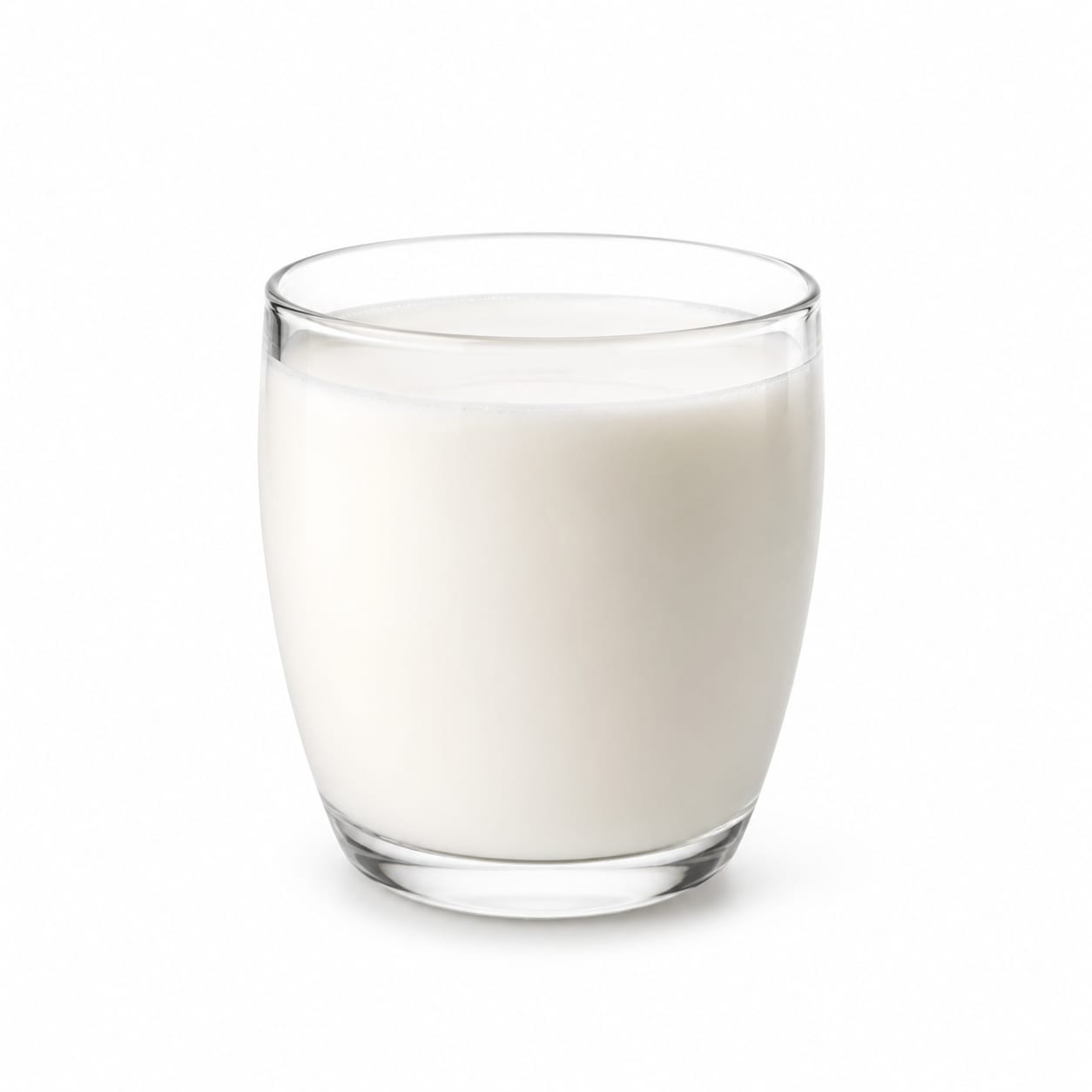
Goat milk is a nutrient-dense dairy beverage produced by goats, known for its creamy texture, slightly tangy flavor, and easier digestibility compared to cow milk for some individuals.
easily digestible A2 dairy source
Typical serving · 244g
Common varieties · fresh whole goat milk, skim goat milk, evaporated goat milk, powdered goat milk, raw goat milk +1 more
Overall context score across nutrition, safety, and diet fit
At a glance
Quick facts
Simple indicators based on nutrition, processing, and diet fit.
The story
What makes it unique
Goat milk features smaller fat globules and a different protein profile than cow milk, primarily containing A2 beta-casein, which slows digestion less and reduces inflammatory markers in sensitive individuals. It provides a balanced macronutrient profile with moderate calories, complete protein, and medium-chain triglycerides (MCTs) that absorb rapidly. The lactose content is slightly lower than cow milk, though still present.
Varieties: fresh whole goat milk · skim goat milk · evaporated goat milk · powdered goat milk · raw goat milk · goat kefir
Per 100g
Nutrition breakdown
Macro balance and key metrics at a glance.
Energy
Density 0.69 kcal/g
Protein
Carbs
Fat
Fiber
Sugar
4.4 g
Sodium
50 mg
Potassium
204 mg
Glycemic index
25
Glycemic load
1
Water content
87%
Standout compounds
Nutrient highlights
Calcium
highSupports bone health, muscle function, and nerve signaling
Medium-chain triglycerides (MCTs)
moderateProvides quick energy and is easily absorbed without bile salts
Vitamin A
moderatePromotes eye health and immune function
Potassium
moderateHelps regulate blood pressure and fluid balance
Oligosaccharides
moderateActs as prebiotics to feed beneficial gut bacteria
Wellness map
Health scores & processing
NOVA processing scale
minimally processed · Whole food
Standard commercial goat milk is pasteurized to eliminate pathogens but retains its whole food structure without added sugars, emulsifiers, or artificial ingredients.
Diet compatibility
- Weight loss
- Muscle gain
- Diabetes
- Gut health
- Low carb
- High protein
- Heart health
Relative standing
Food rankings
Qualitative ranks compared to similar whole foods.
- Satietygood
- Blood sugarexcellent
- Nutrient densitygood
- Fitness fuelgood
- Processing qualityexcellent
Eat with confidence
Food safety profile
Pasteurized goat milk is safe for general consumption. Raw goat milk carries a significantly higher risk of foodborne illness and should be avoided by vulnerable populations.
Evidence confidence 90%
- Pesticideslow
- Antibioticsmoderate
- Heavy metalslow
- Contaminationlow
Watch for
- listeria
- campylobacter
- e. coli
Safer choices
Pasteurized whole or skim goat milk
Prep tips
Always keep refrigerated, respect expiration dates, and avoid cross-contamination with raw meats in the fridge.
Raw goat milk sales are restricted or banned in many regions due to the risk of bacterial contamination and foodborne illness.
Deep dive
Health analysis
How this food may fit different goals and preparation choices.
Weight loss
Moderate calorie content paired with satiating protein and fat supports weight management when portioned correctly.
Blood sugar
Low glycemic index and low glycemic load make it suitable for maintaining stable blood sugar levels.
Fitness & energy
Provides a mix of medium-chain triglycerides and complete protein, supporting both energy and muscle recovery.
Gut health
Contains oligosaccharides that act as prebiotics, promoting beneficial gut bacteria. Easier to digest for some due to smaller fat globules and A2 casein.
Processing quality
Typically only pasteurized, preserving its natural nutrient density without added emulsifiers or sugars.
Food safety
Safe when pasteurized. Raw goat milk poses bacterial risks similar to other raw dairy products and should be avoided.
Common mistakes
Assuming goat milk is lactose-free; it contains lactose, though slightly less than cow milk, which may still affect highly intolerant individuals.
Best preparation
Drink plain, use in smoothies, or substitute 1:1 for cow milk in recipes like soups, sauces, and baked goods.
Practical guide
Best use cases
When and how this food fits real eating patterns.
Cow milk alternative for mild dairy sensitivity
People who experience bloating or inflammation from A1 cow milk protein may tolerate goat milk better due to its A2 casein profile.
Blood sugar friendly beverage
Low glycemic index and balanced macronutrients make it a suitable dairy choice for those monitoring blood glucose levels.
Nutrient-dense smoothie base
Adds creaminess, complete protein, and MCTs to blended drinks without the rapid blood sugar spike of sweetened alternatives.
Balance sheet
Pros & cons
Upsides
- Easier to digest due to smaller fat globules and softer curds
- Contains A2 casein which is less inflammatory for some people
- Naturally slightly lower in lactose than cow milk
- Rich in highly bioavailable calcium and vitamin A
- Low glycemic index supports stable blood sugar
Trade-offs
- Not suitable for severe lactose intolerance
- Contains saturated fat which may concern heart health
- Distinct flavor that some find unpleasant
- More expensive and less available than cow milk
- Raw versions pose serious food safety risks
Fit check
Who is it for?
Great match
- mild dairy sensitivity
- blood sugar management
- bone health support
- smoothie base
Consider alternatives
- severe lactose intolerance
- strict low-fat diets
- vegans
- cow milk protein allergy due to cross-reactivity risk
Side by side
How it compares
Open the full head-to-head analysis for nutrition, safety, and practical tradeoffs.
This food
Goat Milk
VS90% alike
Compare with
Whole Cow Milk
Goat milk offers easier digestion and A2 protein, while cow milk is more accessible with a milder taste.
Goat milk provides easier digestion and A2 protein, while cow milk is more accessible with a milder taste.
This food
Goat Milk
VS85% alike
Compare with
Sheep Milk
Sheep milk provides more protein and calories for muscle gain, while goat milk is lighter and better for calorie control.
Sheep milk provides more protein and calories for muscle gain, while goat milk is lighter and better for calorie control.
This food
Goat Milk
VS60% alike
Compare with
Unsweetened Almond Milk
Almond milk is much lower in calories and carbs, but goat milk provides significantly more protein and natural nutrients.
Almond milk is much lower in calories, but goat milk provides significantly more protein and natural nutrients.
This food
Goat Milk
VS75% alike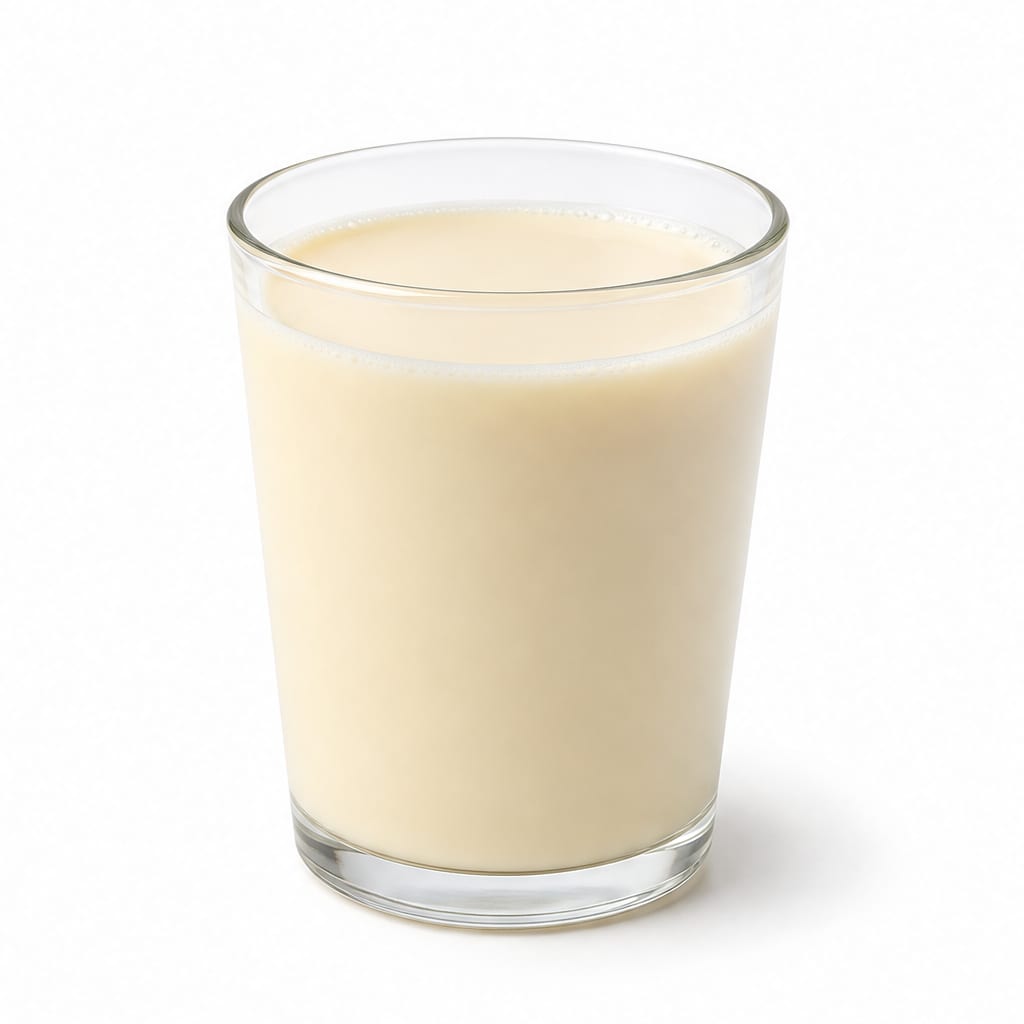
Compare with
Unsweetened Soy Milk
Soy milk matches goat milk in protein but is lactose-free and plant-based, while goat milk offers natural MCTs and calcium.
Soy milk matches goat milk in protein but is lactose-free, while goat milk offers natural MCTs and calcium.
This food
Goat Milk
VS65% alike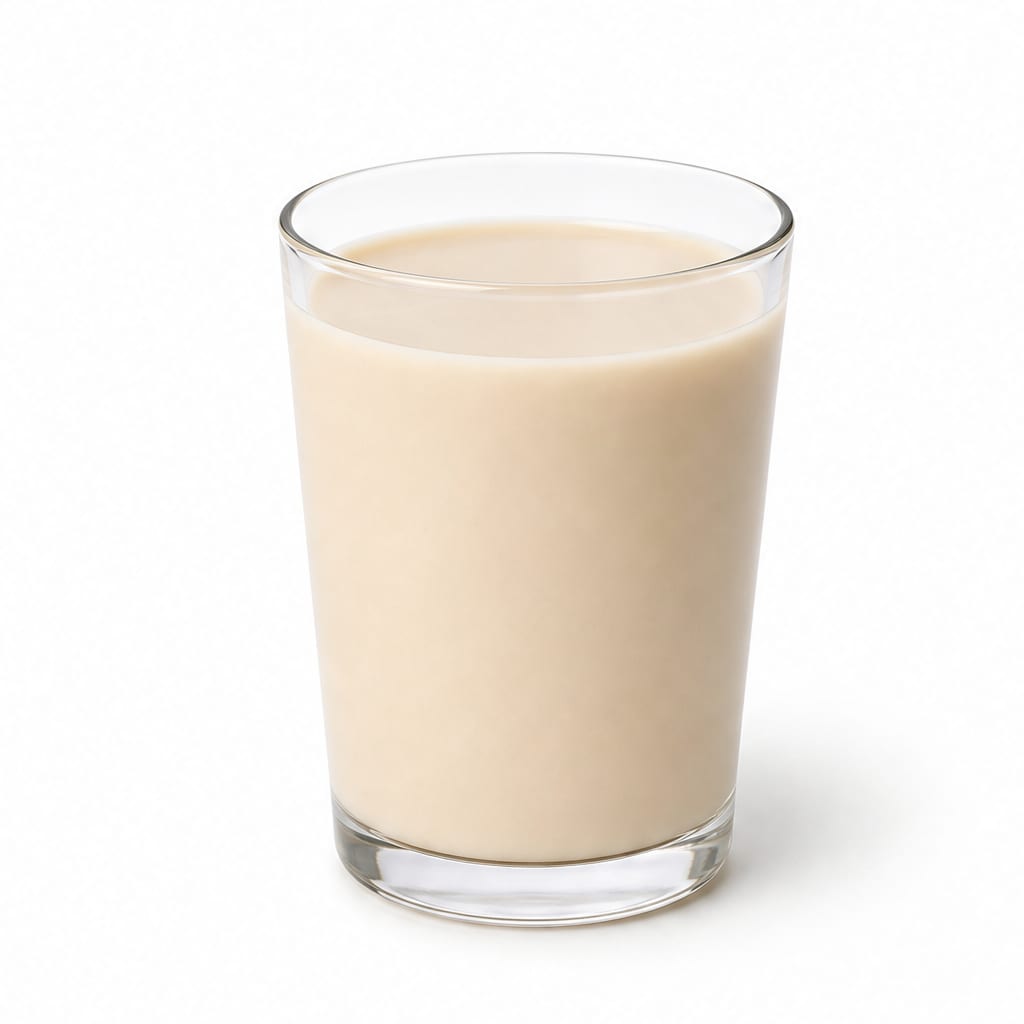
Compare with
Unsweetened Oat Milk
Goat milk is lower in carbohydrates and higher in protein than oat milk, making it better for blood sugar control.
Goat milk is lower in carbohydrates and higher in protein than oat milk, making it better for blood sugar control.
This food
Goat Milk
VS55% alike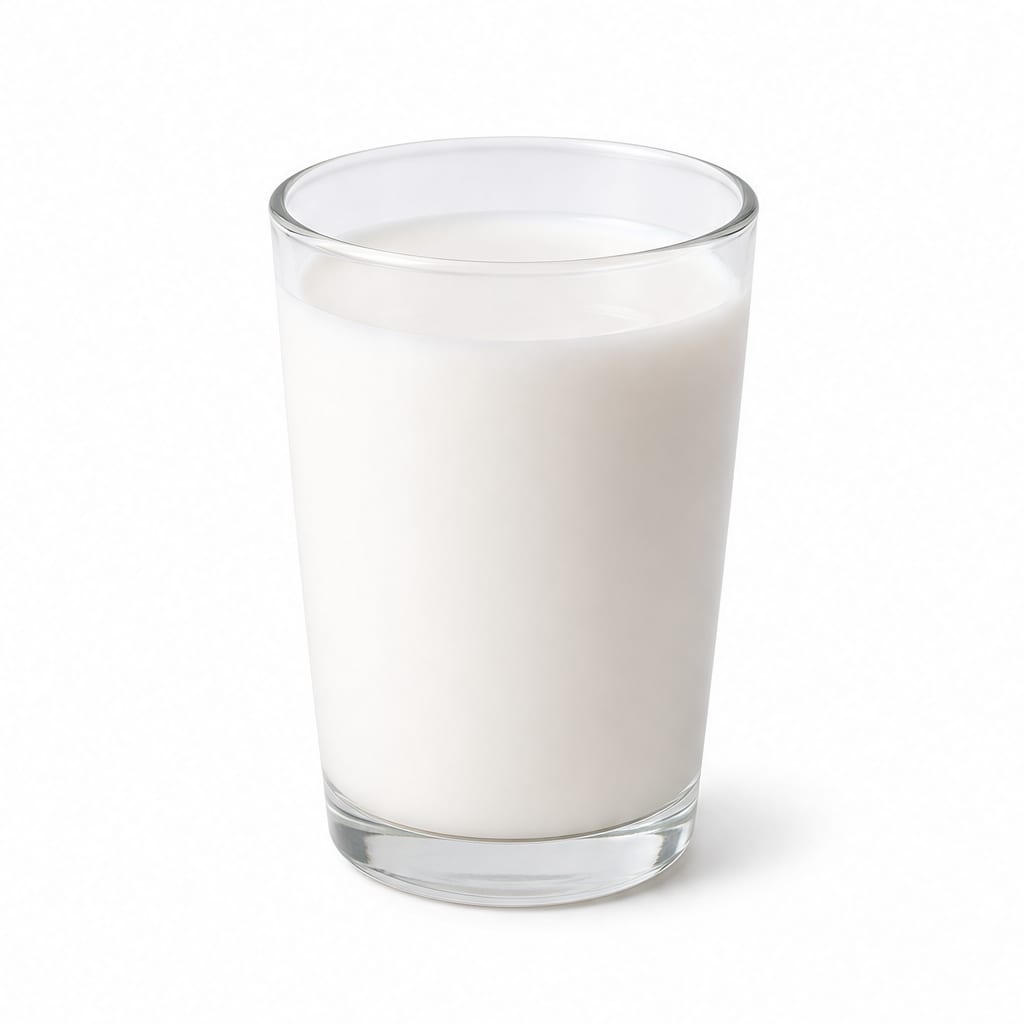
Compare with
Coconut Milk Beverage
Coconut milk beverage is lower in protein and carbs, while goat milk provides complete protein and more bone-building minerals.
Coconut milk beverage is lower in calories and carbs, but goat milk provides significantly more protein and bone-building minerals.
This food
Goat Milk
VS80% alike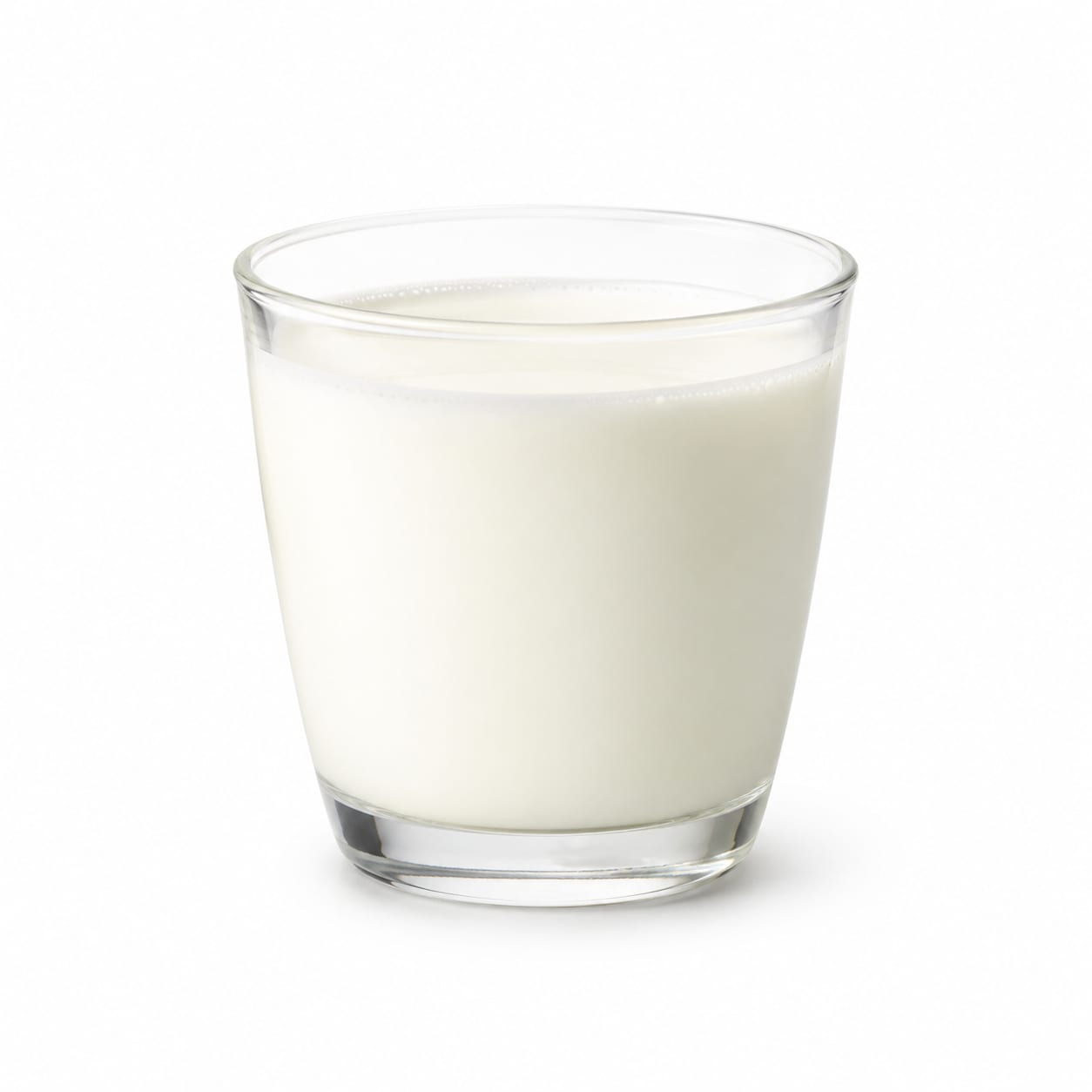
Compare with
Buffalo Milk
Buffalo milk is a high-calorie, high-protein option for bulking, whereas goat milk is lighter and easier on digestion.
Buffalo milk is a high-calorie, high-protein option for bulking, whereas goat milk is lighter and easier on digestion.
This food
Goat Milk
VS75% alike
Compare with
Camel Milk
Camel milk has unique blood sugar benefits and less fat, while goat milk is creamier and easier to find.
Camel milk has unique blood sugar benefits and less fat, while goat milk is creamier and easier to find.
This food
Goat Milk
VS95% alike
Compare with
A2 Cow Milk
A2 cow milk provides similar digestive benefits to goat milk but with the familiar taste of traditional cow milk.
A2 cow milk provides similar digestive benefits to goat milk but with the familiar taste of traditional cow milk.
This food
Goat Milk
VS90% alike
Compare with
Lactose-Free Cow Milk
Lactose-free cow milk eliminates lactose completely, while goat milk offers easier digestion through smaller fat globules and different proteins.
Lactose-free cow milk eliminates lactose completely, while goat milk offers easier digestion through smaller fat globules and different proteins.
Common questions
FAQ
Answers aligned with how people search for this food.
Is goat milk healthier than cow milk?
Goat milk is not inherently healthier, but it is easier to digest for some people due to smaller fat globules and A2 casein protein, while offering a similar nutritional profile.
Can I drink goat milk if I am lactose intolerant?
It depends on your sensitivity. Goat milk has slightly less lactose than cow milk, which some mildly intolerant people can handle, but it is not lactose-free.
Does goat milk taste like cow milk?
Goat milk has a slightly tangy, earthy flavor that differs from cow milk. The taste varies by brand and diet of the goats, and fresh goat milk is often milder.
Is goat milk good for weight loss?
Yes, in moderation. Its protein and fat content promote satiety, helping you feel full longer, but it is calorie-dense so portion control is important.
Can babies drink goat milk?
Plain goat milk should not be used as a primary drink for infants under 12 months as it lacks sufficient iron, folate, and vitamins. Goat milk infant formula, however, is safe and regulated.
Is goat milk anti-inflammatory?
Goat milk contains A2 casein, which is associated with less inflammatory response compared to the A1 casein found in most cow milk, potentially reducing inflammation for sensitive individuals.
Why does goat milk digest easier than cow milk?
Goat milk digests easier because its fat globules are naturally smaller and its protein curds are softer in the stomach, allowing digestive enzymes to break it down more quickly.
Is raw goat milk safe to drink?
Raw goat milk carries a high risk of bacterial contamination like Listeria and E. coli. Pasteurized goat milk is the only safe choice for consumption, especially for pregnant women and children.
Transparency
Data confidence
Estimated confidence for nutrition data, interpretation, safety notes, and comparisons.
Nutrition data
Health analysis
Food safety
Comparisons