
Nutrition comparison
Goat Milk vs Unsweetened Soy Milk: Nutrition, Health, and Taste Comparison
Compare goat milk and unsweetened soy milk side by side. Learn which is better for weight loss, heart health, digestion, and daily use with expert nutritional analysis.
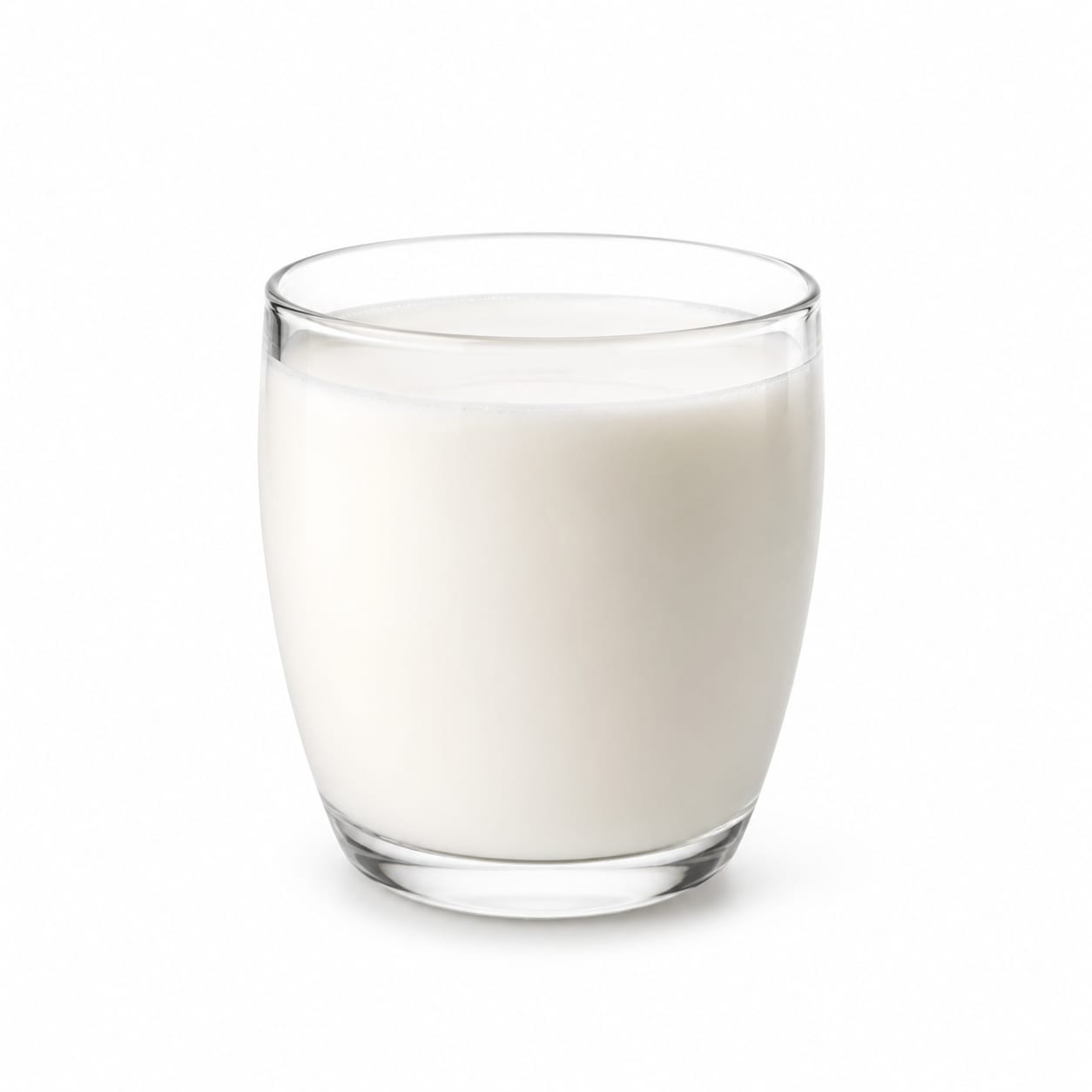
Goat Milk
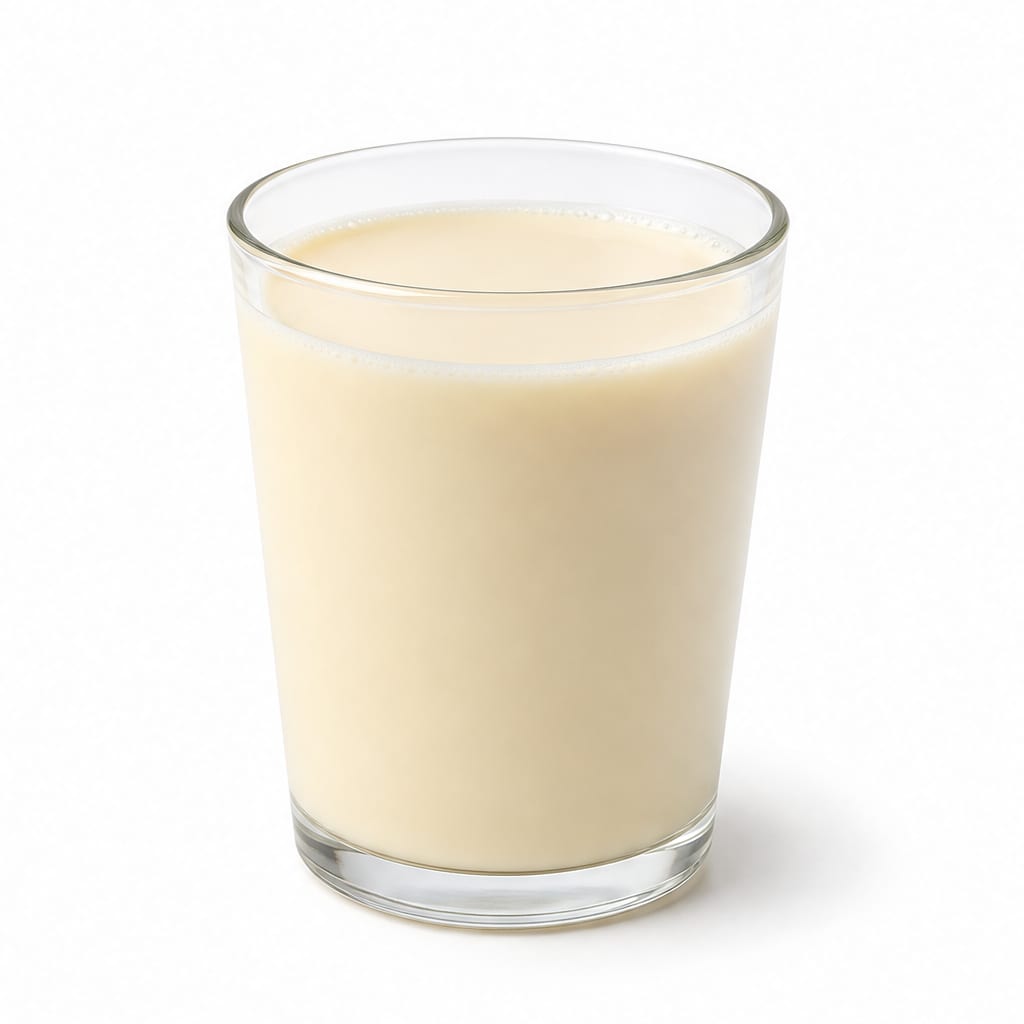
Unsweetened Soy Milk
Goat milk delivers richer natural nutrition and more satisfying creaminess, while unsweetened soy milk wins for heart health, lower calories, and plant-based living.
Unsweetened soy milk scores higher overall due to its heart-healthier profile, lower calories, and broader suitability for daily use. Goat milk remains excellent for specific needs like higher natural B12, creamier texture, and bioavailable minerals, but its saturated fat and lactose content limit its universal appeal.
Whole-food animal nutrition with saturated fat versus lighter plant-based nutrition with zero cholesterol but more processing.
At a glance
Executive summary
Overall
It depends
Healthier
Unsweetened Soy Milk
More practical
Unsweetened Soy Milk
Daily use
Unsweetened Soy Milk
Key comparison lenses
dairy vs plant milk decision
Users are typically deciding between animal and plant-based milk for daily use
digestive tolerance
Goat milk is often sought by those who struggle with cow milk digestion
heart health consciousness
Saturated fat in goat milk versus zero cholesterol in soy milk is a key tradeoff
protein quality comparison
Both offer solid protein but from different sources with different profiles
weight management
Calorie and fat differences matter for those tracking intake
environmental and ethical concerns
Plant-based milks carry lower environmental footprint
Best choice for
Goat Milk
- People who tolerate dairy but want easier digestion than cow milk
- Those seeking higher natural B12 and bioavailable calcium
- Anyone wanting a creamier, more satisfying milk for coffee or cooking
- Children needing calorie-dense nutrition for growth
- People avoiding soy due to allergies or hormonal concerns
Unsweetened Soy Milk
- Anyone watching cholesterol or saturated fat intake
- Vegans and people avoiding all animal products
- Those counting calories for weight loss
- People with lactose intolerance or dairy sensitivity
- Anyone prioritizing heart health long-term
Least suitable for
Goat Milk
- People with severe lactose intolerance
- Vegans and those avoiding animal products
- Anyone on a strict low-saturated-fat diet for heart conditions
- People watching their calorie intake closely
Unsweetened Soy Milk
- People with soy allergies
- Those avoiding processed foods with additives
- Anyone concerned about phytoestrogen effects
- Children who need calorie-dense nutrition for growth
- People wanting a rich, creamy milk experience
Deep comparison
Dimension by dimension
Each lens scores both foods and breaks down who each option suits.
- Dimension 1 · Priority 92Unsweetened Soy Milk
Heart Health
Goat Milk · 48Unsweetened Soy Milk · 88Unsweetened soy milk has zero cholesterol and no saturated fat, making it clearly better for cardiovascular health.
Tradeoff
Goat milk provides natural heart-protective minerals like potassium but carries enough saturated fat to concern anyone monitoring cholesterol.
Why it matters
Heart disease remains the leading cause of death globally, and saturated fat intake is a modifiable risk factor.
Real-world impact
Choosing soy milk over goat milk daily could meaningfully reduce your saturated fat intake by several grams per serving, which adds up over months and years.
Goat Milk
- People with no heart health concerns who want mineral-rich whole food
Better for
- People on doctor-advised low-saturated-fat diets
Worse for
Unsweetened Soy Milk
- Anyone with high cholesterol
- People with family history of heart disease
- Those following heart-healthy diets like Mediterranean or DASH
Better for
- No significant heart health downside
Worse for
- Dimension 2 · Priority 85Goat Milk
Protein Quality and Content
Goat Milk · 82Unsweetened Soy Milk · 74Goat milk offers slightly more protein per serving with a complete amino acid profile and higher biological value than soy protein.
Tradeoff
Soy protein is the best plant protein available, but animal protein still edges ahead in bioavailability and leucine content for muscle building.
Why it matters
Protein quality affects how well your body can actually use what you consume, especially for muscle maintenance and recovery.
Real-world impact
After a workout, goat milk's protein may support slightly faster muscle repair, though both are adequate for most people's daily needs.
Goat Milk
- Athletes and strength trainers seeking optimal muscle recovery
- Older adults needing highly bioavailable protein to prevent muscle loss
Better for
- No real downside for protein quality
Worse for
Unsweetened Soy Milk
- People who want decent protein without animal fat
- Vegans who need the best available plant protein source
Better for
- Bodybuilders or athletes who want maximal protein efficiency per gram
Worse for
- Dimension 3 · Priority 88It depends
Digestive Tolerance
Goat Milk · 70Unsweetened Soy Milk · 85Goat milk is easier to digest than cow milk for many people, but still contains lactose. Unsweetened soy milk is completely lactose-free.
Tradeoff
Goat milk has smaller fat globules and different proteins that some find gentler, but it will still trouble those with true lactose intolerance.
Why it matters
Digestive discomfort affects daily quality of life and can cause people to abandon otherwise nutritious foods.
Real-world impact
If cow milk causes bloating but you are not fully lactose intolerant, goat milk might work well. If dairy causes significant distress, soy milk is the safer bet.
Goat Milk
- People mildly sensitive to cow milk who want to stay with dairy
- Those who find plant milks unsatisfying or too thin
Better for
- People with significant lactose intolerance
Worse for
Unsweetened Soy Milk
- Anyone with confirmed lactose intolerance
- People with general dairy sensitivity
- Those who experience bloating or gas from any animal milk
Better for
- People with soy sensitivity or IBS triggered by soy
Worse for
- Dimension 4 · Priority 80Unsweetened Soy Milk
Calorie and Weight Management
Goat Milk · 52Unsweetened Soy Milk · 86Unsweetened soy milk has roughly half the calories of goat milk, making it far easier to fit into a calorie-controlled diet.
Tradeoff
Goat milk's higher calories come from fat that increases satiety, but also adds up quickly if you drink multiple servings.
Why it matters
For anyone trying to lose or maintain weight, liquid calories are the easiest to overconsume without noticing.
Real-world impact
Two cups of goat milk adds around 340 calories to your day. The same amount of unsweetened soy milk adds roughly 160.
Goat Milk
- Underweight individuals needing calorie-dense nutrition
- Growing children who benefit from extra calories
Better for
- People who consume milk freely throughout the day without measuring
Worse for
Unsweetened Soy Milk
- Anyone actively losing weight
- People who drink multiple glasses of milk per day
- Those tracking calories in an app
Better for
- Those who need calorie-dense options to meet daily energy needs
Worse for
- Dimension 5 · Priority 78It depends
Bone Health Support
Goat Milk · 76Unsweetened Soy Milk · 72Goat milk provides naturally occurring calcium and phosphorus in bioavailable forms, while soy milk relies on fortification for equivalent calcium levels.
Tradeoff
Natural minerals in goat milk may absorb better, but fortified soy milk can match the total calcium content if shaken well before drinking.
Why it matters
Calcium absorption matters more than total calcium listed on a label, and natural food matrices often support better uptake.
Real-world impact
If you forget to shake fortified soy milk, calcium settles at the bottom and you get less than expected. Goat milk delivers consistent calcium every pour.
Goat Milk
- People who prefer naturally occurring minerals over fortification
- Those concerned about calcium absorption efficiency
Better for
- No significant bone health downside
Worse for
Unsweetened Soy Milk
- People avoiding dairy who still want adequate calcium intake
- Those who shake their milk and consume fortified products consistently
Better for
- People who do not shake fortified milk before pouring
Worse for
- Dimension 6 · Priority 75Goat Milk
Processing and Naturalness
Goat Milk · 85Unsweetened Soy Milk · 55Goat milk is a whole food with minimal processing. Unsweetened soy milk requires significant processing to transform soybeans into milk form.
Tradeoff
Even unsweetened soy milk typically contains thickeners, emulsifiers, and fortified vitamins that add complexity to what looks like a simple product.
Why it matters
More processing often means more additives and greater distance from the original food source.
Real-world impact
Reading goat milk ingredients gives you one item: goat milk. Soy milk ingredient lists often run five or more items long.
Goat Milk
- Clean-eating advocates
- People avoiding emulsifiers and gums
- Those who value short ingredient lists
Better for
- No significant naturalness downside
Worse for
Unsweetened Soy Milk
- People who accept some processing as a tradeoff for avoiding animal products
Better for
- People sensitive to carrageenan or gums
- Those avoiding all ultra-processed foods
Worse for
- Dimension 7 · Priority 72Unsweetened Soy Milk
Environmental Sustainability
Goat Milk · 45Unsweetened Soy Milk · 82Soy milk production generates significantly lower greenhouse gas emissions and uses less land and water than goat milk production.
Tradeoff
Some soy farming involves deforestation, but most soy milk sold in Western markets uses sustainably sourced soybeans.
Why it matters
Food choices are one of the most impactful personal decisions for environmental footprint.
Real-world impact
Switching from dairy goat milk to soy milk reduces your dietary carbon footprint meaningfully, especially if consumed daily.
Goat Milk
- Those sourcing from local, small-scale goat farms with regenerative practices
Better for
- Climate-conscious consumers who track food miles and emissions
Worse for
Unsweetened Soy Milk
- Environmentally conscious consumers
- People looking to reduce their carbon footprint
- Anyone concerned about water usage in food production
Better for
- People worried about soy sourcing and deforestation
Worse for
- Dimension 8 · Priority 68It depends
Hormonal Considerations
Goat Milk · 60Unsweetened Soy Milk · 60Goat milk contains naturally occurring hormones from the animal, while soy milk contains phytoestrogens that can mimic estrogen weakly.
Tradeoff
Both carry hormonal complexity, but research suggests moderate consumption of either is safe for most people.
Why it matters
Hormonal effects from food are a common concern, especially for those with hormone-sensitive conditions.
Real-world impact
If you have a history of estrogen-sensitive conditions, discuss both options with your doctor rather than assuming one is clearly safer.
Goat Milk
- People specifically avoiding soy isoflavones
- Women with estrogen-receptor-positive breast cancer who were advised to limit soy
Better for
- People concerned about IGF-1 and dairy hormone exposure
Worse for
Unsweetened Soy Milk
- People avoiding animal hormones
- Those who tolerate soy isoflavones well and may benefit from them
Better for
- People with thyroid conditions who need to limit soy isoflavones
- Those advised by their doctor to avoid phytoestrogens
Worse for
Timeline
Health impact over time
Short-term
Hours to days
Goat Milk
- Provides immediate satiety from fat and protein content
- May cause bloating in those with even mild lactose sensitivity
- Feels richer and more filling in smoothies or coffee
Unsweetened Soy Milk
- Feels lighter and less filling in the short term
- Completely avoids dairy-related digestive discomfort
- May taste slightly beany if unflavored, which affects enjoyment
Long-term
Months to years
Goat Milk
- Consistent saturated fat intake could raise LDL cholesterol over time
- Natural B12 and bioavailable calcium support bone and nerve health long-term
- May contribute to calorie surplus if not measured, leading to gradual weight gain
Unsweetened Soy Milk
- Zero cholesterol intake supports cardiovascular health over decades
- Isoflavones may offer protective effects for bone density and menopausal symptoms
- Fortified nutrients depend on consistent consumption and proper storage
Risk profile
Safety & processing
Goat milk is essentially a single-ingredient whole food. Unsweetened soy milk, while free of added sugar, typically contains thickeners like carrageenan or gellan gum and fortified vitamins that make it more processed than it appears.
Goat Milk
Bacterial contamination from raw goat milk
highIf consumed unpasteurized, goat milk carries risk of Brucella, Campylobacter, and E. coli. Always choose pasteurized goat milk.
Antibiotic residues
mediumConventional goat farming may use antibiotics. Choose organic or verified antibiotic-free sources when possible.
Unsweetened Soy Milk
Additive sensitivity
mediumCarrageenan and other thickeners in some soy milks may cause digestive irritation in sensitive individuals.
Soy allergen exposure
highSoy is a top 8 allergen. Reactions can range from mild hives to anaphylaxis in severely allergic individuals.
Pesticide residue on conventional soybeans
mediumSoybeans are heavily treated with pesticides. Choosing organic soy milk significantly reduces this exposure.
Who wins for whom
Audience fit
Same foods, different winners depending on your goal.
children
Goat MilkHigher calorie density, natural B12, and bioavailable calcium make goat milk better for growing children who need concentrated nutrition.
daily consumption
Unsweetened Soy MilkLower calories, no saturated fat, and no lactose make unsweetened soy milk easier to consume daily without accumulating cardiovascular risk.
diabetes
Unsweetened Soy MilkLower in natural sugars and carbohydrates, with no saturated fat that can worsen insulin resistance over time.
elderly
Unsweetened Soy MilkHeart health becomes increasingly important with age, and the zero-cholesterol profile of soy milk is more appropriate for cardiovascular risk management.
muscle gain
Goat MilkSlightly more protein with higher biological value and natural B12 supports muscle recovery and growth more effectively.
weight loss
Unsweetened Soy MilkRoughly half the calories per cup with zero saturated fat makes unsweetened soy milk far easier to fit into a calorie deficit.
Your move
Decision guide
Choose Goat Milk
- You tolerate dairy well and want a nutrient-dense whole food
- You need higher calories and creamier texture for cooking or coffee
- You are avoiding soy due to allergy or hormonal concerns
- You are feeding a growing child who needs concentrated nutrition
- You value minimal processing and short ingredient lists
Choose Unsweetened Soy Milk
- You are vegan or avoiding animal products
- You have any degree of lactose intolerance
- You are watching your cholesterol or saturated fat intake
- You are counting calories for weight management
- You want a lighter milk for daily cereal, smoothies, or drinking
Either works if
- You are simply looking for a cow milk alternative
- You rotate between animal and plant milks for variety
- You have no specific health restrictions and enjoy both
Avoid both if
- You have both dairy and soy allergies
- You are on a strict elimination diet that excludes milk and soy
- You have kidney disease and need to limit both protein and phosphorus
Final recommendation
For most people seeking a daily milk alternative, unsweetened soy milk offers the better long-term health profile with fewer calories, zero cholesterol, and solid protein. Choose goat milk when you need richer nutrition, creamier texture, or want to avoid soy entirely. Neither is universally superior, but soy milk fits more people's daily needs more comfortably.
Practical
Consumer tips
- 1
Always shake unsweetened soy milk before pouring to redistribute settled calcium and vitamins
- 2
Choose organic soy milk to avoid pesticide residues from conventional soybean farming
- 3
Check goat milk labels to ensure it is pasteurized, especially from farmers markets
- 4
If you find unsweetened soy milk too thin, try blending it with a tablespoon of nut butter for creaminess
- 5
Start with small amounts of goat milk if you are unsure about your lactose tolerance
- 6
Look for soy milk brands that use minimal additives like carrageenan-free options
- 7
Goat milk freezes well if you cannot finish a carton before it expires
- 8
Warm goat milk with a touch of honey makes a soothing evening drink that soy milk cannot replicate in richness