
Nutrition comparison
Goat Milk vs Coconut Milk Beverage: Nutrition, Protein, and Digestion Compared
Goat Milk delivers complete protein and bioavailable calcium in a minimally processed package. Coconut Milk Beverage is lighter and lactose-free but lacks protein and contains more additives. See which is right for you.
Overall winner · Goat Milk
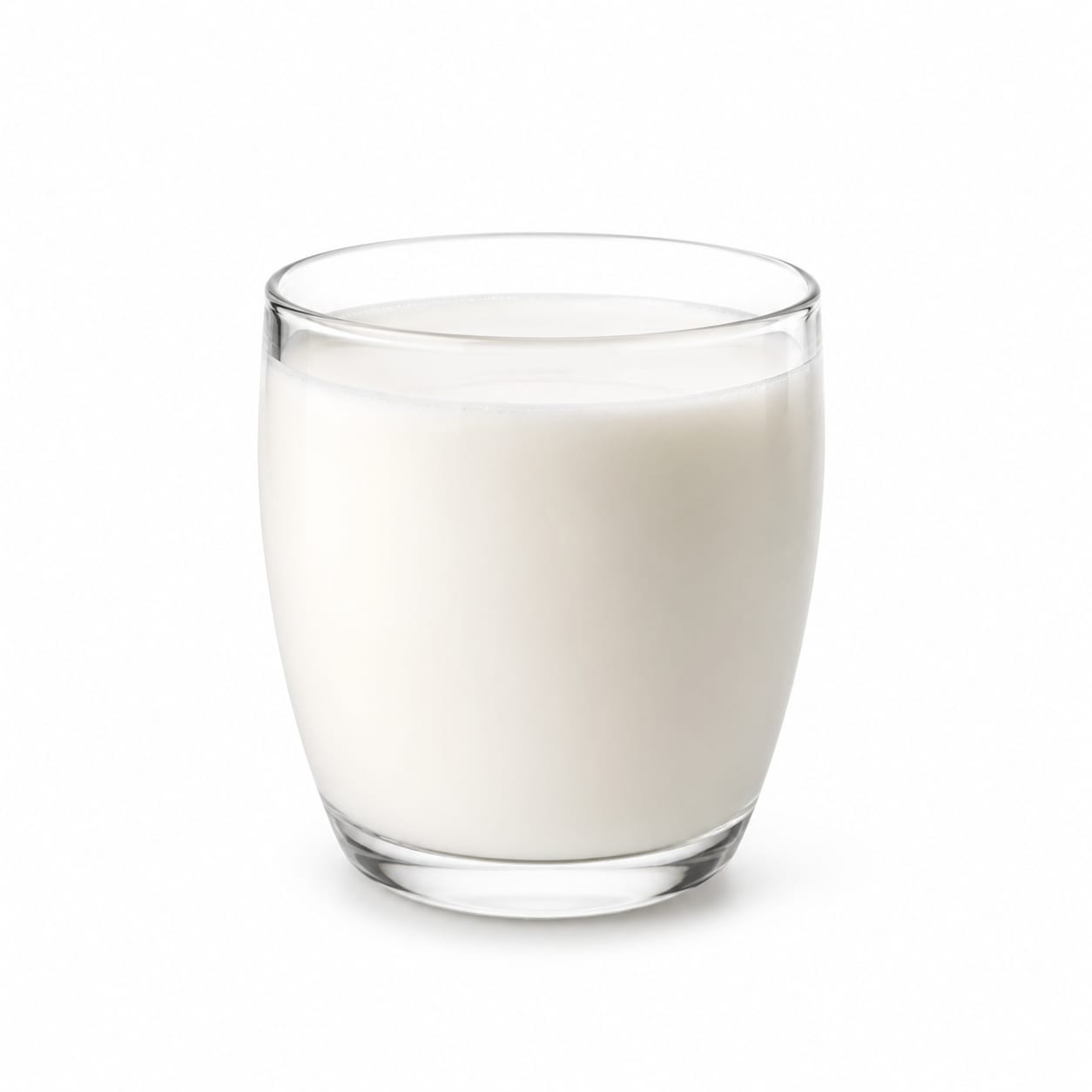
Goat Milk
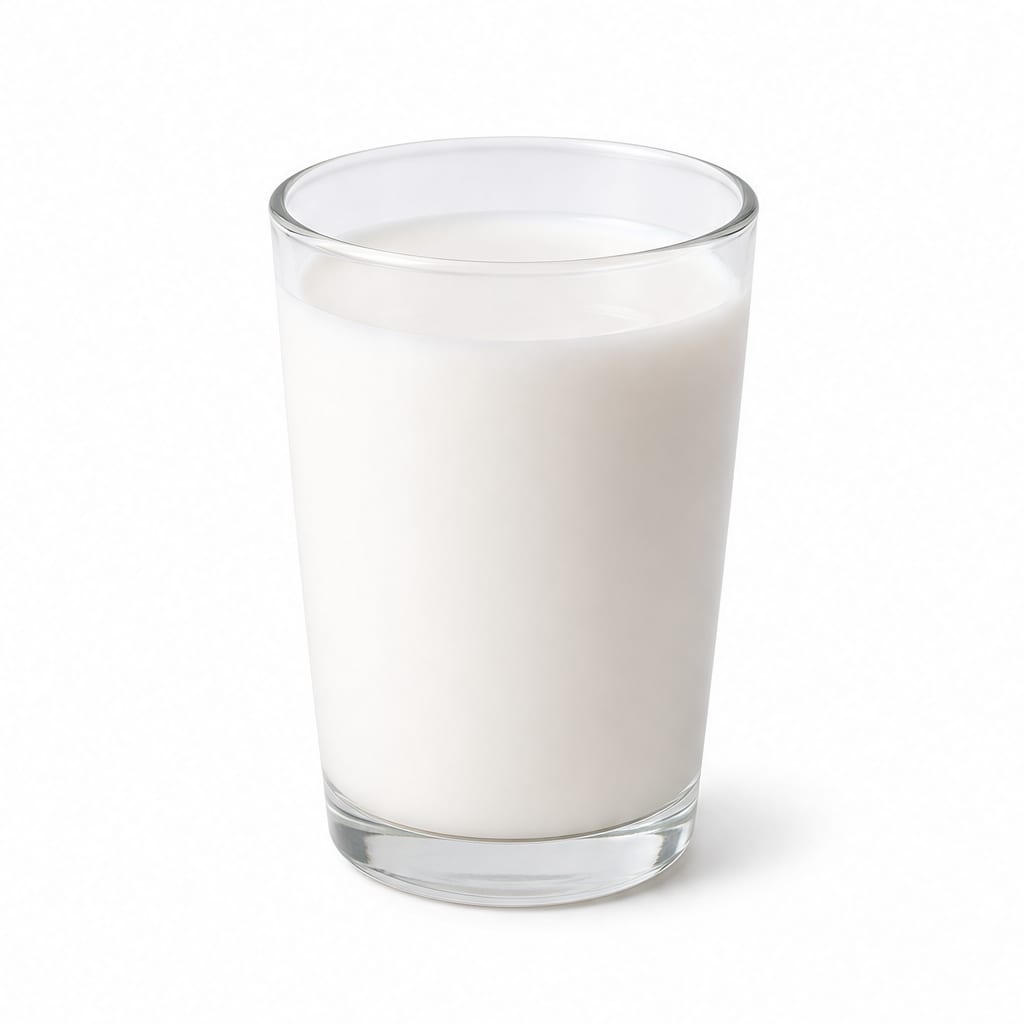
Coconut Milk Beverage
Goat Milk delivers real protein, bioavailable calcium, and natural nutrition in a less processed package, while Coconut Milk Beverage offers a lighter, lactose-free option at the cost of minimal protein and more additives.
Goat Milk scores substantially higher due to its complete protein, superior calcium bioavailability, and minimal processing. Coconut Milk Beverage loses ground on protein content, additive load, and reliance on fortification rather than natural nutrients.
Nutritional substance versus dietary flexibility — Goat Milk feeds your body more completely, but Coconut Milk Beverage fits more dietary restrictions.
At a glance
Executive summary
Overall
Goat Milk
Healthier
Goat Milk
More practical
Coconut Milk Beverage
Daily use
Goat Milk
Key comparison lenses
dairy vs plant milk decision
Users comparing these are typically deciding between a real dairy option and a plant-based alternative for daily use
digestive tolerance
Goat milk is often sought by those with cow milk sensitivities, while coconut milk beverage appeals to the lactose-intolerant
protein and nutrition completeness
The protein gap between these two is massive and affects satiety, muscle maintenance, and nutritional adequacy
processing and additive concerns
Coconut milk beverages are typically fortified and stabilized with additives, while goat milk is naturally nutrient-dense
weight management
Calorie and fat content differences matter for those tracking intake or seeking lighter options
Best choice for
Goat Milk
- Active individuals needing quality protein
- Children requiring complete nutrition for growth
- Elderly adults preserving muscle and bone density
- Anyone seeking a minimally processed milk option
- People with cow milk sensitivity who tolerate goat milk
Coconut Milk Beverage
- Strict vegans and plant-based eaters
- Lactose-intolerant individuals who cannot tolerate any dairy
- Those counting calories or seeking a lighter beverage
- People avoiding all animal products for ethical reasons
Least suitable for
Goat Milk
- Vegans and strict plant-based eaters
- Those with goat milk protein allergy
- Severely lactose-intolerant individuals
- People avoiding all saturated animal fat
Coconut Milk Beverage
- Growing children needing reliable protein and bioavailable calcium
- Athletes or active people requiring protein for recovery
- Anyone seeking a nutritionally complete milk replacement
- People sensitive to emulsifiers and food additives
Deep comparison
Dimension by dimension
Each lens scores both foods and breaks down who each option suits.
- Dimension 1 · Priority 95Goat Milk
protein_quality_and_content
Goat Milk · 88Coconut Milk Beverage · 12Goat Milk provides roughly 8g of complete protein per cup with all essential amino acids. Coconut Milk Beverage typically delivers under 1g — essentially negligible.
Tradeoff
You sacrifice nearly all protein content when choosing Coconut Milk Beverage, which means less satiety and no muscle-supporting benefit.
Why it matters
Protein is the most satiating macronutrient. A protein-rich drink keeps you full longer and supports muscle maintenance, especially important as you age.
Real-world impact
A Goat Milk smoothie at breakfast can hold you until lunch. A Coconut Milk Beverage smoothie may leave you snacking by mid-morning.
Goat Milk
- Post-workout recovery
- Sustained energy between meals
- Muscle preservation in older adults
- Growing children
Better for
- Vegan lifestyles
Worse for
Coconut Milk Beverage
- Purely caloric restriction diets where protein comes from other meals
Better for
- Anyone relying on milk as a protein source
- Older adults at risk of muscle loss
- Children needing growth-supporting nutrition
Worse for
- Dimension 2 · Priority 90Coconut Milk Beverage
digestive_tolerance
Goat Milk · 62Coconut Milk Beverage · 85Coconut Milk Beverage contains zero lactose and no animal proteins that trigger dairy allergies. Goat Milk has less lactose than cow milk and smaller fat globules, but still contains lactose.
Tradeoff
Goat Milk is easier to digest than cow milk for many people, but Coconut Milk Beverage eliminates lactose concerns entirely.
Why it matters
Digestive discomfort after drinking milk is one of the top reasons people switch to plant-based alternatives.
Real-world impact
If regular milk causes bloating or gas, Coconut Milk Beverage is the safer bet. Goat Milk may work if your intolerance is mild.
Goat Milk
- People with mild cow milk sensitivity who tolerate goat milk
- Those wanting real dairy with easier digestion
Better for
- Severely lactose-intolerant individuals
- People with goat milk protein allergy
Worse for
Coconut Milk Beverage
- Anyone with confirmed lactose intolerance
- People with dairy protein allergies
- Those with sensitive digestion who want zero risk of dairy reactions
Better for
- Those who tolerate dairy fine and want its nutritional benefits
Worse for
- Dimension 3 · Priority 85Goat Milk
processing_and_additives
Goat Milk · 82Coconut Milk Beverage · 35Goat Milk is typically pasteurized and packaged with minimal intervention. Coconut Milk Beverage usually contains emulsifiers, stabilizers, added vitamins, and sometimes added sugars.
Tradeoff
Choosing Coconut Milk Beverage means accepting a more processed product with multiple additives to mimic the texture and nutrition of real milk.
Why it matters
Minimally processed foods generally support better long-term health outcomes and fewer unexpected reactions to additives.
Real-world impact
Goat Milk ingredient lists are short and recognizable. Coconut Milk Beverage labels often read like a chemistry experiment.
Goat Milk
- Clean-eating advocates
- People avoiding emulsifiers like carrageenan or guar gum
- Those concerned about ultra-processed food consumption
Better for
- Those who prefer plant-based on principle
Worse for
Coconut Milk Beverage
- People who prioritize avoiding all animal products regardless of processing
Better for
- Anyone sensitive to gums, emulsifiers, or fortified nutrients
- Clean-label consumers
- People concerned about ultra-processed food links to metabolic issues
Worse for
- Dimension 4 · Priority 82Goat Milk
bone_health_support
Goat Milk · 85Coconut Milk Beverage · 48Goat Milk contains naturally occurring calcium, phosphorus, and vitamin D in bioavailable forms. Coconut Milk Beverage relies on fortification, which is less reliably absorbed.
Tradeoff
Natural calcium in Goat Milk is better absorbed than the calcium carbonate added to most Coconut Milk Beverages.
Why it matters
Bone density depends on calcium you actually absorb, not just calcium listed on a label.
Real-world impact
Regular Goat Milk drinkers get more usable calcium per cup. Fortified Coconut Milk Beverage may list similar amounts, but your body uses less of it.
Goat Milk
- Post-menopausal women concerned about osteoporosis
- Growing adolescents building peak bone mass
- Anyone prioritizing bone density
Better for
- Those who avoid all dairy
Worse for
Coconut Milk Beverage
- Vegans who supplement calcium separately and effectively
Better for
- Older adults relying on milk as their primary calcium source
- Teenagers in critical bone-building years
Worse for
- Dimension 5 · Priority 75Coconut Milk Beverage
weight_management
Goat Milk · 55Coconut Milk Beverage · 72Coconut Milk Beverage is typically lower in calories — around 40-50 calories per cup versus 168 for whole Goat Milk. However, the lower calorie count comes with minimal satiety.
Tradeoff
Coconut Milk Beverage saves calories but may leave you hungrier sooner, potentially leading to more snacking.
Why it matters
Calories matter for weight loss, but satiety determines whether you can actually stick to a calorie deficit without feeling deprived.
Real-world impact
A lower-calorie drink helps if you are strictly tracking. But if it leaves you reaching for snacks an hour later, the calorie savings disappear.
Goat Milk
- People who use milk as a satisfying mini-meal
- Those who prefer fewer but more filling beverages
Better for
- People on very low-calorie diets
Worse for
Coconut Milk Beverage
- Strict calorie counters
- Those who get protein from other food sources
- Intermittent fasters wanting a low-calorie drink window
Better for
- Emotional eaters who need drinks to feel satisfying
- Those prone to snacking when beverages do not fill them up
Worse for
- Dimension 6 · Priority 70It depends
heart_health_fat_profile
Goat Milk · 58Coconut Milk Beverage · 55Goat Milk contains saturated fat and cholesterol but also beneficial medium-chain fatty acids. Coconut Milk Beverage has MCTs from coconut but also saturated fat with no cholesterol.
Tradeoff
Neither is a heart-health hero. Both contain saturated fat. Goat Milk offers a more complex fat profile with some beneficial components, while Coconut Milk Beverage avoids cholesterol entirely.
Why it matters
If cardiovascular health is a priority, neither milk should be consumed in large quantities without considering your overall saturated fat intake.
Real-world impact
For heart-conscious users, both should be consumed moderately. The real difference is that Goat Milk provides more nutritional value alongside its fat content.
Goat Milk
- People whose overall saturated fat intake is moderate and who benefit from the complete nutrition package
Better for
- People with high cholesterol on strict saturated fat restriction
Worse for
Coconut Milk Beverage
- Those specifically avoiding dietary cholesterol
- People whose doctors recommend plant-based fats over animal fats
Better for
- Anyone assuming coconut saturated fat is automatically heart-healthy
Worse for
- Dimension 7 · Priority 68It depends
blood_sugar_impact
Goat Milk · 60Coconut Milk Beverage · 55Unsweetened Goat Milk contains natural lactose sugar but also protein that slows absorption. Unsweetened Coconut Milk Beverage has minimal sugar but also no protein to stabilize blood sugar.
Tradeoff
Goat Milk has more sugar but also protein to buffer it. Coconut Milk Beverage has less sugar but sweetened versions can be loaded with added sugars.
Why it matters
Blood sugar crashes affect energy, mood, and cravings. The combination of protein and carbs in Goat Milk provides steadier energy.
Real-world impact
Unsweetened Goat Milk gives you a balanced carb-protein ratio. Many Coconut Milk Beverages sneak in added sugars that spike blood sugar without protein to slow it down.
Goat Milk
- People wanting a balanced macronutrient drink that stabilizes energy
- Those who avoid added sugars and want natural lactose only
Better for
- Very low-carb or keto dieters
Worse for
Coconut Milk Beverage
- Strict low-carb dieters choosing unsweetened versions
- Diabetics who carefully read labels and select zero-sugar options
Better for
- Anyone buying sweetened Coconut Milk Beverage without checking the label
- People who assume all plant milks are lower in sugar
Worse for
Timeline
Health impact over time
Short-term
Hours to days
Goat Milk
- Provides satisfying, filling nutrition that reduces between-meal hunger
- May cause mild bloating in those with partial lactose sensitivity
- Offers steady energy due to balanced protein and natural carbs
Coconut Milk Beverage
- Feels light and refreshing with minimal digestive burden
- Unsweetened versions are unlikely to cause blood sugar spikes
- May leave you feeling unsatisfied if consumed alone as a snack
Long-term
Months to years
Goat Milk
- Supports muscle maintenance and bone density through complete protein and bioavailable calcium
- Regular consumption contributes to sustained nutrient intake without reliance on fortification
- Saturated fat intake should be monitored within overall dietary context
Coconut Milk Beverage
- Long-term reliance without protein from other sources may contribute to inadequate protein intake
- Fortified nutrients may not match the absorption rates of naturally occurring vitamins and minerals
- Regular consumption of emulsifiers and stabilizers may have gut health implications emerging in research
Risk profile
Safety & processing
Goat Milk is typically just pasteurized goat milk — short ingredient list, no stabilizers needed. Coconut Milk Beverage requires emulsifiers to prevent separation, fortified vitamins to compensate for low natural nutrition, and often added flavors or sweeteners to improve taste.
Goat Milk
Bacterial contamination from raw or improperly pasteurized milk
mediumAlways choose pasteurized Goat Milk. Raw goat milk carries similar foodborne illness risks as raw cow milk, including potential Listeria and E. coli exposure.
Allergic reactions in individuals with goat milk protein allergy
mediumSome people allergic to cow milk proteins also react to goat milk proteins due to cross-reactivity.
Coconut Milk Beverage
Carrageenan exposure in some brands
mediumCarrageenan, a common stabilizer in plant milks, has been linked to gut inflammation in some studies, though evidence is mixed. Many brands now offer carrageenan-free options.
Added sugars in flavored or sweetened varieties
highMany Coconut Milk Beverages contain 5-12g of added sugar per cup. Always check labels, as sugar content varies dramatically between brands.
Inconsistent fortification levels
lowFortified nutrients can settle unevenly in the carton, meaning actual intake may vary from label claims.
Who wins for whom
Audience fit
Same foods, different winners depending on your goal.
children
Goat MilkGrowing children need complete protein, bioavailable calcium, and calorie-dense nutrition that Goat Milk provides naturally. Coconut Milk Beverage is not a nutritionally adequate milk replacement for children without careful supplementation.
daily consumption
Goat MilkGoat Milk provides more consistent, complete nutrition for daily use. Coconut Milk Beverage works daily only if the rest of your diet fills the protein and calcium gaps.
diabetes
It dependsUnsweetened Coconut Milk Beverage has fewer carbs, but Goat Milk provides protein that stabilizes blood sugar. The right choice depends on whether you choose unsweetened and how you manage overall carb intake.
elderly
Goat MilkOlder adults need protein to prevent muscle loss and calcium for bone density. Goat Milk delivers both in highly absorbable forms.
muscle gain
Goat MilkGoat Milk provides complete protein essential for muscle repair and growth. Coconut Milk Beverage offers virtually no protein support.
weight loss
Coconut Milk BeverageUnsweetened Coconut Milk Beverage is significantly lower in calories, making it easier to fit into a calorie deficit — as long as you get protein from other sources.
Your move
Decision guide
Choose Goat Milk
- You want a nutritionally complete beverage that actually feeds your body
- You tolerate goat milk and want real dairy with easier digestion than cow milk
- You are feeding children or elderly family members who need reliable protein and calcium
- You prefer minimally processed foods with short, recognizable ingredient lists
- You use milk as a meaningful part of your daily nutrition, not just a liquid
Choose Coconut Milk Beverage
- You are vegan or strictly plant-based
- You are lactose-intolerant and cannot tolerate any dairy, including goat milk
- You want a low-calorie liquid for smoothies, coffee, or cereal where protein comes from elsewhere
- You prioritize avoiding all animal products for ethical or environmental reasons
- You carefully read labels and choose unsweetened, carrageenan-free brands
Either works if
- You rotate between dairy and plant-based options for variety
- Your overall diet is well-balanced enough that milk choice is a preference, not a nutritional linchpin
- You use milk primarily as a cooking ingredient rather than a nutritional staple
Avoid both if
- You have severe dairy allergies AND react poorly to coconut or common emulsifiers
- You are on a strict low-saturated-fat diet and prefer oat or almond milk alternatives
- You are looking for a high-protein, low-fat milk option — neither fits well
Final recommendation
If your body tolerates it, Goat Milk is the nutritionally superior choice for daily drinking — it provides real protein, absorbable calcium, and natural nutrition without the additive load. Choose Coconut Milk Beverage only if you need a plant-based or lactose-free option, and always select unsweetened varieties with minimal additives. The protein gap is the deciding factor: Goat Milk nourishes you; Coconut Milk Beverage hydrates you.
Practical
Consumer tips
- 1
Always shake Coconut Milk Beverage well — fortified calcium settles at the bottom and you may miss the nutrients entirely
- 2
Check Coconut Milk Beverage labels for added sugars — some brands pack up to 12g per cup, which is nearly half the daily recommended limit for women
- 3
If trying Goat Milk for the first time after cow milk sensitivity, start with a small amount — about 4 ounces — to test your tolerance
- 4
Look for Goat Milk from grass-fed or pasture-raised sources for a better fatty acid profile
- 5
Choose carrageenan-free Coconut Milk Beverage brands to reduce potential gut irritation
- 6
Do not substitute Coconut Milk Beverage for Goat Milk or cow milk in children's diets without pediatrician guidance — the protein and calcium gaps are significant
- 7
Unsweetened Coconut Milk Beverage works well in coffee and smoothies where you want creaminess without calories — just do not rely on it as a protein source