
Nutrition comparison
Goat Milk vs Lactose-Free Cow Milk: Which Is Better for Digestion?
Compare goat milk and lactose-free cow milk for lactose intolerance, digestibility, taste, nutrition, and safety. Find out which milk fits your needs better.
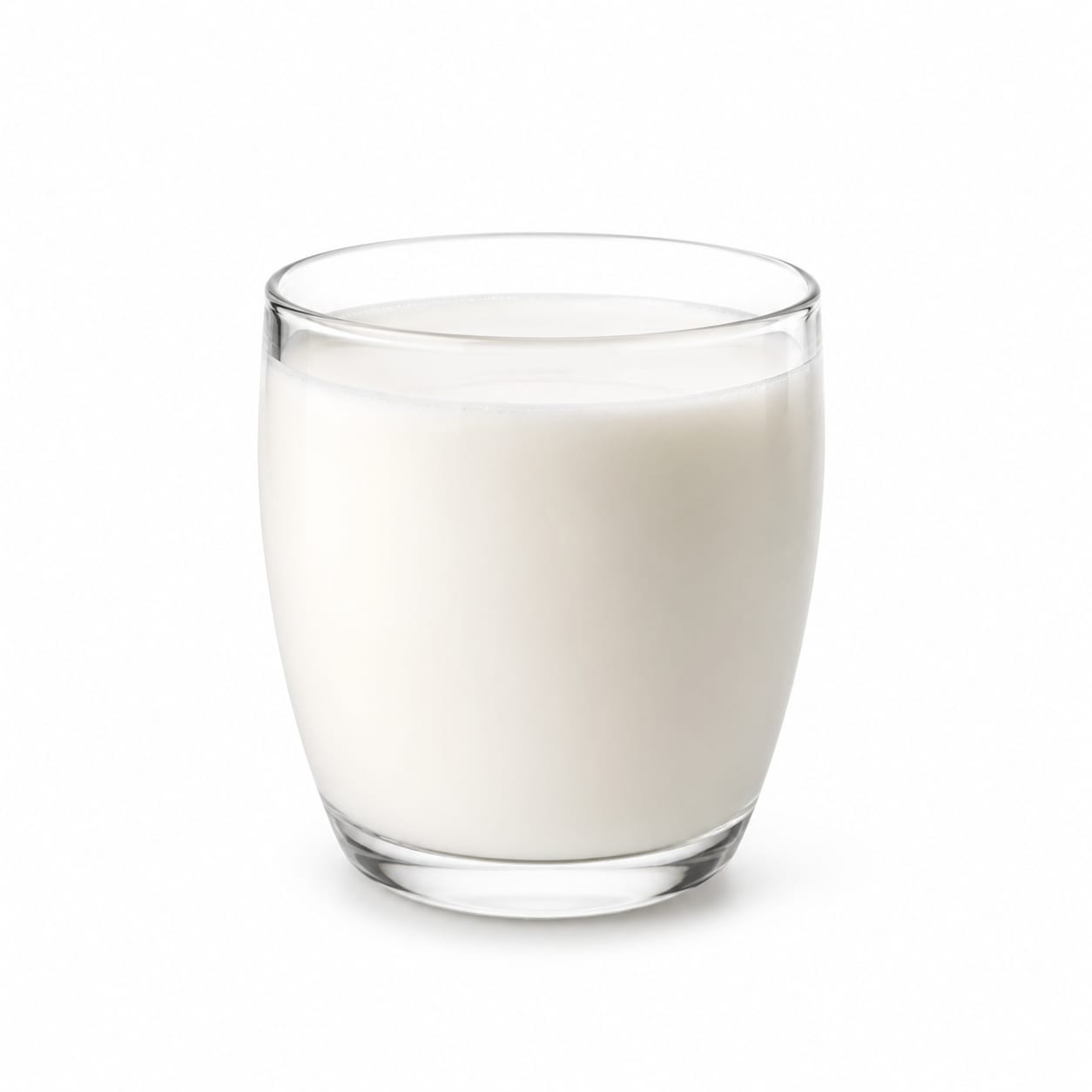
Goat Milk
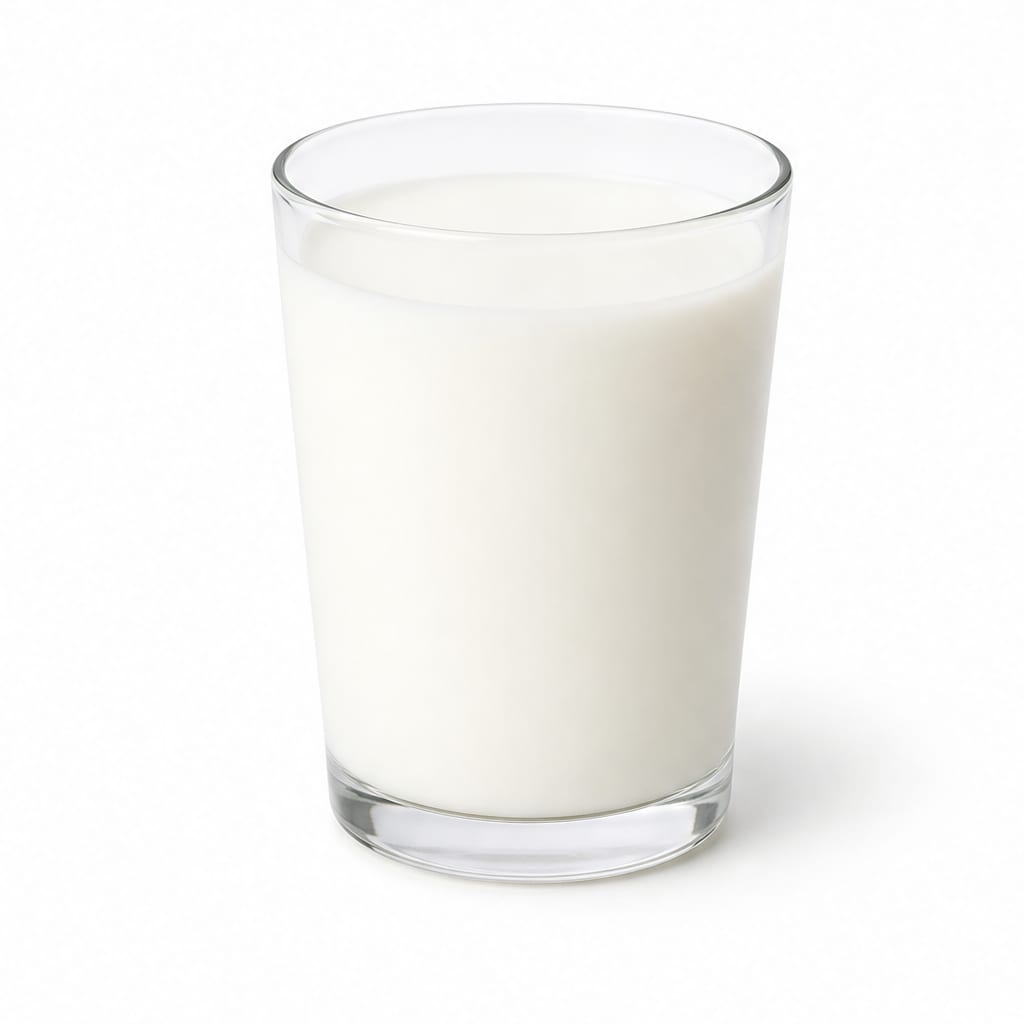
Lactose-Free Cow Milk
Goat milk is naturally easier to digest and less processed, but lactose-free cow milk eliminates lactose completely and tastes more familiar.
Lactose-Free Cow Milk scores slightly higher due to complete lactose elimination, wider availability, and familiar taste. Goat Milk stays competitive with its natural digestibility and less processed profile, but its flavor barrier and incomplete lactose removal narrow its appeal.
Natural digestibility with a learning-curve flavor versus guaranteed lactose elimination with a familiar taste but added processing.
At a glance
Executive summary
Overall
It depends
Healthier
It depends
More practical
Lactose-Free Cow Milk
Daily use
Lactose-Free Cow Milk
Key comparison lenses
digestive tolerance and lactose sensitivity
Both products are commonly chosen by people with dairy digestion issues, but they solve the problem differently
naturalness vs processing
Goat milk is naturally lower in lactose while lactose-free cow milk requires enzymatic processing
protein allergy cross reactivity
Users often assume goat milk is safe for cow milk allergy, which is a critical safety concern
taste and culinary preference
Goat milk has a distinct flavor that strongly influences daily compliance
nutrient density comparison
Both offer similar macronutrients but differ in specific vitamins and minerals
Best choice for
Goat Milk
- People with mild lactose sensitivity who prefer minimal processing
- Those seeking smaller fat globules for easier digestion
- Anyone wanting a naturally sweeter milk without added enzymes
- Consumers avoiding added processing steps
Lactose-Free Cow Milk
- People with confirmed lactose intolerance who need guaranteed lactose removal
- Families wanting a familiar cow milk taste
- Anyone who finds goat milk flavor unpleasant
- Those needing wider availability and lower cost
Least suitable for
Goat Milk
- People with cow milk protein allergy due to cross-reactivity risk
- Anyone sensitive to the distinct goaty flavor
- Budget-conscious shoppers in areas where goat milk is expensive
Lactose-Free Cow Milk
- People avoiding any enzymatic processing of their food
- Those with cow milk protein allergy since only lactose is removed
- Consumers seeking the unique fatty acid profile of goat milk
Deep comparison
Dimension by dimension
Each lens scores both foods and breaks down who each option suits.
- Dimension 1 · Priority 95Lactose-Free Cow Milk
digestive_tolerance
Goat Milk · 72Lactose-Free Cow Milk · 92Lactose-Free Cow Milk eliminates lactose entirely, while goat milk only reduces it by about 20-30% compared to regular cow milk.
Tradeoff
Goat milk is naturally gentler due to smaller fat globules and different protein structure, but it still contains enough lactose to trigger symptoms in sensitive individuals.
Why it matters
If you have significant lactose intolerance, goat milk may still cause bloating and discomfort, whereas lactose-free cow milk provides reliable relief.
Real-world impact
Someone with moderate lactose intolerance might still feel gassy after a glass of goat milk but comfortable after lactose-free cow milk.
Goat Milk
- Mild lactose sensitivity where smaller fat globules help
- Those who also have trouble digesting cow milk fat
Better for
- Significant lactose intolerance — still contains lactose
- Unpredictable symptom triggers
Worse for
Lactose-Free Cow Milk
- Confirmed lactose intolerance with symptoms after regular milk
- Anyone needing predictable digestion without guesswork
Better for
- Sensitivities to cow milk protein or fat structure remain unaddressed
Worse for
- Dimension 2 · Priority 85It depends
protein_allergy_safety
Goat Milk · 30Lactose-Free Cow Milk · 25Neither option is safe for cow milk protein allergy. Goat milk proteins cross-react in roughly 90% of people with cow milk allergy.
Tradeoff
Both milks carry serious allergy risk. Goat milk is sometimes wrongly assumed to be a safe alternative, which creates a dangerous misconception.
Why it matters
If you have a true dairy protein allergy, both products can trigger reactions. This is a safety issue, not a preference issue.
Real-world impact
A parent switching their allergic child to goat milk could still face hives, swelling, or anaphylaxis.
Goat Milk
- False sense of safety for protein allergy — cross-reactivity is very common
Worse for
Lactose-Free Cow Milk
- Contains the same cow milk proteins that cause allergic reactions
Worse for
- Dimension 3 · Priority 80Goat Milk
processing_and_naturalness
Goat Milk · 88Lactose-Free Cow Milk · 62Goat milk is naturally lower in lactose and requires no enzymatic modification. Lactose-free cow milk adds lactase enzyme to break down lactose after production.
Tradeoff
Goat milk achieves its digestibility through natural composition, while lactose-free cow milk relies on an added processing step.
Why it matters
For people who prioritize whole, minimally altered foods, goat milk feels more aligned with that philosophy.
Real-world impact
Reading the ingredient label on lactose-free cow milk reveals added lactase enzyme, while goat milk is just goat milk.
Goat Milk
- Whole-food advocates who want minimal intervention
- Anyone unsettled by enzyme-added products
Better for
- Still often pasteurized and homogenized like any commercial milk
Worse for
Lactose-Free Cow Milk
- Those who view lactase addition as a harmless, helpful process
- People who prioritize outcome over processing philosophy
Better for
- Added enzyme may feel unnatural to some consumers
Worse for
- Dimension 4 · Priority 75Lactose-Free Cow Milk
taste_and_palatability
Goat Milk · 48Lactose-Free Cow Milk · 85Lactose-free cow milk tastes nearly identical to regular cow milk with a slightly sweeter note. Goat milk has a distinct earthy, tangy flavor many find challenging.
Tradeoff
Goat milk's flavor is an acquired taste that limits daily enjoyment, while lactose-free cow milk is instantly familiar and easy to drink.
Why it matters
Taste is the biggest factor in long-term compliance. A milk you dislike drinking will end up wasted in the fridge.
Real-world impact
Kids and picky eaters often reject goat milk on first sip, while lactose-free cow milk is accepted without complaint.
Goat Milk
- Culinary use in savory dishes where the tangy flavor complements food
- People who grew up with goat milk and enjoy it
Better for
- Strong flavor limits versatility in recipes and beverages
- Can taste off-putting in coffee or sweet preparations
Worse for
Lactose-Free Cow Milk
- Daily drinking, cereal, coffee, and smoothies
- Families with children who reject unfamiliar flavors
Better for
- Slightly sweeter than regular milk, which some find noticeable
Worse for
- Dimension 5 · Priority 70It depends
nutrient_density
Goat Milk · 74Lactose-Free Cow Milk · 78Both milks offer similar protein and calcium. Goat milk provides more potassium and vitamin A, while cow milk delivers more folate and vitamin B12.
Tradeoff
Goat milk edges ahead on some minerals but falls short on B vitamins critical for energy and nerve health.
Why it matters
If milk is a major B12 source in your diet, goat milk may leave a gap that needs filling elsewhere.
Real-world impact
A vegetarian relying on milk for B12 would get about 20% less from goat milk compared to cow milk.
Goat Milk
- Higher potassium intake for blood pressure support
- More vitamin A for skin and immune health
Better for
- Meaningfully lower in folate and B12
- May need dietary supplementation for these vitamins
Worse for
Lactose-Free Cow Milk
- Better B12 and folate coverage for energy and red blood cells
- Slightly more consistent calcium content per serving
Better for
- Less potassium per serving compared to goat milk
Worse for
- Dimension 6 · Priority 65Lactose-Free Cow Milk
cost_and_availability
Goat Milk · 40Lactose-Free Cow Milk · 82Lactose-free cow milk is available in nearly every grocery store at a modest premium over regular milk. Goat milk is harder to find and often costs 2-3 times more.
Tradeoff
Goat milk's niche status means higher prices and limited access, while lactose-free cow milk is a mainstream product with reliable supply.
Why it matters
A milk you cannot find or afford is not a practical daily choice regardless of its health profile.
Real-world impact
Goat milk might require a specialty store trip, while lactose-free cow milk is at every corner grocery.
Goat Milk
- Rural areas with local goat farms may offer fresh affordable supply
Better for
- Premium pricing limits daily use for many families
- Inconsistent availability outside specialty stores
Worse for
Lactose-Free Cow Milk
- Urban and suburban shoppers with standard grocery access
- Budget-conscious households needing weekly milk purchases
Better for
- Still costs more than regular cow milk
Worse for
- Dimension 7 · Priority 60Goat Milk
fat_quality_and_satiety
Goat Milk · 80Lactose-Free Cow Milk · 68Goat milk fat has smaller globules and more medium-chain triglycerides, making it easier to digest and potentially more satiating per calorie.
Tradeoff
The unique fat structure in goat milk digests more comfortably, but both milks provide similar total fat content.
Why it matters
If you feel heavy or sluggish after drinking regular cow milk, goat milk's fat profile may feel lighter while still filling you up.
Real-world impact
A morning smoothie with goat milk might keep you satisfied without the heavy feeling that cow milk can create.
Goat Milk
- People who feel uncomfortably full after cow milk
- Those seeking easier fat digestion
Better for
- Full-fat goat milk is still calorie-dense like any whole milk
Worse for
Lactose-Free Cow Milk
- Anyone satisfied with standard milk fat and unbothered by heaviness
Better for
- Larger fat globules can feel heavier in the stomach
Worse for
Timeline
Health impact over time
Short-term
Hours to days
Goat Milk
- May cause mild bloating in lactose-sensitive individuals since lactose is still present
- Often feels lighter in the stomach due to smaller fat globules
- Distinct flavor can cause immediate rejection in unaccustomed drinkers
Lactose-Free Cow Milk
- Virtually no lactose symptoms for most intolerant individuals
- Slightly sweeter taste may increase consumption or cravings
- Digestive comfort is predictable and reliable
Long-term
Months to years
Goat Milk
- Consistent intake supports potassium and vitamin A levels
- Potential B12 and folate gap if milk is a primary source
- Long-term compliance may suffer if flavor never becomes enjoyable
Lactose-Free Cow Milk
- Reliable calcium and B12 intake supports bone and nerve health long-term
- Added lactase enzyme has no known long-term health risk
- Easy daily compliance due to familiar taste and access
Risk profile
Safety & processing
Goat milk is the more natural option, requiring no enzymatic modification to achieve its lower-lactose profile. Lactose-free cow milk adds lactase enzyme, which is a safe and well-understood process but still an extra step beyond what nature provides.
Goat Milk
Cross-reactivity with cow milk protein allergy
highApproximately 90% of people allergic to cow milk proteins will also react to goat milk proteins. This is a dangerous misconception that leads to accidental exposures.
Inconsistent pasteurization in small-farm sources
mediumArtisanal or farm-stand goat milk may not be reliably pasteurized, increasing risk of bacterial contamination.
Residual lactose triggering intolerance
mediumGoat milk still contains 20-30% less lactose than cow milk, not zero. People with significant intolerance may still react.
Lactose-Free Cow Milk
Cow milk protein allergy not addressed
highLactase enzyme only removes lactose. All cow milk proteins remain intact and fully allergenic for those with dairy protein allergy.
Overconsumption due to perceived safety
lowThe slightly sweeter taste and digestive comfort may lead to larger portions, increasing calorie intake.
Who wins for whom
Audience fit
Same foods, different winners depending on your goal.
children
Lactose-Free Cow MilkKids overwhelmingly prefer the familiar taste of lactose-free cow milk, and its reliable B12 and folate content supports growth.
daily consumption
Lactose-Free Cow MilkFamiliar taste, wide availability, and complete lactose removal make Lactose-Free Cow Milk the easier habit to sustain long-term.
diabetes
It dependsBoth have similar carbohydrate content. Lactose-free cow milk may taste slightly sweeter due to pre-digested lactose, but glycemic impact is comparable.
elderly
Lactose-Free Cow MilkOlder adults need guaranteed B12 absorption and bone-supporting calcium without digestive gamble, making lactose-free cow milk the safer daily choice.
muscle gain
Lactose-Free Cow MilkLactose-Free Cow Milk provides slightly more protein per serving and better B12 for recovery, with easier daily consumption.
weight loss
It dependsBoth milks have similar calorie profiles. Choose the one you will drink in moderate amounts consistently.
Your move
Decision guide
Choose Goat Milk
- You have mild lactose sensitivity and want a natural, less processed option
- You enjoy or are open to the distinct flavor of goat milk
- You value smaller fat globules and easier fat digestion
- You have access to affordable, fresh goat milk locally
Choose Lactose-Free Cow Milk
- You have confirmed lactose intolerance and need guaranteed symptom relief
- You want milk that tastes like the cow milk you already know
- You need reliable availability at any grocery store
- You are buying for a family with children or picky eaters
Either works if
- You have no dairy allergy and only mild digestive concerns
- Your primary goal is calcium and protein intake from either source
- You are willing to test both and see which your body tolerates better
Avoid both if
- You have a diagnosed cow milk protein allergy — both products can trigger reactions
- You are fully dairy-free for ethical or health reasons
- You experience symptoms with both and need a plant-based alternative
Final recommendation
For most people seeking a lactose-friendly milk, Lactose-Free Cow Milk is the more practical and reliable daily choice. It eliminates lactose completely, tastes familiar, and is easy to find. Choose Goat Milk if you specifically value naturalness, prefer its unique flavor, or find cow milk fat difficult to digest even without lactose. Never choose either if you have a cow milk protein allergy.
Practical
Consumer tips
- 1
Try a small amount of goat milk before committing to a full carton — the flavor is polarizing
- 2
If goat milk causes bloating, your lactose intolerance may be too severe for it to work
- 3
Lactose-free cow milk tastes slightly sweeter than regular milk because broken-down lactose registers as simple sugars on the tongue
- 4
Check goat milk labels for pasteurization — raw goat milk carries foodborne illness risk
- 5
Neither option works for cow milk protein allergy — talk to an allergist about safe alternatives
- 6
Goat milk works surprisingly well in savory recipes like curries and soups where its tangy flavor is an asset
- 7
If cost is a factor, lactose-free cow milk is almost always the more budget-friendly option