
Nutrition comparison
Goat Milk vs Camel Milk: Which is Better for Digestion and Diabetes?
Compare goat milk and camel milk for digestion, diabetes, and daily use. Discover the health benefits, taste differences, and which milk is worth the cost.
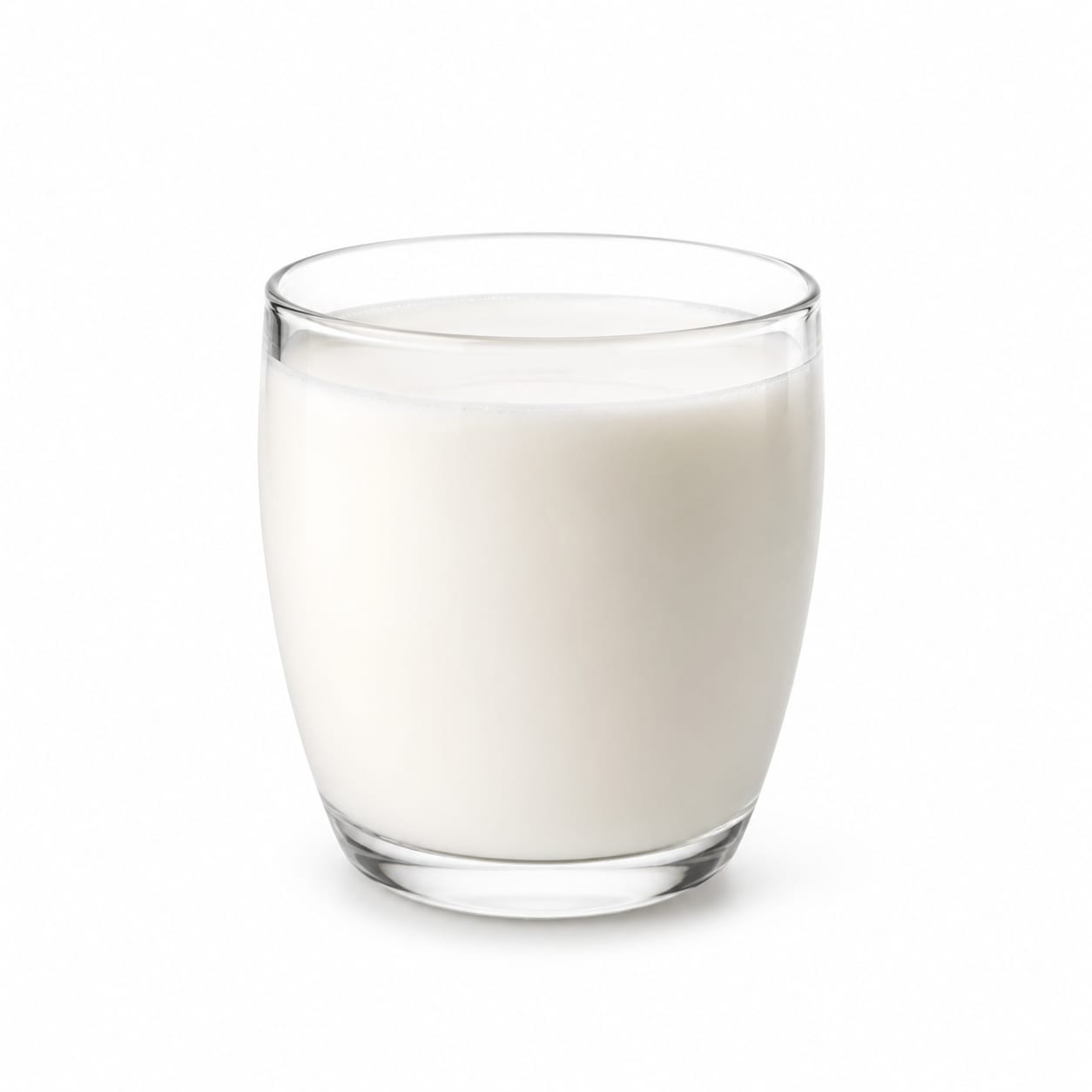
Goat Milk
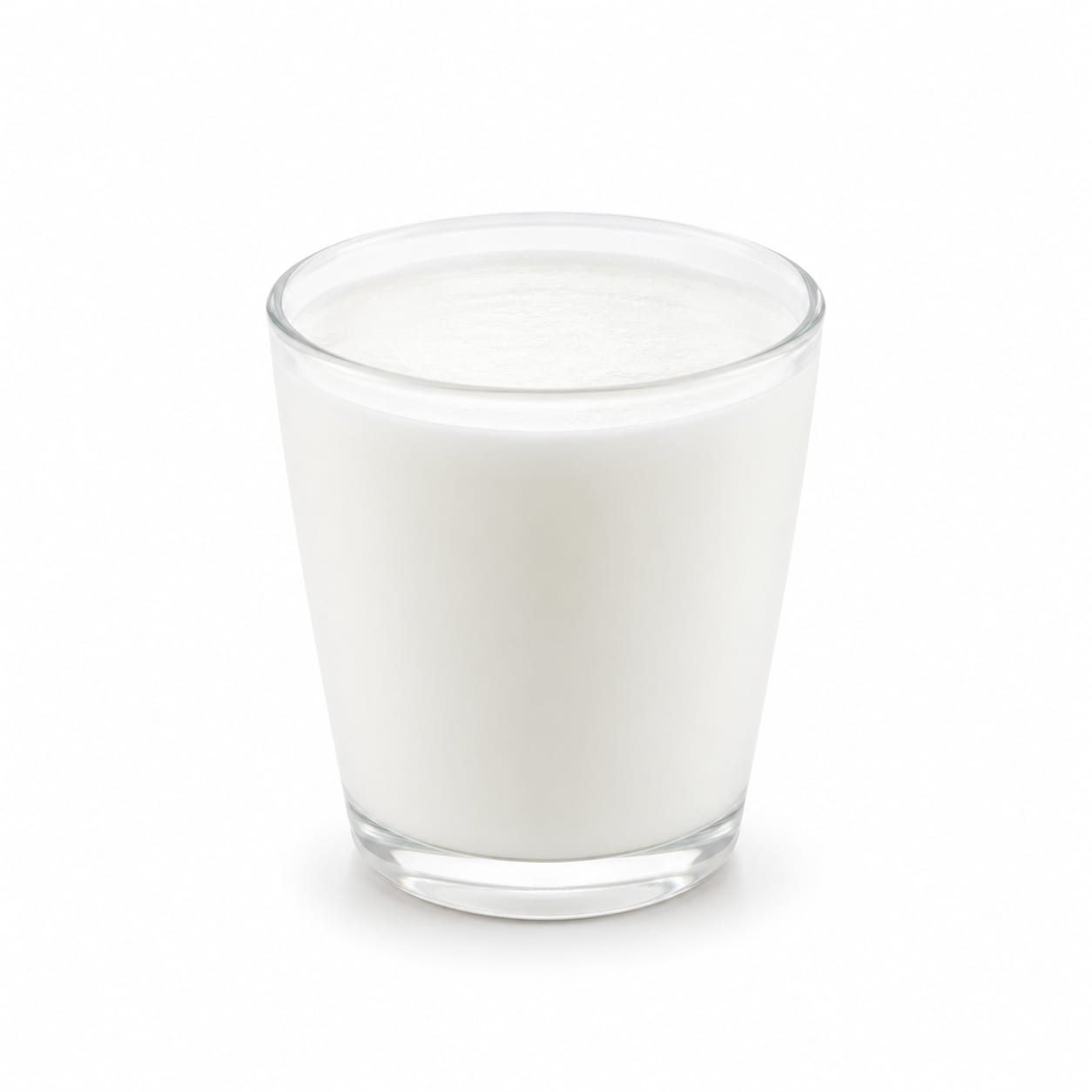
Camel Milk
Camel milk offers superior metabolic and immune benefits, but goat milk wins on practicality and everyday affordability.
Camel milk scores slightly higher for its unique metabolic and immune advantages, but goat milk remains a top-tier choice due to its realistic cost and availability for daily life.
You are trading the accessible, gut-friendly everyday nutrition of goat milk for the specialized blood-sugar and immune properties of camel milk at a high cost.
At a glance
Executive summary
Overall
It depends
Healthier
Camel Milk
More practical
Goat Milk
Daily use
Goat Milk
Key comparison lenses
Digestive tolerance and dairy allergy alternatives
Both milks are commonly sought by people struggling with cow milk digestion, but their protein structures differ significantly in how they affect allergies.
Blood sugar management
Camel milk is uniquely renowned for its insulin-like proteins, making it a focal point for diabetic or metabolic health comparisons.
Practicality and cost of daily consumption
Camel milk is extremely expensive and hard to find, while goat milk is relatively accessible, heavily impacting real-world sustainability.
Best choice for
Goat Milk
- People wanting an affordable, easy-to-find cow milk alternative
- Those with mild lactose intolerance who want a conventional-tasting milk
- Budget-conscious households seeking A2 protein benefits
Camel Milk
- People managing diabetes or insulin resistance
- Those with severe cow milk protein allergies (beta-lactoglobulin)
- Individuals seeking immune support during illness or recovery
Least suitable for
Goat Milk
- People with severe cow dairy protein allergies (cross-reactivity risk)
- Those who strongly dislike the tangy, 'goaty' flavor
Camel Milk
- Budget-conscious shoppers (it is very expensive)
- People wanting fresh, refrigerated milk in areas with limited supply
Deep comparison
Dimension by dimension
Each lens scores both foods and breaks down who each option suits.
- Dimension 1 · Priority 95Camel Milk
Digestive Tolerance & Allergy Profile
Goat Milk · 80Camel Milk · 92Camel milk lacks beta-lactoglobulin, the main protein triggering cow milk allergies, making it safer for severe dairy allergies. Goat milk is easier to digest than cow milk but still contains similar proteins that can cross-react.
Tradeoff
Goat milk is gentle for mild intolerance, but camel milk is the safer bet for true allergic immune responses.
Why it matters
If you break out, get congested, or have severe GI distress from cow milk, camel milk is less likely to trigger those specific immune alarms.
Real-world impact
Switching to camel milk can clear up chronic congestion or skin issues that persist even after switching to goat milk.
Goat Milk
- Mild lactose sensitivity
- General digestive comfort
Better for
- True cow milk protein allergy (high cross-reactivity)
Worse for
Camel Milk
- Severe cow dairy protein allergy
- Immune-mediated dairy reactions
Better for
- Budget-limited households needing daily milk
Worse for
- Dimension 2 · Priority 90Camel Milk
Blood Sugar & Metabolic Health
Goat Milk · 65Camel Milk · 95Camel milk contains insulin-like proteins and high zinc, which actively help lower blood sugar. Goat milk has standard milk sugars without the same metabolic advantage.
Tradeoff
You pay a premium for camel milk, but you get a functional food that acts almost like a mild blood-sugar stabilizer.
Why it matters
For prediabetics or diabetics, drinking camel milk can meaningfully smooth out blood sugar spikes compared to other milks.
Real-world impact
A glass of camel milk with a carb-heavy meal leads to less afternoon energy crashes and steadier focus than goat milk.
Goat Milk
- Standard nutritional needs
Better for
- Managing diabetes (higher sugar impact)
Worse for
Camel Milk
- Insulin resistance
- Type 1 or Type 2 diabetes management
- Steady energy without sugar spikes
Better for
- Those needing high-calorie weight gain
Worse for
- Dimension 3 · Priority 85Camel Milk
Nutritional Density & Immune Support
Goat Milk · 75Camel Milk · 90Camel milk is surprisingly rich in Vitamin C, iron, and unique protective proteins like lactoferrin and immunoglobulins. Goat milk offers more Vitamin A and slightly more overall calories and fat.
Tradeoff
Camel milk delivers rare immune-boosting nutrients but less overall calories, while goat milk provides richer, more satiating fat-soluble vitamins.
Why it matters
If you are recovering from illness or need immune support, camel milk acts more like a supplement. For general nourishment, goat milk feels more filling.
Real-world impact
Camel milk feels lighter in the stomach and provides a subtle nutrient boost, while goat milk feels like a comforting, creamy snack.
Goat Milk
- Getting enough calories and fats
- Vitamin A intake
Better for
- Anemia or iron deficiency
Worse for
Camel Milk
- Boosting iron levels
- Immune system support
- Getting Vitamin C in a dairy source
Better for
- Those needing high-fat nourishment
Worse for
- Dimension 4 · Priority 80Goat Milk
Practicality, Cost & Availability
Goat Milk · 90Camel Milk · 40Goat milk is available in most grocery stores at a reasonable price. Camel milk is niche, often sold as powder or ultra-pasteurized, and costs up to five times more.
Tradeoff
Camel milk's health benefits are locked behind a massive cost and accessibility barrier that makes daily use unrealistic for most.
Why it matters
A superfood you cannot afford to drink regularly does less good than a very good food you can actually sustain in your fridge.
Real-world impact
You can grab goat milk on a weekly grocery run, while camel milk usually requires online ordering, bulk buying, or settling for reconstituted powder.
Goat Milk
- Weekly grocery shopping
- Coffee and cereal pairing
- Cooking and baking
Better for
- Seeking cutting-edge functional food benefits
Worse for
Camel Milk
- Targeted therapeutic use
Better for
- Daily casual consumption
- Budget-friendly diets
Worse for
- Dimension 5 · Priority 70Goat Milk
Taste & Culinary Versatility
Goat Milk · 75Camel Milk · 60Goat milk has a familiar creamy texture with a mild tang, working well in lattes and smoothies. Camel milk tastes slightly salty, watery, and distinctly different from traditional dairy.
Tradeoff
Goat milk easily replaces cow milk in recipes, while camel milk's savory, thin profile is an acquired taste best consumed alone.
Why it matters
If your milk tastes bad to you, you will stop drinking it regardless of health benefits.
Real-world impact
Goat milk froths nicely for a morning latte; camel milk might ruin the flavor of your coffee but goes down easily as a quick chilled shot.
Goat Milk
- Making lattes and smoothies
- Baking recipes
- Those wanting a creamy mouthfeel
Better for
- People who hate 'goaty' flavors
Worse for
Camel Milk
- Those who prefer less sweet, slightly savory drinks
Better for
- Sweet recipes and desserts
- Coffee purists
Worse for
Timeline
Health impact over time
Short-term
Hours to days
Goat Milk
- Easier digestion with less bloating than cow milk
- Provides quick, satisfying calories from fat
Camel Milk
- Less likely to trigger immediate allergic skin or GI reactions
- Can help stabilize energy levels after meals
Long-term
Months to years
Goat Milk
- Supports bone density through bioavailable calcium
- Sustainable long-term cow milk alternative without financial strain
Camel Milk
- May improve HbA1c and insulin requirements in diabetics
- Enhanced immune resilience due to lactoferrin and immunoglobulins
Risk profile
Safety & processing
Both are whole, natural foods when fresh. However, because camel milk travels far to reach many markets, it is almost always ultra-pasteurized or powdered, which slightly alters its raw naturalness compared to fresh goat milk.
Goat Milk
Bacterial contamination from raw milk
mediumRaw goat milk can carry pathogens like Brucella or E. coli; pasteurization is strongly recommended.
Camel Milk
Supply chain and storage issues
mediumDue to long import distances, camel milk is often shelf-stable or powdered. If sold raw locally, the same bacterial risks as any unpasteurized milk apply.
Adulteration in unregulated markets
lowIn some regions, camel milk may be diluted with cow milk, which is dangerous for those with severe cow milk allergies.
Who wins for whom
Audience fit
Same foods, different winners depending on your goal.
children
It dependsCamel milk is closer to human milk and great for allergic kids, but goat milk is more practical and affordable for daily growth needs.
daily consumption
Goat MilkGoat milk is affordable, accessible, and tastes good enough to use every single day without hassle.
diabetes
Camel MilkCamel milk's insulin-like proteins and low glycemic impact make it uniquely suited for blood sugar management.
elderly
Camel MilkCamel milk supports blood sugar control and immune function, which are critical aging concerns, plus it is easier to digest.
muscle gain
Goat MilkGoat milk has slightly more protein and fat, providing the extra calories and amino acids needed for building mass.
weight loss
Camel MilkCamel milk is lower in fat and calories, making it a lighter option for calorie-controlled diets.
Your move
Decision guide
Choose Goat Milk
- You want a reliable, everyday cow milk alternative that will not break the bank
- You need a milk that tastes good in coffee, tea, and cereal
- You have mild lactose intolerance but no severe dairy protein allergy
Choose Camel Milk
- You are managing diabetes or insulin resistance and want dietary support
- You have a true cow milk protein allergy and cannot risk cross-reactivity
- Budget is not a barrier and you want a functional, immune-boosting food
Either works if
- You just need a gut-friendly alternative to cow milk
- You are looking for A2 protein sources
Avoid both if
- You have a severe dairy allergy and cannot verify camel milk purity
- You are strictly vegan or avoiding all animal milk
Final recommendation
Let your budget and health goals decide. If you are fighting blood sugar issues or severe allergies, camel milk is worth the high cost. For everyone else looking for a simple, sustainable upgrade from cow milk, goat milk is the smartest everyday choice.
Practical
Consumer tips
- 1
Start with a small amount of either milk to test your digestive reaction before committing to a full glass.
- 2
If buying camel milk, check if it is fresh, ultra-pasteurized, or powdered—fresh is best for nutrient retention, but powder is more affordable.
- 3
If goat milk tastes too tangy, try cold-pressed or ultra-pasteurized versions, which often have a milder flavor.
- 4
Never give raw versions of either milk to young children, the elderly, or immunocompromised individuals.