
Nutrition comparison
Goat Milk vs Whole Cow Milk: Which Is Healthier for You?
Compare goat milk and whole cow milk on digestion, nutrition, taste, and daily practicality. Find out which milk fits your body and lifestyle better.
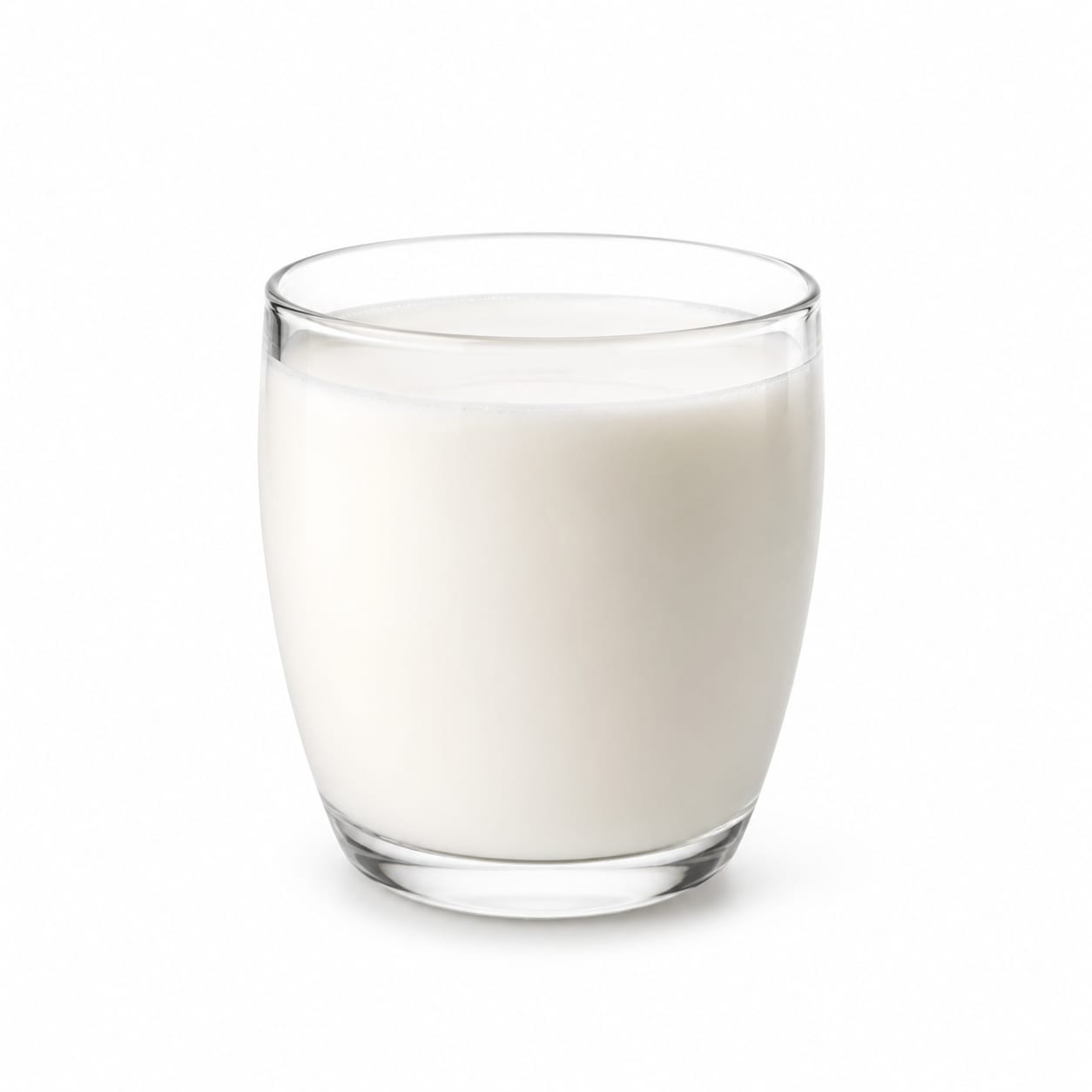
Goat Milk
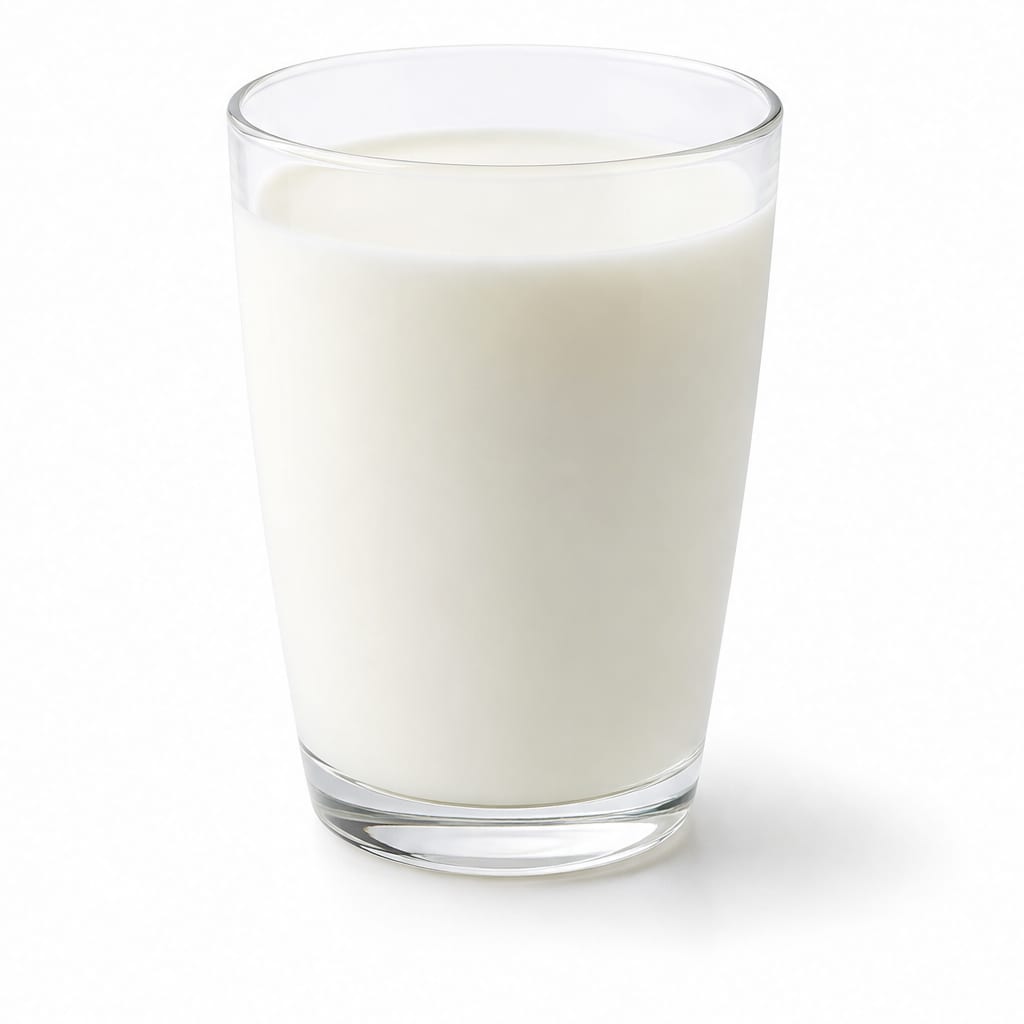
Whole Cow Milk
Goat Milk is gentler on digestion and better for sensitive stomachs, while Whole Cow Milk is more nutritionally complete and far more practical for daily life.
Whole Cow Milk scores slightly higher due to broader availability, lower cost, and more complete B-vitamin content. Goat Milk earns strong marks for digestibility but loses ground on practicality and nutritional gaps.
Digestive comfort and tolerability versus nutritional completeness and everyday convenience
At a glance
Executive summary
Overall
It depends
Healthier
It depends
More practical
Whole Cow Milk
Daily use
Whole Cow Milk
Key comparison lenses
digestive tolerance
The primary reason people switch from cow milk to goat milk is easier digestion and reduced discomfort
allergen sensitivity
Many users exploring goat milk have cow milk protein sensitivity or mild dairy intolerance
nutritional completeness
Both are whole dairy foods but differ meaningfully in B12, folate, and vitamin A content
everyday practicality
Availability, cost, and taste familiarity heavily influence which milk people actually stick with
bone health support
Calcium and vitamin D content matter for long-term skeletal health decisions
Best choice for
Goat Milk
- People with mild cow dairy sensitivity
- Those who experience bloating or gas from cow milk
- Anyone seeking easier-to-digest dairy
- People with mild casein intolerance
- Those willing to pay more for better digestive comfort
Whole Cow Milk
- Families needing affordable, widely available milk
- Anyone prioritizing B12 and folate intake
- People who want fortified vitamin D options
- Those unfamiliar with or put off by goat milk flavor
- Budget-conscious shoppers
Least suitable for
Goat Milk
- Anyone with severe lactose intolerance (still contains lactose)
- People with cow milk allergy (cross-reactivity risk)
- Those on tight grocery budgets
- Anyone who dislikes earthy or tangy flavors
Whole Cow Milk
- People with cow milk protein sensitivity
- Those who experience bloating or congestion from cow dairy
- Anyone with confirmed alpha-s1-casein reactivity
- People seeking lower inflammatory dairy options
Deep comparison
Dimension by dimension
Each lens scores both foods and breaks down who each option suits.
- Dimension 1 · Priority 95Goat Milk
digestive_tolerance
Goat Milk · 88Whole Cow Milk · 58Goat Milk is significantly easier to digest for most people due to smaller fat globules and a different protein structure.
Tradeoff
Goat Milk still contains lactose, so it is not a solution for truly lactose-intolerant individuals.
Why it matters
If cow milk causes bloating, gas, or stomach heaviness, goat milk often feels noticeably lighter and more comfortable.
Real-world impact
You can drink goat milk with your morning coffee or cereal without that sluggish, heavy feeling that cow milk sometimes brings.
Goat Milk
- Mild dairy sensitivity
- Irritable bowel tendencies
- Post-meal bloating from cow dairy
Better for
- Severe lactose intolerance (still triggers symptoms)
Worse for
Whole Cow Milk
- People with no digestive issues at all
- Those already accustomed to cow milk with zero discomfort
Better for
- Anyone who feels heavy or gassy after cow milk
- Mild casein sensitivity
Worse for
- Dimension 2 · Priority 82Whole Cow Milk
nutritional_completeness
Goat Milk · 68Whole Cow Milk · 85Whole Cow Milk provides more B12, folate, and often more vitamin D through fortification, making it a more complete nutrient package.
Tradeoff
Goat Milk has more medium-chain triglycerides and preformed vitamin A, but falls short on B vitamins critical for energy and nerve health.
Why it matters
If dairy is a major daily nutrient source for you, the B12 and folate gap in goat milk matters over time.
Real-world impact
Relying solely on goat milk without other B12 sources could leave you feeling fatigued or mentally foggy over months.
Goat Milk
- Medium-chain fatty acid intake
- Preformed vitamin A availability
Better for
- Vegans or vegetarians relying on it as a primary B12 source
- Pregnant women needing maximum folate
Worse for
Whole Cow Milk
- B12 and folate needs
- Vitamin D through fortification
- Overall nutrient reliability as a dietary staple
Better for
- Those specifically seeking MCTs for energy metabolism
Worse for
- Dimension 3 · Priority 88Goat Milk
allergen_profile
Goat Milk · 75Whole Cow Milk · 50Goat Milk contains less alpha-s1-casein, the protein most commonly triggering cow milk reactions, making it tolerable for some sensitive individuals.
Tradeoff
Goat Milk is not hypoallergenic. People with true cow milk allergy can still react due to cross-reactivity with other milk proteins.
Why it matters
If you get congestion, skin reactions, or inflammation from cow milk but test negative for true allergy, goat milk might work well.
Real-world impact
Switching to goat milk could clear up that lingering post-nasal drip or skin flare-up that cow milk triggers.
Goat Milk
- Mild cow milk protein sensitivity
- Non-allergic dairy reactivity
- Inflammatory skin responses to cow dairy
Better for
- Confirmed IgE-mediated cow milk allergy
- Severe anaphylactic dairy allergy
Worse for
Whole Cow Milk
- People with no protein sensitivity whatsoever
Better for
- Casein-sensitive individuals
- People experiencing congestion or eczema from cow dairy
Worse for
- Dimension 4 · Priority 78Whole Cow Milk
practicality_and_availability
Goat Milk · 42Whole Cow Milk · 92Whole Cow Milk is available everywhere, costs less, and tastes familiar. Goat Milk is harder to find, more expensive, and has a learning curve.
Tradeoff
You pay a premium and sacrifice convenience for the digestive benefits of goat milk.
Why it matters
The best food choice is one you can actually sustain. If goat milk is hard to find or too costly, consistency suffers.
Real-world impact
Running out of goat milk means a special trip to a specialty store. Cow milk is at every corner store and coffee shop.
Goat Milk
- Access to specialty grocers or farms
- Budget flexibility for premium dairy
Better for
- Rural areas with limited specialty options
- Large families watching grocery costs
Worse for
Whole Cow Milk
- Everyday grocery shopping
- Coffee shop and restaurant compatibility
- Family-sized bulk purchasing
- Tight grocery budgets
Better for
- Those willing to prioritize comfort over convenience
Worse for
- Dimension 5 · Priority 70Whole Cow Milk
taste_and_palatability
Goat Milk · 55Whole Cow Milk · 82Whole Cow Milk has a neutral, creamy taste most people grew up with. Goat Milk has a distinct earthy tang that takes adjustment.
Tradeoff
Goat Milk's flavor can be off-putting initially but some people come to prefer its richness and depth.
Why it matters
If you dislike the taste, you will not drink it regularly regardless of health benefits.
Real-world impact
Your morning latte will taste noticeably different with goat milk. Some love it, others find it hard to accept.
Goat Milk
- Adventurous eaters
- Those who enjoy tangy or earthy flavors
- Certain traditional cuisines
Better for
- Anyone sensitive to gamey or tangy flavors
- Children used to cow milk taste
Worse for
Whole Cow Milk
- Kids and picky eaters
- Standard recipes and baking
- Social settings and shared meals
Better for
- People bored with neutral dairy flavors
Worse for
- Dimension 6 · Priority 72Whole Cow Milk
bone_health_support
Goat Milk · 70Whole Cow Milk · 80Both provide good calcium, but Whole Cow Milk is more consistently fortified with vitamin D, which is essential for calcium absorption.
Tradeoff
Goat Milk has comparable calcium content but vitamin D fortification is less common and less standardized.
Why it matters
Without adequate vitamin D, even high calcium intake does not fully protect bone density.
Real-world impact
If you live in a northern climate with low sun exposure, relying on goat milk alone may not provide enough vitamin D for bone protection.
Goat Milk
- Adequate sun exposure or separate vitamin D supplementation
Better for
- Northern latitude residents without vitamin D supplements
Worse for
Whole Cow Milk
- Those relying on milk as a primary vitamin D source
- Older adults needing reliable bone support
- Winter months with low sunlight
Better for
- Those already supplementing vitamin D independently
Worse for
Timeline
Health impact over time
Short-term
Hours to days
Goat Milk
- Less bloating and gas after drinking compared to cow milk for sensitive individuals
- Lighter stomach feeling due to smaller fat globules and different protein curd formation
- Possible adjustment period for the distinct flavor
Whole Cow Milk
- More filling and satisfying due to familiar taste and texture
- Possible bloating or nasal congestion for sensitive individuals
- Immediate access to B12 and fortified vitamin D
Long-term
Months to years
Goat Milk
- Better digestive comfort sustained over time for sensitive individuals
- Potential B12 and folate deficiency if goat milk is the sole dairy source without dietary compensation
- Possible lower inflammatory burden for those reactive to cow dairy proteins
Whole Cow Milk
- Reliable long-term B12, folate, and vitamin D intake if consumed regularly
- Persistent low-grade inflammation or congestion for those with undiagnosed cow dairy sensitivity
- Well-established bone density support when fortified
Risk profile
Safety & processing
Both goat milk and whole cow milk are minimally processed whole foods. Neither typically contains artificial additives when purchased as standard whole milk. The main difference is that cow milk is more commonly fortified with vitamins A and D, while goat milk is often sold without fortification.
Goat Milk
Pathogen contamination from raw goat milk
mediumRaw goat milk carries similar pathogen risks as raw cow milk. Always choose pasteurized unless you have a trusted source and understand the risks.
Cross-reactivity for cow milk allergy
highPeople with true cow milk allergy can experience severe reactions to goat milk due to shared protein structures. This is not a safe substitute for diagnosed dairy allergy.
Whole Cow Milk
Antibiotic and hormone residues
mediumConventional cow milk may contain trace antibiotic or hormone residues. Organic options significantly reduce this concern.
Pathogen contamination from raw milk
mediumUnpasteurized whole cow milk can harbor dangerous bacteria. Pasteurization eliminates this risk effectively.
Who wins for whom
Audience fit
Same foods, different winners depending on your goal.
children
Whole Cow MilkWhole Cow Milk is pediatrician-recommended for its complete nutrition, familiar taste, and reliable fortification. Goat Milk can work but requires careful attention to B12 and folate intake from other sources.
daily consumption
Whole Cow MilkWhole Cow Milk is easier to find, more affordable, and more nutritionally consistent for everyday use. Goat Milk works well daily only if you have reliable access and supplement B12 separately.
diabetes
It dependsBoth have similar lactose and sugar content. Neither is clearly superior for blood sugar management. Portion control matters more than the milk type.
elderly
Whole Cow MilkOlder adults benefit most from the reliable vitamin D fortification and B12 content in whole cow milk, both critical for bone density and cognitive health in aging.
muscle gain
Whole Cow MilkWhole Cow Milk has slightly more protein per serving and more B12 for energy metabolism, making it marginally better for supporting muscle recovery and growth.
weight loss
It dependsBoth have similar calorie and fat content. Neither is inherently better for weight loss. Choose whichever you digest more comfortably, as better digestion supports better appetite regulation.
Your move
Decision guide
Choose Goat Milk
- You experience bloating, gas, or heaviness after drinking cow milk
- You have mild cow dairy protein sensitivity but not a true allergy
- You are willing to pay more and seek out specialty stores for better digestive comfort
- You enjoy or can adapt to the tangy, earthy flavor
- You already supplement B12 and vitamin D independently
Choose Whole Cow Milk
- You digest cow milk without any discomfort
- You want the most affordable and widely available option
- You rely on milk as a significant B12, folate, or vitamin D source
- You have kids who need familiar-tasting milk they will actually drink
- You cook or bake regularly and need a neutral-flavored dairy
Either works if
- You have no digestive issues with either milk
- You supplement B12 and vitamin D regardless of milk choice
- You rotate between both for variety
Avoid both if
- You have confirmed lactose intolerance (consider lactose-free or plant-based alternatives)
- You have a diagnosed dairy allergy (both carry cross-reactivity risk)
- You are strictly vegan
Final recommendation
If cow milk sits well with you, stick with it for the nutritional edge and convenience. If your stomach disagrees, goat milk is a worthwhile upgrade that actually feels better to drink. Just remember to cover the B12 and vitamin D gaps through other foods or supplements.
Practical
Consumer tips
- 1
Try a small amount of goat milk before committing to a full switch. The flavor surprises some people.
- 2
If you choose goat milk long-term, add a B12-rich food like eggs or nutritional yeast to compensate for the lower content.
- 3
Look for fortified goat milk if available. Some brands now add vitamin D to close the gap with cow milk.
- 4
Buy organic cow milk if concerned about antibiotic or hormone residues. The price gap with goat milk narrows significantly.
- 5
Goat milk works surprisingly well in savory dishes like curries and soups where its tangy flavor complements spices.
- 6
If you experience congestion or skin issues from cow milk, try eliminating it for two weeks and substituting goat milk to see if symptoms improve.