
Nutrition comparison
Goat Milk vs Unsweetened Oat Milk: Nutrition, Digestion & Taste
Comparing goat milk and unsweetened oat milk? Discover which is better for protein, digestion, and weight loss, plus the hidden tradeoffs in processing and additives.
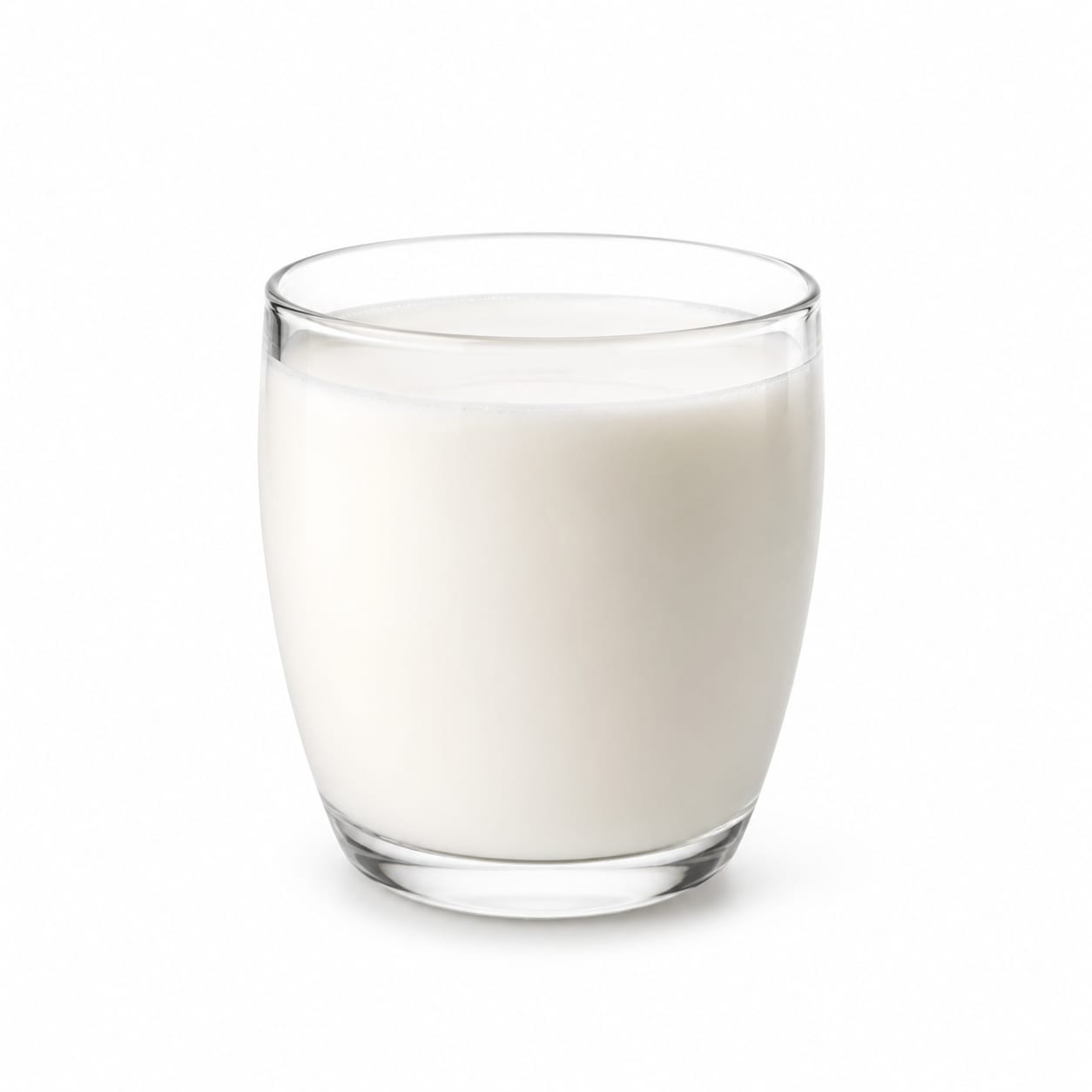
Goat Milk
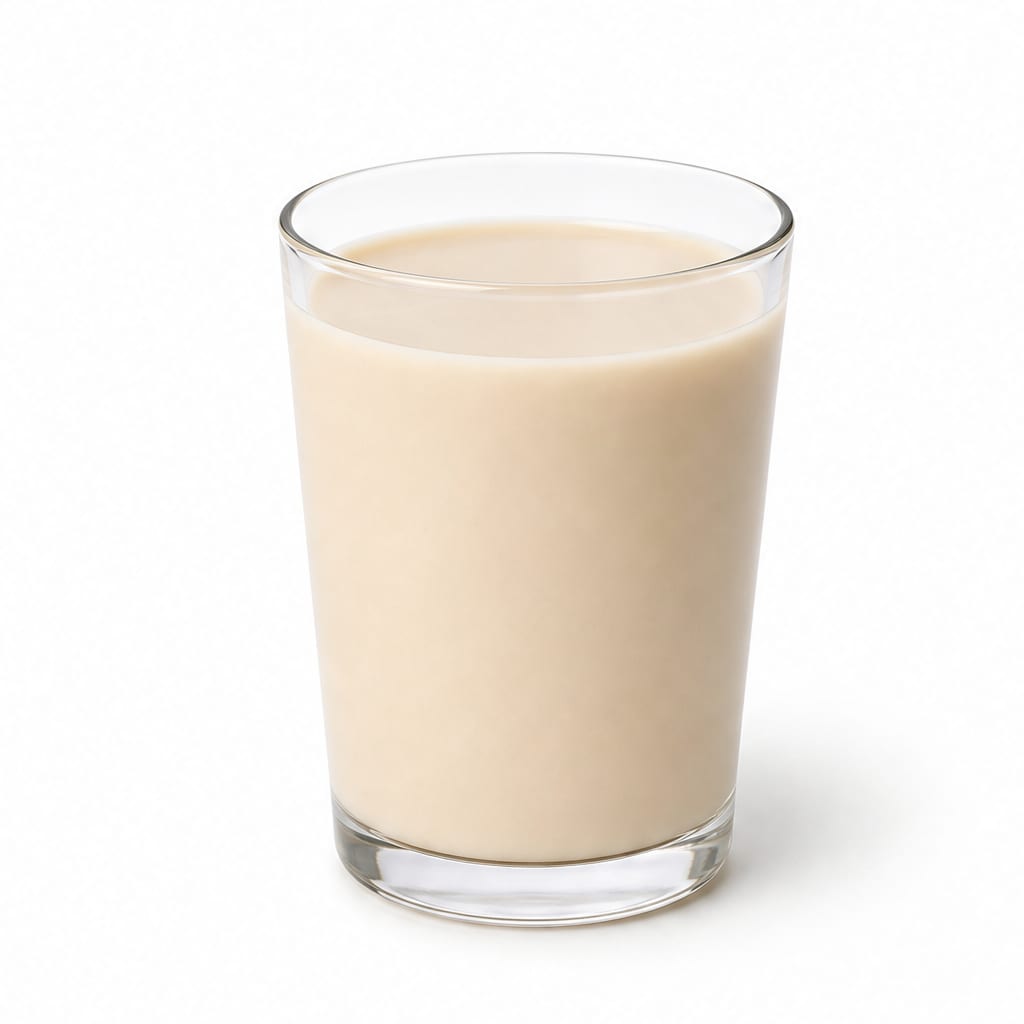
Unsweetened Oat Milk
Goat milk delivers real protein and natural nutrition, while unsweetened oat milk offers a lighter, plant-based, and lactose-free experience.
Goat milk scores higher for natural nutrient density and protein, but unsweetened oat milk remains competitive due to its low calorie count and digestive ease.
Whole-food nourishment and fullness from goat milk versus the low-calorie, gut-friendly convenience of unsweetened oat milk.
At a glance
Executive summary
Overall
It depends
Healthier
It depends
More practical
Unsweetened Oat Milk
Daily use
It depends
Key comparison lenses
Dairy vs Plant-Based Digestibility
Users comparing these are often navigating lactose sensitivity or dairy intolerance while seeking a comforting milk alternative.
Protein and Satiety Value
Goat milk provides substantial natural protein, while unsweetened oat milk is notoriously low in protein, impacting fullness.
Processing and Additive Exposure
Goat milk is a whole food, whereas unsweetened oat milk requires industrial processing, often involving gums, oils, and fortified vitamins.
Blood Sugar and Weight Management
Unsweetened oat milk is lower in calories and sugar, but goat milk offers steadier energy from protein and fat.
Best choice for
Goat Milk
- People needing high-quality protein for muscle maintenance
- Anyone seeking a minimally processed, whole-food beverage
- Those wanting better satiety to curb snacking
Unsweetened Oat Milk
- Vegans and plant-based eaters
- People with lactose intolerance or dairy sensitivities
- Calorie-conscious individuals wanting a light milk substitute
Least suitable for
Goat Milk
- Strict vegans
- People with severe lactose intolerance
- Those strictly limiting saturated fat
Unsweetened Oat Milk
- Infants and toddlers needing complete nutrition
- People avoiding ultra-processed foods and additives
- Those relying on milk as a primary protein source
Deep comparison
Dimension by dimension
Each lens scores both foods and breaks down who each option suits.
- Dimension 1 · Priority 95Goat Milk
Protein and Satiety
Goat Milk · 88Unsweetened Oat Milk · 25Goat milk provides about 8 grams of complete protein per cup, while unsweetened oat milk typically offers only 1 to 3 grams.
Tradeoff
You get genuine fullness and muscle support from goat milk, whereas oat milk leaves you searching for protein elsewhere in your meal.
Why it matters
Protein is the main driver of satiety. A goat milk smoothie will keep you full for hours; an oat milk one might leave you hungry an hour later.
Real-world impact
Choosing goat milk means fewer mid-morning cravings. Unsweetened oat milk requires pairing with a solid protein source to avoid an energy crash.
Goat Milk
- Post-workout recovery
- Breakfast smoothies meant to last until lunch
Better for
- Very light meals where you want minimal calorie density
Worse for
Unsweetened Oat Milk
- Light late-night drinks when you want minimal digestion
Better for
- Main meals where the milk is your only protein source
Worse for
- Dimension 2 · Priority 90Unsweetened Oat Milk
Digestibility and Gut Comfort
Goat Milk · 65Unsweetened Oat Milk · 92Unsweetened oat milk is naturally lactose-free and easy on the stomach. Goat milk is easier to digest than cow milk but still contains lactose.
Tradeoff
Oat milk guarantees no bloating for lactose-sensitive individuals, while goat milk offers smaller fat globules that digest easier than cow dairy but can still trigger intolerance.
Why it matters
Digestive discomfort can ruin your day. If dairy causes bloating or gas, the plant-based route is the safest bet.
Real-world impact
Unsweetened oat milk lets you enjoy cereal or coffee without worrying about stomach rumbles during your morning commute.
Goat Milk
- People who tolerate dairy well and want the digestive benefits of A2 proteins
Better for
- Those with even mild lactose sensitivity
Worse for
Unsweetened Oat Milk
- Anyone with diagnosed lactose intolerance
- People prone to dairy-related bloating
Better for
- Those with severe gluten intolerance or celiac (due to potential oat cross-contamination)
Worse for
- Dimension 3 · Priority 85Goat Milk
Processing and Additives
Goat Milk · 90Unsweetened Oat Milk · 35Goat milk is a whole food with one ingredient. Unsweetened oat milk requires industrial processing and usually contains thickeners, oils, and fortified vitamins.
Tradeoff
You get clean-label simplicity with goat milk, but you accept industrial additives like rapeseed oil or gums with oat milk.
Why it matters
Minimally processed foods are generally better for long-term metabolic health and easier for the body to recognize and utilize.
Real-world impact
Pouring goat milk means pouring a natural product. Pouring oat milk means consuming a manufactured liquid designed to mimic creaminess.
Goat Milk
- Clean-eating advocates
- People avoiding emulsifiers and seed oils
Better for
- Quick trips where refrigeration is an issue
Worse for
Unsweetened Oat Milk
- Situations where shelf-stable convenience is the top priority
Better for
- Anyone actively reducing their intake of food additives
Worse for
- Dimension 4 · Priority 80Unsweetened Oat Milk
Calorie and Weight Management
Goat Milk · 55Unsweetened Oat Milk · 85Unsweetened oat milk typically contains half the calories of whole goat milk, making it a lighter choice for daily use.
Tradeoff
Oat milk saves calories but sacrifices the fat and protein that naturally prevent overeating later.
Why it matters
If you drink multiple glasses a day, the calorie difference adds up. But if the lack of fat makes you hungrier, the savings vanish.
Real-world impact
Unsweetened oat milk is great for large lattes where you want the volume without the heavy caloric load of dairy.
Goat Milk
- Keto or low-carb dieters needing higher fat intake
Better for
- Aggressive fat-loss phases requiring strict calorie control
Worse for
Unsweetened Oat Milk
- Calorie counters who drink milk by the glass
- People managing portion sizes visually
Better for
- High-activity days where you need dense, lasting energy
Worse for
- Dimension 5 · Priority 75Goat Milk
Blood Sugar Stability
Goat Milk · 78Unsweetened Oat Milk · 65Goat milk contains natural lactose sugar but is balanced by protein and fat. Unsweetened oat milk has no sugar but is mostly carbohydrate with minimal protein.
Tradeoff
Goat milk gives a slower energy release due to its macronutrient balance, while oat milk’s carbs can cause a quicker rise if consumed alone.
Why it matters
Drinking a carb-heavy, low-protein beverage alone can lead to an afternoon energy dip, even if it has zero added sugar.
Real-world impact
A glass of goat milk feels like a mini-meal. A glass of unsweetened oat milk feels like flavored water that might not sustain your energy.
Goat Milk
- Fasting windows where you need a blood-sugar-friendly break
Better for
- Those who need absolutely zero sugar intake
Worse for
Unsweetened Oat Milk
- Diabetics strictly counting carbohydrate grams
Better for
- Mid-afternoon slumps when consumed without a protein-rich snack
Worse for
Timeline
Health impact over time
Short-term
Hours to days
Goat Milk
- Provides immediate, lasting satiety
- May cause bloating if you are lactose intolerant
Unsweetened Oat Milk
- Feels light and refreshing in the stomach
- Unlikely to cause any dairy-related digestive distress
Long-term
Months to years
Goat Milk
- Supports bone density and muscle preservation via bioavailable calcium and protein
- Regular consumption contributes saturated fat to the diet
Unsweetened Oat Milk
- May lead to protein gaps if not compensated elsewhere in the diet
- Exposure to regular food additives like gums and fortifiers
Risk profile
Safety & processing
Goat milk is simply pasteurized animal milk. Unsweetened oat milk is a manufactured liquid extracted from oats, typically bound with oils and stabilized with gums to mimic the mouthfeel of dairy.
Goat Milk
Lactose intolerance reaction
mediumContains natural lactose which can cause significant digestive upset for sensitive individuals.
Bacterial contamination if unpasteurized
mediumRaw goat milk carries a risk of foodborne illness; pasteurization mitigates this.
Unsweetened Oat Milk
Gluten cross-contamination
lowOats are inherently gluten-free but are frequently processed on shared equipment with wheat, posing a risk for celiacs.
Pesticide residue from conventional oats
mediumOats are commonly sprayed with glyphosate as a desiccant before harvest, making organic options preferable.
Emulsifier sensitivity
lowAdditives like gellan gum or rapeseed oil can cause mild stomach upset in sensitive people.
Who wins for whom
Audience fit
Same foods, different winners depending on your goal.
children
Goat MilkGrowing children need the dense calories, fat, and bioavailable protein that goat milk naturally provides.
daily consumption
It dependsChoose goat milk if you tolerate dairy and need the protein; choose unsweetened oat milk if you are plant-based or calorie-conscious.
diabetes
Unsweetened Oat MilkUnsweetened oat milk contains zero sugar, whereas goat milk contains natural lactose sugars that impact blood glucose.
elderly
Goat MilkThe high bioavailable calcium and protein in goat milk help combat age-related muscle loss and bone density decline.
muscle gain
Goat MilkGoat milk provides high-quality, complete protein essential for muscle repair and growth.
weight loss
Unsweetened Oat MilkUnsweetened oat milk is lower in calories and fat, making it easier to fit into a calorie deficit.
Your move
Decision guide
Choose Goat Milk
- You want a whole food with no additives or gums
- You need a satisfying drink that keeps you full for hours
- You tolerate dairy well and want bioavailable calcium and protein
Choose Unsweetened Oat Milk
- You are vegan or strictly avoiding animal products
- Dairy causes you bloating, gas, or skin issues
- You want a low-calorie base for your daily coffee or smoothies
Either works if
- You only need a splash of milk for tea or coffee
- You are mixing it into a protein shake where the milk's protein content is irrelevant
Avoid both if
- You have severe allergies to both dairy and gluten/oats
- You are looking for a high-carb, energy-dense recovery drink
Final recommendation
Let your digestion and protein needs decide. If you tolerate dairy and want real nourishment, goat milk is the superior whole food. If you want a light, plant-based, and lactose-free option, unsweetened oat milk is your go-to, just be mindful of its additives and lack of protein.
Practical
Consumer tips
- 1
If choosing unsweetened oat milk, look for organic brands to avoid glyphosate residue from conventional oat farming.
- 2
Check the ingredient list on oat milk to avoid added rapeseed or canola oils if you prefer a cleaner label.
- 3
If goat milk tastes too gamey, try freezing it briefly or shaking it vigorously; the flavor is often in the fat, and blending helps mask it.
- 4
Never substitute unsweetened oat milk for goat milk in infant formula or toddler diets without pediatric approval, as it lacks essential fats and protein for development.