
Nutrition comparison
Goat Milk vs Unsweetened Almond Milk: Nutrition & Taste Comparison
Compare Goat Milk and Unsweetened Almond Milk to see which is better for weight loss, digestion, and daily nutrition. Discover the pros and cons of each.
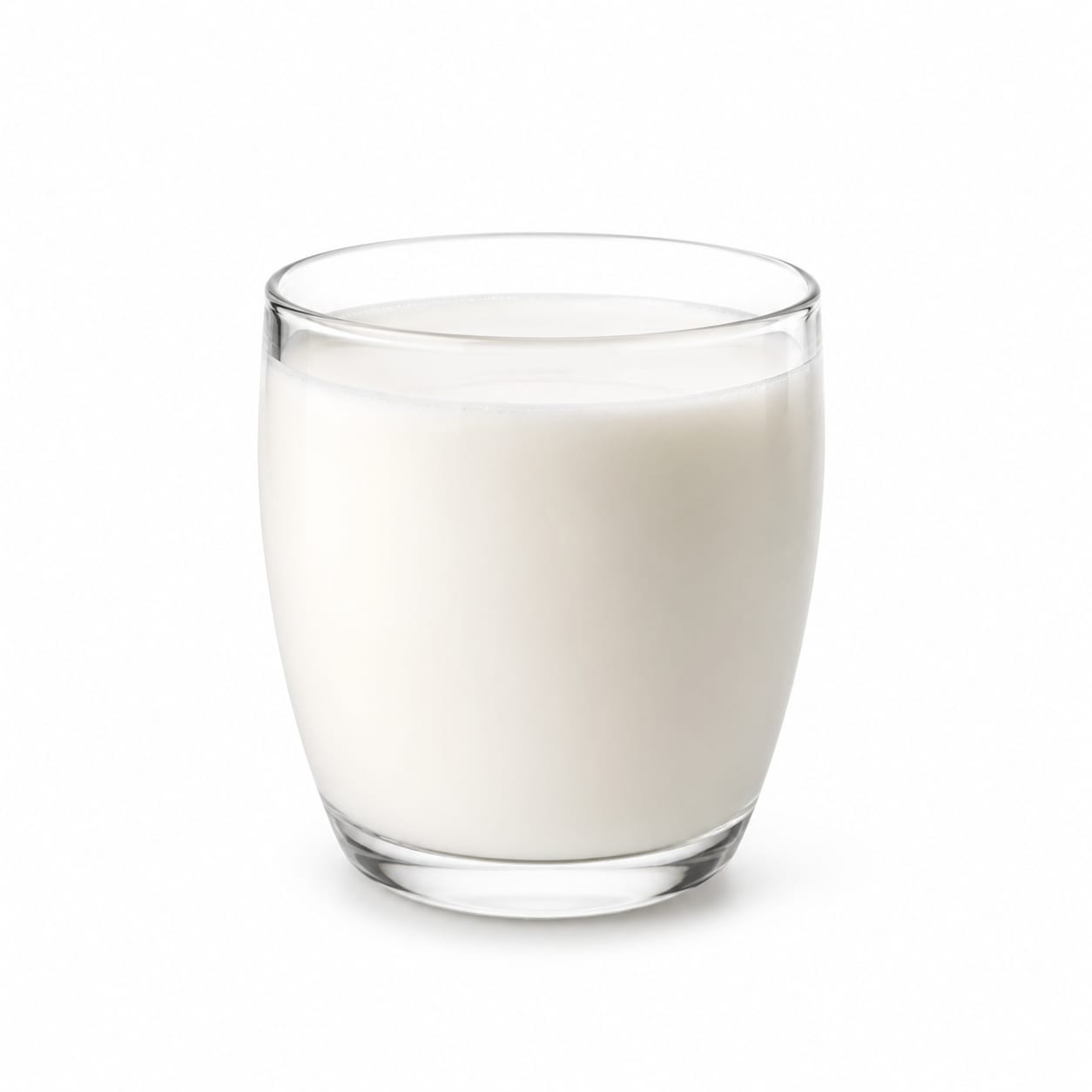
Goat Milk
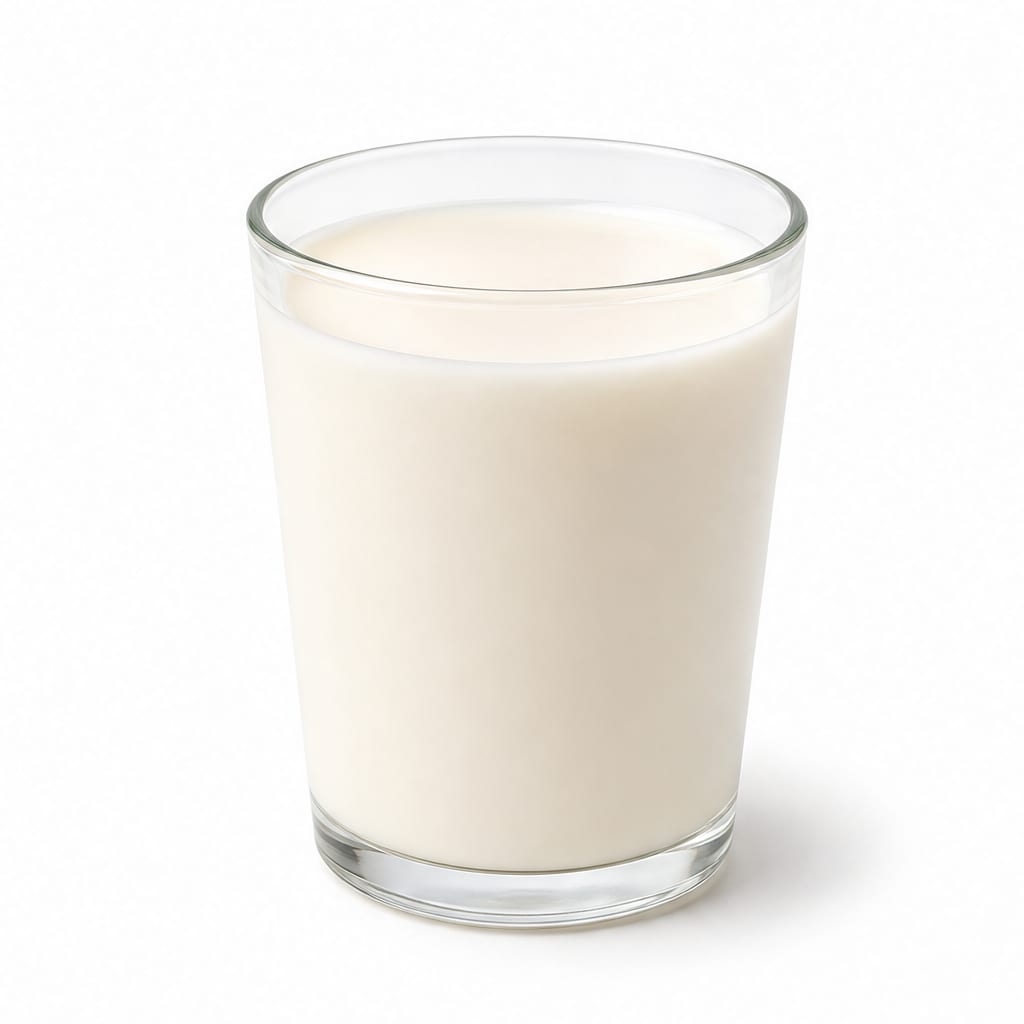
Unsweetened Almond Milk
Goat Milk provides real nutrition and satiety, while Unsweetened Almond Milk offers a near-zero calorie hydration alternative.
Goat Milk scores higher for natural nutrition and satiety, but Unsweetened Almond Milk scores well for weight management and lactose-free convenience, making the overall winner highly context-dependent.
Substantial calories and protein versus minimal calories and higher processing.
At a glance
Executive summary
Overall
It depends
Healthier
It depends
More practical
Unsweetened Almond Milk
Daily use
It depends
Key comparison lenses
Caloric density vs nutritional density
Goat Milk is a calorie-dense whole food, while Unsweetened Almond Milk is essentially flavored water with minimal calories or macros.
Dairy tolerance and digestibility
Users comparing these often have dairy sensitivities and want to know if Goat Milk is a viable alternative to plant milks.
Whole food vs processed beverage
Goat Milk is a single-ingredient food, whereas Unsweetened Almond Milk requires industrial processing, emulsifiers, and fortification.
Protein and satiety contribution
Goat Milk provides genuine protein and fullness, while Unsweetened Almond Milk offers neither.
Best choice for
Goat Milk
- Growing children needing bioavailable calcium
- People looking for a filling, protein-rich beverage
- Those wanting a minimally processed dairy alternative to cow's milk
Unsweetened Almond Milk
- Strict calorie counters
- People with severe lactose intolerance or dairy allergies
- Vegans avoiding all animal products
Least suitable for
Goat Milk
- Vegans
- People on strict low-calorie diets
- Those with dairy allergies
Unsweetened Almond Milk
- People needing protein from their milk
- Those avoiding emulsifiers and fortified nutrients
- Infants and toddlers needing real dairy nutrition
Deep comparison
Dimension by dimension
Each lens scores both foods and breaks down who each option suits.
- Dimension 1 · Priority 95Goat Milk
Satiety & Protein Content
Goat Milk · 88Unsweetened Almond Milk · 25Goat Milk is genuinely filling with 8g of protein per cup, whereas Unsweetened Almond Milk barely registers on the satiety scale with just 1g of protein.
Tradeoff
You get lasting energy and fullness from Goat Milk, but it comes with significantly more calories.
Why it matters
Drinking a beverage that actually satisfies can prevent overeating later in the day.
Real-world impact
A glass of Goat Milk can tide you over between meals; Unsweetened Almond Milk will not touch your hunger.
Goat Milk
- Post-workout recovery
- Breakfast pairing for lasting energy
Better for
- Strict calorie deficits
Worse for
Unsweetened Almond Milk
- Light hydration without feeling heavy
Better for
- Replacing a meal or snack
Worse for
- Dimension 2 · Priority 90Unsweetened Almond Milk
Caloric Density & Weight Management
Goat Milk · 55Unsweetened Almond Milk · 95Unsweetened Almond Milk is a dieter's dream at around 30-40 calories per cup, while Goat Milk sits at about 168 calories.
Tradeoff
You save massive calories with Almond Milk, but you sacrifice the nutritional payload that makes the calories worthwhile.
Why it matters
If you are tracking every calorie, swapping Goat Milk for Almond Milk saves over 100 calories per cup.
Real-world impact
Using Unsweetened Almond Milk in smoothies or coffee keeps the calorie count low; Goat Milk turns them into a rich, calorie-dense treat.
Goat Milk
- Bulking up
- Getting enough calories on a busy day
Better for
- Aggressive fat loss phases
Worse for
Unsweetened Almond Milk
- Cutting calories effortlessly
- Volume eating
Better for
- Recovering from illness or needing weight gain
Worse for
- Dimension 3 · Priority 88It depends
Digestibility & Lactose Tolerance
Goat Milk · 75Unsweetened Almond Milk · 90Unsweetened Almond Milk is naturally lactose-free, while Goat Milk has less lactose than cow's milk and smaller fat globules, making it easier to digest for some.
Tradeoff
Goat Milk is gentler than cow's milk but still contains lactose; Almond Milk eliminates lactose entirely but contains plant fibers and emulsifiers that can bother sensitive stomachs.
Why it matters
Bloating and digestive discomfort can ruin your day, making tolerance a key deciding factor.
Real-world impact
If cow's milk upsets your stomach, Goat Milk might be a comfortable middle ground, but Unsweetened Almond Milk is the safest bet for total dairy avoidance.
Goat Milk
- Those with mild lactose sensitivity who still want dairy nutrition
Better for
- Anyone with a true dairy allergy
Worse for
Unsweetened Almond Milk
- Severe lactose intolerance
- Vegan diets
Better for
- People sensitive to carrageenan or gums
Worse for
- Dimension 4 · Priority 85Goat Milk
Bone Health & Micronutrients
Goat Milk · 85Unsweetened Almond Milk · 70Goat Milk delivers naturally occurring calcium, phosphorus, and vitamin D, while Unsweetened Almond Milk relies on synthetic fortification to hit similar numbers.
Tradeoff
Natural nutrient complexes in Goat Milk are often absorbed better, but Almond Milk still gets the calcium numbers up through fortification.
Why it matters
Getting calcium from a whole food matrix often provides better absorption and co-factors than isolated fortified vitamins.
Real-world impact
Relying on Almond Milk for calcium works on paper, but Goat Milk offers a more bioavailable, whole-food package for bone strength.
Goat Milk
- Natural nutrient seekers
- Pregnant women needing highly bioavailable minerals
Better for
- Those who must avoid dairy entirely
Worse for
Unsweetened Almond Milk
- Vegans needing a calcium source
Better for
- Those who prefer avoiding synthetic vitamin fortification
Worse for
- Dimension 5 · Priority 80Goat Milk
Processing & Additives
Goat Milk · 90Unsweetened Almond Milk · 45Goat Milk is a whole, minimally processed food, while Unsweetened Almond Milk is a manufactured beverage containing emulsifiers, stabilizers, and fortified vitamins.
Tradeoff
You trade natural simplicity for shelf stability and a creamy texture that requires additives.
Why it matters
Frequent consumption of emulsifiers like carrageenan or guar gum can irritate the gut lining for some people.
Real-world impact
Goat Milk contains just one ingredient; Unsweetened Almond Milk often has a paragraph of additives to mimic a mouthfeel.
Goat Milk
- Clean-label eaters
- Avoiding gums and emulsifiers
Better for
- Wanting a long shelf-life pantry staple
Worse for
Unsweetened Almond Milk
- Budget-friendly storage
- Emergency backup milk
Better for
- Strict whole-food diets
Worse for
Timeline
Health impact over time
Short-term
Hours to days
Goat Milk
- Provides sustained energy
- May cause mild bloating if lactose sensitive
Unsweetened Almond Milk
- Keeps meals light
- Can cause gas or bloating from added gums
Long-term
Months to years
Goat Milk
- Supports muscle maintenance and bone density
- Contributes to saturated fat intake
Unsweetened Almond Milk
- Helps maintain calorie deficit
- Risk of nutrient shortfalls if relied on as a primary protein source without careful diet planning
Risk profile
Safety & processing
Goat Milk is a single-ingredient whole food, whereas Unsweetened Almond Milk requires significant processing to turn almonds into liquid, often adding gums and synthetic vitamins.
Goat Milk
Bacterial contamination
lowPasteurization makes this rare, but raw Goat Milk carries a higher risk of foodborne illness.
Dairy allergy reaction
highContains dairy proteins that can trigger severe allergic responses in sensitive individuals.
Unsweetened Almond Milk
Emulsifier sensitivity
mediumAdditives like carrageenan or guar gum can trigger digestive distress in sensitive people.
Nut allergy
highCompletely unsafe for anyone with tree nut allergies.
Who wins for whom
Audience fit
Same foods, different winners depending on your goal.
children
Goat MilkGrowing kids need the dense calories, fat, and bioavailable protein in Goat Milk; Almond Milk is too nutritionally weak for developing bodies.
daily consumption
It dependsChoose Goat Milk if you need the nutrition and tolerate dairy; choose Unsweetened Almond Milk if you are watching calories or avoiding animal products.
diabetes
Unsweetened Almond MilkUnsweetened Almond Milk has nearly zero carbs and will not spike blood sugar at all.
elderly
Goat MilkThe high-quality protein and easily absorbed calcium in Goat Milk help prevent age-related muscle loss and osteoporosis.
muscle gain
Goat MilkGoat Milk provides complete protein and calories necessary for muscle repair and growth.
weight loss
Unsweetened Almond MilkAt a fraction of the calories, Unsweetened Almond Milk makes cutting calories effortless.
Your move
Decision guide
Choose Goat Milk
- You want a filling, nutrient-dense beverage
- You tolerate dairy but want something easier to digest than cow's milk
- You prefer whole foods with minimal ingredients
Choose Unsweetened Almond Milk
- You are strictly counting calories or managing diabetes
- You are vegan or lactose intolerant
- You want a shelf-stable milk for occasional use
Either works if
- You just need a liquid base for a protein shake where you get protein from powder anyway
- You are looking for a coffee creamer alternative
Avoid both if
- You have a dairy allergy and a tree nut allergy
Final recommendation
Let your primary goal decide: if you need real nutrition, satiety, and a whole food, drink Goat Milk; if you need a low-calorie, dairy-free hydration base, Unsweetened Almond Milk is your go-to.
Practical
Consumer tips
- 1
Check the ingredient list on Unsweetened Almond Milk to avoid unwanted gums and emulsifiers if you have a sensitive gut.
- 2
If Goat Milk tastes too gamey, try chilling it thoroughly or using it in smoothies where the flavor is masked.
- 3
Never rely on Unsweetened Almond Milk for protein; you will need to get it from other food sources.
- 4
Look for locally sourced Goat Milk for the freshest taste and highest nutrient retention.