
Pasta and Dumplings
Gnocchi
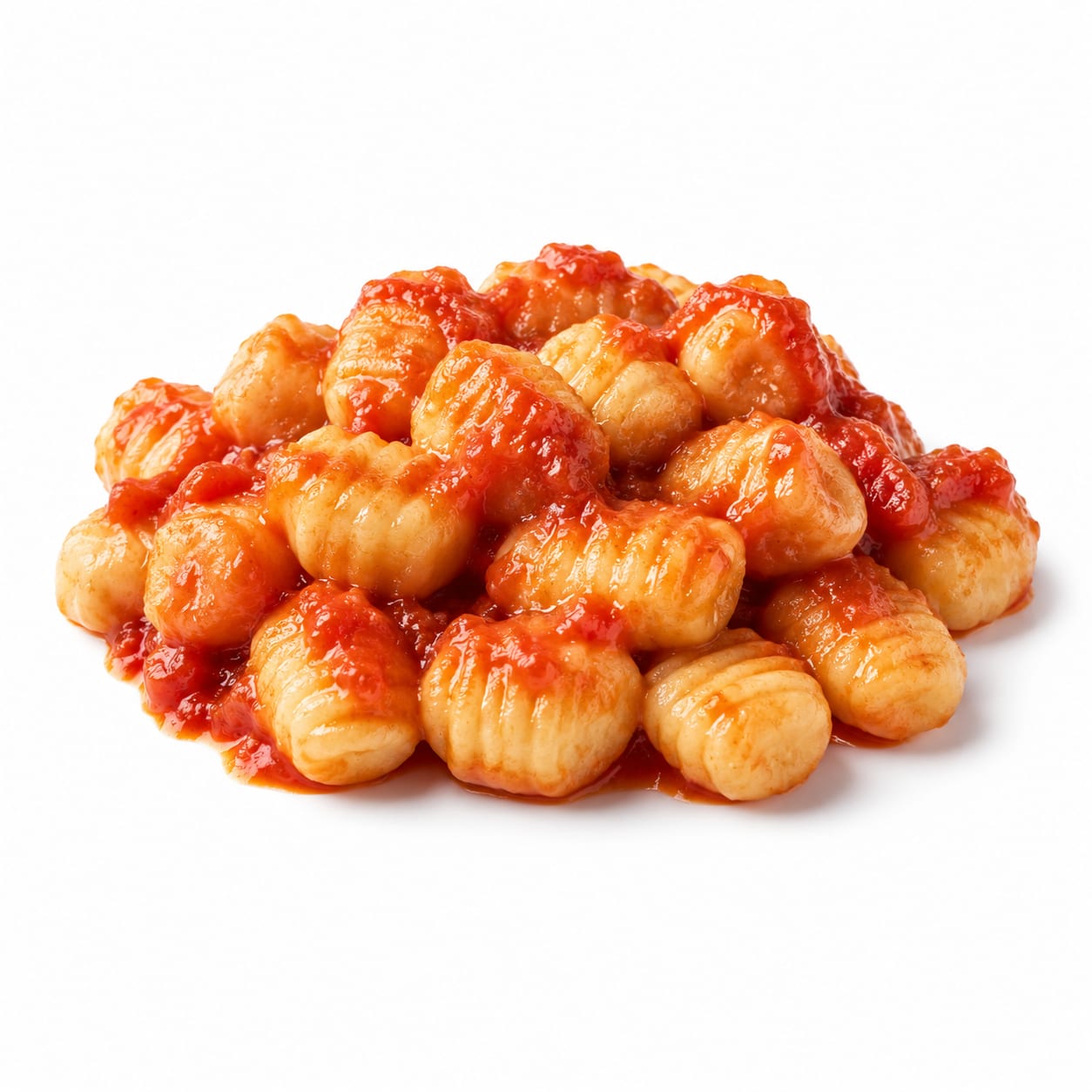
Gnocchi is an Italian potato-based dumpling that serves as a high-carbohydrate alternative to traditional pasta.
Gnocchi are small, soft dough dumplings of Italian origin, traditionally made from potato, wheat flour, and egg, though variations exist using semolina, ricotta, or alternative flours.
fast-digesting carbohydrate source
Typical serving · 140g
Common varieties · potato gnocchi, ricotta gnocchi, cauliflower gnocchi, gluten-free gnocchi, spinach gnocchi
Overall context score across nutrition, safety, and diet fit
The story
What makes it unique
Gnocchi is a carbohydrate-dense food with rapid digestion speed due to the gelatinization of potato starch and the use of refined wheat flour. It provides quick energy but low satiety compared to whole grains. The macronutrient profile is heavily skewed toward carbohydrates with minimal protein, fat, or fiber. Processing characteristics vary from fresh, minimally processed preparations to commercial shelf-stable versions with preservatives.
Varieties: potato gnocchi · ricotta gnocchi · cauliflower gnocchi · gluten-free gnocchi · spinach gnocchi
Per 100g
Nutrition breakdown
Macro balance and key metrics at a glance.
Energy
Density 1.33 kcal/g
Protein
Carbs
Fat
Fiber
Sugar
0.5 g
Sodium
300 mg
Potassium
210 mg
Glycemic index
67
Glycemic load
20
Water content
65%
Standout compounds
Nutrient highlights
Carbohydrates
highProvides rapid energy for high-intensity activities and muscle glycogen restoration.
Potassium
moderateSupports fluid balance and muscle contractions, retained from the potato content.
Sodium
moderateAids in electrolyte balance, though levels can be high in packaged varieties.
Fiber
lowSupports digestive health, but traditional gnocchi is largely deficient in this nutrient.
Wellness map
Health scores & processing
NOVA processing scale
moderate · Whole food
Traditional gnocchi is a processed culinary ingredient made by combining whole potatoes with refined flour. Commercial varieties may include preservatives and fall closer to ultra-processed depending on additives.
Diet compatibility
- Weight loss
- Muscle gain
- Diabetes
- Gut health
- Low carb
- High protein
- Heart health
Relative standing
Food rankings
Qualitative ranks compared to similar whole foods.
- Satietypoor
- Blood sugarpoor
- Nutrient densitypoor
- Fitness fuelgood
- Processing qualitymoderate
Eat with confidence
Food safety profile
Gnocchi is generally safe with low contamination risk. Frying or baking at extremely high temperatures can lead to acrylamide formation from the potato starch.
Evidence confidence 85%
- Pesticideslow
- Antibioticslow
- Heavy metalslow
- Contaminationlow
Watch for
- acrylamide
Safer choices
Boiling instead of high-heat frying reduces acrylamide formation. Choosing organic varieties minimizes pesticide exposure from conventional potatoes.
Prep tips
If using fresh store-bought gnocchi, ensure it is kept refrigerated and cooked thoroughly before consumption to prevent bacterial growth.
Standard food safety regulations apply; acrylamide formation is a minor concern if gnocchi is fried or baked at very high temperatures until darkly crisped.
Deep dive
Health analysis
How this food may fit different goals and preparation choices.
Weight loss
Low satiety and high energy density make it easy to overconsume calories, requiring strict portion control for weight loss.
Blood sugar
The refined flour and rapidly digested potato starch create a high glycemic response, making it challenging for blood sugar management.
Fitness & energy
Provides fast-digesting carbohydrates that are highly effective for quick pre-workout energy or post-workout glycogen replenishment.
Gut health
Low fiber content offers minimal prebiotic benefits, and the refined carbohydrates do not support optimal gut microbiome diversity.
Processing quality
Traditional recipes use whole potatoes but rely on refined white flour, stripping away natural grain fibers and micronutrients.
Food safety
Minimal risks exist, though high-heat cooking methods can create trace acrylamides from the potato content.
Common mistakes
Treating gnocchi as a low-calorie alternative to pasta when it is actually more calorie-dense per serving due to compact starch content.
Best preparation
Boiling until they float, then lightly pan-searing in olive oil. Pairing with lean protein and fibrous vegetables slows digestion and improves satiety.
Practical guide
Best use cases
When and how this food fits real eating patterns.
Pre-workout carb loading
The fast-digesting carbohydrates provide quick energy for high-intensity exercise when consumed 1-2 hours before a workout.
Post-workout glycogen replenishment
Rapidly digested starches help restore muscle glycogen quickly after endurance or heavy resistance training.
High-calorie bulking meals
The compact energy density makes it easy to consume high amounts of calories and carbs without feeling overly full.
Balance sheet
Pros & cons
Upsides
- Provides fast-digesting energy for athletes
- Versatile base for many sauces and vegetables
- Easy to cook and prepare quickly
- Contains some potassium from potatoes
Trade-offs
- High glycemic index spikes blood sugar rapidly
- Low fiber content fails to provide lasting satiety
- Very low protein makes it an incomplete meal base
- Calorie-dense and easy to overconsume in large portions
Fit check
Who is it for?
Great match
- pre-workout carb loading
- post-workout muscle recovery
- athletes needing high carbohydrate intake
- quick comfort meals
Consider alternatives
- strict ketogenic diets
- blood sugar management
- low-calorie weight loss diets
- high-protein diet requirements
Side by side
How it compares
Open the full head-to-head analysis for nutrition, safety, and practical tradeoffs.
This food
Gnocchi
VS90% alike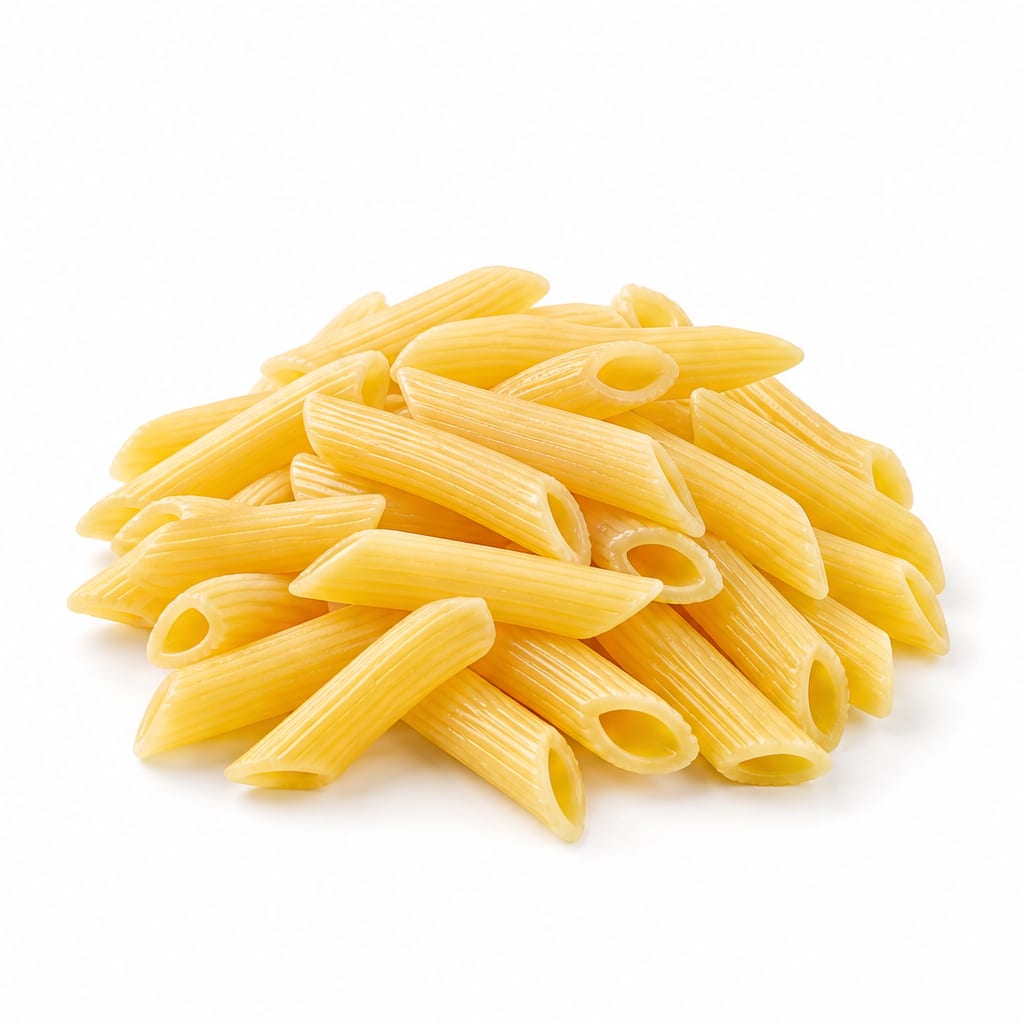
Compare with
Regular Pasta
Gnocchi is denser and has a higher glycemic index than regular wheat pasta due to the potato starch, while both are low in protein and fiber.
Gnocchi digests faster and spikes blood sugar more than regular pasta, making pasta slightly better for satiety, while gnocchi offers quicker post-workout energy.
This food
Gnocchi
VS85% alike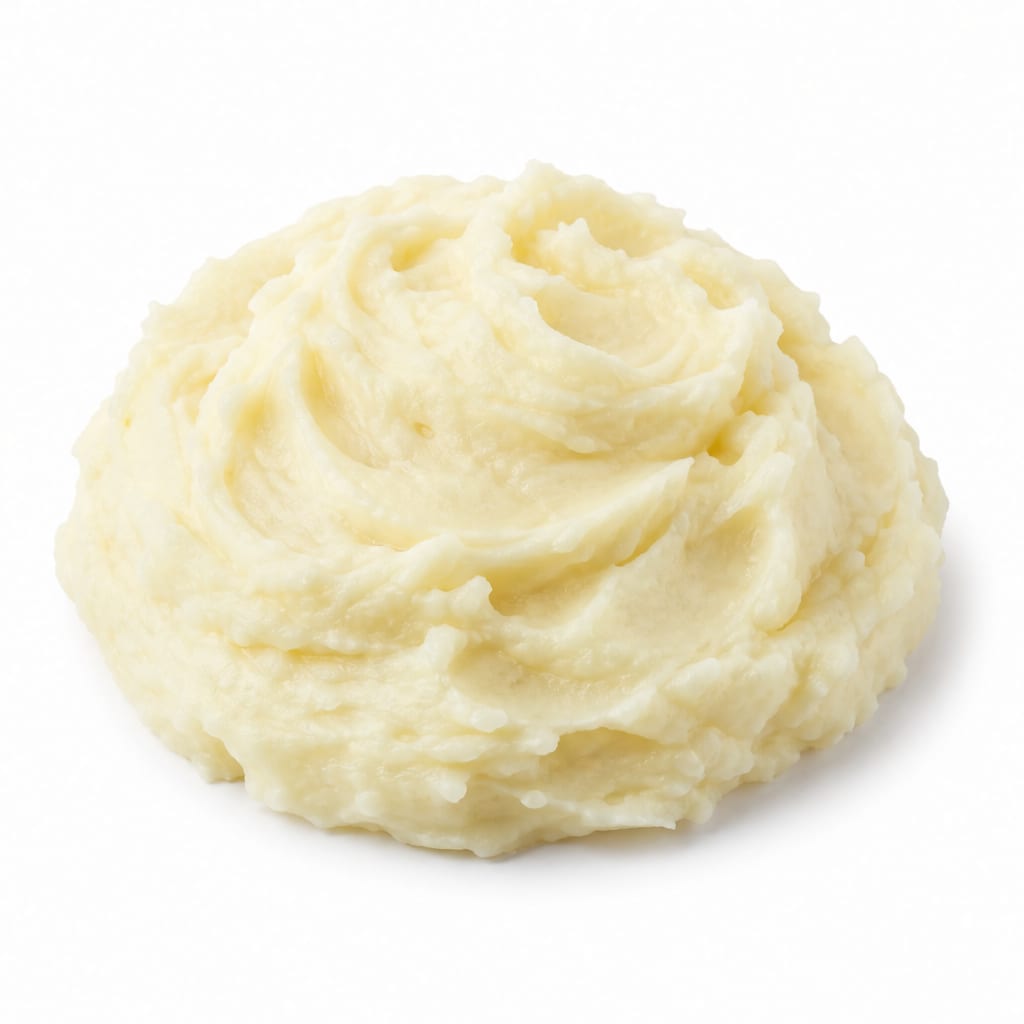
Compare with
Mashed Potatoes
Both are potato-based and high glycemic, but gnocchi contains added wheat flour, making it slightly higher in calories and carbs per gram.
Mashed potatoes are slightly lower in calories and carbs than gnocchi, but both spike blood sugar similarly due to the potato content.
This food
Gnocchi
VS80% alike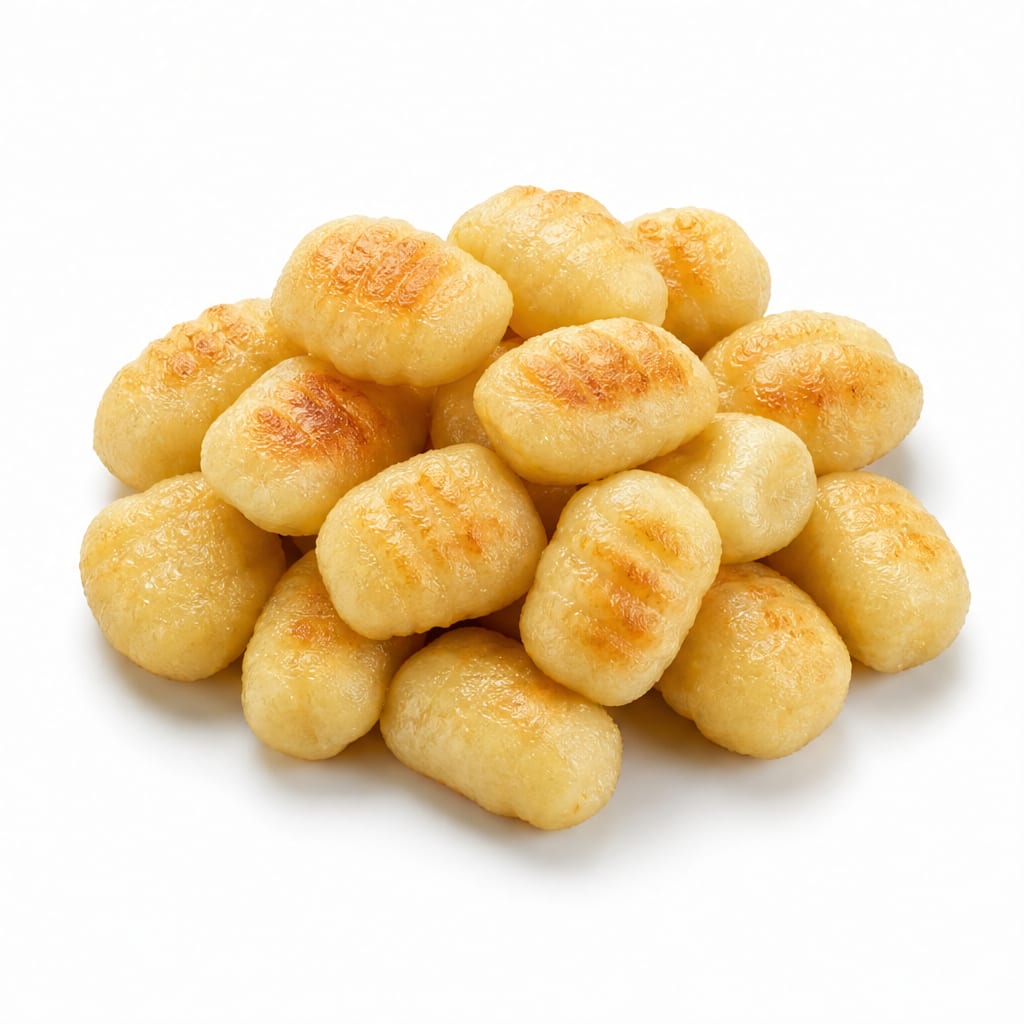
Compare with
Cauliflower Gnocchi
Cauliflower gnocchi drastically reduces calories and carbs while adding some fiber, making it far superior for weight loss and blood sugar control.
Cauliflower gnocchi is much lower in carbs and calories than potato gnocchi, making it the clear winner for weight loss and blood sugar management.
This food
Gnocchi
VS75% alike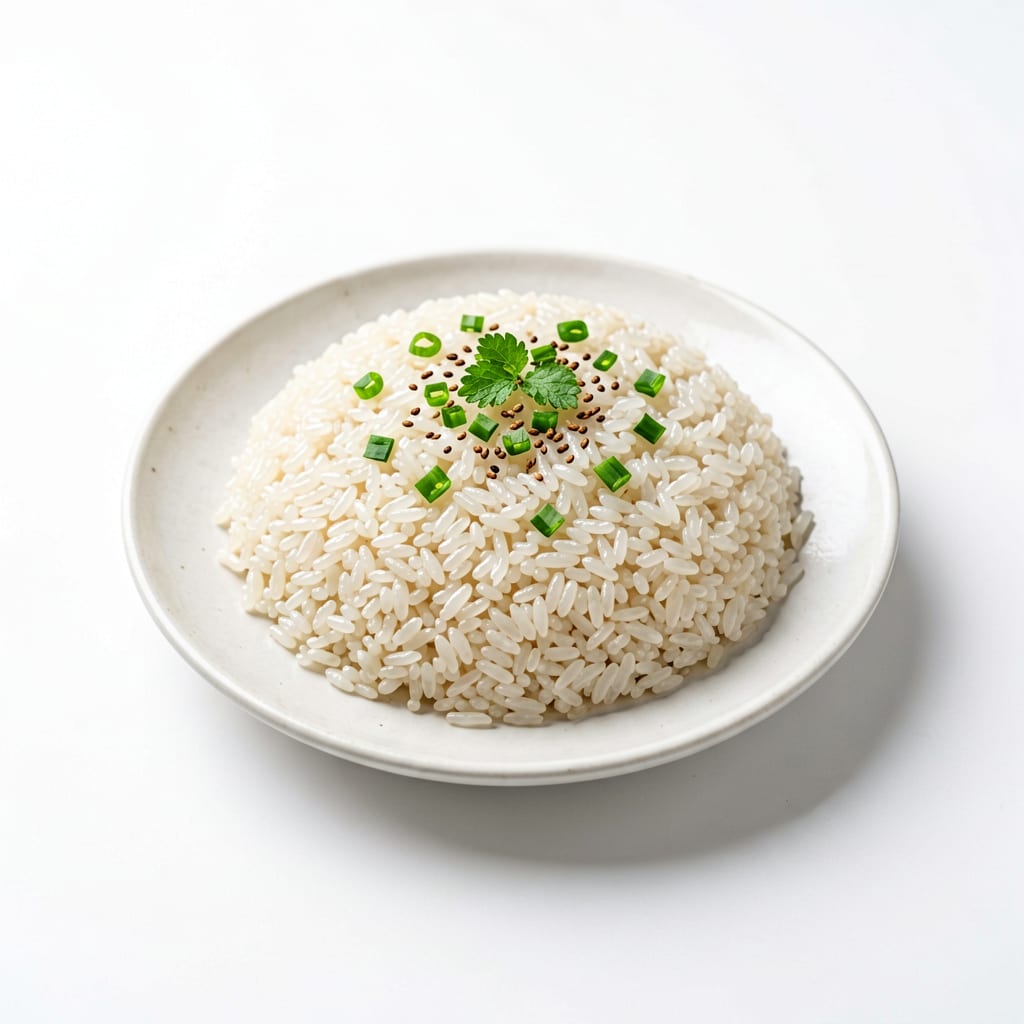
Compare with
Rice
White rice and gnocchi have similar glycemic impacts, but gnocchi is more calorie-dense due to its compact form and added flour.
White rice and gnocchi both act as fast carbs, but rice is slightly less calorie-dense per serving, while gnocchi offers a denser energy source for refueling.
This food
Gnocchi
VS60% alike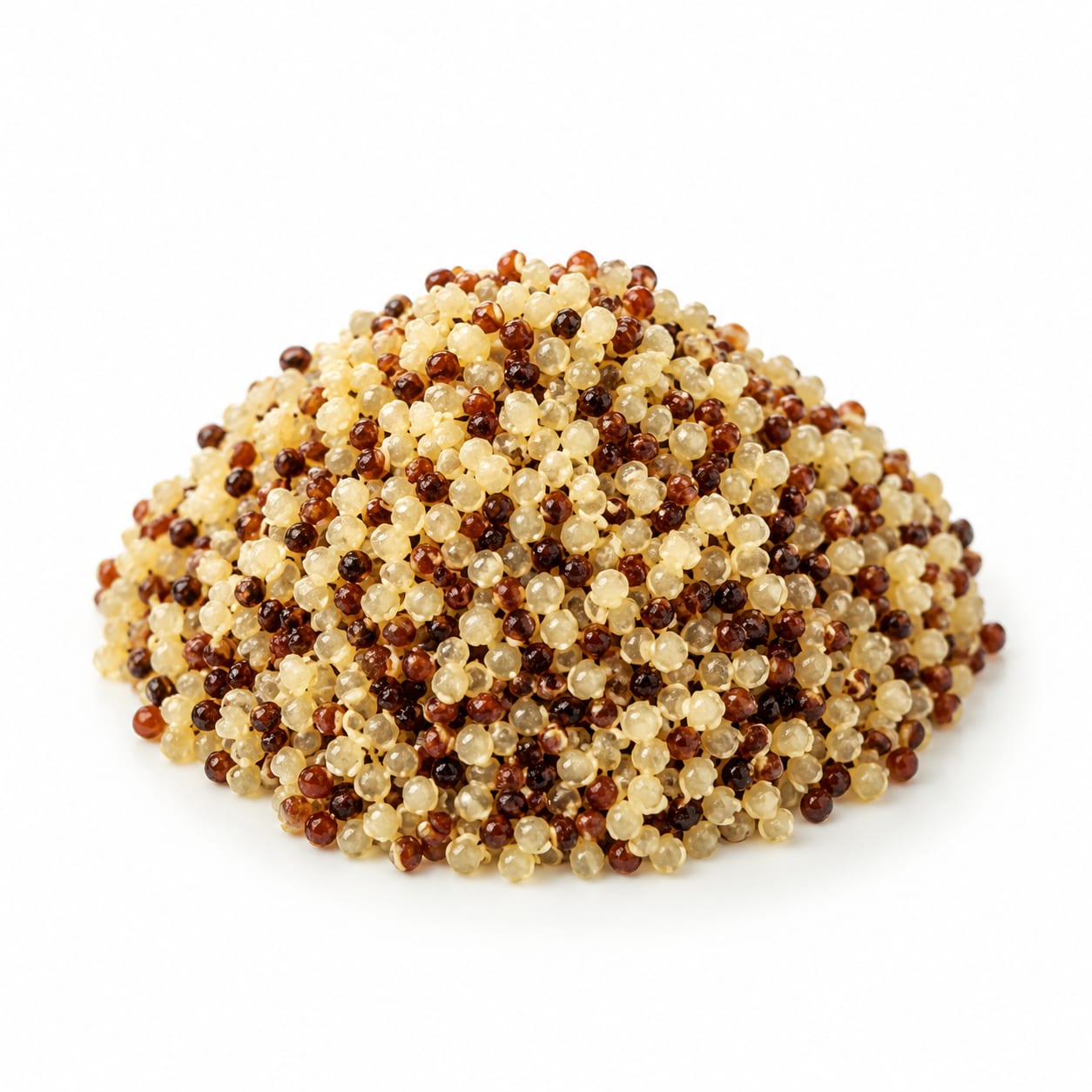
Compare with
Quinoa
Quinoa is a whole grain with complete protein and high fiber, vastly outperforming gnocchi in satiety, blood sugar control, and nutrient density.
Quinoa provides more protein, fiber, and stable energy than gnocchi, making it healthier overall, though gnocchi delivers faster immediate energy.
This food
Gnocchi
VS70% alike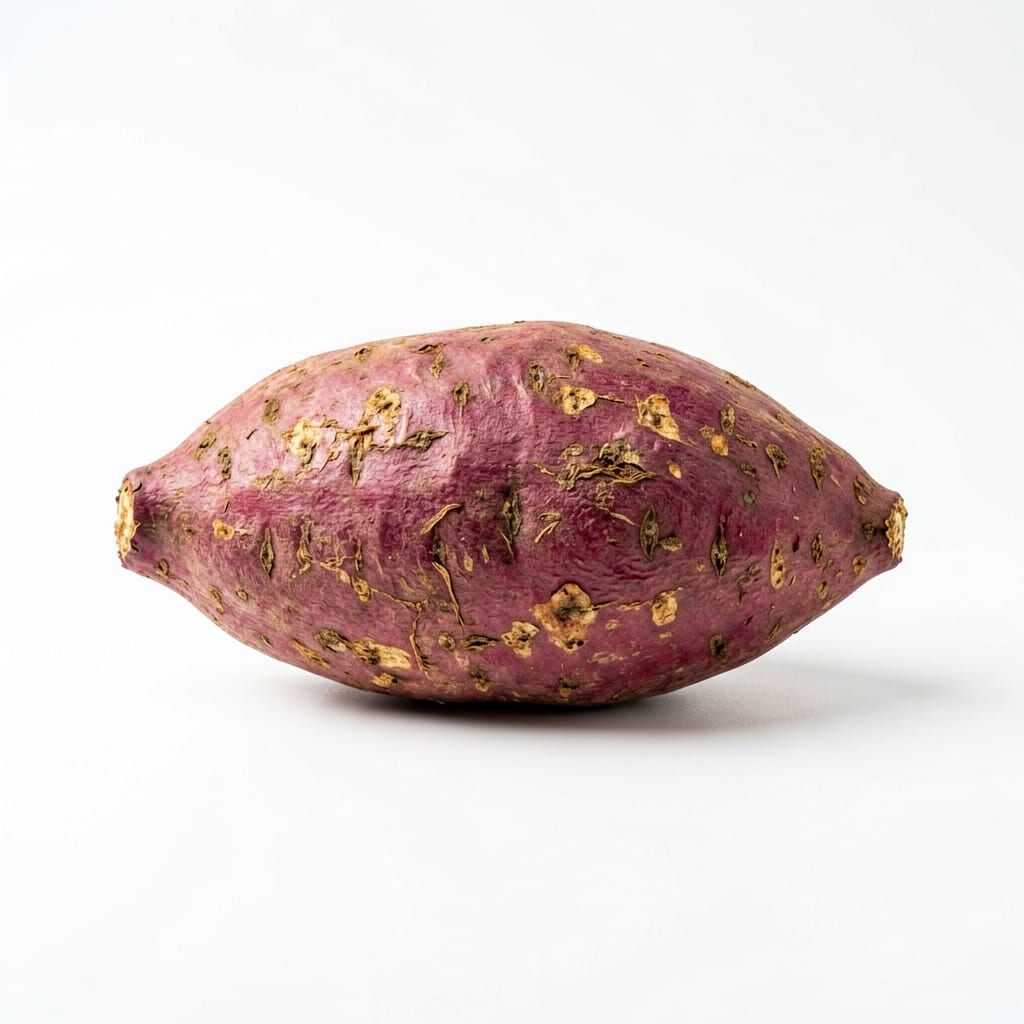
Compare with
Sweet Potato
Sweet potatoes offer more fiber, vitamins, and a lower glycemic index than gnocchi, providing better satiety and nutritional value.
Sweet potatoes are richer in fiber and vitamins than gnocchi, offering better blood sugar control and satiety for everyday eating.
This food
Gnocchi
VS75% alike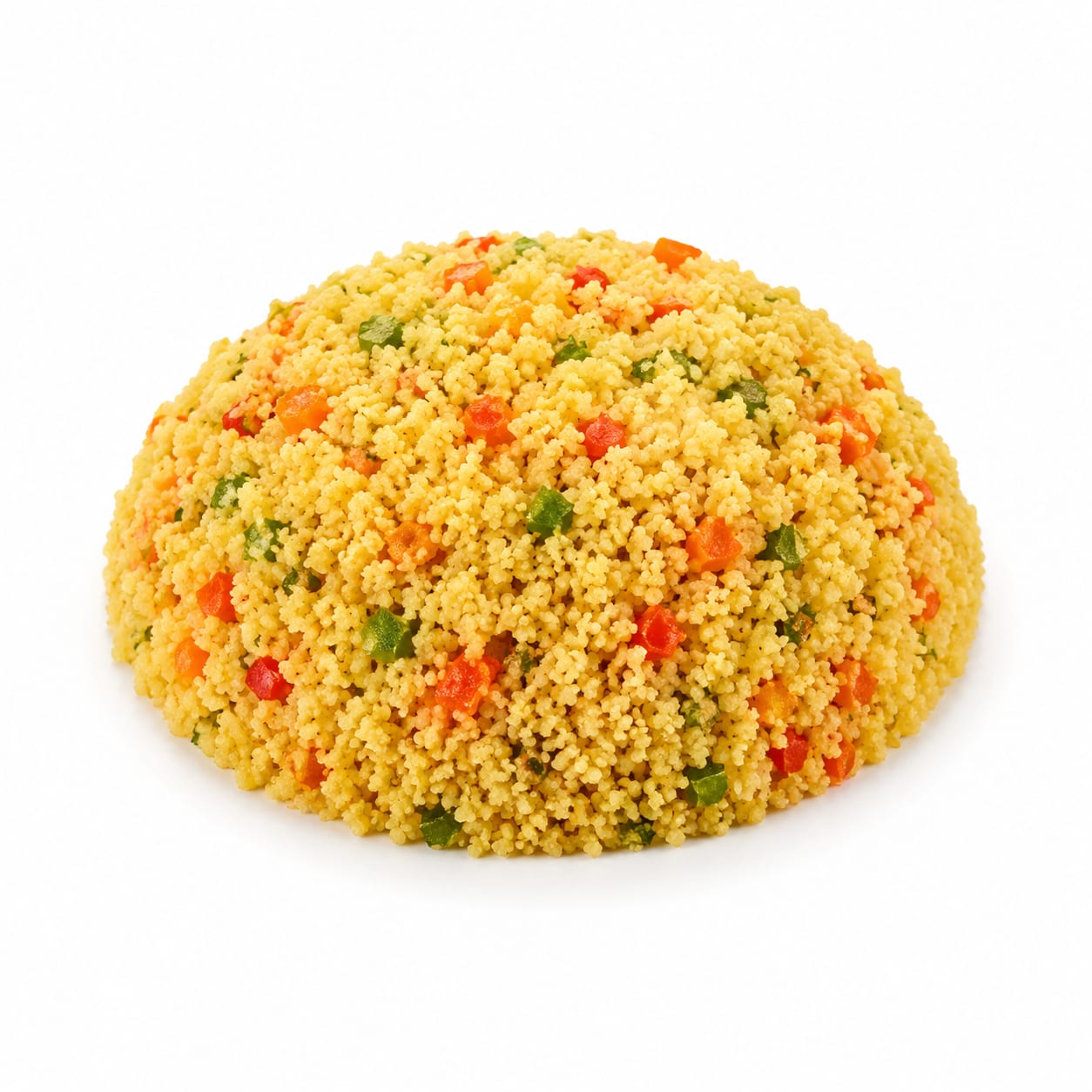
Compare with
Couscous
Both are refined wheat-based carbs, but couscous is lower in calories and has a slightly milder glycemic impact than potato-based gnocchi.
Couscous is lighter and lower in calories than gnocchi, while gnocchi provides denser, faster-digesting carbs for intense workouts.
This food
Gnocchi
VS70% alike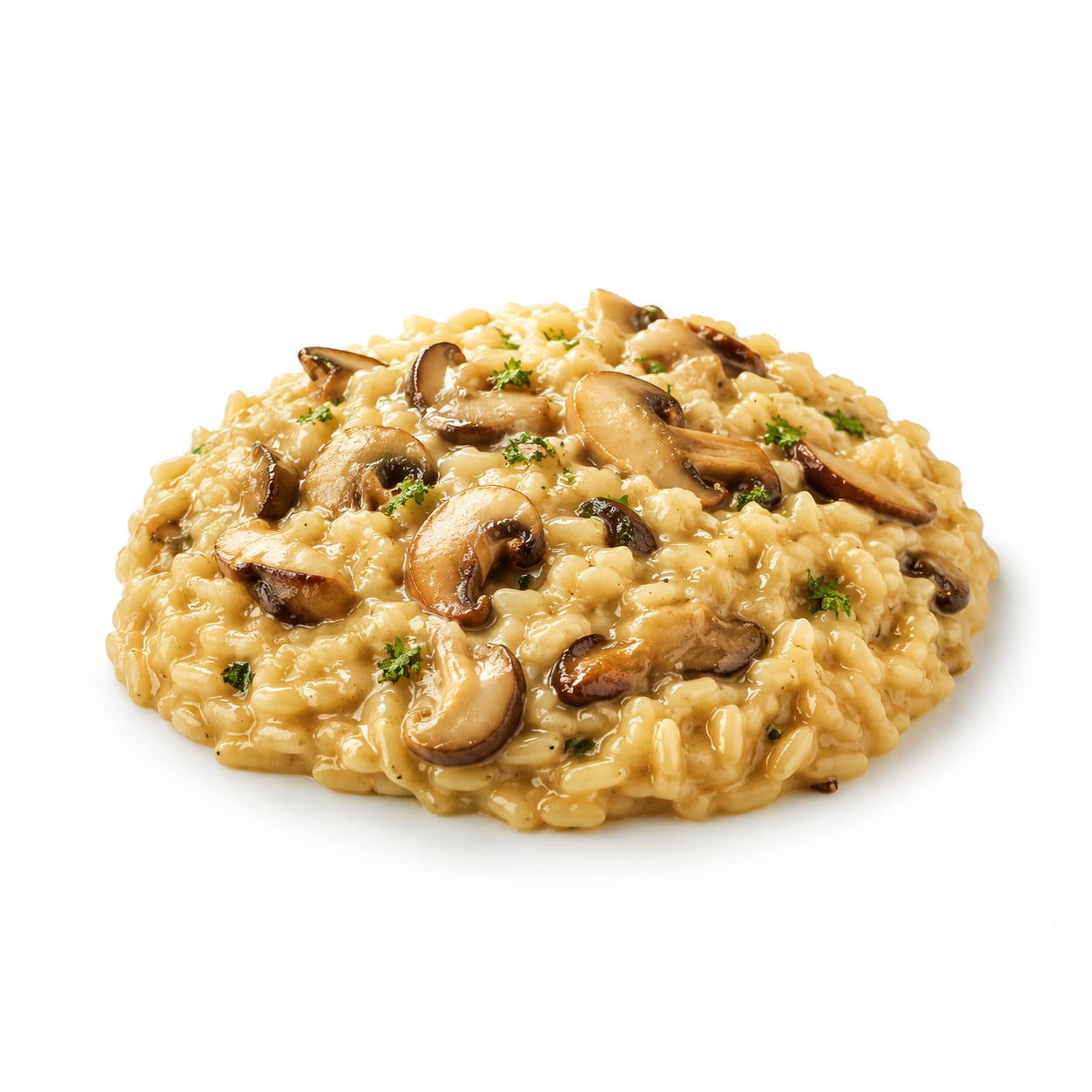
Compare with
Risotto
Risotto relies on arborio rice and is often cooked with fat, making it comparable in calories to gnocchi but with a slightly lower glycemic index.
Risotto and gnocchi are both rich Italian carbs, but risotto's rice base digests slightly slower than gnocchi's potato-wheat mix.
This food
Gnocchi
VS65% alike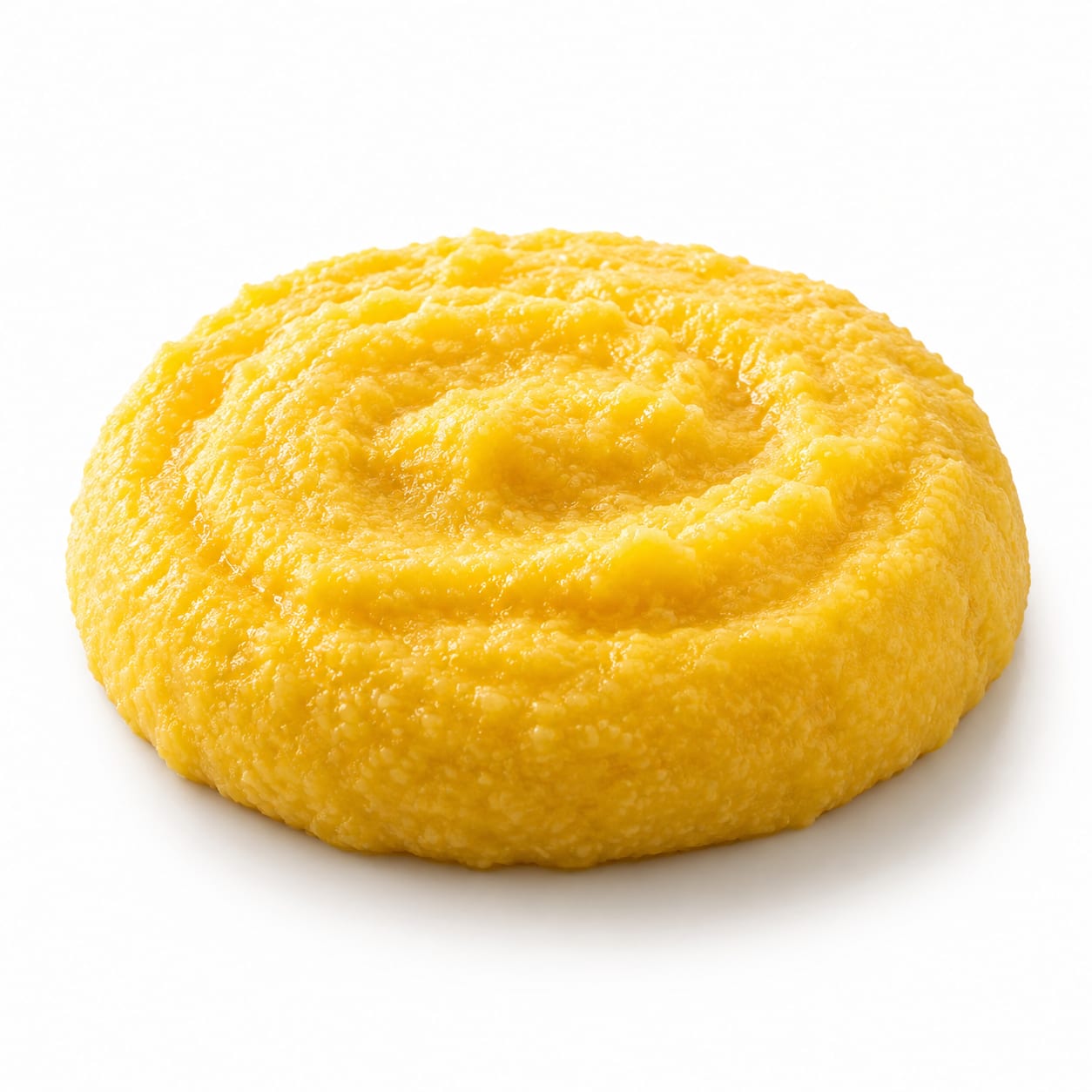
Compare with
Polenta
Polenta is made from cornmeal and generally has a lower glycemic index and fewer calories per serving than dense potato gnocchi.
Polenta is less calorie-dense and has a lower glycemic impact than gnocchi, making it a better choice for steady energy and weight management.
This food
Gnocchi
VS50% alike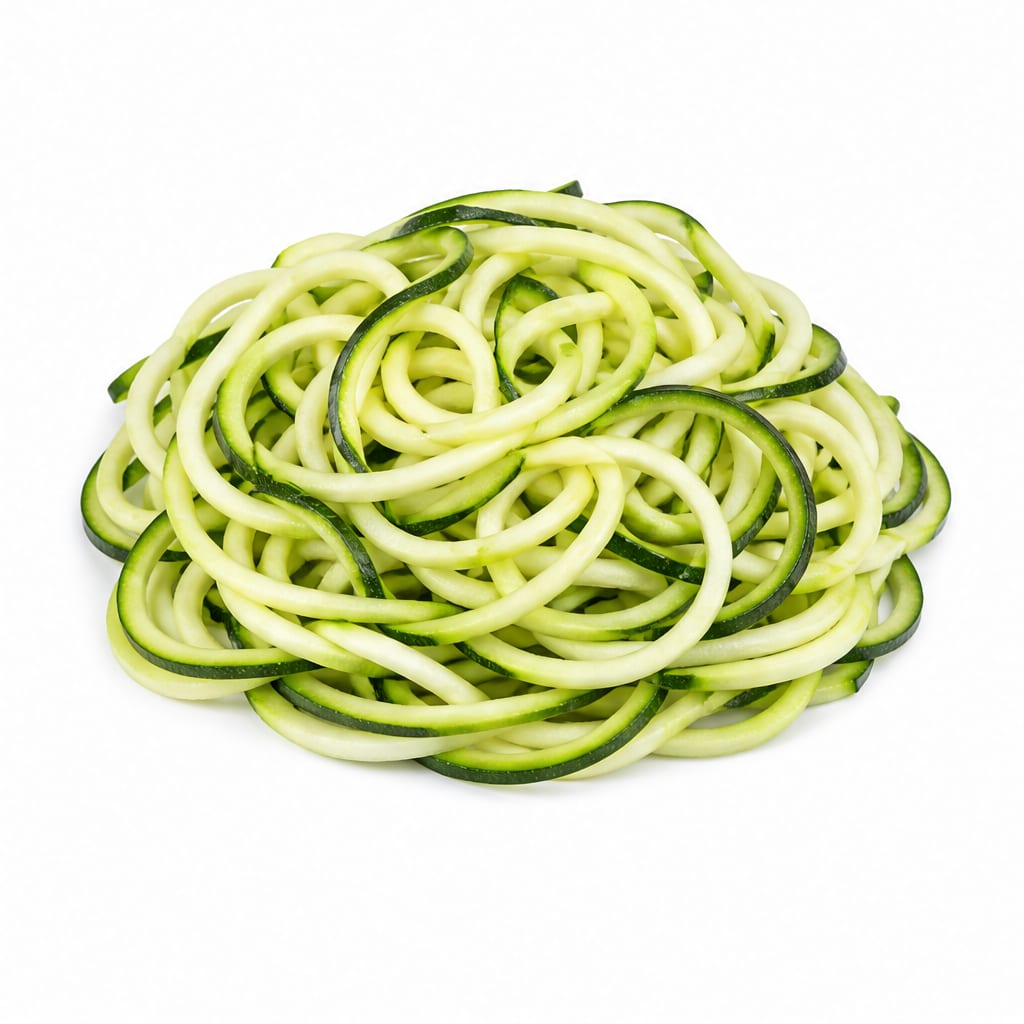
Compare with
Zucchini Noodles
Zucchini noodles are extremely low in calories and carbs, offering high volume and satiety for weight loss, whereas gnocchi provides dense, fast energy.
Zucchini noodles are a near-zero calorie alternative perfect for weight loss, while gnocchi is a high-carb option best reserved for intense energy needs.
Common questions
FAQ
Answers aligned with how people search for this food.
Is gnocchi healthier than pasta?
It depends on the metric. Gnocchi and regular pasta have similar calorie and carb counts per serving, but gnocchi has a higher glycemic index due to the potato starch, which can cause quicker blood sugar spikes.
Can diabetics eat gnocchi?
Gnocchi is a high-glycemic food that can rapidly raise blood sugar. Diabetics should eat it in small portions, pair it with protein and healthy fats, or choose lower-carb alternatives like cauliflower gnocchi.
Is gnocchi good for weight loss?
Traditional potato gnocchi is calorie-dense and low in fiber, making it easy to overeat. It is not ideal for weight loss unless portions are strictly controlled and balanced with vegetables and lean protein.
Is gnocchi gluten free?
Traditional gnocchi is not gluten-free because it contains wheat flour. However, many brands offer gluten-free varieties made with rice flour, corn flour, or potato starch blends.
How many carbs are in a serving of gnocchi?
A standard 1-cup serving (about 140g) of cooked gnocchi contains approximately 42 grams of carbohydrates, making it a high-carb food similar to regular pasta.
Is cauliflower gnocchi healthier than potato gnocchi?
Cauliflower gnocchi is lower in calories and carbohydrates, making it a better choice for weight loss and blood sugar control. However, it is still often made with refined flours, so it is not strictly a whole food.
What is gnocchi made of?
Traditional gnocchi is made from mashed potatoes, wheat flour, and sometimes eggs. The dough is rolled into small dumplings, boiled, and often pan-fried.
Does gnocchi have a lot of protein?
No, gnocchi is very low in protein, providing only about 3 grams per 100-gram serving. Adding meat, cheese, or legumes to the dish is necessary to make it a balanced meal.
Transparency
Data confidence
Estimated confidence for nutrition data, interpretation, safety notes, and comparisons.
Nutrition data
Health analysis
Food safety
Comparisons