
Nutrition comparison
Gnocchi vs Polenta: Nutrition, Health Benefits & Which is Better
Compare gnocchi and polenta to find out which Italian carb is healthier, better for weight loss, and right for your dietary needs.
Overall winner · Polenta
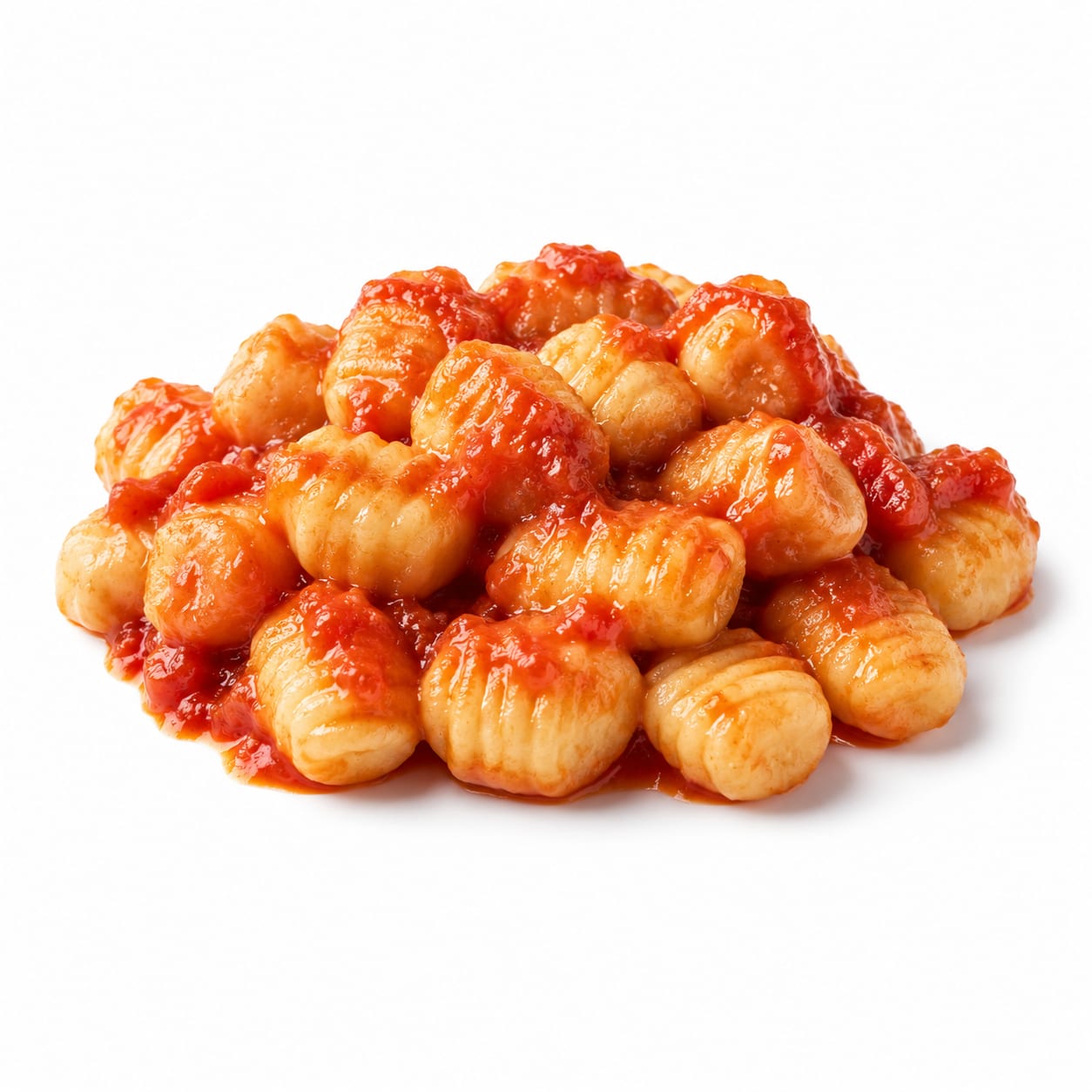
Gnocchi
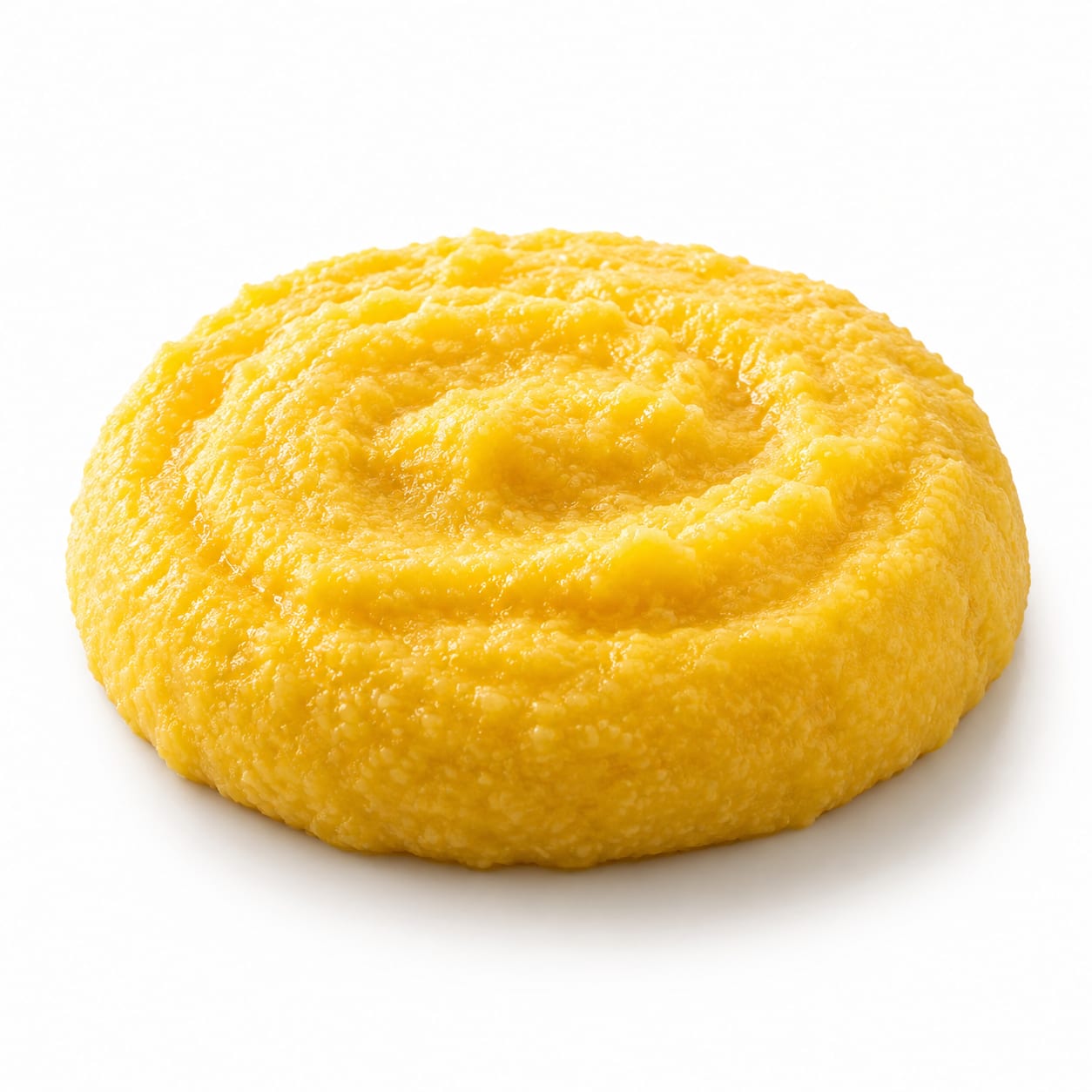
Polenta
Polenta edges out gnocchi for everyday health thanks to its whole-grain fiber and naturally gluten-free status, while gnocchi delivers a quicker, comforting carb hit.
Polenta scores higher due to its whole-grain fiber content and naturally gluten-free profile, making it a more stable energy source, whereas gnocchi is more refined and spikes blood sugar faster.
Comfort and cooking speed versus fiber content and blood sugar stability.
At a glance
Executive summary
Overall
Polenta
Healthier
Polenta
More practical
Gnocchi
Daily use
Polenta
Key comparison lenses
Blood sugar management
Both are heavy carbohydrate sources, but their fiber content and glycemic impacts differ significantly.
Gluten-free diet suitability
Polenta is naturally gluten-free, making it an easy choice for those avoiding wheat.
Whole grain vs refined carbs
Polenta is a whole grain, whereas gnocchi is typically made from refined wheat flour and potatoes.
Meal convenience and prep time
Gnocchi cooks in minutes, while traditional polenta requires patience and stirring.
Best choice for
Gnocchi
- Quick weeknight dinners
- Comforting, pasta-like texture cravings
- Picky eaters and children
Polenta
- Gluten-free diets
- Blood sugar management
- Whole grain and clean eating goals
Least suitable for
Gnocchi
- Celiacs and those with gluten intolerance
- Low-carb or keto diets
- People managing insulin resistance
Polenta
- Those needing a fast-cooking meal
- People with corn allergies
- Very low-fiber diets for acute digestive issues
Deep comparison
Dimension by dimension
Each lens scores both foods and breaks down who each option suits.
- Dimension 1 · Priority 90Polenta
Blood Sugar Stability
Gnocchi · 45Polenta · 75Polenta provides steadier energy with less of a crash compared to gnocchi.
Tradeoff
You trade the soft, quick-digesting comfort of gnocchi for the slower-burning endurance of polenta.
Why it matters
Preventing blood sugar spikes helps avoid afternoon energy crashes and cravings.
Real-world impact
Eating polenta keeps you full and focused longer; gnocchi might leave you hungry again an hour later.
Gnocchi
- Pre-workout carb loading for quick fuel
Better for
- Managing insulin resistance
Worse for
Polenta
- Sustained afternoon energy
- Diabetes management
Better for
- Quick post-workout glycogen replenishment
Worse for
- Dimension 2 · Priority 85Polenta
Satiety and Fullness
Gnocchi · 50Polenta · 80Polenta is far more filling per calorie due to its corn fiber content.
Tradeoff
Gnocchi is lighter and easier to overeat, while polenta sits heavier in the stomach.
Why it matters
Staying full longer helps control portions and prevents snacking between meals.
Real-world impact
A bowl of polenta will likely keep you satisfied until your next meal, whereas gnocchi might not.
Gnocchi
- Light meals before intense activity
Better for
- Controlling late-night cravings
Worse for
Polenta
- Weight management
- Long workdays without snack breaks
Better for
- Light pre-workout snacking
Worse for
- Dimension 3 · Priority 80Polenta
Gluten and Allergen Profile
Gnocchi · 20Polenta · 95Polenta is naturally gluten-free, while traditional gnocchi contains wheat flour.
Tradeoff
If you need to avoid gluten, polenta is the easy winner, though gluten-free gnocchi varieties do exist.
Why it matters
Gluten sensitivity and celiac disease require strict avoidance of wheat-based carbs.
Real-world impact
Polenta is a safe, worry-free base for anyone avoiding gluten, whereas standard gnocchi requires label-checking.
Gnocchi
- Those without gluten sensitivities seeking traditional texture
Better for
- People with celiac disease or wheat allergies
Worse for
Polenta
- Celiacs
- Gluten-sensitive individuals
Better for
- Those with corn allergies
Worse for
- Dimension 4 · Priority 75Polenta
Ingredient Simplicity and Processing
Gnocchi · 40Polenta · 85Polenta is typically just ground corn, while store-bought gnocchi often includes preservatives and modified starches.
Tradeoff
Gnocchi offers convenience at the cost of a longer, more processed ingredient list.
Why it matters
Fewer ingredients usually mean a more natural, less inflammatory meal.
Real-world impact
Making polenta from scratch gives you total control over ingredients; pre-made gnocchi often hides sodium and preservatives.
Gnocchi
- Busy weeknights when time matters most
Better for
- Avoiding ultra-processed foods
Worse for
Polenta
- Clean eating
- Whole food diets
Better for
- Meals requiring quick prep times
Worse for
- Dimension 5 · Priority 70Gnocchi
Cooking Convenience
Gnocchi · 90Polenta · 40Gnocchi cooks in just a few minutes, while traditional polenta requires constant stirring for much longer.
Tradeoff
Gnocchi saves time, but polenta demands patience unless you use instant varieties.
Why it matters
Prep time often dictates what people actually cook on busy days.
Real-world impact
Gnocchi is a 10-minute meal; traditional polenta is a weekend project or requires planning ahead.
Gnocchi
- Quick weeknight dinners
- Last-minute meals
Better for
- Leisurely, hands-on cooking experiences
Worse for
Polenta
- Slow cooking
- Meal prep sessions
Better for
- Exhausting weeknights
Worse for
Timeline
Health impact over time
Short-term
Hours to days
Gnocchi
- Quick energy boost from easily digested carbs
- Potential bloating if sensitive to wheat or dairy
- Fast satisfaction but rapid return of hunger
Polenta
- Sustained energy without the sugar crash
- Very filling, which helps prevent overeating
- Gentle on the digestive tract if well-cooked
Long-term
Months to years
Gnocchi
- Frequent consumption may contribute to blood sugar volatility
- Possible weight gain if portions are not controlled
- Gluten exposure issues for sensitive individuals
Polenta
- Supports digestive regularity through high fiber
- Promotes stable blood sugar and easier weight management
- Provides steady, reliable energy for active lifestyles
Risk profile
Safety & processing
Polenta is a single-ingredient whole grain, whereas store-bought gnocchi typically contains multiple flours, potatoes, and stabilizers to maintain shelf life and texture.
Gnocchi
Gluten cross-contamination
highStandard gnocchi contains wheat flour, making it unsafe for those with celiac disease.
Preservatives and additives
mediumPackaged gnocchi often contains phosphates and preservatives to maintain freshness.
Polenta
GMO corn exposure
lowUnless buying organic, most conventional cornmeal is genetically modified.
Mycotoxin contamination
lowCorn can sometimes harbor mold toxins if not stored properly, though strict regulations minimize this.
Who wins for whom
Audience fit
Same foods, different winners depending on your goal.
children
GnocchiGnocchi is softer, milder, and has a fun texture that kids usually prefer over dense cornmeal.
daily consumption
PolentaThe whole-grain fiber and cleaner ingredient profile make polenta a better everyday staple.
diabetes
PolentaPolenta has a lower glycemic index and more fiber, leading to smaller blood sugar spikes.
elderly
PolentaPolenta is easier to digest for those with gluten sensitivities and provides steady energy without heavy spikes.
muscle gain
It dependsBoth serve as carb sources; gnocchi might be slightly better for quick post-workout glycogen, while polenta provides sustained energy for heavy training days.
weight loss
PolentaPolenta is more filling and has a lower glycemic load, making it easier to control portions and cravings.
Your move
Decision guide
Choose Gnocchi
- You need a fast-cooking comfort meal after a long day
- You are cooking for kids who love soft, pillowy textures
- You want a satisfying base for rich, heavy sauces
Choose Polenta
- You are eating gluten-free or managing celiac disease
- You want long-lasting energy without a mid-afternoon crash
- You prefer whole, minimally processed ingredients
Either works if
- You just want a hearty carb base for a robust meat or mushroom ragu
- You have no specific dietary restrictions and want Italian comfort food
Avoid both if
- You are on a strict low-carb or ketogenic diet
- You are looking for a high-protein main dish
Final recommendation
Make polenta your everyday carb base for its fiber and blood sugar benefits, and save gnocchi for occasional comfort meals when time is short and you crave that classic pasta-like bite.
Practical
Consumer tips
- 1
Look for stone-ground cornmeal for the most nutritious and flavorful polenta.
- 2
Check gnocchi labels for potato content—some cheaper brands use mostly wheat flour and fillers.
- 3
Instant polenta is a great middle-ground for convenience without sacrificing the whole-grain benefits.
- 4
If making gnocchi from scratch, you can control the ingredients and reduce the wheat flour for a healthier version.