
Nutrition comparison
Gnocchi vs Regular Pasta: Which Is Healthier for You?
Compare gnocchi and regular pasta on calories, blood sugar impact, protein, and meal versatility. Find out which carb belongs on your weekly plate and which to save for special occasions.
Overall winner · Regular Pasta
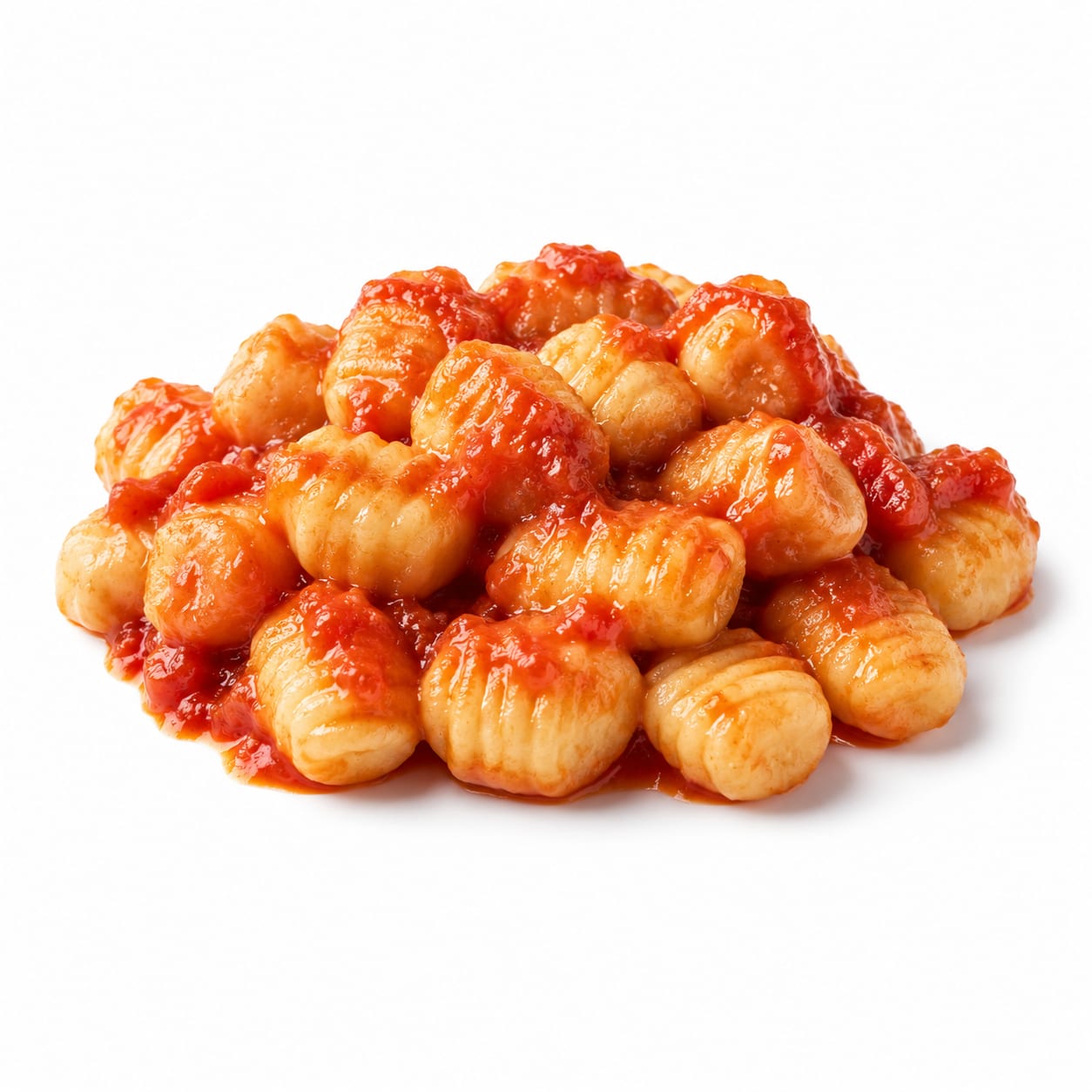
Gnocchi
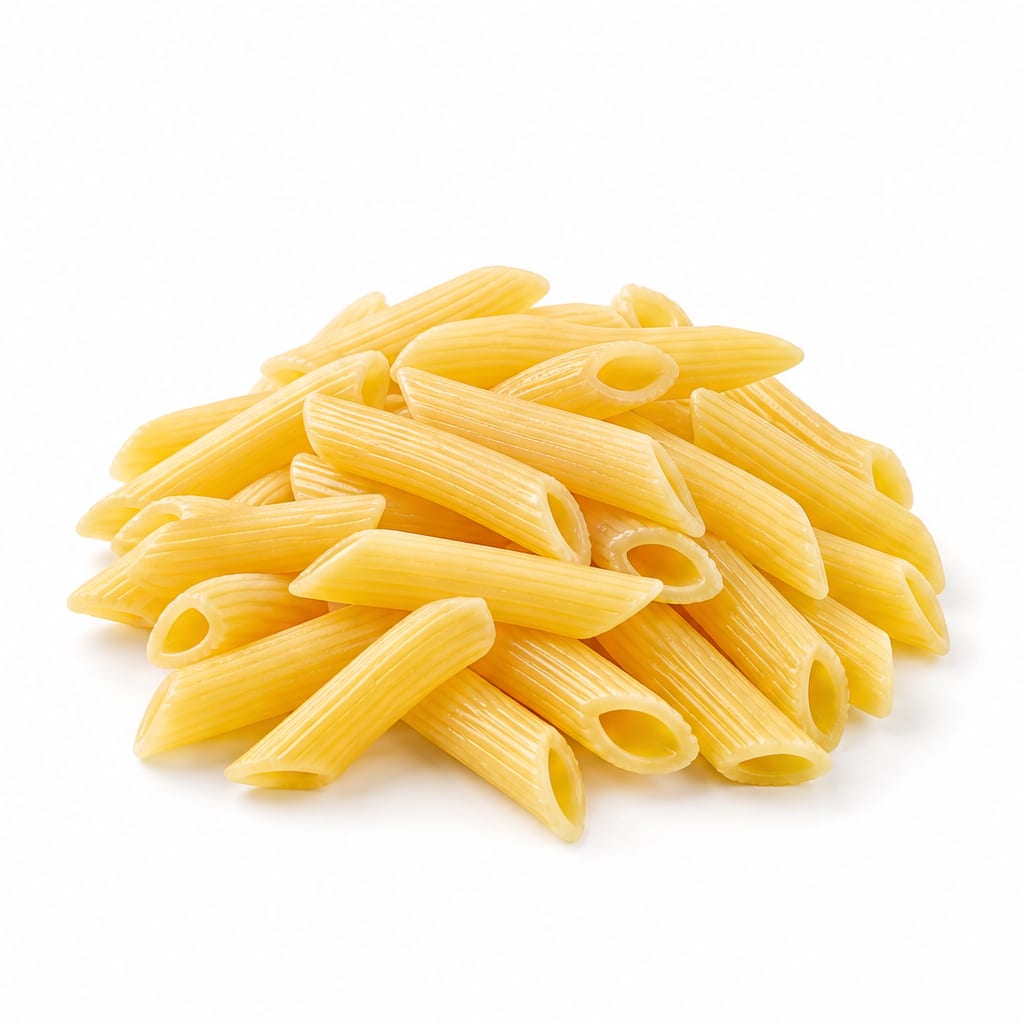
Regular Pasta
Regular pasta edges out gnocchi for most everyday needs thanks to better protein content, steadier blood sugar response, and easier portion control.
Regular pasta scores higher due to better protein content, lower calorie density, and a gentler blood sugar curve. Gnocchi remains a satisfying treat but is harder to fit into daily eating without overconsuming calories.
Gnocchi delivers a comforting, pillowy bite but costs you more calories and a bigger blood sugar spike for the same serving size.
At a glance
Executive summary
Overall
Regular Pasta
Healthier
Regular Pasta
More practical
Regular Pasta
Daily use
Regular Pasta
Key comparison lenses
blood sugar and carb quality comparison
Both are dense carb sources but differ significantly in glycemic impact due to potato vs wheat base
weight management and calorie density
Gnocchi is notably more calorie-dense per serving, a critical factor for portion control
everyday meal versatility and satisfaction
Users want to know which fits better into weekly meal rotation without feeling deprived
protein and satiety for balanced meals
Pasta's wheat base provides more protein, affecting how full you stay after eating
Best choice for
Gnocchi
- People craving a cozy, restaurant-quality comfort meal
- Those wanting a denser, smaller-portion dish that feels indulgent
- Anyone needing potassium boost from potato-based foods
Regular Pasta
- Weekly meal prep and versatile dinner rotation
- Active individuals needing steadier energy and more protein
- Anyone tracking calories or managing blood sugar
Least suitable for
Gnocchi
- People with diabetes or insulin resistance
- Anyone strictly managing calorie intake
- Those prone to afternoon energy crashes after carb-heavy meals
Regular Pasta
- People with wheat allergies or gluten sensitivity
- Those seeking a lower-protein, lighter meal option
- Anyone bored with standard pasta dishes wanting variety
Deep comparison
Dimension by dimension
Each lens scores both foods and breaks down who each option suits.
- Dimension 1 · Priority 92Regular Pasta
Blood Sugar Stability
Gnocchi · 35Regular Pasta · 55Regular pasta causes a slower, more manageable blood sugar rise than gnocchi's potato-heavy base.
Tradeoff
Gnocchi's potato content digests faster, spiking glucose more sharply and leaving you hungrier sooner.
Why it matters
Steadier blood sugar means fewer cravings, better focus, and less fatigue after meals.
Real-world impact
A gnocchi lunch may leave you reaching for a snack by 3pm, while pasta with the same sauce keeps you satisfied longer.
Gnocchi
- People with insulin resistance
- Those who get sleepy after carb meals
Worse for
Regular Pasta
- People with prediabetes
- Anyone avoiding afternoon energy crashes
- Those pairing carbs with active days
Better for
- Dimension 2 · Priority 88Regular Pasta
Calorie Density and Portion Control
Gnocchi · 40Regular Pasta · 62Gnocchi packs more calories into a smaller visual portion, making it easy to overeat without realizing.
Tradeoff
A cup of gnocchi runs roughly 30-40% more calories than a cup of regular pasta, and the denser texture makes larger portions feel deceptively manageable.
Why it matters
Visual portion sizes mislead with gnocchi — what looks like a moderate plate can easily exceed 500 calories before sauce.
Real-world impact
Restaurant gnocchi dishes routinely hit 800-1000 calories. A comparable pasta dish with the same sauce lands closer to 600-750.
Gnocchi
- People who struggle with portion awareness
Worse for
Regular Pasta
- Calorie counters
- Anyone eating intuitively without measuring
Better for
- Dimension 3 · Priority 78Regular Pasta
Protein and Satiety
Gnocchi · 30Regular Pasta · 55Regular pasta provides roughly double the protein per serving, helping you stay fuller longer.
Tradeoff
Gnocchi's potato base trades protein for starch, meaning less lasting fullness despite feeling heavy in the moment.
Why it matters
Protein at meals reduces snacking later and supports muscle maintenance, especially important if you eat pasta dishes frequently.
Real-world impact
A plate of pasta with chicken and vegetables creates a balanced meal easily. Gnocchi with the same toppings still leaves a protein gap you may fill with extra cheese or bread.
Gnocchi
- Those relying on dinner as a key protein source
Worse for
Regular Pasta
- Active people needing protein at every meal
- Anyone trying to reduce between-meal snacking
Better for
- Dimension 4 · Priority 80Regular Pasta
Versatility and Meal Integration
Gnocchi · 45Regular Pasta · 80Regular pasta works with nearly any sauce, protein, or vegetable, while gnocchi pairs best with fewer options.
Tradeoff
Gnocchi shines in specific dishes like brown butter sage or tomato sauce but feels out of place in many others.
Why it matters
A versatile staple reduces meal planning stress and food waste, making healthy eating easier to sustain.
Real-world impact
You can build twenty different meals around regular pasta. Gnocchi gets repetitive after four or five variations.
Gnocchi
- Date nights and special occasion cooking
Better for
- Anyone tired of repetitive meals
Worse for
Regular Pasta
- Weekly meal prep
- Families needing flexible dinner options
- Budget-conscious shoppers buying one staple
Better for
- Dimension 5 · Priority 72Gnocchi
Comfort and Eating Satisfaction
Gnocchi · 82Regular Pasta · 70Gnocchi's soft, pillowy texture delivers a uniquely comforting eating experience that regular pasta cannot replicate.
Tradeoff
That comfort comes at a nutritional cost — more calories, less protein, and a faster sugar rush.
Why it matters
Emotional satisfaction matters for sustainable eating. Depriving yourself of comfort foods backfires.
Real-world impact
On a tough day, a warm bowl of gnocchi feels like a hug. Pasta is satisfying but does not hit the same emotional note.
Gnocchi
- Emotional eaters seeking comfort without junk food
- Special occasions and weekend dinners
Better for
Regular Pasta
- Those who find plain pasta boring or uninspiring
Worse for
- Dimension 6 · Priority 55It depends
Micronutrient Profile
Gnocchi · 50Regular Pasta · 50Gnocchi offers more potassium from potatoes, while regular pasta provides more iron and B vitamins from fortified wheat.
Tradeoff
Neither is a micronutrient powerhouse. The differences are modest and easily covered by sauce and toppings.
Why it matters
If your pasta dish includes vegetables and protein, the base's micronutrient gap becomes nearly irrelevant.
Real-world impact
Choosing gnocchi for potassium makes little sense when a banana or potato side does the job with fewer calories.
Gnocchi
- Those not eating enough potassium-rich foods elsewhere
Better for
Regular Pasta
- Anyone needing more iron, particularly women of reproductive age
Better for
Timeline
Health impact over time
Short-term
Hours to days
Gnocchi
- Noticeable blood sugar spike within 30-60 minutes after eating
- Heavy, full feeling that may shift into drowsiness
- Quick satisfaction followed by earlier return of hunger
Regular Pasta
- More gradual energy rise and sustained plateau
- Moderate fullness that lasts 2-3 hours when paired with protein
- Less post-meal fatigue compared to gnocchi
Long-term
Months to years
Gnocchi
- Frequent consumption may contribute to blood sugar management challenges
- Higher calorie density increases risk of gradual weight gain if portions are not controlled
- Potassium content supports blood pressure if eaten as part of a balanced diet
Regular Pasta
- Regular intake fits more easily into a weight-stable routine due to lower calorie density
- Iron and B vitamin content supports energy metabolism over time
- Enriched varieties provide folate, important for cardiovascular health
Risk profile
Safety & processing
Both are processed foods, but shelf-stable gnocchi often contains preservatives like potassium sorbate and sodium metabisulfite to maintain texture and color. Dried regular pasta typically contains just semolina and water, making it the simpler ingredient list.
Gnocchi
Preservative sensitivity
lowPackaged gnocchi frequently contains sulfites and sorbates that may trigger reactions in sensitive individuals, particularly those with asthma.
Spoilage of fresh varieties
mediumFresh gnocchi has a short shelf life and can harbor listeria or mold if not stored properly, unlike dried pasta which is shelf-stable for years.
Regular Pasta
Wheat allergen exposure
mediumRegular pasta contains gluten and wheat proteins, a concern for those with celiac disease or wheat allergy. Cross-contamination in restaurants is common.
Minimal contamination risk
lowDried pasta's low moisture content makes it inherently resistant to bacterial growth and foodborne illness.
Who wins for whom
Audience fit
Same foods, different winners depending on your goal.
children
Regular PastaKids love both, but pasta's versatility makes it easier to sneak in vegetables and protein. Gnocchi's denser texture can be a choking concern for very young children.
daily consumption
Regular PastaRegular pasta's nutritional profile, lower calorie density, and meal flexibility make it a more sustainable daily staple.
diabetes
Regular PastaA slower glycemic response makes regular pasta the safer choice, though both require portion control and protein pairing.
elderly
Regular PastaSofter gnocchi may seem appealing, but regular pasta's steadier blood sugar impact and higher protein content better support aging muscles and metabolic health.
muscle gain
Regular PastaMore protein per serving and better pairing potential with lean meats support muscle-building goals.
weight loss
Regular PastaLower calorie density and higher protein make regular pasta easier to fit into a calorie deficit without feeling deprived.
Your move
Decision guide
Choose Gnocchi
- You are craving a cozy, indulgent dinner and want to treat yourself
- You are cooking for a special occasion and want something that feels restaurant-quality
- You prefer smaller portions of richer food over larger plates of lighter food
Choose Regular Pasta
- You eat pasta dishes multiple times per week and need a reliable staple
- You are managing your weight, blood sugar, or daily calorie intake
- You want maximum versatility for sauces, proteins, and vegetables
- You are meal prepping for the week and need something that stores and reheats well
Either works if
- You are having a balanced meal with plenty of protein and vegetables, making the base less critical
- You are eating out and both options are available with similar sauces
Avoid both if
- You have gluten intolerance or celiac disease and no gluten-free alternatives are available
- You are following a low-carb or ketogenic eating plan
- You are eating late at night and want something lighter before bed
Final recommendation
Make regular pasta your everyday staple and save gnocchi for when you genuinely want that specific comforting experience. The calorie and blood sugar differences add up over weeks, but the occasional gnocchi dinner will not derail a healthy eating pattern. When you do choose gnocchi, pair it with a protein-rich sauce and a large side salad to slow digestion and balance the meal.
Practical
Consumer tips
- 1
Check ingredient labels on packaged gnocchi — some brands load in preservatives and fillers while others keep it simple with potato, flour, and egg
- 2
Choose whole wheat or legume-based pasta to significantly close the nutritional gap and add fiber
- 3
Always pair either carb with a protein source like chicken, shrimp, or beans to stabilize blood sugar
- 4
Measure gnocchi portions carefully — a cup looks small but packs a heavy calorie load
- 5
If making gnocchi at home, use less flour and more potato for a slightly better nutrient profile than store-bought versions
- 6
Refrigerate fresh gnocchi immediately and consume within two days to avoid spoilage risk