
Nutrition comparison
Gnocchi vs Risotto: Which Italian Carb Is Healthier?
Compare gnocchi and risotto on nutrition, blood sugar impact, gluten, and convenience. Find out which Italian comfort food fits your diet and lifestyle best.
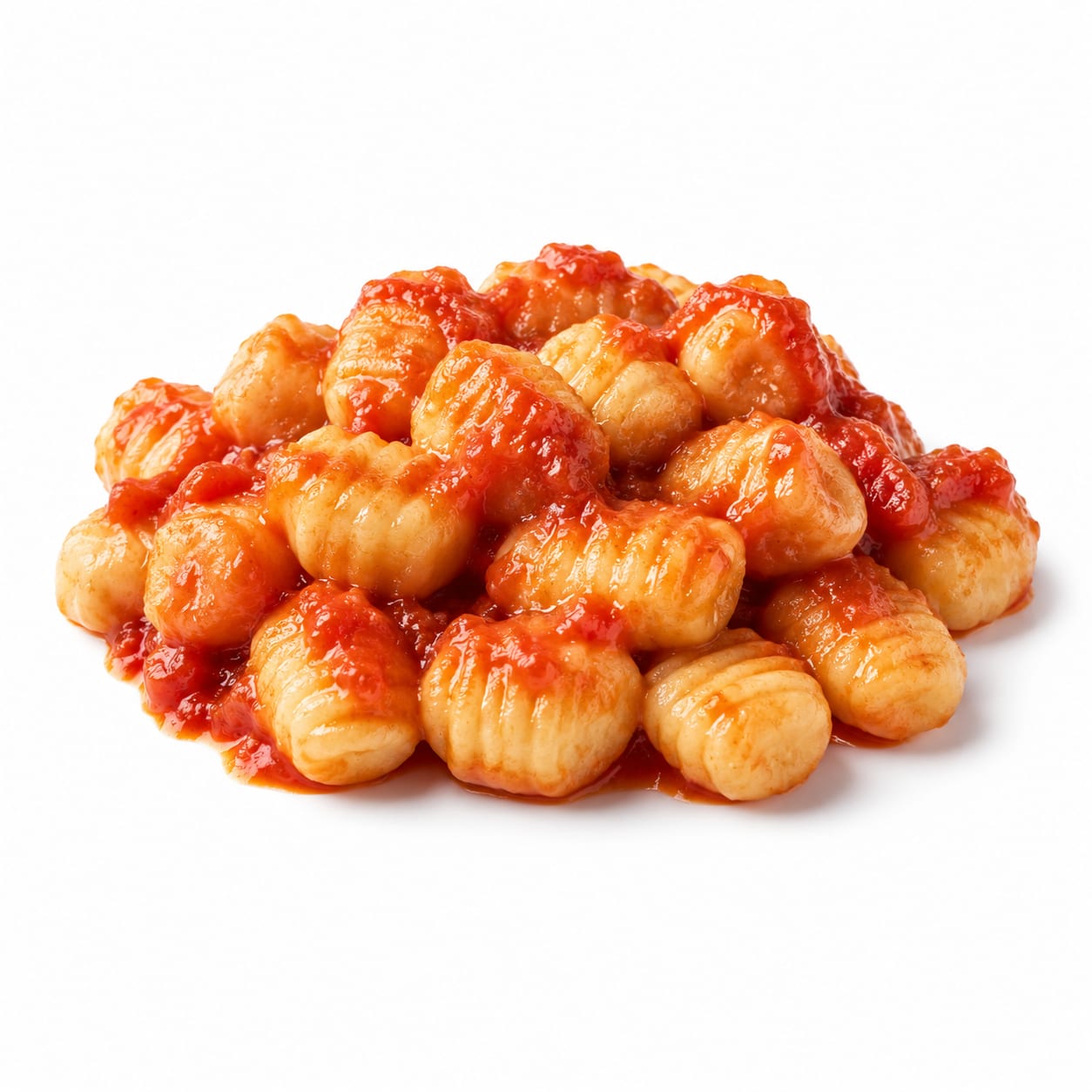
Gnocchi
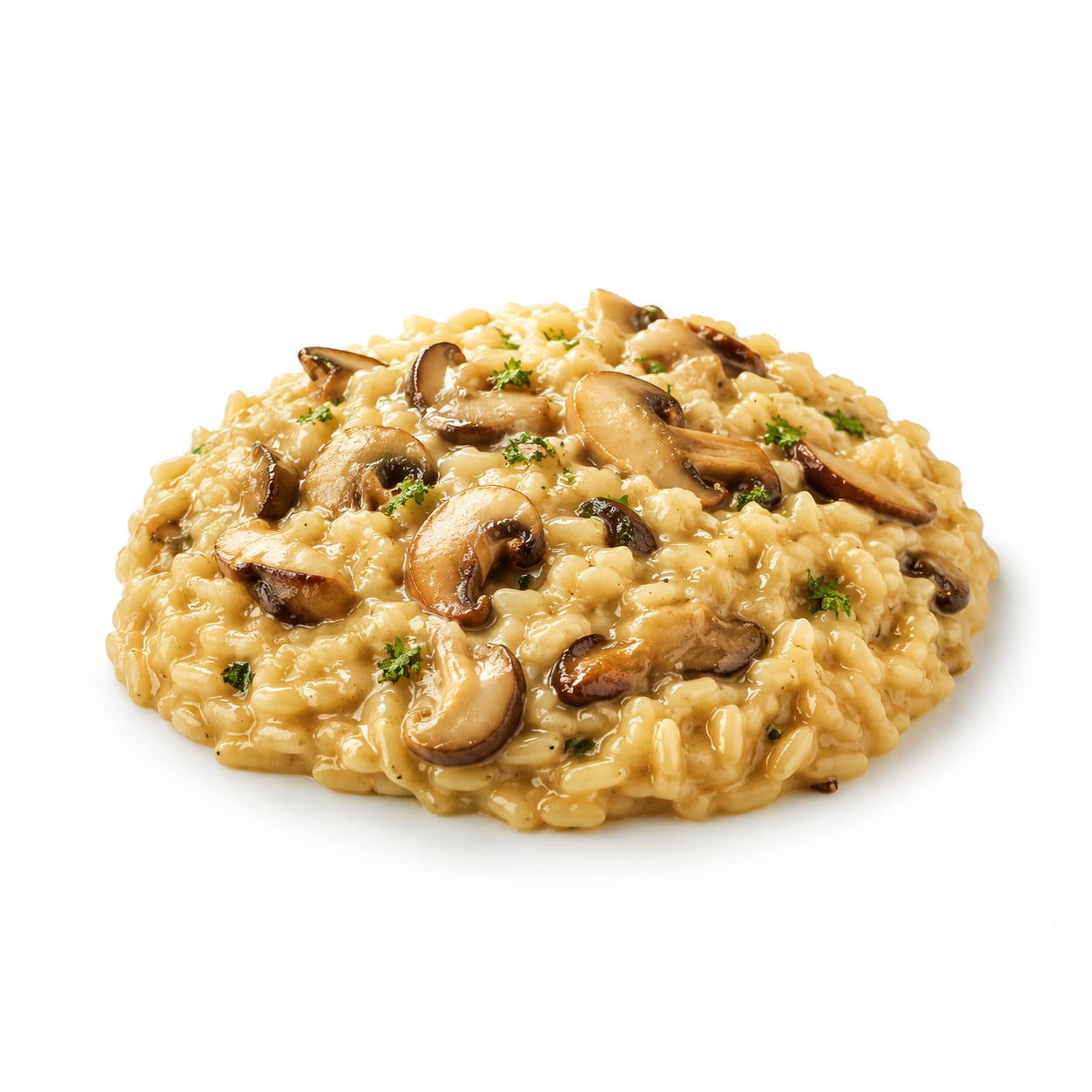
Risotto
Risotto wins for gluten-free diets and richer, slower-digesting meals, while gnocchi is the faster, lighter comfort option.
Risotto edges out gnocchi slightly due to being naturally gluten-free and offering a slower digesting energy profile when prepared traditionally. However, both are heavy starches that require mindful portioning.
Quick cooking convenience and a lighter stomach feel with gnocchi versus the naturally gluten-free, creamier satisfaction of risotto.
At a glance
Executive summary
Overall
It depends
Healthier
It depends
More practical
Gnocchi
Daily use
Risotto
Key comparison lenses
Blood sugar impact of starchy Italian staples
Both are dense carbohydrate sources that heavily affect energy levels and insulin response
Gluten sensitivity and digestive tolerance
Gnocchi typically contains wheat flour while risotto is naturally gluten-free
Meal preparation time and convenience
Gnocchi cooks in minutes while risotto requires constant attention and slow stirring
Comfort food satisfaction and satiety
Both are rich, warming dishes but achieve fullness through different textures and fat content
Best choice for
Gnocchi
- Weeknight dinners when time is short
- People who prefer a lighter, pillow-like texture
- Anyone needing a fast post-workout carb refill
Risotto
- Those with celiac disease or gluten intolerance
- Slow, mindful weekend cooking
- Diners seeking a deeply comforting, creamy dish
Least suitable for
Gnocchi
- People with gluten sensitivity or celiac disease
- Those strictly limiting refined carbohydrates
- Low-carb or keto dieters
Risotto
- Anyone needing a meal in under 15 minutes
- People watching their saturated fat intake from cheese and butter
- Those who dislike standing over the stove
Deep comparison
Dimension by dimension
Each lens scores both foods and breaks down who each option suits.
- Dimension 1 · Priority 90Risotto
Blood Sugar Stability
Gnocchi · 45Risotto · 55Risotto offers a slightly steadier energy release than gnocchi, though both are high-carb.
Tradeoff
Gnocchi's potato and wheat base digests quickly, risking a faster blood sugar spike, while risotto's starch structure and added fats slow digestion down.
Why it matters
Preventing energy crashes after a heavy Italian meal makes a big difference in your afternoon productivity.
Real-world impact
Eating gnocchi might leave you reaching for a coffee an hour later, whereas risotto tends to keep you fuller longer.
Gnocchi
- Quick energy replenishment after intense exercise
Better for
- Managing insulin resistance
- Avoiding afternoon energy crashes
Worse for
Risotto
- Sustained energy through a long afternoon
- Preventing the post-lunch food coma
Better for
- Late-night eating when lighter digestion is needed
Worse for
- Dimension 2 · Priority 85Risotto
Digestive Tolerance & Gluten
Gnocchi · 30Risotto · 90Risotto is naturally gluten-free, making it far gentler on sensitive stomachs.
Tradeoff
You get the chewy, satisfying bite of gnocchi thanks to wheat flour, but that same ingredient excludes those with gluten issues.
Why it matters
Bloating, brain fog, and digestive discomfort can ruin an otherwise great meal for those with sensitivities.
Real-world impact
Choosing risotto at an Italian restaurant means a gluten-sensitive diner can eat comfortably without asking for special substitutions.
Gnocchi
- Building a satisfying texture without needing gums or binders
Better for
- Gluten-sensitive individuals
- People prone to post-meal bloating
Worse for
Risotto
- Anyone with celiac disease or gluten intolerance
- Reducing bloating after heavy meals
Better for
- Situations where only standard pantry flour is available
Worse for
- Dimension 3 · Priority 80Gnocchi
Convenience & Prep Time
Gnocchi · 85Risotto · 30Gnocchi is a weeknight hero, cooking in just a few minutes, while risotto demands patience.
Tradeoff
Gnocchi gives you a hot meal fast but lacks the built-in flavor development of slowly simmered risotto.
Why it matters
After a long workday, a 10-minute meal is realistic, while a 40-minute stirring session often is not.
Real-world impact
Store-bought gnocchi saves you on busy Tuesdays; risotto is a project for relaxed Sundays.
Gnocchi
- Exhausting workdays
- Last-minute meal prep
Better for
- Creating a deeply complex, slow-cooked flavor
Worse for
Risotto
- Cooking as a relaxing weekend ritual
- Impressing dinner guests
Better for
- Quick family weeknight dinners
- Meal prep when time is tight
Worse for
- Dimension 4 · Priority 75Risotto
Satiety & Comfort
Gnocchi · 70Risotto · 85Risotto feels heavier and more indulgent, keeping you full longer than the lighter gnocchi.
Tradeoff
The rich creaminess of risotto is deeply satisfying but can leave you feeling overstuffed if you eat too much.
Why it matters
A meal that actually keeps you full prevents unnecessary snacking later in the evening.
Real-world impact
A bowl of risotto feels like a warm hug on a cold night, while gnocchi feels more like a pleasant, lighter lunch.
Gnocchi
- Smaller appetites
- Warmer weather when heavy meals feel oppressive
Better for
- Fending off late-night hunger pangs
Worse for
Risotto
- Cold winter evenings
- Replacing a large, filling lunch
Better for
- Eating before physical activity
Worse for
Timeline
Health impact over time
Short-term
Hours to days
Gnocchi
- Quick burst of energy from easily digested carbs
- Potential for mild bloating if sensitive to gluten or dairy
Risotto
- Long-lasting fullness from the dense carb and fat combo
- Possible sluggishness due to the heavy, creamy nature
Long-term
Months to years
Gnocchi
- Frequent consumption can contribute to blood sugar management challenges
- Gluten exposure remains a constant factor
Risotto
- High saturated fat from butter and cheese can impact heart health if eaten often
- Easier to maintain stable energy levels long-term compared to quicker-digesting carbs
Risk profile
Safety & processing
Store-bought gnocchi often contains preservatives and stabilizers to maintain shelf life, whereas risotto is typically made from scratch with raw rice, broth, and fresh ingredients.
Gnocchi
Gluten cross-contamination
highEven if made with mostly potato, wheat flour is standard, making it unsafe for those with celiac disease.
Dairy spoilage in fresh varieties
lowFresh gnocchi containing egg or cheese has a shorter fridge life and can spoil faster than dried pasta.
Risotto
Undercooked rice
lowWhile not a major safety hazard, undercooked Arborio rice is very hard and difficult to digest.
High sodium in broth
mediumRisotto absorbs a lot of broth; using salty commercial stock can make the final dish extremely high in sodium.
Who wins for whom
Audience fit
Same foods, different winners depending on your goal.
children
GnocchiKids love the soft, dumpling-like texture of gnocchi, and it's much faster to prepare for hungry little ones.
daily consumption
RisottoBeing gluten-free and less processed when made from scratch, risotto is slightly easier to incorporate regularly without gluten overload.
diabetes
It dependsNeither is ideal, but risotto's slower digestion offers a slight edge over the rapid spike of gnocchi, though both require strict portion control.
elderly
RisottoRisotto is naturally gluten-free and extremely soft, making it gentle on aging digestive systems and dental issues.
muscle gain
RisottoRisotto provides a larger, slower-digesting carbohydrate load that pairs well with proteins for muscle recovery and growth.
weight loss
GnocchiGnocchi portions are naturally smaller and less calorie-dense than risotto, which is loaded with butter and cheese.
Your move
Decision guide
Choose Gnocchi
- You need a comforting meal on the table in under 15 minutes
- You want a lighter texture that won't put you in a food coma
- You are cooking for kids who love soft, bite-sized dumplings
Choose Risotto
- You or your guests are avoiding gluten
- You have the time to enjoy the cooking process with a glass of wine
- You crave something rich, creamy, and deeply satisfying
Either works if
- You want a versatile carb base for seasonal vegetables and sauces
- You are looking for a comforting Italian staple
Avoid both if
- You are strictly following a low-carb or ketogenic diet
- You need a light meal before intense physical activity
Final recommendation
Let your schedule and your stomach decide. Choose gnocchi for a fast, lighter weeknight bite, and save risotto for when you have the time to stir, simmer, and truly indulge.
Practical
Consumer tips
- 1
Check the ingredient list on store-bought gnocchi; fewer ingredients usually mean a more natural product.
- 2
Use homemade or low-sodium broth for risotto to keep the salt content manageable.
- 3
Pair either dish with a large side of roasted vegetables or a fresh salad to balance the heavy carb load.
- 4
If making gnocchi from scratch, try substituting gluten-free flour to get the best of both worlds.
- 5
Finish risotto with a squeeze of lemon juice to cut through the richness and aid digestion.