
Nutrition comparison
Gnocchi vs Couscous: Which Carb Is Better for You?
Compare gnocchi and couscous on calories, blood sugar impact, satiety, and convenience. Find out which starchy base fits your goals better.
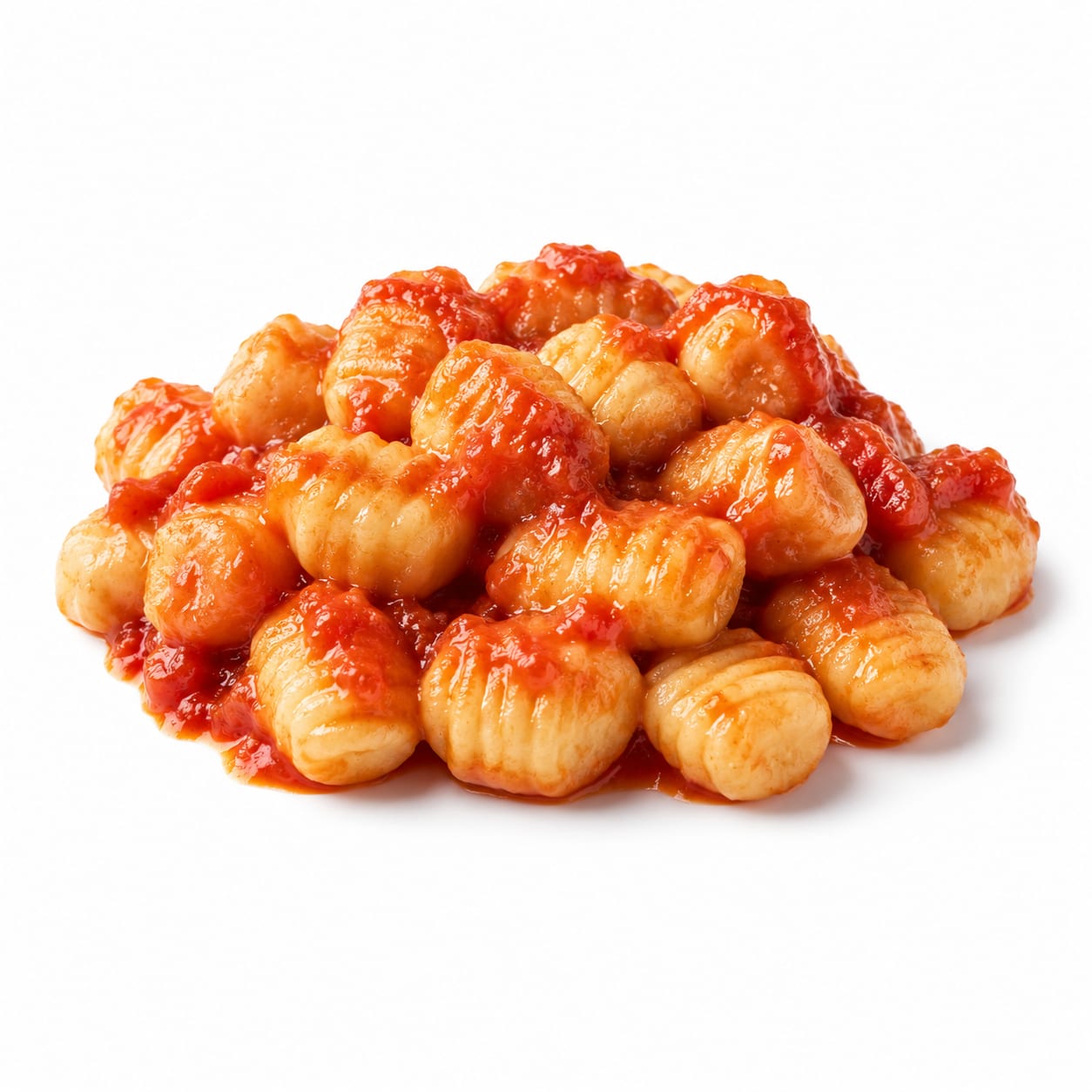
Gnocchi
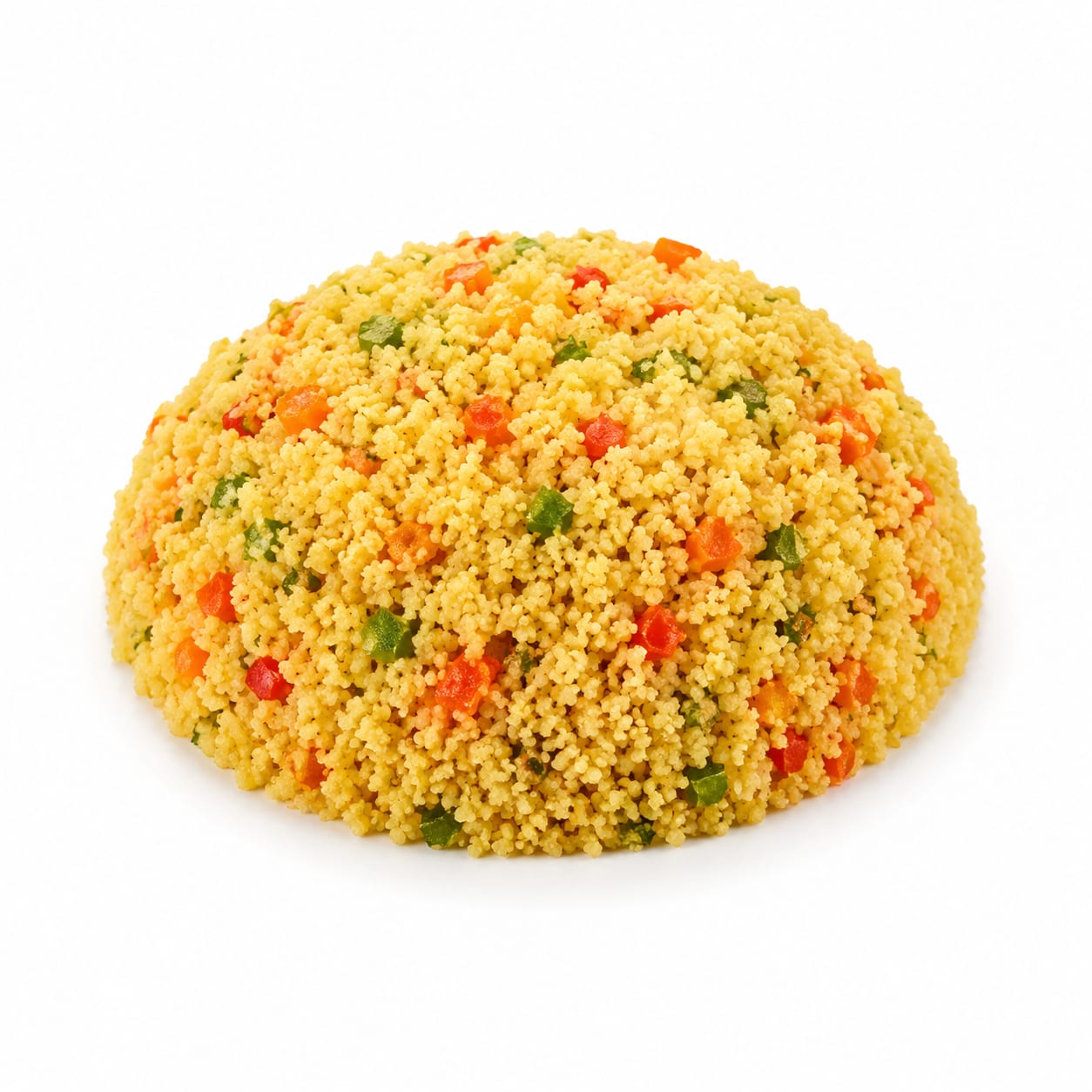
Couscous
Couscous wins on convenience and lighter calories; gnocchi wins on satiety and comfort factor. Neither is a nutritional standout.
Couscous edges ahead slightly due to convenience, lower calorie density, and marginally better protein content. Gnocchi offers more satiety and comfort but at a higher calorie cost. Both are refined carb sources with limited micronutrients, keeping scores modest.
Speed and lightness versus filling satisfaction and comfort — couscous is ready in minutes but leaves you hungry sooner, while gnocchi takes more effort but sticks with you longer.
At a glance
Executive summary
Overall
It depends
Healthier
It depends
More practical
Couscous
Daily use
Couscous
Key comparison lenses
carb source selection
Both are starchy carb staples, so users are likely deciding which base fits their meal better
blood sugar management
Both are high-glycemic refined carbs that spike blood sugar, a key concern for many eaters
weight management
Calorie density and satiety differ meaningfully between these two options
meal convenience
Couscous is nearly instant while gnocchi requires boiling, a practical dealbreaker for busy people
digestive comfort
Potato-based gnocchi may suit sensitive stomachs differently than wheat-based couscous
Best choice for
Gnocchi
- People who want a satisfying, filling meal base
- Those seeking comfort food without deep-frying or heavy sauces
- Anyone avoiding wheat who can find potato-based gnocchi without added flour
- Active individuals needing sustained carb energy
Couscous
- Busy people needing a 5-minute carb side
- Anyone counting calories who wants a lighter plate
- Meal preppers building quick grain bowls
- People who prefer lighter, less heavy meals
Least suitable for
Gnocchi
- People strictly managing blood sugar
- Anyone short on cooking time on weeknights
- Those watching calorie density closely
- Gluten-sensitive individuals unless using gluten-free gnocchi
Couscous
- People with celiac disease or gluten intolerance
- Anyone needing long-lasting satiety from their carb base
- Those avoiding refined grains
- People prone to blood sugar crashes
Deep comparison
Dimension by dimension
Each lens scores both foods and breaks down who each option suits.
- Dimension 1 · Priority 90Gnocchi
satiety_and_fullness
Gnocchi · 68Couscous · 42Gnocchi is noticeably more filling per serving due to its dense, doughy texture and higher water content from potatoes.
Tradeoff
That fullness comes with more calories per bite — you feel satisfied but may overshoot your energy needs.
Why it matters
If you struggle with snacking between meals, gnocchi keeps you fuller longer. If you prefer eating smaller amounts more frequently, couscous fits better.
Real-world impact
A gnocchi dinner at 7pm likely holds you until bedtime. A couscous dinner might have you back in the kitchen by 9pm.
Gnocchi
- Long gaps between meals
- Preventing late-night snacking
- People who feel hungry quickly after eating
Better for
- Anyone easily overeating calorie-dense foods
- People who feel sluggish after heavy meals
Worse for
Couscous
- Smaller, more frequent meals
- Avoiding that overly stuffed feeling
- Light lunches that won't slow you down
Better for
- Chronic snackers who need meals that actually hold them
- Active people burning through light meals too fast
Worse for
- Dimension 2 · Priority 88It depends
blood_sugar_stability
Gnocchi · 38Couscous · 35Both spike blood sugar significantly. Couscous hits slightly faster due to its refined semolina; gnocchi has marginally more resistant starch from cooled potatoes.
Tradeoff
Neither is a good choice for blood sugar control. The difference between them is small enough that pairing with protein and fat matters far more than choosing between them.
Why it matters
If you have prediabetes or insulin resistance, both require careful portioning and pairing with fiber-rich vegetables and protein.
Real-world impact
Eating either alone as a large portion will likely cause an energy crash within 90 minutes. Adding chicken and roasted vegetables changes the picture entirely.
Gnocchi
- Slightly slower glucose release when potatoes are cooked then cooled
- Meals where you can add olive oil and vegetables to slow absorption
Better for
- Large portions of gnocchi in cream-based sauces — a blood sugar disaster
- Anyone eating it plain without protein or fat
Worse for
Couscous
- Smaller portions since couscous is easier to measure and control
- Whole wheat couscous as a direct upgrade for fiber
Better for
- Quick-digesting refined couscous eaten in large amounts alone
- People who overpour couscous because it looks small dry
Worse for
- Dimension 3 · Priority 82Couscous
calorie_density_and_weight_management
Gnocchi · 40Couscous · 62Couscous delivers fewer calories per serving, making it easier to fit into a calorie budget. Gnocchi is denser and easier to overeat.
Tradeoff
Lower calories mean less fullness — you may eat more later, negating the initial savings.
Why it matters
For pure calorie counting, couscous gives you more flexibility. But if it leaves you hungry and snacking, the advantage disappears.
Real-world impact
A cup of cooked couscous runs roughly 175 calories. A similar portion of gnocchi can hit 250+ calories, especially with sauce.
Gnocchi
- People who struggle with portion control and prefer eating less volume more calorie-dense food mindfully
Better for
- Mindless eaters who go back for seconds
- Anyone estimating portions loosely
Worse for
Couscous
- Calorie counters who track strictly
- Anyone building bowls with lots of vegetables and lean protein
- People who prefer larger plate volume for fewer calories
Better for
- Volume eaters who feel deprived on light meals
Worse for
- Dimension 4 · Priority 78Couscous
convenience_and_preparation
Gnocchi · 35Couscous · 90Couscous is nearly instant — add boiling water, wait 5 minutes, fluff. Gnocchi requires boiling, careful timing to avoid mushiness, and draining.
Tradeoff
The speed of couscous makes it a realistic weeknight staple. Gnocchi demands more attention, which limits how often you actually cook it.
Why it matters
The best carb source is the one you actually prepare consistently. Convenience often trumps minor nutritional differences in real life.
Real-world impact
Couscous works for a 15-minute weeknight dinner. Gnocchi is more of a weekend or planned meal unless you buy pre-cooked versions.
Gnocchi
- Cooking as a mindful, enjoyable activity
- Weekend meal prep with more time
Better for
- Time-pressed weeknights
- Anyone who abandons cooking when it takes too long
Worse for
Couscous
- Post-work dinners when you are exhausted
- Meal prepping large batches quickly
- Office lunches that reheat easily
- Camping and travel cooking
Better for
- Cooking as a social or relaxing experience — couscous feels too simple
Worse for
- Dimension 5 · Priority 72It depends
nutritional_value
Gnocchi · 45Couscous · 48Neither is a nutritional powerhouse. Gnocchi offers potassium from potatoes; couscous provides slightly more protein and selenium from wheat.
Tradeoff
Both are essentially refined carb vehicles. The nutritional differences are small and easily covered by other foods on your plate.
Why it matters
Do not expect either to carry your micronutrient intake. What you pair them with matters far more than the grain itself.
Real-world impact
Gnocchi with spinach and white beans delivers a different nutritional profile than gnocchi with butter. The base matters less than the complete meal.
Gnocchi
- Potassium intake, which most people lack
- Vitamin C traces from potatoes
- Slightly more resistant starch when cooled
Better for
- Low protein content unless enriched
- Often made with refined wheat flour alongside potatoes
Worse for
Couscous
- Slightly more protein per serving
- Selenium from wheat semolina
- Whole wheat couscous as an easy fiber upgrade
Better for
- Refined grain with minimal fiber unless you choose whole wheat
- Very low in vitamins and minerals overall
Worse for
- Dimension 6 · Priority 60It depends
digestive_tolerance
Gnocchi · 55Couscous · 50Gnocchi's potato base can be gentler for some stomachs, but the added wheat flour may trigger gluten sensitivity. Couscous is pure wheat, a problem for anyone gluten-intolerant.
Tradeoff
If wheat bothers you, neither is ideal — but potato-based gnocchi with minimal flour may be tolerable in small amounts.
Why it matters
Digestive discomfort undermines any nutritional advantage. If a food makes you bloated or sluggish, it is not the right choice regardless of its profile.
Real-world impact
Someone with mild gluten sensitivity might handle gnocchi once a week but feel bloated after couscous. Someone with IBS might struggle with both.
Gnocchi
- Mild gluten sensitivity where small amounts of wheat are tolerable
- People who find potatoes easy to digest
Better for
- Severe gluten intolerance or celiac — most gnocchi contains wheat flour
- People sensitive to nightshades
Worse for
Couscous
- Those with no wheat sensitivity who digest grains easily
- People accustomed to wheat-based diets
Better for
- Anyone with celiac disease or significant gluten intolerance
- People with wheat-dependent exercise-induced anaphylaxis
Worse for
Timeline
Health impact over time
Short-term
Hours to days
Gnocchi
- Noticeable fullness and satisfaction after eating
- Possible blood sugar spike followed by moderate crash within 1-2 hours
- Heavy feeling if portion is large or sauce is rich
- Comforting, mood-boosting effect from the starchy texture
Couscous
- Quick energy availability within 30 minutes of eating
- Rapid blood sugar rise, especially if eaten alone without protein
- Light feeling in the stomach — may feel insufficient as a standalone
- Easy to overeat because it does not trigger strong fullness signals
Long-term
Months to years
Gnocchi
- Regular large portions may contribute to weight gain due to calorie density
- Potassium from potatoes supports blood pressure if gnocchi is not drowned in salt
- Possible overreliance on refined carbs if gnocchi replaces whole grains consistently
- Cooled gnocchi provides some resistant starch, mildly beneficial for gut bacteria
Couscous
- Frequent consumption of refined couscous may displace whole grains, reducing fiber intake long-term
- Selenium from wheat semolina supports thyroid function modestly
- Easy portion control may help maintain stable weight if paired with vegetables and protein
- Switching to whole wheat couscous significantly improves long-term health impact
Risk profile
Safety & processing
Both are processed foods — gnocchi is shaped from potato and flour, couscous is steamed and dried semolina. Store-bought gnocchi sometimes contains preservatives or potato flakes instead of real potatoes. Couscous is typically just semolina and water. Neither contains artificial additives in their basic forms, but always check labels on packaged versions.
Gnocchi
Cross-contamination with gluten
mediumMost commercial gnocchi contains wheat flour, making it unsafe for celiac individuals even though potatoes are naturally gluten-free.
Sodium in packaged versions
lowPre-made gnocchi can contain added salt for preservation, contributing to sodium intake if you are not checking labels.
Sulfites in dried potato gnocchi
lowSome shelf-stable gnocchi uses sulfites as preservatives, which can trigger reactions in sensitive individuals.
Couscous
Gluten content
highCouscous is pure wheat semolina — completely unsafe for anyone with celiac disease or gluten intolerance. No workaround exists except avoiding it entirely.
Pesticide residue on conventional wheat
lowConventionally grown wheat may carry pesticide residues, though processing reduces levels significantly. Organic couscous minimizes this concern.
Mycotoxin contamination
lowStored grains can develop mold toxins in humid conditions. Proper storage and buying from reputable sources mitigates this.
Who wins for whom
Audience fit
Same foods, different winners depending on your goal.
children
GnocchiKids often prefer the soft, dumpling-like texture of gnocchi, and it feels more like a complete meal. The potassium from potatoes is a small bonus for growing bodies.
daily consumption
CouscousCouscous is quick, versatile, and lighter, making it easier to eat regularly without feeling heavy. Whole wheat couscous is a sustainable daily option.
diabetes
It dependsNeither is ideal. Both spike blood sugar significantly. The best choice is whichever you can pair more effectively with fiber, protein, and healthy fats — or better yet, choose a whole grain alternative.
elderly
GnocchiGnocchi is soft, easy to chew, and more satiating — important for older adults with reduced appetite. The potato base is also gentler on sensitive digestive systems.
muscle gain
CouscousCouscous has slightly more protein per serving and is easier to eat in larger quantities for carb-loading, though neither is a significant protein source.
weight loss
CouscousCouscous offers lower calorie density and easier portion control, making it simpler to fit into a deficit — as long as you pair it with filling protein and vegetables.
Your move
Decision guide
Choose Gnocchi
- You want a comforting, satisfying meal that actually fills you up
- You are cooking for kids or elderly family members who prefer soft textures
- You have time to enjoy cooking rather than rushing through it
- You are an active person who burns through carbs and needs sustained energy
- You find light meals leave you constantly snacking
Choose Couscous
- You need dinner on the table in under 15 minutes on weeknights
- You are counting calories and want a lighter carb base
- You build grain bowls with lots of vegetables and lean protein
- You want an easy staple you will actually cook consistently
- You prefer feeling light after meals rather than full
Either works if
- You are pairing it with a protein-rich sauce and vegetables anyway
- Neither is a dietary staple — just an occasional carb side
- You have no blood sugar concerns or gluten sensitivity
- You are eating for immediate energy before or after exercise
Avoid both if
- You have celiac disease — both typically contain wheat
- You are strictly managing blood sugar and not pairing with adequate protein and fiber
- You are trying to increase whole grain intake significantly
- You tend to overeat refined carbs when they are available
Final recommendation
For most people, couscous is the more practical daily choice — it is faster, lighter, and easier to portion. But if satisfaction and comfort matter more to you than convenience, gnocchi delivers a more filling experience. The real upgrade for either choice is opting for whole wheat couscous or finding gnocchi made with whole grain flour, which narrows the gap and improves both options meaningfully.
Practical
Consumer tips
- 1
Choose whole wheat couscous over regular — it triples the fiber content with minimal taste difference
- 2
Check gnocchi ingredient lists for real potatoes versus potato flakes; fresh or refrigerated gnocchi usually has better ingredients
- 3
Cool cooked gnocchi before reheating to increase resistant starch, which feeds gut bacteria and lowers the glycemic impact
- 4
Always pair either carb with protein and vegetables — gnocchi with chicken and spinach or couscous with chickpeas and roasted vegetables transforms them from empty carbs into balanced meals
- 5
Measure couscous dry before cooking — it expands dramatically and it is easy to accidentally make double what you intended
- 6
Freeze homemade gnocchi in a single layer before bagging — it cooks directly from frozen with no quality loss
- 7
Add a splash of lemon juice and olive oil to couscous while fluffing — it brightens the flavor without heavy sauces