
Nutrition comparison
Gnocchi vs Cauliflower Gnocchi: Which Is Actually Healthier?
Compare traditional Gnocchi and Cauliflower Gnocchi on calories, carbs, blood sugar impact, and ingredients. Find out which one fits your health goals and when to choose each.
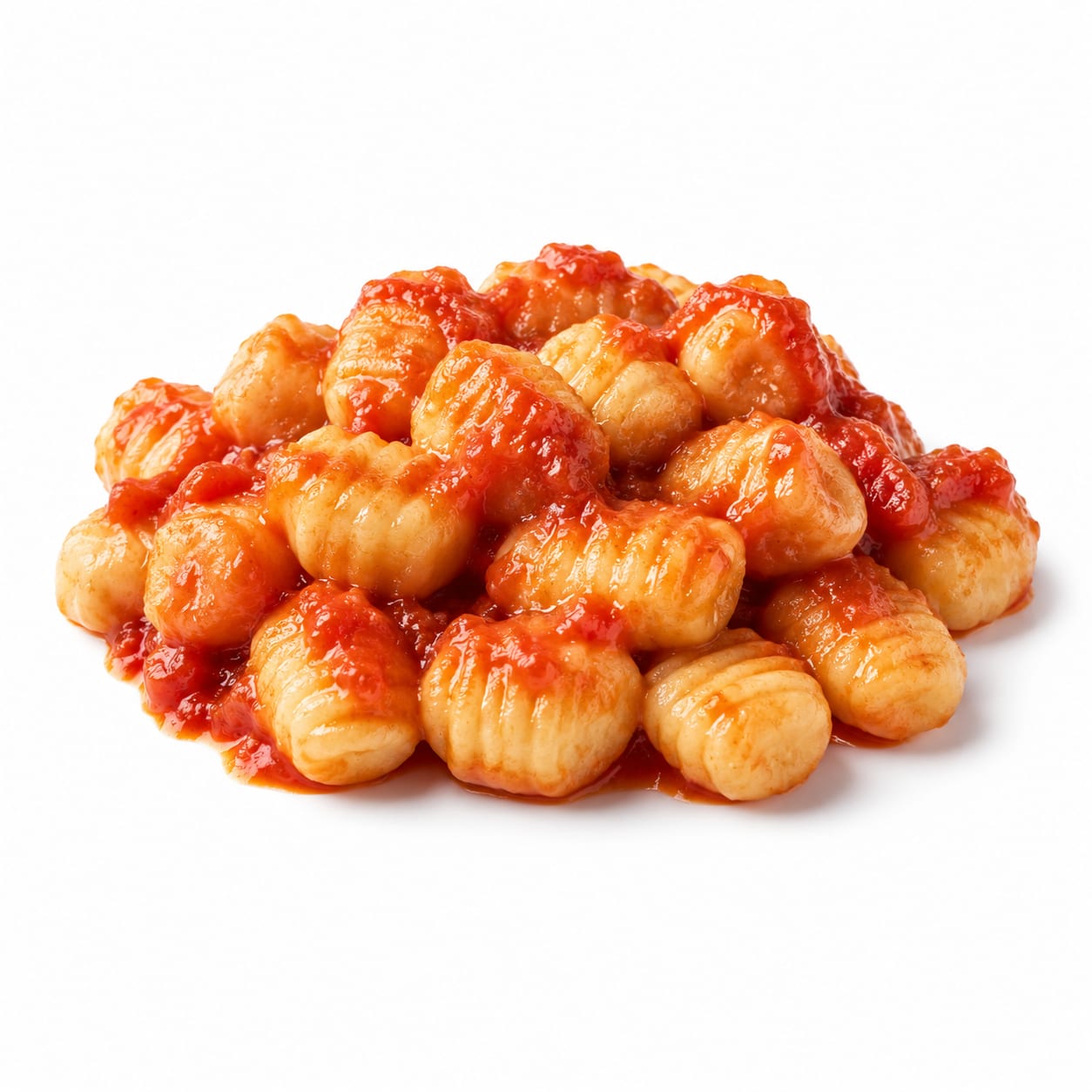
Gnocchi
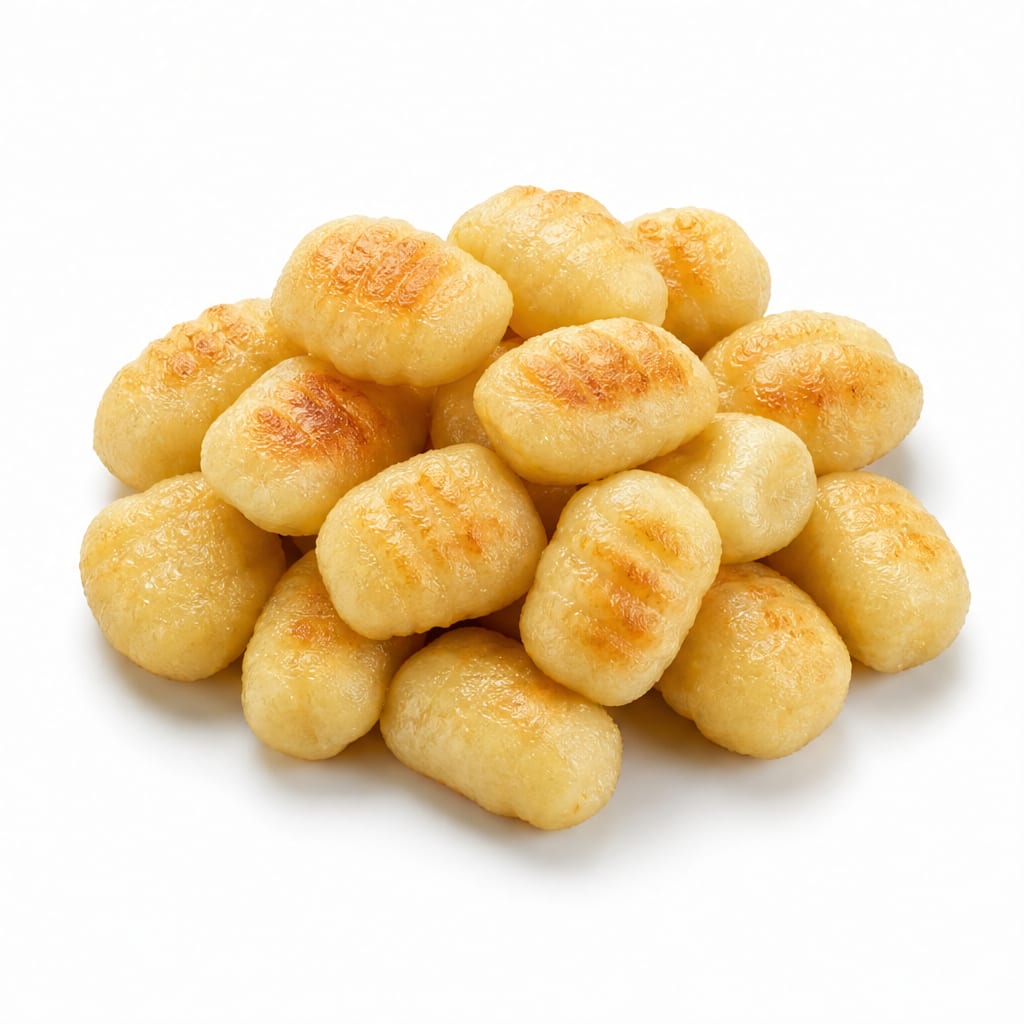
Cauliflower Gnocchi
Cauliflower Gnocchi wins for calorie and carb control, but traditional Gnocchi delivers more satisfying texture and simpler ingredients. The right choice depends on whether you prioritize weight management or eating satisfaction.
Cauliflower Gnocchi scores higher due to its lower calorie density and gentler blood sugar impact, which align with most users' health goals. Traditional Gnocchi remains competitive on satisfaction and ingredient simplicity but loses ground on metabolic factors most people care about.
You trade ingredient simplicity and eating satisfaction for fewer calories and lower carbs.
At a glance
Executive summary
Overall
It depends
Healthier
Cauliflower Gnocchi
More practical
Gnocchi
Daily use
Cauliflower Gnocchi
Key comparison lenses
low-carb alternative evaluation
Most users comparing these two are specifically looking to reduce carbs while keeping a comforting pasta-like experience
weight management tradeoff
Cauliflower Gnocchi is heavily marketed as a lighter option, so calorie and satiety differences matter deeply
processing and ingredient transparency
Cauliflower Gnocchi is typically store-bought and more processed, raising concerns about additives and naturalness
blood sugar impact
Traditional Gnocchi is potato-dense and can spike blood sugar, making this a key health dimension
taste and satisfaction preservation
Users want to know if the swap actually satisfies or leaves them reaching for more food
Best choice for
Gnocchi
- Active individuals needing carb fuel
- People who value traditional taste and texture
- Home cooks wanting minimal ingredients
- Those avoiding highly processed foods
Cauliflower Gnocchi
- Anyone counting calories or carbs
- People managing blood sugar concerns
- Those seeking lighter weeknight meals
- Gluten-sensitive individuals (brand dependent)
Least suitable for
Gnocchi
- People with diabetes or insulin resistance
- Those on low-carb or keto diets
- Anyone strictly managing calorie intake
Cauliflower Gnocchi
- Clean-eating purists avoiding processed foods
- People sensitive to added starches or gums
- Those who find low-calorie swaps trigger overeating later
Deep comparison
Dimension by dimension
Each lens scores both foods and breaks down who each option suits.
- Dimension 1 · Priority 92Cauliflower Gnocchi
blood sugar stability
Gnocchi · 35Cauliflower Gnocchi · 68Traditional Gnocchi is essentially potato and flour, which digests quickly and can cause noticeable blood sugar spikes. Cauliflower Gnocchi replaces much of that starch with cauliflower, resulting in a gentler glycemic response.
Tradeoff
Cauliflower Gnocchi still contains potato and rice flour, so it is not zero-carb — just significantly less impactful than the original.
Why it matters
If you get that shaky, hungry feeling 90 minutes after a pasta meal, the blood sugar crash is likely why. Cauliflower Gnocchi makes that less likely.
Real-world impact
After traditional Gnocchi you might feel a quick energy surge followed by an afternoon slump. Cauliflower Gnocchi gives steadier, less dramatic energy.
Gnocchi
- Post-workout recovery when you actually want quick carbs
Better for
- Anyone monitoring fasting blood sugar
- Late dinners close to bedtime
Worse for
Cauliflower Gnocchi
- Preventing the post-meal energy crash
- Managing prediabetes or insulin resistance
- Staying alert through the afternoon
Better for
- Athletes who need fast glycogen replenishment
Worse for
- Dimension 2 · Priority 90Cauliflower Gnocchi
calorie density and weight management
Gnocchi · 30Cauliflower Gnocchi · 78Cauliflower Gnocchi typically delivers roughly half the calories per serving of traditional Gnocchi. That makes it far easier to fit into a calorie-controlled plan without feeling like you are eating a tiny portion.
Tradeoff
Lower calories can mean less satiety. Some people find themselves eating more later because the meal felt too light.
Why it matters
A standard serving of traditional Gnocchi can easily hit 300+ calories before sauce and cheese. Cauliflower Gnocchi lets you build a bigger, more visually satisfying plate for fewer calories.
Real-world impact
You can have a full bowl of Cauliflower Gnocchi with marinara and still be within a reasonable lunch calorie budget. Traditional Gnocchi demands more portion awareness.
Gnocchi
- Underweight individuals needing calorie density
- Highly active days when calorie surplus is welcome
Better for
- Mindless overeating risk — easy to consume 600+ calories without realizing
Worse for
Cauliflower Gnocchi
- Consistent calorie deficit without feeling deprived
- Larger portion sizes that feel like a real meal
- Reduced guilt around comfort food nights
Better for
- Feeling unsatisfied if the meal lacks protein or fat alongside it
Worse for
- Dimension 3 · Priority 85Gnocchi
satiety and eating satisfaction
Gnocchi · 75Cauliflower Gnocchi · 55Traditional Gnocchi has that dense, chewy, comforting bite that signals a real meal to your brain. Cauliflower Gnocchi is lighter and softer, which some people find less satisfying even when full.
Tradeoff
The very lightness that makes Cauliflower Gnocchi lower in calories also makes it less emotionally filling. Comfort food works partly because it feels heavy and indulgent.
Why it matters
If your meal leaves you hunting for snacks an hour later, the calorie savings were illusory. Satisfaction matters for long-term adherence.
Real-world impact
A bowl of traditional Gnocchi with pesto feels like a proper dinner. Cauliflower Gnocchi might leave you wanting a second course or dessert.
Gnocchi
- Emotional eaters who need meals to feel substantial
- Cold weather comfort food cravings
- One-dish dinners where the pasta carries the meal
Better for
- Hot days when heavy meals feel sluggish
Worse for
Cauliflower Gnocchi
- Light summer meals where heaviness feels wrong
- Multi-course meals where the gnocchi is just one part
Better for
- Late-night dinners where unsatisfied hunger disrupts sleep
- Stress eating situations where only real comfort food works
Worse for
- Dimension 4 · Priority 80Gnocchi
ingredient simplicity and processing
Gnocchi · 72Cauliflower Gnocchi · 40Traditional Gnocchi is typically just potato, flour, and maybe egg. Store-bought Cauliflower Gnocchi often contains potato starch, rice flour, olive oil, and sometimes gums or preservatives to hold it together.
Tradeoff
The cauliflower version needs more ingredients to mimic the texture of the original. More ingredients means more processing and less transparency.
Why it matters
If you are trying to eat foods your grandmother would recognize, traditional Gnocchi is closer to that ideal. Cauliflower Gnocchi is a manufactured product designed to simulate a real food.
Real-world impact
Reading the ingredient list on Cauliflower Gnocchi reveals a longer label than expected. Traditional Gnocchi from the refrigerated section usually has three to four ingredients total.
Gnocchi
- Clean eating approaches like Whole30 (if homemade)
- People with multiple food sensitivities who need simple labels
- Anyone avoiding processed starches and gums
Better for
- Very little downside here unless you are avoiding gluten or nightshades
Worse for
Cauliflower Gnocchi
- Gluten-free needs when traditional Gnocchi is off-limits
- Convenience — pre-made and ready in minutes
Better for
- Those concerned about ultra-processed food intake
- People sensitive to added gums like xanthan or guar
Worse for
- Dimension 5 · Priority 70Cauliflower Gnocchi
nutritional value beyond macros
Gnocchi · 35Cauliflower Gnocchi · 62Cauliflower brings vitamin C, vitamin K, folate, and some fiber to the dish. Traditional Gnocchi is mostly starch with minimal micronutrient contribution.
Tradeoff
The cauliflower content is diluted by starches needed for texture, so you are not getting a full serving of vegetables. Think of it as a slight upgrade, not a vegetable serving.
Why it matters
Every small nutrient boost counts when your diet relies on convenience foods. Cauliflower Gnocchi at least contributes something beyond empty starch calories.
Real-world impact
Neither version is a nutritional powerhouse. But Cauliflower Gnocchi at least nudges your vitamin intake slightly upward while traditional Gnocchi offers essentially nothing beyond energy.
Gnocchi
- Situations where food is primarily fuel, not nutrition optimization
Better for
- Anyone relying on meals to contribute meaningful vitamins and minerals
Worse for
Cauliflower Gnocchi
- Sneaking small amounts of vegetables into picky eaters' meals
- Adding marginal nutrient density to an otherwise starchy meal
Better for
- Counting it as a real vegetable serving — it is not
Worse for
- Dimension 6 · Priority 65It depends
digestive tolerance
Gnocchi · 55Cauliflower Gnocchi · 55Traditional Gnocchi can cause bloating in gluten-sensitive or nightshade-sensitive people. Cauliflower Gnocchi avoids gluten but introduces cauliflower and gums, which can cause gas in sensitive individuals.
Tradeoff
Each option has distinct digestive triggers. Your personal sensitivities determine which is easier on your stomach.
Why it matters
A healthy meal that leaves you bloated or uncomfortable is not truly healthy for you. Digestive comfort is highly individual here.
Real-world impact
If wheat bothers you, Cauliflower Gnocchi is the clear winner. If cruciferous vegetables cause gas, traditional Gnocchi might actually digest more comfortably.
Gnocchi
- People who tolerate wheat and potatoes well
- Those who get gassy from cauliflower or cruciferous vegetables
Better for
- Celiac or gluten-intolerant individuals
- Those following nightshade-free diets for inflammation
Worse for
Cauliflower Gnocchi
- Gluten-sensitive individuals
- People avoiding nightshades who still want a pasta-like experience
Better for
- People with IBS who react to cauliflower or added fibers
- Anyone sensitive to gums and starch additives
Worse for
Timeline
Health impact over time
Short-term
Hours to days
Gnocchi
- Noticeable blood sugar rise within 30-60 minutes after eating
- Quick feeling of fullness that may fade within 2 hours
- Possible energy dip in the afternoon if eaten at lunch
- Heavy, comforting sensation that feels emotionally rewarding
Cauliflower Gnocchi
- More stable energy with less dramatic peaks and valleys
- Lighter feeling in the stomach after eating
- Possible gas or bloating if sensitive to cauliflower or gums
- May feel less immediately satisfying, prompting snacking later
Long-term
Months to years
Gnocchi
- Regular consumption without portion control may contribute to weight gain
- Frequent high-glycemic meals can worsen insulin sensitivity over time
- Simple ingredient list reduces exposure to food additives
- Emotional satisfaction from real comfort food may support dietary adherence
Cauliflower Gnocchi
- Easier to maintain calorie deficit long-term, supporting weight stability
- Lower glycemic load reduces cumulative metabolic strain
- Regular intake of processed starches and gums may not suit everyone long-term
- Risk of over-relying on processed alternatives instead of whole foods
Risk profile
Safety & processing
Traditional Gnocchi is a simple processed food — potato, flour, and salt. Store-bought Cauliflower Gnocchi requires multiple starches, gums, and processing steps to achieve its texture, placing it firmly in ultra-processed territory despite its health halo.
Gnocchi
Contamination in fresh refrigerated products
lowFresh Gnocchi has a short shelf life and can harbor listeria if not kept properly cold. Cook thoroughly and respect expiration dates.
Cauliflower Gnocchi
Hidden allergens in processed formulations
mediumCauliflower Gnocchi often contains rice flour, potato starch, and sometimes trace dairy or soy. Ingredient lists vary by brand and may change, so always recheck labels.
Gum additives causing digestive upset
lowBrands may use xanthan gum or similar binders. These are generally recognized as safe but can cause bloating or loose stools in sensitive people.
Who wins for whom
Audience fit
Same foods, different winners depending on your goal.
children
GnocchiSimpler ingredients and better texture make traditional Gnocchi more appropriate for kids. Children also benefit from the energy density during growth.
daily consumption
Cauliflower GnocchiLower calorie density and better metabolic profile make Cauliflower Gnocchi more sustainable as a regular meal component, though rotating both is ideal.
diabetes
Cauliflower GnocchiLower carbohydrate content and gentler blood sugar impact make Cauliflower Gnocchi the safer choice for glucose management.
elderly
Cauliflower GnocchiOlder adults often need lower-calorie options and better blood sugar control. The softer texture of Cauliflower Gnocchi is also easy to chew.
muscle gain
GnocchiTraditional Gnocchi provides more readily available carbohydrates that support glycogen replenishment and training fuel.
weight loss
Cauliflower GnocchiRoughly half the calories per serving makes Cauliflower Gnocchi significantly easier to fit into a calorie deficit without portion frustration.
Your move
Decision guide
Choose Gnocchi
- You are an active person who burns through carbs easily
- Meal satisfaction and emotional comfort are top priorities
- You prefer simple, short ingredient lists
- You are cooking for kids who might reject the texture of Cauliflower Gnocchi
- You are making gnocchi from scratch at home
Choose Cauliflower Gnocchi
- You are actively managing your weight or calorie intake
- Blood sugar control is a health priority for you
- You want a lighter meal that does not leave you sluggish
- You need a gluten-free option (check specific brand labels)
- You are meal-prepping for the week and want built-in portion control
Either works if
- You plan to load the dish with protein and vegetables anyway
- You only eat gnocchi occasionally and the difference is minimal
- You are cooking for a group with mixed dietary needs
Avoid both if
- You are following a strict keto or very low-carb diet — neither is low enough in carbs
- You have severe sensitivities to both gluten and cruciferous vegetables
- You are looking for a high-protein meal — both are carb-forward foods
Final recommendation
For most people trying to eat well without misery, Cauliflower Gnocchi is the smarter default. It saves meaningful calories and carbs while still scratching the pasta itch. But keep traditional Gnocchi in rotation for days when real comfort matters more than optimization. The best diet includes both discipline and genuine satisfaction.
Practical
Consumer tips
- 1
Check the ingredient list on Cauliflower Gnocchi brands — some are much cleaner than others. Trader Joe's version is popular but still contains multiple starches.
- 2
Boost protein by adding chicken sausage, shrimp, or white beans to either version. This fixes the satiety gap with Cauliflower Gnocchi.
- 3
Roast extra cauliflower alongside Cauliflower Gnocchi to actually get a meaningful vegetable serving — the amount inside the gnocchi itself is small.
- 4
If choosing traditional Gnocchi, pair it with a large green salad to slow digestion and reduce the blood sugar spike.
- 5
Make traditional Gnocchi from scratch on weekends. It is surprisingly simple and gives you full control over ingredients.
- 6
Do not assume Cauliflower Gnocchi is low-carb. It still has enough starch to matter on keto — check the nutrition label carefully.
- 7
Sauce matters more than you think. A butter-heavy sauce on Cauliflower Gnocchi can erase the calorie savings quickly.