
Nutrition comparison
Gnocchi vs Rice: Which is Healthier?
Compare gnocchi and rice for weight loss, blood sugar, and digestion. Discover which carb is better for your diet and when to choose each.
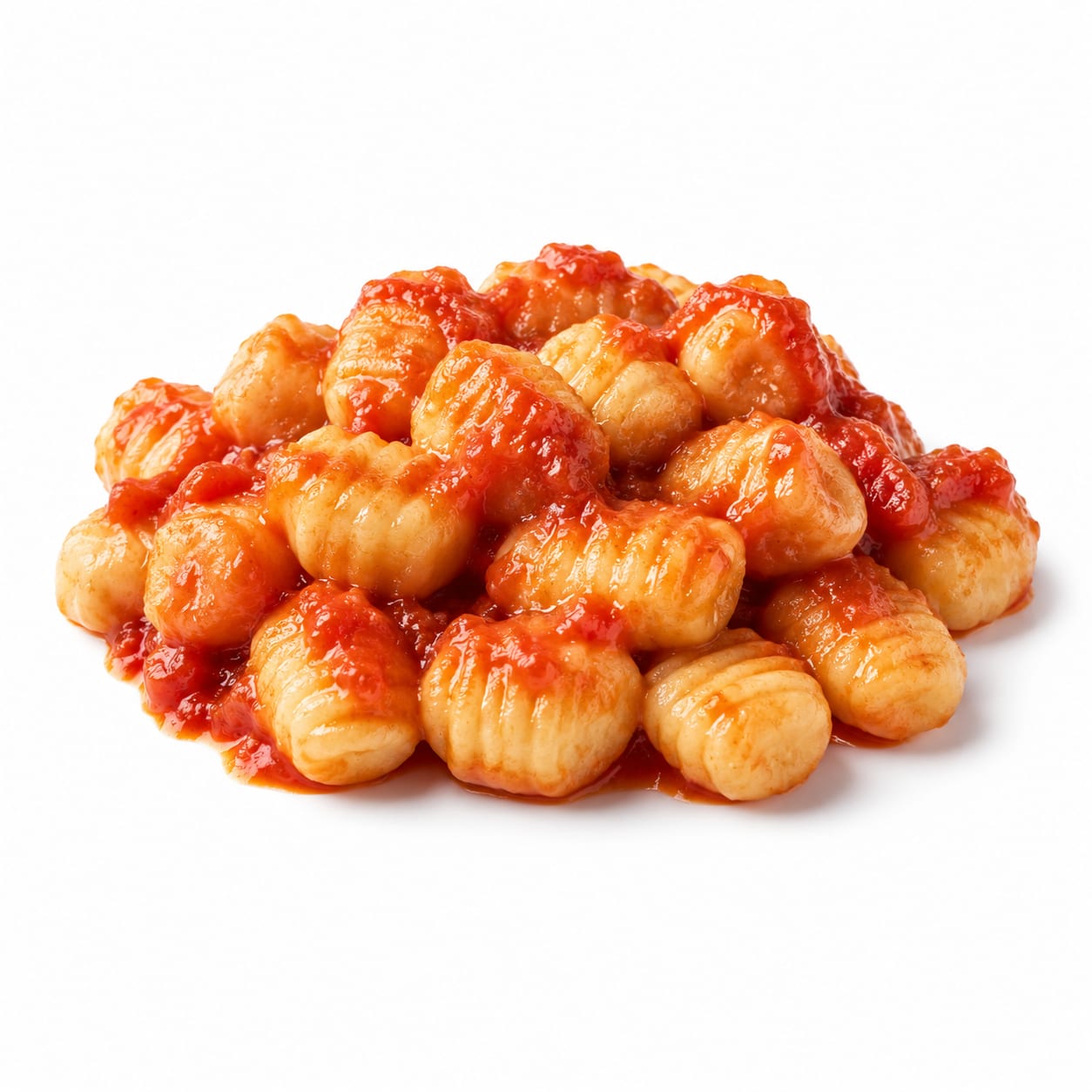
Gnocchi
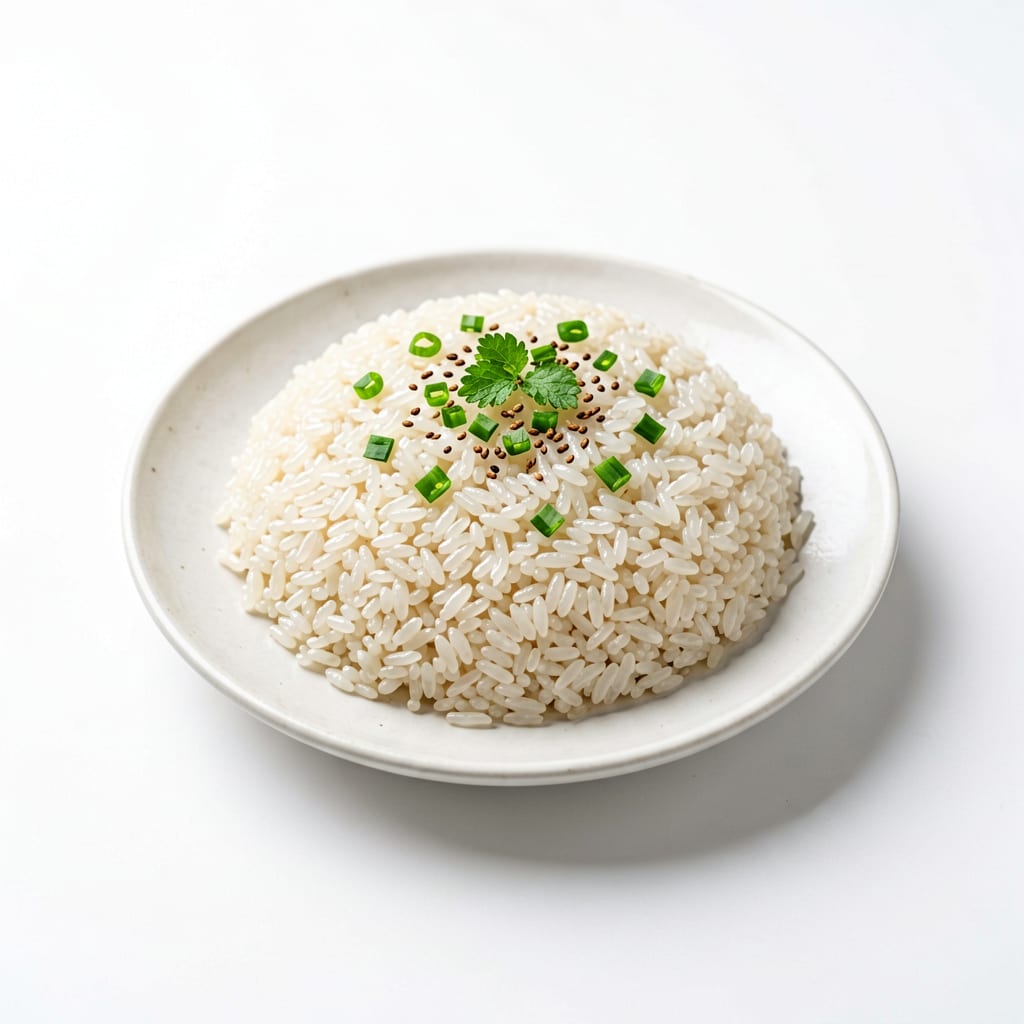
Rice
Rice is a lighter, gluten-free staple perfect for daily use, while gnocchi offers a denser, more comforting meal but packs more calories and gluten.
Rice scores higher overall due to being a naturally gluten-free, less processed, and lighter staple. Gnocchi wins on comfort and quick cooking satisfaction but falls behind on digestive tolerance and calorie control.
Digestive safety and lower calorie density (rice) versus satisfying comfort and quicker cooking time (gnocchi).
At a glance
Executive summary
Overall
It depends
Healthier
It depends
More practical
Rice
Daily use
Rice
Key comparison lenses
Blood sugar impact and carbohydrate quality
Both are dense carbohydrate sources that can heavily influence energy levels and insulin response.
Gluten sensitivity and digestive tolerance
Gnocchi typically contains wheat flour, making rice the default choice for gluten-free diets.
Weight management and calorie density
Gnocchi is significantly more calorie-dense than rice, impacting portion control and satiety.
Meal versatility and convenience
Rice is a daily global staple, while gnocchi is more of a specialty comfort food.
Best choice for
Gnocchi
- Hearty comfort meals in cold weather
- Quick 15-minute fancy weeknight dinners
- Situations craving a dense, satisfying carb
Rice
- Gluten-free and celiac-friendly diets
- Meal prep and batch cooking
- Lighter calorie meals and weight management
Least suitable for
Gnocchi
- Anyone with celiac disease or gluten intolerance
- Strict low-calorie or low-carb diets
- People prone to feeling sluggish after heavy meals
Rice
- Those seeking high satiety per serving without large volumes
- Diets requiring high calorie density for weight gain
Deep comparison
Dimension by dimension
Each lens scores both foods and breaks down who each option suits.
- Dimension 1 · Priority 90It depends
Blood Sugar Stability
Gnocchi · 35Rice · 50Both are high-carb foods that can spike blood sugar, but rice offers whole-grain options like brown rice that gnocchi lacks.
Tradeoff
Gnocchi's potato and wheat base digests quickly, while white rice is equally fast; only brown rice provides steadier energy.
Why it matters
Preventing blood sugar spikes stops the afternoon energy crash and keeps hunger at bay longer.
Real-world impact
Eating either on an empty stomach without protein or fat can lead to a quick energy drop within an hour.
Gnocchi
- People with insulin resistance
Worse for
Rice
- Brown rice for sustained energy
Better for
- White rice for blood sugar spikes
Worse for
- Dimension 2 · Priority 80Gnocchi
Satiety & Fullness
Gnocchi · 78Rice · 60Gnocchi is denser and more filling per serving, making it easier to feel satisfied with a smaller portion volume.
Tradeoff
Gnocchi provides a heavier, comforting fullness, while rice leaves you feeling lighter but potentially hungry sooner.
Why it matters
Feeling physically full after a meal prevents mindless snacking later in the evening.
Real-world impact
A bowl of gnocchi feels like a complete, heavy meal; a bowl of rice often needs added protein and veggies to feel satisfying.
Gnocchi
- Hearty dinner cravings
- Post-workout replenishment
Better for
- Feeling sluggish after eating
Worse for
Rice
- Light lunches
- Hot summer days
Better for
- Getting hungry again quickly
Worse for
- Dimension 3 · Priority 88Rice
Digestive Tolerance & Allergens
Gnocchi · 40Rice · 95Rice is naturally gluten-free and extremely gentle on the stomach, while most gnocchi contains wheat flour.
Tradeoff
Choosing gnocchi introduces gluten and potential digestive discomfort for sensitive individuals.
Why it matters
Gluten sensitivity and celiac disease require strict avoidance, and even mild sensitivity causes uncomfortable bloating.
Real-world impact
Rice is a safe bet for almost any dinner guest, while gnocchi requires checking dietary restrictions first.
Gnocchi
- Gluten intolerance
- Wheat allergies
Worse for
Rice
- Celiacs
- Gluten-sensitive individuals
- Upset stomach recovery
Better for
- Dimension 4 · Priority 75Rice
Calorie Density & Weight Management
Gnocchi · 45Rice · 72Rice is lower in calories per cooked cup than gnocchi, making portion control easier for weight management.
Tradeoff
Gnocchi packs more calories into a small, delicious package, which can silently add up on the scale.
Why it matters
Calorie density dictates how much you can eat without gaining weight, impacting long-term sustainability.
Real-world impact
A typical gnocchi serving can easily double the calories of a standard rice portion before sauces are even added.
Gnocchi
- Bulking on a budget
Better for
- Unintended weight gain
Worse for
Rice
- Calorie counting
- Weight loss diets
Better for
- Dimension 5 · Priority 70It depends
Convenience & Versatility
Gnocchi · 72Rice · 80Rice is a universal staple that stores for ages and pairs with everything; gnocchi cooks in minutes but is less versatile.
Tradeoff
Gnocchi is incredibly fast to boil from the package but is locked into Italian-style dishes, whereas rice fits global cuisines.
Why it matters
Versatility determines how often you will actually use the ingredient in your weekly meal rotation.
Real-world impact
Rice can be meal-prepped in bulk for days; leftover gnocchi often gets gummy and unappetizing.
Gnocchi
- 15-minute weeknight dinners
Better for
- Leftovers
Worse for
Rice
- Meal prep
- Global cuisine pairing
- Pantry staples
Better for
Timeline
Health impact over time
Short-term
Hours to days
Gnocchi
- Quick energy from dense carbohydrates
- Potential bloating if sensitive to gluten
- Heavy, comforting fullness
Rice
- Quick energy from easily digested carbs
- Very gentle on the digestive tract
- Light feeling after eating
Long-term
Months to years
Gnocchi
- Risk of weight gain if portions are not controlled
- Potential inflammatory response if gluten-sensitive
- Higher sodium intake if eating packaged varieties
Rice
- Steady, reliable energy source if choosing brown rice
- Easy weight maintenance with proper portions
- Low risk of allergic or inflammatory responses
Risk profile
Safety & processing
Rice is a single-ingredient whole food, while shelf-stable gnocchi often contains preservatives, added sodium, and modified starches to maintain texture.
Gnocchi
Gluten contamination
highTraditional gnocchi contains wheat flour, posing a severe risk for those with celiac disease or severe gluten intolerance.
Sodium content
mediumPackaged gnocchi can be surprisingly high in sodium to preserve freshness and enhance flavor.
Rice
Arsenic exposure
mediumRice can accumulate inorganic arsenic from soil and water. Rinsing thoroughly and varying grain choices minimizes this risk.
Who wins for whom
Audience fit
Same foods, different winners depending on your goal.
children
RiceRice is easier for small digestive systems to process, is gluten-free, and presents a lower choking hazard when cooked soft.
daily consumption
RiceRice is more versatile, less processed, and easier to digest, making it a safer and more practical daily staple.
diabetes
It dependsNeither white rice nor gnocchi is ideal, but brown rice offers a lower glycemic index option that gnocchi cannot match.
elderly
RiceRice is gentle on aging digestive systems and avoids gluten-related inflammation that can aggravate older guts.
muscle gain
It dependsBoth provide easily accessible carbs for glycogen replenishment; rice is often preferred for clean bulking, while gnocchi helps hit higher calorie surplus goals.
weight loss
RiceRice has a lower calorie density per cup, making it easier to eat satisfying portions while staying in a calorie deficit.
Your move
Decision guide
Choose Gnocchi
- You want a comforting, heavy meal on a cold evening
- You need a fast-cooking pasta alternative for a fancy date-night in
- You have no gluten sensitivity and are not strictly counting calories
Choose Rice
- You need a reliable, gluten-free base for meal prep
- You are watching your calorie intake or trying to lose weight
- You want a versatile carb that pairs well with global cuisines
Either works if
- You need a quick carb source after an intense workout
- You are pairing the carb with a heavy protein and fibrous vegetable dish
Avoid both if
- You are on a strict low-carb or ketogenic diet
- You are looking for high-protein primary energy sources
Final recommendation
Choose rice for a lighter, everyday staple that is easy on digestion and calories. Opt for gnocchi when you crave a comforting, hearty meal, but keep an eye on portion sizes and gluten content.
Practical
Consumer tips
- 1
Rinse rice thoroughly before cooking to reduce surface arsenic and improve texture.
- 2
Look for gluten-free gnocchi made from 100% potato or rice flour if you have a sensitivity.
- 3
Pair either carb with a protein source and healthy fats to prevent blood sugar spikes.
- 4
Measure gnocchi portions carefully before cooking, as the calorie count adds up quickly compared to rice.
- 5
Cool cooked rice in the fridge to create resistant starch, which feeds gut bacteria and lowers the glycemic impact.