
Nutrition comparison
Gnocchi vs Mashed Potatoes: Nutrition, Calories & Health Comparison
Comparing gnocchi and mashed potatoes? Discover the key differences in calorie density, blood sugar impact, and which potato dish is better for your goals.
Overall winner · Mashed Potatoes
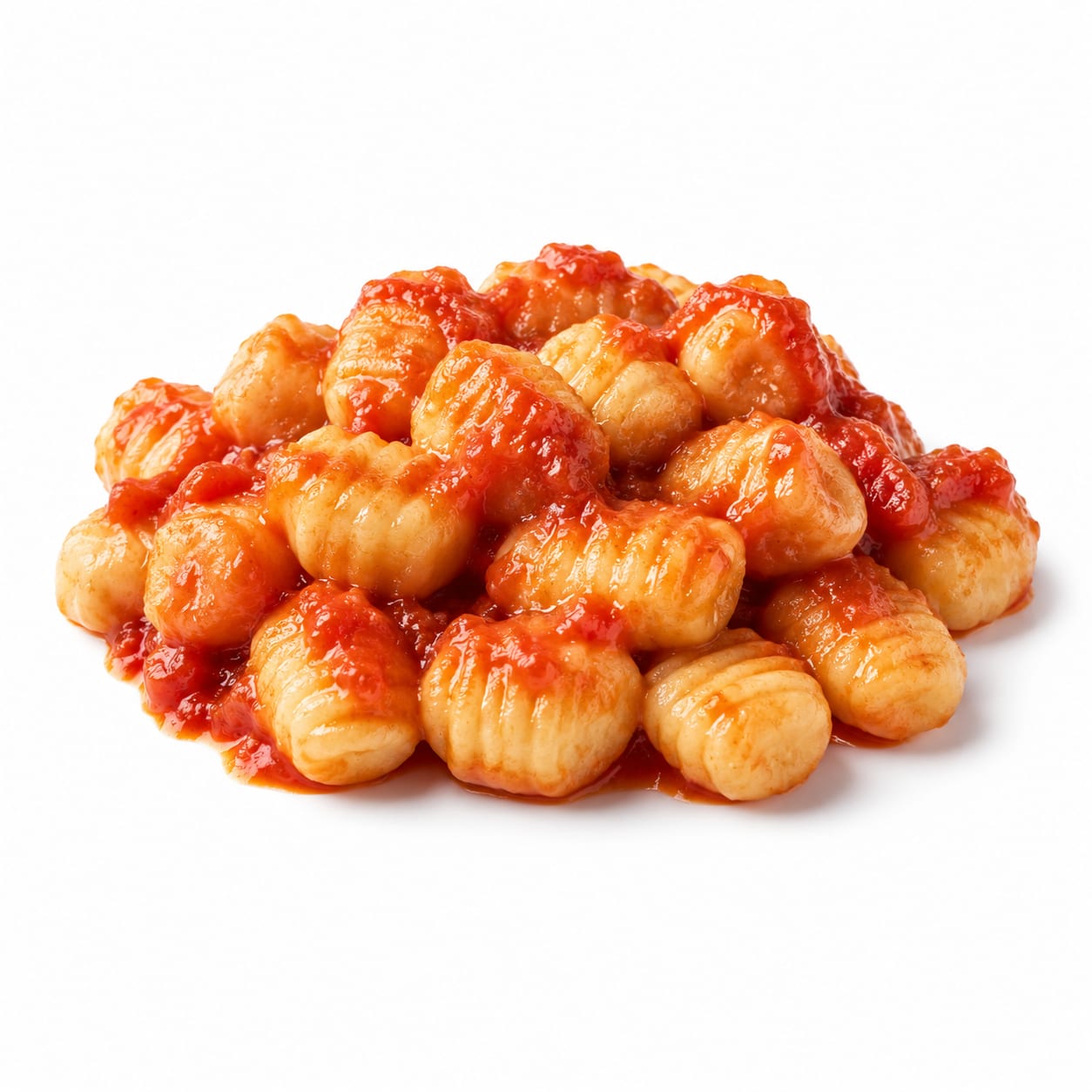
Gnocchi
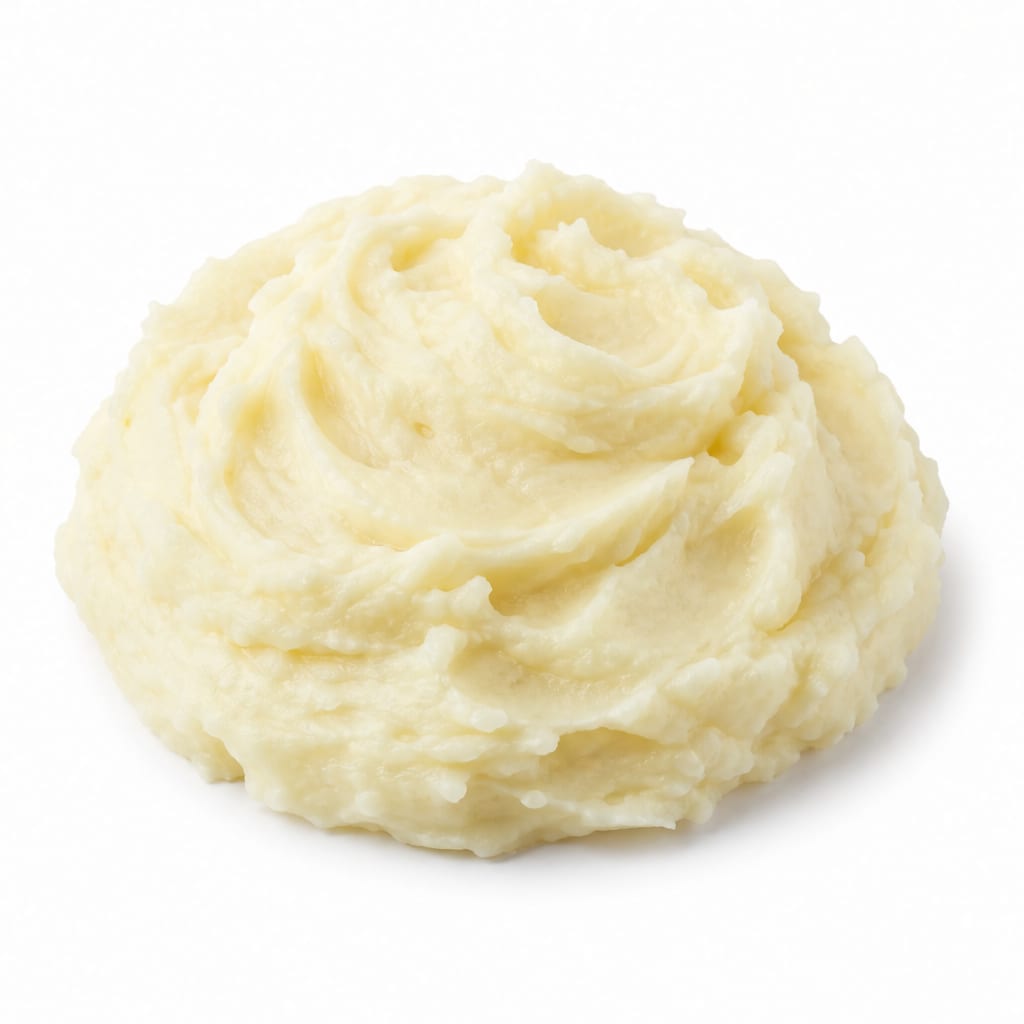
Mashed Potatoes
Mashed potatoes offer more volume and simpler ingredients, while gnocchi delivers denser carbs for heartier meals.
Mashed potatoes score higher due to better satiety per calorie and simpler ingredient profiles, though gnocchi remains a solid choice for active individuals needing dense energy.
You trade the comforting, filling volume of mashed potatoes for the satisfying, sauce-absorbing density of gnocchi.
At a glance
Executive summary
Overall
Mashed Potatoes
Healthier
Mashed Potatoes
More practical
It depends
Daily use
Mashed Potatoes
Key comparison lenses
Carbohydrate density and glycemic impact
Both are potato-based starches, but the addition of flour in gnocchi changes how the body processes the carbs.
Calorie density and portion control
Gnocchi is a compact, dense carb source, while mashed potatoes have higher water content, affecting how much you eat.
Ingredient simplicity and processing level
Homemade mashed potatoes are typically whole foods, whereas store-bought gnocchi often contains preservatives and added wheat flour.
Best choice for
Gnocchi
- Post-workout glycogen replenishment
- Hearty pasta-style dinners
- Absorbing rich tomato or pesto sauces
Mashed Potatoes
- Weight management through volume eating
- Simple side dishes for lean proteins
- Those avoiding wheat or gluten
Least suitable for
Gnocchi
- Strict low-carb or keto diets
- Those with gluten sensitivities
- People struggling with portion control
Mashed Potatoes
- Those avoiding dairy (if made with milk/butter)
- People needing dense, portable carbs
- Very low-sodium diets (if restaurant-made)
Deep comparison
Dimension by dimension
Each lens scores both foods and breaks down who each option suits.
- Dimension 1 · Priority 90Mashed Potatoes
Blood Sugar & Energy Stability
Gnocchi · 40Mashed Potatoes · 50Mashed potatoes provide slightly steadier energy due to higher water volume, though both are starchy foods that spike blood sugar.
Tradeoff
Gnocchi's added wheat flour creates a denser carb load that can cause a quicker blood sugar rise compared to the water-rich structure of mashed potatoes.
Why it matters
Dense carb meals can lead to an afternoon energy crash, making you crave snacks sooner.
Real-world impact
Eating gnocchi might leave you feeling sluggish an hour later, while mashed potatoes paired with protein keep you steadier.
Gnocchi
- Quick energy before intense physical activity
Better for
- Insulin resistance or prediabetes management
Worse for
Mashed Potatoes
- Avoiding the post-lunch energy crash
Better for
- Situations requiring compact, high-glycogen fuel
Worse for
- Dimension 2 · Priority 85Mashed Potatoes
Satiety & Fullness
Gnocchi · 50Mashed Potatoes · 75Mashed potatoes are much more filling per calorie because of their high water content and volume.
Tradeoff
Gnocchi is compact and easy to overeat before your brain registers fullness, whereas mashed potatoes physically fill your stomach faster.
Why it matters
Feeling full on fewer calories makes weight management effortless.
Real-world impact
A standard serving of mashed potatoes feels like a large, comforting side, while the same calories in gnocchi look tiny on the plate.
Gnocchi
- Bulking up for muscle gain when appetite is low
Better for
- Mindless snacking or overeating tendencies
Worse for
Mashed Potatoes
- Staying full between meals without overeating
Better for
- When you need lightweight, non-bloating fuel
Worse for
- Dimension 3 · Priority 80Mashed Potatoes
Calorie Density & Portion Control
Gnocchi · 35Mashed Potatoes · 65Mashed potatoes offer better portion control because you get more food volume for the same amount of calories.
Tradeoff
Gnocchi packs a lot of calories into a small, dense dumpling, making it surprisingly easy to consume a massive calorie load in a few bites.
Why it matters
Visually larger portions trick your brain into feeling more satisfied with less energy intake.
Real-world impact
A bowl of gnocchi can easily exceed 500 calories before adding sauce, while a generous scoop of mashed potatoes feels huge for 250 calories.
Gnocchi
- Hikers or athletes needing calorie-dense fuel
Better for
- Sedentary days with low calorie budgets
Worse for
Mashed Potatoes
- Calorie counting or weight loss phases
Better for
- Heavy training days requiring massive carb intake
Worse for
- Dimension 4 · Priority 75Mashed Potatoes
Ingredient Simplicity & Processing
Gnocchi · 45Mashed Potatoes · 85Homemade mashed potatoes are typically whole foods, while packaged gnocchi often contains preservatives and added wheat flour.
Tradeoff
Making gnocchi from scratch closes this gap, but store-bought gnocchi is a highly processed convenience product with stabilizers.
Why it matters
Fewer additives mean less digestive irritation and better long-term metabolic health.
Real-world impact
Mashed potatoes are just potatoes, milk, and butter. Store-bought gnocchi labels often read like a science experiment.
Gnocchi
- Convenience when you need a quick pantry meal
Better for
- Avoiding ultra-processed foods
Worse for
Mashed Potatoes
- Families prioritizing clean, whole-food eating
Better for
- Weeknights with zero prep time
Worse for
- Dimension 5 · Priority 70Gnocchi
Meal Versatility & Satisfaction
Gnocchi · 80Mashed Potatoes · 60Gnocchi acts as a versatile main course base that carries sauces beautifully, while mashed potatoes are usually a side dish.
Tradeoff
Gnocchi creates a more indulgent, restaurant-quality meal experience, but it requires richer sauces that add hidden calories.
Why it matters
Enjoying your food is crucial for long-term dietary adherence, and gnocchi feels like a treat.
Real-world impact
Tossing gnocchi with pesto feels like a complete, satisfying dinner, whereas mashed potatoes need a distinct protein and vegetable to feel like a full meal.
Gnocchi
- Date nights or impressive home-cooked dinners
Better for
- Light, refreshing summer meals
Worse for
Mashed Potatoes
- Comforting weeknight side dishes
Better for
- Standing alone as a vegetarian main course
Worse for
Timeline
Health impact over time
Short-term
Hours to days
Gnocchi
- Quick energy boost from dense carbohydrates
- Potential bloating if eaten with heavy, creamy sauces
- Risk of a blood sugar crash an hour after eating
Mashed Potatoes
- High satiety and immediate fullness from water volume
- Comforting and warming sensation
- Mild blood sugar rise depending on butter and dairy content
Long-term
Months to years
Gnocchi
- Weight gain risk if dense portions are not managed
- Potential increased inflammatory load from refined wheat flour in packaged varieties
- Higher cumulative sodium intake if paired with preserved sauces
Mashed Potatoes
- Easier weight maintenance due to high volume-to-calorie ratio
- Better digestive regularity if potato skins are left on
- Potential for high saturated fat intake if heavily loaded with butter
Risk profile
Safety & processing
Packaged gnocchi relies on wheat flour, dehydrated potato, and preservatives to maintain shelf stability, while homemade mashed potatoes are simply cooked and mashed whole vegetables.
Gnocchi
Gluten exposure
mediumTraditional gnocchi contains wheat flour, making it unsuitable for those with celiac disease or gluten intolerance.
Preservative sensitivity
lowStore-bought gnocchi may contain sulfites or phosphates that can trigger sensitivities in some individuals.
Mashed Potatoes
Dairy intolerance
mediumTraditional mashed potatoes use milk and butter, which can cause digestive distress for lactose-intolerant individuals.
High sodium load
lowRestaurant or pre-packaged mashed potatoes often contain excessive sodium for flavor and preservation.
Who wins for whom
Audience fit
Same foods, different winners depending on your goal.
children
Mashed PotatoesMashed potatoes are softer, easier to digest, and lack the wheat flour and additives found in packaged gnocchi.
daily consumption
Mashed PotatoesThe whole-food nature and lower calorie density of mashed potatoes make them a more sustainable daily staple than dense gnocchi.
diabetes
It dependsBoth are high-glycemic starches, but portion control is easier with mashed potatoes; however, the fat in mashed potatoes can slow sugar absorption slightly.
elderly
Mashed PotatoesMashed potatoes are extremely easy to chew and swallow, and their simple ingredient list is gentler on aging digestive systems.
muscle gain
GnocchiGnocchi offers denser, more compact carbohydrates that help hit high calorie and carb targets needed for muscle building.
weight loss
Mashed PotatoesMashed potatoes provide much more volume and satiety per calorie, making it easier to stay in a deficit without feeling deprived.
Your move
Decision guide
Choose Gnocchi
- You need a hearty, pasta-like base for a rich sauce
- You are carb-loading before or after intense exercise
- You want a shelf-stable pantry meal option
Choose Mashed Potatoes
- You want a filling side dish without excessive calories
- You prefer whole-food ingredients with no hidden additives
- You are sensitive to gluten or wheat flour
Either works if
- You are simply craving a comforting potato dish
- You plan to pair it with a large serving of lean protein and vegetables
Avoid both if
- You are on a strict low-carb or ketogenic diet
- You have severe insulin resistance and need low-glycemic carbs
Final recommendation
Choose mashed potatoes for everyday meals where fullness and simplicity matter most. Save gnocchi for active days or when you want a denser, more indulgent pasta experience.
Practical
Consumer tips
- 1
Make gnocchi from scratch using just potatoes and gluten-free flour to drastically improve its nutritional profile.
- 2
Swap butter and milk for broth and roasted garlic in mashed potatoes to cut calories while keeping flavor high.
- 3
Always pair either dish with a protein source to blunt the blood sugar spike.
- 4
Measure gnocchi carefully before cooking; it expands slightly and is very easy to over-portion.
- 5
Leave the skins on your potatoes when mashing to triple the fiber content.