
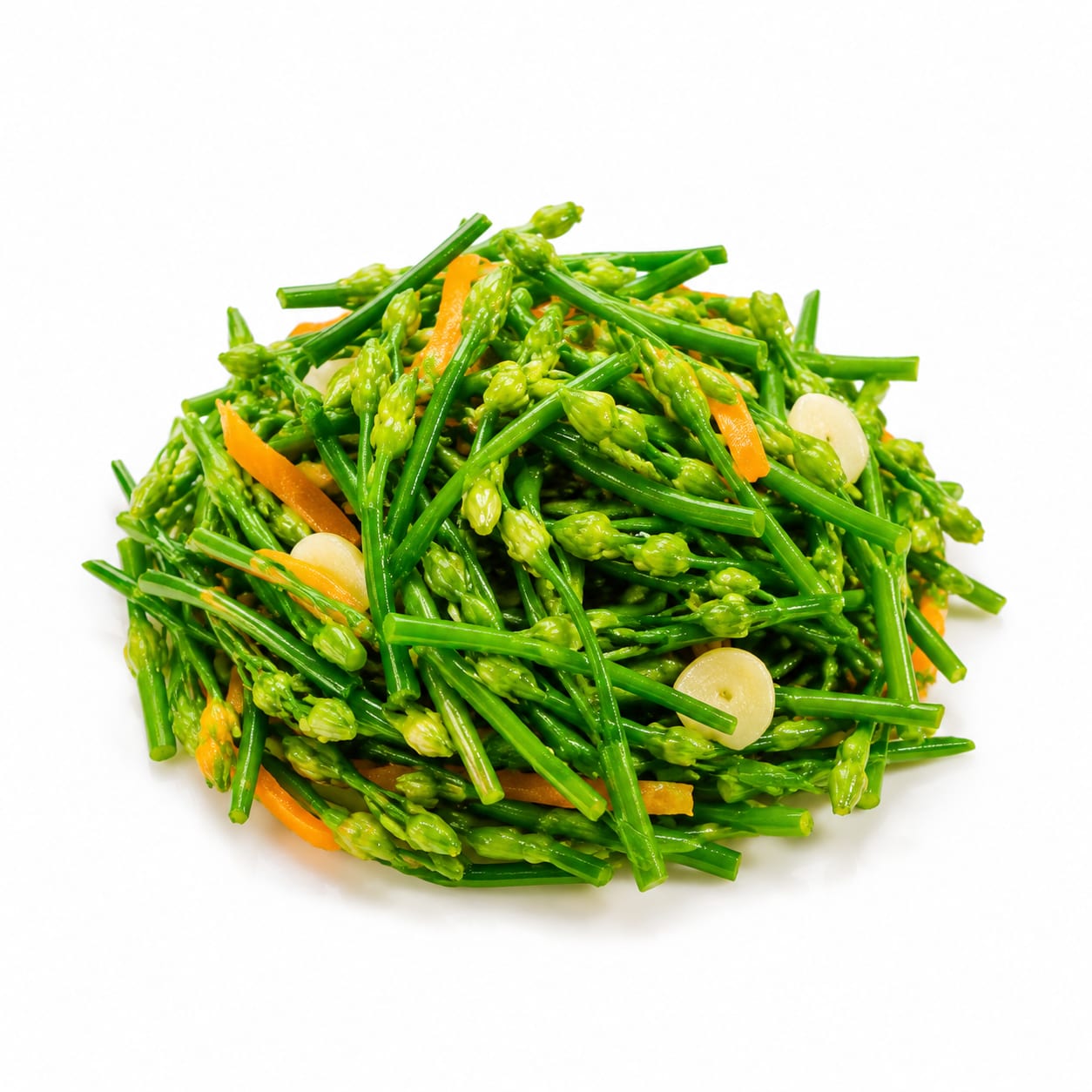
Vegetable
Garlic Chive Flower
The flavorful, edible flower buds of garlic chives used as a culinary vegetable and garnish.
The edible flower buds of the garlic chive plant, offering a potent garlic-onion flavor commonly used in Asian cuisine.
low-calorie aromatic vegetable
Typical serving · 30g
Common varieties · standard garlic chive flower, yellow chive flower, flowering Chinese chive
Overall context score across nutrition, safety, and diet fit
At a glance
Quick facts
Simple indicators based on nutrition, processing, and diet fit.
The story
What makes it unique
Garlic chive flowers are low-calorie, high-water vegetables with a moderate fiber content and low glycemic impact. They digest quickly due to high water volume but provide satiety through fiber and strong flavor. Their macronutrient profile is negligible, making them a flavor and micronutrient addition rather than an energy source.
Varieties: standard garlic chive flower · yellow chive flower · flowering Chinese chive
Per 100g
Nutrition breakdown
Macro balance and key metrics at a glance.
Energy
Density 0.30 kcal/g
Protein
Carbs
Fat
Fiber
Sugar
1.5 g
Sodium
5 mg
Potassium
210 mg
Glycemic index
15
Glycemic load
1
Water content
89%
Standout compounds
Nutrient highlights
Vitamin K
moderateSupports bone metabolism and blood clotting
Vitamin A
moderatePromotes eye health and immune function
Fructo-oligosaccharides
highActs as a prebiotic to nourish gut microbiota
Allicin-like compounds
moderateProvides antimicrobial and cardiovascular protective effects
Wellness map
Health scores & processing
NOVA processing scale
unprocessed · Whole food
Fresh garlic chive flowers are raw, unprocessed whole plant foods.
Diet compatibility
- Weight loss
- Muscle gain
- Diabetes
- Gut health
- Low carb
- High protein
- Heart health
Relative standing
Food rankings
Qualitative ranks compared to similar whole foods.
- Satietymoderate
- Blood sugarexcellent
- Nutrient densitygood
- Fitness fuelpoor
- Processing qualityexcellent
Eat with confidence
Food safety profile
Primary risks involve dirt or small insects trapped within the tight flower buds and potential pesticide residue from conventional farming.
Evidence confidence 85%
- Pesticidesmoderate
- Antibioticslow
- Heavy metalslow
- Contaminationmoderate
Watch for
- soil particles
- pesticide residue
- small insects
Safer choices
Organically grown garlic chive flowers
Prep tips
Soak in cold water and agitate thoroughly to dislodge dirt and insects trapped inside the flower heads before cooking.
Standard agricultural residue monitoring applies; no specific bans or unique restrictions.
Deep dive
Health analysis
How this food may fit different goals and preparation choices.
Weight loss
Extremely low energy density allows liberal use to enhance meal satisfaction without adding significant calories.
Blood sugar
Virtually no impact on blood glucose due to low carbohydrate content and high fiber ratio.
Fitness & energy
Not a meaningful source of fuel for exercise, but useful for flavoring post-workout meals without adding heavy macros.
Gut health
Contains fructo-oligosaccharides and inulin-like fibers that act as prebiotics, supporting beneficial gut bacteria.
Processing quality
Whole, unprocessed plant food with maximum micronutrient retention when consumed fresh or lightly cooked.
Food safety
Requires careful washing to remove soil and insects from the tight flower clusters; choosing organic reduces pesticide exposure.
Common mistakes
Overcooking, which destroys the delicate flavor and beneficial sulfur compounds; inadequate washing of the buds.
Best preparation
Quick stir-frying, blanching, or using raw as a garnish to preserve flavor and nutrients.
Practical guide
Best use cases
When and how this food fits real eating patterns.
Flavor boosting for low-calorie meals
Adds intense savory depth to dishes without relying on high-calorie sauces or oils.
Prebiotic gut health support
Provides inulin-type fructans that feed beneficial intestinal bacteria.
Garnish for Asian cuisine
Authentic topping for stir-fries, dumplings, soups, and savory pancakes.
Balance sheet
Pros & cons
Upsides
- Very low in calories and carbohydrates
- Rich in prebiotic fibers for gut health
- Contains beneficial organosulfur compounds
- Provides strong flavor without sodium or fat
- Unprocessed whole food
Trade-offs
- Flavor can overpower delicate dishes
- Difficult to clean thoroughly due to tight bud structure
- Not a meaningful source of macronutrients
- Can cause digestive discomfort in large amounts due to fructans
- Less commonly available than standard chives
Fit check
Who is it for?
Great match
- low-calorie flavor enhancement
- gut microbiome support
- low-carb and keto diets
- blood sugar management
Consider alternatives
- FODMAP-sensitive individuals
- high-protein meal planning
- endurance athletic fueling
Side by side
How it compares
Open the full head-to-head analysis for nutrition, safety, and practical tradeoffs.
This food
Garlic Chive Flower
VS90% alike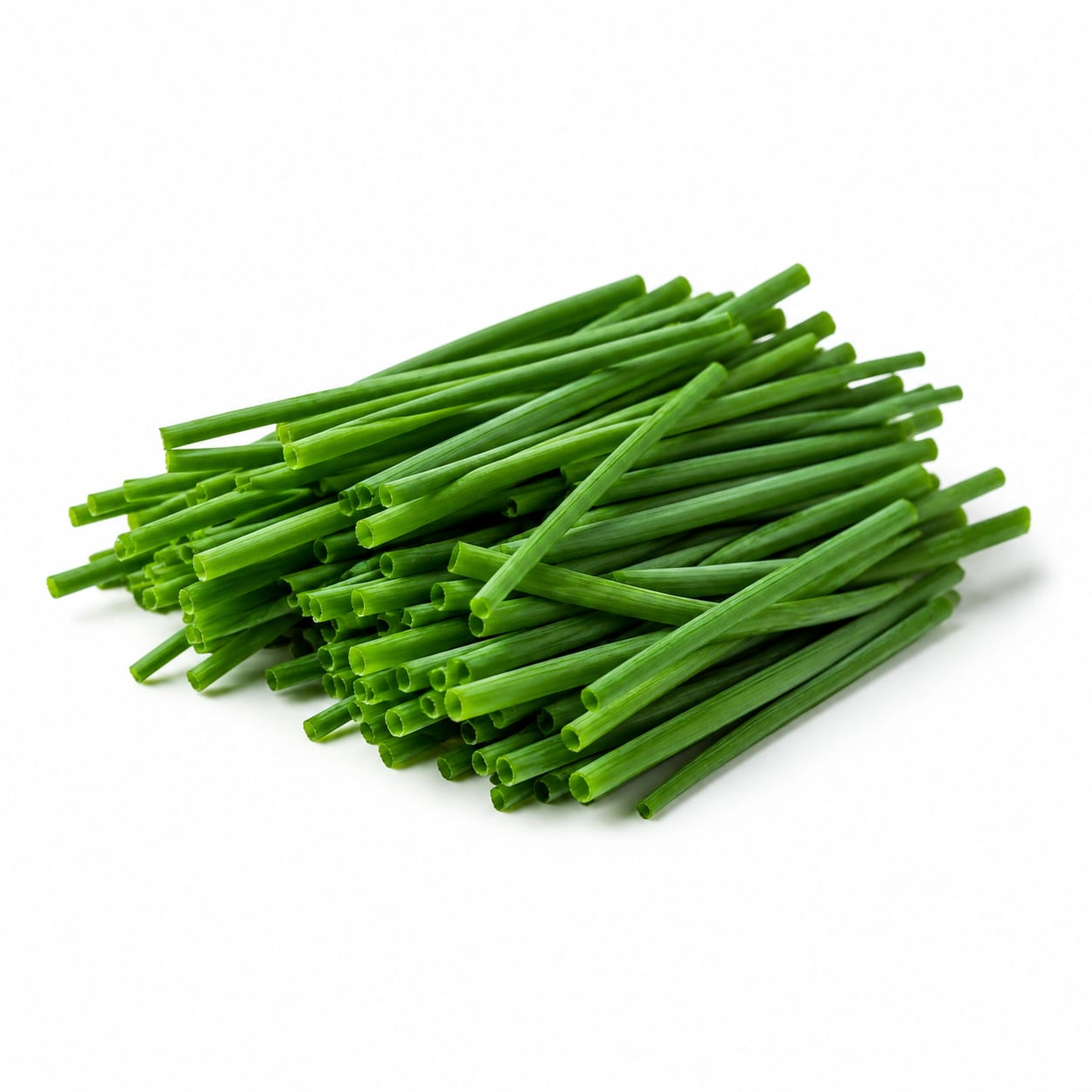
Compare with
Chives
Chives are milder and more oniony, while garlic chive flowers are pungent and garlicky.
Chives offer a milder onion flavor, while garlic chive flowers deliver a stronger garlic punch, but both are equally low-calorie garnishes.
This food
Garlic Chive Flower
VS85% alike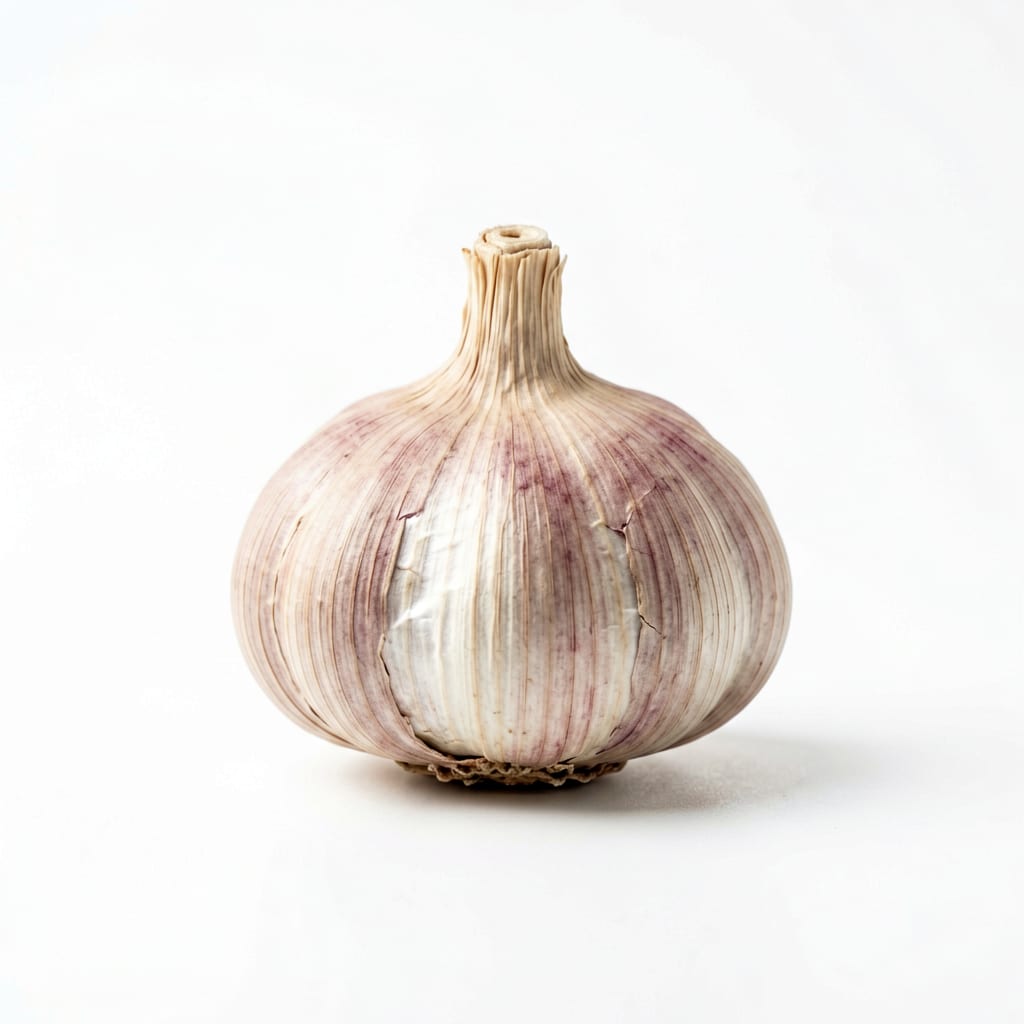
Compare with
Garlic
Garlic provides more concentrated medicinal compounds, while garlic chive flowers offer a similar flavor in a leafy, fibrous form.
Garlic offers more concentrated medicinal compounds, while garlic chive flowers provide similar flavor with added fiber and lower calorie density.
This food
Garlic Chive Flower
VS80% alike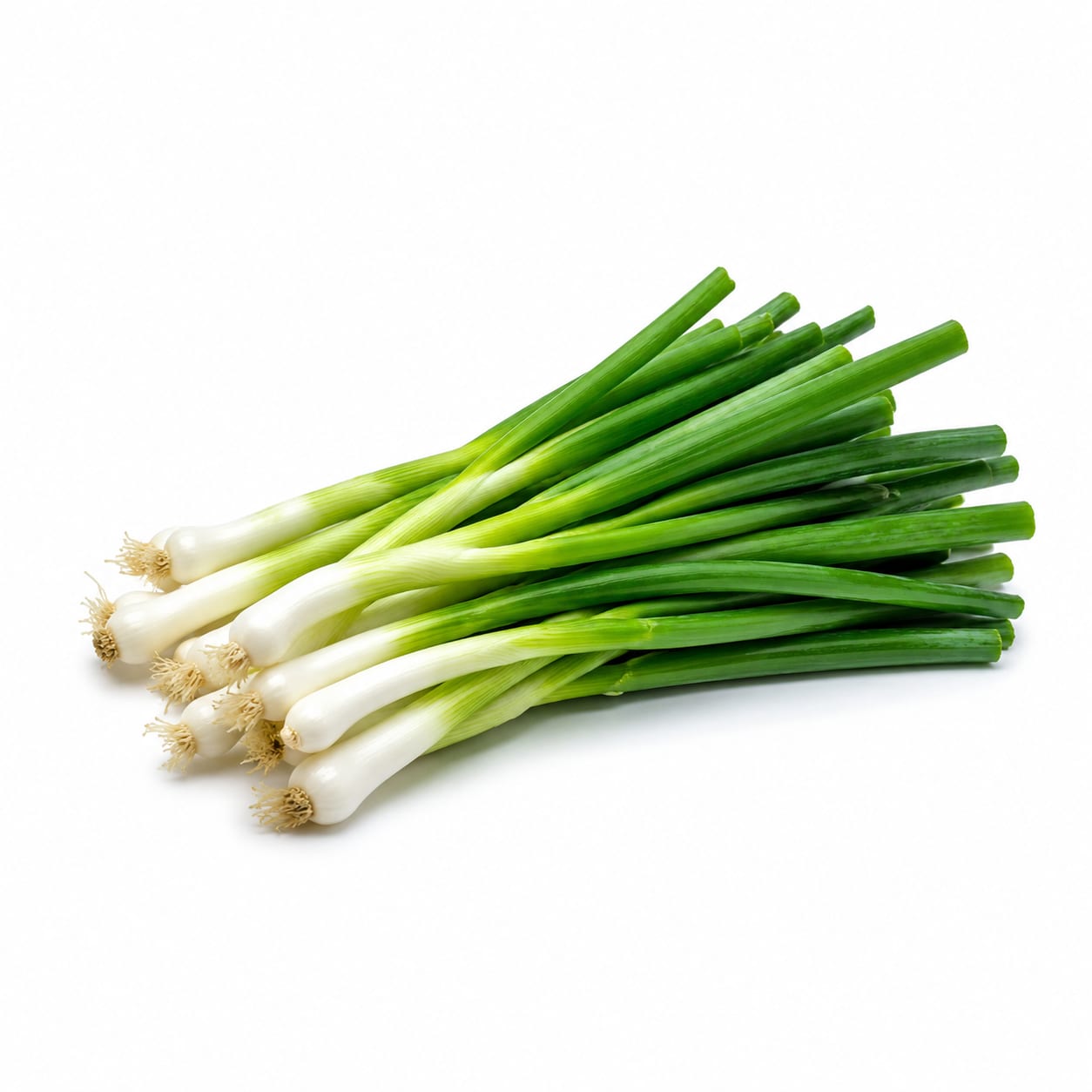
Compare with
Green Onions
Green onions have a milder flavor and larger edible bulk, while garlic chive flowers are more potent.
Green onions provide more volume and a milder taste, whereas garlic chive flowers are more pungent and slightly lower in calories.
This food
Garlic Chive Flower
VS75% alike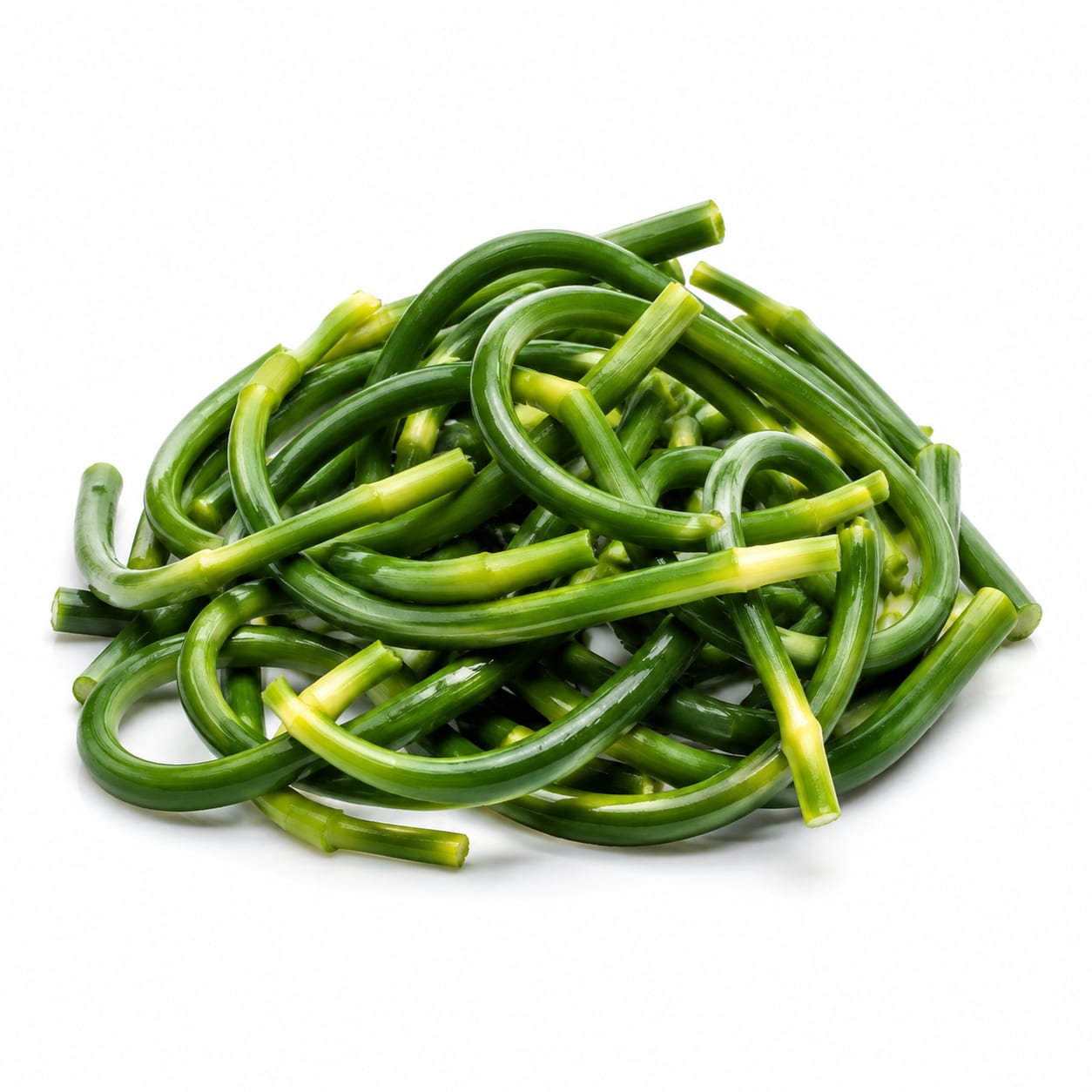
Compare with
Garlic Scapes
Scapes are thicker stalks with a mild garlic flavor, while garlic chive flowers are delicate buds with a sharper taste.
Garlic scapes offer a crunchier texture and milder flavor, while garlic chive flowers are more delicate and intensely flavored.
This food
Garlic Chive Flower
VS65% alike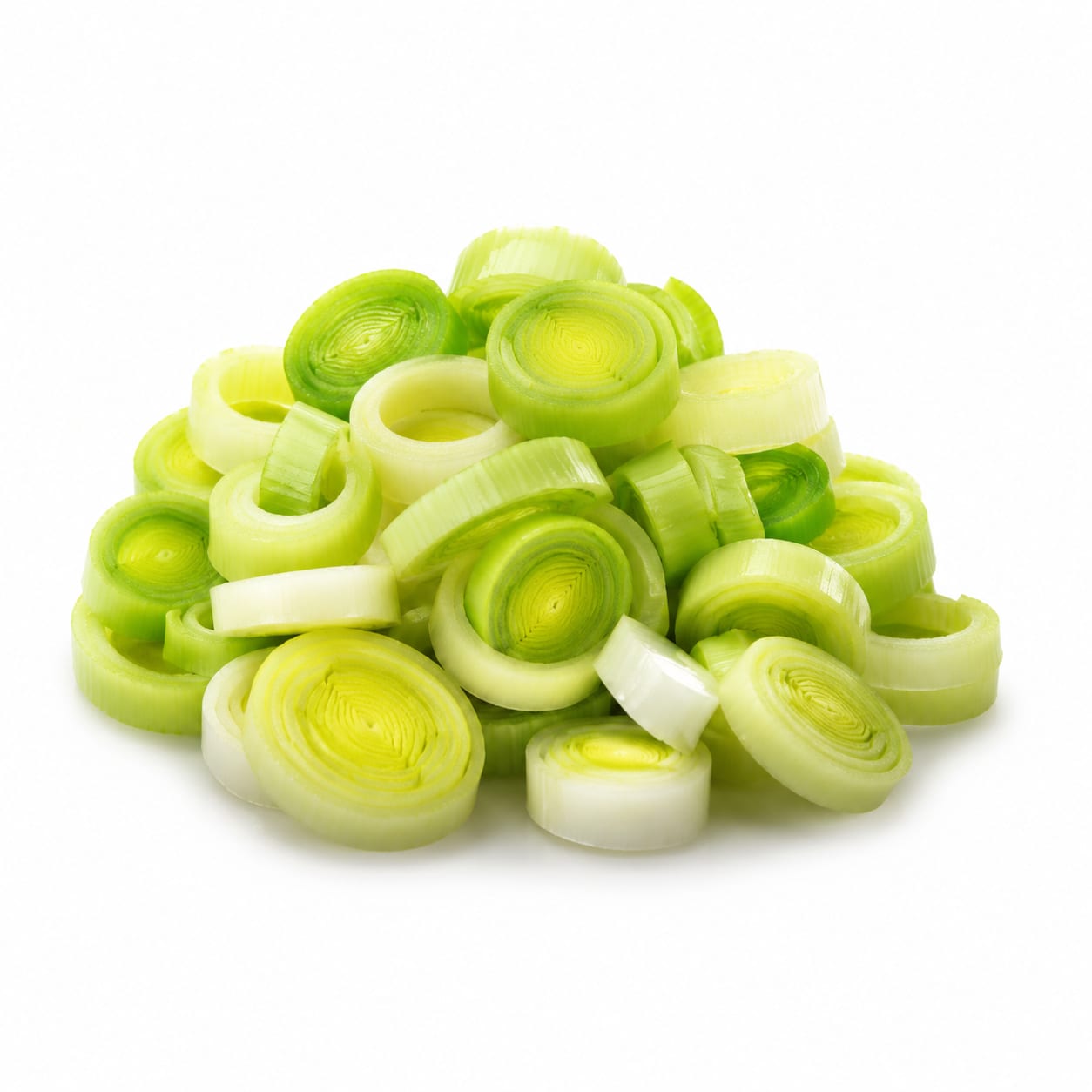
Compare with
Leeks
Leeks are much larger, milder, and used as a base vegetable, while garlic chive flowers are a potent garnish.
Leeks provide bulk and mild sweetness for cooking bases, while garlic chive flowers act as a low-calorie, high-impact flavor garnish.
This food
Garlic Chive Flower
VS50% alike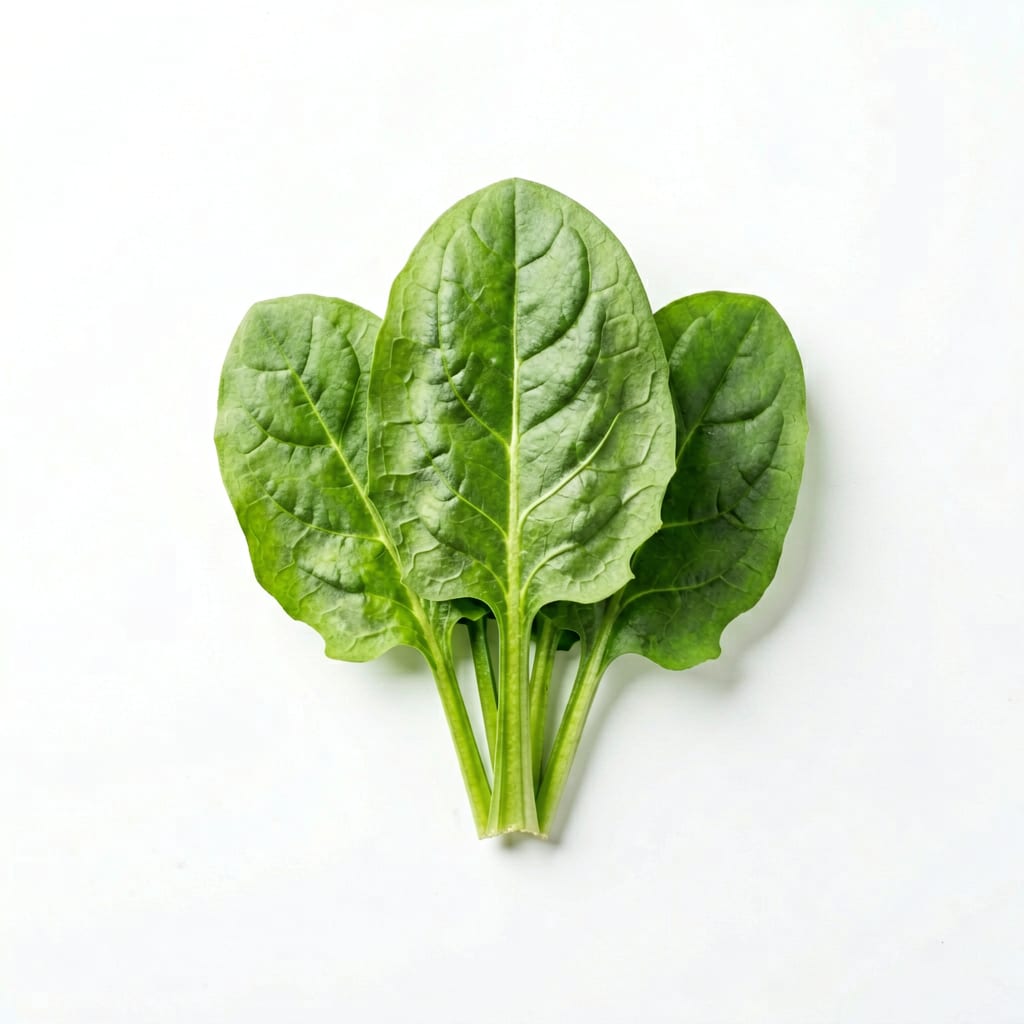
Compare with
Spinach
Spinach is a bulky leafy green with high iron, while garlic chive flowers are an aromatic garnish.
Spinach offers more volume, iron, and protein, while garlic chive flowers provide intense flavor and prebiotics in a tiny serving.
This food
Garlic Chive Flower
VS50% alike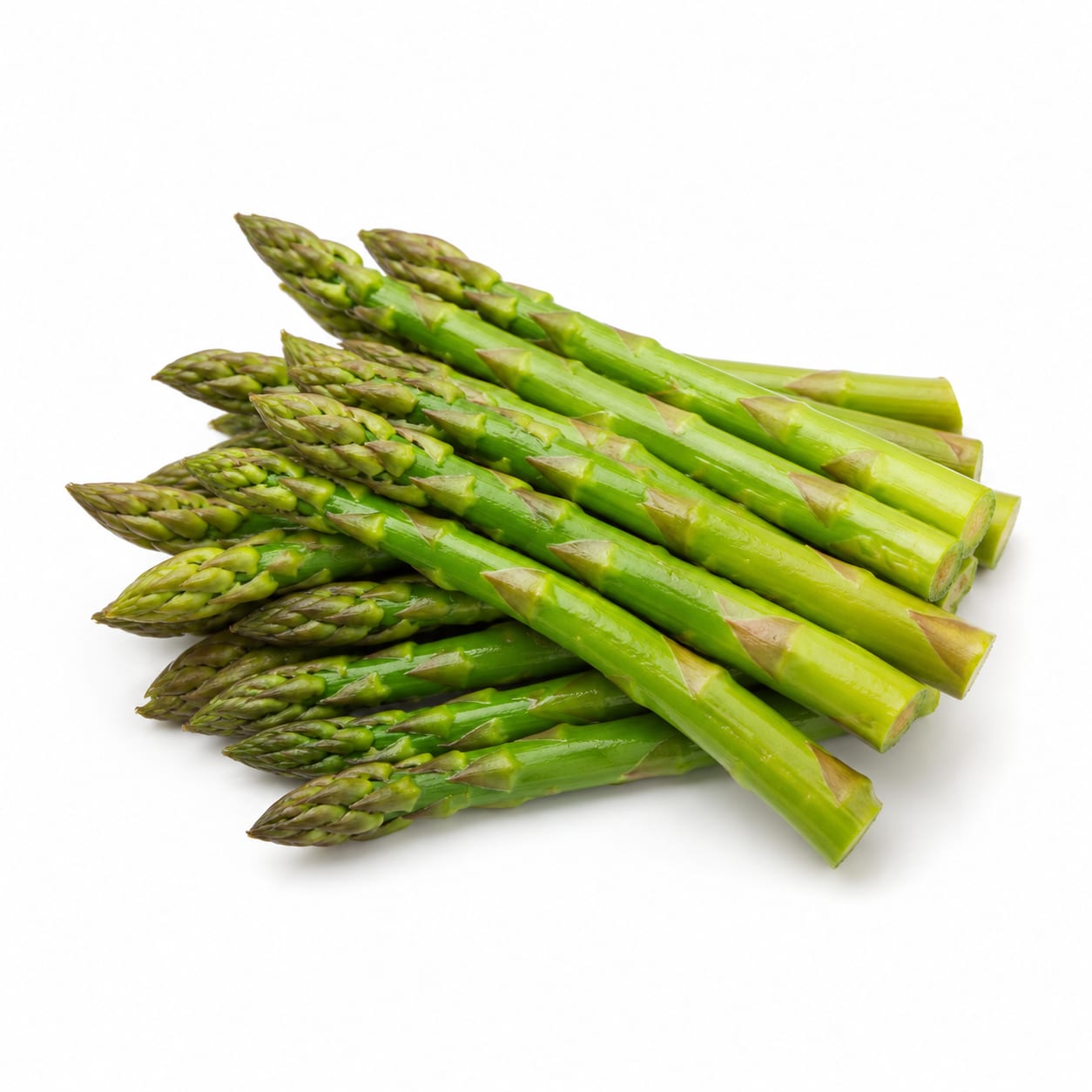
Compare with
Asparagus
Asparagus is a fibrous stalk vegetable, while garlic chive flowers are a delicate aromatic.
Asparagus provides more substantial fiber and volume for satiety, while garlic chive flowers are primarily a low-calorie flavor enhancer.
This food
Garlic Chive Flower
VS50% alike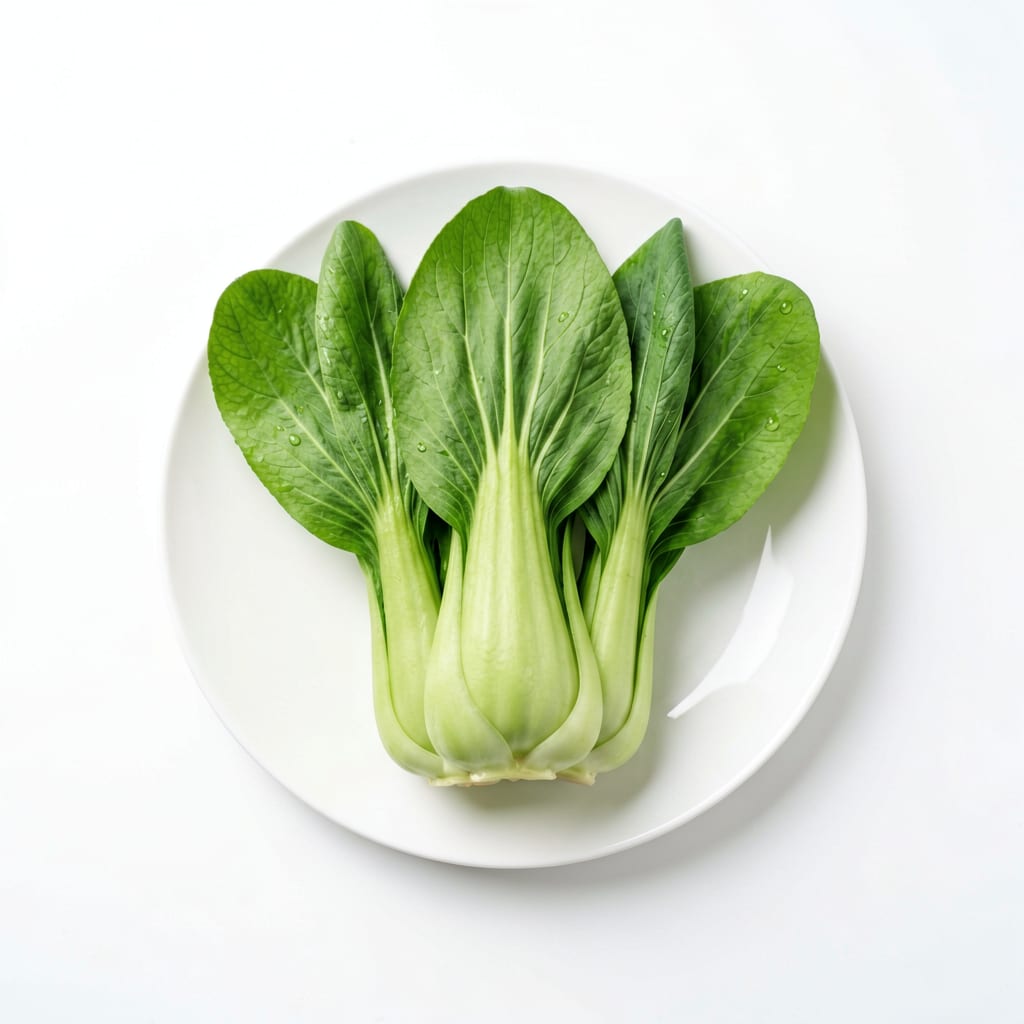
Compare with
Bok Choy
Bok choy offers crunchy stems and leafy greens with mild mustard flavor, while garlic chive flowers are garlicky.
Bok choy provides more meal volume and crunch, whereas garlic chive flowers deliver a concentrated garlic-onion flavor boost.
This food
Garlic Chive Flower
VS40% alike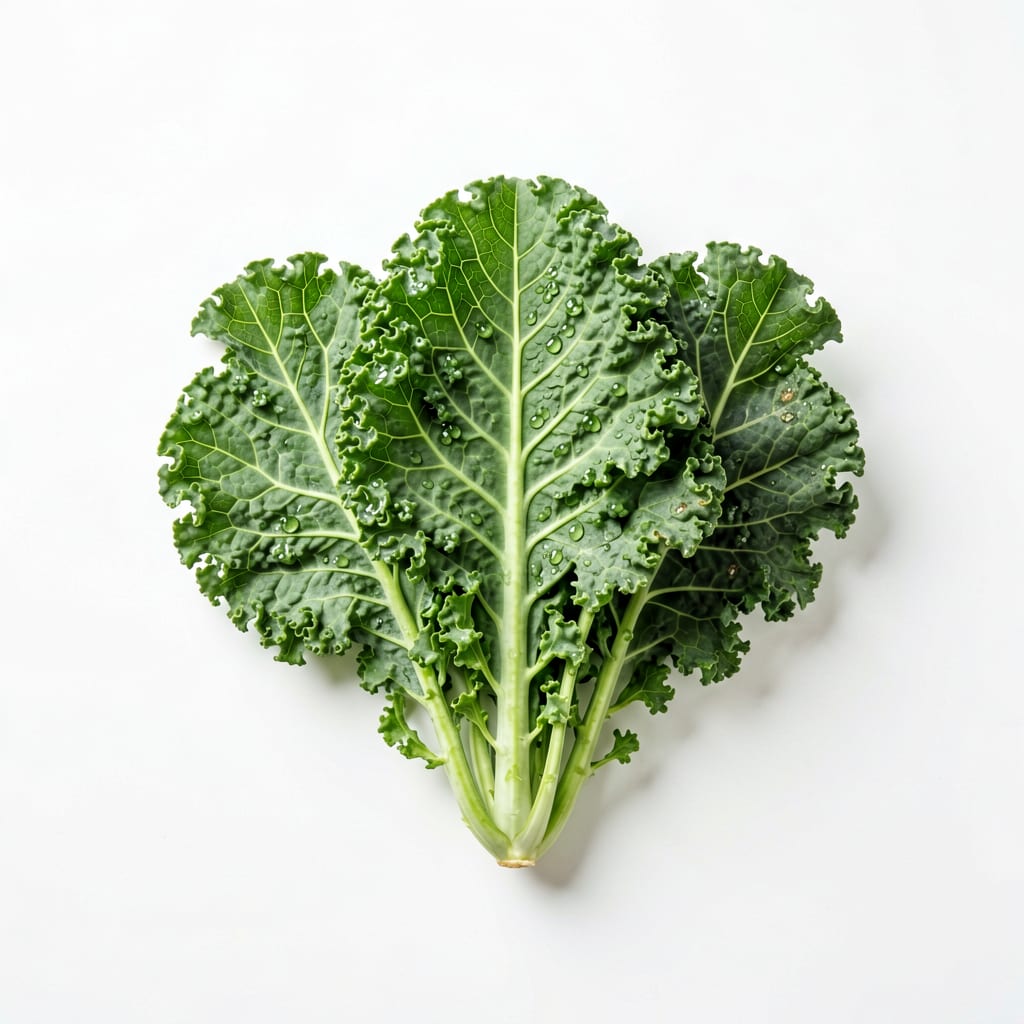
Compare with
Kale
Kale is a nutrient-dense, hearty leafy green, while garlic chive flowers are a delicate, flavorful garnish.
Kale is far more nutrient-dense and filling, while garlic chive flowers are used in small amounts strictly for their pungent flavor.
This food
Garlic Chive Flower
VS40% alike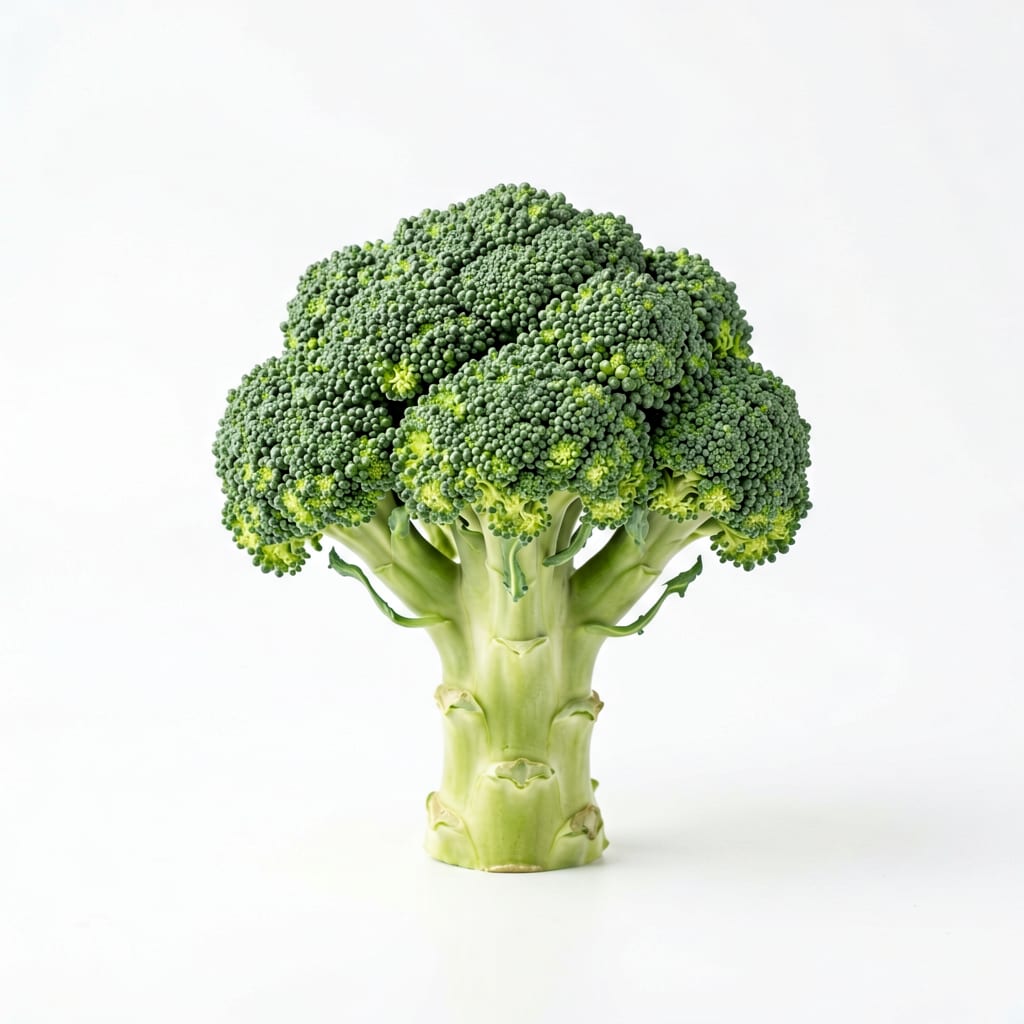
Compare with
Broccoli
Broccoli is a dense floret vegetable with high vitamin C, while garlic chive flowers are an aromatic bud.
Broccoli provides substantial fiber, vitamins, and satiety, whereas garlic chive flowers serve mainly as a low-calorie aromatic accent.
Common questions
FAQ
Answers aligned with how people search for this food.
Are garlic chive flowers edible?
Yes, the flower buds are entirely edible and offer a strong, pleasant garlic and onion flavor.
What do garlic chive flowers taste like?
They have a pungent garlic and onion flavor that is more intense than the leaves of the plant.
How do you cook garlic chive flowers?
They are best stir-fried briefly, blanched, or used raw as a garnish to preserve their delicate flavor and nutrients.
Are chive flowers good for weight loss?
Yes, they are very low in calories and high in flavor, making it easier to enjoy meals without adding excess energy.
Can diabetics eat garlic chives?
Yes, they have a negligible impact on blood sugar due to their low carbohydrate and high fiber content.
How do you clean garlic chive flowers?
Soak them in cold water and swish gently to dislodge dirt or small insects trapped inside the flower buds, then drain well.
Do garlic chive flowers have health benefits?
They contain organosulfur compounds and prebiotic fibers that support gut health and cardiovascular function.
What is the difference between chives and garlic chives?
Standard chives have a mild onion flavor and round hollow stems, while garlic chives have flat stems and a distinct garlic flavor.
Transparency
Data confidence
Estimated confidence for nutrition data, interpretation, safety notes, and comparisons.
Nutrition data
Health analysis
Food safety
Comparisons