
Nutrition comparison
Garlic Chive Flower vs Bok Choy: Which Asian Vegetable Is Better for You?
Compare Garlic Chive Flower and Bok Choy side by side—nutrition, health benefits, digestion, and practical use. Find out which one deserves a daily spot on your plate.
Overall winner · Bok Choy
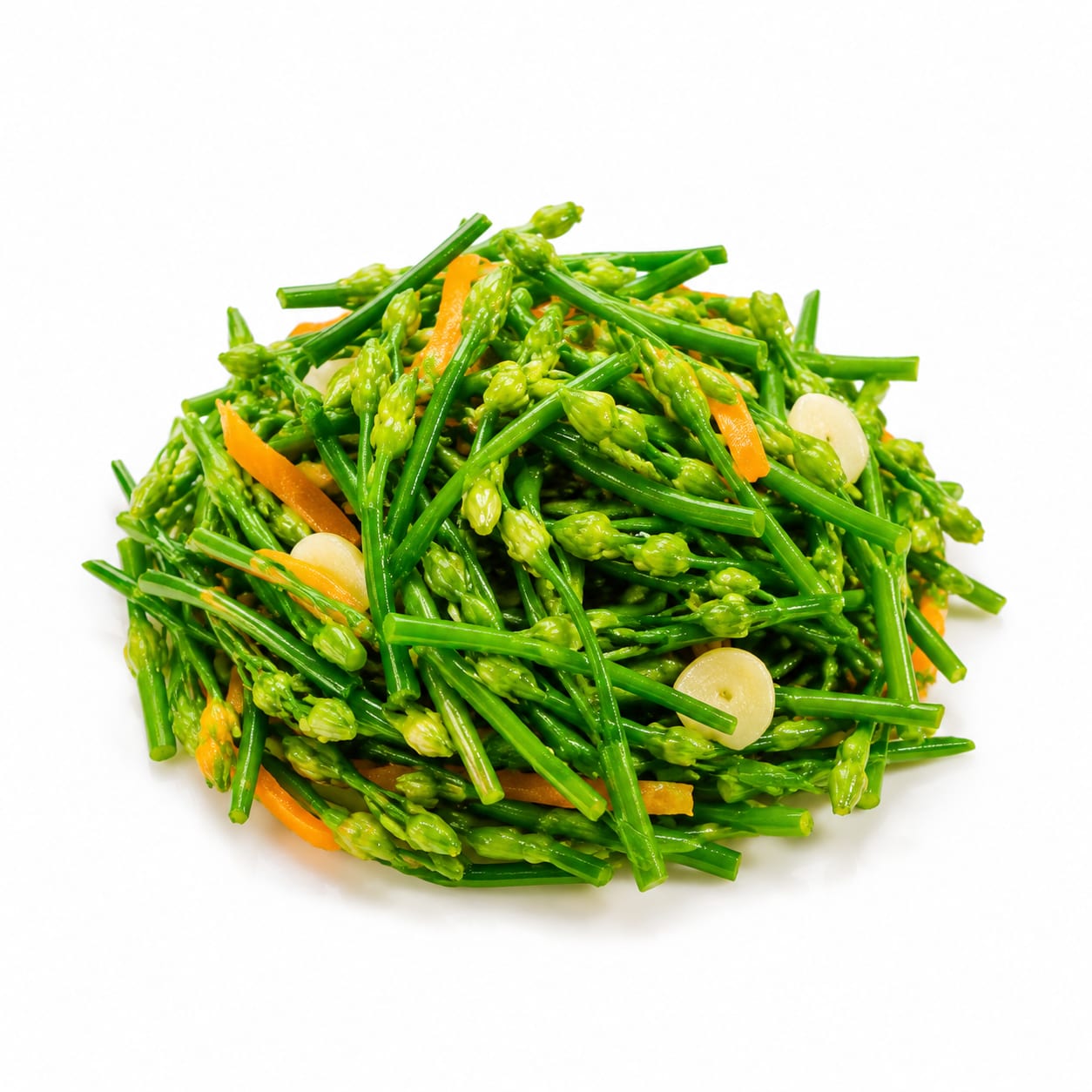
Garlic Chive Flower
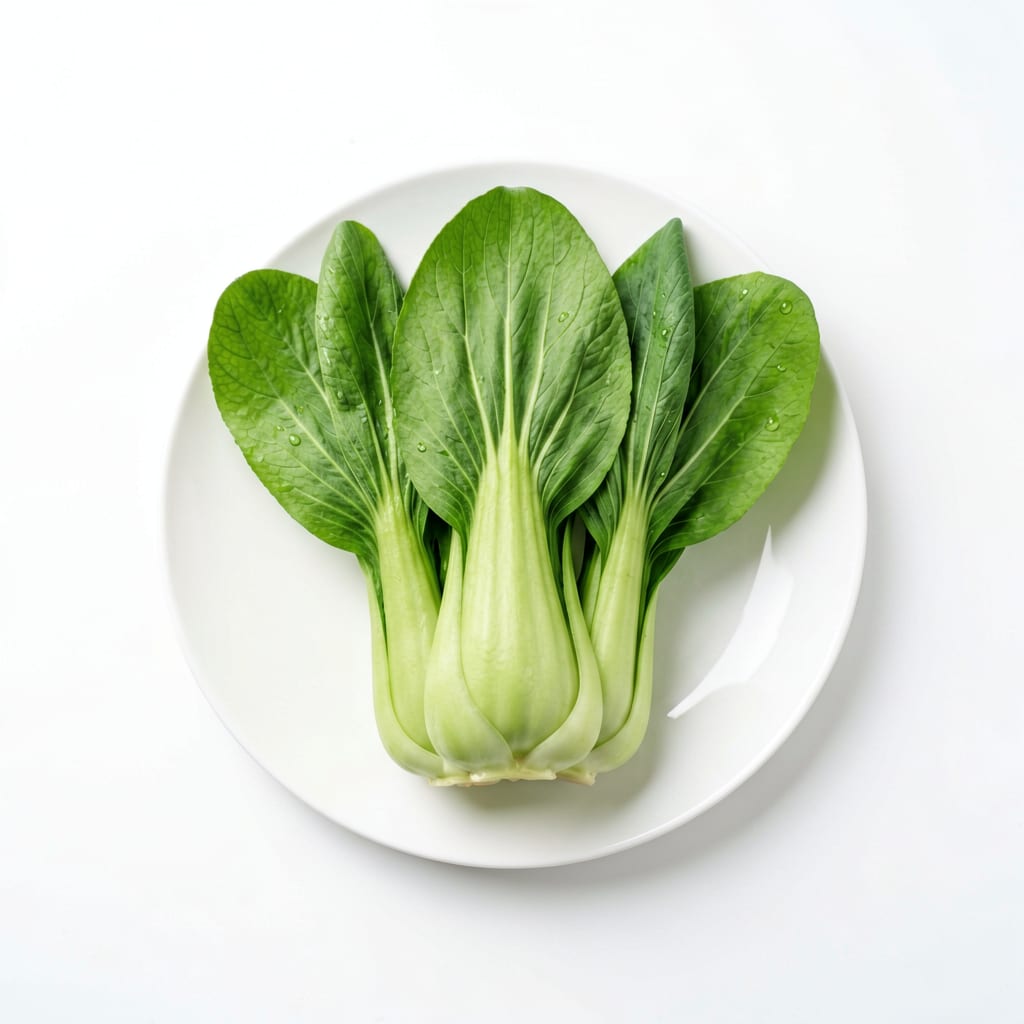
Bok Choy
Bok Choy wins as a daily vegetable staple with far more nutritional volume and versatility, but Garlic Chive Flower delivers unique antimicrobial and anti-inflammatory compounds you cannot get elsewhere.
Bok Choy scores significantly higher because it functions as a complete vegetable side dish with broad nutritional coverage. Garlic Chive Flower is valuable but limited by its condiment role and small serving sizes.
Bok Choy gives you bulk nutrition and meal flexibility; Garlic Chive Flower gives you potent bioactives and bold flavor in tiny amounts.
At a glance
Executive summary
Overall
Bok Choy
Healthier
Bok Choy
More practical
Bok Choy
Daily use
Bok Choy
Key comparison lenses
nutritional density and volume
Bok Choy is a substantial leafy vegetable eaten in large portions, while Garlic Chive Flower is a condiment-style ingredient used in small amounts
everyday practicality
Bok Choy is widely available and easy to incorporate into meals, while Garlic Chive Flower is seasonal and specialty
phytonutrient uniqueness
Both offer distinct bioactive compounds—sulfur compounds in Garlic Chive Flower versus glucosinolates in Bok Choy
culinary role clarity
These foods serve fundamentally different purposes—comparing them requires acknowledging one is a flavoring and the other a staple vegetable
digestive tolerance
Garlic Chive Flower can cause bloating in sensitive people due to sulfur compounds and fructans
Best choice for
Garlic Chive Flower
- Adding antimicrobial sulfur compounds to your diet
- Flavor enhancement without sodium or artificial seasonings
- Traditional medicinal food approaches for circulation and immunity
- People seeking unique allium phytonutrients beyond garlic and onions
Bok Choy
- A low-calorie, high-volume vegetable for daily meals
- Bone health support through calcium and vitamin K
- Hydration and gentle fiber for digestive regularity
- Families needing a mild, kid-friendly green vegetable
Least suitable for
Garlic Chive Flower
- People with IBS or fructan sensitivity
- Anyone seeking a high-volume filling vegetable
- Those who dislike strong garlicky-oniony flavors
- Diners looking for a neutral base for many recipes
Bok Choy
- People on low-oxalate diets who eat very large quantities daily
- Those with severe cruciferous allergies (rare)
- Dishes requiring intense aromatic flavor as the primary contribution
Deep comparison
Dimension by dimension
Each lens scores both foods and breaks down who each option suits.
- Dimension 1 · Priority 95Bok Choy
nutritional_density_per_serving
Garlic Chive Flower · 35Bok Choy · 88Bok Choy delivers far more vitamins, minerals, and fiber per realistic serving because you eat it in large quantities.
Tradeoff
Garlic Chive Flower has impressive compounds per gram, but nobody eats a bowl of it—servings are tiny.
Why it matters
If you are trying to hit your daily vitamin and mineral targets, volume matters as much as concentration.
Real-world impact
A single cup of cooked Bok Choy covers significant vitamin A, C, and K needs. Garlic Chive Flower adds flavor but barely moves the nutritional needle.
Garlic Chive Flower
- Targeted sulfur compound intake in small doses
Better for
- Reliance on tiny portions limits total nutrient delivery
Worse for
Bok Choy
- Meeting daily vitamin and mineral requirements
- Getting adequate fiber from vegetables
- Filling half your plate with nutrient-rich greens
Better for
- Does not provide the specific allicin-like compounds found in allium flowers
Worse for
- Dimension 2 · Priority 85It depends
phytonutrient_uniqueness
Garlic Chive Flower · 82Bok Choy · 80Both offer rare and valuable plant compounds, but they are completely different classes of phytonutrients.
Tradeoff
Garlic Chive Flower provides sulfur-based antimicrobials; Bok Choy provides glucosinolates linked to cancer defense. You benefit most from both.
Why it matters
Dietary diversity in plant compounds is one of the strongest predictors of long-term health outcomes.
Real-world impact
Eating allium vegetables regularly is associated with lower cardiovascular risk. Eating cruciferous vegetables regularly is associated with lower cancer risk. Neither replaces the other.
Garlic Chive Flower
- Antimicrobial and antibacterial food-based support
- Circulation and cardiovascular protective compounds
- Anti-inflammatory sulfur compounds similar to garlic
Better for
- Missing the glucosinolate benefits cruciferous vegetables offer
Worse for
Bok Choy
- Glucosinolate-derived cancer-protective compounds
- Detoxification enzyme support through isothiocyanates
- Antioxidant carotenoids like beta-carotene in significant amounts
Better for
- Lacks the potent sulfur-based antimicrobial activity of allium flowers
Worse for
- Dimension 3 · Priority 78Bok Choy
digestive_tolerance
Garlic Chive Flower · 45Bok Choy · 82Bok Choy is gentle on most digestive systems, while Garlic Chive Flower can trigger bloating and discomfort in sensitive people.
Tradeoff
The same sulfur compounds that make Garlic Chive Flower medicinally valuable also make it harder to digest for many people.
Why it matters
If a healthy food causes bloating or gas, you will naturally eat it less often, undermining the benefits.
Real-world impact
People with IBS or FODMAP sensitivities often tolerate Bok Choy well but find Garlic Chive Flower causes uncomfortable bloating within hours.
Garlic Chive Flower
- Mild antimicrobial effects may help certain gut imbalances in small amounts
Better for
- Fructans and sulfur compounds are common IBS triggers
- Can cause significant bloating even in moderate portions
Worse for
Bok Choy
- Gentle fiber that supports regularity without gas
- High water content aids hydration and easy digestion
- Well-tolerated by most people including seniors and children
Better for
- Very large raw servings may cause mild thyroid concerns in susceptible individuals
Worse for
- Dimension 4 · Priority 90Bok Choy
culinary_versatility_and_practicality
Garlic Chive Flower · 40Bok Choy · 90Bok Choy works in soups, stir-fries, salads, and braised dishes across dozens of cuisines. Garlic Chive Flower has a narrow but delicious role.
Tradeoff
Garlic Chive Flower brings bold, irreplaceable flavor but only fits specific dishes. Bok Choy is a utility player you can use every day.
Why it matters
The best healthy food is the one you actually cook with regularly, not the one that sits in your fridge unused.
Real-world impact
Bok Choy is available year-round in most grocery stores and takes 3 minutes to stir-fry. Garlic Chive Flower requires specialty markets and seasonal timing.
Garlic Chive Flower
- Intense aromatic flavor that transforms a dish with just a small garnish
- Traditional Asian recipes where its flavor is irreplaceable
Better for
- Hard to find outside Asian grocery stores
- Seasonal availability limits year-round use
- Strong flavor restricts it to specific cuisines and dishes
Worse for
Bok Choy
- Works as a main vegetable side dish or soup green
- Available in virtually any supermarket year-round
- Mild flavor pairs with everything from ginger soy to lemon olive oil
- Quick cooking time makes it practical for weeknight meals
Better for
- Cannot replicate the pungent aromatic contribution of allium flowers
Worse for
- Dimension 5 · Priority 70Bok Choy
hydration_and_lightness
Garlic Chive Flower · 50Bok Choy · 92Bok Choy is over 95% water and extremely light on the stomach, making it ideal when you want nutrition without heaviness.
Tradeoff
Garlic Chive Flower is also low in calories but you eat so little of it that its hydrating effect is negligible.
Why it matters
For weight management and comfortable eating, high-water vegetables help you feel satisfied without feeling stuffed.
Real-world impact
A big bowl of Bok Choy soup feels comforting and filling for under 30 calories. Garlic Chive Flower simply cannot provide that volume-based satisfaction.
Garlic Chive Flower
- Very low calorie per gram if tracking strictly
Better for
- Tiny serving sizes mean no meaningful volume-based satiety
Worse for
Bok Choy
- High water content supports hydration goals
- Large portions create physical fullness without calorie load
- Light and refreshing in hot weather meals
Better for
- Very low calorie density means it cannot sustain energy on its own
Worse for
Timeline
Health impact over time
Short-term
Hours to days
Garlic Chive Flower
- Noticeable garlicky breath and body odor within hours
- Potential bloating or gas in FODMAP-sensitive individuals
- Mild antimicrobial effect in the digestive tract
Bok Choy
- Quick feeling of fullness from water and fiber content
- Gentle digestive regularity support
- Minimal risk of adverse reactions in most people
Long-term
Months to years
Garlic Chive Flower
- Consistent allium intake associated with lower cardiovascular risk
- Sulfur compounds may support liver detoxification pathways
- Regular consumption linked to reduced inflammation markers in population studies
Bok Choy
- Cruciferous vegetable consumption consistently linked to lower cancer risk in large studies
- Vitamin K and calcium support bone density over decades
- Fiber and water content support healthy weight maintenance long-term
Risk profile
Safety & processing
Both are whole, unprocessed vegetables typically sold fresh. Neither carries meaningful additive concerns. Garlic Chive Flower is sometimes sold pickled or salt-preserved, which adds sodium, so opt for fresh when possible.
Garlic Chive Flower
Pesticide residue on thin flower stalks
mediumThe thin structure of chive flowers makes thorough washing difficult, and allium crops can receive significant pesticide applications. Soaking and rinsing is recommended.
Contamination in salt-preserved versions
mediumPickled or salted Garlic Chive Flower products can harbor botulism risk if improperly fermented at home, and commercial versions are often very high in sodium.
Bok Choy
Pesticide residue on leafy surfaces
mediumLike all leafy greens, Bok Choy can retain pesticide residue on its broad leaves. Washing each leaf individually is effective but tedious.
Goitrogenic compounds when consumed raw in extreme quantities
lowRaw Bok Choy contains goitrogens that could affect thyroid function, but this only matters if you eat very large amounts daily. Cooking neutralizes most of this concern.
Who wins for whom
Audience fit
Same foods, different winners depending on your goal.
children
Bok ChoyBok Choy has a mild, slightly sweet flavor and soft texture when cooked, making it far more kid-friendly than the intense garlicky taste of chive flowers.
daily consumption
Bok ChoyBok Choy can be eaten in generous portions every day without digestive issues or flavor fatigue. Garlic Chive Flower is best enjoyed a few times per week as a condiment.
diabetes
Bok ChoyBok Choy has negligible impact on blood sugar and provides fiber that slows glucose absorption from other foods in the same meal.
elderly
Bok ChoyBok Choy is easy to chew when cooked, gentle on digestion, and provides calcium and vitamin K for bone health—key concerns for older adults.
muscle gain
It dependsNeither is a significant protein source. Bok Choy offers slightly more mineral support for muscle function, but both are complementary sides, not muscle-building foods.
weight loss
Bok ChoyBok Choy provides volume, fiber, and satiety for minimal calories, making it far easier to fill up without overeating.
Your move
Decision guide
Choose Garlic Chive Flower
- You want potent allium sulfur compounds for immune and cardiovascular support
- You are cooking traditional Chinese or Korean dishes where its flavor is essential
- You tolerate allium vegetables well and enjoy strong garlicky-oniony tastes
- You already eat plenty of cruciferous vegetables and want phytonutrient diversity
Choose Bok Choy
- You need a versatile daily vegetable that works in almost any meal
- You want maximum nutrition per calorie with gentle digestion
- You are feeding a family including children or elderly members
- You are managing your weight and need low-calorie volume to stay satisfied
- You have IBS or FODMAP sensitivity and need a gut-friendly green
Either works if
- You want to increase your overall vegetable intake and variety
- You are building Asian-inspired meals and can use both in the same dish
- You have no digestive sensitivities and enjoy diverse plant foods
Avoid both if
- You are on a very strict low-oxalate protocol and cannot moderate portion sizes
- You have specific allergies to allium or cruciferous vegetables
Final recommendation
Keep Bok Choy as your everyday green and treat Garlic Chive Flower as a flavorful supplement. Bok Choy gives you the nutritional backbone—vitamins, minerals, fiber, hydration—that supports daily health. Garlic Chive Flower gives you a concentrated dose of unique sulfur compounds that complement but cannot replace a proper vegetable. The ideal approach is using Bok Choy as your base vegetable 4 to 5 times per week and adding Garlic Chive Flower as a garnish or condiment 1 to 2 times per week for phytonutrient diversity and flavor excitement.
Practical
Consumer tips
- 1
Soak Garlic Chive Flower in cool water for 5 minutes before cooking to remove hidden grit and reduce pesticide residue on the delicate stalks
- 2
Choose Bok Choy with firm white stems and vibrant green leaves—yellowing means it is past peak freshness
- 3
If Garlic Chive Flower is hard to find fresh, look for it in Korean markets labeled as buchu namul or in Chinese markets as jiu cai hua
- 4
Cook Bok Choy quickly over high heat to retain its crunch and vitamin C content—long boiling leaches nutrients
- 5
Pair them together: stir-fry Bok Choy with a small handful of Garlic Chive Flower for a dish that combines volume nutrition with aromatic depth
- 6
If you have IBS, start with a small amount of Garlic Chive Flower to test tolerance before adding more