
Nutrition comparison
Garlic Chive Flower vs Spinach: Which Green Is Better for You?
Compare garlic chive flowers and spinach on nutrition, safety, and practicality. Learn which green suits kidney health, daily use, and cooking versatility.
Overall winner · Spinach
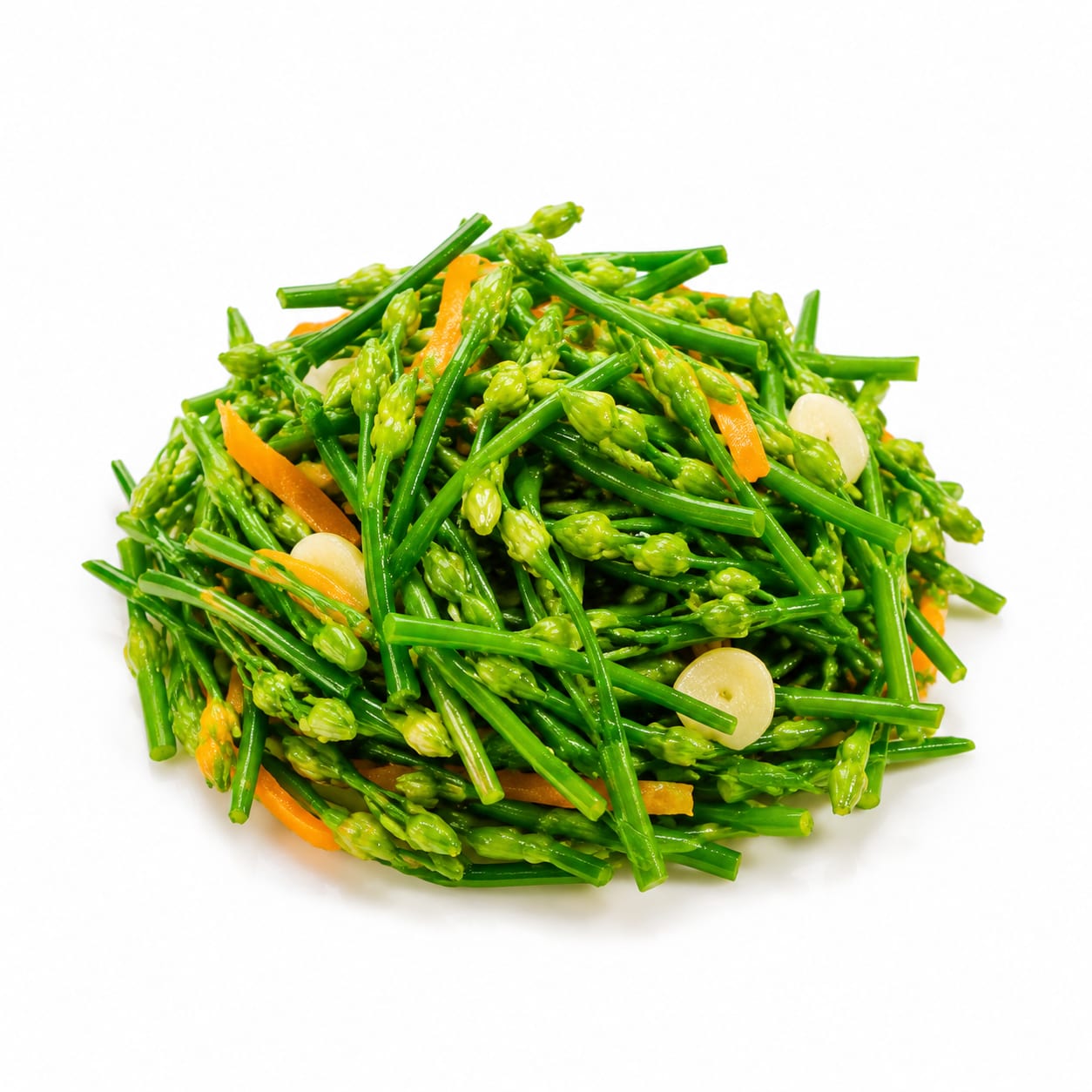
Garlic Chive Flower
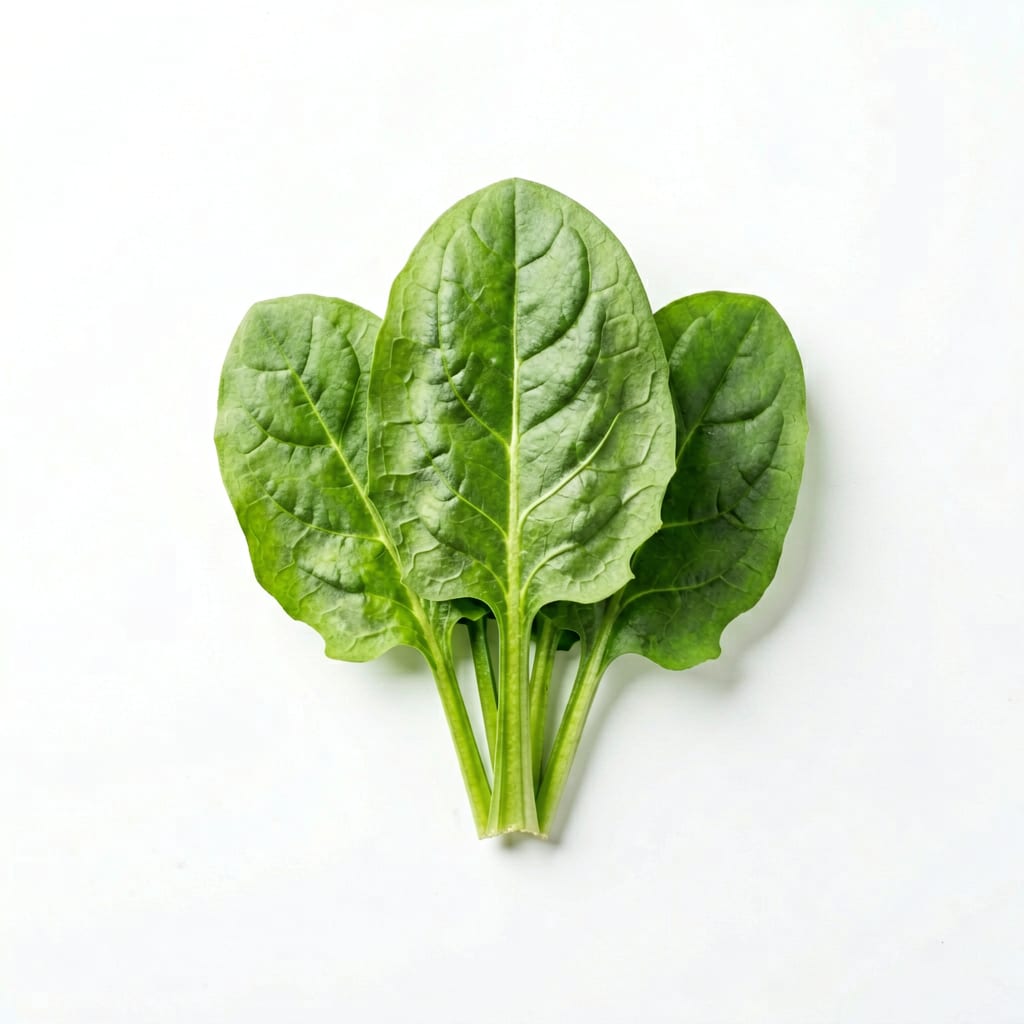
Spinach
Spinach wins for everyday nutrition and availability, but garlic chive flowers offer unique antimicrobial and digestive benefits that spinach cannot match.
Spinach scores higher due to superior nutrient breadth, year-round availability, and culinary flexibility. Garlic chive flowers score well on unique functional benefits and lower safety concerns but lose ground on practicality and versatility.
Spinach delivers broader, deeper nutrition on demand; garlic chive flowers deliver a specialized flavor and functional benefit but are harder to find and less versatile.
At a glance
Executive summary
Overall
Spinach
Healthier
Spinach
More practical
Spinach
Daily use
Spinach
Key comparison lenses
nutrient density comparison
Both are green vegetables but differ dramatically in vitamin and mineral concentration per calorie
everyday practicality
Spinach is available year-round in every grocery store; garlic chive flowers are seasonal and specialty
safety and tolerance
Spinach carries oxalate and pesticide concerns that garlic chive flowers largely avoid
culinary versatility
Spinach works raw or cooked in countless dishes; garlic chive flowers have a narrower but more distinctive role
antioxidant and immune benefit
Garlic chive flowers offer unique sulfur compounds; spinach provides lutein and zeaxanthin
Best choice for
Garlic Chive Flower
- People wanting antimicrobial and gut-stimulating benefits
- Cooks seeking bold garlicky-onion flavor without actual garlic
- Those avoiding high-oxalate greens due to kidney stone risk
- Anyone looking to diversify their allium vegetable intake
Spinach
- Daily green vegetable needs with maximum nutrient coverage
- Iron-deficient individuals needing a dietary iron source
- People prioritizing eye health through lutein and zeaxanthin
- Anyone wanting a versatile green that works in smoothies, salads, and cooking
Least suitable for
Garlic Chive Flower
- People who cannot find it locally or seasonally
- Those sensitive to strong allium flavors
- Anyone needing a neutral-tasting green for smoothies
- People wanting a bulk staple green for large meals
Spinach
- People with a history of calcium oxalate kidney stones
- Those concerned about high pesticide residue on leafy greens
- Individuals on blood thinners who must monitor vitamin K intake closely
Deep comparison
Dimension by dimension
Each lens scores both foods and breaks down who each option suits.
- Dimension 1 · Priority 92Spinach
Nutrient Density
Garlic Chive Flower · 62Spinach · 90Spinach is one of the most nutrient-dense foods per calorie available; garlic chive flowers are nutritious but less concentrated across vitamins and minerals.
Tradeoff
Garlic chive flowers provide unique sulfur compounds and allicin-like benefits that spinach lacks, but spinach covers far more nutritional ground overall.
Why it matters
If you can only eat one green vegetable regularly, spinach gives you more essential nutrients per bite.
Real-world impact
A single cup of cooked spinach covers most of your daily vitamin A, nearly all your vitamin K, and significant folate and iron. Garlic chive flowers contribute but cannot match that breadth.
Garlic Chive Flower
- Unique antimicrobial sulfur compounds
- Digestive stimulation and mild gut motility support
Better for
- Lower overall vitamin and mineral content per serving
- Less studied nutritionally so benefits are less documented
Worse for
Spinach
- Iron and folate for blood health
- Lutein and zeaxanthin for eye protection
- Broad-spectrum vitamin and mineral coverage
Better for
- No sulfur-based antimicrobial compounds
- Oxalates reduce absorption of its own calcium and iron
Worse for
- Dimension 2 · Priority 80Garlic Chive Flower
Safety and Tolerance
Garlic Chive Flower · 85Spinach · 60Garlic chive flowers avoid the oxalate problem entirely and typically carry lower pesticide residue. Spinach has real concerns on both fronts.
Tradeoff
Spinach's superior nutrition comes with oxalate and pesticide baggage; garlic chive flowers are gentler on the kidneys and typically cleaner.
Why it matters
For anyone prone to kidney stones or worried about pesticide exposure, this difference is not theoretical—it changes what you should eat daily.
Real-world impact
If you have had a calcium oxalate kidney stone, your doctor likely told you to limit spinach. Garlic chive flowers would not trigger that same warning.
Garlic Chive Flower
- Negligible oxalate content — safe for kidney stone formers
- Lower position on pesticide residue watch lists
- Gentler on mineral absorption since nothing blocks uptake
Better for
- Less safety data overall due to smaller research base
Worse for
Spinach
- Well-documented safety profile from decades of widespread consumption
Better for
- High oxalate content — risky for kidney stone formers
- Consistently appears on EWG Dirty Dozen list for pesticide residue
- Very high vitamin K can complicate blood thinner dosing
Worse for
- Dimension 3 · Priority 75Spinach
Culinary Versatility
Garlic Chive Flower · 45Spinach · 88Spinach works raw, sautéed, blended, baked, or steamed with nearly any cuisine. Garlic chive flowers have a distinct garlicky-onion flavor that fits specific dishes but limits broad use.
Tradeoff
Garlic chive flowers bring a flavor nothing else replicates easily; spinach brings a neutral adaptability that works everywhere.
Why it matters
If a food is hard to use, you eat it less often regardless of its benefits.
Real-world impact
You can throw spinach into a smoothie, omelet, pasta, soup, or salad without thinking. Garlic chive flowers demand intention—they shine in stir-fries, dumpling fillings, and savory pancakes but feel out of place elsewhere.
Garlic Chive Flower
- Replaces garlic and onion in dishes where you want that flavor without the bulk
- Adds a distinctive aromatic that elevates simple dishes
Better for
- Strong flavor limits pairing options
- Cannot be hidden in smoothies or mild dishes
- Best used as a seasoning vegetable, not a bulk green
Worse for
Spinach
- Works in smoothies, salads, soups, stews, casseroles, and baked goods
- Neutral flavor pairs with every cuisine and cooking method
- Shrinks down when cooked, making large servings easy to consume
Better for
- Contributes no distinctive aromatic complexity
- Can feel bland without seasoning or other flavoring ingredients
Worse for
- Dimension 4 · Priority 88Spinach
Availability and Practicality
Garlic Chive Flower · 30Spinach · 95Spinach is available everywhere, always, in multiple forms. Garlic chive flowers are seasonal, specialty, and often require Asian grocery stores or home growing.
Tradeoff
The best vegetable for you is the one you can actually buy and eat consistently.
Why it matters
Nutritional superiority means nothing if you cannot access the food regularly.
Real-world impact
Most people can get spinach within minutes at any store. Finding garlic chive flowers may require a trip to a specialty market or waiting for the right season.
Garlic Chive Flower
- Easy to grow at home in small spaces if you have a garden
- Long harvest window once established as a perennial
Better for
- Rare in mainstream grocery stores
- Seasonal availability limits year-round use
- Most people have never encountered them
Worse for
Spinach
- Available fresh, frozen, and canned year-round everywhere
- No seasonal limitation
- Multiple convenient forms including pre-washed and baby spinach
Better for
- Pre-washed bagged spinach has been linked to more foodborne illness recalls
Worse for
- Dimension 5 · Priority 70It depends
Antioxidant and Functional Compounds
Garlic Chive Flower · 78Spinach · 80Spinach provides carotenoid antioxidants for eye health; garlic chive flowers provide organosulfur compounds for immune and antimicrobial support. Different strengths for different goals.
Tradeoff
You choose between eye-protective carotenoids and immune-stimulating sulfur compounds—both are valuable but serve different body systems.
Why it matters
Your priority—vision protection vs. immune and gut defense—should guide which green you emphasize.
Real-world impact
Eating spinach regularly is like wearing internal sunglasses for your retinas. Eating garlic chive flowers is like giving your immune system a gentle nudge each time you eat.
Garlic Chive Flower
- Allicin-like sulfur compounds with demonstrated antimicrobial activity
- Flavonoids that support circulatory health
- Traditional use for digestive stimulation and parasite resistance
Better for
- Less research on specific antioxidant concentrations
- No significant carotenoid content for eye health
Worse for
Spinach
- Lutein and zeaxanthin — the two most important carotenoids for macular health
- High vitamin C and beta-carotene for broad antioxidant coverage
- Kaempferol and other flavonoids linked to anti-inflammatory effects
Better for
- No organosulfur compounds for antimicrobial benefit
- Antioxidant benefits partly offset by oxalate interference with absorption
Worse for
Timeline
Health impact over time
Short-term
Hours to days
Garlic Chive Flower
- Mild digestive stimulation — can help with sluggish digestion after heavy meals
- Garlicky breath and slight body odor from sulfur compounds
- Possible mild stomach upset if eaten in very large quantities by those unaccustomed to alliums
Spinach
- Quick boost in hydration and mineral intake due to high water and electrolyte content
- Feeling of fullness from volume with minimal calories
- Raw spinach can cause a chalky mouthfeel from oxalates binding to calcium on your teeth
Long-term
Months to years
Garlic Chive Flower
- Consistent antimicrobial intake may support gut microbiome balance
- Potential cardiovascular benefit from sulfur compounds similar to garlic
- Low risk of mineral absorption interference since oxalates are negligible
Spinach
- Significant protection against age-related macular degeneration from lutein and zeaxanthin
- Risk of kidney stone formation in susceptible individuals from chronic high oxalate intake
- Improved folate status supports cardiovascular and cognitive health over time
Risk profile
Safety & processing
Both foods are whole, unprocessed vegetables in their natural state. Neither typically contains additives when purchased fresh. The main concern is pesticide exposure on conventionally grown spinach, not processing.
Garlic Chive Flower
Pesticide residue
lowGarlic chive flowers are less heavily treated than spinach and do not appear on high-residue watch lists, but always wash thoroughly.
Allium sensitivity
lowRare but possible — some individuals experience GI discomfort from allium-family vegetables, especially in large amounts.
Spinach
Oxalate accumulation
highSpinach is one of the highest-oxalate foods commonly eaten. Regular large servings significantly raise kidney stone risk in prone individuals.
Pesticide residue
highSpinach consistently ranks in the top three on the EWG Dirty Dozen list. Conventional spinach often carries multiple pesticide residues. Organic is strongly recommended.
Foodborne illness
mediumPre-washed bagged spinach has been recalled multiple times for E. coli and listeria contamination. Washing does not fully eliminate risk from contaminated batches.
Who wins for whom
Audience fit
Same foods, different winners depending on your goal.
children
SpinachSpinach is milder, easier to hide in familiar foods, and provides critical nutrients for growth. The strong flavor of garlic chive flowers is a hard sell for most kids.
daily consumption
SpinachSpinach is available daily, easy to prepare, and fits into any meal. Garlic chive flowers are better as an occasional addition rather than a daily staple.
diabetes
SpinachSpinach has a lower glycemic impact and more magnesium, which supports insulin sensitivity. Both are excellent choices for blood sugar management.
elderly
It dependsSpinach supports eye and bone health but poses kidney stone risks for some older adults. Garlic chive flowers are gentler on the kidneys and stimulate digestion, which often slows with age.
muscle gain
SpinachSpinach contributes more iron and magnesium, both important for oxygen transport and muscle function during training.
weight loss
SpinachSpinach provides more volume and fiber per calorie, making it easier to fill up on fewer calories across many meal types.
Your move
Decision guide
Choose Garlic Chive Flower
- You have a history of calcium oxalate kidney stones and need a low-oxalate green
- You want antimicrobial and digestive benefits from natural sulfur compounds
- You cook Asian dishes regularly and want authentic flavor
- You grow your own vegetables and want a low-maintenance perennial crop
Choose Spinach
- You want maximum nutrient density from a single green vegetable
- You need an everyday green that works in everything from smoothies to steaks
- Eye health is a priority for you or your family
- You want the most accessible and affordable option
Either works if
- You simply want more green vegetables in your diet and enjoy variety
- You have no specific health restrictions that favor one over the other
Avoid both if
- You are on a strict vitamin K restriction due to blood thinner medication — both are very high in vitamin K
- You have a known allergy to alliums or to specific leafy greens
Final recommendation
Make spinach your daily green workhorse for its unmatched nutrient breadth and convenience. Add garlic chive flowers when you can find them for their unique immune and digestive benefits. The ideal approach is not choosing one — it is using spinach as your base and garlic chive flowers as your specialty boost.
Practical
Consumer tips
- 1
Buy organic spinach whenever possible — it is one of the most pesticide-contaminated vegetables sold
- 2
If you have kidney stone concerns but love spinach, boil it and discard the water to reduce oxalate content by up to 87%
- 3
Garlic chive flowers freeze well — buy in bulk when available and store for off-season use
- 4
Pair spinach with a vitamin C source like lemon juice to significantly improve iron absorption
- 5
If growing garlic chives at home, the flowers appear in late summer and can be harvested over several weeks
- 6
Rotate your greens weekly — relying solely on spinach increases oxalate exposure; mixing in alternatives like garlic chive flowers diversifies both nutrients and safety