
Nutrition comparison
Garlic Chive Flower vs Asparagus: Nutrition, Benefits, and Which to Choose
Compare garlic chive flowers and asparagus side by side. Discover which vegetable wins for folate, gut health, antioxidants, and everyday practicality in this expert nutritional breakdown.
Overall winner · Asparagus
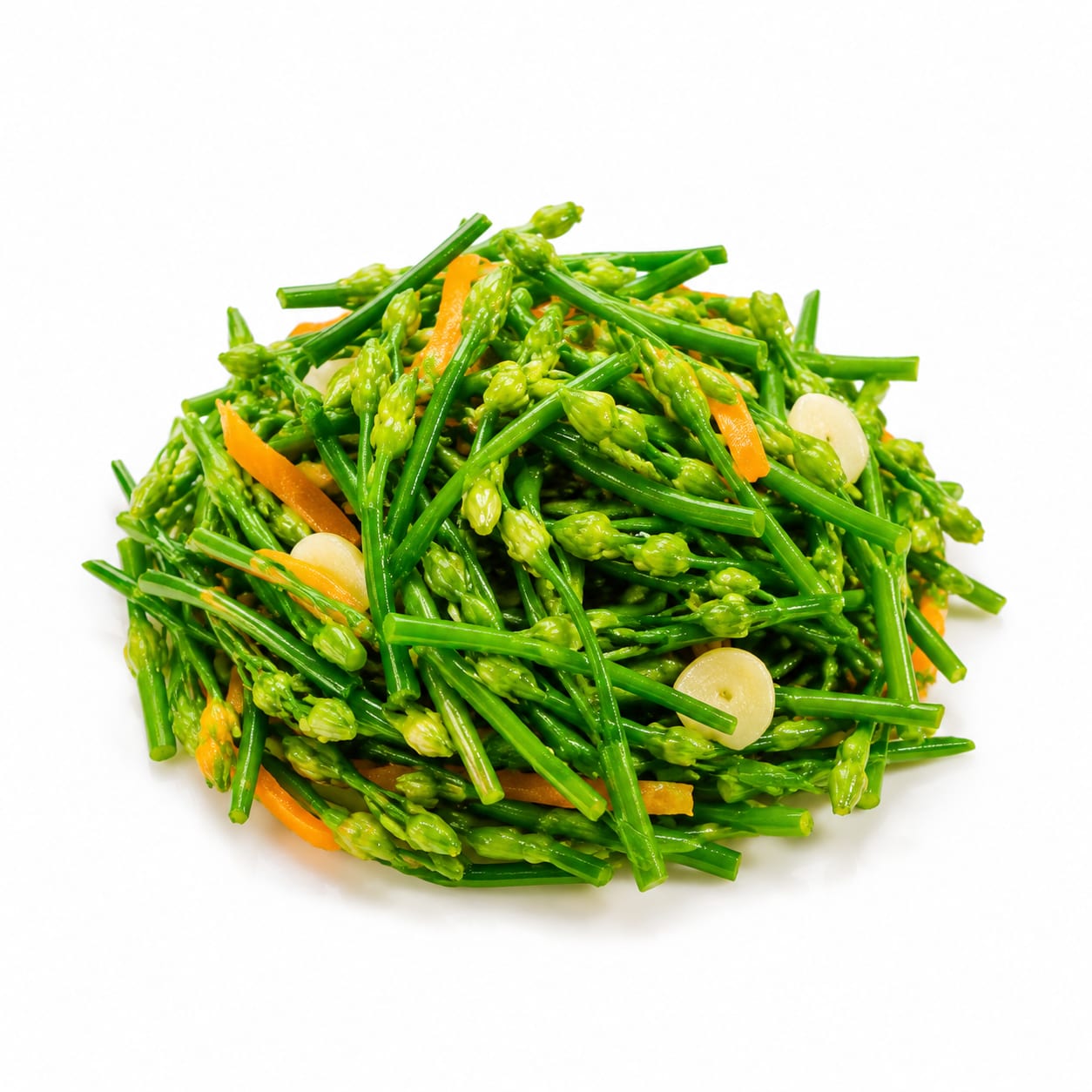
Garlic Chive Flower
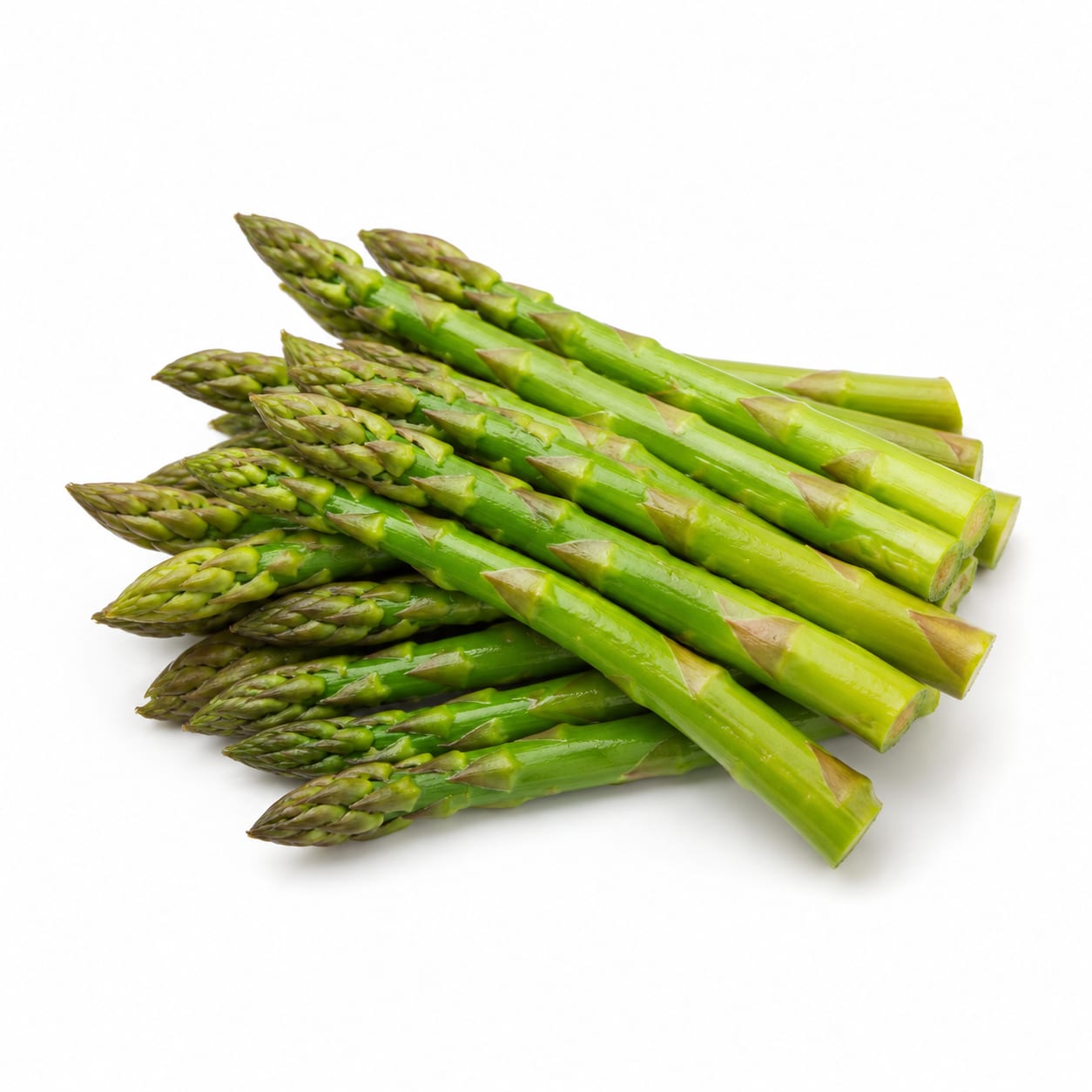
Asparagus
Asparagus edges ahead with broader availability, stronger folate content, and well-studied prebiotic benefits, but garlic chive flowers deliver more potent antimicrobial and anti-inflammatory compounds.
Asparagus scores higher due to superior folate content, better-studied health benefits, wider availability, and more versatile culinary use. Garlic chive flowers remain nutritionally valuable but lose points on accessibility and research depth.
Asparagus gives you reliable everyday nutrition and gut-friendly fiber; garlic chive flowers give you bolder medicinal chemistry but harder sourcing.
At a glance
Executive summary
Overall
Asparagus
Healthier
Asparagus
More practical
Asparagus
Daily use
Asparagus
Key comparison lenses
nutrient density comparison
Both are low-calorie vegetables with distinct micronutrient profiles, making vitamin and mineral density the core decision factor
digestive health benefits
Asparagus offers prebiotic inulin while garlic chive flowers provide sulfur compounds that support gut flora differently
antioxidant and anti inflammatory potential
Garlic chive flowers contain potent allicin-related compounds; asparagus brings glutathione — both are strong but through different pathways
culinary accessibility and versatility
Asparagus is widely available globally; garlic chive flowers are specialty items mostly found in Asian markets
blood sugar and metabolic support
Both are low-glycemic but differ in fiber type and sulfur compound content which affect metabolic responses
Best choice for
Garlic Chive Flower
- People seeking potent natural antimicrobial and anti-inflammatory food therapy
- Those with access to Asian markets wanting to diversify their allium intake
- Anyone looking to add bold garlicky flavor without using raw garlic
- Traditional Chinese medicine followers supporting digestive and circulatory health
Asparagus
- Pregnant women or those planning pregnancy needing high folate
- Anyone prioritizing prebiotic fiber for gut microbiome health
- People wanting a widely available, well-researched daily vegetable
- Those seeking gentle natural diuretic and kidney support
Least suitable for
Garlic Chive Flower
- People without access to Asian grocery stores or specialty markets
- Those sensitive to strong allium flavors or sulfur compounds
- Individuals on blood-thinning medications due to vitamin K content
- Anyone unfamiliar with preparation methods who might waste the ingredient
Asparagus
- People prone to gout attacks due to purine content
- Those bothered by asparagusic acid causing strong urine odor
- Individuals with severe inulin intolerance or FODMAP sensitivity
- People who find the texture of woody asparagus spears unpleasant
Deep comparison
Dimension by dimension
Each lens scores both foods and breaks down who each option suits.
- Dimension 1 · Priority 92Asparagus
vitamin_and_mineral_density
Garlic Chive Flower · 68Asparagus · 85Asparagus delivers significantly more folate, vitamin K, and potassium per serving. Garlic chive flowers provide respectable vitamin A and C but cannot match asparagus on folate.
Tradeoff
Garlic chive flowers offer more vitamin C per gram, but asparagus dominates in folate — a critical nutrient for cell repair and pregnancy.
Why it matters
Folate deficiency is common and consequential; asparagus is one of the best vegetable sources available.
Real-world impact
Eating asparagus regularly can meaningfully contribute to meeting your daily folate needs, especially important for women of childbearing age.
Garlic Chive Flower
- Vitamin C intake per calorie consumed
- Vitamin A from carotenoid precursors
- Iron content relative to serving size
Better for
- Folate content is modest compared to asparagus
- Less potassium per serving
Worse for
Asparagus
- Folate — dramatically higher per serving
- Vitamin K for bone and blood health
- Potassium for blood pressure regulation
- Overall micronutrient breadth
Better for
- Slightly less vitamin C per gram
- Lower carotenoid content
Worse for
- Dimension 2 · Priority 85Garlic Chive Flower
antioxidant_and_anti_inflammatory_power
Garlic Chive Flower · 82Asparagus · 74Garlic chive flowers pack allicin-related sulfur compounds with documented antimicrobial and anti-inflammatory effects. Asparagus relies more on glutathione and flavonoids.
Tradeoff
Garlic chive flowers deliver stronger antimicrobial action; asparagus offers glutathione which supports liver detoxification more directly.
Why it matters
Chronic inflammation drives most modern disease; sulfur compounds from allium vegetables have some of the strongest food-based anti-inflammatory evidence.
Real-world impact
Regular consumption of garlic chive flowers may help reduce cold frequency and support cardiovascular health more noticeably than asparagus.
Garlic Chive Flower
- Allicin-related sulfur compounds with antimicrobial properties
- Stronger anti-inflammatory potential per serving
- Traditional evidence for circulatory and immune support
Better for
- Less glutathione than asparagus
- Fewer published human studies on antioxidant outcomes
Worse for
Asparagus
- Glutathione — the body's master antioxidant for liver detox
- Rutin and quercetin flavonoids for vascular health
- More clinical research on antioxidant effects
Better for
- Weaker direct antimicrobial activity
- Less potent sulfur compound profile overall
Worse for
- Dimension 3 · Priority 83Asparagus
digestive_health_and_gut_support
Garlic Chive Flower · 70Asparagus · 84Asparagus contains inulin, a well-studied prebiotic fiber that feeds beneficial gut bacteria. Garlic chive flowers support digestion through sulfur compounds but lack equivalent prebiotic fiber.
Tradeoff
Asparagus actively feeds your good gut bacteria; garlic chive flowers stimulate digestion and have antimicrobial effects that may reduce harmful bacteria.
Why it matters
Prebiotic fiber has cascading benefits for immunity, mood, and metabolic health that go beyond simple digestion.
Real-world impact
Eating asparagus a few times weekly can noticeably improve bowel regularity and support a healthier gut microbiome over time.
Garlic Chive Flower
- Antimicrobial sulfur compounds may reduce harmful gut bacteria
- Traditional use as a digestive stimulant in Chinese cuisine
- Carminative properties that reduce bloating
Better for
- Less prebiotic fiber content
- Sulfur compounds can cause bloating in sensitive individuals
Worse for
Asparagus
- Inulin prebiotic fiber feeds beneficial Bifidobacteria
- More total dietary fiber per serving
- Gentler on sensitive digestive systems
- Better evidence for improving bowel regularity
Better for
- Inulin can cause gas in people with FODMAP sensitivity
- No direct antimicrobial action on gut pathogens
Worse for
- Dimension 4 · Priority 75It depends
blood_sugar_and_metabolic_support
Garlic Chive Flower · 73Asparagus · 75Both are low-glycemic vegetables with minimal impact on blood sugar. Asparagus has slightly more fiber for glucose buffering; garlic chive flowers have sulfur compounds that may improve insulin sensitivity.
Tradeoff
Asparagus stabilizes blood sugar through fiber; garlic chive flowers may improve insulin sensitivity through sulfur compounds — different mechanisms, similar net effect.
Why it matters
For diabetics and pre-diabetics, every food choice that supports glucose control matters, but the differences here are small.
Real-world impact
Neither vegetable will spike blood sugar, and both can be eaten freely by people managing diabetes.
Garlic Chive Flower
- Sulfur compounds may enhance insulin sensitivity over time
- Very low carbohydrate content per serving
- Traditional use in blood sugar management in Chinese medicine
Better for
- Less fiber means slightly less glucose buffering
- Limited clinical evidence for blood sugar effects
Worse for
Asparagus
- More fiber slows glucose absorption slightly better
- Inulin improves metabolic markers through gut microbiome effects
- More published research on metabolic benefits
Better for
- Slightly higher carbohydrate content per serving
- No direct insulin-sensitizing compounds identified
Worse for
- Dimension 5 · Priority 78Asparagus
availability_and_culinary_practicality
Garlic Chive Flower · 45Asparagus · 88Asparagus is available in virtually every grocery store year-round. Garlic chive flowers are seasonal specialty items found primarily in Asian markets.
Tradeoff
Asparagus is easy to find and cook with familiar methods; garlic chive flowers require specialty sourcing and specific culinary knowledge.
Why it matters
The healthiest vegetable is the one you can actually buy and eat regularly.
Real-world impact
Most people can add asparagus to their weekly shopping without effort. Garlic chive flowers require a trip to an Asian market and knowledge of how to use them.
Garlic Chive Flower
- Unique flavor that elevates specific Asian dishes
- Longer shelf life when properly stored as dried or pickled
- More concentrated flavor means smaller quantities needed
Better for
- Very limited availability outside Asian markets
- Seasonal and often sold out quickly
- Unfamiliar preparation for most Western cooks
- Short fresh shelf life
Worse for
Asparagus
- Available in every major grocery chain
- Multiple cooking methods — roast, grill, steam, sauté, raw
- Year-round availability with peak spring season
- Widely recognized and easy to incorporate into any cuisine
Better for
- Can be expensive out of season
- Woody ends require trimming and are wasteful
- Spears spoil within a few days in the fridge
Worse for
- Dimension 6 · Priority 77Garlic Chive Flower
cardiovascular_protection
Garlic Chive Flower · 80Asparagus · 72Garlic chive flowers contain allicin-related compounds that may lower blood pressure and cholesterol more directly. Asparagus supports heart health through folate and potassium but less potently.
Tradeoff
Garlic chive flowers act more like a mild natural statin; asparagus acts more like a gentle blood pressure regulator.
Why it matters
Cardiovascular disease remains the leading cause of death globally, and food-based prevention strategies are underutilized.
Real-world impact
Including garlic chive flowers regularly in meals could contribute to modest blood pressure and cholesterol improvements alongside other healthy habits.
Garlic Chive Flower
- Allicin-related compounds may reduce LDL cholesterol
- Sulfur compounds support blood vessel flexibility
- Traditional evidence for circulatory health benefits
- Anti-platelet aggregation effects from allium compounds
Better for
- Fewer published human trials on cardiovascular outcomes
- Vitamin K content may interact with blood thinners
Worse for
Asparagus
- Potassium helps regulate blood pressure
- Folate reduces homocysteine — a cardiovascular risk marker
- Anti-inflammatory effects reduce arterial stress
- More clinical research on cardiovascular markers
Better for
- Less direct effect on cholesterol levels
- Purines may be problematic for gout-related cardiovascular risk
Worse for
Timeline
Health impact over time
Short-term
Hours to days
Garlic Chive Flower
- Noticeable garlicky breath and body odor from sulfur compounds
- Mild digestive stimulation and reduced bloating after meals
- Possible mild blood pressure lowering effect within hours of consumption
Asparagus
- Distinct urine odor within 30 minutes from asparagusic acid metabolism
- Gentle diuretic effect reducing water retention
- Inulin may cause temporary gas or bloating in sensitive individuals
Long-term
Months to years
Garlic Chive Flower
- Potential improvement in cardiovascular markers with regular consumption
- Enhanced immune resilience from antimicrobial sulfur compounds
- Possible blood-thinning effects requiring monitoring if on anticoagulants
- Better digestive regularity from mild carminative action
Asparagus
- Significant folate intake supporting cell repair and DNA synthesis
- Improved gut microbiome diversity from consistent prebiotic fiber
- Better blood pressure management from potassium and anti-inflammatory effects
- Reduced homocysteine levels lowering cardiovascular risk over time
Risk profile
Safety & processing
Both vegetables are typically consumed in their natural state. Garlic chive flowers are sometimes sold pickled or fermented with salt, which adds sodium. Fresh asparagus is almost always sold unprocessed. Both are clean whole foods at their freshest.
Garlic Chive Flower
Pesticide residue on imported bunches
mediumGarlic chive flowers from certain regions may carry higher pesticide loads. Washing thoroughly and sourcing organic when possible reduces this risk.
Sodium from pickled or preserved versions
mediumMany garlic chive flower products are salt-preserved or fermented, adding significant sodium. Check labels if watching salt intake.
Vitamin K interaction with blood thinners
mediumContains meaningful vitamin K that can interfere with warfarin and other anticoagulants. Consistent intake is key — avoid sudden large increases.
Asparagus
Purine content triggering gout
mediumAsparagus contains moderate purines that can trigger gout flares in susceptible individuals. Not a concern for most people.
Allergic reactions in sensitive individuals
lowRare but documented asparagus allergy, particularly among those with lily family sensitivities. Can cause skin rash or respiratory symptoms.
FODMAP intolerance from inulin
lowInulin is a FODMAP that can cause significant bloating and gas in people with IBS. Cooking may reduce but not eliminate this effect.
Who wins for whom
Audience fit
Same foods, different winners depending on your goal.
children
AsparagusAsparagus is milder in flavor, easier to prepare as finger food, and more likely to be accepted by kids. Garlic chive flowers have an intense allium taste most children reject.
daily consumption
AsparagusAsparagus is easier to source, prepare, and incorporate into diverse meals daily. Garlic chive flowers are better as an occasional specialty addition rather than a daily staple.
diabetes
It dependsBoth are excellent low-glycemic choices. Asparagus has more fiber for glucose buffering; garlic chive flowers may improve insulin sensitivity through sulfur compounds. The difference is negligible — eat whichever you prefer.
elderly
AsparagusAsparagus provides critical folate for cognitive health, potassium for blood pressure, and is softer when cooked. The prebiotic fiber also supports the aging gut microbiome which tends to lose diversity.
muscle gain
AsparagusNeither is a protein source, but asparagus offers more potassium and magnesium which support muscle function and recovery. The folate also aids cell turnover needed for muscle repair.
weight loss
AsparagusAsparagus provides more fiber and volume per calorie, creating better satiety. Both are extremely low calorie, but asparagus is easier to eat in larger quantities as a meal component.
Your move
Decision guide
Choose Garlic Chive Flower
- You have access to Asian markets and want to explore medicinal cooking
- You are specifically targeting cardiovascular or immune support through allium compounds
- You enjoy bold garlicky flavors and want an alternative to raw garlic
- You follow traditional Chinese dietary therapy principles
Choose Asparagus
- You want a reliable daily vegetable with strong nutritional evidence
- You are pregnant or planning pregnancy and need folate
- You prioritize gut health and want prebiotic fiber benefits
- You want something easy to find, prepare, and enjoy year-round
Either works if
- You simply want more vegetables in your diet and both are available
- You are managing blood sugar and need low-glycemic options
- You are looking to increase your antioxidant intake from whole foods
Avoid both if
- You are on strict blood thinners and cannot manage vitamin K intake consistently
- You have severe FODMAP intolerance and react to both inulin and sulfur compounds
- You have gout and are avoiding purine-rich vegetables
Final recommendation
Make asparagus your everyday vegetable for its accessibility, folate, and gut-friendly fiber. Add garlic chive flowers when you can find them for their unique antimicrobial and cardiovascular benefits. They complement rather than replace each other — asparagus is the daily driver, garlic chive flowers are the specialty boost.
Practical
Consumer tips
- 1
When buying garlic chive flowers, look for tightly closed buds — open flowers indicate age and bitterness
- 2
Snap asparagus at the natural break point to remove woody ends automatically without waste
- 3
Garlic chive flowers can be stir-fried for just 30 seconds to preserve their delicate flavor and nutrients
- 4
Roasting asparagus at 400°F for 12 minutes brings out natural sweetness while preserving folate better than boiling
- 5
If garlic chive flowers are unavailable, regular garlic chives (the leaves) offer similar benefits with easier sourcing
- 6
Both vegetables lose nutrients quickly after harvest — buy local and use within 2-3 days for maximum benefit
- 7
Pickled garlic chive flowers are delicious but can contain 500mg+ sodium per serving — rinse before eating if watching salt