
Nutrition comparison
Garlic Chive Flower vs Chives: Flavor, Health Benefits, and Which to Use
Compare garlic chive flowers and chives on flavor intensity, medicinal value, availability, and digestion. Find out which herb fits your cooking and health goals.
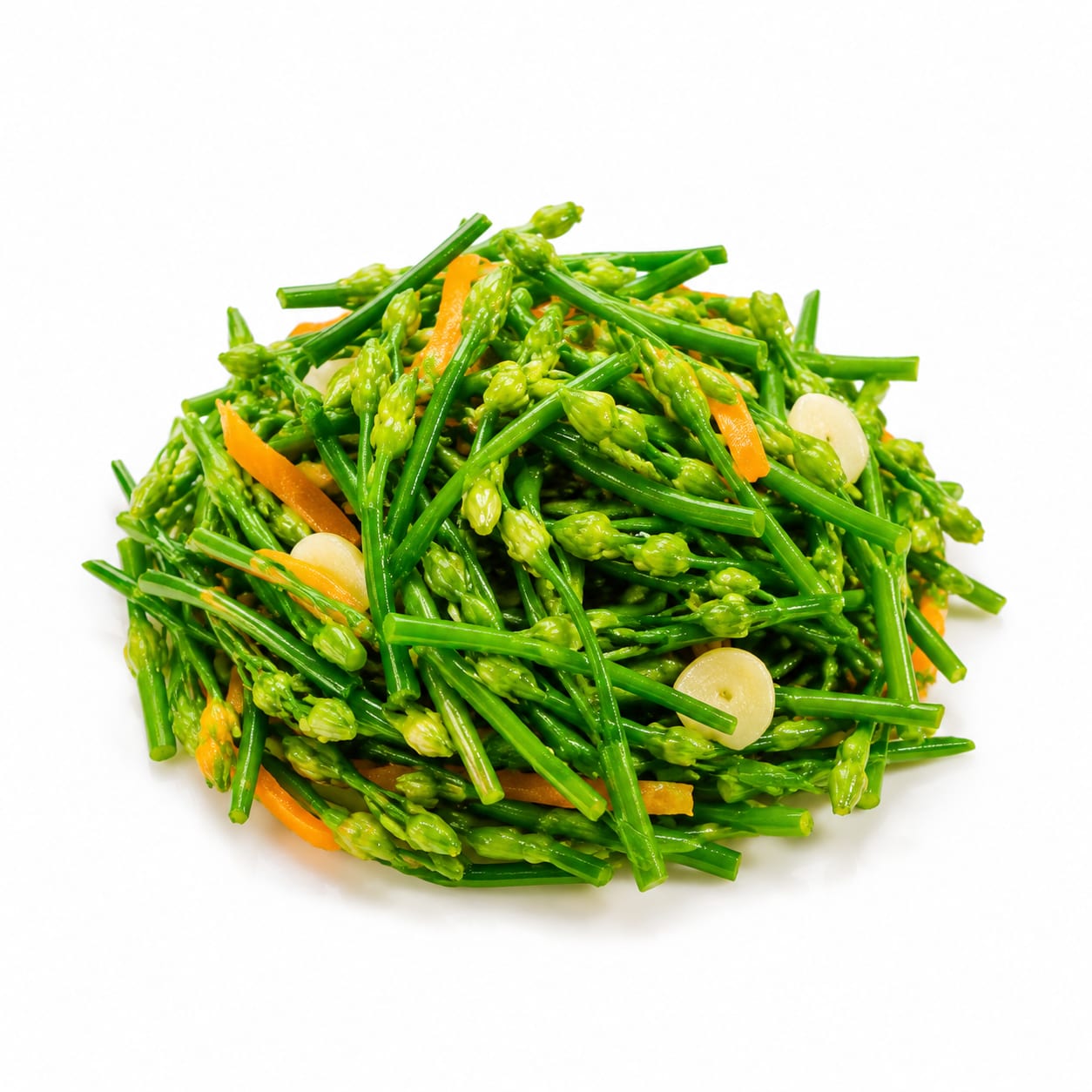
Garlic Chive Flower
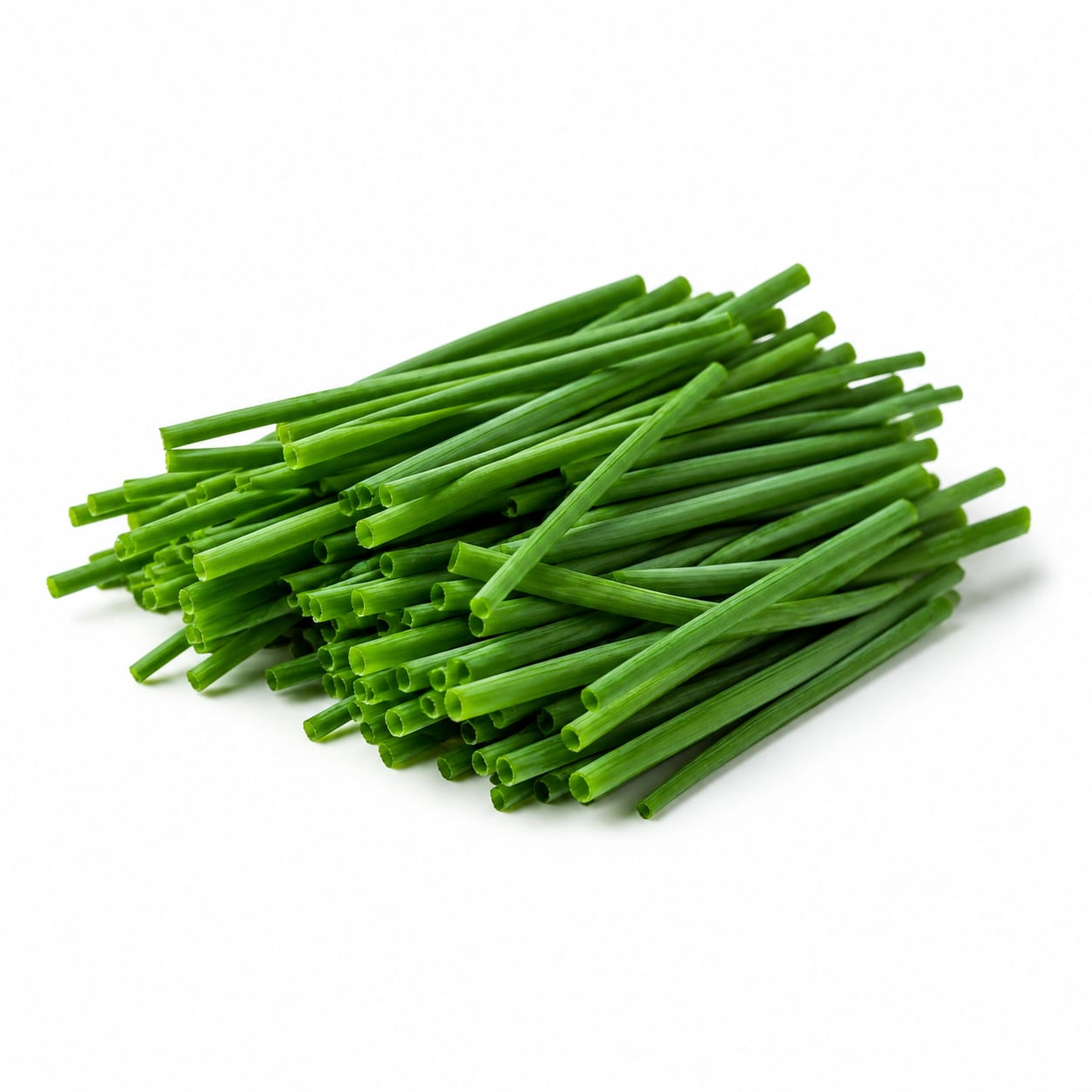
Chives
Garlic chive flowers bring bolder flavor and stronger medicinal compounds, but chives win on everyday convenience and gentler digestion.
Garlic chive flowers edge ahead on nutritional density and medicinal value, but chives stay competitive thanks to superior availability, gentler digestion, and everyday versatility. The close scores reflect that neither is clearly dominant — it depends on what you need.
Potent flavor and health benefits versus easy availability and milder stomach impact.
At a glance
Executive summary
Overall
It depends
Healthier
Garlic Chive Flower
More practical
Chives
Daily use
Chives
Key comparison lenses
flavor intensity and culinary role
Garlic chive flowers deliver a much bolder garlic-onion punch while chives offer a delicate onion note, making them suited to entirely different dishes
antioxidant and medicinal value
Garlic chive flowers contain higher sulfur compounds and flavonoids tied to traditional medicine, while chives are milder in this regard
everyday practicality and availability
Chives are available in nearly every grocery store year-round, whereas garlic chive flowers are seasonal and often require Asian markets
digestive tolerance
The stronger sulfur compounds in garlic chive flowers may irritate sensitive stomachs, while chives are gentler
Best choice for
Garlic Chive Flower
- Home cooks wanting bold aromatic depth in stir-fries and dumpling fillings
- People seeking traditional medicinal herbs with anti-inflammatory sulfur compounds
- Anyone looking to diversify their allium intake beyond the usual options
Chives
- Weekly meal preppers who want a reliable garnish that is always available
- People with sensitive digestion who find garlic-heavy foods uncomfortable
- Families wanting a kid-friendly herb that adds flavor without overwhelming
Least suitable for
Garlic Chive Flower
- People with IBS or sulfur sensitivity who react to strong alliums
- Those who need a consistent year-round supply from any grocery store
Chives
- Cooks seeking a punchy aromatic backbone for robust savory dishes
- Anyone wanting the stronger therapeutic benefits associated with garlic-derived compounds
Deep comparison
Dimension by dimension
Each lens scores both foods and breaks down who each option suits.
- Dimension 1 · Priority 92Garlic Chive Flower
flavor_intensity_and_culinary_versatility
Garlic Chive Flower · 88Chives · 72Garlic chive flowers deliver a complex garlic-onion flavor that transforms dishes, while chives provide a lighter, more subtle onion note best suited as a finishing touch.
Tradeoff
The boldness of garlic chive flowers can overpower delicate dishes, whereas chives may disappear in heavily seasoned recipes.
Why it matters
Flavor intensity determines which dishes each herb enhances versus ruins — matching the herb to the cuisine matters more than picking the stronger one.
Real-world impact
Garlic chive flowers elevate stir-fries, dumplings, and savory pancakes with depth you cannot get from chives alone. Chives shine on baked potatoes, scrambled eggs, and cream soups where subtlety is the point.
Garlic Chive Flower
- Stir-fries and dumpling fillings
- Hearty savory pancakes and scallion-style flatbreads
- Dishes where garlic flavor is desired without using actual garlic cloves
Better for
- Light cream-based sauces where the garlic note clashes
- Raw salads where the intensity dominates other ingredients
Worse for
Chives
- Delicate egg dishes and creamy soups
- As a raw garnish on salads and potatoes
- Any dish where you want freshness without pungency
Better for
- Wok-cooked dishes where the mild flavor gets lost
- Heavily spiced recipes needing an aromatic backbone
Worse for
- Dimension 2 · Priority 85Garlic Chive Flower
antioxidant_and_medicinal_value
Garlic Chive Flower · 84Chives · 68Garlic chive flowers contain higher concentrations of sulfur compounds and flavonoids linked to anti-inflammatory and antimicrobial effects, while chives offer modest antioxidant benefits.
Tradeoff
The stronger medicinal compounds in garlic chive flowers come with higher digestive irritation risk for sensitive people.
Why it matters
If you are intentionally eating herbs for their health benefits, garlic chive flowers deliver more active compounds per bite.
Real-world impact
Regular consumption of garlic chive flowers may support immune function and circulation more noticeably than chives, but you would need to eat them consistently — not just as an occasional garnish.
Garlic Chive Flower
- Supporting immune resilience during cold season
- Adding anti-inflammatory variety to a vegetable-heavy diet
- Traditional food-as-medicine approaches in East Asian cooking
Better for
- Anyone on blood-thinning medication who must moderate vitamin K and sulfur intake
Worse for
Chives
- Gentle daily vitamin K support without digestive strain
- A low-risk source of quercetin for people avoiding strong alliums
Better for
- Situations where therapeutic potency from the herb itself is a priority
Worse for
- Dimension 3 · Priority 80Chives
availability_and_convenience
Garlic Chive Flower · 45Chives · 92Chives are stocked in nearly every supermarket year-round, while garlic chive flowers are seasonal and often limited to Asian grocers or farmers markets.
Tradeoff
Choosing garlic chive flowers means accepting limited access and shorter seasonal windows, but you gain a unique ingredient most home cooks never use.
Why it matters
An herb you can actually buy when you need it always beats a superior one that is unavailable.
Real-world impact
If you meal prep on Sundays and shop at a standard grocery store, chives are always there. Garlic chive flowers require planning, specialty shopping, or growing your own.
Garlic Chive Flower
- Adventurous home cooks near Asian markets who enjoy seeking out specialty ingredients
- Gardeners who can grow their own supply in warm months
Better for
- Rural areas without Asian grocery access
- Winter cooking when fresh specialty herbs are hardest to find
Worse for
Chives
- Anyone who shops at conventional grocery stores
- Last-minute cooking where you need an herb right now
Better for
- Cooks who specifically want a garlic-forward herb and find chives too mild to bother
Worse for
- Dimension 4 · Priority 70Chives
digestive_tolerance
Garlic Chive Flower · 58Chives · 85Chives are gentle on most digestive systems, while garlic chive flowers carry stronger sulfur compounds that can trigger bloating or discomfort in sensitive individuals.
Tradeoff
The same compounds that give garlic chive flowers their health benefits are the ones most likely to cause digestive upset.
Why it matters
If you have IBS, FODMAP sensitivity, or sulfur reactivity, the wrong allium can mean hours of discomfort.
Real-world impact
Chives are a safe garnish even for people who avoid garlic. Garlic chive flowers sit closer to garlic on the tolerance spectrum and should be tested in small amounts first.
Garlic Chive Flower
- People with robust digestion who tolerate garlic without issues
Better for
- Post-meal bloating or gas in sulfur-sensitive people
- Evening meals where digestive discomfort could disrupt sleep
Worse for
Chives
- IBS or FODMAP-sensitive individuals
- Anyone who experiences bloating from garlic or onions
- Older adults with more delicate digestion
Better for
- Situations where digestive tolerance is not a concern and stronger flavor is preferred
Worse for
Timeline
Health impact over time
Short-term
Hours to days
Garlic Chive Flower
- Noticeable garlic breath and body odor within hours due to sulfur compound metabolism
- Possible mild stomach warmth or slight bloating in sensitive individuals
- Immediate flavor satisfaction in savory dishes, which can make meals more enjoyable and satisfying
Chives
- Very low risk of any digestive discomfort even in sensitive people
- Subtle vitamin C and K contribution from raw use as a garnish
- Minimal breath or body odor impact
Long-term
Months to years
Garlic Chive Flower
- Consistent intake may support cardiovascular health through sulfur compound activity similar to garlic
- Anti-inflammatory flavonoids could contribute to reduced chronic disease risk over years
- Potential for cumulative digestive strain if consumed in large quantities daily by sensitive individuals
Chives
- Steady low-dose vitamin K supports bone density and blood clotting regulation over time
- Mild antioxidant contribution adds up as part of a varied herb and vegetable routine
- Very low risk of any negative long-term effects even with daily use
Risk profile
Safety & processing
Both garlic chive flowers and chives are whole, unprocessed herbs typically sold fresh or frozen. Neither carries meaningful additive concerns. The only processing note is that some commercial chives are freeze-dried, which slightly reduces vitamin C but preserves flavor well.
Garlic Chive Flower
Pesticide residue on imported bunches
mediumGarlic chive flowers from certain Asian import channels have historically shown higher pesticide residue rates. Washing thoroughly or choosing organic reduces this risk significantly.
Misidentification with toxic lookalikes
lowWhen foraging wild, garlic chive flowers could be confused with toxic lily species. Store-bought is safe, but foragers should be cautious.
Chives
Pesticide residue
lowConventionally grown chives can carry trace pesticide residue, but levels are typically low. Organic or homegrown eliminates this concern.
Bacterial contamination on fresh-cut bunches
lowLike any fresh herb, pre-cut chives can harbor surface bacteria. A quick rinse before use is sufficient for most people.
Who wins for whom
Audience fit
Same foods, different winners depending on your goal.
children
ChivesChives offer a gentle introduction to onion flavors without the pungency that often makes kids reject garlic chive flowers.
daily consumption
ChivesChives are easier to find, gentler on the stomach, and simple to add to everyday meals without overwhelming other flavors.
diabetes
Garlic Chive FlowerThe sulfur compounds in garlic chive flowers have stronger evidence for improving insulin sensitivity compared to the milder compounds in chives, though both are beneficial as zero-carb flavor additions.
elderly
ChivesOlder adults with more sensitive digestion tolerate chives better, and the consistent vitamin K supports bone health without gastrointestinal side effects.
muscle gain
It dependsNeither herb contributes meaningful protein or calories for muscle building. Both serve purely as flavor tools to make protein-rich meals more enjoyable.
weight loss
It dependsBoth are virtually calorie-free flavor enhancers. Garlic chive flowers may slightly reduce the need for added garlic or oil in cooking, while chives add flavor to lighter dishes without any digestive burden.
Your move
Decision guide
Choose Garlic Chive Flower
- You cook East Asian dishes regularly and want authentic aromatic depth
- You are specifically seeking stronger anti-inflammatory and immune-supporting herb compounds
- You have access to Asian grocery stores or grow your own and want to explore beyond common herbs
Choose Chives
- You want a reliable, always-available herb for everyday Western cooking
- You or your family members have sensitive digestion or dislike strong garlic flavors
- You need a versatile garnish that works on everything from eggs to soups to salads
Either works if
- You simply want a fresh allium garnish and both are available
- You are rotating herbs for dietary variety and both fit your cuisine
Avoid both if
- You have a confirmed allium allergy — neither is safe
- You are on a strict low-vitamin-K diet for warfarin therapy without medical clearance
Final recommendation
Keep chives as your everyday staple herb — they are practical, gentle, and versatile. Add garlic chive flowers when you want to elevate a dish with bold aromatic depth and tap into their stronger medicinal properties. Think of chives as your daily driver and garlic chive flowers as your specialty tool.
Practical
Consumer tips
- 1
Wash garlic chive flowers extra thoroughly to reduce potential pesticide residue, especially from imported bunches
- 2
If you cannot find fresh garlic chive flowers, check the freezer section of Asian markets — they often stock frozen buds that retain good flavor
- 3
Grow both in your garden: chives are perennial and nearly effortless, while garlic chives produce edible flowers in late summer
- 4
Add chives at the very end of cooking to preserve their delicate flavor and vitamin C content
- 5
Use garlic chive flowers in dumpling fillings, savory pancakes, or quick stir-fries where their boldness can carry the dish
- 6
Start with a small amount of garlic chive flowers if you have not tried them before — their intensity can surprise you