
Nutrition comparison
Garlic Chive Flowers vs Garlic Scapes: Flavor, Nutrition, and Cooking Comparison
Comparing garlic chive flowers and garlic scapes — which seasonal allium is better for your cooking? Breakdown of flavor intensity, availability, nutrition, and practical uses.
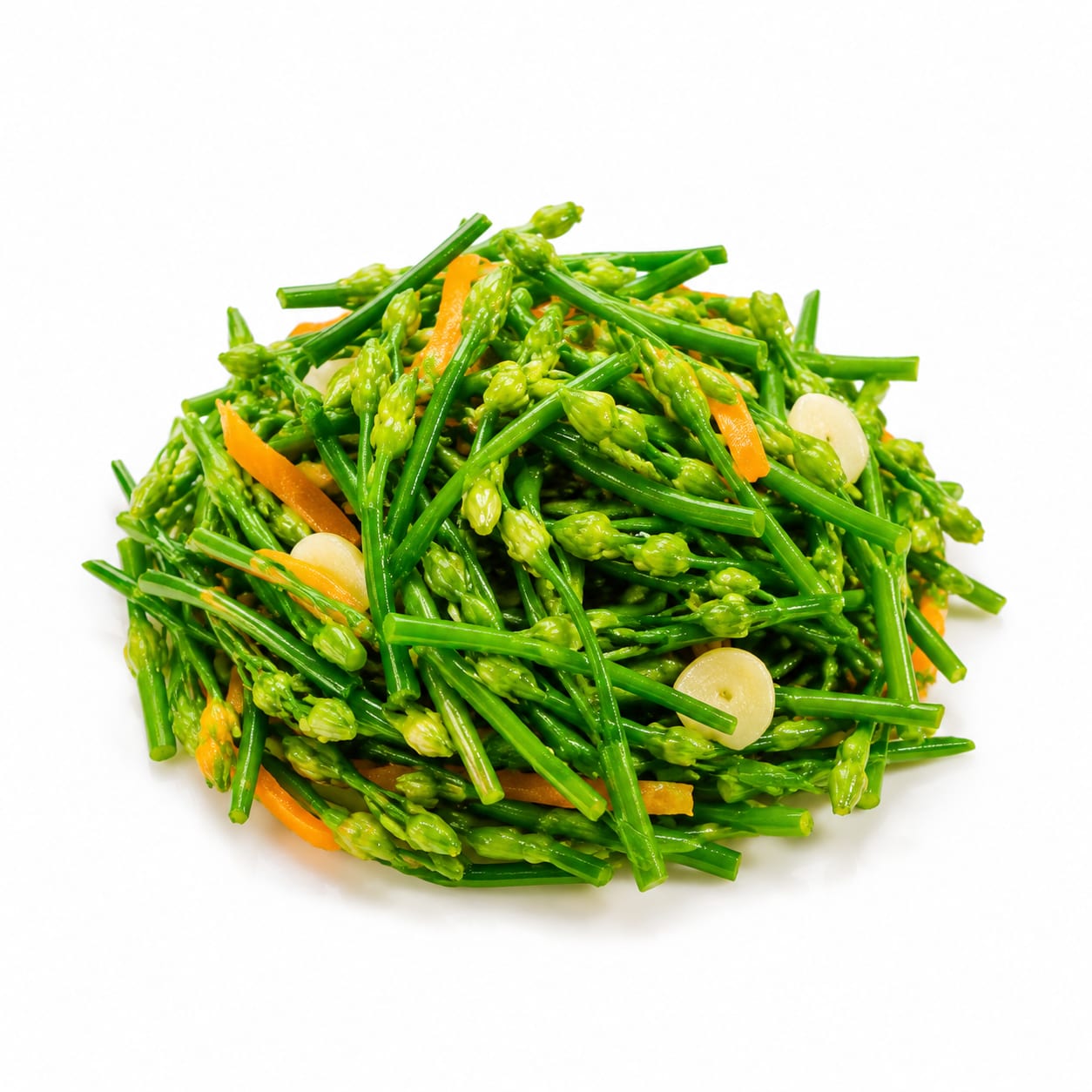
Garlic Chive Flower
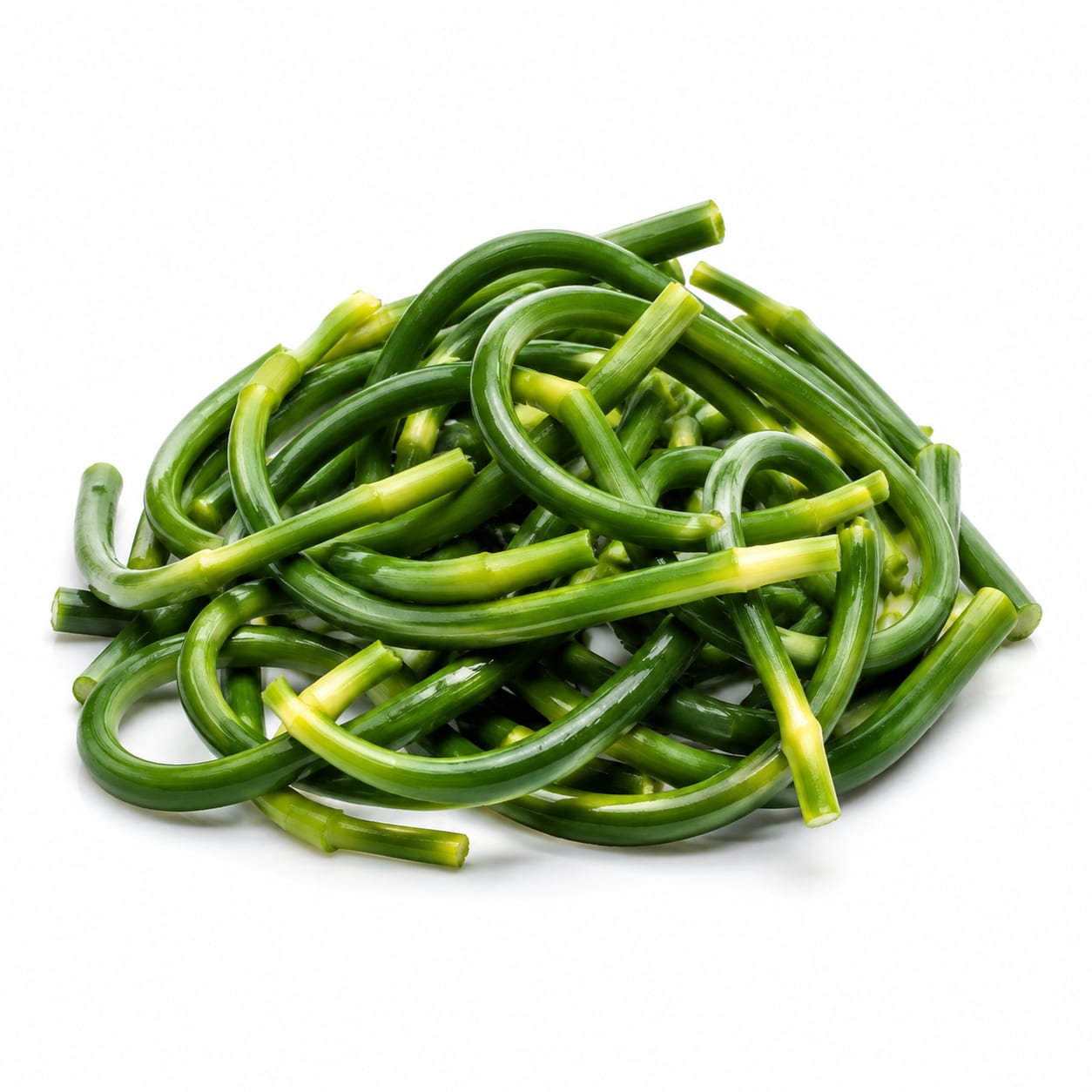
Garlic Scapes
Garlic scapes win on versatility and availability, while garlic chive flowers deliver a more intense, unique flavor punch for specific dishes.
Garlic scapes score higher primarily due to broader culinary versatility, easier sourcing, and gentler digestibility. Garlic chive flowers earn strong marks for flavor intensity and unique traditional uses but lose ground on availability and everyday practicality.
Scapes are easier to find, cook with, and substitute into everyday meals; chive flowers offer a bolder, more concentrated allium hit but require more effort to source and use well.
At a glance
Executive summary
Overall
It depends
Healthier
It depends
More practical
Garlic Scapes
Daily use
Garlic Scapes
Key comparison lenses
Culinary versatility and cooking application differences
These two allium delicacies serve very different roles in the kitchen despite seeming similar
Seasonal availability and sourcing practicality
Both are highly seasonal with narrow harvest windows that affect real-world usability
Flavor intensity and dish compatibility
One is a bold condiment ingredient, the other is a milder vegetable — this shapes how each gets used
Antioxidant and sulfur compound comparison
Both contain beneficial organosulfur compounds but in different concentrations and profiles
Digestive tolerance and FODMAP considerations
Allium vegetables can trigger IBS symptoms, and potency differs between these two
Best choice for
Garlic Chive Flower
- Bold flavor enthusiasts wanting intense allium punch in small quantities
- Asian home cooks making traditional stir-fries or pickled condiments
- Gardeners who grow garlic chives and want to use the flowers
- People seeking a unique garnish with strong aromatic character
Garlic Scapes
- Home cooks wanting a mild garlic vegetable for everyday meals
- Farmers market shoppers looking for seasonal allium variety
- Pesto and sauce makers wanting a garlic-forward but mellow base
- Anyone wanting a low-effort introduction to seasonal allium cooking
Least suitable for
Garlic Chive Flower
- People sensitive to strong allium flavors or prone to heartburn
- Those who need easily available ingredients year-round
- Low-FODMAP dieters who react to concentrated allium compounds
Garlic Scapes
- Diners wanting an intense garlic flavor hit in a single bite
- Those looking for a condiment-style ingredient rather than a vegetable
- Anyone expecting a long storage life after purchase
Deep comparison
Dimension by dimension
Each lens scores both foods and breaks down who each option suits.
- Dimension 1 · Priority 90Garlic Chive Flower
Flavor Intensity and Uniqueness
Garlic Chive Flower · 88Garlic Scapes · 72Garlic chive flowers pack a more concentrated, pungent allium-garlic-onion flavor that hits harder in smaller amounts.
Tradeoff
That intensity means a little goes a long way, but it also limits how much you can use without overwhelming a dish.
Why it matters
If you're after a bold flavor accent, chive flowers deliver more impact per bite. Scapes are subtler and sweeter.
Real-world impact
A tablespoon of chopped chive flowers transforms a bowl of noodles; scapes need a bigger portion to achieve the same aromatic presence.
Garlic Chive Flower
- Quick flavor bombs in stir-fries and noodle dishes
- Pickled condiments where intensity is the whole point
- Garnishes where a small amount needs to carry big aroma
Better for
- Delicate dishes where the strong flavor overpowers other ingredients
- Large-quantity vegetable sides where you'd eat a full serving
Worse for
Garlic Scapes
- Dishes where garlic flavor should be present but not dominant
- Pesto and blended sauces needing a mellow garlic base
- Grilled or roasted preparations where sweetness can develop
Better for
- Condiment-style uses where you need maximum punch per teaspoon
- Traditional Asian recipes specifically calling for chive flower flavor
Worse for
- Dimension 2 · Priority 88Garlic Scapes
Culinary Versatility
Garlic Chive Flower · 62Garlic Scapes · 85Garlic scapes work as a vegetable, a sauce base, a grilling item, and a garlic substitute. Chive flowers are more of a specialty accent.
Tradeoff
Scapes can replace green beans, asparagus, or garlic in recipes. Chive flowers really only shine in their niche.
Why it matters
If you buy one seasonal allium to cook with all week, scapes give you more options and less waste risk.
Real-world impact
Scapes can be stir-fried Monday, blended into pesto Wednesday, and grilled Friday. Chive flowers are best used within a day or two in specific dishes.
Garlic Chive Flower
- Traditional Chinese and Korean condiment recipes
- Dishes where the flower bud texture is specifically desired
Better for
- Casual weeknight meals requiring flexible ingredients
- Western-style recipes where the ingredient is unfamiliar
Worse for
Garlic Scapes
- Weeknight cooking where you need one ingredient to do many jobs
- Recipe substitution for garlic cloves or green onions
- Blended preparations like pesto, hummus, or compound butter
Better for
- Authentic Asian dishes specifically built around chive flower flavor
Worse for
- Dimension 3 · Priority 80Garlic Chive Flower
Nutritional Density and Antioxidant Content
Garlic Chive Flower · 79Garlic Scapes · 74Both are low-calorie sources of beneficial sulfur compounds, but chive flowers have a slightly higher concentration of flavonoids and carotenoids per gram.
Tradeoff
The nutritional edge is modest and mostly irrelevant at typical serving sizes since both are eaten in small quantities.
Why it matters
Neither is a primary nutrient source — they're flavor ingredients. The antioxidant difference is a nice bonus, not a deciding factor.
Real-world impact
You'd need to eat large amounts of either to see meaningful antioxidant benefits, which isn't how these are typically consumed.
Garlic Chive Flower
- Maximizing antioxidant intake per bite when portions are small
- Traditional medicinal preparations using concentrated allium compounds
Better for
- Situations where the small typical serving size limits total nutrient intake
Worse for
Garlic Scapes
- Getting a broader serving size that adds more total fiber and vitamin C
- Meals where you eat a full vegetable portion rather than a garnish
Better for
- Comparisons of nutrient concentration per gram rather than per serving
Worse for
- Dimension 4 · Priority 85Garlic Scapes
Availability and Sourcing Ease
Garlic Chive Flower · 45Garlic Scapes · 68Garlic scapes appear regularly at farmers markets and specialty grocers in late spring. Chive flowers are genuinely hard to find commercially.
Tradeoff
Both are seasonal and niche, but scapes have entered mainstream awareness while chive flowers remain a specialty Asian ingredient.
Why it matters
The best nutritional food is one you can actually buy. Scapes are far more accessible to most Western consumers.
Real-world impact
Most people can find scapes at a weekend farmers market in June. Finding chive flowers usually requires an Asian grocery or growing your own.
Garlic Chive Flower
- People who grow garlic chives at home and harvest the flowers
- Shoppers at well-stocked Asian grocery stores
Better for
- Anyone without access to Asian markets or home gardens
- Rural shoppers with limited specialty produce options
Worse for
Garlic Scapes
- Farmers market regulars in temperate climates
- Online specialty produce shoppers
- CSA members who receive scapes in their boxes
Better for
- Tropical or subtropical regions where hardneck garlic isn't grown
Worse for
- Dimension 5 · Priority 75Garlic Scapes
Digestive Tolerance
Garlic Chive Flower · 60Garlic Scapes · 72Scapes are milder and gentler on the digestive system. Chive flowers concentrate more sulfur compounds that can irritate sensitive stomachs.
Tradeoff
If you have IBS or allium sensitivity, neither is ideal, but scapes are the safer bet in small amounts.
Why it matters
People with FODMAP sensitivities react to fructans in allium vegetables. Higher potency means more potential discomfort.
Real-world impact
A small serving of scapes in a stir-fry might be fine for a sensitive stomach. The same portion of chive flowers could cause bloating.
Garlic Chive Flower
- People with robust digestion who tolerate strong alliums well
Better for
- IBS sufferers and FODMAP-sensitive individuals
- People prone to heartburn or acid reflux from alliums
Worse for
Garlic Scapes
- Those with mild allium sensitivity who still want garlic flavor
- Gentle introduction to allium vegetables for sensitive digestions
Better for
- Anyone who must strictly avoid all allium vegetables for medical reasons
Worse for
- Dimension 6 · Priority 65Garlic Scapes
Storage and Shelf Life
Garlic Chive Flower · 50Garlic Scapes · 70Scapes keep for about a week refrigerated and freeze reasonably well. Chive flowers wilt and lose quality within a couple of days.
Tradeoff
Both are best used fresh, but scapes give you a larger window to actually cook them before they spoil.
Why it matters
Short shelf life means more food waste risk, especially for an ingredient you might not use daily.
Real-world impact
Scapes bought on Saturday can still be good by Thursday. Chive flowers need to be used within 48 hours or they lose their appeal.
Garlic Chive Flower
- Same-day cooking when flowers are at peak freshness
- Pickling or preserving immediately after harvest
Better for
- Anyone who shops once a week and needs ingredients to last
- Impulse buys that sit in the fridge too long
Worse for
Garlic Scapes
- Meal prepping across several days
- Freezing for later use in pesto or cooked dishes
Better for
- Extended storage beyond a week where quality degrades noticeably
Worse for
Timeline
Health impact over time
Short-term
Hours to days
Garlic Chive Flower
- Quick aromatic stimulation that can enhance appetite and meal satisfaction
- Potential mild digestive discomfort in sensitive individuals due to concentrated sulfur compounds
- Immediate breath odor that is more intense and persistent than scapes
Garlic Scapes
- Gentle garlic flavor without the harshness of raw garlic cloves
- Lower likelihood of digestive upset compared to more concentrated allium forms
- Mild breath odor that dissipates faster than raw garlic
Long-term
Months to years
Garlic Chive Flower
- Regular consumption of organosulfur compounds may support cardiovascular health
- Antioxidant flavonoids from chive flowers contribute to reduced oxidative stress over time
- Potential cumulative digestive irritation if consumed frequently in large amounts
Garlic Scapes
- Consistent mild allium intake associated with anti-inflammatory benefits
- Fiber contribution supports gut health when eaten in vegetable-sized portions
- Allicin precursors may offer modest immune support with regular consumption
Risk profile
Safety & processing
Both are whole, unprocessed plant parts harvested directly from the garden. Neither typically undergoes processing beyond washing and trimming. The only concern is pickled versions, which add sodium and sometimes preservatives.
Garlic Chive Flower
Pesticide residue on flower buds
mediumFlower buds can trap pesticide spray more than stalks. Washing is essential, and organic sourcing is preferable since you're eating the reproductive parts of the plant.
Misidentification with ornamental alliums
lowForagers could confuse garlic chive flowers with ornamental alliums. Buy from reputable sources or grow your own to avoid this risk.
Garlic Scapes
Pesticide residue
lowScapes are a secondary crop for most garlic growers, meaning they often receive fewer targeted sprays. Still, washing is recommended.
Tough fibrous ends
lowThe woody bottom portion of scapes is indigestible and unpleasant to eat. Trimming the tough ends prevents a choking or digestive issue.
Who wins for whom
Audience fit
Same foods, different winners depending on your goal.
children
Garlic ScapesScapes have a milder, sweeter flavor that kids tolerate better. The fun curly shape also makes them more appealing to picky eaters.
daily consumption
Garlic ScapesScapes are easier to incorporate into a wide range of everyday meals without flavor fatigue. Chive flowers work best as an occasional accent.
diabetes
It dependsBoth are extremely low in carbohydrates and won't spike blood sugar. Scapes offer slightly more fiber per serving if eaten in vegetable quantities.
elderly
Garlic ScapesGentler on digestion and easier to chew when cooked. Scapes can be prepared soft without losing flavor, while chive flowers stay intense.
muscle gain
It dependsNeither is relevant for muscle gain — both are flavor ingredients with minimal protein. Choose based on what makes your protein dishes taste better.
weight loss
Garlic ScapesScapes can be eaten in larger volumes as a low-calorie vegetable side, making meals more filling. Chive flowers are too intense for large portions.
Your move
Decision guide
Choose Garlic Chive Flower
- You want maximum allium flavor impact in a small amount
- You're cooking traditional Chinese or Korean recipes that specifically call for chive flowers
- You grow garlic chives and have fresh flowers to harvest
- You're making pickled condiments or fermented preparations
- You want a visually striking garnish with serious aromatic power
Choose Garlic Scapes
- You want a versatile seasonal vegetable that works in many dishes
- You're new to cooking with allium flowers and want an approachable starting point
- You're making pesto, stir-fries, or grilled vegetable sides
- You need an ingredient that stores for a few days without losing quality
- You're feeding a family with varying taste tolerances
Either works if
- You simply want a seasonal allium treat and can find either one fresh
- You're making a stir-fry where both would work as a flavor component
- You're pickling and want to experiment with different allium flavors
Avoid both if
- You have a strict low-FODMAP requirement and cannot tolerate any allium vegetables
- You're looking for a significant source of protein, calories, or macronutrients
- You need a shelf-stable ingredient you can keep on hand year-round
Final recommendation
Start with garlic scapes if you're choosing between the two — they're easier to find, gentler to cook with, and more forgiving in the kitchen. Save garlic chive flowers for when you spot them at an Asian market or your garden blooms, and use them boldly in dishes that can handle their intensity. Both are seasonal treasures worth enjoying, but scapes are the more practical entry point.
Practical
Consumer tips
- 1
Look for scapes at farmers markets in late spring — they're often cheap because farmers need to cut them anyway
- 2
Chive flowers are worth growing yourself: garlic chives are perennial, low-maintenance, and the flowers appear in late summer
- 3
Both freeze well if you blanch them first — scapes for up to 6 months, chive flowers for about 3 months
- 4
If you find chive flowers, try pickling them in soy sauce and rice vinegar — it's a traditional Korean preparation that extends their shelf life dramatically
- 5
Remove the tough woody ends of scapes before cooking — bend them and they'll snap naturally at the right point
- 6
Chive flowers open quickly once picked — use them while the buds are still tight for the best texture and flavor
- 7
Neither stores well long-term fresh, so plan to use them within a day or two of purchase