
Nutrition comparison
Garlic Chive Flower vs Broccoli: Which Vegetable Is Healthier?
Compare garlic chive flowers and broccoli for nutrition, cancer-fighting compounds, and daily usability. Learn which one belongs on your plate and why both offer unique health benefits.
Overall winner · Broccoli
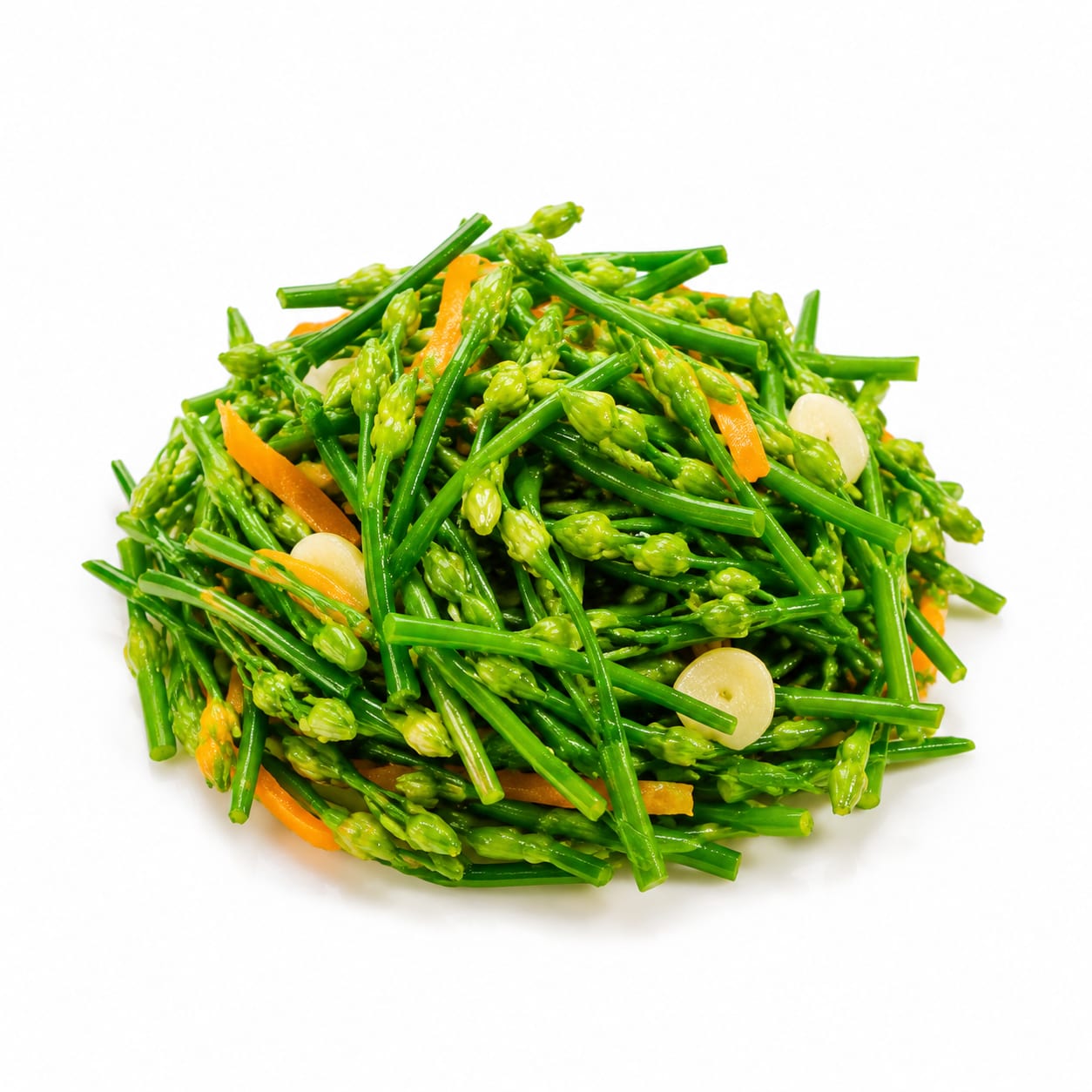
Garlic Chive Flower
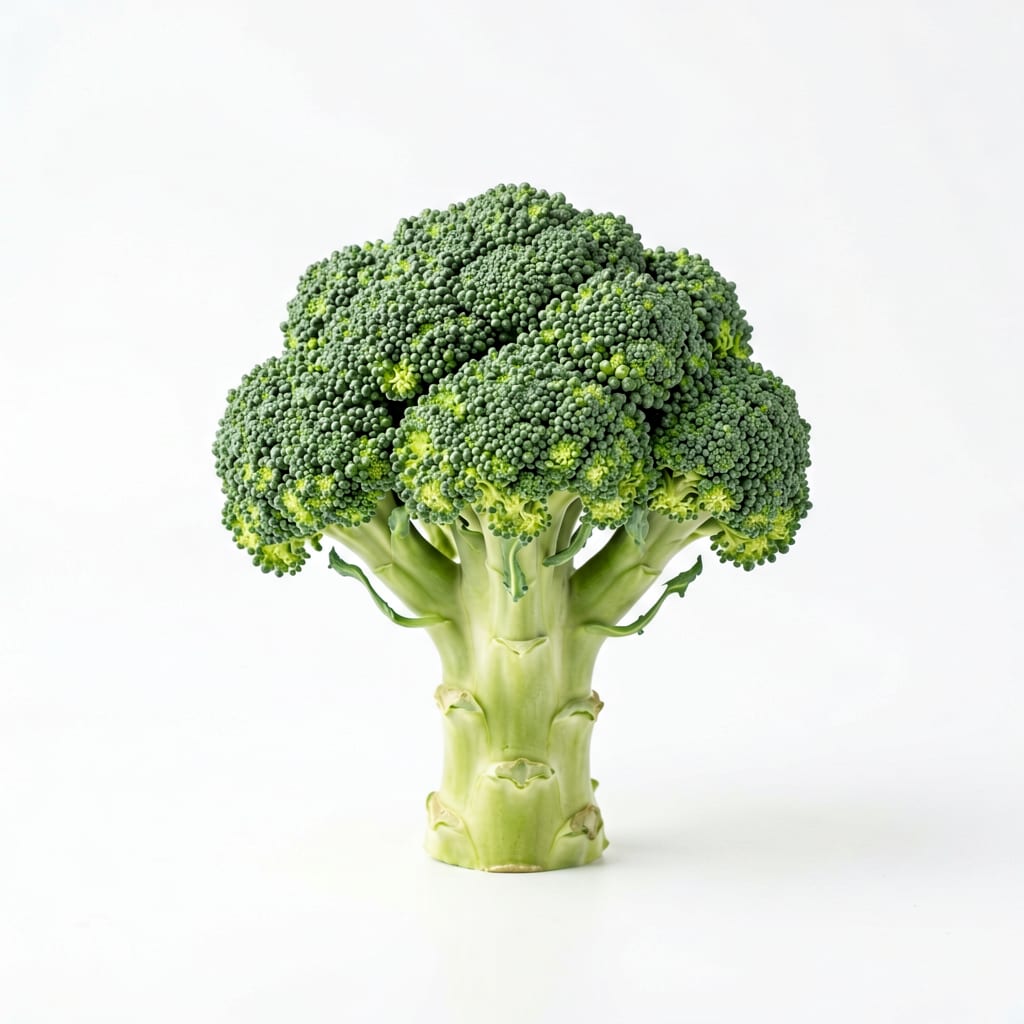
Broccoli
Broccoli wins for everyday nutrition due to its volume-friendly fiber, vitamins, and well-studied sulforaphane. Garlic chive flowers shine as a potent flavor booster with unique allicin benefits, but their small serving sizes limit total nutrient delivery.
Broccoli scores notably higher because it functions as a high-volume staple vegetable delivering substantial fiber, vitamins, and cancer-fighting compounds per serving. Garlic chive flowers are nutritionally impressive per gram but are rarely eaten in quantities large enough to match broccoli's total nutrient delivery.
Broccoli delivers more total nutrients per realistic serving, while garlic chive flowers offer concentrated bioactive compounds in tiny amounts that punch above their weight.
At a glance
Executive summary
Overall
Broccoli
Healthier
Broccoli
More practical
Broccoli
Daily use
Broccoli
Key comparison lenses
nutrient density for daily vegetable choice
Users comparing these two are likely deciding which vegetable to include regularly for maximum health benefit
cancer fighting compound comparison
Both contain potent sulfur compounds with different anti-cancer mechanisms worth understanding
practical meal versatility
Broccoli is a staple vegetable while garlic chive flowers are more of a specialty ingredient
serving size realism
Garlic chive flowers are eaten in small amounts as flavoring while broccoli is eaten in large volumes
digestive tolerance and gut effects
Both can cause digestive issues but through different mechanisms
Best choice for
Garlic Chive Flower
- Adding intense savory depth to stir-fries and dumplings
- Targeting allicin-related antimicrobial and cardiovascular benefits
- People seeking low-calorie flavor enhancement without salt
- Traditional East Asian recipe authenticity
Broccoli
- Meeting daily fiber and vitamin C needs in one serving
- Sustained fullness from a high-volume low-calorie vegetable
- Families needing a widely available affordable vegetable
- Long-term cancer risk reduction through consistent sulforaphane intake
Least suitable for
Garlic Chive Flower
- Anyone unfamiliar with its strong garlicky-onion flavor
- Large-portion side dishes where its intensity becomes overwhelming
- People on blood thinners who need consistent vitamin K intake tracking
- Those who dislike allium flavors
Broccoli
- People with severe IBS or FODMAP sensitivity
- Those prone to gas and bloating from cruciferous vegetables
- Anyone taking warfarin who cannot maintain consistent vitamin K intake
Deep comparison
Dimension by dimension
Each lens scores both foods and breaks down who each option suits.
- Dimension 1 · Priority 95Broccoli
nutrient_density_per_realistic_serving
Garlic Chive Flower · 48Broccoli · 88A cup of broccoli delivers far more total vitamins, minerals, and fiber than the tablespoon-sized portions typical for garlic chive flowers.
Tradeoff
Garlic chive flowers are nutrient-dense per gram but their intense flavor limits you to small amounts, capping total nutrient intake.
Why it matters
What you actually eat matters more than what a food contains per 100 grams in a database.
Real-world impact
One cup of broccoli covers your entire daily vitamin C needs and provides 5g of fiber. A typical garlic chive flower serving covers only a fraction of that.
Garlic Chive Flower
- Condiment-level micronutrient boosts without excess calories
Better for
- Cannot realistically serve as a nutritional anchor vegetable
Worse for
Broccoli
- Meeting daily vitamin and fiber targets in a single dish
- Getting meaningful folate and potassium per meal
Better for
- Requires larger portions to get benefits, which means more cooking effort
Worse for
- Dimension 2 · Priority 88Broccoli
cancer_fighting_potential
Garlic Chive Flower · 70Broccoli · 90Broccoli's sulforaphane is one of the most studied anti-cancer compounds in food. Garlic chive flowers offer allicin-related protection but with less clinical evidence.
Tradeoff
Sulforaphane has stronger human trial data, while allicin compounds show promising lab results but less real-world confirmation.
Why it matters
Both foods fight cancer through different pathways, but evidence depth matters for confidence.
Real-world impact
Regular broccoli consumption is linked to measurable reductions in several cancers. Garlic family vegetables show association but with smaller effect sizes.
Garlic Chive Flower
- Adding a second cancer-fighting mechanism via allicin if you already eat broccoli
Better for
- Less clinical trial support compared to sulforaphane literature
Worse for
Broccoli
- Single-food cancer risk reduction with the strongest available evidence
- Combining well with other cruciferous vegetables for cumulative benefit
Better for
- Only covers one pathway when combining both foods would be ideal
Worse for
- Dimension 3 · Priority 78It depends
digestive_tolerance
Garlic Chive Flower · 60Broccoli · 55Both can cause digestive issues but through different mechanisms. Broccoli produces gas from raffinose and fiber. Garlic chive flowers can irritate sensitive stomachs with concentrated sulfur compounds.
Tradeoff
Broccoli causes gradual bloating from fermentation. Garlic chive flowers can cause sharper stomach discomfort in sensitive people but less gas overall.
Why it matters
If you have IBS or a sensitive gut, neither is automatically safe.
Real-world impact
A big bowl of steamed broccoli can leave you uncomfortably gassy. A small amount of garlic chive flower might sit fine, but a large portion could cause burning discomfort.
Garlic Chive Flower
- Less gas production at typical small serving sizes
- More manageable for people whose main issue is bloating rather than irritation
Better for
- Concentrated sulfur compounds can irritate gastritis or ulcers
- Hard to find your tolerance threshold without trial and error
Worse for
Broccoli
- Steaming significantly reduces gas-producing compounds
- More predictable digestive response at moderate portions
Better for
- High FODMAP content makes it problematic for IBS sufferers
- Gas and bloating are nearly guaranteed with large raw portions
Worse for
- Dimension 4 · Priority 85Broccoli
versatility_and_meal_integration
Garlic Chive Flower · 45Broccoli · 85Broccoli works as a side dish, soup base, stir-fry anchor, salad ingredient, or snack. Garlic chive flowers are mostly a flavoring accent in East Asian dishes.
Tradeoff
Broccoli adapts to virtually any cuisine. Garlic chive flowers have a specific flavor profile that dominates any dish they enter.
Why it matters
A vegetable you can cook 20 ways gets eaten more often than one with limited applications.
Real-world impact
You can meal-prep broccoli for the entire week in multiple dishes. Garlic chive flowers are best used fresh in small amounts to finish a dish.
Garlic Chive Flower
- Transforms simple dishes with minimal quantity needed
- No need to plan a whole vegetable side around it
Better for
- Very limited recipe range outside East Asian cooking
- Difficult to find in many grocery stores
Worse for
Broccoli
- Works across Western and Asian cuisines equally well
- Can be the main vegetable rather than just a seasoning
- Available frozen for convenience without significant nutrient loss
Better for
- Takes more prep time and cooking to taste good compared to a quick garnish
Worse for
- Dimension 5 · Priority 80Garlic Chive Flower
cardiovascular_benefit
Garlic Chive Flower · 82Broccoli · 72Garlic chive flowers deliver allicin-family compounds that directly support blood vessel health and cholesterol management. Broccoli helps indirectly through fiber and antioxidants.
Tradeoff
Allicin has a more targeted cardiovascular mechanism, while broccoli's benefits are broader but less specific to heart health.
Why it matters
Heart disease remains the leading cause of death, and targeted dietary interventions matter.
Real-world impact
Regular consumption of allium vegetables like garlic chive flowers is associated with lower blood pressure and improved cholesterol markers in multiple studies.
Garlic Chive Flower
- Direct blood pressure lowering potential via allicin
- Anti-platelet aggregation effects that support healthy blood flow
Better for
- Benefits require consistent regular intake of allicin compounds
- Cooking reduces allicin content significantly
Worse for
Broccoli
- Fiber helps reduce LDL cholesterol over time
- Potassium content supports healthy blood pressure
Better for
- Cardiovascular benefits are indirect and slower to manifest
Worse for
- Dimension 6 · Priority 75It depends
antioxidant_diversity
Garlic Chive Flower · 75Broccoli · 80Broccoli offers broader antioxidant coverage including vitamin C, beta-carotene, and sulforaphane. Garlic chive flowers provide concentrated flavonoids and allicin-related antioxidants.
Tradeoff
Broccoli gives you more types of antioxidants across a larger serving. Garlic chive flowers give you deeper coverage of sulfur-based antioxidants.
Why it matters
Antioxidant diversity from different food families provides more comprehensive cellular protection.
Real-world impact
Eating both regularly would give you the widest antioxidant coverage. Choosing only one means missing a whole category of protective compounds.
Garlic Chive Flower
- Unique flavonoid profile not found in cruciferous vegetables
- Allicin provides antioxidant action through a distinct pathway
Better for
- Narrower range of antioxidant types overall
Worse for
Broccoli
- Higher total antioxidant capacity per realistic serving
- Vitamin C amplifies the effectiveness of other antioxidants
Better for
- Missing the specific allium-family antioxidant compounds
Worse for
Timeline
Health impact over time
Short-term
Hours to days
Garlic Chive Flower
- Immediate antimicrobial effect from allicin compounds
- Potential mild stomach warming or irritation at higher doses
- Quick flavor satisfaction that reduces desire for salty seasonings
Broccoli
- Noticeable fullness from fiber and water content within 30 minutes
- Possible gas and bloating within hours if you eat a large portion
- Blood sugar stabilization when eaten with carbohydrate-rich meals
Long-term
Months to years
Garlic Chive Flower
- Consistent cardiovascular support through regular allicin intake
- Potential reduction in cold and infection frequency due to antimicrobial properties
- Possible blood-thinning effect that requires awareness if on anticoagulant medication
Broccoli
- Measurable reduction in several cancer types with regular consumption over years
- Improved gut microbiome diversity from prebiotic fiber
- Better bone density from sustained vitamin K intake
Risk profile
Safety & processing
Both foods are whole vegetables typically sold fresh and unprocessed. Neither carries meaningful additive concerns when purchased fresh.
Garlic Chive Flower
pesticide_residue
mediumThe flower buds can trap pesticide residue more than flat leaves. Washing thoroughly is important, and organic sourcing is worthwhile.
blood_thinning_interaction
mediumAllicin compounds have mild anticoagulant effects. People on blood thinners should maintain consistent intake rather than suddenly increasing consumption.
Broccoli
pesticide_residue
mediumBroccoli consistently appears on EWG's moderate pesticide concern list. The tight floret structure can trap residues that rinsing alone may not fully remove.
goitrogenic_compounds
lowRaw broccoli contains goitrogens that can interfere with thyroid function in susceptible individuals. Cooking deactivates most of these compounds.
vitamin_k_consistency_for_warfarin_users
mediumBroccoli is high in vitamin K, which directly counteracts warfarin. Consistent daily intake matters more than avoidance.
Who wins for whom
Audience fit
Same foods, different winners depending on your goal.
children
BroccoliBroccoli can be prepared in child-friendly ways like roasting with olive oil or adding to mac and cheese. Garlic chive flowers have an intense flavor most children find overwhelming.
daily consumption
BroccoliBroccoli can be eaten daily in meaningful portions without flavor fatigue or digestive overload. Garlic chive flowers are best used a few times per week as a condiment rather than a daily staple.
diabetes
BroccoliBroccoli's fiber slows glucose absorption and sulforaphane may improve insulin sensitivity. Garlic chive flowers have negligible carbohydrate impact but lack the fiber needed for blood sugar management at realistic serving sizes.
elderly
BroccoliBroccoli's calcium and vitamin K support bone health, and its fiber helps with common constipation issues. Garlic chive flowers' blood-thinning potential requires more caution with common elderly medications.
muscle gain
BroccoliBroccoli provides more total micronutrients per serving to support recovery and training demands. Neither is a protein source, but broccoli's magnesium and vitamin C content better supports active people.
weight loss
BroccoliBroccoli provides high volume and fiber for very few calories, creating physical fullness. Garlic chive flowers are low-calorie but eaten in such small amounts they do not meaningfully fill you up.
Your move
Decision guide
Choose Garlic Chive Flower
- You want a flavor powerhouse that makes simple dishes taste restaurant-quality
- You already eat broccoli regularly and want to add allium-family benefits
- You are focused on cardiovascular and antimicrobial health targets
- You cook East Asian cuisine frequently and want authentic flavor
Choose Broccoli
- You need a reliable daily vegetable that delivers consistent nutrition
- Blood sugar management, fiber intake, or weight loss is your priority
- You want the most cancer-fighting bang for your grocery buck
- You are feeding a family and need versatile kid-friendly options
Either works if
- You want more vegetable diversity regardless of which one
- Both fit into an anti-inflammatory eating pattern
- Neither is a protein source, so both need pairing with protein-rich foods
Avoid both if
- You are on warfarin and cannot maintain consistent vitamin K intake from broccoli while also managing the blood-thinning effects of garlic chive flowers
- You have severe IBS and cannot tolerate either cruciferous fiber or concentrated allium compounds
Final recommendation
Make broccoli your daily vegetable foundation and add garlic chive flowers as a potent flavor and health booster a few times per week. This combination gives you sulforaphane and allicin, covering two major cancer-fighting and cardiovascular pathways. Think of broccoli as your nutritional anchor and garlic chive flowers as your flavor supplement.
Practical
Consumer tips
- 1
Let chopped broccoli sit for 40 minutes before cooking to maximize sulforaphane formation
- 2
Add garlic chive flowers at the end of cooking to preserve their heat-sensitive allicin compounds
- 3
Steam broccoli rather than boiling to retain water-soluble vitamins like vitamin C
- 4
If garlic chive flowers are hard to find fresh, check Asian grocery stores or grow them yourself in a windowsill garden
- 5
Both vegetables pair well with a healthy fat like olive oil to improve absorption of fat-soluble nutrients
- 6
Freeze broccoli florets for convenience without significant nutrient loss, but use garlic chive flowers fresh for best flavor and compound activity