
Nutrition comparison
Garlic Chive Flower vs Kale: Which Green Is Better for You?
Compare Garlic Chive Flower and Kale on nutrition, health benefits, taste, and practical use. Learn which green fits your diet and when to choose each one.
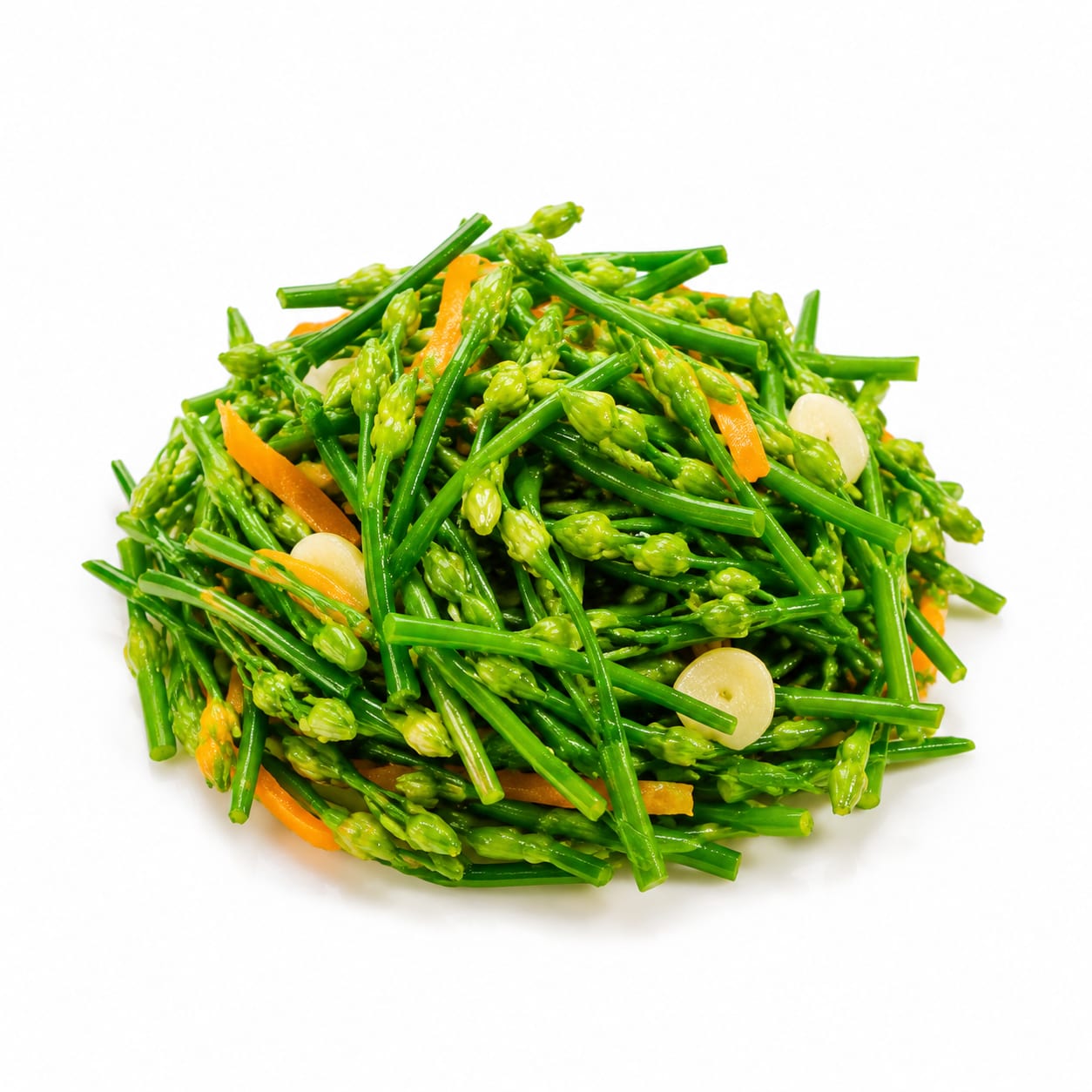
Garlic Chive Flower
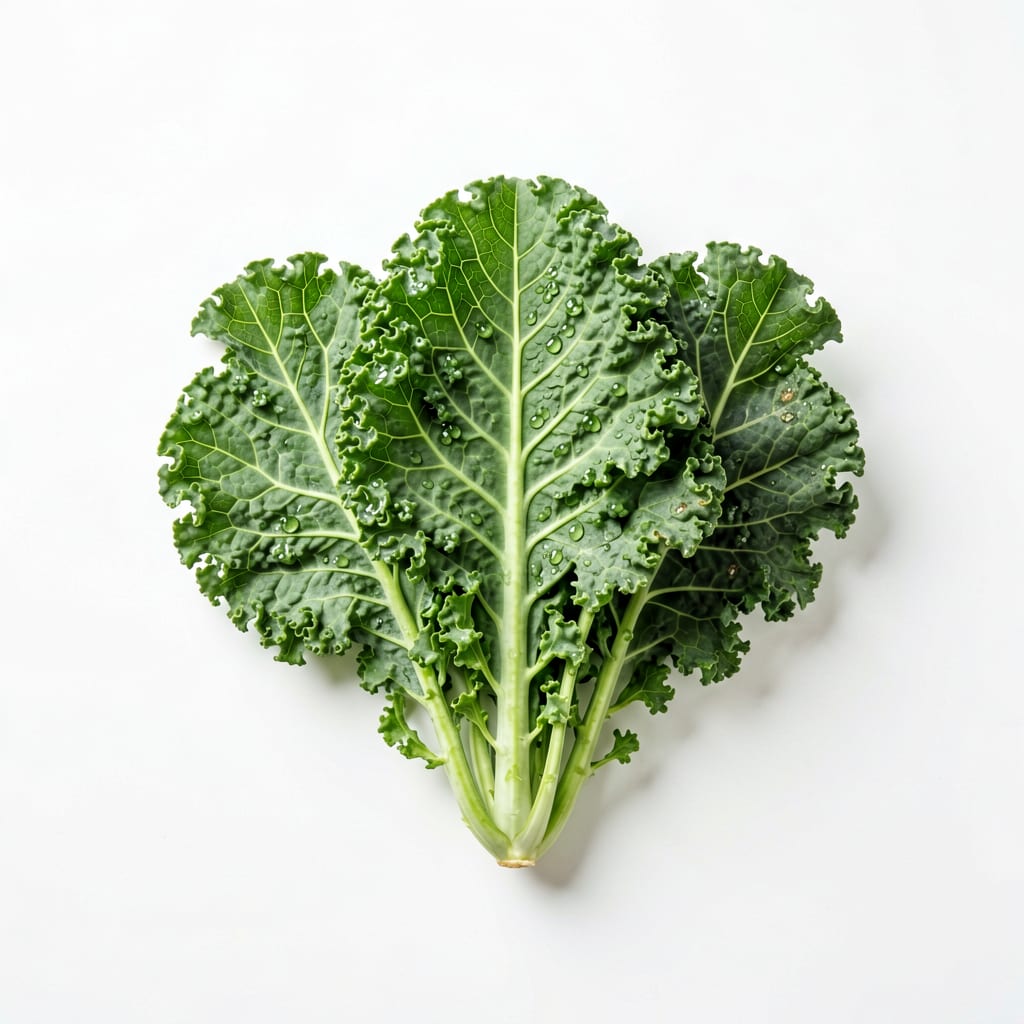
Kale
Kale dominates on raw nutrient density and volume, but Garlic Chive Flower delivers unique sulfur compounds and flavor that Kale cannot replace.
Kale scores notably higher due to overwhelming advantages in nutrient density, fiber, satiety, and accessibility. Garlic Chive Flower remains valuable but functions more as a condiment than a dietary staple, limiting its overall nutritional impact.
Kale gives you more vitamins, fiber, and fullness per serving. Garlic Chive Flower gives you potent allicin-like compounds and culinary excitement in tiny amounts.
At a glance
Executive summary
Overall
It depends
Healthier
Kale
More practical
Kale
Daily use
Kale
Key comparison lenses
Nutrient density for daily greens
Users comparing these two are likely deciding which green vegetable to incorporate regularly for maximum health benefit
Culinary role and versatility
Garlic Chive Flower is primarily a flavoring vegetable while Kale is a bulk green, making direct substitution awkward without context
Antioxidant and anti-inflammatory benefits
Both are prized for unique phytochemicals but through very different compounds
Thyroid and digestive sensitivity
Kale carries goitrogen concerns while Garlic Chive Flower may cause digestive upset in sensitive individuals
Accessibility and practicality
Kale is widely available globally whereas Garlic Chive Flower requires Asian grocery access
Best choice for
Garlic Chive Flower
- Flavor-first cooks wanting aromatic depth without garlic breath
- People seeking sulfur-based antimicrobial compounds
- Those tired of bitter greens and wanting something delicate
- Anyone eating primarily Asian cuisines where it fits naturally
- Small-space gardeners wanting a prolific, cut-and-come-again crop
Kale
- People maximizing vitamin K, A, and C intake efficiently
- Anyone building filling salads or smoothies on a budget
- Those wanting a high-fiber green that actually satisfies hunger
- Meal preppers needing a sturdy green that lasts in the fridge
- Anyone following a nutrient-density-first approach to eating
Least suitable for
Garlic Chive Flower
- Anyone needing a high-volume, filling vegetable base
- People unfamiliar with Asian cooking who would struggle to use it
- Those watching allium intake for IBS or FODMAP reasons
- Budget shoppers without access to Asian markets
Kale
- People with thyroid conditions who eat large amounts raw
- Those who find bitter greens genuinely unpleasant
- Anyone prone to kidney stones from oxalates
- People taking blood thinners who need stable vitamin K intake
Deep comparison
Dimension by dimension
Each lens scores both foods and breaks down who each option suits.
- Dimension 1 · Priority 95Kale
Nutrient Density
Garlic Chive Flower · 48Kale · 93Kale is one of the most nutrient-dense foods on the planet per calorie. Garlic Chive Flower offers vitamins but in much smaller quantities per serving.
Tradeoff
You would need to eat enormous amounts of Garlic Chive Flower to approach the vitamin K, A, and C levels in a single cup of Kale.
Why it matters
If your goal is getting the most nutrition from each bite, Kale is dramatically more efficient.
Real-world impact
A Kale salad at lunch can cover your daily vitamin K and most of your vitamin A. Garlic Chive Flower as a garnish adds flavor but minimal macro-nutrition.
Garlic Chive Flower
- Adding trace minerals like iron and calcium in flavorful form
Better for
- Cannot serve as a nutritional anchor for a meal
Worse for
Kale
- Meeting daily vitamin needs with fewer calories
- Getting substantial folate and manganese in one serving
Better for
- Vitamin K content requires consistency for those on blood thinners
Worse for
- Dimension 2 · Priority 88Kale
Satiety and Volume
Garlic Chive Flower · 25Kale · 85Kale fills you up. Garlic Chive Flower is eaten in small amounts as a flavor accent.
Tradeoff
Garlic Chive Flower will never be the star of a filling meal. Kale can be the base of an entire dish.
Why it matters
Feeling full matters for weight management and satisfaction. Volume eaters need greens that actually occupy plate space.
Real-world impact
A big Kale salad keeps you full for hours. Garlic Chive Flower scattered over noodles adds aroma but does nothing for hunger.
Garlic Chive Flower
- Adding flavor satisfaction without bulk when you already feel full
Better for
- Leaves you hungry if used as your primary vegetable
Worse for
Kale
- Creating physically satisfying meals
- Reducing overall calorie intake through volume eating
Better for
- Can feel like eating effort without dressing or cooking technique
Worse for
- Dimension 3 · Priority 84It depends
Unique Phytochemicals
Garlic Chive Flower · 82Kale · 80Garlic Chive Flower delivers allicin-like sulfur compounds with antimicrobial properties. Kale provides glucosinolates that support detoxification pathways.
Tradeoff
These are completely different protective compound families. You cannot substitute one for the other functionally.
Why it matters
Long-term disease prevention relies on diverse phytochemical exposure, not just vitamins.
Real-world impact
Regular Garlic Chive Flower consumption may support immune defense against pathogens. Regular Kale consumption may lower certain cancer risks through glucosinolate breakdown products.
Garlic Chive Flower
- Antimicrobial and potential immune-boosting effects
- Unique organosulfur compounds not found in cruciferous vegetables
Better for
- Less research on long-term disease prevention compared to Kale
Worse for
Kale
- Glucosinolates linked to cancer risk reduction
- Lutein and zeaxanthin for eye health in meaningful quantities
Better for
- Glucosinolates can interfere with thyroid function when consumed raw in excess
Worse for
- Dimension 4 · Priority 76It depends
Digestive Tolerance
Garlic Chive Flower · 60Kale · 55Both can cause issues but for different reasons. Garlic Chive Flower contains FODMAPs that trigger IBS. Raw Kale contains goitrogens and tough fiber.
Tradeoff
Sensitive digestion may struggle with either, but cooking helps both significantly.
Why it matters
The healthiest food only works if your body actually tolerates it.
Real-world impact
Someone with IBS might find Garlic Chive Flower bloating. Someone with thyroid concerns might need to limit raw Kale. Cooking makes both safer.
Garlic Chive Flower
- Gentle when cooked and used in small amounts
- Does not carry goitrogen risks
Better for
- Fructans make it problematic for FODMAP-sensitive individuals
- Can cause garlic-like digestive discomfort
Worse for
Kale
- High fiber supports healthy gut bacteria when tolerated
- Steaming eliminates most thyroid concerns
Better for
- Raw Kale can cause bloating and thyroid strain
- Tough fiber is harsh on sensitive digestive systems
Worse for
- Dimension 5 · Priority 80It depends
Culinary Versatility
Garlic Chive Flower · 65Kale · 78Kale works in salads, smoothies, soups, chips, and stir-fries. Garlic Chive Flower shines in specific Asian dishes but has limited range beyond that.
Tradeoff
Kale adapts to nearly any cuisine. Garlic Chive Flower transforms specific dishes but feels out of place in many contexts.
Why it matters
A food you actually enjoy cooking with gets eaten. A food you cannot integrate collects fridge guilt.
Real-world impact
Kale can be your everyday green in Western, Mediterranean, or fusion cooking. Garlic Chive Flower elevates dumplings, stir-fries, and eggs but rarely appears elsewhere.
Garlic Chive Flower
- Delivers concentrated flavor so a little goes a long way
- Transforms simple dishes with aromatic complexity
Better for
- Limited to Asian-inspired dishes for most home cooks
- Difficult to use in large quantities without overwhelming the dish
Worse for
Kale
- Works across breakfast, lunch, and dinner in countless recipes
- Can be eaten raw or cooked in diverse preparations
Better for
- Bitterness requires technique to manage
- Can feel repetitive as a daily green
Worse for
- Dimension 6 · Priority 70Kale
Accessibility and Cost
Garlic Chive Flower · 35Kale · 88Kale is available in nearly every grocery store worldwide. Garlic Chive Flower requires Asian markets or home growing.
Tradeoff
You can buy Kale anywhere, anytime. Garlic Chive Flower demands effort to source or grow yourself.
Why it matters
Convenience determines whether a healthy food becomes a habit or a one-time purchase.
Real-world impact
Kale is a grab-and-go staple. Garlic Chive Flower is a specialty item you plan around finding.
Garlic Chive Flower
- Easy to grow at home in small spaces with repeated harvests
Better for
- Hard to find outside Asian communities
- Often more expensive per pound when available
Worse for
Kale
- Available year-round in virtually all grocery stores
- Consistent pricing and quality
Better for
- Conventionally grown Kale ranks high in pesticide residue
Worse for
Timeline
Health impact over time
Short-term
Hours to days
Garlic Chive Flower
- Mild antimicrobial effect from sulfur compounds
- Possible bloating or gas in FODMAP-sensitive people
- Flavor satisfaction that may reduce cravings for less healthy seasonings
Kale
- Noticeable fullness after eating due to fiber volume
- Possible digestive discomfort if consumed raw in large amounts
- Blood sugar stabilization when paired with carbohydrates
Long-term
Months to years
Garlic Chive Flower
- Potential immune support from regular organosulfur compound intake
- Possible cardiovascular benefits shared with allium family vegetables
- Minimal caloric impact making it weight-neutral as a condiment
Kale
- Significant reduction in vitamin K and A deficiency risk
- Potential cancer risk reduction from glucosinolate consumption
- Thyroid issues possible if consumed raw in extreme excess daily
- Improved digestive regularity from consistent high fiber intake
Risk profile
Safety & processing
Both are whole, unprocessed vegetables. Garlic Chive Flower is typically sold fresh or pickled. Kale is sold fresh, pre-washed, or frozen. Pre-washed bagged Kale may carry slightly more processing concern due to washing agents and plastic packaging.
Garlic Chive Flower
Pesticide residue
mediumChive family crops can retain pesticide residues on thin leaves. Washing thoroughly is important, especially for non-organic sources.
Pickled version sodium
mediumMany Garlic Chive Flower products are pickled with high sodium. Check labels if buying preserved versions.
Kale
Pesticide residue
highKale consistently appears on the Dirty Dozen list for pesticide residues. Organic is strongly recommended.
Contamination in pre-washed bags
mediumRecalls of bagged Kale have occurred due to E. coli and listeria. Whole Kale you wash yourself is safer.
Oxalate accumulation
lowKale contains moderate oxalates. People prone to kidney stones should moderate intake and stay hydrated.
Who wins for whom
Audience fit
Same foods, different winners depending on your goal.
children
KaleKale can be hidden in smoothies and provides substantial nutrition during growth. Garlic Chive Flower's strong flavor and limited kid-friendly recipes make it a harder sell.
daily consumption
KaleKale integrates easily into daily meals across cuisines and delivers reliable nutrition. Garlic Chive Flower is better as an occasional flavor boost than a daily staple.
diabetes
KaleKale's fiber slows glucose absorption and stabilizes blood sugar. Garlic Chive Flower has minimal carbohydrate impact but also minimal fiber benefit.
elderly
KaleKale provides bone-supporting vitamin K and calcium in meaningful amounts. However, elderly on blood thinners should consult their doctor about consistent Kale intake.
muscle gain
KaleNeither is a protein source, but Kale provides more vitamins that support recovery and metabolism. Both are supplementary to actual protein foods.
weight loss
KaleKale provides volume and fiber that physically fills you up for very few calories. Garlic Chive Flower adds negligible calories but also negligible satiety.
Your move
Decision guide
Choose Garlic Chive Flower
- You want aromatic depth without using raw garlic
- You cook Asian dishes regularly and want authentic flavor
- You are growing your own and want a prolific, low-maintenance crop
- You already eat plenty of nutrient-dense greens and want variety
Choose Kale
- You want maximum nutrition per calorie and per dollar
- You need a filling vegetable that helps control appetite
- You are building a daily green habit and want something accessible
- You want proven long-term health benefits backed by extensive research
Either works if
- You want more vegetable diversity in general
- You are trying to eat more whole foods and fewer processed items
- You want to support immune function through different phytochemical pathways
Avoid both if
- You are on warfarin or similar blood thinners without medical guidance on vitamin K
- You have severe IBS and are currently on a strict elimination phase
- You have kidney stones and need to limit oxalates and goitrogens simultaneously
Final recommendation
Use Kale as your nutritional workhorse and Garlic Chive Flower as your flavor specialist. They serve completely different purposes and complement each other beautifully. A Kale stir-fry finished with Garlic Chive Flower gives you the best of both worlds.
Practical
Consumer tips
- 1
Buy organic Kale whenever possible due to high pesticide residue on conventional crops
- 2
Use Garlic Chive Flower sparingly at first if you have FODMAP sensitivity to test your tolerance
- 3
Massage raw Kale with olive oil and salt to break down toughness and reduce bitterness
- 4
Freeze extra Kale for smoothies if you cannot finish a bunch before it wilts
- 5
Grow Garlic Chive Flower in a pot on a balcony for a continuous supply of fresh flavor
- 6
If buying pickled Garlic Chive Flower, rinse briefly to reduce sodium before adding to dishes
- 7
Steam Kale briefly if you have thyroid concerns to deactivate goitrogens while preserving nutrients