
Fast Food
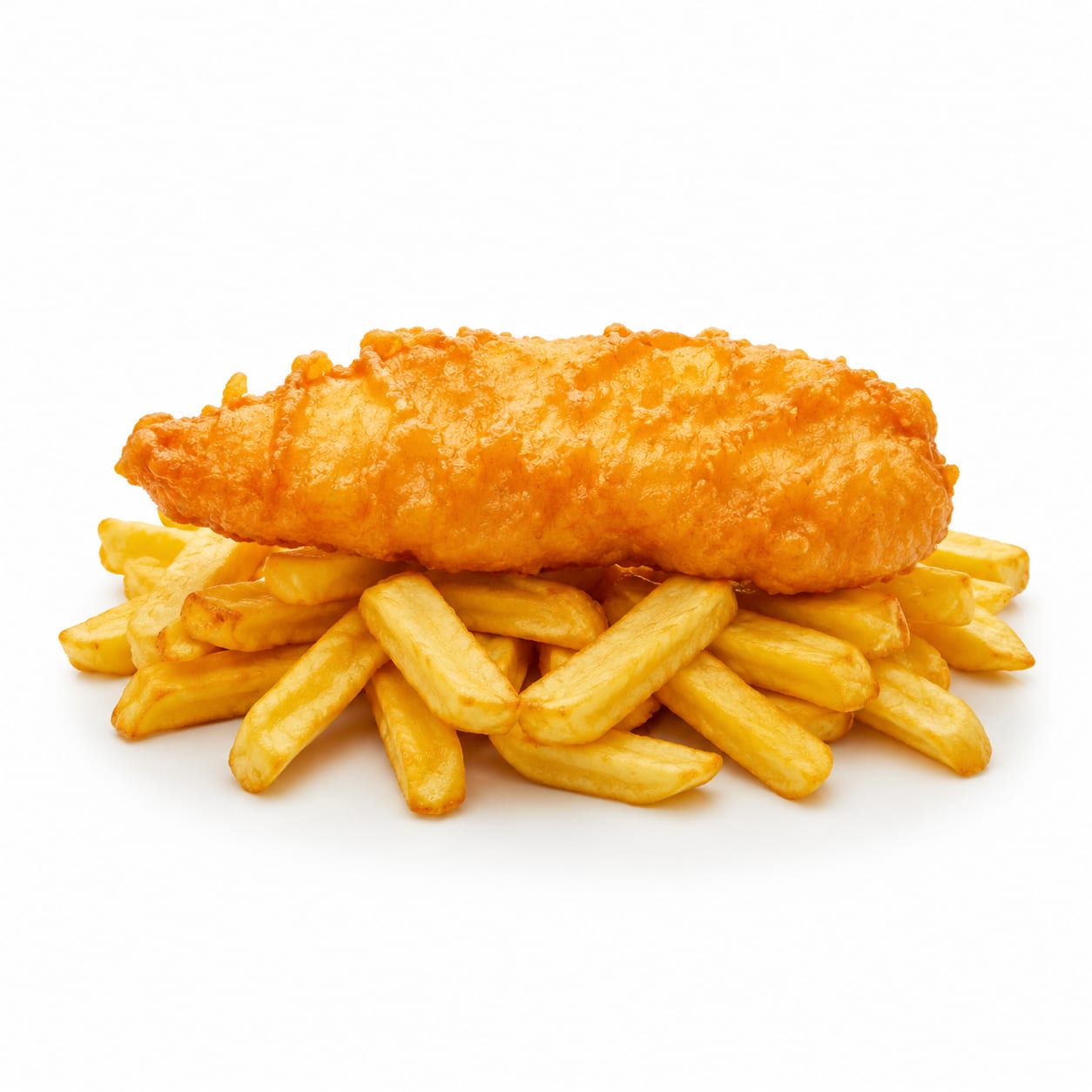
Fish and Chips
A high-calorie fast food dish of battered, deep-fried fish served with deep-fried potato strips.
A popular hot dish consisting of battered and deep-fried fish, most commonly cod or haddock, served with deep-fried potato chips. It is a staple takeout meal in the UK and other Commonwealth countries.
deep-fried high-calorie fast food
Typical serving · 300g
Common varieties · cod, haddock, pollock, beer-battered, breaded
Overall context score across nutrition, safety, and diet fit
At a glance
Quick facts
Simple indicators based on nutrition, processing, and diet fit.
The story
What makes it unique
Fish and chips combine deep-fried battered protein with deep-fried starchy carbohydrates. The frying process drastically increases energy density and fat content while degrading heat-sensitive omega-3 fatty acids in the fish. The refined carbohydrate batter and potatoes digest rapidly, causing significant glycemic fluctuations. Satiety is initially high due to fat content but may not be sustained due to low dietary fiber.
Varieties: cod · haddock · pollock · beer-battered · breaded
Per 100g
Nutrition breakdown
Macro balance and key metrics at a glance.
Energy
Density 2.70 kcal/g
Protein
Carbs
Fat
Fiber
Sugar
0.5 g
Sodium
350 mg
Potassium
310 mg
Glycemic index
75
Glycemic load
16
Water content
50%
Standout compounds
Nutrient highlights
Protein
moderateSupports muscle repair and satiety
Omega-3 Fatty Acids
lowAnti-inflammatory, largely degraded by frying
Potassium
moderateImportant for fluid balance, provided by the potatoes
Sodium
highElectrolyte balance, but excessive in takeout
Wellness map
Health scores & processing
NOVA processing scale
ultra-processed · Ultra-processed
Commercially prepared fish and chips involve deep-frying fish in a refined flour batter and potatoes in refined oils, significantly altering the food matrix and adding advanced glycation end-products.
Diet compatibility
- Weight loss
- Muscle gain
- Diabetes
- Gut health
- Low carb
- High protein
- Heart health
Relative standing
Food rankings
Qualitative ranks compared to similar whole foods.
- Satietymoderate
- Blood sugarpoor
- Nutrient densitypoor
- Fitness fuelpoor
- Processing qualitypoor
Eat with confidence
Food safety profile
The primary safety concerns stem from deep-frying at high temperatures, which creates acrylamide in the potatoes and oxidizes the cooking oils. The fish species used determines the heavy metal exposure risk.
Evidence confidence 85%
- Pesticideslow
- Antibioticsmoderate
- Heavy metalsmoderate
- Contaminationmoderate
Watch for
- acrylamide
- oxidized cooking oils
- mercury
Safer choices
Baking the fish with a light whole-grain crust and oven-roasting potato wedges eliminates acrylamide risk and avoids oxidized oil consumption.
Prep tips
If making at home, soak cut potatoes in water for 30 minutes before frying to reduce acrylamide formation, and do not let the oil smoke.
Acrylamide formation in deep-fried potatoes is monitored by food safety agencies due to potential carcinogenicity. Large predatory fish may accumulate mercury.
Deep dive
Health analysis
How this food may fit different goals and preparation choices.
Weight loss
The high energy density and fat content make it very easy to overconsume calories, making weight loss difficult when eating this dish regularly.
Blood sugar
The refined flour batter and starchy potatoes digest rapidly, causing significant blood sugar spikes followed by crashes, making it unsuitable for glucose management.
Fitness & energy
Provides a high amount of calories but the heavy, greasy nature can cause sluggishness and impaired digestion during physical activity, making it poor pre-workout fuel.
Gut health
Deep-fried foods slow gastric emptying and lack dietary fiber, which can disrupt normal gut motility and negatively impact the gut microbiome over time.
Processing quality
Deep-frying fundamentally degrades the food matrix, introduces advanced glycation end-products, and adds significant amounts of inflammatory refined seed oils.
Food safety
High-temperature frying produces acrylamide in the potatoes and potentially heterocyclic amines in the batter. Reused commercial frying oils pose additional oxidative stress risks.
Common mistakes
Assuming the fish portion retains its inherent health benefits despite being encased in deep-fried batter, or viewing it as a high-protein health food.
Best preparation
Oven-baking the fish with a light almond flour or whole-wheat panko crust, and air-frying or roasting potato wedges with olive oil.
Practical guide
Best use cases
When and how this food fits real eating patterns.
Occasional Indulgence
Suitable as a rare treat or traditional meal where the focus is on enjoyment rather than nutritional optimization.
Calorie Surplus Diets
Useful for individuals struggling to gain weight who need highly palatable, calorie-dense meals.
Post-Heavy Exertion Replenishment
Can provide a massive calorie and carbohydrate refill after extreme endurance events, though healthier options exist.
Balance sheet
Pros & cons
Upsides
- Provides a substantial amount of protein from the fish
- Potatoes offer a source of potassium and vitamin C
- Highly palatable and satisfying as an occasional treat
- Can provide a high calorie intake for those needing a surplus
Trade-offs
- Extremely high in calories and unhealthy fats from deep-frying
- Refined flour batter causes rapid blood sugar spikes
- Low in dietary fiber, leading to poor sustained satiety
- Frying destroys most of the beneficial omega-3 fatty acids
- Contains acrylamide and oxidized oils from high-heat frying
Fit check
Who is it for?
Great match
- occasional indulgence
- calorie surplus diets
- quick takeout meals
Consider alternatives
- weight loss
- blood sugar control
- heart health diets
- low-fat diets
- athletic performance nutrition
Side by side
How it compares
Open the full head-to-head analysis for nutrition, safety, and practical tradeoffs.
This food
Fish and Chips
VS40% alike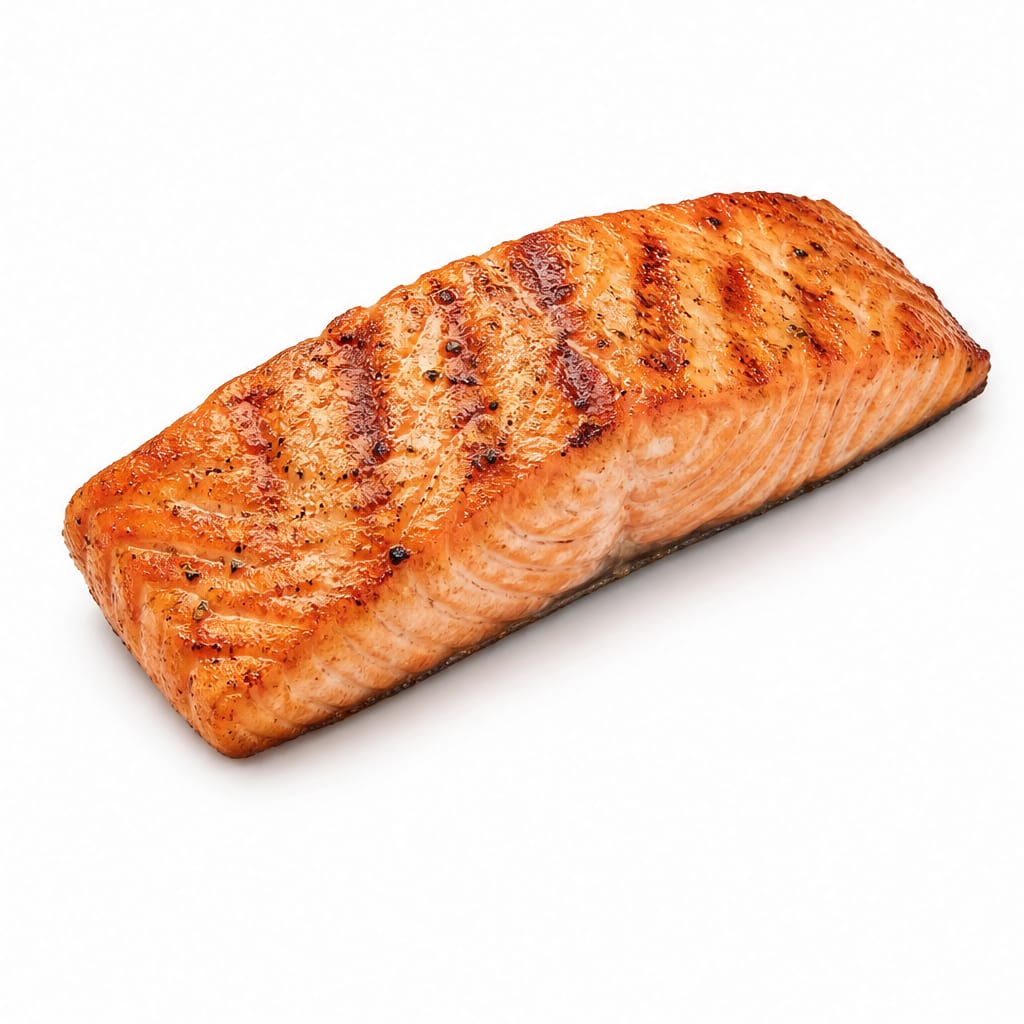
Compare with
Grilled Salmon
Grilled salmon retains its omega-3s and is low in inflammatory fats, whereas fish and chips loses omega-3s to deep-frying and adds excess calories.
Grilled salmon provides essential omega-3s and lean protein, while fish and chips offers mostly inflammatory fats and empty carbs.
This food
Fish and Chips
VS85% alike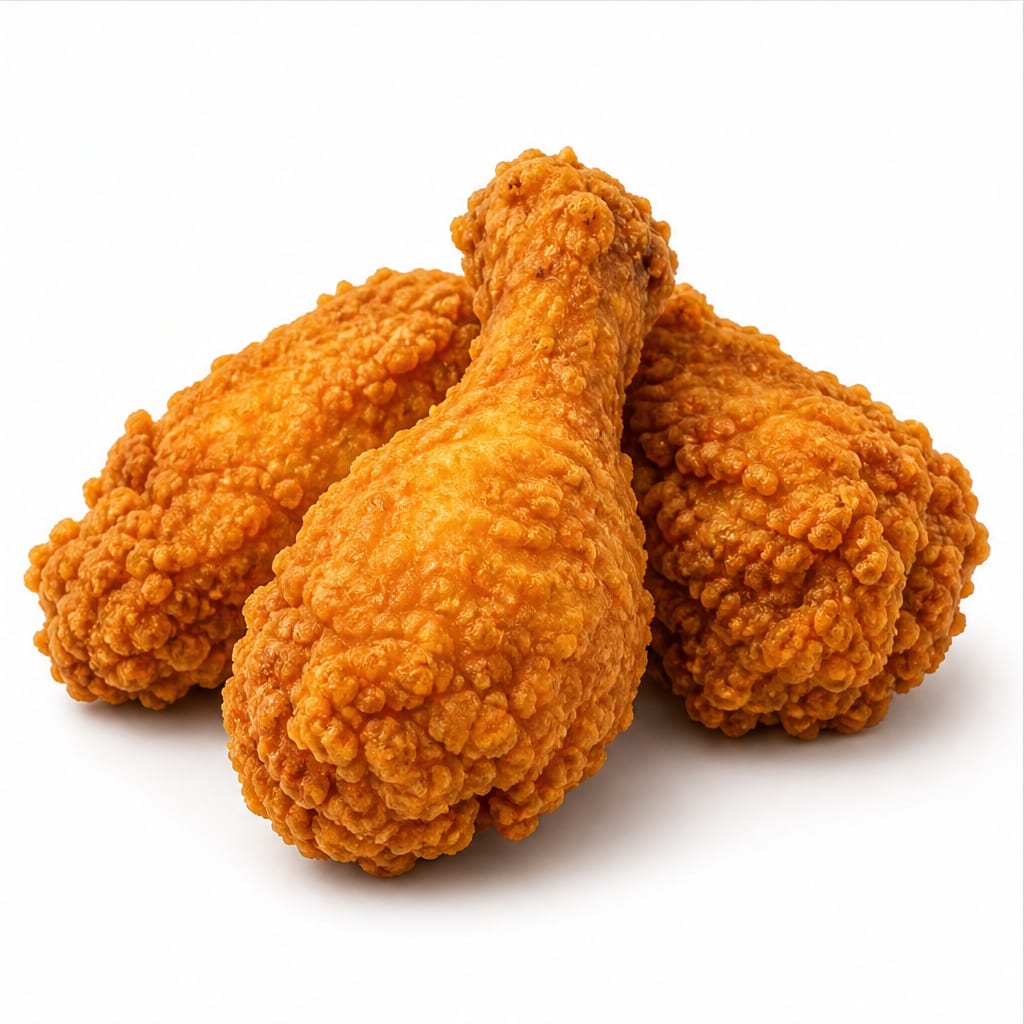
Compare with
Fried Chicken
Fried chicken typically has more protein but also more saturated fat from the chicken skin. Fish and chips has more carbohydrates from the batter and chips.
Fried chicken offers more protein but higher saturated fat, while fish and chips packs more carbs but slightly less saturated fat.
This food
Fish and Chips
VS90% alike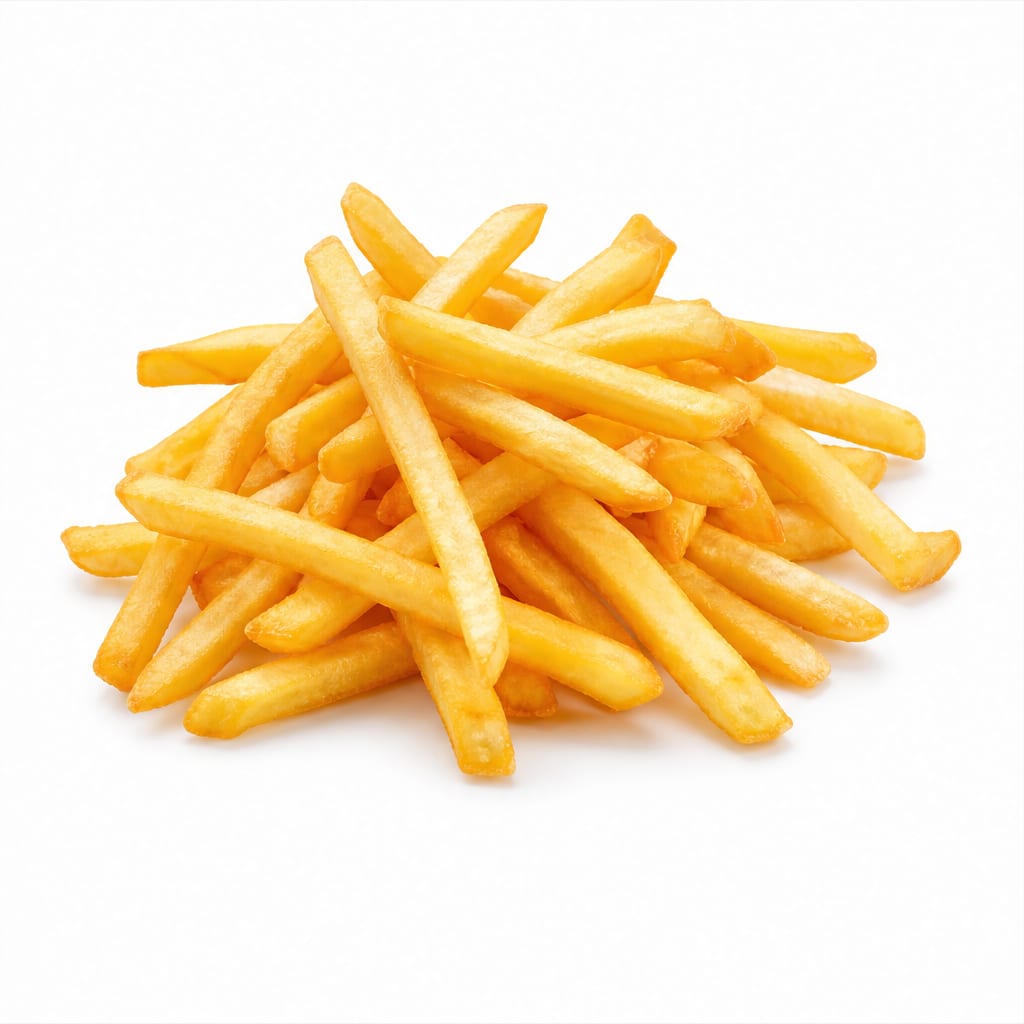
Compare with
French Fries
Fish and chips adds a protein source to the fries, whereas a standalone fries order is purely starchy carbs and fat.
Fish and chips provides more satiety and protein than fries alone, but both are high-calorie deep-fried foods.
This food
Fish and Chips
VS50% alike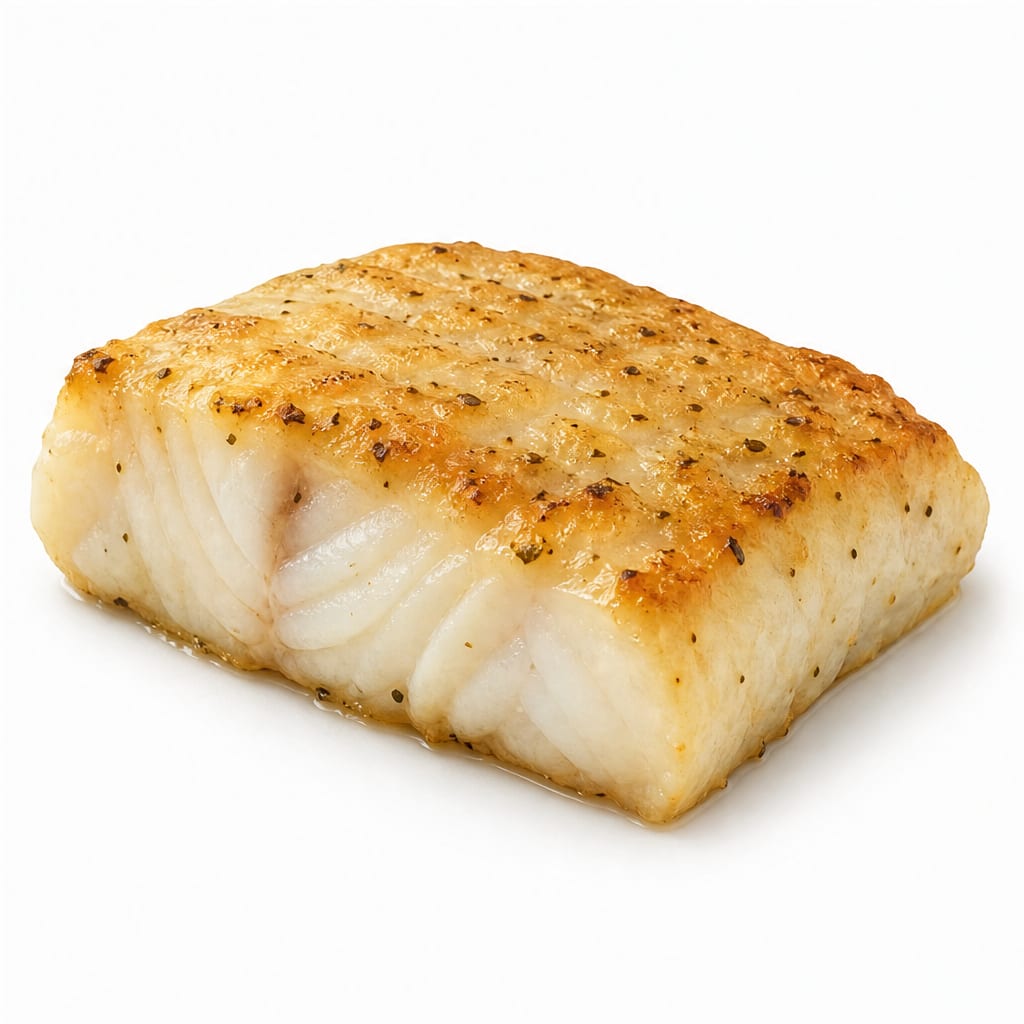
Compare with
Baked Cod
Baking cod preserves its lean protein and omega-3s without adding inflammatory oils or refined carbohydrates.
Baked cod is a lean, low-calorie protein source, whereas fish and chips turns the same fish into a high-fat, high-carb meal.
This food
Fish and Chips
VS70% alike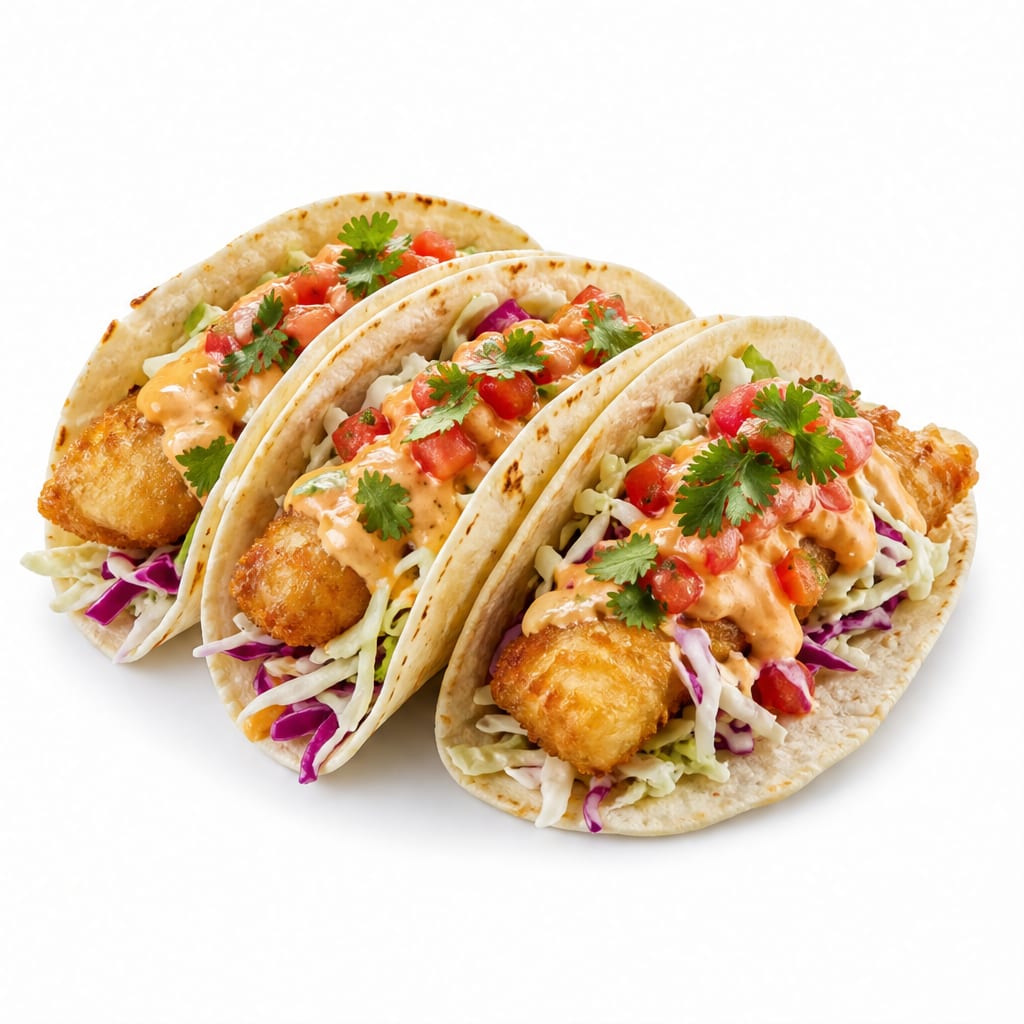
Compare with
Fish Tacos
Fish tacos are often grilled or lightly fried, offering better portion control and often include fresh vegetables like slaw.
Fish tacos usually offer better portion control and fresh veggies, making them a lighter choice than heavy deep-fried fish and chips.
This food
Fish and Chips
VS75% alike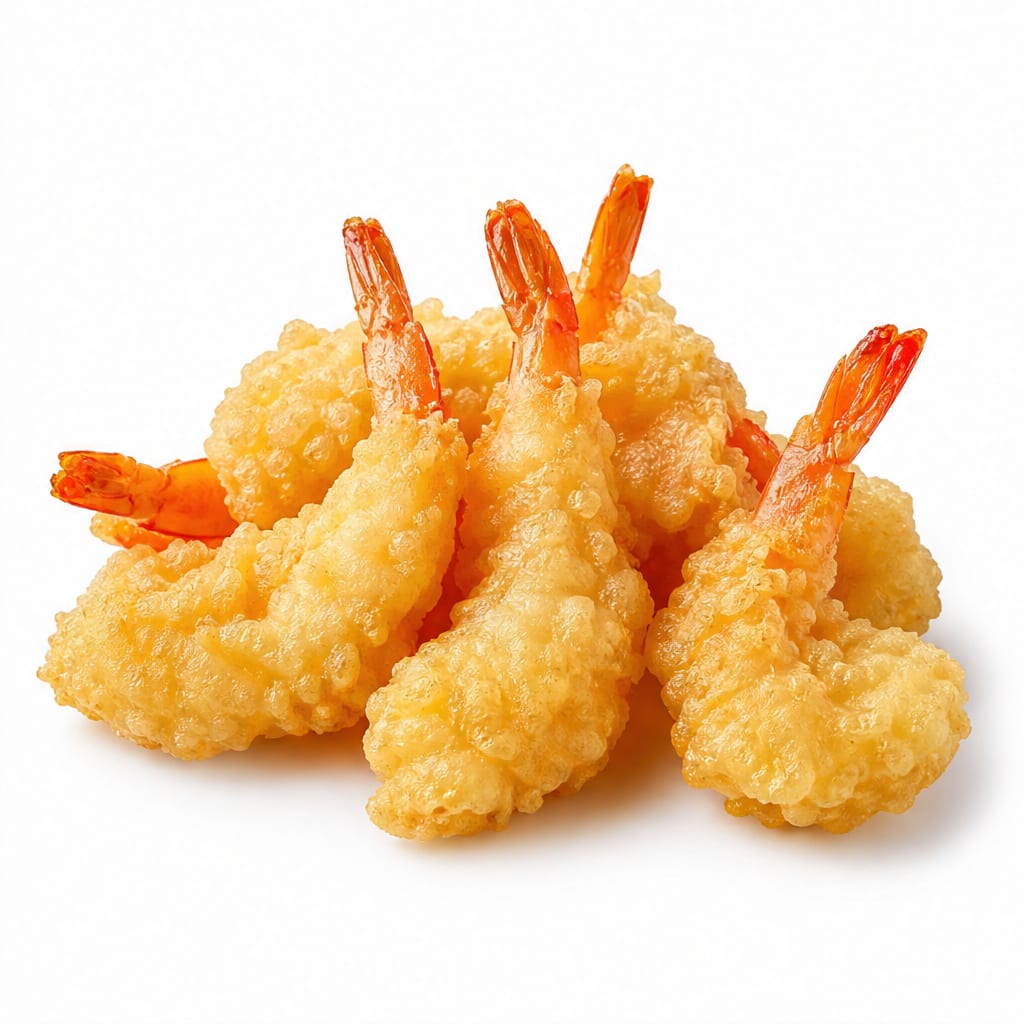
Compare with
Shrimp Tempura
Tempura uses a lighter batter and absorbs slightly less oil, but both are high in refined carbs and fried fats.
Shrimp tempura has a lighter batter and fewer carbs than fish and chips, but both are deep-fried indulgences.
This food
Fish and Chips
VS65% alike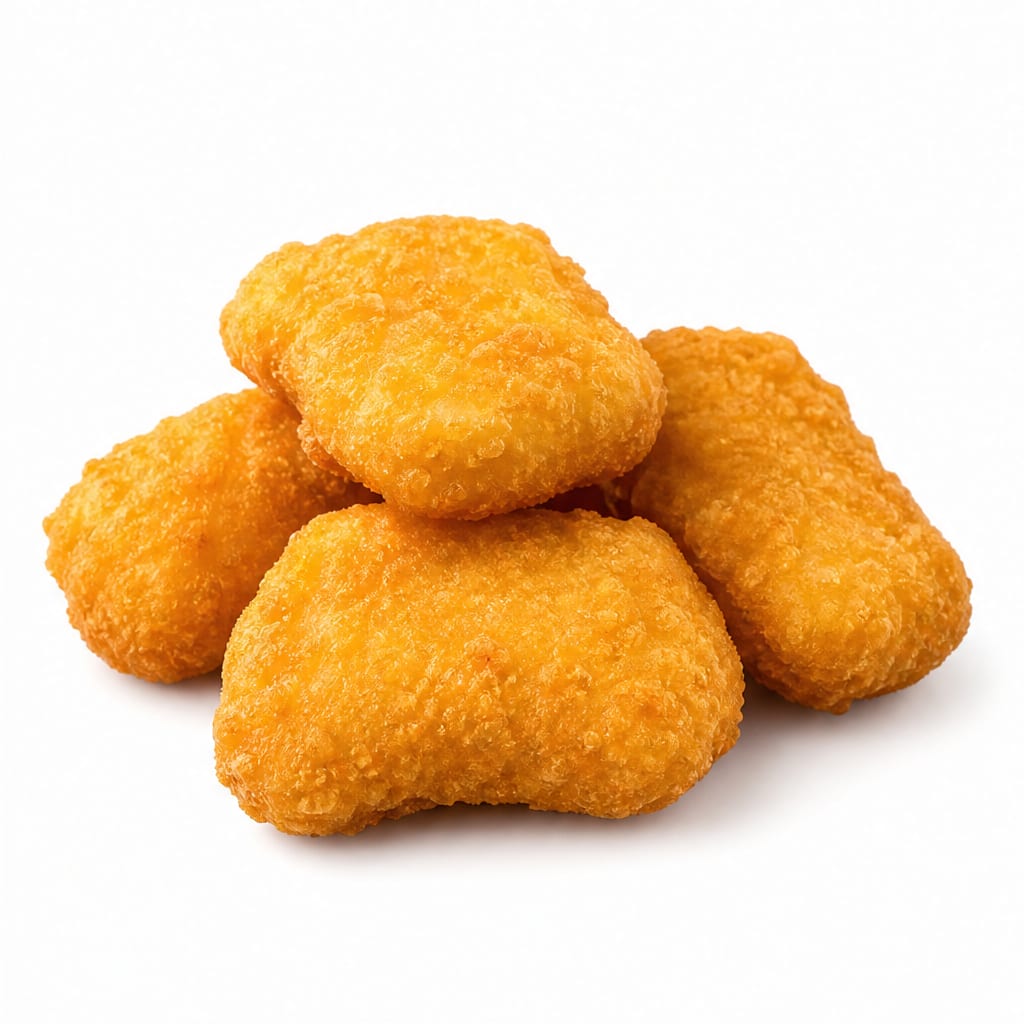
Compare with
Chicken Nuggets
Nuggets are highly processed and often contain fillers, whereas fish and chips uses a whole cut of fish, though both are deep-fried.
Fish and chips uses a whole protein cut rather than processed meat paste, making it slightly less processed than chicken nuggets.
This food
Fish and Chips
VS60% alike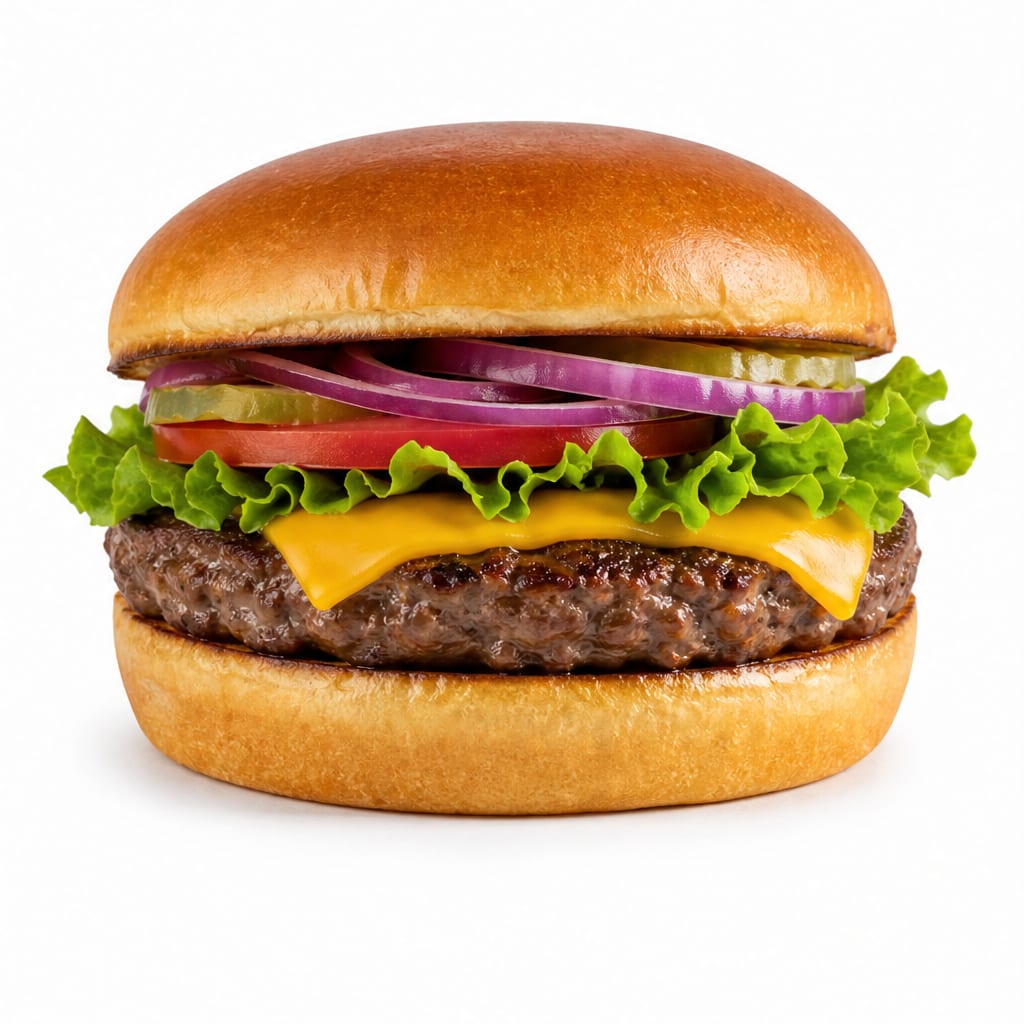
Compare with
Hamburger
A basic hamburger provides solid protein and iron with fewer carbs than fish and chips, but can be high in saturated fat.
A hamburger offers more protein and fewer carbs than fish and chips, making it slightly better for blood sugar control.
This food
Fish and Chips
VS80% alike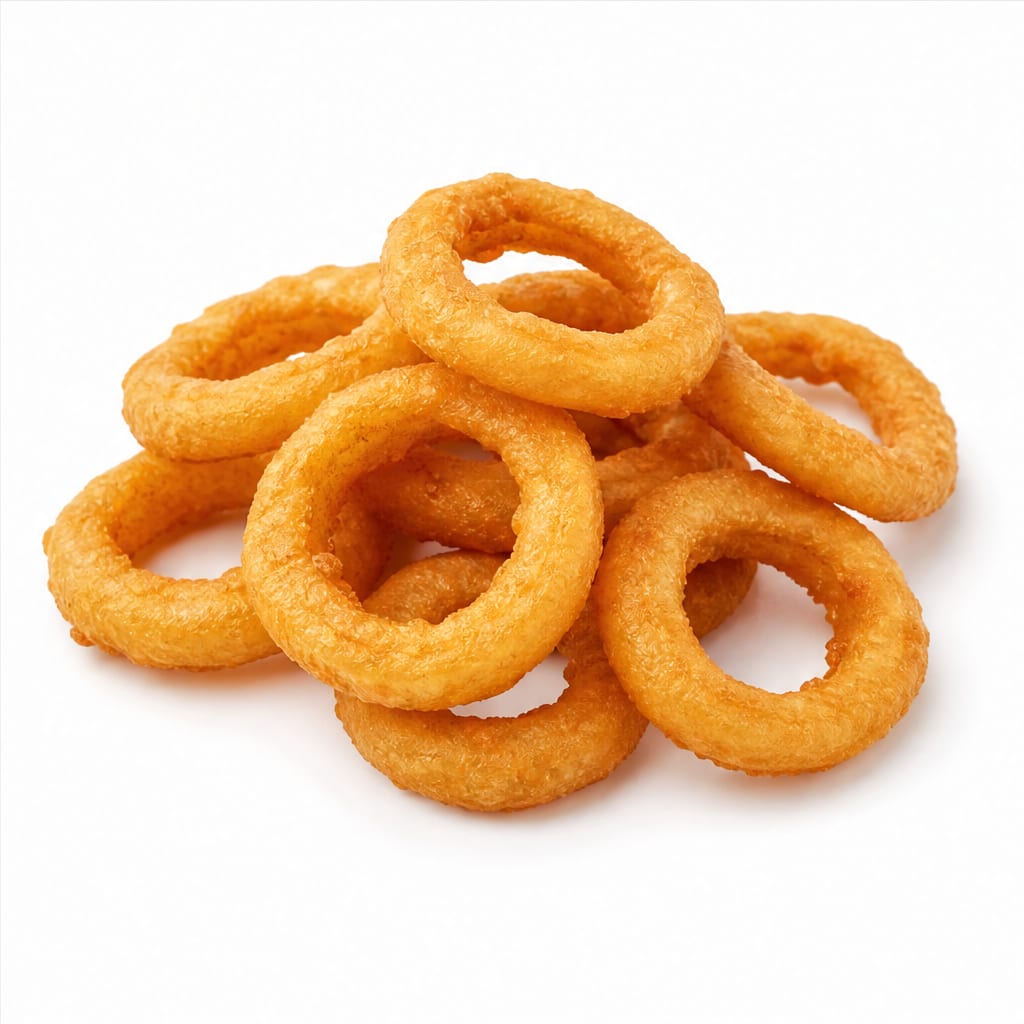
Compare with
Onion Rings
Onion rings offer minimal protein and are purely fried carbs, whereas fish and chips at least provides a substantial protein serving.
Fish and chips provides significantly more protein than onion rings, though both are heavy in fried oils and refined carbs.
This food
Fish and Chips
VS55% alike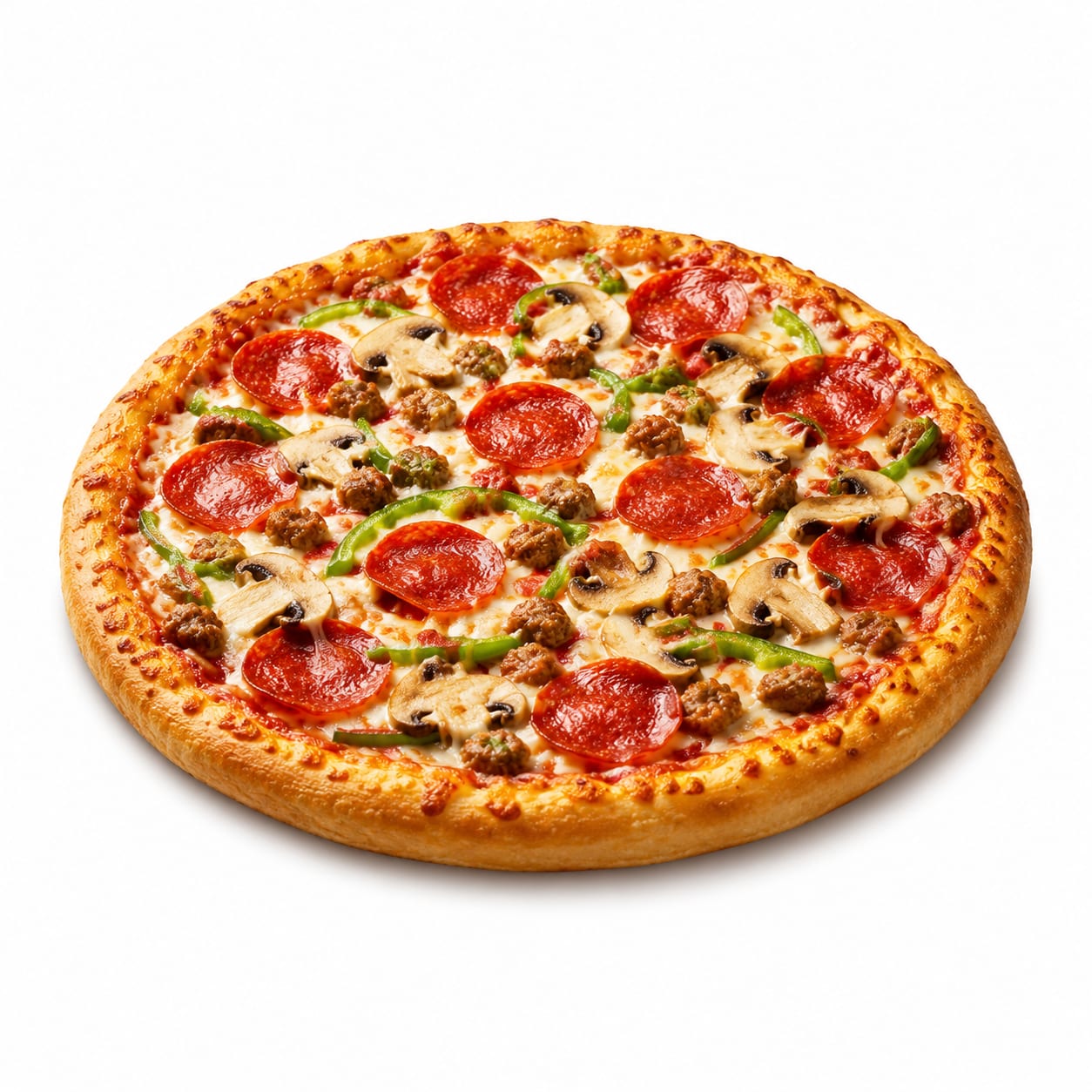
Compare with
Pizza
Pizza provides more sustained energy from the dough and cheese protein, while fish and chips offers a leaner base protein ruined by deep-frying.
Pizza offers more protein variety and sustained energy, while fish and chips relies heavily on deep-fried fats for its caloric density.
Common questions
FAQ
Answers aligned with how people search for this food.
Is fish and chips considered healthy?
No, commercially prepared fish and chips is not considered healthy. While fish itself is nutritious, deep-frying it in batter adds significant trans fats, calories, and inflammatory compounds, while destroying beneficial omega-3s.
How many calories are in a typical portion of fish and chips?
A standard takeout portion of fish and chips can contain anywhere from 800 to 1,200 calories, largely due to the oil absorbed during the deep-frying process.
Can diabetics eat fish and chips?
It is not recommended. The refined flour batter and deep-fried potatoes cause rapid blood sugar spikes, making it difficult for diabetics to manage glucose levels effectively.
Does deep frying fish destroy omega-3?
Yes, deep-frying significantly reduces the omega-3 fatty acid content in fish. The high heat degrades these delicate fats, and the batter prevents the beneficial fish oils from being absorbed.
What is the healthiest way to eat fish and chips?
The healthiest version is homemade: bake the fish with a light whole-grain or nut crust, and oven-roast potato wedges with a small amount of olive oil.
Why does fish and chips make me feel sluggish?
The high fat content from deep-frying slows down digestion significantly, diverting blood flow away from the brain and muscles, which causes feelings of lethargy and sluggishness.
Transparency
Data confidence
Estimated confidence for nutrition data, interpretation, safety notes, and comparisons.
Nutrition data
Health analysis
Food safety
Comparisons