
Nutrition comparison
Fish and Chips vs Grilled Salmon: Which Is Healthier?
Compare Fish and Chips vs Grilled Salmon on calories, omega-3, sodium, and heart health. See which fish preparation wins for weight loss, daily eating, and long-term health.
Overall winner · Grilled Salmon
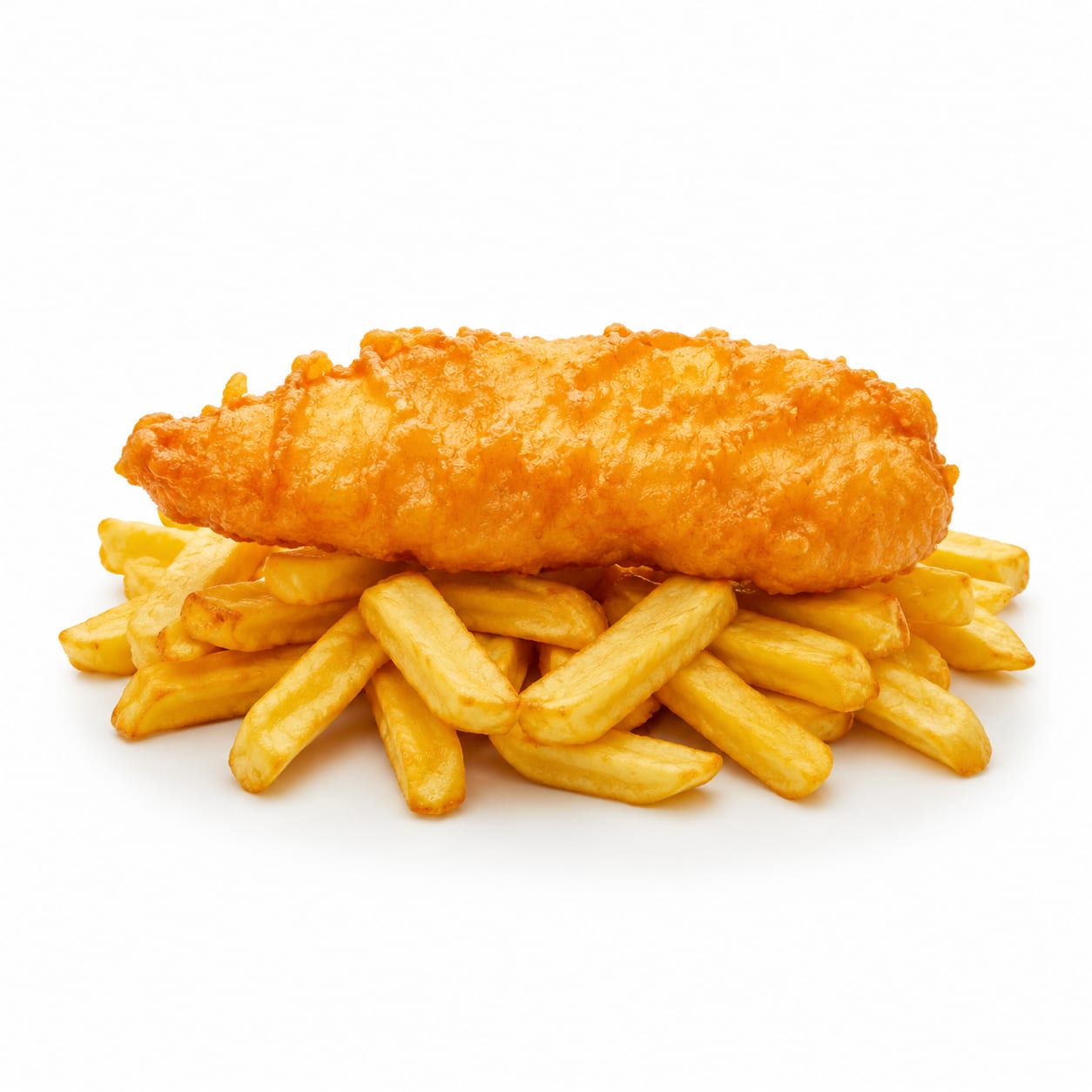
Fish and Chips
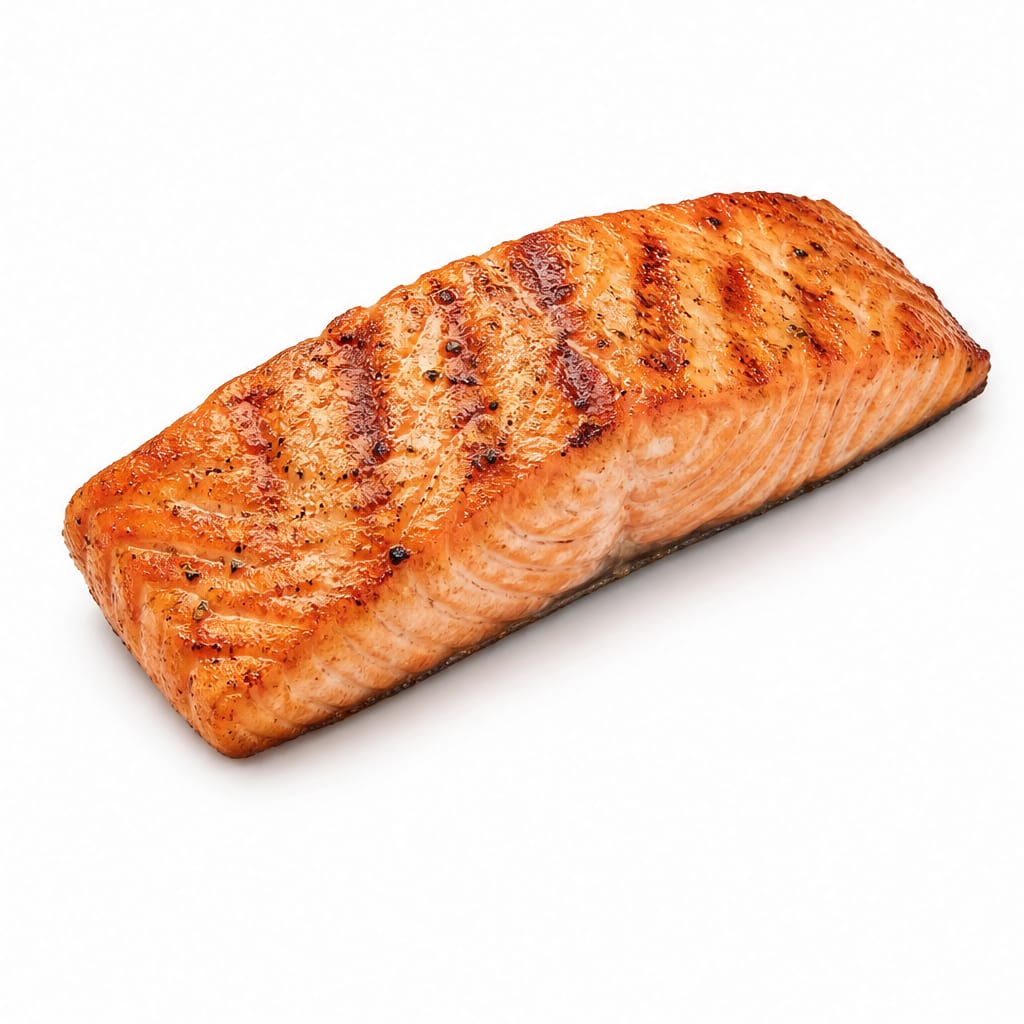
Grilled Salmon
Grilled Salmon wins decisively on health, but Fish and Chips offers comfort and nostalgia that nutrition alone cannot measure.
Grilled Salmon scores dramatically higher due to superior omega-3 content, lower calories, minimal processing, and anti-inflammatory properties. Fish and Chips loses heavily on calorie density, sodium, and inflammatory frying oils. The gap is large but not absolute — Fish and Chips still delivers protein and has genuine emotional value.
You trade anti-inflammatory omega-3s and lean protein for crispy satisfaction and emotional comfort when choosing Fish and Chips over Grilled Salmon.
At a glance
Executive summary
Overall
Grilled Salmon
Healthier
Grilled Salmon
More practical
It depends
Daily use
Grilled Salmon
Key comparison lenses
heart health and omega3
Both foods feature fish, but preparation method drastically changes omega-3 availability and cardiovascular impact
weight management
Calorie density difference is massive — deep frying versus grilling creates a 2-3x calorie gap
inflammation and oil quality
Frying oils are often inflammatory; grilling preserves the anti-inflammatory fats in salmon
sodium and blood pressure
Fish and Chips is extremely high in sodium from batter, seasoning, and accompanying sauces
emotional and comfort eating
Fish and Chips carries strong comfort food appeal that Grilled Salmon cannot replicate
Best choice for
Fish and Chips
- Occasional comfort meals and social outings
- Calorie-dense needs after intense physical labor
- Nostalgic or cultural dining experiences
Grilled Salmon
- Daily heart-healthy eating patterns
- Weight loss or lean physique goals
- Anti-inflammatory and longevity-focused diets
Least suitable for
Fish and Chips
- Anyone managing hypertension or heart disease
- Daily or frequent consumption routines
- People tracking calories or trying to lose weight
Grilled Salmon
- Budget-constrained weekly meal plans
- Craving-driven emotional eating moments
- Quick takeaway or fast food situations
Deep comparison
Dimension by dimension
Each lens scores both foods and breaks down who each option suits.
- Dimension 1 · Priority 95Grilled Salmon
Heart Health and Omega-3 Delivery
Fish and Chips · 25Grilled Salmon · 95Grilled Salmon delivers omega-3s intact. Deep frying in Fish and Chips degrades these fragile fats and adds inflammatory oils instead.
Tradeoff
Fish and Chips still contains fish, but the frying process can oxidize up to half the omega-3 content, while adding inflammatory omega-6 from frying oil.
Why it matters
Omega-3s are the single most valuable nutrient in fish. Destroying them through frying undermines the main reason to eat fish in the first place.
Real-world impact
Eating Grilled Salmon twice weekly is associated with lower heart attack risk. Eating Fish and Chips twice weekly is associated with higher blood pressure and weight gain.
Fish and Chips
- People who refuse to eat fish unless it is fried and would otherwise eat no fish at all
Better for
- People with existing cardiovascular conditions
- Anyone taking blood pressure medication
Worse for
Grilled Salmon
- Anyone with family history of heart disease
- People aiming to lower triglycerides naturally
- Those wanting the full anti-inflammatory benefit of seafood
Better for
- People on blood thinners who must limit vitamin K and omega-3 intake
Worse for
- Dimension 2 · Priority 90Grilled Salmon
Calorie Density and Weight Management
Fish and Chips · 20Grilled Salmon · 85A typical Fish and Chips serving packs 800-1200 calories. An equivalent Grilled Salmon portion sits around 300-400 calories.
Tradeoff
Fish and Chips delivers more calories per bite, which is great if you need energy density but devastating for portion control and weight management.
Why it matters
The calorie gap is so large that eating Fish and Chips just twice a week instead of Grilled Salmon could mean gaining 10+ pounds over a year with no other changes.
Real-world impact
One Fish and Chips meal can use up half your daily calories. Grilled Salmon leaves room for vegetables, sides, and a normal eating rhythm.
Fish and Chips
- Manual laborers needing high calorie intake
- Underweight individuals trying to gain
Better for
- Anyone with a sedentary lifestyle
- People prone to overeating calorie-dense foods
Worse for
Grilled Salmon
- Anyone tracking calories
- People aiming for gradual fat loss without hunger
- Those who want to feel full without overeating
Better for
- Athletes in heavy bulking phases who need more calories
Worse for
- Dimension 3 · Priority 82Grilled Salmon
Sodium and Blood Pressure Impact
Fish and Chips · 18Grilled Salmon · 80Fish and Chips can deliver 1500-2500mg of sodium per serving. Grilled Salmon naturally contains under 100mg before any added seasoning.
Tradeoff
The batter, salt, and sauces in Fish and Chips create a sodium bomb. Grilled Salmon lets you control every grain of salt yourself.
Why it matters
High sodium meals cause immediate fluid retention and blood pressure spikes. Over time, this pattern damages blood vessels and strains the heart.
Real-world impact
After eating Fish and Chips, you may notice bloating, thirst, and puffy fingers. Grilled Salmon leaves you feeling light and comfortable.
Fish and Chips
- Extremely active individuals who sweat heavily and need sodium replacement
Better for
- Anyone on a low-sodium diet
- People with kidney issues
Worse for
Grilled Salmon
- Anyone with hypertension or prehypertension
- People over 40 concerned about blood pressure
- Those who experience bloating after salty meals
Better for
- Endurance athletes who genuinely need electrolyte replacement
Worse for
- Dimension 4 · Priority 88Grilled Salmon
Inflammatory Potential
Fish and Chips · 22Grilled Salmon · 92Grilled Salmon actively reduces inflammation. Fish and Chips actively promotes it through oxidized frying oils and refined carbs.
Tradeoff
The same fish that fights inflammation when grilled becomes a source of inflammation when deep-fried in reused industrial oils.
Why it matters
Chronic inflammation drives joint pain, fatigue, brain fog, and disease risk. Your cooking method can flip fish from medicine to problem.
Real-world impact
People eating Grilled Salmon regularly often report less joint stiffness and better energy. Regular Fish and Chips eaters often notice sluggishness and bloating.
Fish and Chips
- No realistic scenario where Fish and Chips reduces inflammation
Better for
- People with inflammatory conditions like arthritis or IBS
- Anyone recovering from injury or surgery
Worse for
Grilled Salmon
- People with autoimmune conditions
- Anyone managing chronic pain or arthritis
- Those following anti-inflammatory dietary approaches
Better for
- Rarely inflammatory unless heavily charred or overcooked
Worse for
- Dimension 5 · Priority 78Grilled Salmon
Protein Quality and Satiety
Fish and Chips · 45Grilled Salmon · 90Both provide protein, but Grilled Salmon offers more protein per calorie and keeps you full longer without the carb crash.
Tradeoff
Fish and Chips provides protein wrapped in heavy carbs and fat, which blunts satiety signals. Grilled Salmon delivers clean protein that stabilizes hunger for hours.
Why it matters
High-quality protein with low calorie density is the sweet spot for feeling satisfied without overeating. Fish and Chips misses this balance entirely.
Real-world impact
After Grilled Salmon, you feel satisfied for 4-5 hours. After Fish and Chips, you may feel stuffed but hungry again within 2 hours.
Fish and Chips
- Post-hike or post-labor meals where carb replenishment is desired alongside protein
Better for
- People prone to afternoon energy crashes
- Anyone trying to reduce snacking frequency
Worse for
Grilled Salmon
- Anyone managing appetite between meals
- Older adults needing efficient protein intake
- People doing intermittent fasting who need satiating meals
Better for
- Immediately post-endurance exercise when carbs are also needed for recovery
Worse for
- Dimension 6 · Priority 70Fish and Chips
Emotional Satisfaction and Enjoyment
Fish and Chips · 85Grilled Salmon · 60Fish and Chips delivers crispy, salty, comforting satisfaction that Grilled Salmon simply cannot match for most people.
Tradeoff
Grilled Salmon is elegant and satisfying in its own way, but it rarely triggers the same joy and comfort response as crispy battered fish with hot chips.
Why it matters
Food is not just fuel. Emotional satisfaction matters for sustainability. Denying all comfort food often leads to binge cycles.
Real-world impact
A Friday night Fish and Chips feels like a reward. Grilled Salmon feels like a responsible choice. Both have a place in a balanced life.
Fish and Chips
- Social gatherings and celebrations
- Comfort-seeking after a hard day
- Family traditions and cultural meals
Better for
- Daily eating patterns where comfort food becomes a crutch
Worse for
Grilled Salmon
- Fine dining experiences
- Health-prioritized lifestyle routines
- Meals where feeling light afterward matters
Better for
- Moments when only crispy, indulgent food will satisfy
Worse for
- Dimension 7 · Priority 65It depends
Convenience and Accessibility
Fish and Chips · 70Grilled Salmon · 55Fish and Chips is widely available as takeaway with zero prep. Grilled Salmon requires fresh fish, cooking, and more planning.
Tradeoff
Fish and Chips wins on instant availability but loses on health. Grilled Salmon takes effort but rewards you with a better meal.
Why it matters
The easier option is the one you will choose when tired or busy. Convenience often overrides nutrition in real life.
Real-world impact
On a tired Tuesday, Fish and Chips from the local shop feels effortless. Grilled Salmon requires forethought, grocery shopping, and 15-20 minutes of cooking.
Fish and Chips
- Busy weeknights with zero energy for cooking
- Travel or takeaway situations
- Areas where fresh fish is hard to find
Better for
- Anyone trying to build consistent healthy eating habits
Worse for
Grilled Salmon
- Home-cooked meal routines
- Meal prep days when you cook for the week
- Areas with reliable fresh fish access
Better for
- People without reliable access to fresh seafood
Worse for
Timeline
Health impact over time
Short-term
Hours to days
Fish and Chips
- Immediate blood sugar spike from refined carb batter and chips
- Bloating and thirst from high sodium content
- Sluggishness and brain fog within 1-2 hours from heavy fat and carb load
- Possible heartburn from greasy fried food
Grilled Salmon
- Sustained energy without crashes for 4-5 hours
- Light but satisfied feeling after eating
- Minimal blood sugar impact
- Comfortable digestion with no heaviness
Long-term
Months to years
Fish and Chips
- Increased risk of hypertension from chronic high sodium intake
- Weight gain from regular high-calorie meals
- Higher cardiovascular risk from inflammatory frying oils
- Potential insulin resistance from frequent refined carb consumption
Grilled Salmon
- Reduced heart disease risk from consistent omega-3 intake
- Lower systemic inflammation markers
- Better weight maintenance due to high satiety per calorie
- Improved brain health and cognitive function from DHA
Risk profile
Safety & processing
Fish and Chips involves batter made from refined flour, industrial frying oils, and often added preservatives in commercial settings. Grilled Salmon is essentially fresh fish with heat applied — as close to unprocessed as cooked food gets.
Fish and Chips
Oxidized frying oils
mediumRepeatedly heated oils in deep fryers form compounds linked to cellular damage and inflammation. Takeaway shops may reuse oil extensively.
Acrylamide in chips
mediumPotatoes fried at high temperatures form acrylamide, a probable carcinogen. This is unavoidable in traditional chip preparation.
Mercury in white fish
lowTypical Fish and Chips uses cod or haddock, which are low in mercury. Less concern than with larger predatory fish.
Grilled Salmon
Mercury accumulation in salmon
lowSalmon is generally a low-mercury fish. Wild-caught has minimal concern. Farmed salmon may have slightly higher contaminant levels but remains well within safe limits for most people.
Parasites in undercooked fish
lowProper grilling eliminates parasite risk. Only a concern if salmon is significantly undercooked.
Heterocyclic amines from charring
lowExcessive charring during grilling can form HCAs, which are potentially carcinogenic. Moderate grilling without heavy charring minimizes this risk.
Who wins for whom
Audience fit
Same foods, different winners depending on your goal.
children
It dependsChildren often prefer the taste and texture of Fish and Chips, making it a practical way to introduce fish. However, Grilled Salmon provides far better nutrition for developing bodies. Occasional Fish and Chips is fine, but Grilled Salmon should be the default.
daily consumption
Grilled SalmonGrilled Salmon can be eaten daily with only positive effects. Fish and Chips consumed daily would deliver excessive calories, sodium, and inflammatory oils.
diabetes
Grilled SalmonFish and Chips causes significant blood sugar spikes from the batter and chips. Grilled Salmon has minimal glycemic impact and improves insulin sensitivity through omega-3s.
elderly
Grilled SalmonOlder adults need efficient protein, omega-3s for brain and joint health, and low sodium for blood pressure. Grilled Salmon addresses all three. Fish and Chips works against each concern.
muscle gain
Grilled SalmonGrilled Salmon delivers more bioavailable protein per calorie, which is the key metric for muscle building without unwanted fat gain.
weight loss
Grilled SalmonGrilled Salmon provides high satiety at roughly one-third the calories of Fish and Chips, making it far easier to maintain a calorie deficit without feeling deprived.
Your move
Decision guide
Choose Fish and Chips
- You are having an occasional treat and want maximum comfort food satisfaction
- You just completed intense physical labor and need serious calorie replenishment
- It is a social or cultural occasion where Fish and Chips is the expected choice
- You rarely eat fried food and want to enjoy it without guilt
Choose Grilled Salmon
- You want a meal that supports heart health and longevity
- You are managing your weight, blood pressure, or inflammation
- You need sustained energy without afternoon crashes
- You eat fish regularly and want the maximum health return
Either works if
- You are eating fish for the first time in weeks and either option beats no fish at all
- You are dining out and the quality of the Fish and Chips is exceptional while the salmon preparation is questionable
Avoid both if
- You have a confirmed fish allergy
- You are following a strict plant-based diet
- You are concerned about specific seafood contaminants during pregnancy and cannot verify sourcing
Final recommendation
Make Grilled Salmon your default fish meal and treat Fish and Chips as an occasional experience, not a habit. The health gap between these two is enormous — but so is the comfort gap in the other direction. Eat Grilled Salmon most days, enjoy Fish and Chips when it truly matters, and never feel guilty about either choice when made intentionally.
Practical
Consumer tips
- 1
Ask for Fish and Chips with thicker-cut chips — they absorb less oil than thin fries
- 2
If ordering Fish and Chips, remove some batter before eating to cut calories and sodium significantly
- 3
Grill salmon with just lemon, salt, and pepper for maximum health benefit — heavy sauces add hidden calories
- 4
Choose wild-caught salmon when available for a better omega-3 to omega-6 ratio
- 5
If you love the crunch of Fish and Chips, try oven-baking battered fish at home as a middle ground
- 6
Pair Grilled Salmon with roasted vegetables or a large salad to make the meal more filling without adding many calories
- 7
Limit Fish and Chips to once per week maximum if you eat it regularly — even this frequency can impact blood pressure over time