
Nutrition comparison
Fish and Chips vs Hamburger: Which is Healthier?
Compare Fish and Chips vs Hamburger to see which fast food favorite is better for your health. We break down calories, fat, protein, and sodium to help you choose.

Fish and Chips
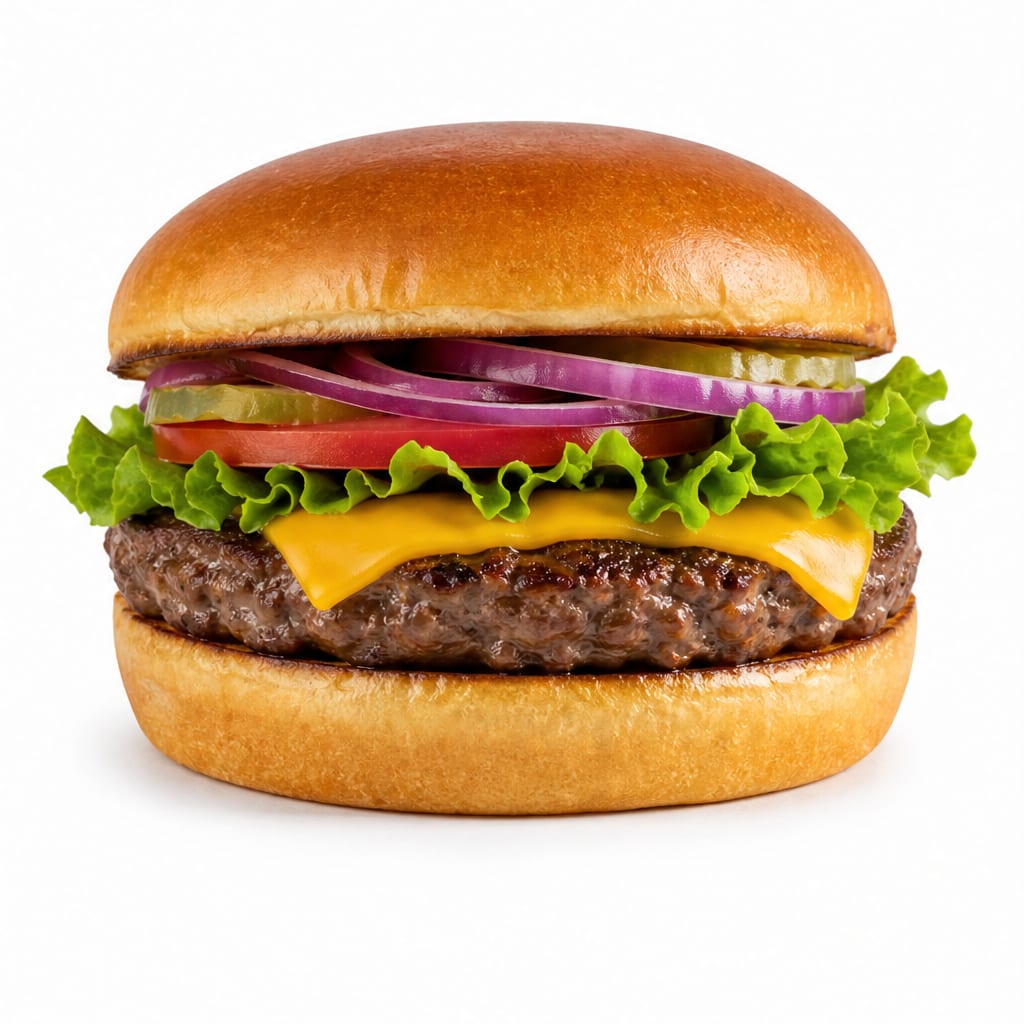
Hamburger
Neither is a health food, but Fish and Chips offers omega-3s while a Hamburger delivers more iron and satiating protein.
Fish and Chips scores marginally higher due to the omega-3 content of fish, but both lose significant points for deep-frying, high sodium, and calorie density.
Heart-healthy fats from fish versus higher protein and iron from beef, both carrying heavy calorie and sodium loads.
At a glance
Executive summary
Overall
It depends
Healthier
Fish and Chips
More practical
Hamburger
Daily use
It depends
Key comparison lenses
Comfort food tradeoffs
Both are classic indulgent meals where taste usually outweighs health, making subtle nutritional differences the key deciding factor.
Fat quality and heart health
Fish offers omega-3s but deep-frying adds inflammatory oils, while beef provides saturated fat but no omega-3s.
Sodium and blood pressure impact
Both are heavily salted fast-food staples, posing significant risks for blood pressure management.
Protein quality and satiety
Beef provides denser, more satiating protein, while fish is lighter but still a complete protein.
Best choice for
Fish and Chips
- Those wanting omega-3 intake
- People preferring a lighter protein source
- Older adults needing softer food
Hamburger
- Individuals needing high protein and iron
- People eating on the go
- Those wanting longer-lasting fullness
Least suitable for
Fish and Chips
- People watching their sodium closely
- Those on a low-calorie diet
- Individuals managing blood sugar spikes from carbs
Hamburger
- People managing saturated fat intake
- Those avoiding red meat
- Individuals with severe acid reflux
Deep comparison
Dimension by dimension
Each lens scores both foods and breaks down who each option suits.
- Dimension 1 · Priority 90Fish and Chips
Fat Profile & Heart Health
Fish and Chips · 45Hamburger · 30Fish and Chips provides beneficial omega-3s from the fish, though deep-frying diminishes this advantage. Hamburger relies on saturated fat from beef and cheese.
Tradeoff
You get heart-healthy fats in Fish and Chips, but the frying oil may introduce inflammatory or trans fats. Hamburger lacks omega-3s but has stable saturated fat if grilled.
Why it matters
Omega-3s support brain and heart health, but the heavy frying batter can negate some of these benefits.
Real-world impact
Eating Fish and Chips might leave you feeling slightly less sluggish than a heavy burger, but both will feel heavy in your stomach.
Fish and Chips
- Increasing omega-3 intake
- Avoiding red meat saturated fat
Better for
- Absorbing large amounts of frying oil
Worse for
Hamburger
- Avoiding potential trans fats from reused frying oil
Better for
- Raising LDL cholesterol from beef saturated fat
Worse for
- Dimension 2 · Priority 85Hamburger
Satiety & Fullness
Fish and Chips · 60Hamburger · 75Hamburger provides denser protein and fat from beef, keeping you full longer than the carbohydrate-heavy chips alongside fish.
Tradeoff
Hamburger offers longer-lasting energy and fullness, while Fish and Chips provides a quicker but shorter-lived satiety due to the refined carbs from the batter and chips.
Why it matters
Staying full matters for avoiding late-night snacking after a fast-food meal.
Real-world impact
A hamburger will likely keep you full until your next meal, whereas Fish and Chips might leave you hungry again a few hours later.
Fish and Chips
- Feeling physically full immediately from volume
Better for
- Quick digestion of refined carbs leading to a crash
Worse for
Hamburger
- Sustained energy for hours
- Preventing late-night cravings
Better for
- Can feel overly heavy or sluggish
Worse for
- Dimension 3 · Priority 85It depends
Sodium Load
Fish and Chips · 25Hamburger · 30Both are sodium bombs. Chips are heavily salted, and the fish batter is salty, while burgers have seasoned meat, cheese, and condiments.
Tradeoff
Fish and Chips delivers salt mainly through the fries and batter, while Hamburger packs it into the patty, bun, and sauces.
Why it matters
High sodium intake leads to bloating and blood pressure spikes.
Real-world impact
Expect significant thirst and bloating after either meal, making both poor choices for those with hypertension.
Fish and Chips
- Slightly easier to control salt by asking for unsalted chips
Better for
- Chips absorb and retain surface salt heavily
Worse for
Hamburger
- Can reduce sodium by skipping cheese or sauces
Better for
- Hidden sodium in burger buns and condiments
Worse for
- Dimension 4 · Priority 75It depends
Micronutrient Value
Fish and Chips · 55Hamburger · 55Fish and Chips offers iodine, selenium, and omega-3s, while Hamburger provides iron, zinc, and B12.
Tradeoff
You trade marine-based minerals and fats for terrestrial iron and B-vitamins.
Why it matters
Iron and B12 are crucial for energy, while iodine and selenium support thyroid and immune function.
Real-world impact
If you are anemic, a hamburger is the better choice. If you rarely eat seafood, Fish and Chips offers nutrients you might be missing.
Fish and Chips
- Supporting thyroid function with iodine
- Getting omega-3s if you don't eat fish otherwise
Better for
- Lacking significant iron
Worse for
Hamburger
- Boosting iron stores for energy
- Getting B12 for nerve health
Better for
- Missing out on marine-source omega-3s
Worse for
- Dimension 5 · Priority 70Hamburger
Blood Sugar Stability
Fish and Chips · 30Hamburger · 45Hamburger has a lower carbohydrate load compared to the massive pile of chips and thick batter in Fish and Chips.
Tradeoff
Hamburger's protein and fat slow down carb absorption from the bun, while Fish and Chips delivers a rapid hit of refined carbs.
Why it matters
Carb-heavy meals cause energy crashes and are tougher for diabetics to manage.
Real-world impact
Fish and Chips is more likely to cause an afternoon energy crash, while a hamburger provides steadier energy.
Fish and Chips
- High risk of blood sugar spike and crash
Worse for
Hamburger
- Easier blood sugar management
- Avoiding the refined carb crash
Better for
- Bun still adds refined carbs
Worse for
Timeline
Health impact over time
Short-term
Hours to days
Fish and Chips
- Thirst from high salt intake
- Quick energy surge followed by a carb crash
- Feeling heavy and sluggish from deep-fried batter
Hamburger
- Deep satiety and fullness
- Possible indigestion or heartburn from high fat content
- Sustained but heavy energy
Long-term
Months to years
Fish and Chips
- Increased cardiovascular risk from frying oils
- Potential benefits from residual omega-3 intake
- Blood pressure concerns from chronic high sodium
Hamburger
- Increased LDL cholesterol from saturated fat if eaten frequently
- Improved iron status preventing anemia
- Blood pressure concerns from chronic high sodium
Risk profile
Safety & processing
Fish and Chips uses whole fish and potatoes but heavily processes them with batter and deep-frying oil. Hamburger combines processed beef patties, refined buns, and commercial condiments. Both sit firmly in the processed fast-food category.
Fish and Chips
Acrylamide exposure
mediumDeep-frying potatoes at high temperatures creates acrylamide, a potential carcinogen.
Oxidized oils
mediumFrying oils reused in fast-food settings can become oxidized and inflammatory.
Hamburger
HCAs and PAHs
mediumCooking meat at high temperatures creates heterocyclic amines and polycyclic aromatic hydrocarbons, which are carcinogenic.
Foodborne illness
lowUndercooked ground beef carries a risk of E. coli, though fast-food burgers are typically cooked well-done.
Who wins for whom
Audience fit
Same foods, different winners depending on your goal.
children
HamburgerHamburger is generally more kid-friendly and provides iron and B12 crucial for growth, with fewer fried carbs.
daily consumption
It dependsNeither should be consumed daily due to high sodium, fat, and calorie content. Both are best reserved as occasional treats.
diabetes
HamburgerHamburger has significantly fewer carbohydrates than the batter and chips, making blood sugar easier to manage.
elderly
Fish and ChipsFish is softer to chew and provides omega-3s beneficial for cognitive health and joint inflammation.
muscle gain
HamburgerHamburger provides more bioavailable protein and iron, which are essential for muscle growth and recovery.
weight loss
It dependsNeither is ideal, but a plain hamburger without cheese has fewer calories and carbs than a large portion of Fish and Chips.
Your move
Decision guide
Choose Fish and Chips
- You want the omega-3 benefits of fish
- You prefer a lighter protein source over red meat
- You are dining at a traditional seaside spot
Choose Hamburger
- You need a high-protein, iron-rich meal
- You want to avoid a massive carbohydrate load
- You need something easy to eat while driving or working
Either works if
- You are treating yourself to fast food and will balance it with lighter meals later
- You just want a comforting, satisfying meal
Avoid both if
- You have severe hypertension or sodium restrictions
- You are on a strict low-fat or low-calorie diet
- You are prone to acid reflux or indigestion from heavy meals
Final recommendation
If forced to choose, Fish and Chips offers a slight edge for the omega-3s and lighter protein, but Hamburger wins for satiety and blood sugar stability. Make your choice based on what your body needs most today—healthy fats or solid protein—and keep portions moderate.
Practical
Consumer tips
- 1
Ask for your Fish and Chips with less batter or request the chips be unsalted to cut sodium.
- 2
Opt for a single-patty hamburger loaded with vegetables and skip the cheese to reduce saturated fat.
- 3
Share a portion of Fish and Chips with a friend to halve the calorie and fat impact.
- 4
Choose a water or unsweetened iced tea instead of soda to offset the high sodium in both meals.