
Nutrition comparison
Fish and Chips vs Shrimp Tempura: Which Fried Seafood Is Healthier?
Compare Fish and Chips vs Shrimp Tempura on calories, protein, sodium, and health impact. Find out which fried seafood does less damage and when to choose each.
Overall winner · Shrimp Tempura
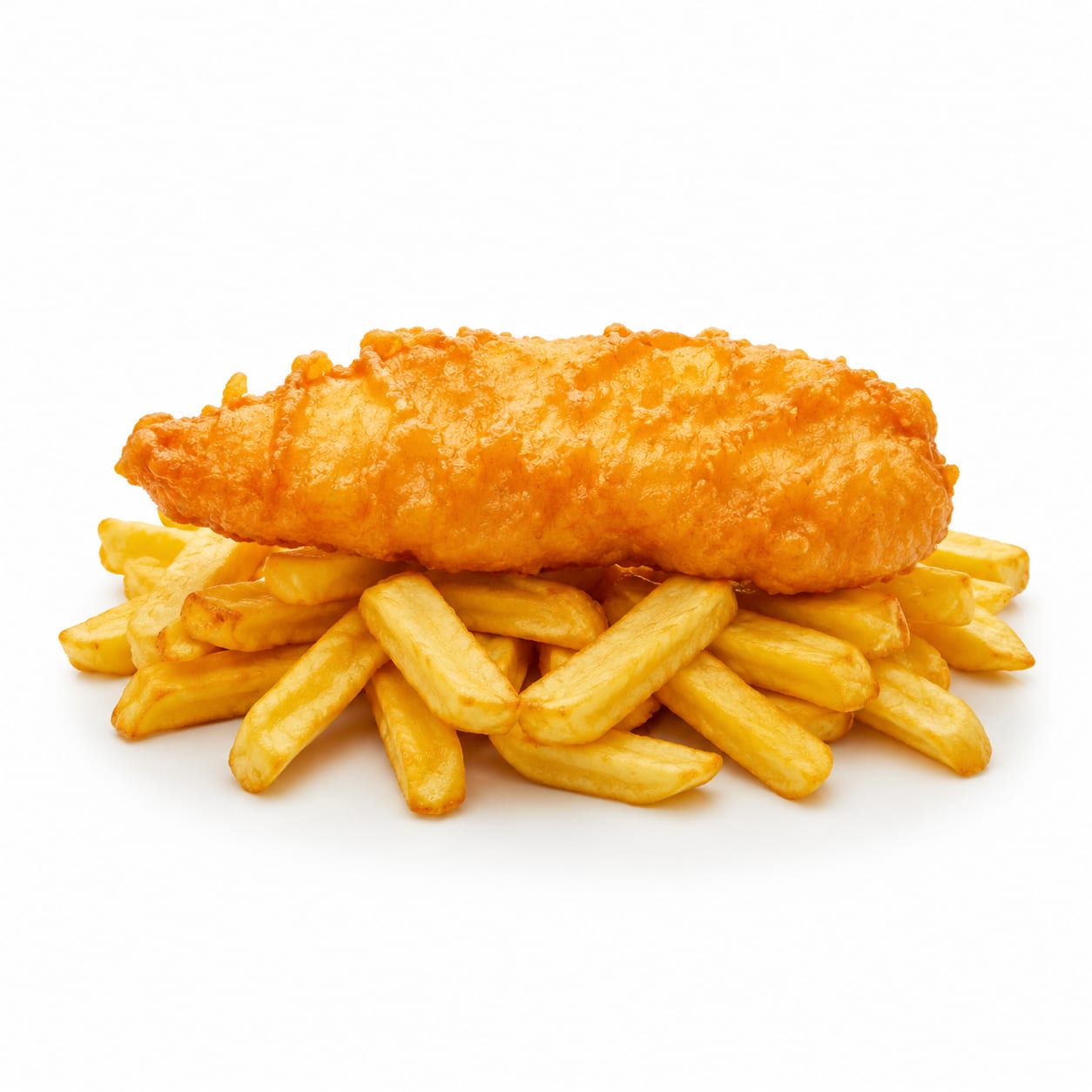
Fish and Chips
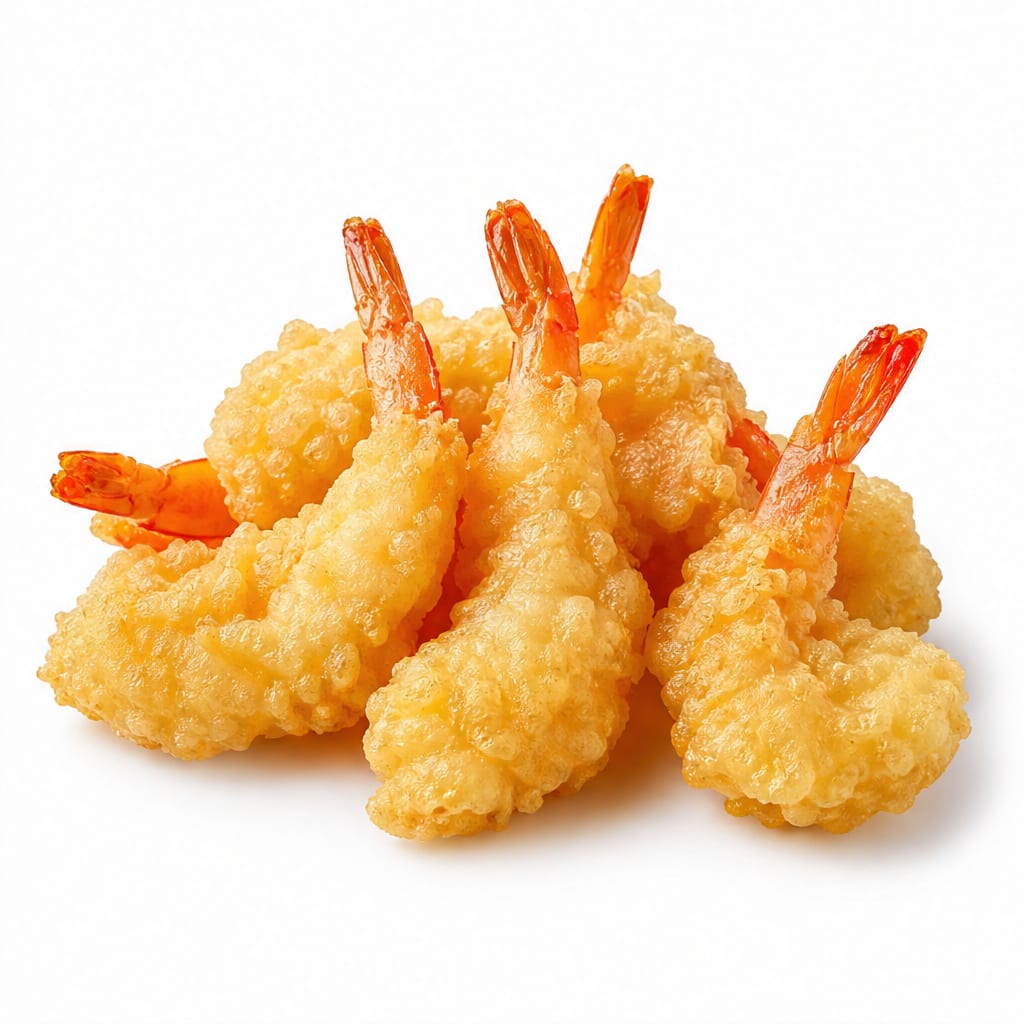
Shrimp Tempura
Shrimp Tempura edges out Fish and Chips with a lighter batter, fewer carbs, and a leaner protein profile — but neither is a health food.
Shrimp Tempura scores moderately higher due to superior protein-to-calorie ratio and lighter batter, but both lose significant points for deep-frying. The gap reflects real nutritional advantages, not a dramatic health difference.
Fish and Chips delivers more filling volume and comfort, while Shrimp Tempura offers better protein density with less carbohydrate baggage.
At a glance
Executive summary
Overall
Shrimp Tempura
Healthier
Shrimp Tempura
More practical
It depends
Daily use
Shrimp Tempura
Key comparison lenses
fried seafood comparison for health-conscious indulgence
Both are deep-fried seafood dishes, so users are likely deciding which fried option does less damage
calorie and macronutrient tradeoff between Western and Asian fried foods
Portion sizes and batter styles create very different calorie loads despite similar cooking methods
protein quality comparison between white fish and shrimp
Users choosing between seafood options often care about lean protein content
sodium and heart health impact
Both dishes carry significant sodium concerns that affect cardiovascular risk
contaminant exposure from seafood
Fish and shrimp carry different heavy metal and contamination profiles worth weighing
Best choice for
Fish and Chips
- People wanting a hearty, filling meal that satisfies comfort cravings
- Those who need sustained energy from carbohydrates after physical labor
- Diners seeking omega-3 fatty acids from white fish
Shrimp Tempura
- People prioritizing lean protein with fewer calories
- Those watching carbohydrate intake or managing blood sugar
- Diners who prefer lighter meals that won't cause afternoon sluggishness
Least suitable for
Fish and Chips
- People managing obesity or significant calorie restriction
- Those with hypertension sensitive to high sodium meals
- Anyone monitoring blood sugar closely due to the large carb load
Shrimp Tempura
- People with shellfish allergies
- Those concerned about cholesterol intake
- Diners avoiding fried foods entirely
Deep comparison
Dimension by dimension
Each lens scores both foods and breaks down who each option suits.
- Dimension 1 · Priority 95Shrimp Tempura
Calorie Density and Weight Management
Fish and Chips · 25Shrimp Tempura · 45A typical Fish and Chips serving packs 800-1200 calories, while a Shrimp Tempura plate ranges 400-700 calories. The chips alone can match the entire tempura portion.
Tradeoff
Fish and Chips fills you up longer but at nearly double the caloric cost. Shrimp Tempura leaves room in your daily budget.
Why it matters
If you eat fried seafood even occasionally, the calorie difference compounds fast over months.
Real-world impact
Choosing Shrimp Tempura once a week instead of Fish and Chips could save you 200-500 calories per meal — roughly 10,000-26,000 calories per year.
Fish and Chips
- Sustained fullness after one meal
- Post-heavy-workout refueling when calorie surplus is desired
Better for
- Fat loss goals
- Controlling portion sizes naturally
Worse for
Shrimp Tempura
- Weight management and calorie awareness
- Staying within daily targets without skipping meals
Better for
- Situations requiring maximum satiety from a single meal
- Very active individuals needing high caloric intake
Worse for
- Dimension 2 · Priority 88Shrimp Tempura
Protein Quality and Content
Fish and Chips · 40Shrimp Tempura · 60Shrimp delivers more protein per calorie with less fat. White fish provides decent protein but much of it gets overshadowed by batter and chips.
Tradeoff
Fish and Chips offers omega-3s from cod or haddock, but the frying process degrades some of these beneficial fats. Shrimp provides cleaner lean protein with minimal fat.
Why it matters
Protein quality affects how satisfied you feel and how well your body repairs tissue after activity.
Real-world impact
A Shrimp Tempura meal gives you roughly 20-25g of lean protein with less fat baggage. Fish and Chips provides similar protein but surrounded by significantly more calories from carbs and oil.
Fish and Chips
- Getting a modest omega-3 intake alongside protein
- Complete meal satisfaction without needing sides
Better for
- Protein density per calorie consumed
- Avoiding excessive fat alongside protein
Worse for
Shrimp Tempura
- Lean muscle maintenance with fewer calories
- Higher protein-to-fat ratio for metabolic health
Better for
- Omega-3 intake compared to fish
Worse for
- Dimension 3 · Priority 85Shrimp Tempura
Carbohydrate Load and Blood Sugar
Fish and Chips · 20Shrimp Tempura · 50Fish and Chips delivers a massive carb hit from thick-cut potatoes and heavy batter. Shrimp Tempura uses a lighter batter with no starchy side equivalent.
Tradeoff
The chips in Fish and Chips provide quick energy but cause sharper blood sugar spikes. Tempura batter is thinner and absorbs less oil, creating a gentler glycemic impact.
Why it matters
Carb-heavy fried meals often trigger energy crashes within 1-2 hours, leaving you tired and hungry again.
Real-world impact
After Fish and Chips, expect a food coma. After Shrimp Tempura, you will feel satisfied but still functional enough to be productive.
Fish and Chips
- Carb-loading before endurance activity
- Immediate energy replenishment after depletion
Better for
- Diabetes and prediabetes management
- Avoiding afternoon energy crashes
Worse for
Shrimp Tempura
- Steadier energy without the crash
- Managing insulin sensitivity and blood sugar
Better for
- Situations requiring deliberate carbohydrate loading
Worse for
- Dimension 4 · Priority 80It depends
Sodium and Heart Health
Fish and Chips · 30Shrimp Tempura · 35Both dishes are sodium landmines. Fish and Chips gets salted heavily at serving, while Shrimp Tempura relies on salty dipping sauces and seasoned batter.
Tradeoff
Fish and Chips often contains 1200-2000mg sodium per serving. Shrimp Tempura ranges 800-1500mg depending on sauce usage. Neither is heart-friendly.
Why it matters
A single serving of either dish can deliver half or more of your daily sodium limit.
Real-world impact
If blood pressure is a concern, both choices require strategy — skip extra salt, use less dipping sauce, or share the portion.
Fish and Chips
- Slightly more controllable sodium if you request no added salt
Better for
- Heavily salted chips push sodium very high
- Difficult to reduce sodium in restaurant settings
Worse for
Shrimp Tempura
- Lower baseline sodium before sauces are added
- Ability to control sauce portions manually
Better for
- Tentsuyu dipping sauce is deceptively sodium-dense
- Shrimp naturally contains more sodium than white fish
Worse for
- Dimension 5 · Priority 78Shrimp Tempura
Fat Profile and Frying Impact
Fish and Chips · 25Shrimp Tempura · 40Both are deep-fried, but Fish and Chips absorbs more oil due to thicker batter and the chips. Tempura batter is deliberately lighter and crispier, soaking less fat.
Tradeoff
Fish and Chips often gets fried in reused oil at chip shops, increasing oxidized fat exposure. Quality tempura restaurants tend to use fresher oil changed more frequently.
Why it matters
Oxidized frying oils promote inflammation more than fresh oils. The amount and quality of absorbed fat matters for how your body processes the meal.
Real-world impact
After Fish and Chips, you may feel greasier and heavier for longer. Shrimp Tempura tends to feel lighter in the stomach despite also being fried.
Fish and Chips
- Some omega-3 retention from the fish itself
Better for
- Higher inflammatory fat load from thick batter and chips
- Greater likelihood of degraded frying oils at high-volume shops
Worse for
Shrimp Tempura
- Less total fat absorbed per serving
- Lighter digestive experience post-meal
Better for
- Still a fried food with significant fat content
- Restaurant oil quality varies widely
Worse for
- Dimension 6 · Priority 72Fish and Chips
Contaminant and Allergen Risk
Fish and Chips · 50Shrimp Tempura · 35Cod and haddock carry lower mercury levels than many fish. Shrimp carries cholesterol concerns and is a top-shell allergen, plus farmed shrimp may expose you to antibiotics.
Tradeoff
White fish in Fish and Chips is generally cleaner from a contamination standpoint. Shrimp farming practices vary dramatically by country, and antibiotic residues remain a real concern.
Why it matters
If you eat fried seafood regularly, cumulative contaminant exposure matters more than a single meal suggests.
Real-world impact
Imported farmed shrimp may carry antibiotic residues that domestic white fish does not. Shellfish allergies are also among the most common and severe food allergies.
Fish and Chips
- Lower allergen risk for the general population
- More consistent sourcing standards for Atlantic white fish
Better for
- Some mercury exposure, though low for cod and haddock
Worse for
Shrimp Tempura
- No mercury concern with shrimp
Better for
- Shellfish allergy risk is serious and potentially life-threatening
- Antibiotic and contaminant concerns with imported farmed shrimp
Worse for
Timeline
Health impact over time
Short-term
Hours to days
Fish and Chips
- Heavy fullness and potential bloating from large portion size
- Energy crash within 1-2 hours from high carb and fat load
- Thirst from high sodium content
- Possible indigestion or heartburn from greasy fried food
Shrimp Tempura
- Moderate satisfaction without excessive fullness
- More stable energy levels compared to Fish and Chips
- Mild thirst from sodium in batter and dipping sauce
- Lighter digestive load despite being fried
Long-term
Months to years
Fish and Chips
- Weight gain risk if consumed frequently due to extreme calorie density
- Cardiovascular strain from repeated high sodium and oxidized fat intake
- Insulin resistance worsened by regular high-carb fried meals
- Potential inflammatory effects from degraded frying oils
Shrimp Tempura
- Moderate weight impact if portions are controlled
- Cholesterol concerns for susceptible individuals from regular shrimp consumption
- Lower cumulative calorie damage than Fish and Chips
- Possible antibiotic exposure if sourcing is not verified
Risk profile
Safety & processing
Both are battered and deep-fried, placing them firmly in processed territory. Fish and Chips uses simpler ingredients — flour, water, salt, and oil — while tempura batter may include egg and baking powder. Neither contains significant artificial preservatives when made fresh, but restaurant versions of both can include flavor enhancers and stabilizers.
Fish and Chips
Oxidized frying oil
mediumChip shops often reuse oil extensively, creating compounds that promote inflammation and oxidative stress.
Mercury in fish
lowCod and haddock are low-mercury fish, making this a minor concern compared to larger predatory species.
Acrylamide in chips
mediumDeep-fried potatoes form acrylamide, a probable carcinogen. The darker the chip, the higher the acrylamide content.
Shrimp Tempura
Antibiotic residues in farmed shrimp
mediumImported farmed shrimp, particularly from Southeast Asia, may contain antibiotic residues banned in domestic aquaculture.
Shellfish allergy
highShrimp is a top allergen that can trigger anaphylaxis in sensitive individuals. Cross-contamination at restaurants is common.
Cholesterol load
lowShrimp is high in dietary cholesterol, though current evidence suggests saturated fat matters more for blood cholesterol than dietary cholesterol for most people.
Who wins for whom
Audience fit
Same foods, different winners depending on your goal.
children
Fish and ChipsFish and Chips is more allergen-safe for kids without shellfish allergies, and the familiar flavor profile makes it more likely they will eat it. However, both should be occasional treats.
daily consumption
Shrimp TempuraNeither should be eaten daily, but Shrimp Tempura does less cumulative damage if consumed more frequently due to lower calories and carbs.
diabetes
Shrimp TempuraShrimp Tempura has a much lower carbohydrate load, causing less blood sugar disruption than the heavy chips and batter in Fish and Chips.
elderly
Shrimp TempuraShrimp Tempura is easier to digest and less likely to cause uncomfortable fullness or blood sugar spikes in older adults managing chronic conditions.
muscle gain
Shrimp TempuraShrimp offers leaner protein with less fat interference, though neither dish is ideal for clean muscle-building nutrition.
weight loss
Shrimp TempuraShrimp Tempura provides significantly fewer calories per serving while delivering comparable protein, making it easier to fit into a calorie deficit.
Your move
Decision guide
Choose Fish and Chips
- You want maximum comfort and satisfaction from one meal
- You are sharing with someone who has a shellfish allergy
- You need a calorie-dense meal after intense physical work
- You are treating yourself and care more about enjoyment than nutrition
Choose Shrimp Tempura
- You want fried food but with less caloric damage
- You are watching carbs or managing blood sugar
- You prefer lighter meals that will not slow you down afterward
- You care about protein density per calorie
Either works if
- You are eating out occasionally and either option fits your mood
- You plan to balance the meal with a large side salad or vegetables
- You are comfortable with fried food as an infrequent indulgence
Avoid both if
- You have serious cardiovascular disease and need to minimize sodium and fried food
- You are following a strict low-fat diet for medical reasons
- You are managing acute digestive issues like gallbladder problems
- You eat fried seafood more than once per week already
Final recommendation
If you must choose fried seafood, Shrimp Tempura does meaningfully less nutritional damage while still satisfying the craving. Fish and Chips is the better comfort experience but comes with nearly double the calorie and carbohydrate cost. Whichever you pick, make it occasional, add vegetables, and skip the extra salt.
Practical
Consumer tips
- 1
Ask for Fish and Chips with no extra salt sprinkled on top — this alone can cut 300-500mg sodium
- 2
Use tempura dipping sauce sparingly — a full dipping portion can add 500+mg sodium
- 3
Share a Fish and Chips portion with someone to cut the calorie impact in half
- 4
Order a side salad or steamed vegetables with either meal to add fiber and slow digestion
- 5
If making tempura at home, use ice-cold water in the batter for a lighter coating that absorbs less oil
- 6
Choose grilled or baked fish over fried when available — the same seafood without the batter saves hundreds of calories
- 7
Check shrimp sourcing — domestic or sustainably certified shrimp reduces antibiotic and contaminant risk