
Nutrition comparison
Fish and Chips vs Onion Rings: Which Fried Food Is Actually Better?
Comparing Fish and Chips and Onion Rings on protein, nutrients, calories, and health impact. Discover which fried indulgence gives you more nutritional value and which one leaves you hungry.
Overall winner · Fish and Chips
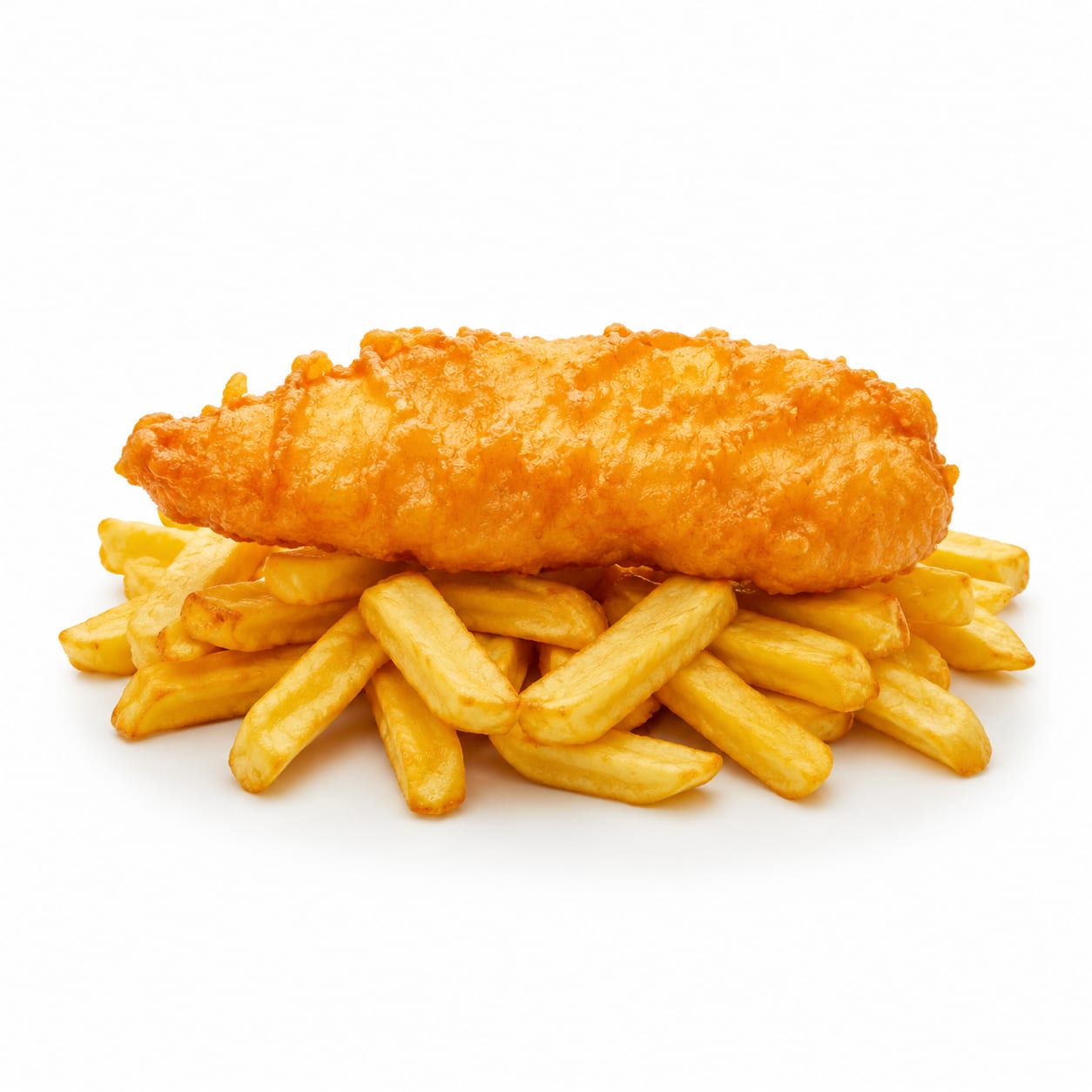
Fish and Chips
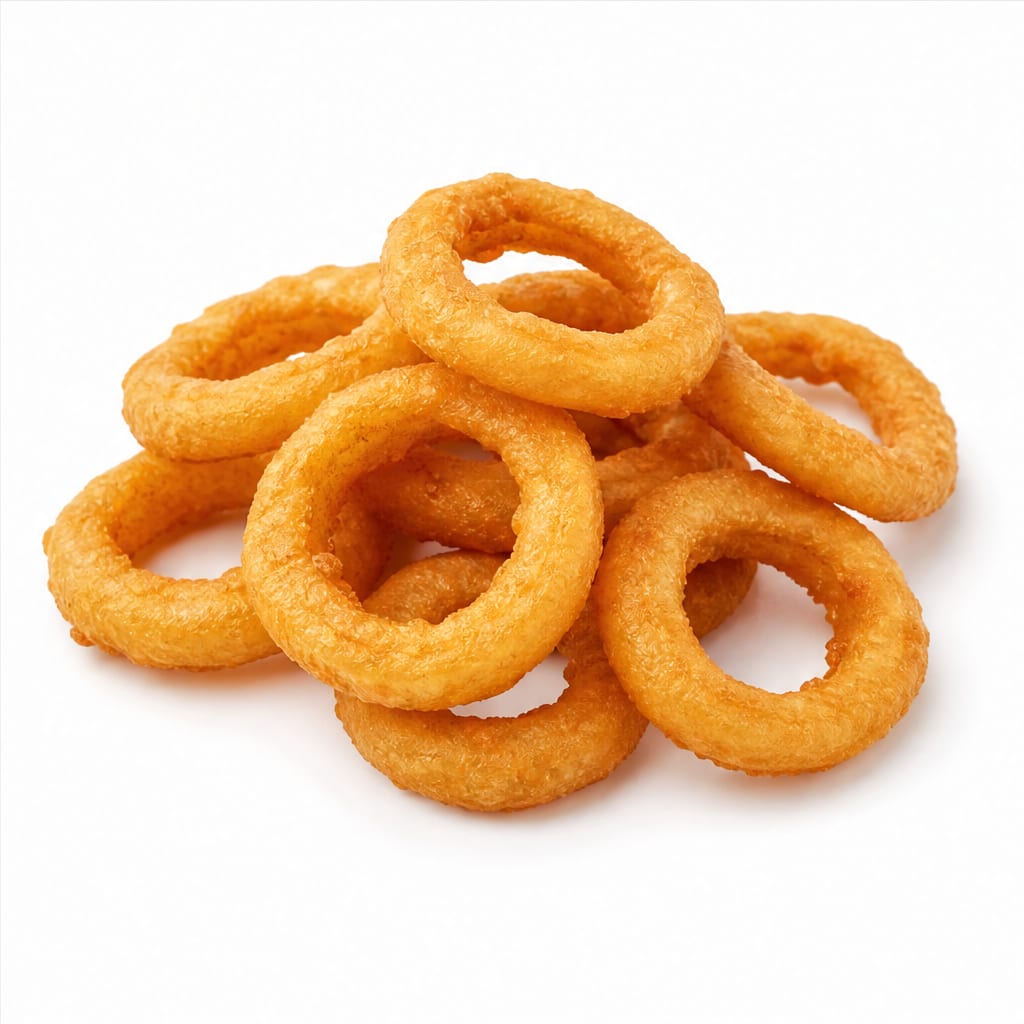
Onion Rings
Fish and Chips edges out Onion Rings because the fish delivers real protein and nutrients that survive the frying process, while onion rings are essentially just battered carbs and oil.
Fish and Chips scores moderately because the fish itself provides protein, omega-3s, and key micronutrients despite the frying. Onion Rings scores quite low because they offer almost no protein, minimal nutrients, and are essentially refined carbs soaked in oil with a thin layer of onion.
You're choosing between a fried food with some nutritional payoff (Fish and Chips) versus a fried food that's purely indulgent with almost zero protein or meaningful nutrients (Onion Rings).
At a glance
Executive summary
Overall
Fish and Chips
Healthier
Fish and Chips
More practical
Fish and Chips
Daily use
It depends
Key comparison lenses
choosing the lesser of two fried indulgences
Both are deep-fried comfort foods, so users are likely deciding which treat does less damage
protein and satiety comparison
Fish provides real protein while onions offer almost none, making this a key differentiator
nutrient density tradeoff
Fish contributes omega-3s, selenium, and B12 even after frying, while onion rings are nutritionally hollow
sodium and heart health impact
Both are salt-heavy restaurant foods, but the cardiovascular implications differ
calorie and fat awareness for weight management
Both are calorie-dense fried foods, so understanding the gap matters for portion decisions
Best choice for
Fish and Chips
- Anyone wanting protein with their comfort food
- People who need omega-3s even in small amounts
- Those seeking a meal that actually fills them up
- Diners who want something resembling a complete dish
Onion Rings
- Vegetarians avoiding fish
- People who want a lighter side dish rather than a full meal
- Those who prefer a crunchy snack over a heavy dinner
- Anyone specifically craving sweet onion flavor
Least suitable for
Fish and Chips
- People watching sodium closely
- Anyone avoiding fried foods entirely
- Those with fish allergies
- People concerned about mercury exposure
Onion Rings
- Anyone needing protein from their meal
- People managing blood sugar since there's nothing to slow carb absorption
- Those seeking any meaningful nutrition from their calories
- People who find fried breading upsets their stomach
Deep comparison
Dimension by dimension
Each lens scores both foods and breaks down who each option suits.
- Dimension 1 · Priority 95Fish and Chips
Protein and Satiety
Fish and Chips · 55Onion Rings · 8Fish and Chips provides a meaningful protein hit from the fish, while Onion Rings deliver virtually zero protein.
Tradeoff
The fish portion gives you 15-20g of protein even after breading, making it genuinely filling. Onion rings leave you hungry again within an hour.
Why it matters
Protein is what turns a snack into a meal. Without it, you're just eating empty calories that spike and crash your energy.
Real-world impact
After Fish and Chips, you're likely full for 3-4 hours. After Onion Rings as a meal, you'll be scavenging the fridge within 90 minutes.
Fish and Chips
- Post-workout when you need protein but only fast food is available
- Long days when one meal needs to actually sustain you
- Active people who need filling fuel
Better for
- Late-night eating when you don't want heavy protein sitting in your stomach
Worse for
Onion Rings
- Light snacking moments where heaviness feels wrong
- Situations where you're eating a full meal elsewhere anyway
Better for
- Any situation where you need lasting energy
- Athletes or active people needing recovery nutrition
- Anyone trying to avoid constant snacking
Worse for
- Dimension 2 · Priority 88Fish and Chips
Nutrient Density
Fish and Chips · 45Onion Rings · 12Fish contributes omega-3 fatty acids, selenium, iodine, and B12 even after frying. Onion rings offer trace amounts of vitamin C and minimal fiber from the onion itself.
Tradeoff
Frying degrades some nutrients in fish, but the core micronutrients survive meaningfully. Onions have antioxidants, but the thin ring inside thick breading delivers very little per serving.
Why it matters
When you're spending calories on indulgent food, getting some nutrients back softens the blow. Fish and Chips at least gives you something nutritionally useful.
Real-world impact
Choosing Fish and Chips means your indulgence still contributes to your omega-3 intake for the week. Onion rings are nutritionally a write-off.
Fish and Chips
- Anyone not eating fish regularly who needs omega-3s from any source
- People low in B12 or selenium
- Those who want their comfort food to pull some nutritional weight
Better for
- People avoiding fish-based omega-3s due to mercury concerns
Worse for
Onion Rings
- Situations where you're already eating nutrient-dense foods elsewhere and just want a treat
Better for
- Anyone relying on this meal to contribute anything meaningful nutritionally
- People who need every calorie to work harder for their health
Worse for
- Dimension 3 · Priority 80Fish and Chips
Calorie and Fat Impact
Fish and Chips · 25Onion Rings · 18Both are calorie bombs from deep frying, but Fish and Chips provides more calories with more nutritional return per calorie.
Tradeoff
A standard Fish and Chips portion runs 800-1200 calories, while a comparable Onion Rings portion hits 600-900 calories. Fish and Chips costs more calories but gives you protein and nutrients. Onion Rings cost slightly fewer calories but give you almost nothing back.
Why it matters
If you're going to spend 800+ calories, you should get something for it beyond oil and starch.
Real-world impact
Eating Fish and Chips feels like a heavy meal that sets you up for hours. Onion Rings feel heavy in the moment but leave you undernourished and hungry soon after.
Fish and Chips
- When you need a meal that justifies its calorie cost with protein and nutrients
- Active days when you can afford the calorie load
Better for
- Strict calorie counting where every calorie must be minimized
- Sedentary days when 1000+ calories from one meal is excessive
Worse for
Onion Rings
- When you're eating a lighter portion as a side dish rather than a full meal
- Momentary cravings where fewer total calories matter more than nutritional return
Better for
- Any situation where you're getting too many calories with too little nutritional payoff
- Emotional eating patterns where empty calories trigger more cravings
Worse for
- Dimension 4 · Priority 78It depends
Sodium and Heart Health
Fish and Chips · 22Onion Rings · 20Both are sodium-loaded fried foods. Fish and Chips has slightly more sodium overall, but also brings heart-protective omega-3s that partially offset the damage.
Tradeoff
Fish and Chips delivers more salt but also omega-3s that support heart health. Onion Rings have slightly less sodium but zero cardiovascular benefits to counterbalance the fried oil.
Why it matters
If you have blood pressure concerns, both are problematic. But the omega-3s in fish create a small buffer that onion rings simply don't offer.
Real-world impact
After either meal, your fingers are swollen from salt. But the fish eater at least got some anti-inflammatory omega-3s alongside the sodium hit.
Fish and Chips
- People whose hearts benefit from any omega-3 intake
- Those who occasionally indulge but want some cardiovascular upside
Better for
- Anyone with severe hypertension who cannot afford high-sodium meals
- People on strict low-sodium diets
Worse for
Onion Rings
- People on strict sodium limits where every milligram counts and the omega-3 benefit doesn't justify extra salt
Better for
- Those with heart disease risk who get zero cardio-protective nutrients from their indulgence
Worse for
- Dimension 5 · Priority 72Fish and Chips
Blood Sugar Stability
Fish and Chips · 30Onion Rings · 18Fish and Chips has protein and fat that slow carb absorption from the chips. Onion Rings are almost pure refined carbs and oil with nothing to blunt the spike.
Tradeoff
Neither food is good for blood sugar, but the protein in fish creates a modest braking effect on the glycemic impact. Onion Rings hit your bloodstream fast with almost nothing to slow them down.
Why it matters
Blood sugar crashes after fried carb-heavy meals lead to fatigue, cravings, and irritability. Protein softens this cycle.
Real-world impact
After Onion Rings alone, expect a quick energy spike followed by a sluggish crash within an hour. After Fish and Chips, the crash is slower and less dramatic because protein paces the digestion.
Fish and Chips
- People with mild blood sugar concerns who need protein to balance carbs
- Anyone prone to afternoon energy crashes after carby meals
Better for
- Diabetics who should avoid large fried carb portions regardless of protein
Worse for
Onion Rings
- Situations where portion control naturally limits the carb load
Better for
- Anyone with insulin resistance or blood sugar instability
- People who experience energy crashes after refined carbs
- Those prone to cravings triggered by blood sugar spikes
Worse for
- Dimension 6 · Priority 65It depends
Digestive Comfort
Fish and Chips · 28Onion Rings · 25Both are greasy, heavy, and tough on digestion. Fish and Chips sits heavier due to protein density. Onion Rings can cause bloating from the breading-onion combination.
Tradeoff
Fish and Chips feels heavier longer, which can be uncomfortable but also more satisfying. Onion Rings feel lighter initially but the fried breading can cause gas and bloating.
Why it matters
Greasy fried food is a digestive challenge either way. Your choice is between heavy-and-sitting or lighter-but-bloating.
Real-world impact
After Fish and Chips, you may want a nap. After Onion Rings, you may want antacids and still feel hungry.
Fish and Chips
- People who prefer feeling full and settled over light and snacky
- Those who find protein steadies their digestion
Better for
- People with GERD or acid reflux triggered by heavy fried meals
- Anyone who gets uncomfortably stuffed from dense protein plus fried food
Worse for
Onion Rings
- People who find heavy protein-rich meals cause sluggishness
- Those who prefer eating smaller amounts even if it means less fullness
Better for
- People sensitive to fried breading who experience bloating
- Those with IBS triggered by onions
Worse for
Timeline
Health impact over time
Short-term
Hours to days
Fish and Chips
- Significant fullness and satiety lasting several hours
- Sodium bloating and thirst from heavy salting
- Possible sluggishness from the combined fat and protein load
- Blood sugar rise moderated somewhat by fish protein
Onion Rings
- Quick energy spike followed by a crash within 60-90 minutes
- Hunger returning rapidly due to zero protein content
- Bloating and gas from fried breading and onion combination
- Thirst from high sodium in the seasoned breading
Long-term
Months to years
Fish and Chips
- Regular consumption increases cardiovascular risk from trans fats and sodium
- Some omega-3 intake partially offsets inflammatory damage from frying oil
- Mercury exposure risk depending on fish species used
- Weight gain likely if eaten frequently due to extreme calorie density
Onion Rings
- Regular consumption contributes to weight gain with zero nutritional upside
- Inflammatory load from repeatedly heated frying oil with no omega-3 counterbalance
- Increased risk of metabolic issues from frequent refined carb and fried fat combination
- No protective nutrients to offset long-term damage from habitual consumption
Risk profile
Safety & processing
Both foods are battered and deep-fried, placing them firmly in processed territory. Fish and Chips uses a relatively simple batter (flour, water, salt) on whole fish and potatoes. Onion Rings use similar breading on a whole vegetable. The real concern with both is the frying oil quality and potential for reused oil containing oxidized compounds. Restaurant versions of both often contain preservatives in the breading mixes and flavor enhancers.
Fish and Chips
Mercury and heavy metal exposure
mediumCod and haddock are moderate-mercury fish, but frequent consumption can accumulate. The frying process does not reduce mercury levels.
Oxidized frying oils
mediumRepeatedly used fryer oil contains inflammatory compounds and potentially carcinogenic substances that accumulate with each batch.
Acrylamide from fried potatoes
lowDeep-fried potatoes form acrylamide, a probable carcinogen. The chips portion contributes this risk.
Onion Rings
Oxidized frying oils
mediumSame fryer oil concerns as Fish and Chips. Onion rings may absorb more oil due to their shape and breading surface area.
Acrylamide from fried breading
lowBreaded coatings form some acrylamide during deep frying, though less than starchy potato products.
Cross-contamination in shared fryers
lowOnion rings are often fried in the same oil as meat and fish products, a concern for vegetarians and those with allergies.
Who wins for whom
Audience fit
Same foods, different winners depending on your goal.
children
Fish and ChipsChildren benefit from the protein, omega-3s, and B vitamins in fish, even fried. The nutrients support growth and brain development. Onion Rings offer nothing nutritionally for developing bodies.
daily consumption
It dependsNeither should be eaten daily. Both are high in sodium, unhealthy fats, and calories. If forced to choose, Fish and Chips at least contributes meaningful nutrition, but daily fried food consumption is harmful regardless.
diabetes
Fish and ChipsThe protein in fish slows carbohydrate absorption from the chips, creating a more moderate blood sugar curve. Onion Rings are nearly pure refined carbs that spike glucose rapidly with nothing to slow digestion.
elderly
Fish and ChipsOlder adults need protein to prevent muscle loss and omega-3s for cognitive and joint health. Fish and Chips provides both despite the frying. Onion Rings offer no such benefits, and elderly people can least afford empty calories.
muscle gain
Fish and ChipsFish provides 15-20g of protein per serving, which directly supports muscle maintenance. Onion Rings offer essentially zero protein, making them useless for muscle goals.
weight loss
It dependsNeither supports weight loss. Onion Rings have slightly fewer calories per serving but provide zero satiety, leading to more eating later. Fish and Chips has more calories but the protein keeps you full longer, potentially reducing total daily intake.
Your move
Decision guide
Choose Fish and Chips
- You want a meal that actually fills you up for hours
- You care about getting some protein and omega-3s even from indulgent food
- You're choosing a main dish rather than a side
- You want your comfort food to contribute something nutritionally
- You're active enough to handle the calorie load
Choose Onion Rings
- You're vegetarian and want to avoid fish
- You want a lighter side dish alongside a healthier main
- You're sharing appetizers and just want something crunchy
- You genuinely prefer the sweet onion flavor over fish
- You're eating a smaller portion and want fewer total calories
Either works if
- You're at a restaurant and both are equally tempting
- The oil quality and preparation method matter more than the food choice
- You're celebrating and nutrition isn't today's priority
Avoid both if
- You have high blood pressure and are watching sodium strictly
- You're managing heart disease and avoiding fried foods
- You're trying to lose weight and can't afford 800+ calorie meals
- You have GERD or digestive issues triggered by greasy food
- You're eating alone and likely to overconsume either option
Final recommendation
If you're choosing between these two fried indulgences, Fish and Chips is the smarter pick most of the time. The fish delivers real protein, omega-3s, and micronutrients that survive the frying process, making it an actual meal rather than just a calorie delivery system. Onion Rings are fine as an occasional shared appetizer, but as a meal choice they leave you nutritionally empty and hungry again fast. That said, both are fried, salty, calorie-dense foods that should be occasional treats, not regular habits. When you do indulge, portion control matters more than which one you pick.
Practical
Consumer tips
- 1
Ask if the restaurant uses fresh oil — recently changed fryer oil makes both foods significantly less inflammatory
- 2
Choose thicker-cut chips over thin fries when possible — less surface area means less oil absorption
- 3
Remove some of the batter from fish to reduce calories and unhealthy fat without losing the protein
- 4
Share a portion of either food and add a side salad to make the meal more balanced
- 5
If ordering Onion Rings, pair them with a protein source like grilled chicken to avoid the blood sugar crash
- 6
Ask for fish grilled instead of fried when available — you keep the nutrients and lose most of the damaging oil
- 7
Check the fish species — cod and haddock are lower in mercury than some alternatives
- 8
Drink plenty of water after either meal to help your body process the sodium load
- 9
Avoid adding extra salt at the table — both foods are already heavily seasoned
- 10
Consider making baked versions at home — oven-baked fish and potatoes or onion rings capture the comfort with far less damage