
Nutrition comparison
Fish and Chips vs French Fries: Which Fried Food Is Actually Better?
Fish and Chips delivers protein, omega-3s, and real satiety. French Fries offer fewer calories but leave you hungry. Compare nutrition, health impact, and which to choose for your goals.
Overall winner · Fish and Chips
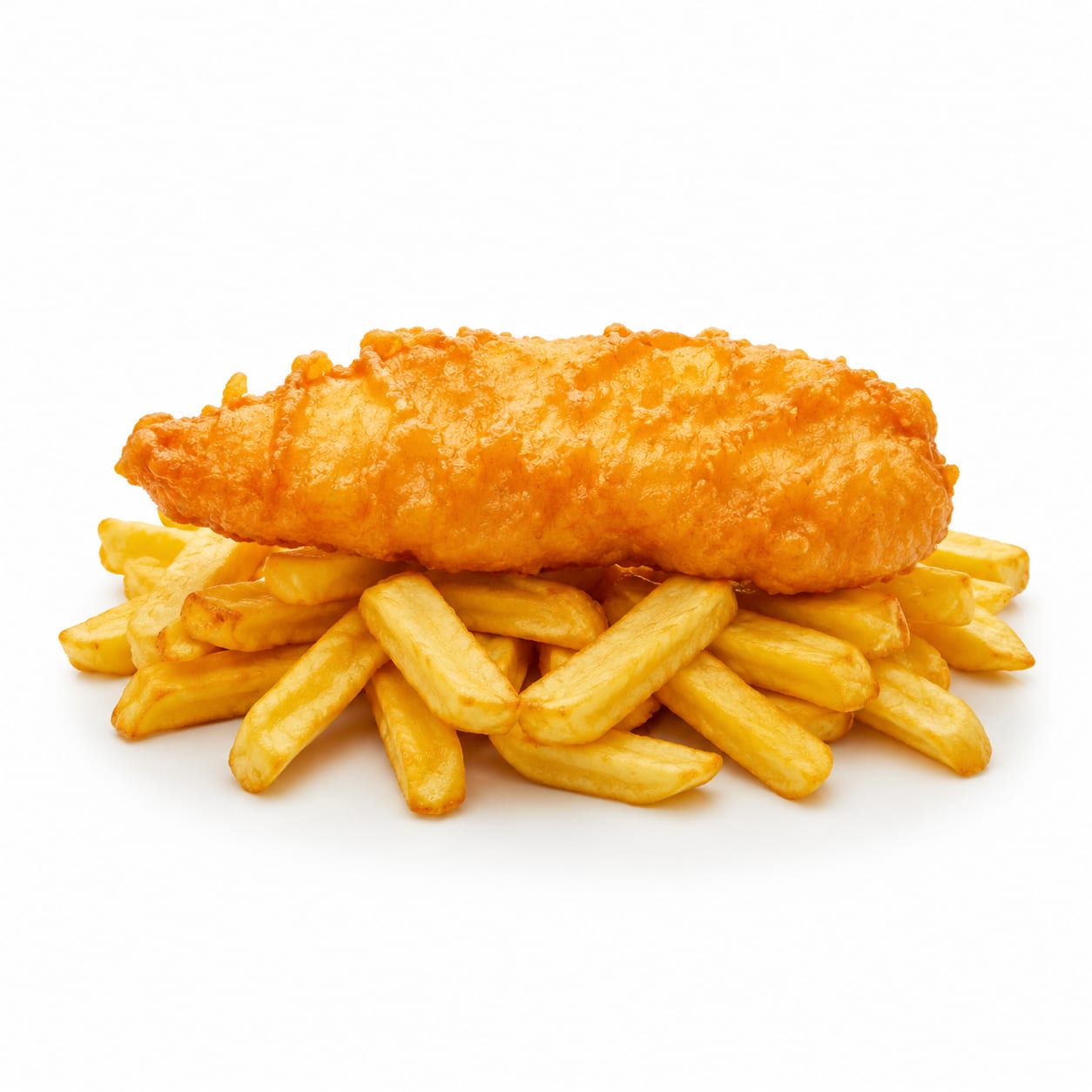
Fish and Chips
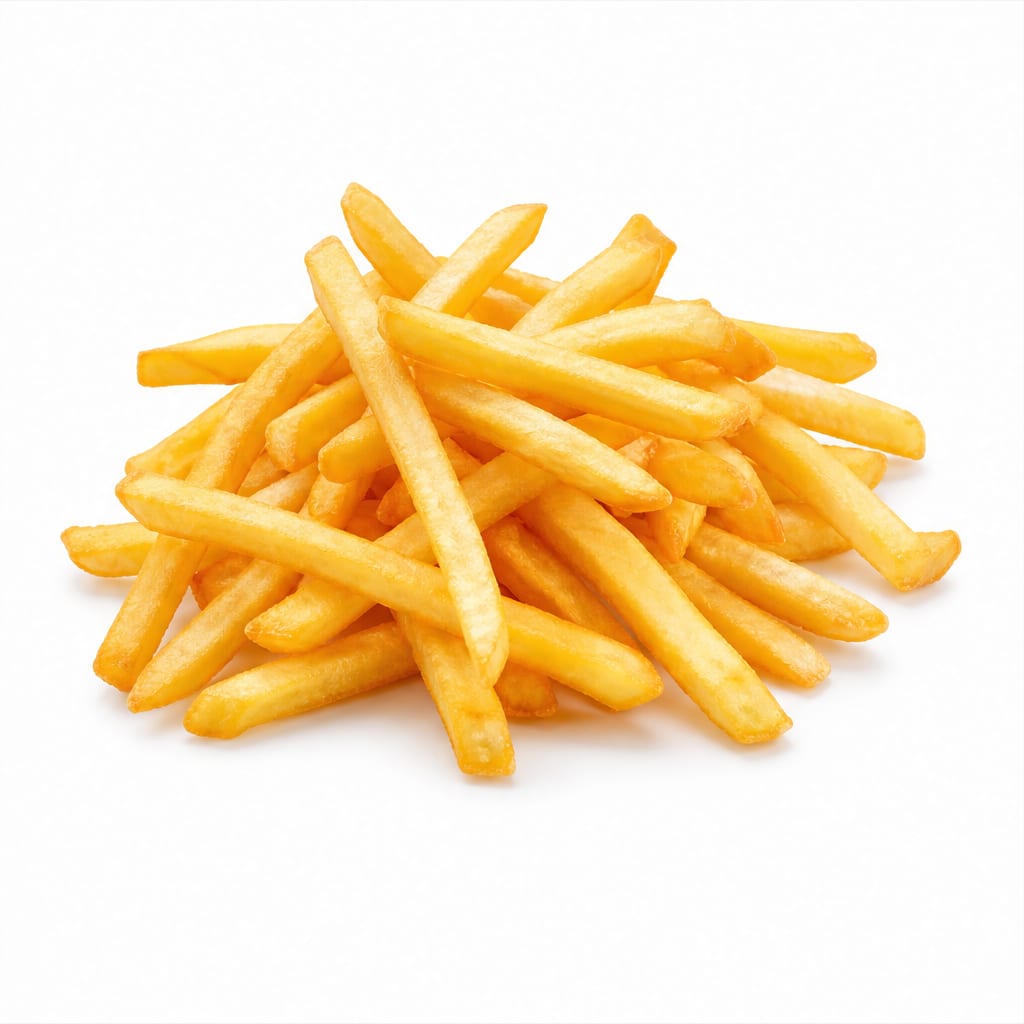
French Fries
Fish and Chips wins because the fish adds protein, omega-3s, and key nutrients that French Fries simply cannot provide. Both are heavy fried foods, but Fish and Chips at least delivers real nutritional value alongside the indulgence.
Fish and Chips scores notably higher due to protein content, omega-3 fatty acids, and micronutrients like selenium and B12. French Fries fall behind because they offer mostly refined carbs and frying oil with minimal nutritional substance. Neither is a health food, but Fish and Chips provides more per calorie consumed.
You trade slightly higher calories for significantly more protein, healthy fats, and micronutrients. French Fries are lighter but leave you hungry faster.
At a glance
Executive summary
Overall
Fish and Chips
Healthier
Fish and Chips
More practical
French Fries
Daily use
It depends
Key comparison lenses
protein vs carb tradeoff
Fish and Chips adds protein from fish while French Fries are almost entirely carbohydrate and fat
deep fried food comparison
Both are deep-fried, so users want to know if one fried option is meaningfully better
weight management decisions
Calorie density differs significantly and satiety varies due to protein content
heart health considerations
Fish provides omega-3s but frying reduces benefits; fries offer no healthy fats
meal vs side dish practicality
Fish and Chips is a complete meal while French Fries are typically a side
Best choice for
Fish and Chips
- People needing more protein in their diet
- Those wanting a complete meal, not just a side
- Anyone prioritizing satiety and fullness
- Omega-3 seekers who still want comfort food
French Fries
- Budget-conscious diners
- People who already have a protein source
- Those wanting a lighter calorie load from fried food
- Quick snack or side dish situations
Least suitable for
Fish and Chips
- People strictly limiting calories
- Those with fish allergies
- Sodium-sensitive individuals needing lower salt meals
French Fries
- People needing balanced nutrition from their meal
- Diabetics concerned about blood sugar spikes without protein
- Anyone prone to overeating carb-heavy foods
Deep comparison
Dimension by dimension
Each lens scores both foods and breaks down who each option suits.
- Dimension 1 · Priority 90Fish and Chips
Satiety and Fullness
Fish and Chips · 72French Fries · 38Fish and Chips keeps you full for hours thanks to the protein from fish. French Fries digest quickly and leave you hungry again fast.
Tradeoff
The fullness from Fish and Chips comes with more calories, but you eat less later because you stay satisfied longer.
Why it matters
Satiety is the single biggest factor in whether you overeat later in the day. A meal that actually fills you up prevents snacking.
Real-world impact
After French Fries, you are likely hungry again within 90 minutes. After Fish and Chips, you may skip your next snack entirely.
Fish and Chips
- Long work shifts without break opportunities
- Preventing late-night snacking
- Active days where you need lasting energy
Better for
- People who feel sluggish after heavy meals
Worse for
French Fries
- Light eaters who prefer smaller portions
- Situations where you will eat again soon
Better for
- Anyone prone to blood sugar crashes
- Chronic overeaters who cannot stop at one serving
Worse for
- Dimension 2 · Priority 88Fish and Chips
Nutritional Density
Fish and Chips · 65French Fries · 25Fish provides protein, omega-3 fatty acids, selenium, iodine, and B12. French Fries offer potassium and some vitamin C but little else of substance.
Tradeoff
The frying process degrades some nutrients in the fish, but enough survives to make Fish and Chips nutritionally superior by a wide margin.
Why it matters
Eating food that actually nourishes you matters even when indulging. Empty calories from fries add up without giving your body anything it needs.
Real-world impact
A serving of Fish and Chips covers roughly 40% of your daily protein needs. French Fries cover less than 5%.
Fish and Chips
- Older adults needing protein preservation
- Growing teenagers with high nutrient demands
- Anyone eating fewer meals per day
Better for
- People avoiding iodine or selenium in excess
Worse for
French Fries
- Potassium supplementation needs
- Those already meeting protein targets elsewhere
Better for
- Malnourished individuals needing nutrient-dense options
- Pregnant women needing protein and omega-3s
Worse for
- Dimension 3 · Priority 82Fish and Chips
Blood Sugar Stability
Fish and Chips · 55French Fries · 30The protein in fish slows carbohydrate absorption, softening the blood sugar spike. French Fries hit your bloodstream fast with almost no protein buffer.
Tradeoff
Neither food is ideal for blood sugar, but Fish and Chips at least moderates the impact through its protein content.
Why it matters
Blood sugar crashes after French Fries can trigger fatigue, irritability, and cravings within an hour of eating.
Real-world impact
French Fries alone can cause a noticeable energy crash 60-90 minutes after eating. Fish and Chips produce a steadier, more gradual energy decline.
Fish and Chips
- Pre-diabetics trying to moderate glycemic impact
- Those prone to afternoon energy crashes
- People who get irritable when blood sugar drops
Better for
- Severe diabetics who must strictly control carbs
Worse for
French Fries
- Endurance athletes needing quick carbs post-workout
Better for
- Insulin-resistant individuals
- Anyone with reactive hypoglycemia
Worse for
- Dimension 4 · Priority 78French Fries
Calorie Efficiency
Fish and Chips · 35French Fries · 50French Fries typically deliver fewer calories per serving than a full Fish and Chips portion, making them the lighter option calorie-wise.
Tradeoff
Fewer calories also means fewer nutrients and less satiety. You save calories now but may eat more later.
Why it matters
For strict calorie counters, every hundred calories matters. But calories without satiety often lead to eating more total food across the day.
Real-world impact
A typical Fish and Chips portion runs 800-1200 calories. A large fries sits around 400-500 calories. However, you will likely eat something else with those fries.
Fish and Chips
- One-meal-a-day eaters needing calorie density
- Underweight individuals needing to gain
Better for
- Strict calorie restrictors
- Small appetite individuals
Worse for
French Fries
- Calorie counters tracking intake closely
- Those pairing fries with a lean protein dish
Better for
- Binge eaters who cannot stop at one portion
- People who skip meals and need each one to count
Worse for
- Dimension 5 · Priority 75Fish and Chips
Heart Health Impact
Fish and Chips · 48French Fries · 32Fish contributes omega-3 fatty acids that support heart health, even though frying diminishes some of the benefit. French Fries offer no cardio-protective fats.
Tradeoff
The frying oil in both foods adds inflammatory omega-6 fats, partially canceling out the omega-3 advantage in Fish and Chips.
Why it matters
The ratio of omega-3 to omega-6 fats influences inflammation levels over time. Fish and Chips at least tips the scale slightly toward omega-3.
Real-world impact
Occasional Fish and Chips may modestly support omega-3 intake compared to fries, but neither should be a regular heart-health strategy.
Fish and Chips
- People with low fish consumption otherwise
- Those seeking any omega-3 source in comfort food
Better for
- People with severe heart conditions needing low-fat diets
Worse for
French Fries
- People already taking omega-3 supplements
- Those who eat fatty fish regularly elsewhere
Better for
- Anyone with elevated inflammatory markers
Worse for
- Dimension 6 · Priority 70It depends
Sodium Load
Fish and Chips · 38French Fries · 40Both are heavily salted fried foods. Fish and Chips often has slightly more sodium from batter seasoning and tartar sauce, but French Fries with added salt run very close.
Tradeoff
Neither option is appropriate for sodium-sensitive individuals. The difference between them is marginal and depends heavily on preparation.
Why it matters
High sodium intake from restaurant fried foods can easily exceed a full day's recommended limit in a single serving.
Real-world impact
A typical restaurant portion of either food can contain 800-1500mg of sodium. That is half or more of your daily limit in one meal.
Fish and Chips
- Home preparation where you control salt
Better for
- Hypertensive individuals eating restaurant versions
Worse for
French Fries
- Home-baked fries with light seasoning
Better for
- Salt-sensitive people who add extra at the table
Worse for
Timeline
Health impact over time
Short-term
Hours to days
Fish and Chips
- Heavy fullness that may cause drowsiness
- Steadier energy than fries due to protein buffering
- Possible thirst from high sodium content
- Satisfaction from a complete meal experience
French Fries
- Quick energy spike followed by a crash within an hour
- Rapid return of hunger despite high calorie intake
- Thirst from heavy salting
- Craving for more food shortly after finishing
Long-term
Months to years
Fish and Chips
- Better protein intake supports muscle maintenance with age
- Omega-3 contribution may slightly offset inflammatory damage from frying
- Regular consumption still increases cardiovascular risk from trans fats and sodium
- Possible mercury exposure depending on fish species used
French Fries
- Chronic low nutrient intake if fries replace balanced meals regularly
- Higher risk of insulin resistance from frequent refined carb spikes
- Inflammatory load from repeated deep-fried oil consumption
- Weight gain risk from calorie density without satiety signals
Risk profile
Safety & processing
Both foods are processed through deep frying, but Fish and Chips retains more of its original whole-food character through the fish itself. French Fries start as a whole vegetable but lose most nutritional value through peeling, cutting, and double-frying. Restaurant versions of both often contain added preservatives in batter or oil stabilizers.
Fish and Chips
Mercury exposure
mediumDepends on fish species. Cod and haddock are typically low mercury, but some establishments use higher-mercury fish. Occasional consumption is low risk.
Acrylamide from frying
mediumBatter-coated fish fried at high temperatures produces acrylamide, a probable carcinogen. The risk is dose-dependent and moderate with occasional consumption.
Oxidized cooking oils
mediumRepeatedly heated frying oils produce harmful compounds. Quality varies widely by restaurant. Higher-end establishments change oil more frequently.
French Fries
Acrylamide from frying
highPotatoes fried at high temperatures are one of the largest dietary sources of acrylamide. The starchy surface creates especially high levels compared to battered foods.
Oxidized cooking oils
mediumSame concern as Fish and Chips. French Fries are often fried in the same oil batches, sometimes with cross-contamination from other foods.
Sodium overconsumption
mediumHeavy salting is standard practice. Fast food fries can contain 300-500mg of sodium per serving, and most people add more at the table.
Who wins for whom
Audience fit
Same foods, different winners depending on your goal.
children
Fish and ChipsGrowing children benefit more from the protein, omega-3s, and micronutrients in fish. The calorie density also supports active kids' energy needs.
daily consumption
It dependsNeither should be consumed daily. If forced to choose, Fish and Chips provides more nutritional value but at higher calorie and sodium cost.
diabetes
Fish and ChipsThe protein in fish slows glucose absorption, reducing the spike compared to French Fries alone. Neither is ideal, but Fish and Chips is the lesser glycemic evil.
elderly
Fish and ChipsOlder adults need protein to prevent muscle loss and omega-3s for cognitive and joint health. Fish and Chips delivers both, though sodium should be monitored.
muscle gain
Fish and ChipsFish provides high-quality complete protein essential for muscle repair and growth. French Fries offer negligible protein.
weight loss
French FriesFrench Fries have fewer calories per serving, but the margin is thin and the lack of satiety may lead to overeating later. Neither is recommended for weight loss.
Your move
Decision guide
Choose Fish and Chips
- You want a meal that actually sustains you for hours
- Protein intake is a priority for your goals
- You rarely eat fish and want some omega-3 benefit
- You are choosing a main dish, not a side
- You tend to overeat when food does not fill you up
Choose French Fries
- You already have a solid protein source in your meal
- You want fewer calories from this specific food choice
- You are sharing with others and just want a side
- Budget is a primary concern
- You plan to eat again soon and want something lighter
Either works if
- You are treating yourself to fried food occasionally
- Neither is a regular part of your diet
- You will balance the meal with vegetables later
Avoid both if
- You have serious heart conditions requiring low-fat diets
- You are sodium-sensitive with hypertension
- You are managing acute digestive issues
- You are following an anti-inflammatory protocol
Final recommendation
When choosing between these two fried options, Fish and Chips is the stronger pick because it delivers real nutrition alongside the indulgence. The protein, omega-3s, and micronutrients from fish make it a meal that actually feeds your body, not just your cravings. French Fries are fine as an occasional side, but they should never be the star of your plate. If you eat fried food rarely, choose Fish and Chips. If you eat it often, reconsider the frequency before worrying about which one to pick.
Practical
Consumer tips
- 1
Ask for grilled or baked fish instead of fried when available. You keep the protein and omega-3s while cutting calories and inflammatory oils dramatically.
- 2
Choose thicker-cut fries over thin or crinkle-cut. Thicker fries absorb less oil per bite, reducing calorie and oxidized fat intake.
- 3
Skip the tartar sauce and malt vinegar with extra salt. A squeeze of lemon adds flavor without the calorie and sodium bomb.
- 4
Share a portion of Fish and Chips instead of ordering your own. You get the satisfaction with half the damage.
- 5
If ordering French Fries, pair them with a grilled chicken sandwich or side salad to add protein and nutrients the fries lack.
- 6
Ask restaurants what oil they fry in. Canola or peanut oil is preferable to partially hydrogenated vegetable oils.
- 7
Consider oven-baking either food at home. Homemade baked fish and potatoes with light oil deliver similar flavor with a fraction of the health cost.