
Nutrition comparison
Fish and Chips vs Chicken Nuggets: Which Fried Comfort Food Is Healthier?
Compare Fish and Chips vs Chicken Nuggets on nutrition, processing, omega-3s, sodium, and convenience. Find out which indulgence gives you more nutritional value and when each makes sense.
Overall winner · Fish and Chips
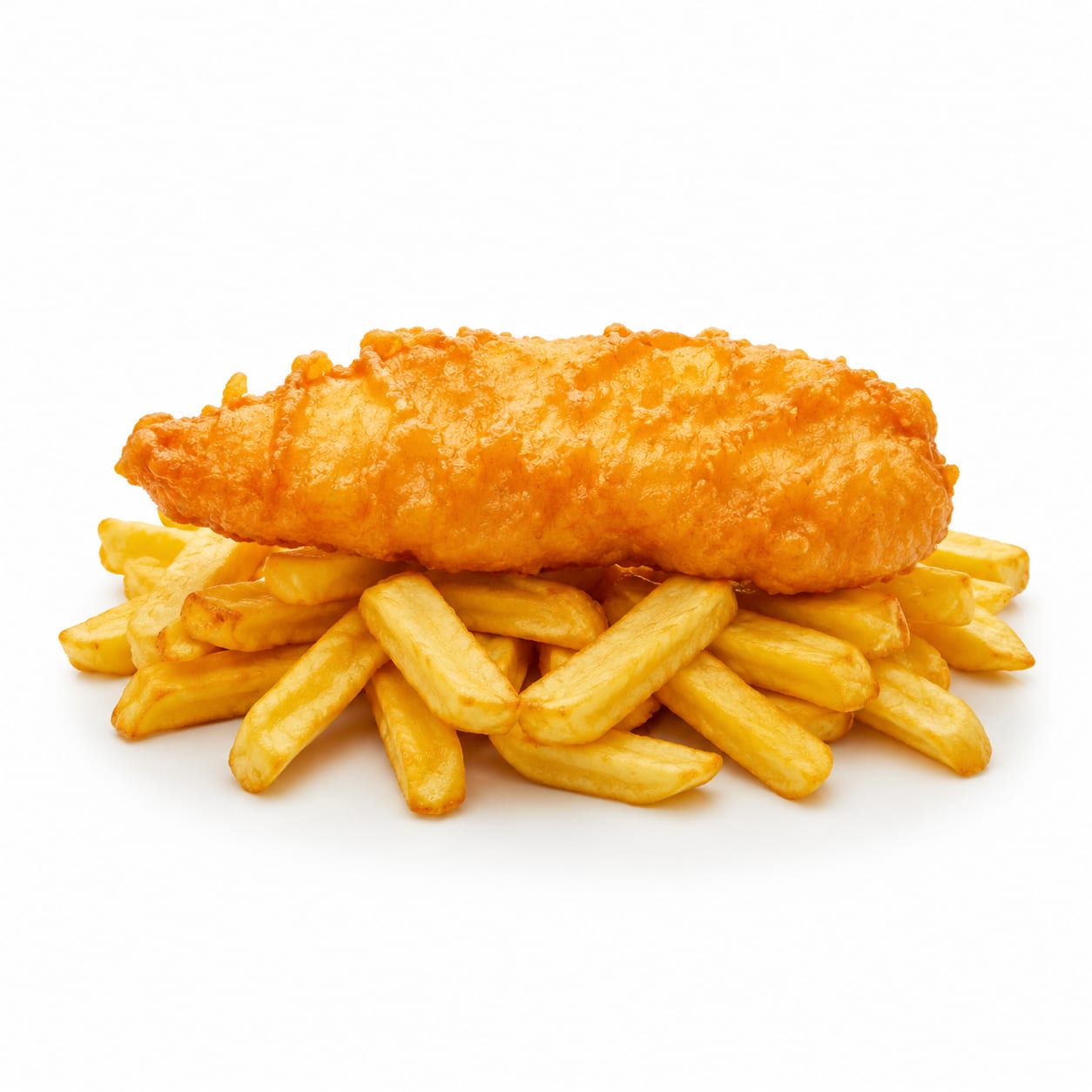
Fish and Chips
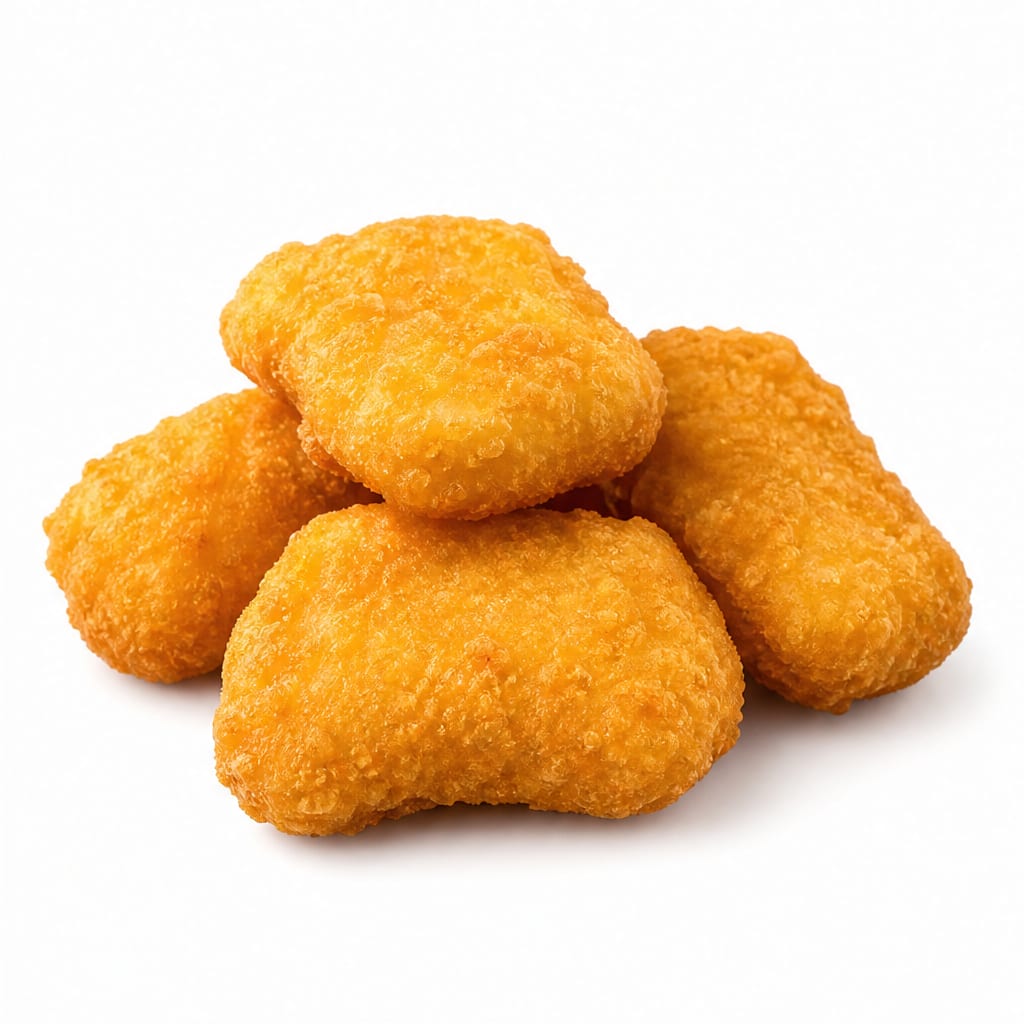
Chicken Nuggets
Fish and Chips edges out Chicken Nuggets thanks to real fish delivering omega-3s and higher-quality protein, but both are deep-fried indulgences with serious sodium and calorie loads.
Fish and Chips scores moderately higher because whole fish provides omega-3s and complete protein that ultra-processed Chicken Nuggets cannot replicate. However, both lose significant points for deep-frying, high sodium, and calorie density. Neither is a health food.
You get better nutrition from the fish in Fish and Chips, but Chicken Nuggets win on convenience, portion control, and kid-friendly practicality.
At a glance
Executive summary
Overall
Fish and Chips
Healthier
Fish and Chips
More practical
Chicken Nuggets
Daily use
It depends
Key comparison lenses
comfort food tradeoff analysis
Both are iconic comfort foods where taste and nostalgia compete with health concerns
processing level comparison
Fish and Chips uses whole fish while Chicken Nuggets are heavily reconstituted, making processing a key differentiator
sodium and deep-frying health impact
Both are deep-fried and salted, making cardiovascular risk a central concern
protein quality and omega-3 tradeoff
Fish provides meaningful omega-3s that Nuggets cannot match, but both deliver protein differently
contamination and safety profile
Mercury in fish versus additives and mechanically separated chicken in Nuggets present different risk profiles
Best choice for
Fish and Chips
- People wanting omega-3 intake from a comfort meal
- Adults prioritizing protein quality over convenience
- Those who eat fried food occasionally and want the most nutritional return
Chicken Nuggets
- Parents feeding picky eaters
- People needing freezer-stable quick meals
- Anyone wanting tight portion control with consistent calorie counts
Least suitable for
Fish and Chips
- People monitoring sodium closely due to hypertension
- Anyone avoiding deep-fried foods for digestive comfort
- Those concerned about mercury exposure from frequent fish consumption
Chicken Nuggets
- People avoiding ultra-processed foods
- Anyone sensitive to emulsifiers, preservatives, or fillers
- Those seeking anti-inflammatory eating patterns
Deep comparison
Dimension by dimension
Each lens scores both foods and breaks down who each option suits.
- Dimension 1 · Priority 92Fish and Chips
Protein Quality
Fish and Chips · 68Chicken Nuggets · 45Fish and Chips delivers complete, high-quality protein from whole fish fillets with all essential amino acids in their natural ratios.
Tradeoff
Chicken Nuggets contain protein too, but it is diluted with fillers, binders, and mechanically separated meat, lowering the overall protein density and quality per bite.
Why it matters
Higher-quality protein keeps you fuller longer and supports muscle maintenance more effectively than reconstituted protein sources.
Real-world impact
After eating Fish and Chips, you are likely to stay satisfied for 3-4 hours. Chicken Nuggets may leave you hunting for a snack within 2 hours.
Fish and Chips
- Muscle maintenance in older adults
- Post-drinking recovery meals
- Satiety between meals
Better for
- Anyone counting every gram of protein precisely due to variable portion sizes
Worse for
Chicken Nuggets
- Quick protein after a kids' sports practice
- Portable protein that needs no utensils
Better for
- Clean-eating goals where ingredient transparency matters
- Athletes needing reliable leucine content for muscle synthesis
Worse for
- Dimension 2 · Priority 88Fish and Chips
Omega-3 and Healthy Fats
Fish and Chips · 60Chicken Nuggets · 15Fish and Chips provides meaningful omega-3 fatty acids from the fish, which Chicken Nuggets essentially lack entirely.
Tradeoff
Deep-frying damages some omega-3s and adds inflammatory oils, so you still lose much of the benefit compared to baked or grilled fish.
Why it matters
Omega-3s support heart health, brain function, and inflammation control. Getting them from a comfort food is a rare silver lining.
Real-world impact
Eating Fish and Chips occasionally contributes some omega-3s to your week. Chicken Nuggets contribute zero, offering only inflammatory frying oils.
Fish and Chips
- Heart-conscious diners who still want comfort food
- People with low fish intake looking for any omega-3 source
Better for
- Those who mistakenly assume fried fish retains all its omega-3 benefits
Worse for
Chicken Nuggets
- No omega-3 advantage exists for Chicken Nuggets
Better for
- Anyone relying on Chicken Nuggets as a protein source without supplementing omega-3s elsewhere
Worse for
- Dimension 3 · Priority 90Fish and Chips
Processing and Additives
Fish and Chips · 50Chicken Nuggets · 25Fish and Chips uses recognizably whole ingredients: a fish fillet, potato, batter. Chicken Nuggets are ultra-processed with fillers, emulsifiers, and preservatives.
Tradeoff
Fish and Chips is still processed through battering and deep-frying, but the core ingredient remains intact fish. Nuggets reconstitute chicken into an unrecognizable form.
Why it matters
Ultra-processed foods are linked to overeating, weight gain, and metabolic disruption regardless of calorie content.
Real-world impact
Your body recognizes and handles whole fish differently than a reconstituted chicken slurry with modified starches and sodium phosphates.
Fish and Chips
- Clean-label eaters who want to recognize their ingredients
- People reducing ultra-processed food consumption
Better for
- Batter and frying oil still introduce processed elements
Worse for
Chicken Nuggets
- No additive advantage for Chicken Nuggets
Better for
- Anyone with sensitivities to emulsifiers or preservatives
- Parents trying to minimize ultra-processed foods in children's diets
Worse for
- Dimension 4 · Priority 85It depends
Sodium Load
Fish and Chips · 30Chicken Nuggets · 28Both are sodium bombs. Fish and Chips gets salted heavily, and Chicken Nuggets contain sodium from seasoning, brining, and preservatives.
Tradeoff
Restaurant Fish and Chips often exceeds 1500mg sodium per serving. A 6-piece Chicken Nuggets order typically hits 500-600mg, but portions easily double.
Why it matters
High sodium intake raises blood pressure and causes bloating. Neither option is safe for sodium-restricted diets.
Real-world impact
After either meal, you may notice thirst, puffiness, or a tight ring on your finger by evening.
Fish and Chips
- Home-prepared versions where you control the salt
Better for
- Hypertension patients eating restaurant versions
- People prone to bloating or water retention
Worse for
Chicken Nuggets
- Pre-packaged portions with labeled sodium content for tracking
Better for
- Children who easily exceed daily sodium limits from a single meal
Worse for
- Dimension 5 · Priority 80Chicken Nuggets
Convenience and Practicality
Fish and Chips · 35Chicken Nuggets · 82Chicken Nuggets are a freezer staple that cook in minutes. Fish and Chips requires a chip shop or significant home preparation.
Tradeoff
You gain speed and portion consistency with Chicken Nuggets but sacrifice ingredient quality and nutritional value.
Why it matters
Convenience drives real-world food choices more than nutrition knowledge. The food you actually eat always beats the food you meant to prepare.
Real-world impact
Frozen Chicken Nuggets can go from freezer to plate in 12 minutes. Fish and Chips means a 20-minute drive or 45 minutes of home frying and cleanup.
Fish and Chips
- Sit-down family meals where cooking is part of the experience
Better for
- Last-minute meal emergencies
- Anyone without a nearby fish and chip shop
Worse for
Chicken Nuggets
- Busy weeknights with hungry children
- Meal prep for someone with limited cooking ability
- Office lunch reheating scenarios
Better for
- Dinners where food quality and experience matter more than speed
Worse for
- Dimension 6 · Priority 82Chicken Nuggets
Calorie Density and Portion Control
Fish and Chips · 25Chicken Nuggets · 45Fish and Chips is one of the highest-calorie takeaway meals available, often exceeding 1200 calories per serving. Chicken Nuggets offer easier portion management.
Tradeoff
A standard Fish and Chips serving is enormous. Even a large Chicken Nuggets portion is easier to stop eating because pieces are countable.
Why it matters
Calorie density drives overconsumption. Foods that are both high-fat and high-carb bypass fullness signals effectively.
Real-world impact
It is very easy to eat an entire Fish and Chips portion and consume half your daily calories. Counting Nuggets makes stopping at 6-8 pieces more achievable.
Fish and Chips
- Active individuals who genuinely need high calorie intake
- Post-hike or post-manual-labor refueling
Better for
- Sedentary adults watching their weight
- Emotional eaters who struggle to stop at half a portion
Worse for
Chicken Nuggets
- Weight-conscious eaters who benefit from countable portions
- Children whose calorie needs are lower
Better for
- People who find that eating small portions of hyper-palatable food triggers cravings for more
Worse for
- Dimension 7 · Priority 78Fish and Chips
Inflammatory Potential
Fish and Chips · 38Chicken Nuggets · 22Both are inflammatory due to deep-frying, but Fish and Chips retains some anti-inflammatory omega-3s while Chicken Nuggets add ultra-processed ingredients that promote inflammation.
Tradeoff
The omega-3s in fish partially offset the inflammatory frying oils. Chicken Nuggets offer no such counterbalance and add emulsifiers linked to gut inflammation.
Why it matters
Chronic inflammation underlies heart disease, joint pain, and fatigue. Small anti-inflammatory contributions matter even in indulgent meals.
Real-world impact
After Fish and Chips, you might feel heavy but recover by the next day. After a Chicken Nuggets binge, bloating and sluggishness may linger longer.
Fish and Chips
- People with joint issues who benefit from any omega-3 intake
- Occasional treat meals where partial nutritional redemption matters
Better for
- People with gallbladder issues who cannot tolerate fried food
Worse for
Chicken Nuggets
- No inflammatory advantage exists for Chicken Nuggets
Better for
- Anyone with inflammatory bowel issues sensitive to emulsifiers
- People with autoimmune conditions managing inflammation through diet
Worse for
Timeline
Health impact over time
Short-term
Hours to days
Fish and Chips
- Heavy fullness and potential sluggishness from high fat and carbohydrate load
- Thirst and bloating from high sodium content
- Possible heartburn from greasy fried batter
- Satisfaction and comfort from a hot, filling meal
Chicken Nuggets
- Quick energy followed by a crash from refined carbs and fried coating
- Thirst from sodium and preservatives
- Cravings for more due to hyper-palatable design
- Easy to overeat without realizing portion size
Long-term
Months to years
Fish and Chips
- Some cardiovascular benefit from omega-3s if eaten regularly, partially offset by frying
- Weight gain risk from extreme calorie density if consumed frequently
- Mercury exposure risk depending on fish species used
- Elevated blood pressure risk from chronic high sodium intake
Chicken Nuggets
- Increased ultra-processed food consumption linked to metabolic syndrome
- Higher inflammatory marker levels from repeated exposure to emulsifiers and oxidized oils
- Potential gut microbiome disruption from preservatives and modified starches
- Weight gain risk from hyper-palatability driving overconsumption
Risk profile
Safety & processing
Fish and Chips involves battering and frying whole fish and potatoes, which is processed but retains recognizable ingredients. Chicken Nuggets undergo extensive industrial processing with mechanically separated chicken, textured vegetable protein, sodium phosphates, and emulsifiers that make the final product far removed from a simple piece of chicken.
Fish and Chips
Mercury exposure
mediumDepends on fish species. Cod and haddock are lower mercury, but some chip shops use cheaper, higher-mercury fish. Frequent consumption increases cumulative exposure.
Acrylamide from fried potatoes
mediumDeep-fried potatoes form acrylamide, a probable carcinogen. The darker the chips, the higher the acrylamide content.
Oxidized frying oils
mediumRepeatedly heated oils in chip shops generate inflammatory compounds and potentially harmful aldehydes.
Foodborne illness from undercooked fish
lowLess common with fried fish since batter requires thorough cooking, but possible if oil temperature is too low.
Chicken Nuggets
Pathogen contamination from mechanically separated chicken
mediumMechanically separated meat has higher surface area exposed to bacteria, requiring thorough cooking to ensure safety.
Antibiotic residue exposure
mediumConventionally raised chicken often receives antibiotics. Nuggets from such sources may contain residues contributing to antibiotic resistance.
Additive sensitivities
lowSodium phosphates, carrageenan, and other additives in Nuggets can cause digestive issues in sensitive individuals.
Microplastics in chicken feed chain
lowEmerging research suggests microplastics may accumulate in poultry products, though evidence is still developing.
Who wins for whom
Audience fit
Same foods, different winners depending on your goal.
children
Chicken NuggetsChildren overwhelmingly prefer Chicken Nuggets, and the portion control, consistent texture, and easy eating make them practically superior even if nutritionally weaker.
daily consumption
It dependsNeither should be eaten daily. If forced to choose, a small portion of Chicken Nuggets provides more controllable calories, but Fish and Chips offers better nutrition per calorie. Both are occasional foods at best.
diabetes
It dependsNeither is ideal. Fish and Chips has a massive carbohydrate load from chips. Chicken Nuggets have fewer carbs but more processed ingredients. Portion control makes Nuggets slightly more manageable, but the fish provides better protein quality.
elderly
Fish and ChipsOlder adults benefit more from omega-3s for brain and heart health, and the softer texture of fish is easier to chew than dense nugget coatings.
muscle gain
Fish and ChipsFish and Chips provides higher-quality complete protein from whole fish with a better amino acid profile for muscle synthesis than reconstituted chicken with fillers.
weight loss
Chicken NuggetsChicken Nuggets offer countable portions and labeled calorie information, making it easier to maintain a deficit. Fish and Chips portions are enormous and often exceed 1000 calories per serving.
Your move
Decision guide
Choose Fish and Chips
- You want the most nutritional return from an indulgent meal
- Omega-3 intake matters to you and you do not eat fish otherwise
- You are eating at a proper sit-down meal and can handle the calorie load
- You value recognizable ingredients over convenience
Choose Chicken Nuggets
- You need food ready in under 15 minutes with minimal effort
- You are feeding children who will not eat fish
- You want countable portions to control calorie intake
- You need something freezer-stable for emergency meals
Either works if
- You are treating yourself and either option sounds satisfying
- You have already eaten well all week and want a comfort meal
- You are sharing with others and both options appeal to different people
Avoid both if
- You have high blood pressure and are watching sodium strictly
- You are following an anti-inflammatory or whole-food eating plan
- You have gallbladder issues that make deep-fried food painful
- You are trying to break a cycle of ultra-processed comfort eating
Final recommendation
If you are choosing between these two, Fish and Chips gives you more nutritional value per calorie thanks to real fish and omega-3s. But if convenience, portion control, or kid-approval matters more, Chicken Nuggets are the pragmatic pick. Either way, treat both as occasional meals, not weekly staples. Add a side salad or vegetables whenever possible to offset the nutritional gaps.
Practical
Consumer tips
- 1
Ask your chip shop what fish species they use. Cod and haddock are lower in mercury than shark or swordfish.
- 2
Choose thicker-cut chips over thin fries. They absorb less oil and contain less acrylamide.
- 3
Bake Chicken Nuggets in an oven or air fryer instead of deep-frying to reduce oil absorption significantly.
- 4
Read the ingredient list on Chicken Nuggets. Brands with shorter, recognizable ingredient lists are always better.
- 5
Pair either meal with a large side of vegetables or a green salad to add fiber and micronutrients that neither provides.
- 6
Drink extra water after either meal to help your body process the sodium load.
- 7
If making Fish and Chips at home, oven-bake the fish with panko crumbs instead of deep-frying for a dramatic calorie reduction.
- 8
Limit either option to once per week maximum and track how you feel the next day to calibrate your personal tolerance.