
Nutrition comparison
Fish and Chips vs Fried Chicken: Which Fried Food Is Less Unhealthy?
Compare Fish and Chips and Fried Chicken on calories, protein, heart health, and satiety. Find out which fried comfort food does less damage and when to choose each.
Overall winner · Fish and Chips
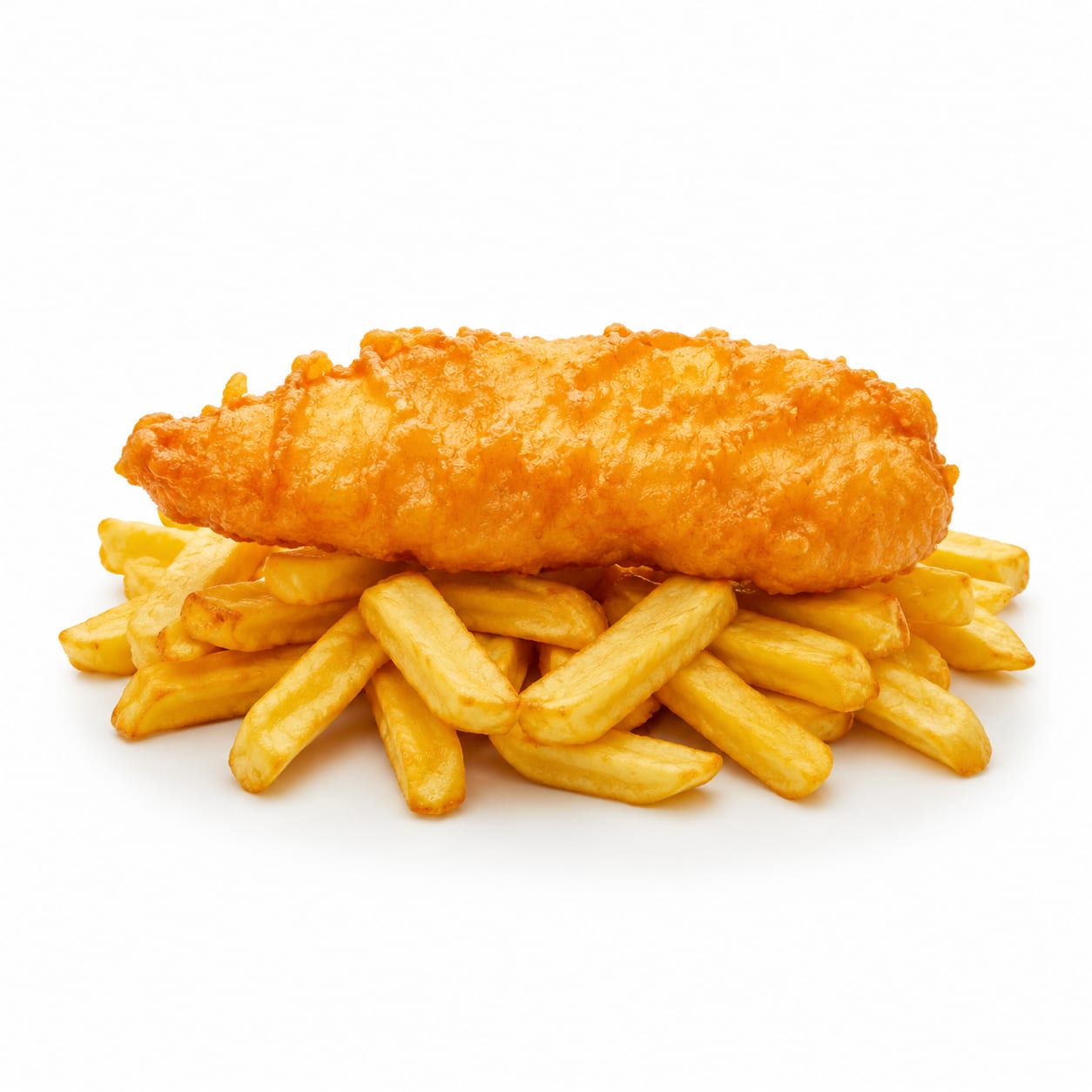
Fish and Chips
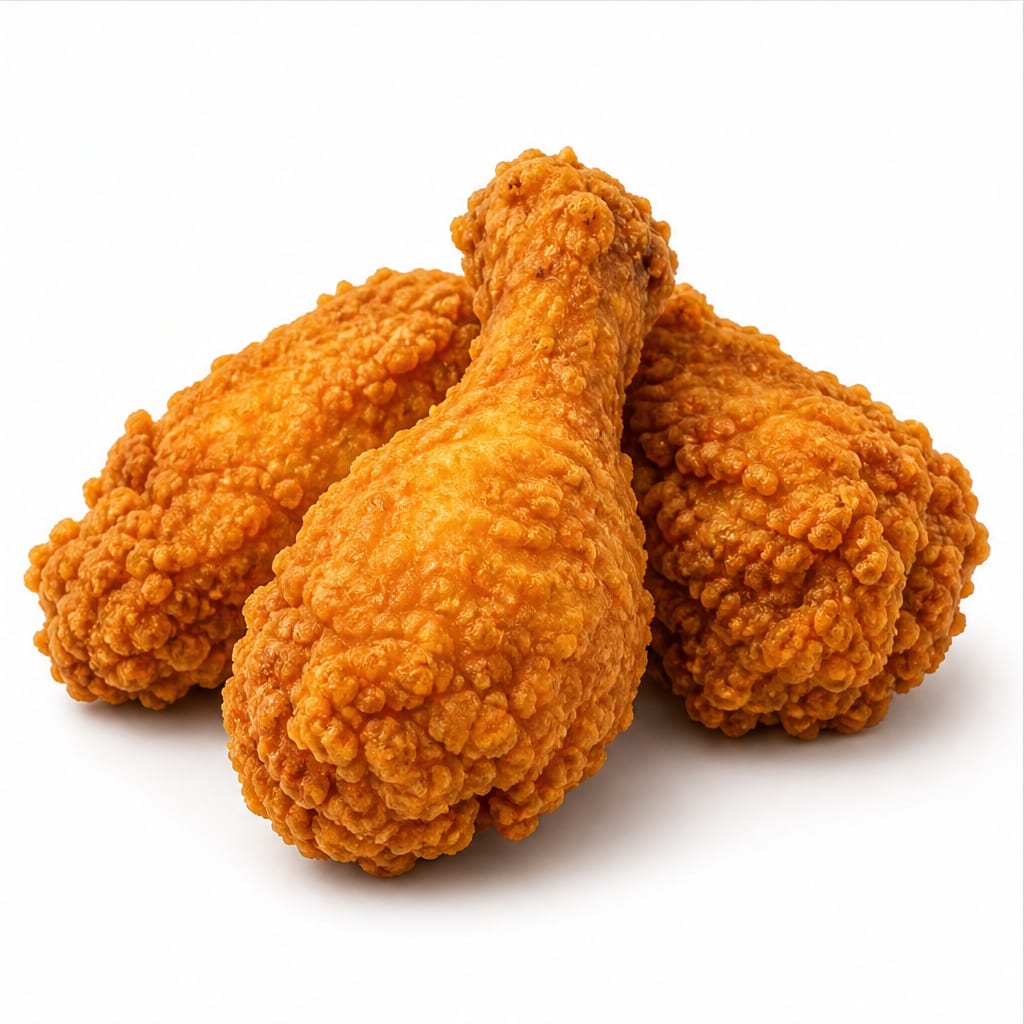
Fried Chicken
Fish and Chips edges out Fried Chicken thanks to omega-3s from fish and less saturated fat, but both are heavy indulgences with real health costs.
Fish and Chips scores slightly higher due to omega-3 content and lower saturated fat, but both scores remain low because deep-frying heavily diminishes the nutritional advantages of the underlying proteins.
You get heart-friendlier fats and a lighter protein with Fish and Chips, but Fried Chicken delivers more protein and stronger satiety per bite.
At a glance
Executive summary
Overall
Fish and Chips
Healthier
Fish and Chips
More practical
Fried Chicken
Daily use
It depends
Key comparison lenses
which fried comfort food does less damage
Both are indulgent fried foods, so users are really asking which one is the lesser evil for a cheat meal
protein quality and satiety comparison
Fish and chicken offer very different protein profiles, and satiety matters when eating calorie-dense meals
heart health and inflammatory impact
Both are deep-fried, but the type of fat and omega-3 content create meaningful differences for cardiovascular risk
calorie density and weight management
Neither food is weight-loss friendly, but portion-for-portion calorie differences affect real-world eating
sodium load and blood pressure concerns
Both are heavily salted, but the sodium sources and amounts differ enough to matter for hypertensive individuals
Best choice for
Fish and Chips
- People prioritizing heart health who still want comfort food
- Anyone craving a lighter fried option that feels less heavy afterward
- Those wanting omega-3 intake even in an indulgent meal
Fried Chicken
- Athletes or active people needing high protein after training
- Anyone wanting longer-lasting fullness from a single meal
- People who find chicken more satisfying and less likely to trigger overeating
Least suitable for
Fish and Chips
- People watching carbohydrate intake due to the chips
- Anyone concerned about mercury exposure from frequent fish consumption
- Those with fish allergies
Fried Chicken
- People managing heart disease or high cholesterol
- Anyone strictly limiting saturated fat intake
- Those prone to post-meal sluggishness from heavy greasy food
Deep comparison
Dimension by dimension
Each lens scores both foods and breaks down who each option suits.
- Dimension 1 · Priority 92Fish and Chips
heart health and inflammation
Fish and Chips · 45Fried Chicken · 28Fish provides omega-3 fatty acids that actively reduce inflammation, while Fried Chicken's saturated fat from skin and frying oil promotes it.
Tradeoff
The omega-3 benefit is partially negated by deep-frying, which introduces inflammatory compounds, but the net effect still favors Fish and Chips.
Why it matters
Chronic inflammation drives heart disease, and the type of fat you eat matters more than total fat when it comes to cardiovascular risk.
Real-world impact
Eating Fish and Chips occasionally is less likely to spike inflammatory markers compared to Fried Chicken, though neither should be a regular habit.
Fish and Chips
- People with family history of heart disease
- Anyone with elevated inflammatory markers
Better for
Fried Chicken
- People with existing heart conditions
- Anyone with high LDL cholesterol
Worse for
- Dimension 2 · Priority 88Fried Chicken
protein quality and satiety
Fish and Chips · 38Fried Chicken · 55Fried Chicken delivers significantly more protein per serving, keeping you fuller for longer. Fish protein is high-quality but the portion is smaller relative to the batter and chips.
Tradeoff
More protein comes with more saturated fat from chicken skin, so the satiety advantage carries a cardiovascular cost.
Why it matters
Higher protein meals reduce snacking later and support muscle maintenance, which matters especially for active people and older adults.
Real-world impact
A Fried Chicken meal will likely keep you satisfied for 4-5 hours, while Fish and Chips may leave you hungry again within 3 hours due to the carb-heavy chip portion.
Fish and Chips
- People who need high protein intake
- Anyone prone to hunger soon after meals
Worse for
Fried Chicken
- Athletes needing post-workout protein
- Anyone trying to reduce between-meal snacking
- Older adults preserving muscle mass
Better for
- Dimension 3 · Priority 82Fish and Chips
calorie density and weight management
Fish and Chips · 35Fried Chicken · 30Fish and Chips is slightly lower in calories per typical serving, mainly because white fish is leaner than chicken with skin. However, the chips add substantial carbs and calories.
Tradeoff
The calorie difference is modest and easily erased by portion size variations. A large Fish and Chips can easily exceed a standard Fried Chicken meal.
Why it matters
Even small consistent calorie differences compound over time, but with fried foods, portion control matters far more than which one you pick.
Real-world impact
A standard Fish and Chips might run 800-1000 calories versus 900-1200 for a Fried Chicken meal with sides, but restaurant portions vary wildly.
Fish and Chips
- Calorie-conscious eaters choosing between the two
- People who prefer a lighter post-meal feeling
Better for
Fried Chicken
- Anyone strictly tracking calories
- People who tend to eat large portions of fried food
Worse for
- Dimension 4 · Priority 78Fried Chicken
carbohydrate load and blood sugar
Fish and Chips · 25Fried Chicken · 40The chips in Fish and Chips create a significant carb load that spikes blood sugar, while Fried Chicken is naturally very low in carbs.
Tradeoff
Lower carbs in Fried Chicken comes with higher fat and protein, which slows digestion but increases calorie density per bite.
Why it matters
Blood sugar spikes from refined carbs trigger energy crashes and cravings, making the hours after a Fish and Chips meal harder to navigate.
Real-world impact
After Fish and Chips, expect an energy crash within 90 minutes and renewed hunger. Fried Chicken keeps blood sugar steadier but may feel heavier in the stomach.
Fish and Chips
- People managing diabetes
- Anyone prone to afternoon energy crashes
- Low-carb dieters
Worse for
Fried Chicken
- People with diabetes or insulin resistance
- Anyone following a low-carb eating approach
- Those sensitive to blood sugar swings
Better for
- Dimension 5 · Priority 72It depends
sodium and blood pressure
Fish and Chips · 30Fried Chicken · 30Both are heavily salted during preparation. Fish and Chips gets salt on the chips and often in the batter, while Fried Chicken has salt in the breading and seasoning.
Tradeoff
Neither has a meaningful advantage here. Both can easily deliver 1500-2500mg of sodium per serving, which is most of your daily limit.
Why it matters
High sodium intake directly raises blood pressure and increases stroke risk, and restaurant fried foods are consistently among the worst offenders.
Real-world impact
Either meal can leave you bloated and thirsty for hours. People on sodium-restricted diets should treat both as rare indulgences.
Fish and Chips
- People with hypertension
Worse for
Fried Chicken
- People with hypertension
Worse for
- Dimension 6 · Priority 65Fish and Chips
digestive comfort
Fish and Chips · 42Fried Chicken · 35Fish is generally easier to digest than chicken with skin, and the batter-to-meat ratio in Fish and Chips often means less heavy grease per bite.
Tradeoff
The chips add starch that can cause bloating in some people, so the digestive advantage depends on individual tolerance.
Why it matters
Heavy greasy meals cause indigestion, acid reflux, and sluggishness that can ruin the rest of your day.
Real-world impact
Fish and Chips tends to feel lighter in the stomach an hour after eating, while Fried Chicken can sit heavy and cause heartburn in susceptible people.
Fish and Chips
- People prone to acid reflux
- Anyone who hates feeling sluggish after meals
Better for
Fried Chicken
- People with GERD or reflux issues
- Those sensitive to heavy greasy meals
Worse for
Timeline
Health impact over time
Short-term
Hours to days
Fish and Chips
- Blood sugar spike from chips followed by energy crash within 1-2 hours
- Bloating from high carb and salt content
- Possible mild stomach discomfort from greasy batter
Fried Chicken
- Heavy fullness that can last 4-5 hours
- Possible heartburn or acid reflux from high fat content
- Thirst and bloating from sodium load
Long-term
Months to years
Fish and Chips
- Some residual omega-3 benefit even from fried fish, supporting heart and brain health
- Frequent consumption increases cardiovascular risk from trans fats and refined carbs
- Potential mercury exposure if eating large fish species regularly
Fried Chicken
- Higher saturated fat intake raises LDL cholesterol over time with frequent consumption
- Increased cardiovascular disease risk from repeated exposure to fried foods
- Antibiotic and hormone exposure concerns depending on chicken sourcing
Risk profile
Safety & processing
Both are freshly cooked from relatively recognizable ingredients, but the heavy battering and deep-frying push both into processed territory. Fish and Chips uses fewer additives in traditional preparation, while commercial Fried Chicken breading often contains preservatives and flavor enhancers.
Fish and Chips
Mercury and heavy metal exposure
mediumCod and haddock are lower-mercury fish, but frequent consumption still accumulates. Avoid if the fish source is unknown or from heavily polluted waters.
Acrylamide from fried potatoes
mediumDeep-frying potatoes at high temperatures creates acrylamide, a probable carcinogen. This is a significant concern with the chips portion.
Oxidized cooking oils
mediumRepeated use of frying oil at high temperatures creates harmful compounds. Quality varies greatly between restaurants.
Fried Chicken
Antibiotic-resistant bacteria from poultry
mediumUndercooked chicken is a well-known salmonella risk. Even when properly cooked, conventional chicken farming raises antibiotic exposure concerns.
Heterocyclic amines from fried protein
mediumHigh-temperature cooking of chicken creates HCAs, compounds linked to cancer risk. The risk increases with longer frying and darker browning.
Oxidized cooking oils
mediumSame frying oil concerns as Fish and Chips. Commercial operations may reuse oil extensively, increasing harmful compound formation.
Who wins for whom
Audience fit
Same foods, different winners depending on your goal.
children
Fish and ChipsFish provides omega-3s important for brain development, and children generally tolerate the lighter texture better. However, both should be occasional treats only.
daily consumption
It dependsNeither should be consumed daily. If forced to choose, Fish and Chips has a slight edge for omega-3s, but daily fried food consumption is harmful regardless of the protein source.
diabetes
Fried ChickenFried Chicken is very low in carbohydrates, avoiding the blood sugar spike that chips create. The high fat content actually slows glucose absorption.
elderly
Fish and ChipsOmega-3s support cognitive health and joint function in aging, and fish is easier to chew and digest. The sodium load of both is concerning for blood pressure.
muscle gain
Fried ChickenFried Chicken provides substantially more protein per serving, which is the critical factor for muscle building despite the extra saturated fat.
weight loss
It dependsNeither supports weight loss, but Fish and Chips has slightly fewer calories per typical serving while Fried Chicken has more protein to preserve muscle during calorie deficits.
Your move
Decision guide
Choose Fish and Chips
- You want a fried meal that does slightly less cardiovascular damage
- Heart health is a priority and you still want comfort food
- You find fried fish easier to digest than fried chicken
- You want some omega-3 benefit even in an indulgent meal
Choose Fried Chicken
- You need high protein and long-lasting fullness
- You are managing blood sugar or following a low-carb approach
- Chicken satisfies you more and reduces the urge to snack later
- You are very active and need muscle-supporting protein
Either works if
- You are having a rare cheat meal and just want what sounds better
- Both are available and you genuinely crave either one
- Social context matters more than nutrition for this particular meal
Avoid both if
- You have high blood pressure and need to limit sodium
- You are managing heart disease and should minimize fried foods
- You are trying to lose weight and find fried foods trigger overeating
- You have gallbladder issues and struggle with high-fat meals
Final recommendation
If you must choose, Fish and Chips is the slightly less damaging option thanks to omega-3s and lower saturated fat. But the real win is treating both as occasional indulgences rather than regular meals, and pairing either with a side salad to add nutrients and reduce the portion of fried food you actually eat.
Practical
Consumer tips
- 1
Ask for fish grilled instead of fried when possible — you keep the omega-3s without the frying damage
- 2
Remove chicken skin before eating to cut saturated fat by roughly 40%
- 3
Share a portion of Fish and Chips to cut calories while still enjoying the experience
- 4
Choose thicker-cut chips over thin fries — they absorb less oil during frying
- 5
Ask about oil quality at restaurants — places that change frying oil frequently produce less harmful food
- 6
Drink plenty of water after either meal to help manage the sodium load and reduce bloating
- 7
Pair either meal with a side vegetable or salad to add fiber and slow the blood sugar impact
- 8
If eating Fried Chicken, choose breast pieces over thighs and drumsticks for less saturated fat