
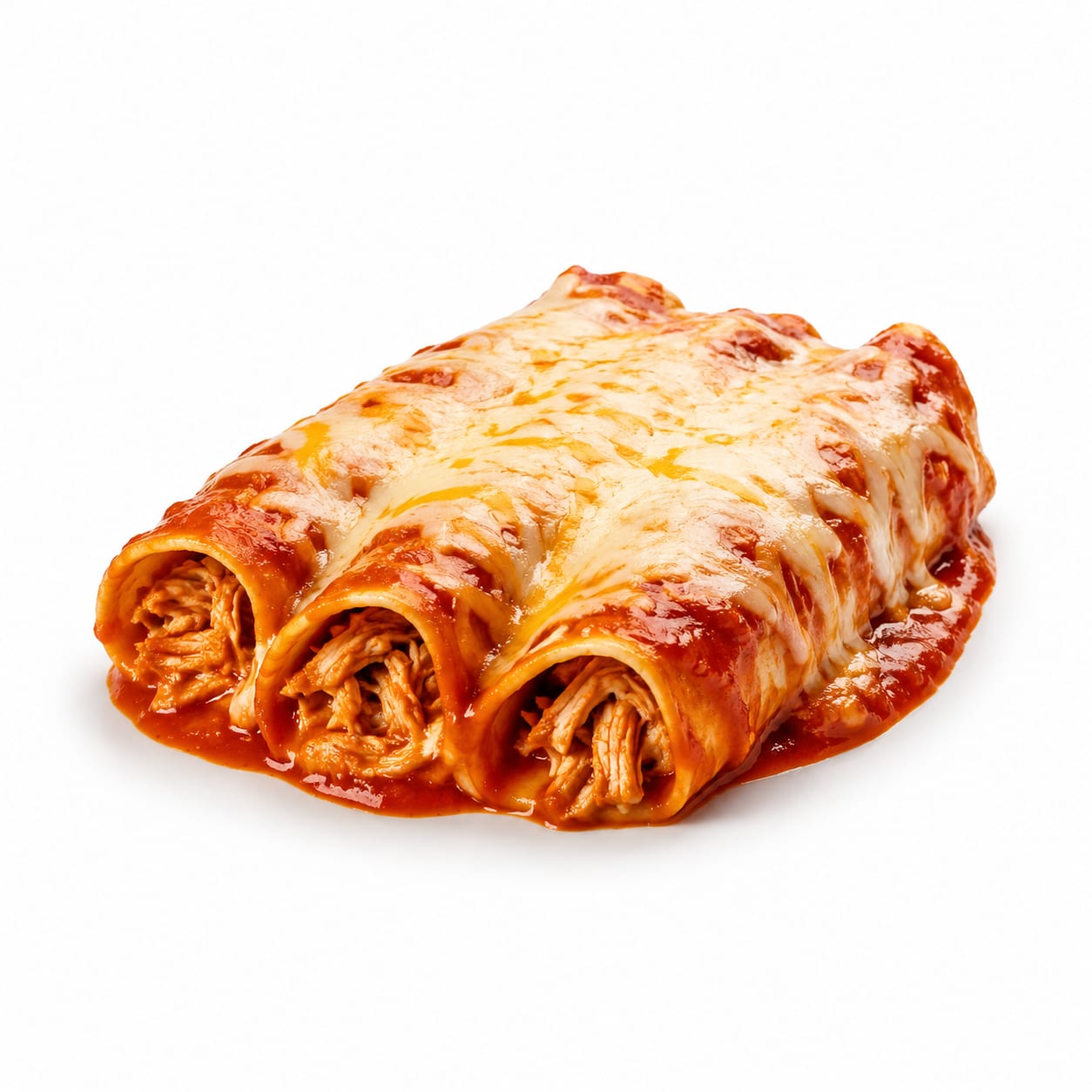
Prepared Meal / Mexican Dish
Enchilada
A rolled corn tortilla stuffed with meat, cheese, or beans and baked in sauce.
A traditional Mexican dish consisting of a corn tortilla rolled around a filling, typically meat, cheese, or beans, and covered with a savory chili pepper sauce.
high-fat moderate-protein mixed dish
Typical serving · 210g
Common varieties · cheese enchilada, beef enchilada, chicken enchilada, bean enchilada, enchiladas suizas
Overall context score across nutrition, safety, and diet fit
At a glance
Quick facts
Simple indicators based on nutrition, processing, and diet fit.
The story
What makes it unique
A mixed-macronutrient dish with variable digestion speed depending on fat content. Satiety is moderate due to protein and fat, but energy density is high. Commercial versions often contain refined carbohydrates, industrial seed oils, and high sodium, which can disrupt glycemic control.
Varieties: cheese enchilada · beef enchilada · chicken enchilada · bean enchilada · enchiladas suizas
Per 100g
Nutrition breakdown
Macro balance and key metrics at a glance.
Energy
Density 2.10 kcal/g
Protein
Carbs
Fat
Fiber
Sugar
2 g
Sodium
450 mg
Potassium
180 mg
Glycemic index
65
Glycemic load
13
Water content
55%
Standout compounds
Nutrient highlights
Protein
moderateSupports muscle repair and satiety
Calcium
moderateEssential for bone health from cheese fillings
Sodium
highElectrolyte balance, but often excessive in this dish
Saturated Fat
highEnergy dense, but can negatively impact heart health
Iron
moderateOxygen transport, especially from beef fillings
Wellness map
Health scores & processing
NOVA processing scale
Ultra-processed (commercial/restaurant) or Processed (homemade) · Ultra-processed
Restaurant and frozen enchiladas typically use industrial tortillas, sauces with additives, and processed cheeses. Homemade versions with whole ingredients fall into Nova 3.
Diet compatibility
- Weight loss
- Muscle gain
- Diabetes
- Gut health
- Low carb
- High protein
- Heart health
Relative standing
Food rankings
Qualitative ranks compared to similar whole foods.
- Satietymoderate
- Blood sugarpoor
- Nutrient densitymoderate
- Fitness fuelmoderate
- Processing qualitypoor
Eat with confidence
Food safety profile
Safe when cooked thoroughly. Primary risks come from undercooked meat fillings or improper dairy storage in commercial settings.
Evidence confidence 85%
- Pesticideslow
- Antibioticsmoderate
- Heavy metalslow
- Contaminationmoderate
Watch for
- salmonella
- listeria
- e. coli
Safer choices
Homemade with fresh ingredients, pasteurized cheese, and organic or antibiotic-free meat
Prep tips
Ensure internal temperature reaches 165F (74C) for meat fillings and store leftovers promptly
High sodium levels and industrial preservatives in frozen preparations
Deep dive
Health analysis
How this food may fit different goals and preparation choices.
Weight loss
High energy density and fat content make portion control difficult for weight loss.
Blood sugar
Corn tortillas and sweetened sauces can spike blood sugar, compounded by high fat delaying the drop.
Fitness & energy
Provides a mix of carbs and protein suitable for post-workout recovery, but high fat slows digestion.
Gut health
Low fiber content and high fat can slow gastric emptying and disrupt microbiome balance if consumed frequently.
Processing quality
Restaurant and frozen varieties are ultra-processed with industrial seed oils, refined flours, and excess sodium.
Food safety
Ensure meat is cooked to safe temperatures and cheese is pasteurized to avoid bacterial contamination.
Common mistakes
Assuming all enchiladas are equal; restaurant versions can pack over 1000 calories and 2000mg sodium per plate.
Best preparation
Baking instead of frying tortillas, using lean chicken or black beans, and making sauce from fresh chiles and tomatoes.
Practical guide
Best use cases
When and how this food fits real eating patterns.
Post-workout meal
Provides a solid mix of carbohydrates and protein for muscle recovery if fat content is moderated.
High-calorie bulking
Useful for individuals needing a caloric surplus with palatable, energy-dense food.
Occasional comfort food
Satisfies cravings for savory, spicy Mexican cuisine when enjoyed in moderation.
Balance sheet
Pros & cons
Upsides
- Good source of protein if filled with chicken or beef
- Provides calcium from cheese fillings
- Can be modified easily for healthier macros at home
- Contains iron from meat fillings
- Satisfying and filling due to fat and protein content
Trade-offs
- Very high in sodium from cheese and sauce
- High in saturated fat from cheese and fried tortillas
- Corn tortillas can spike blood sugar
- Restaurant portions are massive and calorie-dense
- Tortillas are often deep-fried before rolling, adding empty calories
Fit check
Who is it for?
Great match
- calorie surplus bulking
- post-workout carb reloading
- occasional comfort food cravings
Consider alternatives
- strict low-carb diets
- sodium-sensitive hypertension
- weight loss diets
- blood sugar management
Side by side
How it compares
Open the full head-to-head analysis for nutrition, safety, and practical tradeoffs.
This food
Enchilada
VS90% alike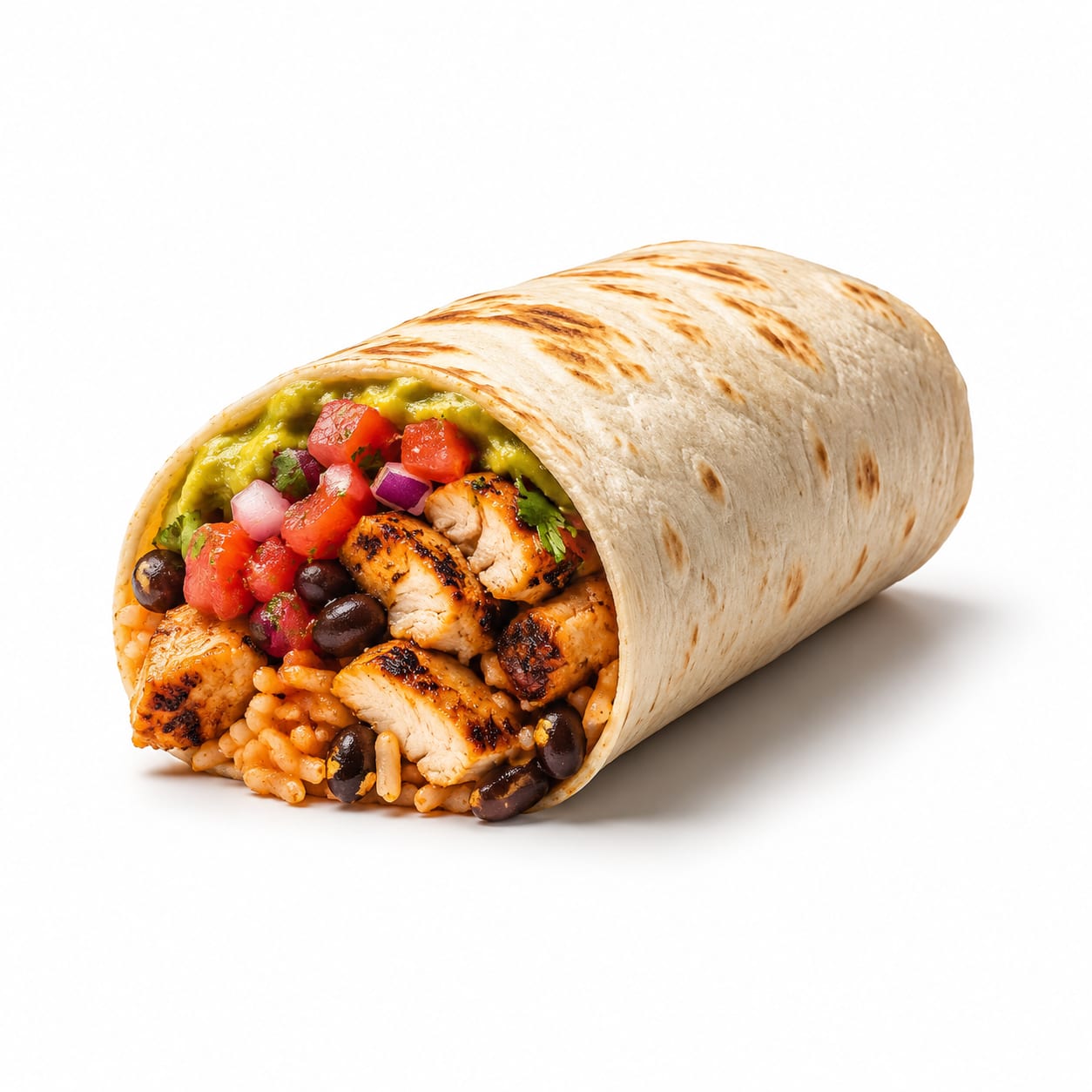
Compare with
Burrito
Burritos use flour tortillas and often contain rice, while enchiladas use corn tortillas and sauce.
Enchiladas use corn tortillas and sauce making them lower in calories than rice-stuffed flour burritos, but burritos provide more protein and satiety.
This food
Enchilada
VS85% alike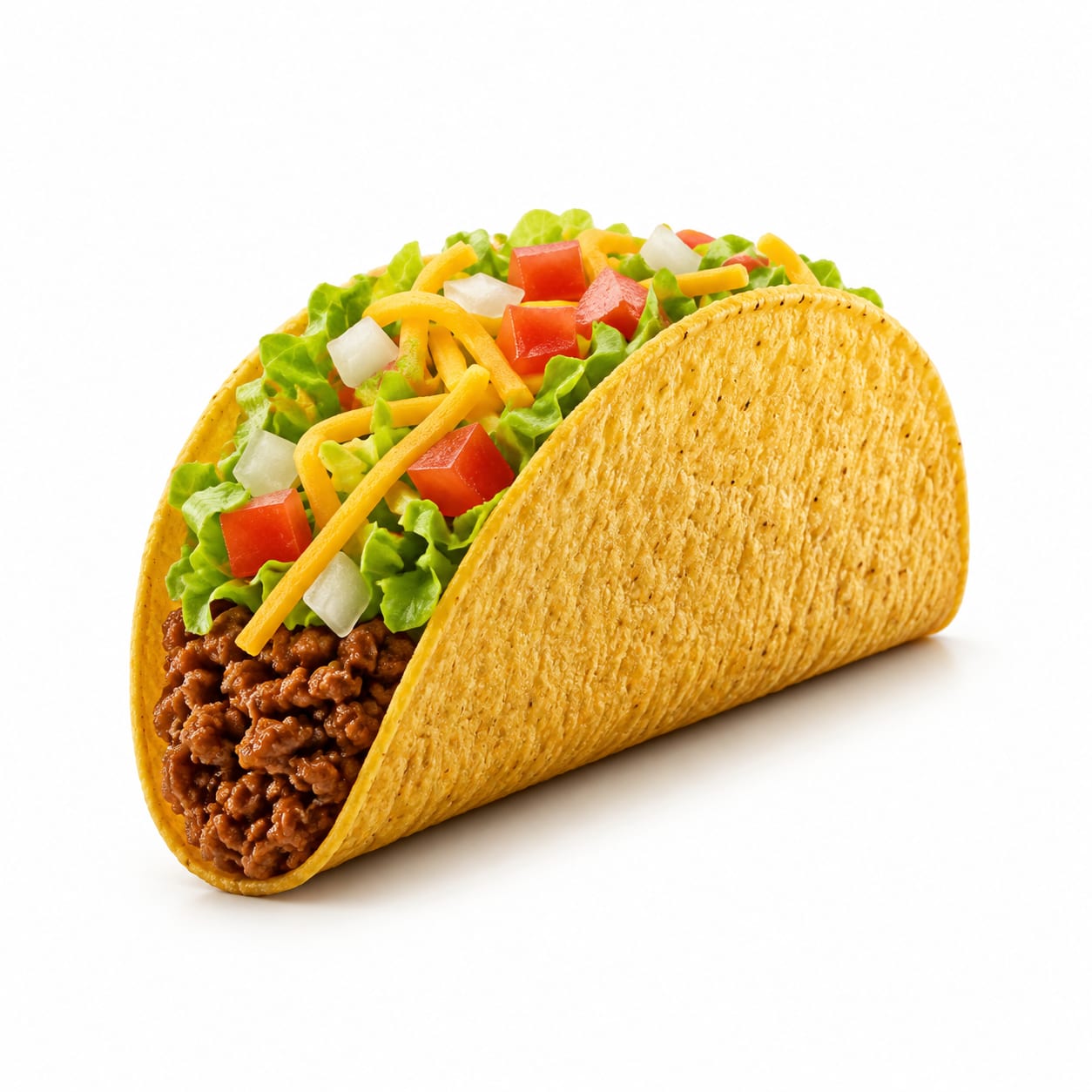
Compare with
Taco
Tacos are open-faced and usually use less cheese and sauce than enchiladas.
Tacos are generally lower in calories and fat than enchiladas because they lack the heavy sauce and cheese blanket, making them better for weight loss.
This food
Enchilada
VS95% alike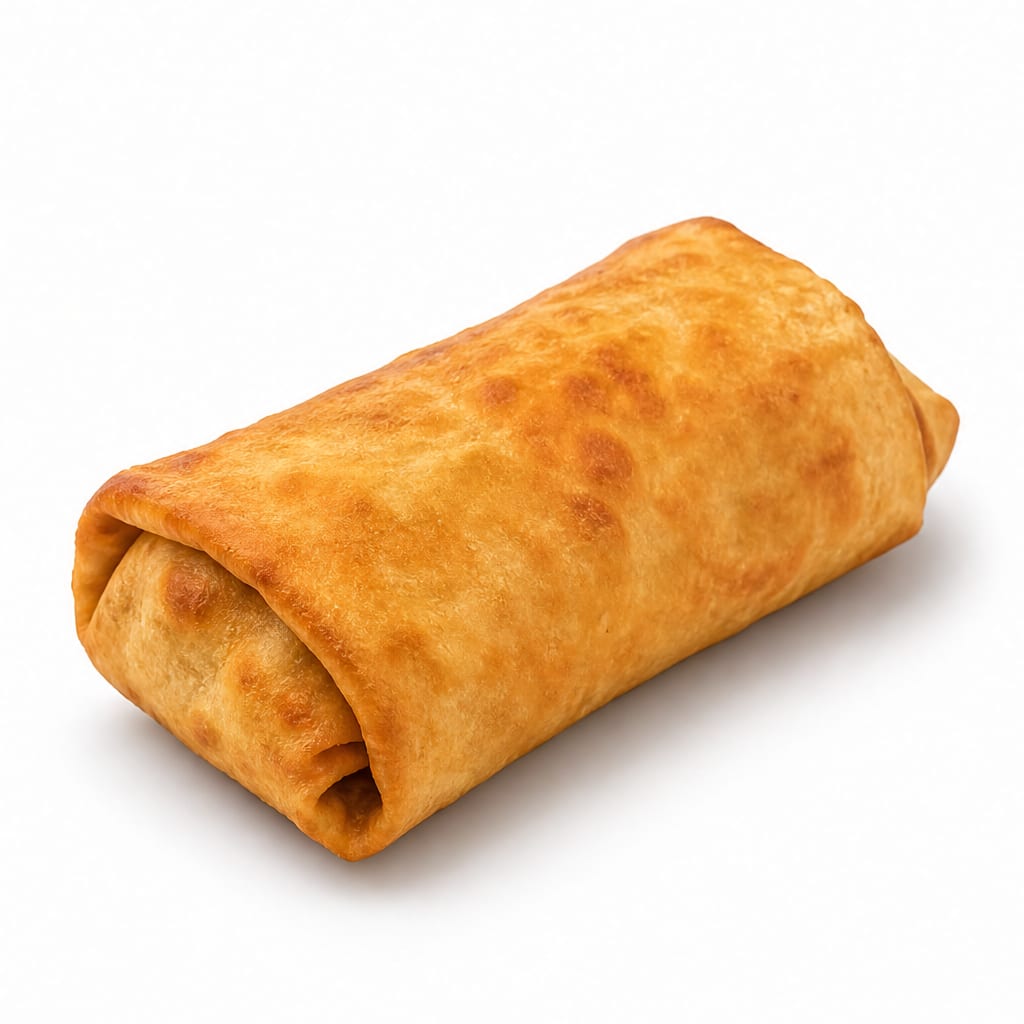
Compare with
Chimichanga
Chimichangas are deep-fried, drastically increasing fat and calorie content compared to baked enchiladas.
Enchiladas are baked rather than deep-fried like chimichangas, making them significantly lower in unhealthy fats and calories.
This food
Enchilada
VS88% alike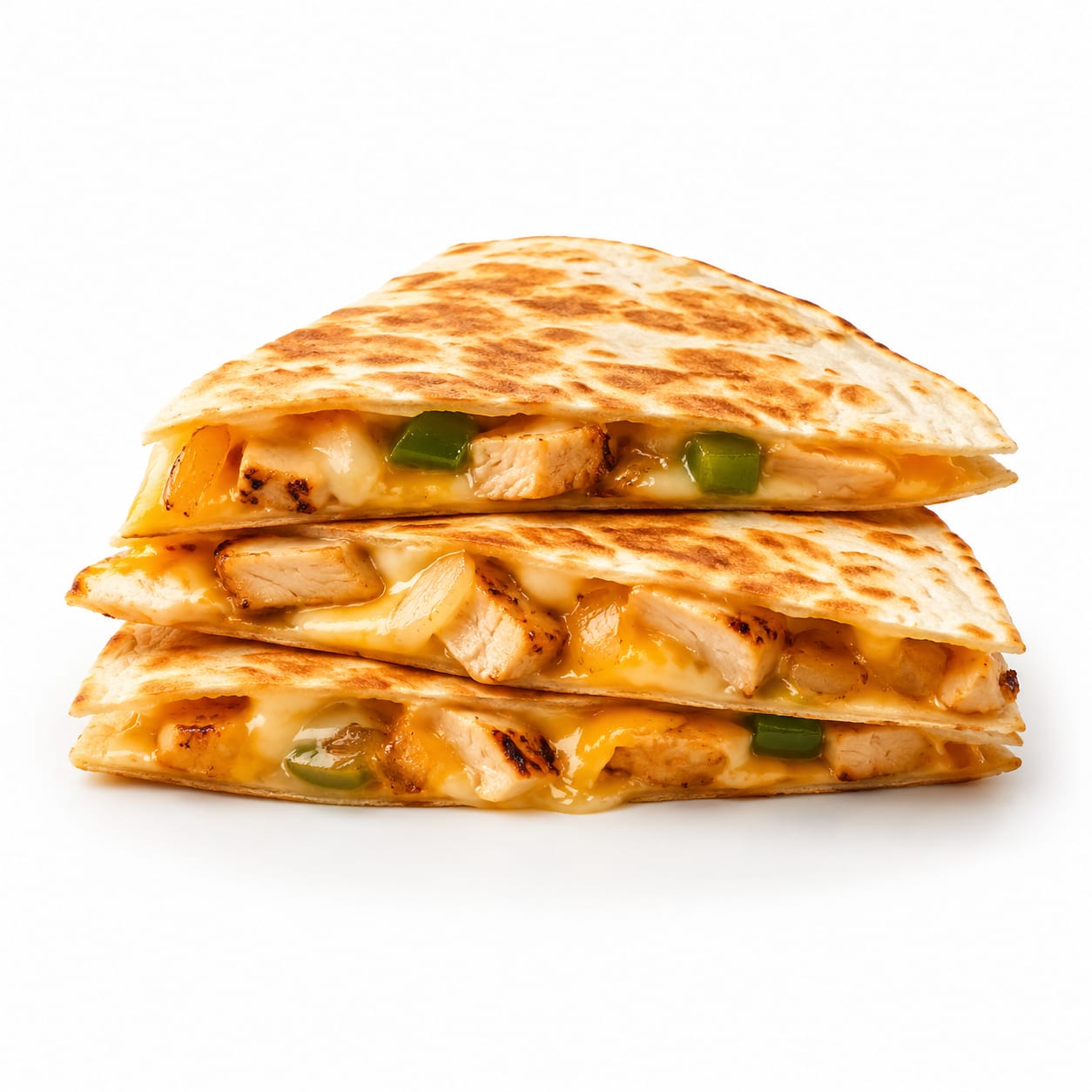
Compare with
Quesadilla
Quesadillas are flat folded tortillas focused mainly on cheese, while enchiladas have sauce and more protein.
Enchiladas offer more protein from meat and beans compared to cheese-heavy quesadillas, providing better nutritional balance.
This food
Enchilada
VS82% alike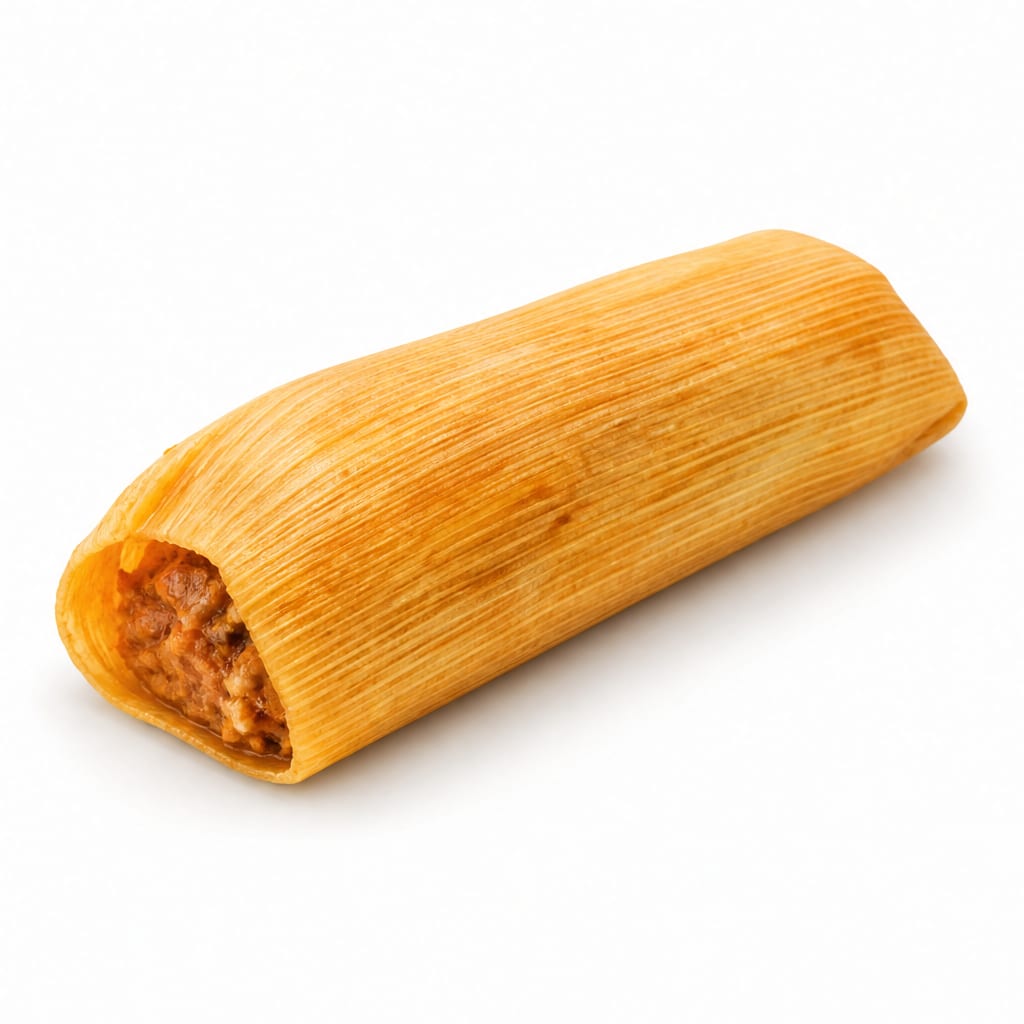
Compare with
Tamale
Tamales use steamed corn dough rather than a rolled tortilla, often containing more carbs from the masa.
Tamales are steamed and usually lower in fat than cheese-smothered enchiladas, but enchiladas provide more protein for fitness goals.
This food
Enchilada
VS75% alike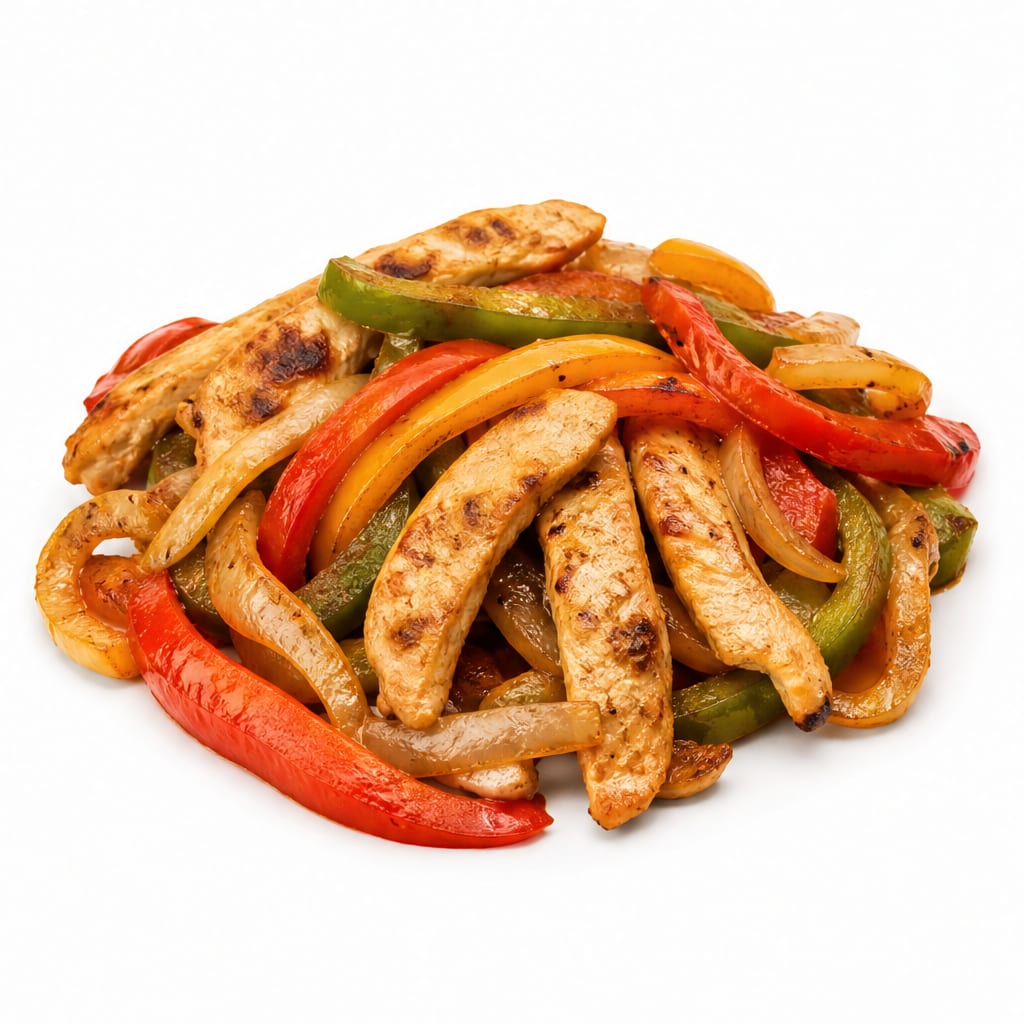
Compare with
Chicken Fajitas
Fajitas are grilled meat and peppers served separately, avoiding the heavy sauce, cheese, and tortilla saturation of enchiladas.
Chicken fajitas are much lower in calories and fat than enchiladas because they skip the heavy cheese sauce and use grilled ingredients.
This food
Enchilada
VS80% alike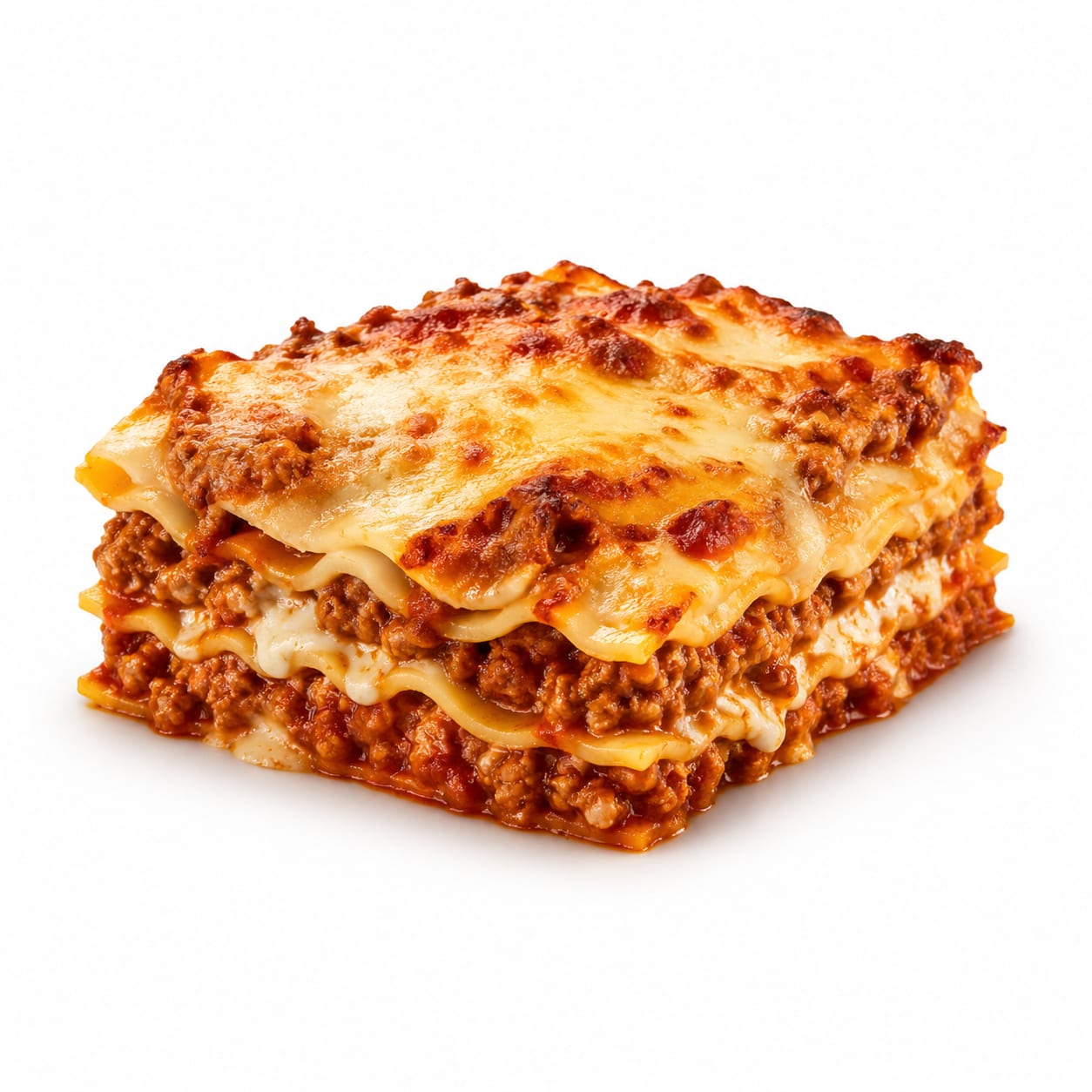
Compare with
Lasagna
Lasagna uses pasta and ricotta, while enchiladas use corn tortillas and cheddar/monterey jack.
Enchiladas and lasagna are similar baked comfort foods, but enchiladas generally have fewer calories and carbs than heavy pasta-based lasagna.
This food
Enchilada
VS78% alike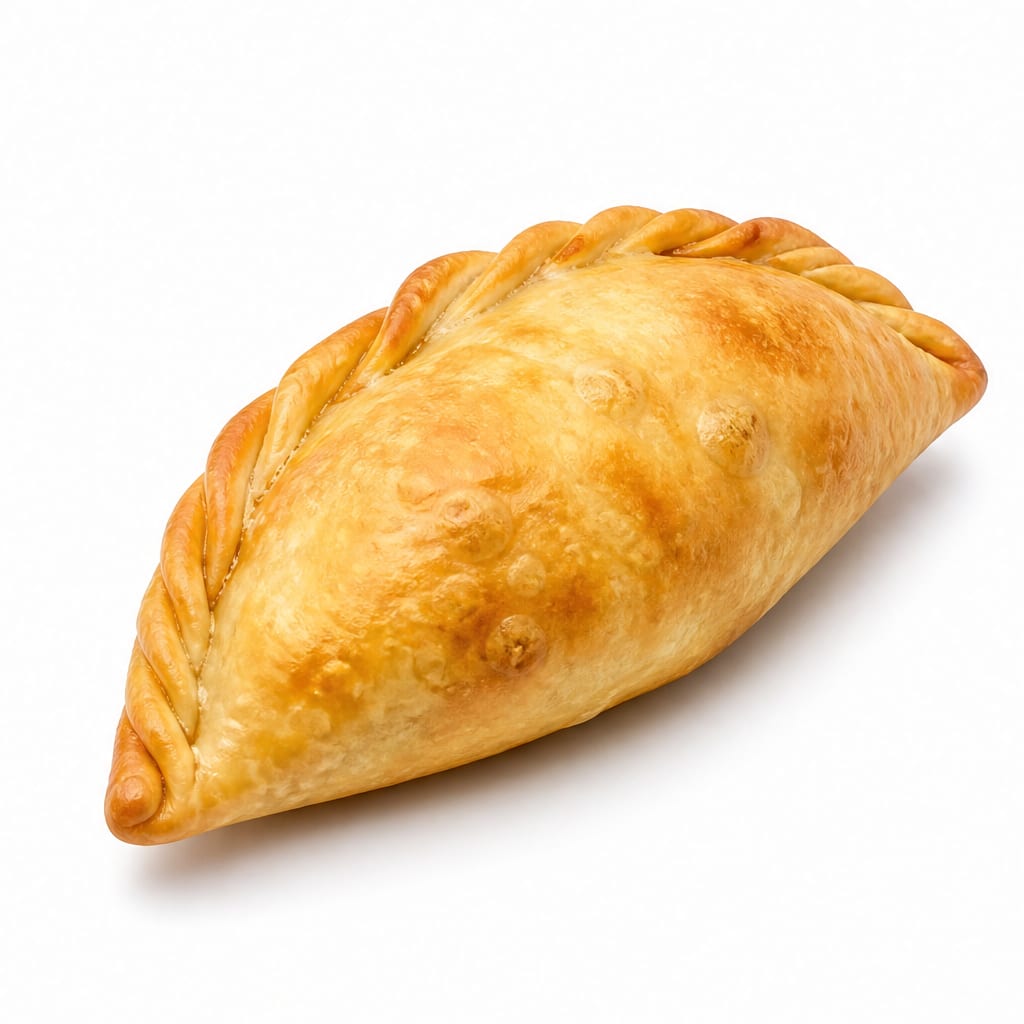
Compare with
Empanada
Empanadas are fried or baked pastry turnovers, often higher in fat from the dough than enchiladas.
Enchiladas are typically baked and use thinner corn tortillas, making them less calorie-dense than fried pastry empanadas.
This food
Enchilada
VS85% alike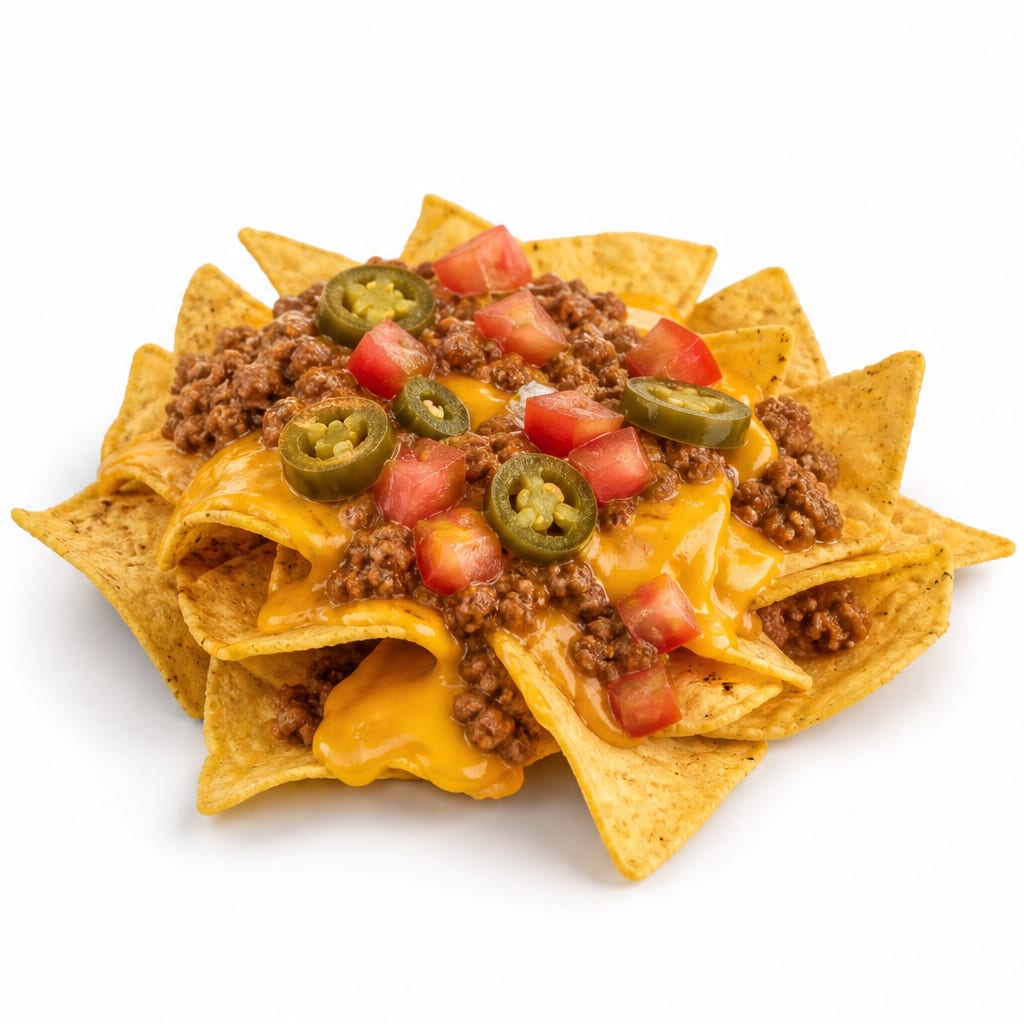
Compare with
Nachos
Nachos use fried tortilla chips, making them higher in fat and lower in satiety than rolled enchiladas.
Enchiladas offer more protein and satiety than nachos, which are fried chips covered in cheese and lack structural portion control.
This food
Enchilada
VS70% alike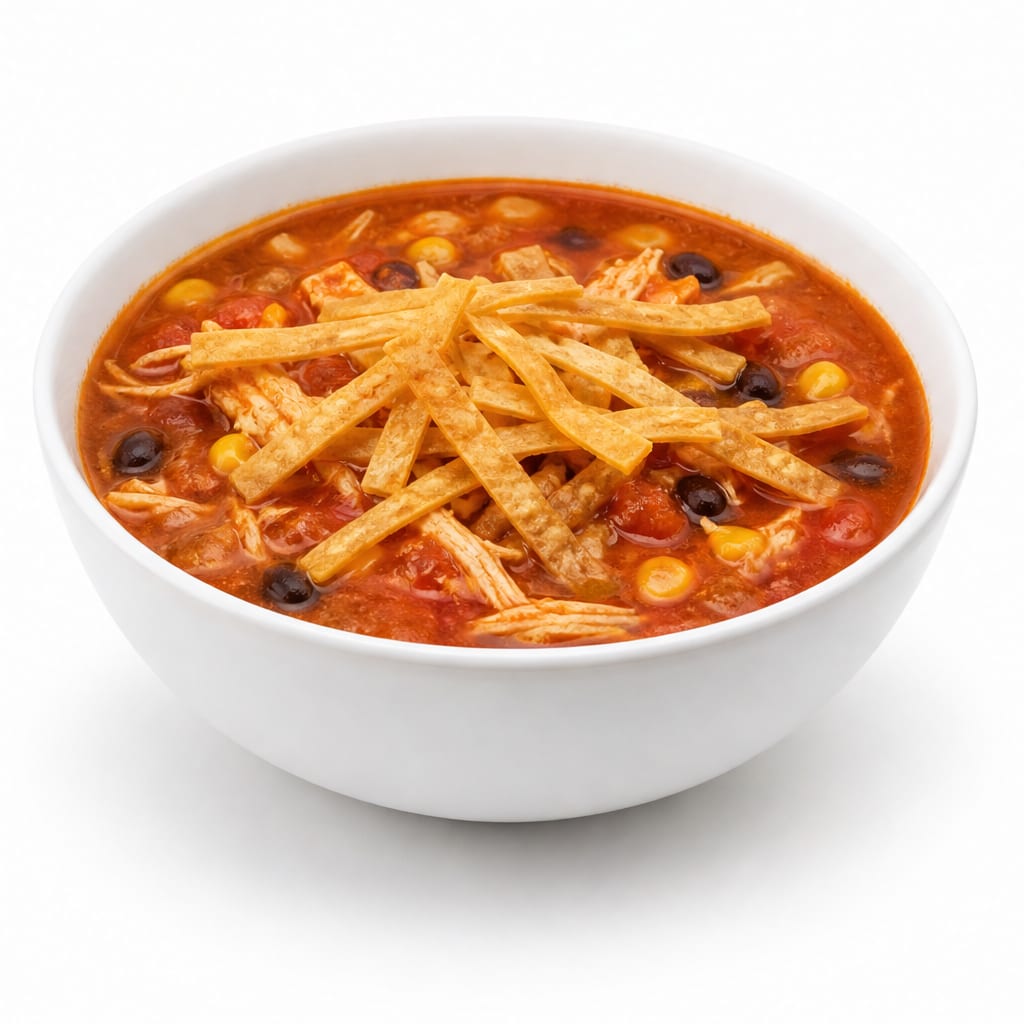
Compare with
Chicken Tortilla Soup
Soup is water-based and much lower in energy density compared to the dense, cheese-laden enchilada.
Chicken tortilla soup provides the same flavors with far fewer calories and less fat than enchiladas, making it much better for weight loss.
Common questions
FAQ
Answers aligned with how people search for this food.
Are enchiladas healthy?
It depends on preparation. Homemade enchiladas with lean protein and light cheese can be balanced, but restaurant versions are typically high in calories, saturated fat, and sodium.
Can diabetics eat enchiladas?
Portion control is vital. The corn tortillas and sauce carbohydrates can spike blood sugar, and the high fat content delays the glycemic response, making blood sugar management unpredictable.
How many calories are in a cheese enchilada?
A standard restaurant cheese enchilada contains roughly 300 to 400 calories, largely from saturated fat and refined carbohydrates.
Are enchiladas good for weight loss?
Usually no. Their high energy density and fat content make it easy to overconsume calories, though modified homemade versions can fit into a weight loss plan.
What is the healthiest enchilada?
Chicken or black bean enchiladas made with baked corn tortillas, homemade tomato-based sauce, and a moderate amount of cheese are the healthiest options.
Are enchiladas high in sodium?
Yes, especially restaurant and frozen versions which often exceed 1000mg of sodium per serving due to cheese, sauce, and seasoned meat.
Are enchiladas keto?
No, traditional enchiladas use corn tortillas which are too high in carbohydrates for a ketogenic diet. Keto versions use cheese or low-carb tortilla alternatives.
How to make enchiladas healthier?
Use baked instead of fried tortillas, fill with lean chicken or black beans, increase vegetable content, use low-sodium sauce, and go light on the cheese.
Transparency
Data confidence
Estimated confidence for nutrition data, interpretation, safety notes, and comparisons.
Nutrition data
Health analysis
Food safety
Comparisons