
Nutrition comparison
Enchiladas vs Nachos: Which Is Healthier and Why It Matters
Compare enchiladas and nachos on calories, sodium, portion control, and nutrition. Find out which Mexican comfort food is better for weight loss, blood sugar, and everyday eating.
Overall winner · Enchilada
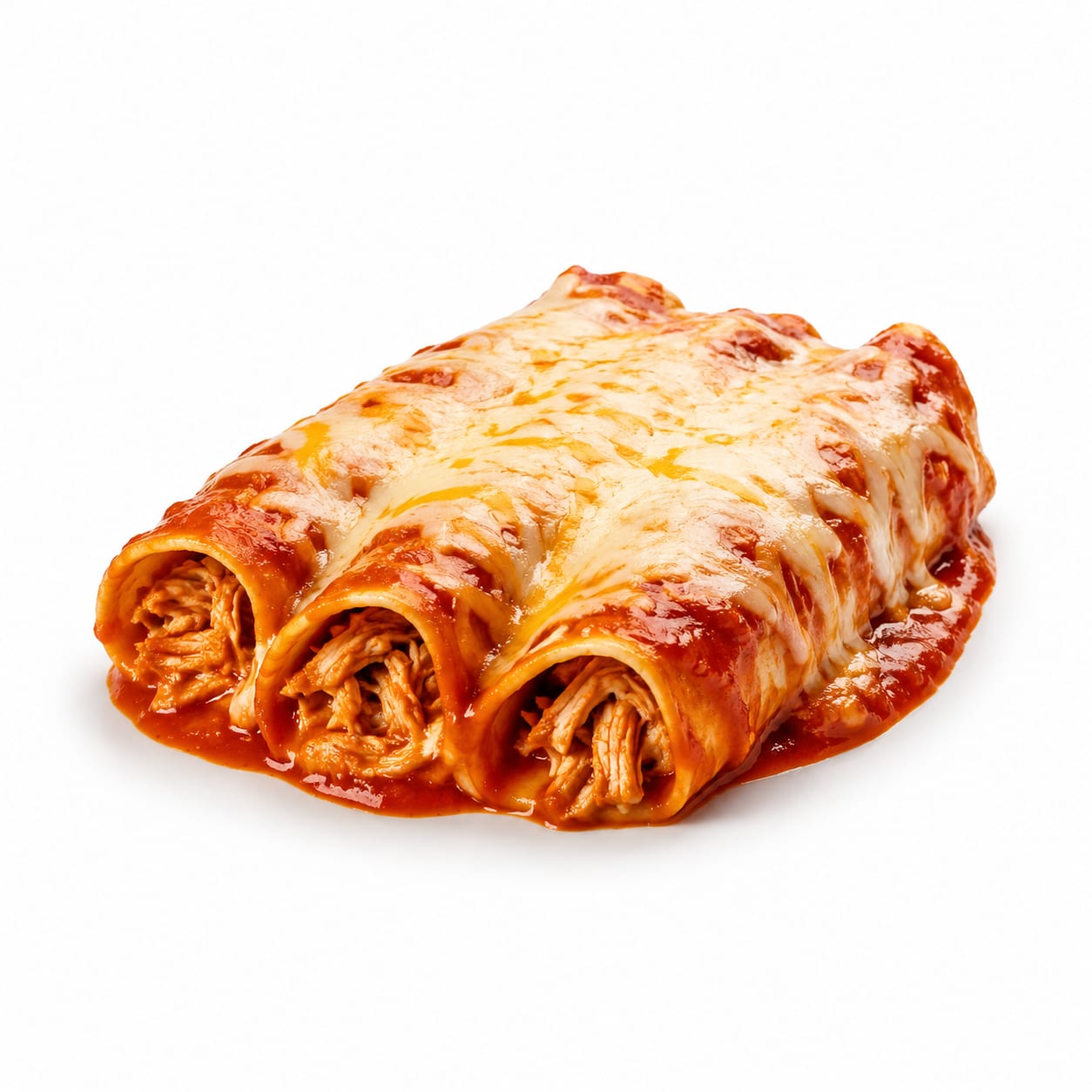
Enchilada
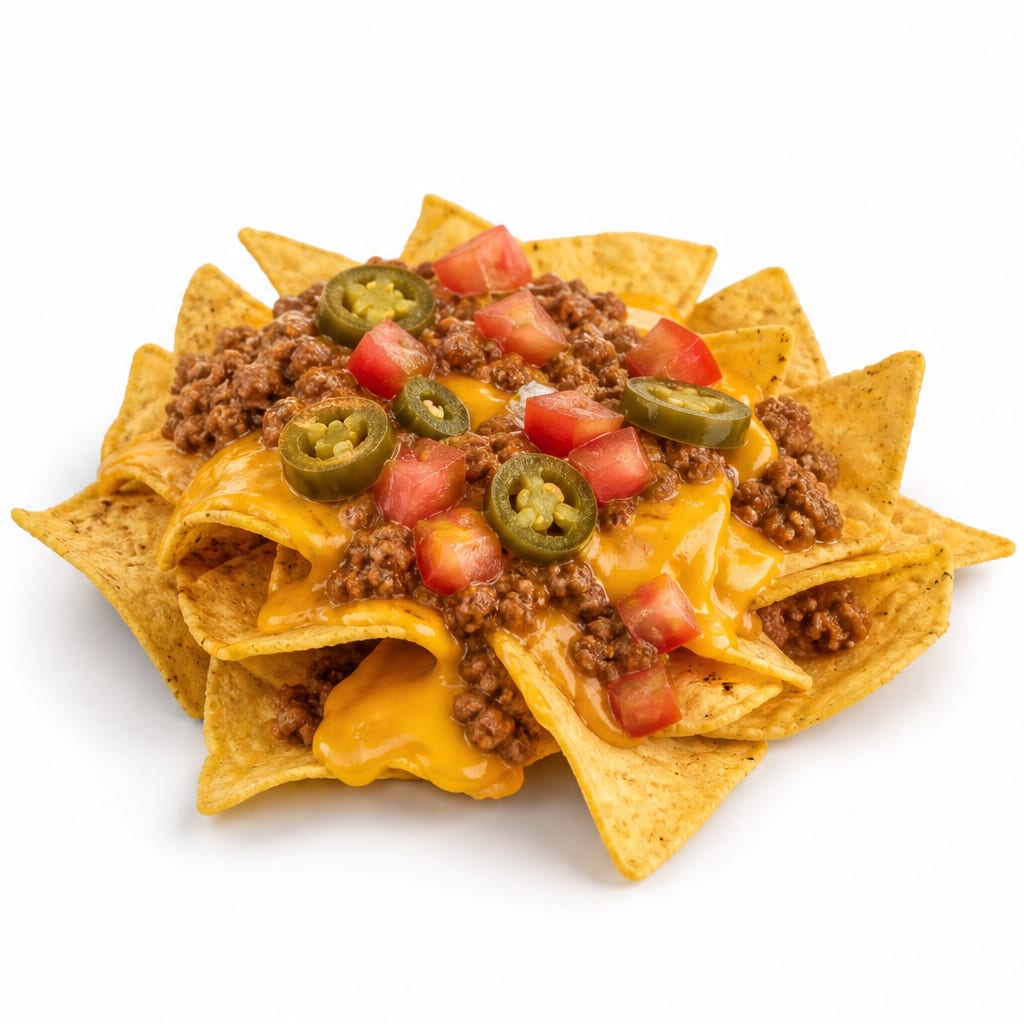
Nachos
Enchiladas win because they behave like a real meal with built-in portion control, while nachos are a calorie avalanche disguised as a snack.
Enchiladas score moderately well because they function as a complete meal with protein, fiber, and manageable portions. Nachos score low due to extreme calorie density, near-impossible portion control, and a fat-to-nutrient ratio that rarely serves anyone well.
Nachos are more fun and shareable, but enchiladas deliver more nutrition per calorie and far less overeating risk.
At a glance
Executive summary
Overall
Enchilada
Healthier
Enchilada
More practical
Enchilada
Daily use
Enchilada
Key comparison lenses
Which is less likely to cause overeating and regret?
Both are comfort foods with high calorie density, but portion control differs dramatically between a structured enchilada plate and an open nacho platter
Which works better as an actual meal vs a snack?
Enchiladas are meal-shaped while nachos blur the line between snack and meal, leading to very different eating patterns
Which is easier on blood sugar and energy levels?
Both combine carbs, fat, and protein but the ratios and fiber content affect how steady your energy stays
Which has less sodium and inflammatory potential?
Mexican restaurant fare is notoriously sodium-heavy, but the delivery method matters
Which fits better into a realistic weekly eating pattern?
Sustainability matters more than perfection, and one of these is far easier to moderate
Best choice for
Enchilada
- People trying to eat a satisfying meal without going overboard
- Anyone watching calorie intake who still wants comfort food
- Those who need steady energy rather than a quick spike and crash
- People managing blood sugar who want carbs with real protein and fiber
Nachos
- Social settings where sharing food is the point
- Game day or casual gatherings where grazing is the vibe
- People who genuinely stop after a small portion
- Those wanting a quick appetizer before a lighter main course
Least suitable for
Enchilada
- People avoiding dairy if cheese-heavy preparations are used
- Anyone who needs a quick finger food for a party
- Those sensitive to spicy sauces
Nachos
- Anyone prone to mindless eating or emotional snacking
- People managing hypertension due to extreme sodium loads
- Those trying to lose weight or control portions
- Anyone eating alone who is likely to finish the whole platter
Deep comparison
Dimension by dimension
Each lens scores both foods and breaks down who each option suits.
- Dimension 1 · Priority 95Enchilada
Satiety and Portion Control
Enchilada · 74Nachos · 28Enchiladas come in defined portions that signal when to stop. Nachos have no natural stopping point.
Tradeoff
A two-enchilada plate feels like a complete meal. A nacho platter keeps calling your name until it is gone.
Why it matters
Portion structure is the single biggest predictor of how many calories you actually consume. Food shape dictates eating behavior more than willpower.
Real-world impact
Most people finish whatever nacho portion is in front of them, often consuming 800-1200 calories without feeling full. Two enchiladas typically land around 500-700 calories and feel satisfying.
Enchilada
- Weight management
- Mindful eating
- Predictable calorie intake
Better for
- Situations requiring finger food
Worse for
Nachos
- Sharing with a group
- Grazing over time
Better for
- Solo eating
- Late-night snacking
- Anyone who struggles with stopping
Worse for
- Dimension 2 · Priority 88Enchilada
Nutritional Completeness
Enchilada · 72Nachos · 38Enchiladas typically contain protein, fiber, and vegetables in a balanced package. Nachos are mostly fat and refined carbs with token toppings.
Tradeoff
Enchiladas can actually nourish you. Nachos mostly just provide calories with minimal nutritional payoff.
Why it matters
Eating food that satisfies nutritional needs reduces cravings later. Empty calories leave you hungry again within hours.
Real-world impact
After enchiladas, you are likely done eating for hours. After nachos, you may find yourself scavenging the kitchen an hour later despite having consumed more calories.
Enchilada
- Balanced macronutrients
- Fiber from beans and tortillas
- Protein from meat or beans
- Vitamins from sauce and fillings
Better for
- Can be heavy if smothered in cheese and sour cream
Worse for
Nachos
- Quick energy if you genuinely need fast calories
Better for
- Protein-poor unless loaded with meat
- Minimal fiber
- Nutrient-sparse calories
Worse for
- Dimension 3 · Priority 90Enchilada
Calorie Density and Weight Impact
Enchilada · 58Nachos · 22Nachos pack more calories per bite than almost any other common food. Enchiladas are calorie-dense but more reasonable.
Tradeoff
Fried chips absorb enormous amounts of oil, and melted cheese coats every surface. Enchiladas use sauce instead of frying as the primary flavor vehicle.
Why it matters
Calorie density is the stealth factor behind weight gain. You eat far more calories before feeling full with energy-dense foods.
Real-world impact
A restaurant nacho platter can easily hit 1500+ calories. Even a generous enchilada plate rarely exceeds 900 calories.
Enchilada
- Lower calories per serving
- Less oil absorption
- Sauce-based rather than fat-based flavor
Better for
- Still a calorie-dense comfort food, not a light option
Worse for
Nachos
- Nothing meaningful for weight management
Better for
- Extreme calorie density
- Very easy to overconsume
- Fat-heavy macronutrient profile
Worse for
- Dimension 4 · Priority 78Enchilada
Sodium Load
Enchilada · 42Nachos · 28Both are sodium bombs at restaurants, but nachos layer cheese, chips, and seasoned meat into a salt trifecta.
Tradeoff
Neither is low-sodium, but nachos concentrate more salt into every bite. Enchiladas at least distribute sodium across sauce and filling.
Why it matters
High sodium meals cause bloating, thirst, and blood pressure spikes. The after-effects can last a full day.
Real-world impact
A nacho platter can deliver 2000-3000mg of sodium, which is your entire daily allowance in one sitting. Enchiladas typically land around 1200-1800mg, which is still high but more manageable.
Enchilada
- Slightly lower sodium overall
- Sauce can be moderated
- Homemade versions are easier to control
Better for
- Restaurant enchilada sauce is still very salty
Worse for
Nachos
- Nothing meaningful for sodium concerns
Better for
- Triple sodium hit from chips, cheese, and seasoned toppings
- Nearly impossible to modify at restaurants
Worse for
- Dimension 5 · Priority 76Enchilada
Blood Sugar Stability
Enchilada · 55Nachos · 35Enchiladas provide more protein and fiber to slow carb absorption. Nachos deliver fried carbs with minimal buffering.
Tradeoff
The corn tortilla in enchiladas has some fiber, and the protein-rich filling slows digestion. Nacho chips are refined corn that hits your bloodstream fast.
Why it matters
Rapid blood sugar spikes lead to energy crashes and increased hunger within 1-2 hours. Slower digestion means steadier energy and fewer cravings.
Real-world impact
After nachos, you may feel sluggish and hungry again within 90 minutes. Enchiladas are more likely to sustain you for 3-4 hours.
Enchilada
- Protein and fiber slow glucose absorption
- Bean-filled versions are especially stabilizing
- More balanced glycemic load
Better for
- Still a high-carb meal that requires insulin response
Worse for
Nachos
- Nothing meaningful for blood sugar
Better for
- Fried chips digest quickly
- Minimal fiber to slow absorption
- Fat delays but does not prevent the spike
Worse for
- Dimension 6 · Priority 72Enchilada
Processing and Ingredient Quality
Enchilada · 48Nachos · 30Enchiladas use whole tortillas and recognizable ingredients. Nachos rely on fried chips as their foundation, which adds processing and damaged fats.
Tradeoff
Corn tortillas are relatively minimally processed. Tortilla chips are deep-fried, often with preservatives, and coated in salt at the factory.
Why it matters
More processing means more inflammatory fats, fewer intact nutrients, and more additives your body does not need.
Real-world impact
Homemade enchiladas can be quite clean. Homemade nachos still require fried chips as the base, which are inherently more processed.
Enchilada
- Whole tortillas instead of fried chips
- Fresh sauce possible
- Recognizable whole ingredients
Better for
- Restaurant versions use pre-made sauce with additives
Worse for
Nachos
- Can include fresh toppings like avocado and jalapeños
Better for
- Fried chip base is inherently processed
- Cheese is often processed cheese sauce
- More preservatives in commercial chips
Worse for
Timeline
Health impact over time
Short-term
Hours to days
Enchilada
- Satisfying fullness that lasts several hours
- Possible bloating if portion is large or sauce is rich
- Moderate energy without a dramatic crash
- Thirst from sodium, especially with restaurant versions
Nachos
- Rapid calorie consumption before fullness registers
- Energy spike followed by sluggishness within 1-2 hours
- Significant bloating from salt and fat combination
- Intense thirst that may last hours
Long-term
Months to years
Enchilada
- Occasional enchiladas fit reasonably into a balanced diet
- Can be modified at home to reduce sodium and increase vegetables
- Regular restaurant consumption still contributes to sodium-related health risks
- More sustainable as an occasional comfort meal
Nachos
- Regular nacho consumption strongly correlates with weight gain
- Habitual high-sodium intake increases hypertension risk
- Frequent fried food consumption raises inflammatory markers
- Reinforces mindless eating patterns that spill into other food choices
Risk profile
Safety & processing
Enchiladas are processed but recognizable as food with whole components. Nachos build on an ultra-processed fried chip base and often stack processed cheese sauce and artificial seasonings on top. The difference in processing is structural, not just incidental.
Enchilada
Dairy-related foodborne illness
mediumCheese and sour cream can harbor Listeria if not kept at proper temperature, especially at buffets or slow-service restaurants
Cross-contamination from meat filling
mediumUndercooked chicken or beef filling is a common source of foodborne illness in Mexican restaurants
Nachos
Dairy contamination from cheese
highCheese sitting on nachos at room temperature, especially at parties or bars, is a significant Listeria and Staphylococcus risk
Acrylamide exposure from fried chips
mediumDeep-fried corn chips contain acrylamide, a probable carcinogen formed during high-heat frying of starchy foods
Shared serving and double-dipping
highNachos are often eaten communally, increasing transmission risk for colds, flu, and gastrointestinal illness
Who wins for whom
Audience fit
Same foods, different winners depending on your goal.
children
It dependsKids often prefer nachos for the fun factor, but enchiladas provide better nutrition. For picky eaters, nachos may get calories in. For developing healthy habits, enchiladas are the better model.
daily consumption
It dependsNeither should be eaten daily, but if forced to choose, a light bean enchilada is closer to a sustainable regular meal than nachos could ever be.
diabetes
EnchiladaProtein and fiber in enchiladas slow carb absorption more effectively. Nachos deliver a faster glycemic hit with less nutritional buffering.
elderly
EnchiladaEnchiladas are easier to chew, provide more balanced nutrition, and have a softer texture. Nachos can be hard on dental work and deliver too much sodium for cardiovascular health.
muscle gain
EnchiladaEnchiladas with meat or bean filling provide more usable protein per calorie. Nachos deliver mostly fat and carbs with minimal protein payoff.
weight loss
EnchiladaBuilt-in portion control and higher protein make enchiladas far easier to fit into a calorie deficit. Nachos practically guarantee overconsumption.
Your move
Decision guide
Choose Enchilada
- You want a satisfying meal that will keep you full for hours
- You are watching your weight but still want comfort food
- You are eating alone and need portion structure
- You want protein and fiber alongside your carbs
- You care about steady energy without a crash
Choose Nachos
- You are sharing with a group and everyone will eat a small portion
- You genuinely only want a few bites as an appetizer
- Social enjoyment matters more than nutrition for this occasion
- You are at a sports event and grazing is the whole point
Either works if
- It is an occasional treat and you will not make it a habit
- You can control your portions regardless of the food
- You are ordering from a restaurant that uses quality ingredients
Avoid both if
- You have severe sodium restrictions
- You are in an active weight loss phase and need lower-calorie options
- You have dairy intolerance and cannot modify the order
- You are managing GERD or acid reflux, as both are trigger foods
Final recommendation
Choose enchiladas when you want a real meal that respects your body while still tasting like comfort. Save nachos for genuine social occasions where sharing prevents overconsumption. If you are eating alone, nachos are almost never worth the calorie and sodium cost.
Practical
Consumer tips
- 1
Order enchiladas with bean filling instead of cheese for more fiber and less saturated fat
- 2
Ask for sauce on the side to cut sodium by 30-40%
- 3
If you order nachos, immediately portion out a small amount and have the rest taken away
- 4
Choose grilled chicken nachos over cheese-only to add protein value
- 5
Make enchiladas at home with corn tortillas, beans, and homemade salsa for a dramatically healthier version
- 6
Restaurant nachos for one person typically contain 2-3 servings worth of food, so plan accordingly
- 7
Ask for light cheese on either dish to significantly reduce calories and sodium
- 8
Red enchilada sauce is usually lower in calories than white or cream-based sauces