
Nutrition comparison
Quesadilla vs Enchilada: Which Is Healthier? Nutrition & Calorie Comparison
Compare quesadilla vs enchilada on calories, sodium, protein, and health impact. Find out which Mexican dish is better for weight loss, diabetes, and daily eating.
Overall winner · Quesadilla
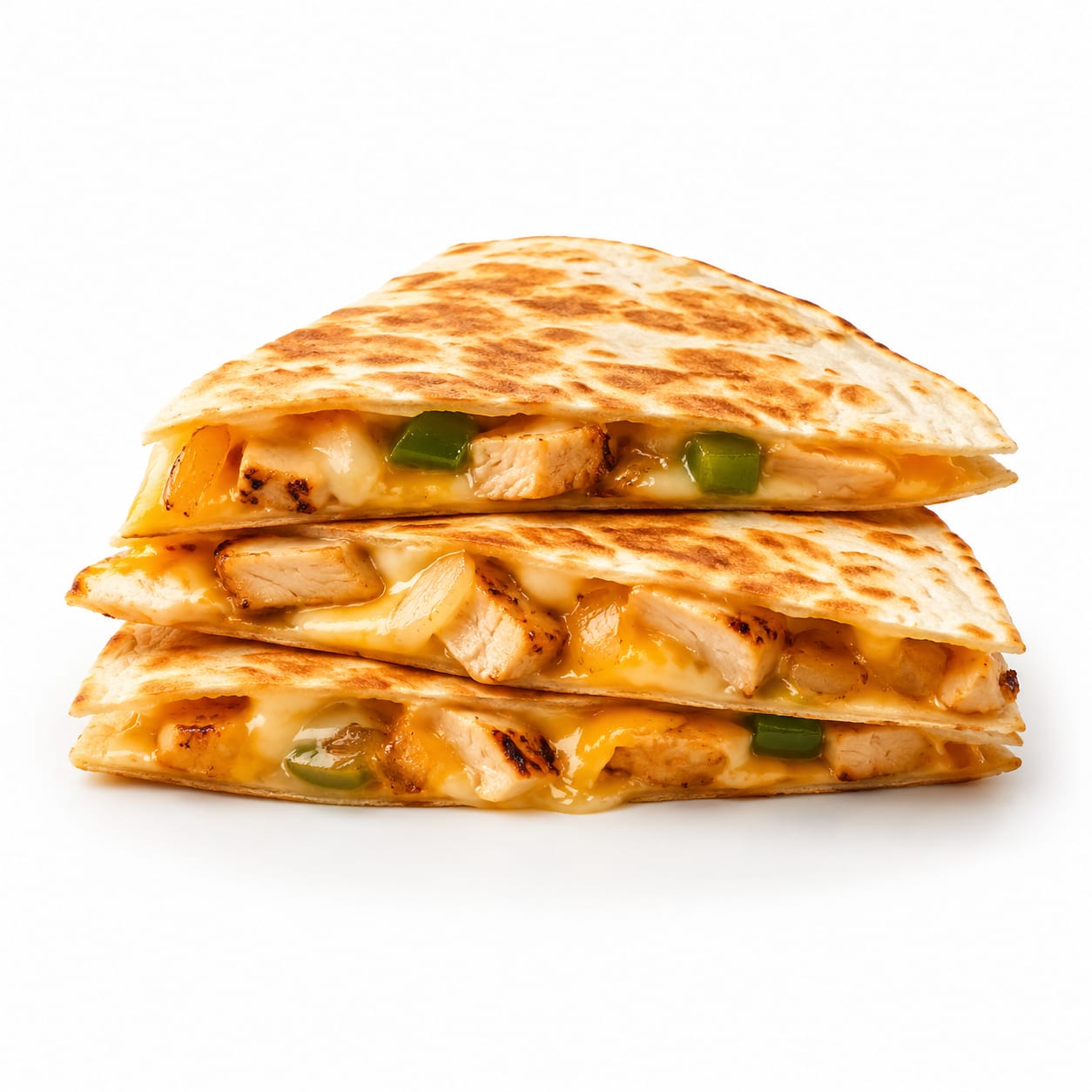
Quesadilla
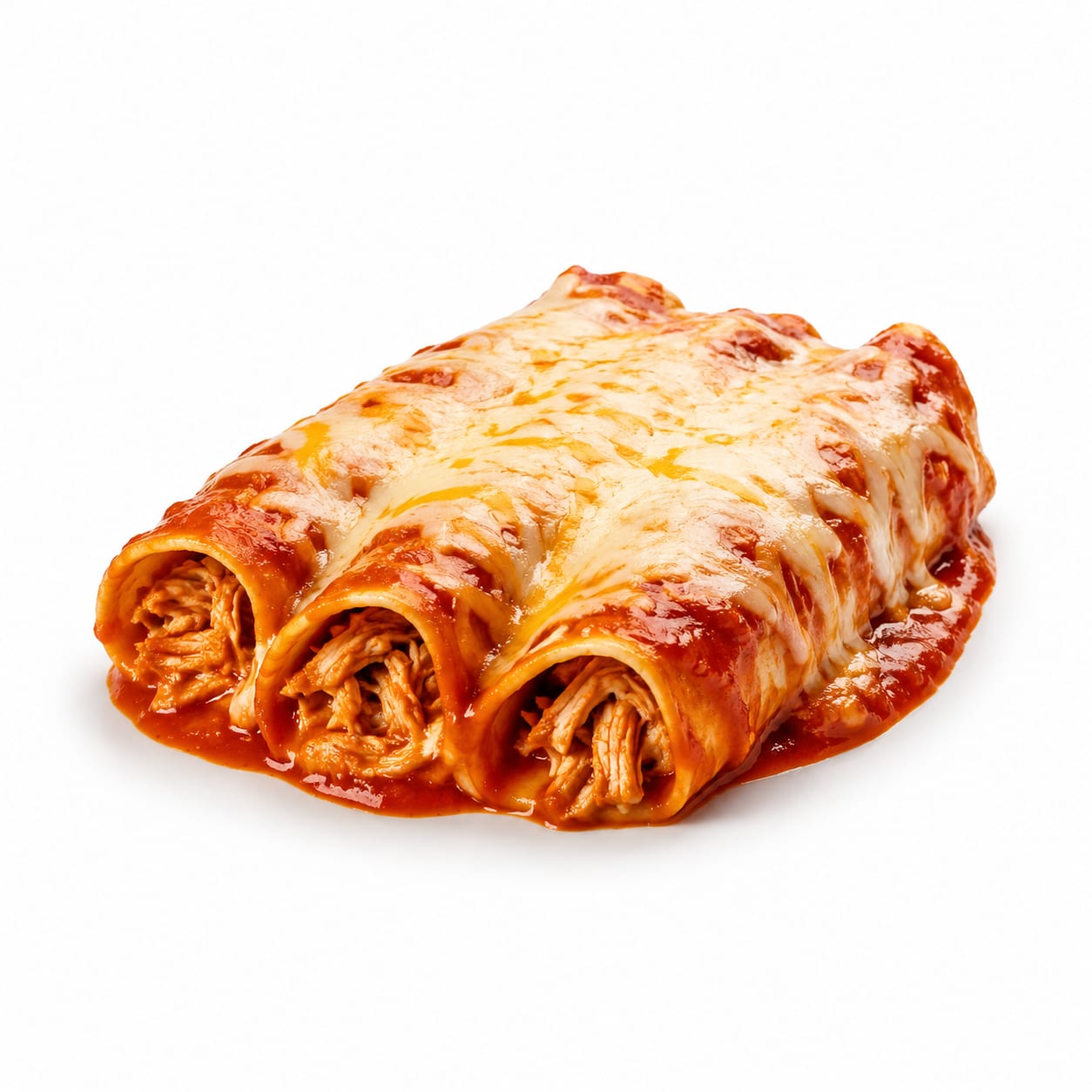
Enchilada
Quesadillas win for lighter, more controllable eating. Enchiladas deliver a richer, saucier meal but at a higher calorie and sodium cost.
Quesadillas score higher due to easier portion control, lower sodium, and more customization flexibility. Enchiladas lose ground on hidden sauce calories and sodium but offer more protein and satiety when that's the priority.
Quesadillas give you simplicity and portion control. Enchiladas give you saucy satisfaction and often more protein, but with a heavier nutritional toll.
At a glance
Executive summary
Overall
Quesadilla
Healthier
Quesadilla
More practical
Quesadilla
Daily use
Quesadilla
Key comparison lenses
Which is lighter for a quick Mexican-inspired meal?
Both foods share tortilla and cheese DNA but differ sharply in sauce, preparation, and calorie load
Sodium and sauce tradeoffs
Enchilada sauce adds significant sodium and hidden calories that quesadillas avoid
Portion control and overeating risk
Quesadillas are easier to portion and customize; enchiladas often come drenched and oversized
Protein and satiety comparison
Enchiladas typically pack more protein from meat fillings but also more calories per bite
Customization for healthier eating
Quesadillas offer more control over cheese amount and fillings at home
Best choice for
Quesadilla
- Light lunch or snack
- Controlling cheese and calorie intake
- Quick homemade meals with minimal cleanup
- Kids who prefer simpler flavors
- Lower sodium needs
Enchilada
- Hearty dinner with more protein
- When you want a saucy, comforting meal
- Post-workout when calorie surplus is fine
- Traditional Mexican dinner experience
Least suitable for
Quesadilla
- Anyone needing a large protein-packed meal
- Those wanting a saucy, complex dish
- Very low-fat dairy diets if made with full cheese
Enchilada
- Sodium-sensitive individuals
- Strict calorie counters
- Those prone to heartburn from sauce and spice
- Light snacking occasions
Deep comparison
Dimension by dimension
Each lens scores both foods and breaks down who each option suits.
- Dimension 1 · Priority 93Quesadilla
Calorie Density and Portion Control
Quesadilla · 72Enchilada · 48A basic quesadilla runs 350-500 calories. A restaurant enchilada easily hits 500-800 calories, often served in pairs.
Tradeoff
Quesadillas let you visually gauge how much cheese and filling you're adding. Enchiladas hide calories in sauce and portion size.
Why it matters
Hidden calories from sauce and oversized portions are the fastest way to unintentional overeating.
Real-world impact
Ordering a single cheese quesadilla feels like a reasonable lunch. Two enchiladas with rice and beans can silently exceed 1200 calories.
Quesadilla
- Calorie-conscious eaters
- People who track portions visually
Better for
- Anyone needing a high-calorie meal in one sitting
Worse for
Enchilada
- Active individuals needing calorie surplus
- Those who find small portions unsatisfying
Better for
- Weight loss diets
- People who underestimate sauce calories
Worse for
- Dimension 2 · Priority 90Quesadilla
Sodium Load
Quesadilla · 65Enchilada · 38Enchilada sauce, canned or restaurant-made, is a sodium bomb. A single enchilada can deliver 800-1200mg sodium. Quesadillas typically land at 400-700mg.
Tradeoff
The sauce that makes enchiladas delicious also makes them a sodium liability. Quesadillas skip the sauce entirely.
Why it matters
High sodium intake drives bloating, blood pressure spikes, and next-day water retention that feels awful.
Real-world impact
After an enchilada dinner, you might wake up puffy and thirsty. A quesadilla is far less likely to cause that.
Quesadilla
- Hypertension management
- Anyone watching sodium for kidney health
Better for
- Not a concern for most people
Worse for
Enchilada
- Athletes who lose sodium through heavy sweating
Better for
- Salt-sensitive individuals
- People with high blood pressure
- Anyone prone to bloating
Worse for
- Dimension 3 · Priority 85Enchilada
Protein and Satiety
Quesadilla · 55Enchilada · 74Enchiladas typically contain more meat filling and are served as a complete meal. Quesadillas are cheese-heavy but often lighter on protein-dense fillings.
Tradeoff
More protein in enchiladas comes wrapped in more calories and sodium. Quesadillas can be protein-boosted but require deliberate effort.
Why it matters
Protein is the main driver of fullness. A meal that leaves you hungry in two hours sets up overeating later.
Real-world impact
A chicken enchilada plate keeps you full for hours. A plain cheese quesadilla might have you reaching for chips within 90 minutes.
Quesadilla
- Light eaters who prefer smaller meals
- Snack-time protein rather than meal-level
Better for
- People relying on one meal for satiety
Worse for
Enchilada
- Post-workout recovery meals
- People who skip meals and need one to truly count
- Anyone tired of being hungry an hour after eating
Better for
- Those who feel sluggish after heavy meals
Worse for
- Dimension 4 · Priority 80Quesadilla
Blood Sugar Stability
Quesadilla · 62Enchilada · 50Quesadillas have more fat and protein relative to carbs from the tortilla. Enchiladas add sugary sauce carbs on top of the tortilla base.
Tradeoff
Enchilada sauce often contains added sugar or naturally sweet chilies, creating a double carb hit with the tortilla. Quesadillas keep the carb load simpler.
Why it matters
Tortilla plus sweet sauce is a reliable recipe for an energy crash. Fat and cheese in quesadillas slow digestion more effectively.
Real-world impact
After enchiladas, you might feel a food coma. After a quesadilla, you're more likely to feel comfortably full without the crash.
Quesadilla
- People managing prediabetes
- Anyone sensitive to carb crashes
Better for
- Still a tortilla-based food, not low-carb
Worse for
Enchilada
- Not recommended for blood sugar concerns
Better for
- Diabetics
- People with insulin resistance
- Those who get sleepy after carb-heavy meals
Worse for
- Dimension 5 · Priority 82Quesadilla
Customization and Health Flexibility
Quesadilla · 80Enchilada · 52Quesadillas are blank canvases: less cheese, add veggies, swap tortillas. Enchiladas are harder to modify once assembled and sauced.
Tradeoff
You can make a genuinely healthy quesadilla at home. Making a genuinely healthy enchilada requires effort most restaurants won't accommodate.
Why it matters
The food you can control is almost always healthier than the food you can't.
Real-world impact
At home, a whole-wheat quesadilla with half-cheese and grilled veggies is easy. A healthy enchilada requires homemade sauce, careful filling, and still tastes different from what you crave.
Quesadilla
- Home cooks who want healthy Mexican food
- Meal preppers who need flexibility
- Families with picky eaters
Better for
- Not applicable
Worse for
Enchilada
- Not a strength for enchiladas
Better for
- People who want to eat healthier at restaurants
- Anyone who needs to modify dishes easily
Worse for
- Dimension 6 · Priority 75Quesadilla
Digestive Comfort
Quesadilla · 68Enchilada · 45Quesadillas are simpler and easier on the stomach. Enchiladas combine sauce, spice, cheese, and heavy fillings that trigger heartburn and bloating.
Tradeoff
The saucy richness of enchiladas comes with a higher risk of indigestion, especially at dinner.
Why it matters
Late-night heartburn ruins sleep. A heavy saucy meal is one of the most common triggers.
Real-world impact
Quesadillas for dinner usually mean sleeping fine. Enchiladas for dinner often mean reaching for antacids.
Quesadilla
- People with GERD or acid reflux
- Sensitive stomachs
- Late dinner eaters
Better for
- Still contains cheese and tortilla, potential triggers for some
Worse for
Enchilada
- Those with iron stomachs who enjoy rich food
Better for
- Heartburn sufferers
- People with IBS triggered by heavy sauces
- Anyone eating within 3 hours of bedtime
Worse for
Timeline
Health impact over time
Short-term
Hours to days
Quesadilla
- Quick satisfying meal without heavy food coma
- Moderate sodium, less bloating risk
- Steadier energy from fat and protein slowing carb absorption
Enchilada
- Heavier fullness that may lead to sluggishness
- Higher sodium causes thirst and potential water retention
- Sauce and spice may trigger heartburn within hours
Long-term
Months to years
Quesadilla
- Easier to maintain as an occasional meal without weight gain
- Lower sodium exposure supports blood pressure long-term
- Customizable versions can fit into most dietary patterns
Enchilada
- Frequent consumption increases sodium-related health risks
- Higher calorie density makes weight management harder if eaten regularly
- Restaurant versions with processed sauce may contain preservatives and additives
Risk profile
Safety & processing
Both rely on processed tortillas. The difference is the sauce: homemade quesadillas use minimal processed ingredients, while enchilada sauce (especially canned or restaurant versions) often contains preservatives, thickeners, and added sodium. A homemade quesadilla with real cheese and a simple tortilla is closer to whole food than most enchiladas ever get.
Quesadilla
Undercooked cheese filling
lowIf cheese isn't fully melted, the center may not reach safe temperature. Rare in properly cooked quesadillas.
Tortilla mold if stored improperly
lowTortillas can develop mold quickly once opened. Check before use.
Enchilada
Sauce contamination from improper storage
mediumEnchilada sauce sits in large batches at restaurants. Improper holding temperatures can breed bacteria.
Cross-contamination in shared fryers
mediumSome enchiladas are briefly fried before saucing. Shared fryer oil can introduce allergens.
Leftover reheating concerns
lowEnchiladas reheat well but sauce can mask spoilage. Trust smell and time, not just taste.
Who wins for whom
Audience fit
Same foods, different winners depending on your goal.
children
QuesadillaSimpler flavors, easier to eat with hands, and less spicy. Most kids gravitate toward quesadillas naturally.
daily consumption
QuesadillaLower sodium, fewer calories, and easier customization make quesadillas more sustainable as a regular meal without health compromises.
diabetes
QuesadillaFewer carbs from sauce and a better fat-to-carb ratio slow glucose absorption more effectively than the double carb hit of tortilla plus sweetened sauce.
elderly
QuesadillaSofter quesadillas are easy to chew, lower sodium is gentler on aging kidneys and blood pressure, and simpler digestion matters more with age.
muscle gain
EnchiladaEnchiladas typically provide more protein from meat fillings and more total calories, which supports muscle building when paired with training.
weight loss
QuesadillaLower calorie density, easier portion control, and no hidden sauce calories make quesadillas the safer bet for weight management.
Your move
Decision guide
Choose Quesadilla
- You want a lighter meal that won't leave you sluggish
- Sodium is a concern for your health goals
- You're cooking at home and want easy customization
- You're eating late and want to avoid heartburn
- You need something kid-friendly and simple
Choose Enchilada
- You need a hearty, protein-packed dinner after physical activity
- You're craving saucy, comforting food and calories aren't a concern
- You're at a restaurant and want the full Mexican dinner experience
- One meal needs to keep you full for 5+ hours
Either works if
- You're eating Mexican food as an occasional treat, not a daily habit
- You can control portions and ingredients at home
- Neither is a regular part of your diet
Avoid both if
- You're strictly limiting carbs or following a grain-free diet
- You have a dairy allergy and can't find dairy-free versions
- You need very low-sodium meals for medical reasons
Final recommendation
For most people most of the time, a quesadilla is the smarter choice: lighter, lower sodium, easier to customize, and gentler on digestion. Choose enchiladas when you specifically want a rich, saucy, protein-heavy meal and the calorie and sodium tradeoffs are worth it to you. The best Mexican food decision is the one that fits your body's needs today, not the one that sounds more indulgent.
Practical
Consumer tips
- 1
Ask for enchiladas with sauce on the side to control sodium and calorie intake
- 2
Use whole-wheat or corn tortillas for either dish to improve fiber content
- 3
Load quesadillas with veggies like peppers, onions, and spinach to boost nutrition without many calories
- 4
Request half-cheese on quesadillas at restaurants to cut calories and fat significantly
- 5
Make enchilada sauce from scratch using dried chilies to avoid canned sodium and preservatives
- 6
Pair either dish with a side salad instead of rice and beans to reduce the total carb load
- 7
If ordering enchiladas, choose one instead of the typical two-plate serving
- 8
Grill quesadillas instead of frying for a crisp exterior without added oil