
Nutrition comparison
Burrito vs Enchilada: Which Is Healthier? Nutrition Comparison and Tradeoffs
Burrito or enchilada? Compare calories, carbs, sodium, and satiety to find out which Mexican favorite fits your health goals better.
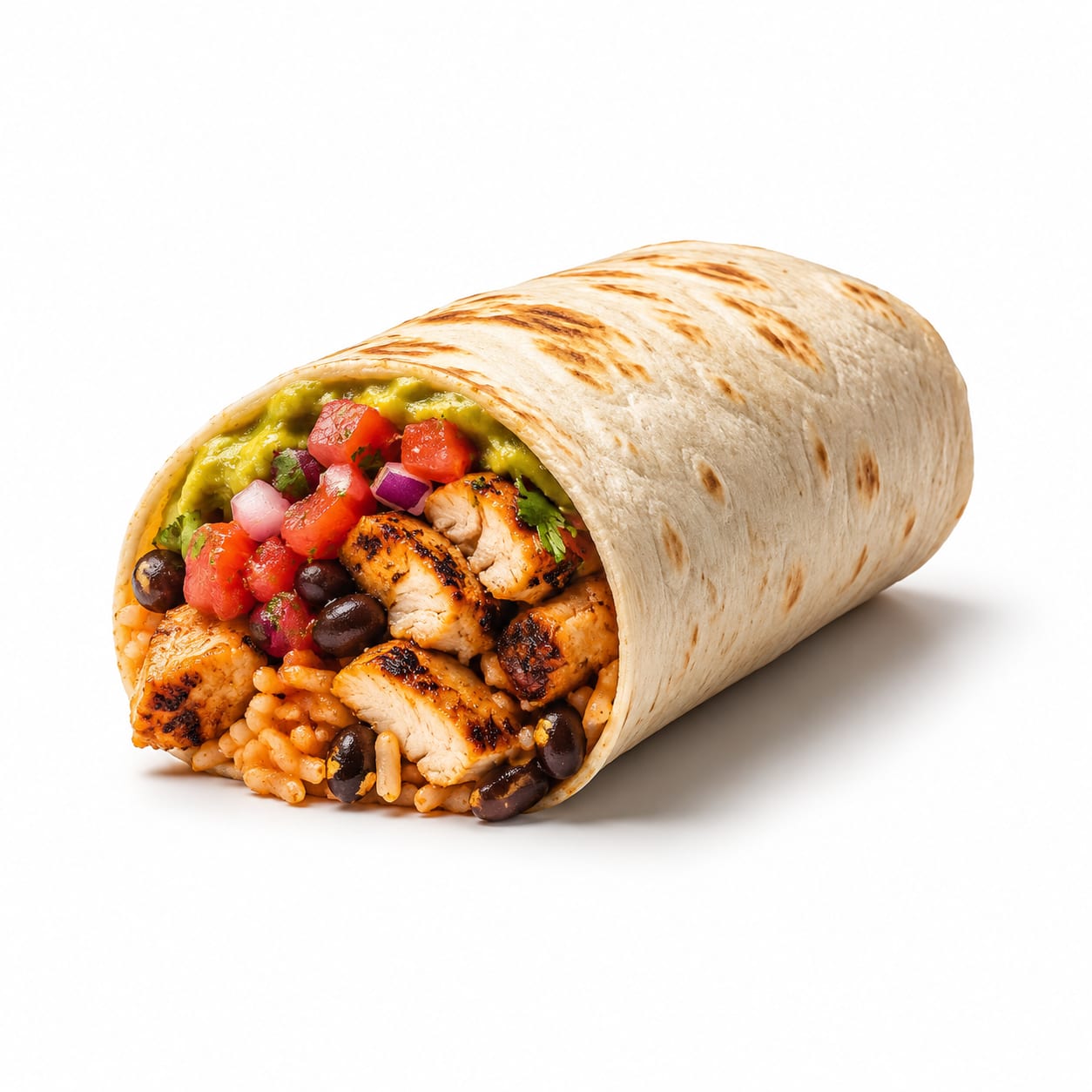
Burrito
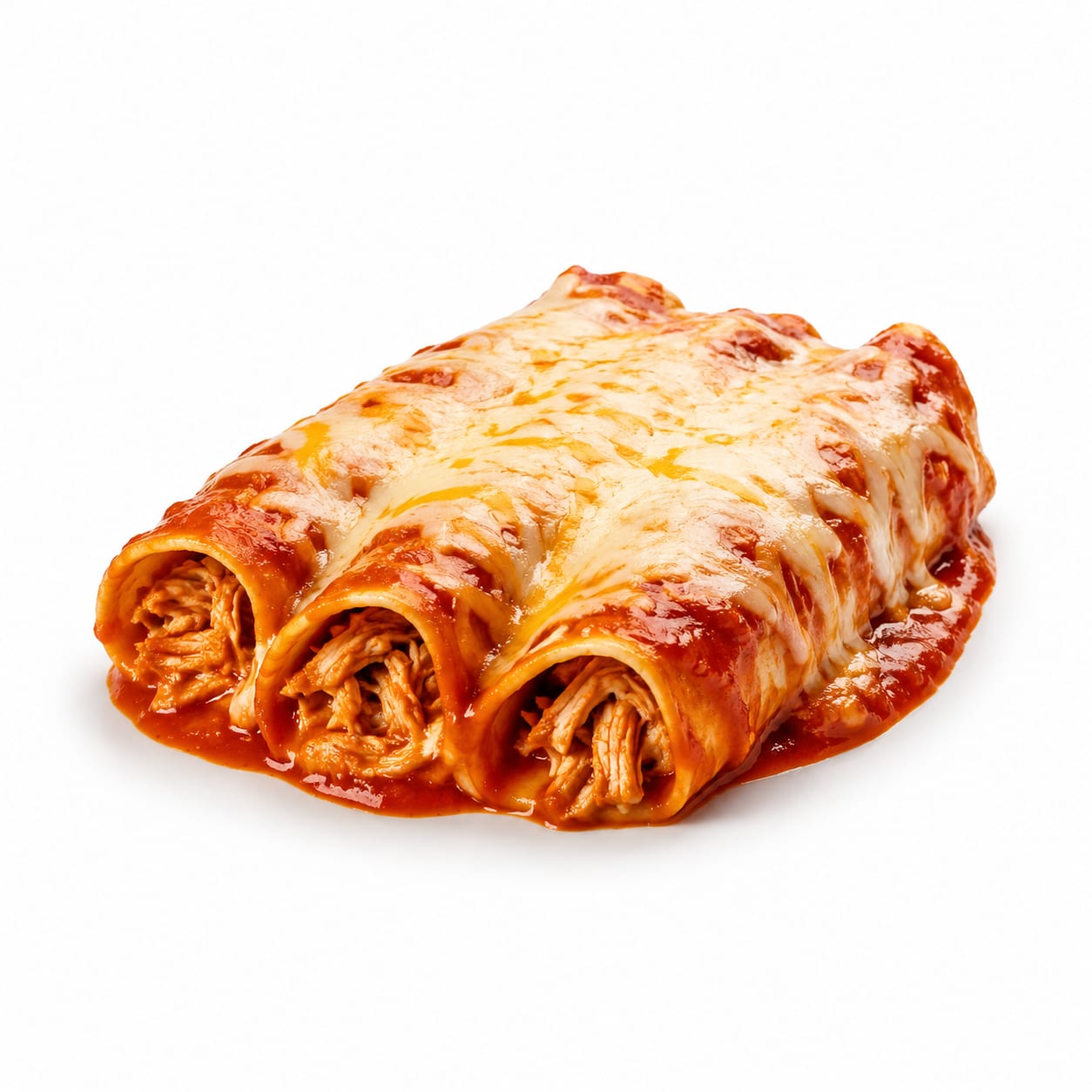
Enchilada
Burritos win for portability and protein capacity, enchiladas win for portion control and lower carb load. The healthier pick depends entirely on how they're built.
Enchiladas edge ahead slightly due to better portion control and lower carbohydrate load, but both scores are heavily dependent on preparation. A burrito bowl or a cheese-smothered enchilada can easily flip the comparison.
Burritos give you a filling, grab-and-go meal but easily become calorie bombs. Enchiladas offer built-in portion limits but can drown you in sodium from sauce and cheese.
At a glance
Executive summary
Overall
It depends
Healthier
It depends
More practical
Burrito
Daily use
It depends
Key comparison lenses
portion control and calorie management
Burritos are notoriously large and calorie-dense, while enchiladas are typically served in smaller individual portions that are easier to moderate
blood sugar stability
Burritos usually contain rice which significantly increases carbohydrate load, while enchiladas skip rice and rely more on protein and sauce
sodium awareness
Enchilada sauce and melted cheese can pack a serious sodium punch, often exceeding burrito seasoning
everyday meal versatility
Burritos are handheld and portable, enchiladas are a sit-down plate meal requiring utensils
digestive comfort
Flour tortillas and heavy rice fillings can feel heavier, while corn tortillas and sauce-based enchiladas may sit lighter for some
Best choice for
Burrito
- Busy professionals needing a portable lunch
- Athletes needing high-calorie fuel after intense training
- Anyone wanting a single-item complete meal
- People who prefer flour tortillas over corn
Enchilada
- People watching carbohydrate intake
- Those who struggle with portion control
- Diners wanting a lighter sit-down meal
- Anyone avoiding rice or heavy grain fillers
Least suitable for
Burrito
- People strictly limiting calories
- Those managing blood sugar spikes
- Anyone avoiding flour tortillas or gluten
Enchilada
- People on low-sodium diets
- Anyone needing a portable handheld meal
- Those who dislike corn tortillas
Deep comparison
Dimension by dimension
Each lens scores both foods and breaks down who each option suits.
- Dimension 1 · Priority 92Enchilada
calorie_density_and_portion_control
Burrito · 45Enchilada · 68A typical restaurant burrito packs 800-1200 calories in a single wrap. Enchiladas are usually served as 2-3 smaller pieces, making it easier to stop at a reasonable amount.
Tradeoff
Enchiladas give you natural stopping points. Burritos are an all-or-nothing calorie commitment once you start.
Why it matters
Most people underestimate burrito calories by 30-50%. The handheld format encourages finishing the whole thing even when full.
Real-world impact
Ordering a burrito often means consuming a full day's worth of calories in one sitting without realizing it.
Burrito
- Post-workout recovery when you genuinely need the calories
- Hikers and endurance athletes burning heavy energy
Better for
- Sedentary office workers eating at their desk
- Anyone trying to create a calorie deficit
Worse for
Enchilada
- Weight management and mindful eating
- People who want to feel satisfied without overeating
Better for
- People who need a single large meal to fuel a long gap before eating again
Worse for
- Dimension 2 · Priority 85Enchilada
blood_sugar_impact
Burrito · 40Enchilada · 62Burritos typically include rice, which adds a significant carbohydrate load on top of the flour tortilla. Enchiladas skip rice and use corn tortillas, resulting in fewer carbs per serving.
Tradeoff
Enchiladas still have carbs from corn tortillas, but the absence of rice makes the glycemic impact noticeably lower.
Why it matters
Rice plus flour tortilla is a double-hit of refined carbs that can cause energy crashes a couple hours after eating.
Real-world impact
A rice-stuffed burrito can leave you sleepy at your desk by 2pm. Enchiladas with mostly protein filling tend to sustain energy better.
Burrito
- Carb-loading before endurance events
Better for
- People monitoring blood sugar
- Those prone to post-meal food comas
Worse for
Enchilada
- People with insulin resistance or prediabetes
- Anyone trying to avoid afternoon energy crashes
Better for
- Athletes who need quick-access carbohydrate fuel
Worse for
- Dimension 3 · Priority 80Burrito
sodium_load
Burrito · 55Enchilada · 38Enchilada sauce is deceptively salty, and the melted cheese blanket on top adds even more sodium. Burrito seasonings contribute sodium too, but typically less than a drenching of enchilada sauce.
Tradeoff
Burritos can still be high-sodium depending on added salt and salsa, but enchiladas almost always come with a heavy sodium floor you cannot easily reduce.
Why it matters
A single enchilada plate can easily exceed 1500mg sodium. For salt-sensitive people, this is a hidden danger in an otherwise lighter-seeming meal.
Real-world impact
After an enchilada dinner you might wake up puffy and bloated from water retention, even though the meal felt lighter than a burrito.
Burrito
- People with hypertension monitoring sodium
- Those prone to bloating from salt
Better for
- Those adding extra salty salsa or processed fillings
Worse for
Enchilada
- People who sweat heavily and need sodium replenishment
Better for
- Anyone on a low-sodium diet
- People with kidney concerns
Worse for
- Dimension 4 · Priority 78Burrito
satiety_and_fullness
Burrito · 82Enchilada · 65Burritos are designed to be a complete heavy meal in one wrap. The combination of rice, beans, protein, and fat creates strong satiety signals that last for hours.
Tradeoff
That fullness comes at a calorie cost. Enchiladas can leave you hungry sooner but give you more control over how much you consume.
Why it matters
If you need one meal to carry you through a long work shift, a burrito does that job better.
Real-world impact
A burrito at noon can reliably get you to 7pm without snacking. Enchiladas might have you reaching for something by 4pm.
Burrito
- Long shifts without meal breaks
- People who skip snacks and need one meal to last
Better for
- People who feel sluggish after heavy meals
Worse for
Enchilada
- People who prefer smaller meals with snacks
- Those who dislike feeling overly stuffed
Better for
- Anyone needing sustained energy for 5+ hours without eating
Worse for
- Dimension 5 · Priority 75Burrito
convenience_and_portability
Burrito · 90Enchilada · 35Burritos are the ultimate handheld meal. Enchiladas require a plate, utensils, and are messy with sauce — not something you eat on the go.
Tradeoff
Burritos trade sit-down satisfaction for grab-and-go practicality. Enchiladas are a proper plate meal that forces you to slow down and eat mindfully.
Why it matters
For busy people, the ability to eat while walking or driving is a real factor in food choice.
Real-world impact
You can eat a burrito in your car. Try that with enchiladas and you will ruin your clothes.
Burrito
- Commuters and drivers
- Outdoor activities and picnics
- Quick work lunches at your desk
Better for
- Formal dining situations
Worse for
Enchilada
- Family dinners where sitting down together matters
- Date nights and restaurant meals
Better for
- Anyone eating while traveling or commuting
Worse for
- Dimension 6 · Priority 72Burrito
protein_quality_and_capacity
Burrito · 75Enchilada · 65Burritos can pack more total protein because they hold more volume. A loaded burrito with steak, chicken, or beans easily hits 40-50g protein. Enchiladas have protein too, but the sauce-to-filling ratio is less favorable.
Tradeoff
Burritos give you more protein per serving, but also more of everything else. Enchiladas offer a cleaner protein-to-calorie ratio if you go easy on cheese.
Why it matters
For muscle maintenance and satiety, protein density matters more than total protein when calories are a concern.
Real-world impact
After a gym session, a burrito delivers more recovery protein. But an enchilada with chicken and light cheese gives you decent protein without the calorie surplus.
Burrito
- Strength athletes in a bulking phase
- People struggling to hit protein targets
Better for
- Anyone where the extra protein comes with unwanted calories
Worse for
Enchilada
- People wanting moderate protein without excess calories
- Those who prefer leaner protein sources
Better for
- People needing high protein intake for athletic recovery
Worse for
- Dimension 7 · Priority 68Enchilada
digestive_tolerance
Burrito · 48Enchilada · 62The heavy combination of rice, beans, flour tortilla, and dense protein in burritos can cause bloating and gas. Enchiladas with corn tortillas and sauce are often easier on sensitive stomachs.
Tradeoff
Corn tortillas are gluten-free and lighter, but enchilada sauce can trigger heartburn in some people. Burritos with beans are notorious for gas but the flour tortilla itself is gentler on acid reflux.
Why it matters
If you have IBS, acid reflux, or general digestive sensitivity, the format of your Mexican food matters more than you think.
Real-world impact
A bean-heavy burrito can mean an uncomfortable evening. Enchiladas with mild sauce and chicken are usually the safer bet for sensitive stomachs.
Burrito
- People with acid reflux who need to avoid tomato-based sauces
Better for
- People prone to bloating from beans and heavy meals
- Those with gluten sensitivity
Worse for
Enchilada
- People with gluten sensitivity
- Those who find beans cause excessive bloating
Better for
- People with acid reflux triggered by enchilada sauce
Worse for
Timeline
Health impact over time
Short-term
Hours to days
Burrito
- Strong fullness that can last 4-6 hours
- Possible bloating and gas from beans and heavy carb load
- Risk of post-meal drowsiness from the rice and flour tortilla combination
- Blood sugar spike followed by a crash within 2-3 hours
Enchilada
- Moderate satisfaction without the overstuffed feeling
- Possible sodium-related thirst and mild bloating
- More stable energy levels due to lower carbohydrate content
- Potential heartburn from enchilada sauce if prone to acid reflux
Long-term
Months to years
Burrito
- Regular consumption of large burritos can contribute to gradual weight gain due to calorie density
- Frequent high-carb meals may worsen insulin sensitivity over time
- The bean content does provide beneficial fiber for gut health if tolerated
Enchilada
- Consistent high sodium intake from enchilada sauce may raise blood pressure over time
- Lower carb load makes this a more sustainable choice for metabolic health
- Corn tortillas provide some whole-grain benefits and are less processed than flour tortillas
Risk profile
Safety & processing
Both foods are similarly processed. Flour tortillas in burritos are more refined than corn tortillas in enchiladas, but enchilada sauce often contains preservatives and thickeners. Homemade versions of either can be quite clean, but restaurant versions of both tend to include additives.
Burrito
Improper holding temperature for rice and beans
mediumRice and beans left at unsafe temperatures can grow Bacillus cereus and other pathogens. This is a real risk at buffets and food trucks.
Cross-contamination from multiple fillings
mediumBurrito assembly lines with many ingredients increase the chance of allergen cross-contact and contamination.
Enchilada
Undercooked chicken in filling
highChicken enchiladas carry salmonella risk if the filling is not cooked to proper temperature, especially in casseroles where heat distribution is uneven.
Sauce contamination from canned sources
lowCommercial enchilada sauce is generally safe but canned versions may have BPA exposure concerns from can linings.
Who wins for whom
Audience fit
Same foods, different winners depending on your goal.
children
BurritoKids love handheld food, and burritos are easier for small hands to manage. Enchiladas with sauce and cheese can be messy and overwhelming for younger children.
daily consumption
It dependsNeither should be a daily staple due to sodium and calorie concerns. If forced to choose, homemade enchiladas with controlled sodium are slightly more sustainable for regular rotation.
diabetes
EnchiladaWithout rice and with corn tortillas instead of flour, enchiladas have a significantly lower glycemic load. This means smaller blood sugar spikes and better post-meal glucose control.
elderly
EnchiladaEnchiladas are softer and easier to chew, and the sauce keeps everything moist. Burritos can be dense and require more jaw effort, which matters for those with dental concerns.
muscle gain
BurritoBurritos can hold more total protein and calories, which is exactly what you need in a building phase. The rice also helps replenish glycogen after training.
weight loss
EnchiladaEnchiladas offer built-in portion control and skip the rice, making it easier to stay within calorie limits. Two chicken enchiladas with light cheese are far more manageable than a single massive burrito.
Your move
Decision guide
Choose Burrito
- You need a portable meal you can eat without utensils
- You are physically active and need the extra calories and protein
- You want one meal to keep you full for 5+ hours
- You are bulking or trying to gain weight
- You strongly prefer flour tortillas over corn
Choose Enchilada
- You are watching your carbohydrate or calorie intake
- You want a sit-down meal that encourages mindful eating
- You are sensitive to gluten or prefer corn tortillas
- You struggle with portion control and need natural stopping points
- You want to avoid the post-meal food coma
Either works if
- You are eating at a quality Mexican restaurant where both are made fresh
- You are cooking at home and can control ingredients in either format
- You simply want a satisfying Mexican meal and have no specific health constraints
Avoid both if
- You are on a strict low-sodium diet, as both can easily exceed 1000mg sodium per serving
- You have severe reflux and cannot tolerate spicy foods, tomatoes, or heavy meals
- You are following a whole-food plant-based diet and neither option fits without heavy modification
Final recommendation
For most people managing everyday health, enchiladas are the slightly smarter default because they avoid the rice-carb bomb and offer better portion control. But if you need a filling, portable meal and can handle the calories, a burrito is hard to beat. The real winner is whoever makes either one at home with controlled sodium, lean protein, and extra vegetables.
Practical
Consumer tips
- 1
Ask for burritos without rice to dramatically cut carbs and calories while keeping the protein and flavor
- 2
Order enchiladas with light cheese and sauce on the side to reduce sodium by 30-40%
- 3
Choose grilled chicken or steak over carnitas or barbacoa to reduce fat in either format
- 4
Add extra vegetables to burritos for more fiber and volume without many calories
- 5
Consider a burrito bowl as a compromise: you get the burrito fillings without the flour tortilla
- 6
Split a restaurant burrito in half and save the rest — most are large enough for two meals
- 7
Make enchiladas at home with low-sodium sauce and you eliminate the biggest nutritional downside